3 items worth buying now for your travel photography
All photos by Lola Akinmade
Many professional travel photographers travel light.
This means, one camera body (two if they’re on assignment), 2-3 lenses depending on what type of photography they intend to capture, and a bag of extras such as batteries, memory cards, and sometimes an external flash system.

For many travelers seriously interested in travel photography, a key deterrent is the shear amount of extra gear they may need to carry.
Figuring out what next to invest in after lenses and their camera body can be daunting.
If you’re wondering what additional gear to buy at the moment – from filters to external flash units and other peripheral devices, consider these items below:
Tripod
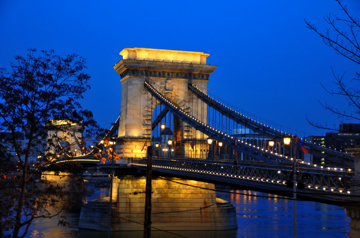
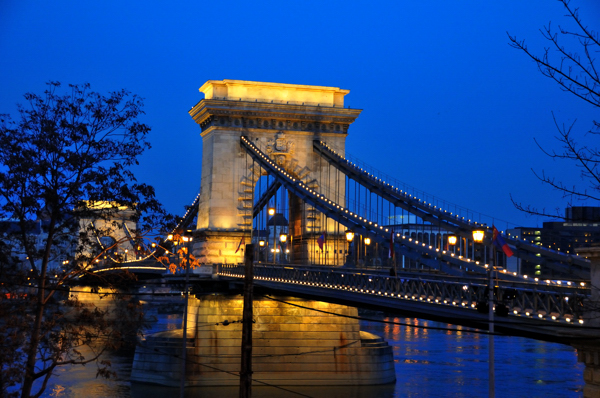
Photographing a city or street scene at night can be challenging because at that time of day, the light is too low for the camera’s sensor to capture adequately and there is a lot of movement as well.
This combination of low-light and movement makes for blurry photographs.
By setting your camera on a steady surface to help eliminate any type of shake, you have a better chance of capturing a crisper shot of the scene.
From basic table travel tripods and Gorillapods to larger ones, investing in a tripod can help you diversify the types of photos you capture of a particular locale by including night shots.
Cable Release
A cable release system is a lightweight remote device that allows you to control your camera’s shutter button without touching the camera body.
Why this is a valuable tool is that, when used in conjunction with a tripod or flat surface to steady your camera, it helps eliminate any additional movement that you might inadvertently cause when trying to snap a low-light scene.
When buying a cable release shutter system, always check to make sure it is compatible with the brand and version of your camera.
Extra Memory
While filters can help you control some atmospheric elements of your photographs, personally, purchasing extra memory is more important.
Having an extra set or two of memory cards allows you to better focus on snapping as many photographs of that dynamic scene as you can without having to worry about storage or deleting already captured moments. ![]()
*With experienced faculty, a robust curriculum, and an active and networking community of fellow photographers, the MatadorU Travel Photography program will teach you how to become a travel photographer.
Lola (Akinmade) Åkerström
Lola (Akinmade) Åkerström is a MatadorU faculty member and Network contributor. Her work has appeared in National Geographic Traveler, Vogue, BBC, Fodors.com, and many more. Follow her photoblog at Sweden.se.
More By This Author
- Dogsledding in Swedish Lapland [PICs] (5 comments)
- Wrap up: Wedding album arrives from VioVio [CONTEST] (1 comments)
- How to bucket shower like a pro (7 comments)


Great tips, thanks Lola.
Great tips, especially the extra memory. I always have at least two additional memory cards, just in case.
Great advice. I love the night photos but too bad I dont see them very much on some of my favorite travel blogs. Perhaps because they dont have these items…
Great tips. I have two more:
- Extra battery: I’ve had the battery die at the worst time.
- A small back up P & S. Apart from backup, the P & S is also great for walks around town, or if you are a culture vulture like me, who loves to interact with the locals, much less ‘in the face’ than an SLR.
Great advice. every one like night photography.thanks for your informative post during traveling.
Hello Lola,
thanks for the great tips. I totally agree with the tripod and the extra memory, and while I would love to have a cable release just for the photo trips around home, you can avoid schlepping this around when you travel and just auto-time your release. This is may be not the most practical way, but it works just as fine!
If you’re going to be anywhere with water a polarizer will work miracles as well. extremely light, relatively cheap, and incredibly handy.
budapest representtttttttxx