How to Pack Your Camera and Lenses for Travel
Feature photo: Luke Armstrong. Photo Above by Lola Akinmade
Gear costing thousands of dollars can be rendered useless quite easily. Accidents like these happen and when they do, they can tarnish trips. By putting a little forethought into how you pack your camera gear and adhering to the following suggestions, you can avoid looking at the sad sight of a cracked lens.
Checking In Camera Gear
Checking in cameras at the airport is generally a bad idea. Baggage handlers are experts at breaking even seemingly unbreakable things. If your amount of gear forces you to check in your camera gear, careful attention should be paid to how you pack it.
- Roll all items in several layers of Bubble Wrap® . This will serve to absorb impacts that are sure to happen along the way. Additionally, you can pop the bubbles to celebrate when your gear arrives at your destination undamaged.
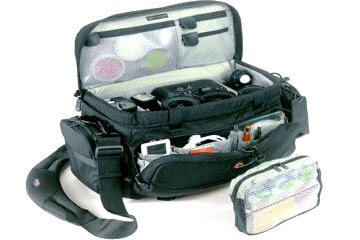
- Put all your camera gear in a bag specifically designed to carry expensive electronic gear. They should be packed in such a way that there is little space for your items shift around. T-shirts are perfect space fillers and offer added protection and padding.
- The camera bag should be placed away from firm and jagged objects that could knock against and damage your gear.
- Be sure all lens are covered. As some lens caps easily slip off, it is a good idea to use masking tape to secure the covers.
- If you’re old school enough to still be using film, make sure to hand-check it as X-ray machines might erase your pictures.
Loading Camera Gear In Your Bag
Constantly wrapping your gear in Bubble Wrap® and unwrapping while traveling is inconvenient, but there are other precautions that can be taken. Keep your gear towards the top of your pack. This is handy for quick access and also shelters cameras and lens from weight that could damage them.
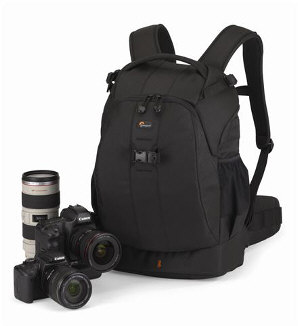
Price: $149.95 | BUY
The bag that you select for your camera should be waterproof. LowePro has a line of waterproof camera bags in various sizes and styles. Select a bag with enough compartments to keep your gear organized.
Overstuffing a camera bag is a great way to damage items. Lenses stored vertically tend to fare better than when stored horizontally.
Packing gear such as memory disks and batteries in Tupperware helps keep it safe and keeps out the moisture.
If you have a camera with multiple lenses, be sure to remove the lens from the camera when not shooting.
Frequently check straps for wear. A broken strap can easily lead to a broken camera. If you camera gets wet – as tempting as it is to turn it on to see if it works – don’t.
Running a current through it while wet can permanently damage the circuits. Instead, be patient. Open the battery slit and let it dry in an arid place for at least 24 hours before trying to turn it on.
By following this advice, you will be sure to have fewer headaches and heartbreaks caused by damaged gear.
Related Posts
Luke Armstrong
In 2007, after finishing degrees in philosophy and English in La Pontificia Universidad de Valparaíso, Chile, Luke did what any financially oblivious recent grad would do: took out a large student loan and with the to hitch hiking from Southern Chile to Alaska. He only made it halfway though and currently works as the director for the Nuestros Ahijados, an humanitarian aid organization that cares for and educates 12,000 widowed and abandoned women and their dependents in Guatemala. He is a huge fan of ice-cream and truth.
More By This Author
- Guatemalan disaster creates chaos and a call to action (11 comments)
-
http://wayworded.blogspot.com/ Hal
-
http://www.bubblesandbugs.com Cindi
-
Teresa
-
http://matadortravel.com/travel-community/michelles Michelle
-
http://www.RaisingCatholicKids.com Dad
-
http://www.robhaich.co.uk robhaich
-
http://clive.moss.net Clive
-
Matt
-
http://www.vancelester.com Vance Lester