Previous Next
Photo by Author
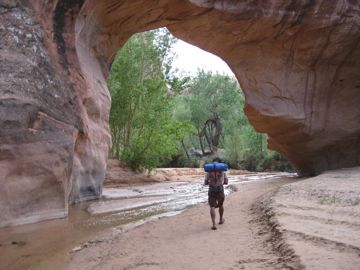
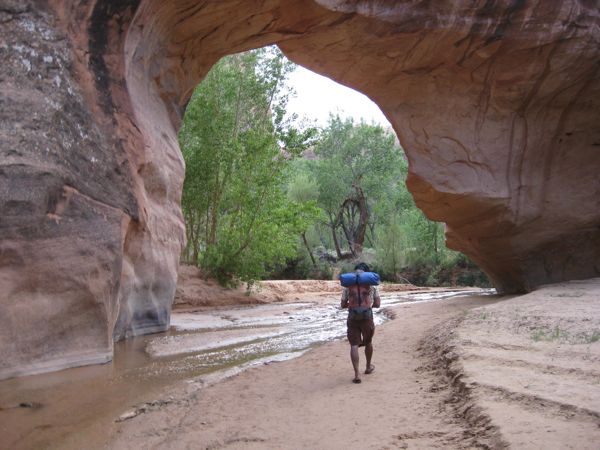
Fastpacking, or ultralight backpacking, is all about traveling farther by cutting out weight and dialing up speed.

THERE IS NO ROOM in a fastpacker’s pack for comforts like Lexan wine glasses, solar showers, or gourmet trail food, so it’s certainly not for every backpacker. But by using a combination of trail running and hiking, fastpackers can travel upwards of 30 miles a day.
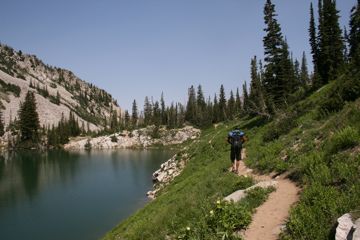
Hardcores take it even further and travel without tents or stoves, fueling themselves with energy bars, cold instant coffee, and jerky, while making shelters out of tarps or sleeping on the ground.

Photo by Author

As grueling as fastpacking may sound, you won’t need to rest as much, and may actually enjoy carrying a pack more if you lighten your load. Without distractions like GPS and multi-tools, you’ll likely find it easier to connect with your environment too.

Essential Gear

Basically, fastpackers strive to cover as much distance as they can in as little time as possible by carrying only the essentials.

You’ll need to get a lightweight backpack and limit your gear to a sleeping bag, shelter, food, and water. Any lightweight daypack will do, but shoot for a model that weighs less than 3 pounds and holds 20-30 liters, such as Black Diamond’s Octane Pack.

Choose a lightweight sleeping bag and sleep in your clothes to cut the amount of insulation you’ll need. To drop even more weight, leave the sleeping pad at home or try out an ultralight inflatable mattress.

You can create a decent shelter out of a tarp or a poncho, but if you absolutely cannot go without a tent, find a lightweight single wall tent that weighs no more than 3 pounds.

Where to Go It will take a few trips to truly master the art of ultralight backpacking. Start out with an easy 8-10 mile overnight hike or a favorite trail close to home.

Choose a well-maintained trail that you are already comfortable with - that way, you won't be as worried about route-finding and will be able to ease into the idea of traveling with the bare minimum.  You will soon learn that everything in your pack can serve many purposes, like your jacket, which can serve as a pillow, and your backpack, which can double as a sleeping pad.

Once you have your backpack down to 10 pounds and your fastpacking technique dialed, it’s time to hit up some longer trails.  The beauty of fastpacking is that you can travel longer distances, so you can knock out in one weekend that five-day trip you never seem to have the time to do.

If you have a little more time, the 211-mile John Muir Trail in California is a fastpacking classic.

A Note on Safety

Since they don’t often travel with extra food, clothing, or high-tech emergency gear, getting lost is a lot more dangerous for fastpackers than it is for traditional backpackers.

Try to stick to well-established trails, make sure to leave some room in your pack for sunscreen and a small backcountry first aid kit, and always leave your itinerary with a family member or friend.

Community Connection

Read about one traveler’s quest for the ultimate backpack on Brave New Traveler.

Trekking + Exploring


About The Author

Amiee Maxwell

Amiee Maxwell is based out of Salt Lake City and spends as much time as possible living out of her Subaru in the Utah and Nevada desert. She recently left her day job to try her hand at full-time wandering. Follow her journeys on her site.

Archived Responses to How to get started fastpacking

  1. [...] to shrink your pack instead of adding to it? Try fastpacking. var ids = new Array; ids.push(8466);SHARETHIS.addEntry({ title: "Pickle Juice and Baking Soda: [...]

Monica Prelle climbs to one of Ontario's highest points and steps to the edge.
Stepping onto a trail with everything you need provides a unique kind of freedom.
With uncertain futures and few jobs available, some recently unemployed are viewing the...
Our take on ten of the world's best towns for getting on (and occasionally off) the trail.
I pulled the webbing up the dryfall, and to my horror saw what had been tied to it.
Here are five quick and not-so-dirty tips to reduce your footprint on the trails.
"Connecting with wild creatures and seeking out a green space is an instinct."
Olivia Dwyer has chiller alternatives to the six Great Walks on the island.
Tips for successfully crossing rivers on foot, alone or in a group.
Yes, driving the Great Ocean Road is nice. But walking the coastline is a much deeper...
A mini-documentary on the most beautiful mountain hike in the world.
My first experience cramping up mountain biking was met with a slimy ziplock bag of...
Hiking is South Korea's national pastime. Hike, climb and scale frozen waterfalls with...