Photo: UVL/Shutterstock

Why the Forest Service Wants to Spray a Chemical Herbicide Near Lake Tahoe

Sustainability News
by Suzie Dundas May 19, 2026

A major post-fire restoration project in the Lake Tahoe Basin is moving forward, and it includes the planned use of herbicides. It’s a decision that has drawn scrutiny and attention from residents, environmental groups, and local planning agencies.

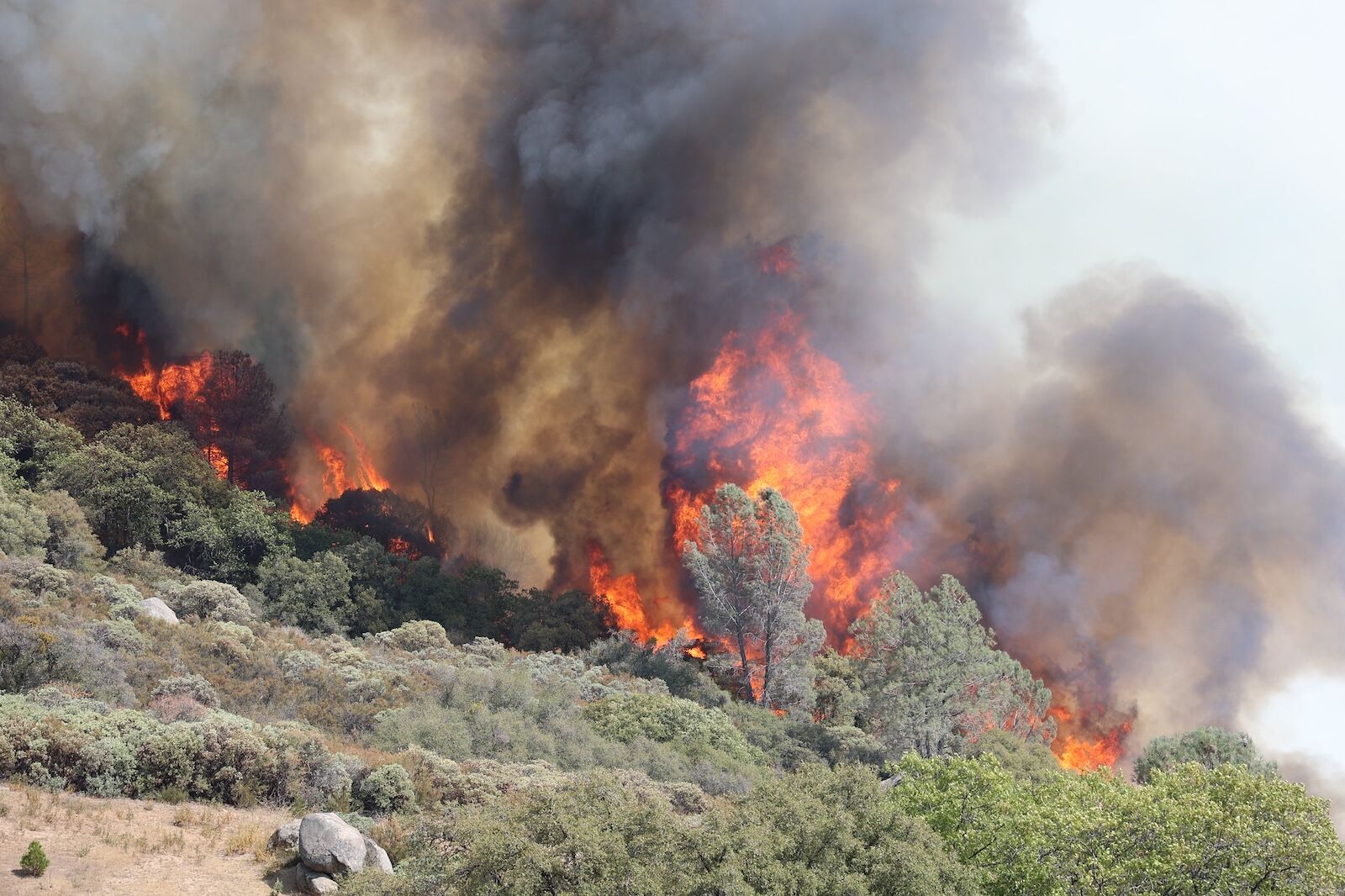
It’s part of a project to restore the area burned during the Caldor Fire, which burned thousands of acres of forest in the summer of 2021. When a wildfire burns through, it can leave behind conditions that make it difficult for forests to recover on their own. Intense heat destroys seeds and root systems in the soil, and fast-growing plants can move in and start growing in spaces that should be occupied by native trees — a process that can delay forest regrowth by decades.  Bare hillsides that no longer have forests are also more prone to erosion and flooding, which can damage everything from roads to water quality in nearby 22-mile-long Lake Tahoe.
lake tahoe glyphosate - calfor fire

The Caldor Fire burning in Eldorado National Forest near Lake Tahoe, August 2021. Photo: CAL FIRE

The US Forest Service (USFS)  recently approved the Caldor Fire Restoration Project, which includes forest thinning, prescribed (controlled) burns, and limited herbicide use to kill off shrubs and competing vegetation. According to the Forest Service decision notice, the project is intended to reduce wildfire risk and restore damaged ecosystems over the next 10 to 15 years. Within the project, there are approximately 4,900 acres where the probability of the forest naturally regenerating is calculated at less than 40 percent. Reforestation actions, including herbicide treatments,  are proposed for use on roughly 2,400 to 3,600 of those acres.

The project area stretches across public forest near the communities of Meyers and South Lake Tahoe. It includes areas near Sierra-at-Tahoe, Kirkwood, and Heavenly ski resorts, as well as campgrounds and trailheads.

Why herbicides?

lake tahoe herbicides - spraying device

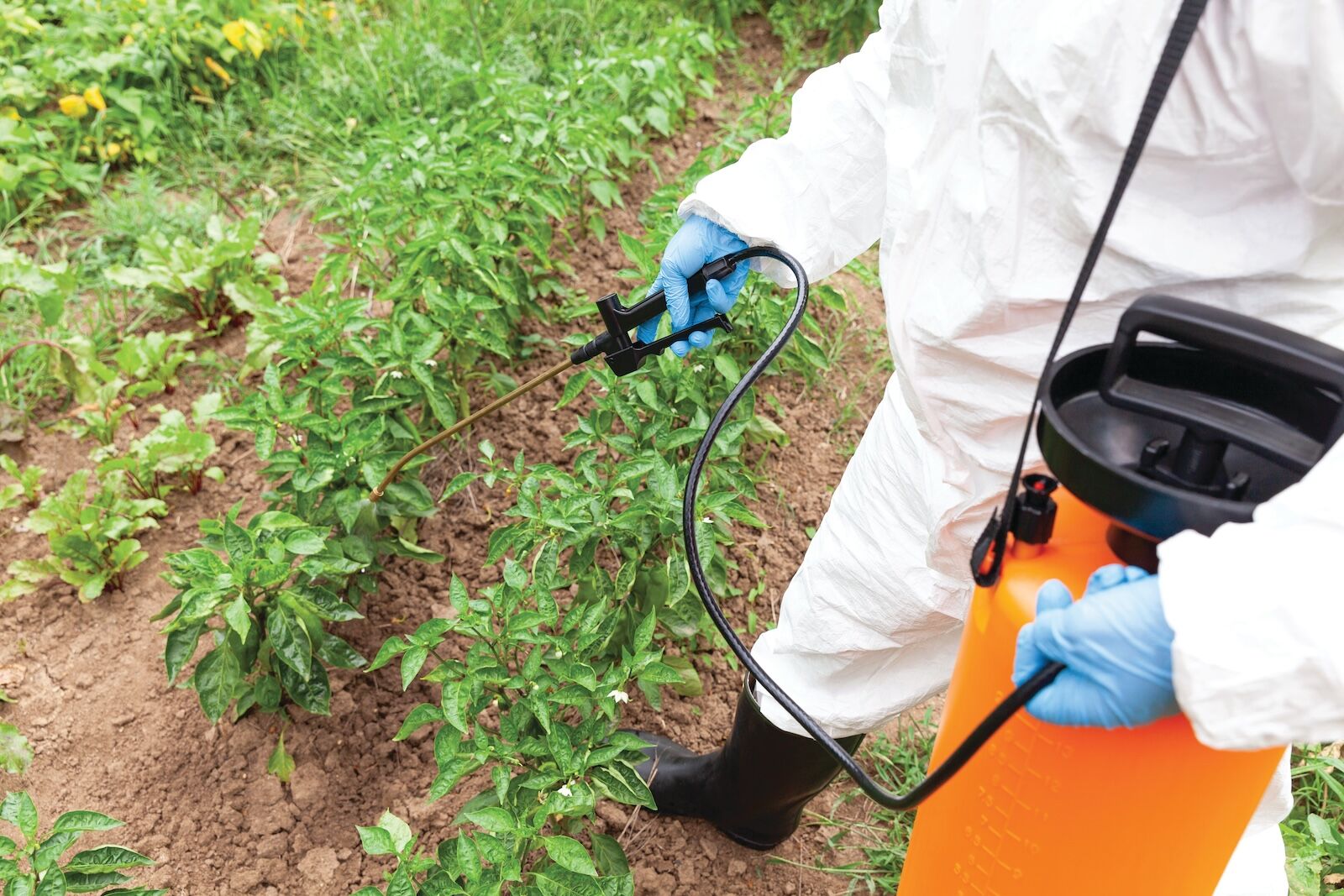
The plan for Tahoe includes the use of herbicides sprayed by hand, similar to the distribution system seen here. Photo: wellphoto/Shutterstock

Glyphosate, best known by the brand name Roundup, is used to kill shrubs, flowering plants, and hardwood trees that compete with replanted conifers after fires. Trees that hold their seeds in cones, like pine and Douglas fir, are able to withstand the chemical. USFS has stated that EPA-certified herbicides are a necessary tool for forest regeneration following high-severity burns like the Caldor Fire and doesn’t ban their use, allowing for “herbicide treatment to aid site preparation before tree planting and to manage competing vegetation after planting when manual treatments are ineffective or expected to be insufficient.” The use of herbicide won’t begin until 2028 and will be applied using backpack sprayers to target specific plants, rather than any type of aerial use.

Due to the time-sensitivity of the project and risk of continued deterioration in the burn area,  the Lake Tahoe Basin Management Unit used an “Emergency Action Determination” for the project. Doing so skipped a final step that allows objectors to challenge the decision before implementation begins, but it did include a public comment period in December 2025.

What’s the big deal?

jeffrey pines in northern california

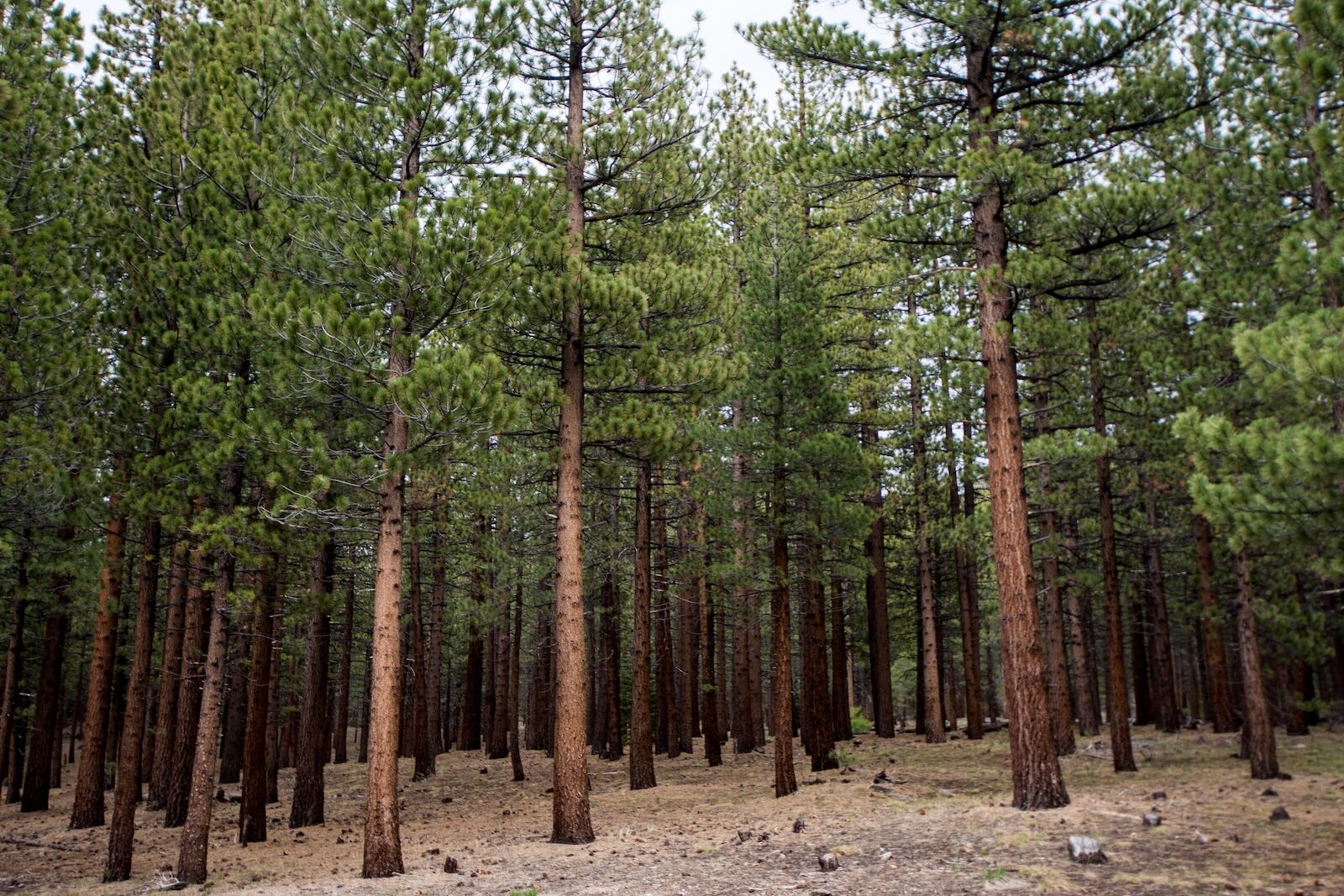
Native conifers like Jeffrey Pines, shown here, are more tolerant of chemicals like glyphosate. Spraying it to kill smaller plants that would otherwise take resources from native trees is one method of encouraging forest regrowth after wildfires. Photo: melissamn/Shutterstock

The Tahoe project is arriving alongside a yearlong investigation by Mother Jones that analyzed more than 5 million California pesticide records. It determined that approximately 266,000 pounds of glyphosate were used in 2023 in the state’s forests, representing a five-fold increase over how much was used two decades ago. The publication also found that the USFS’s assessment of glyphosate’s safety was based on a study that was later retracted following allegations that it was ghostwritten by Monsanto, the agrochemical company that developed and patented glyphosate in the 1970s.

Glyphosate has long been controversial. In 2015, the cancer research arm of the World Health Organization classified it as a “probably carcinogenic to humans,” and manufacturer Bayer (which bought Monsanto in 2018) has paid more than $12 billion in settlements tied to lawsuits alleging the herbicide caused cancer. Public comments submitted during the environmental review process raised concerns about herbicide use and its possible effects on not just human health, but also waterways and recreation areas.

USFS has stated it can get similar results by reforesting without chemicals by using manual labor and machines, but noted it costs roughly three times as much.

The approval process

lake tahoe herbicides - tahoe basin

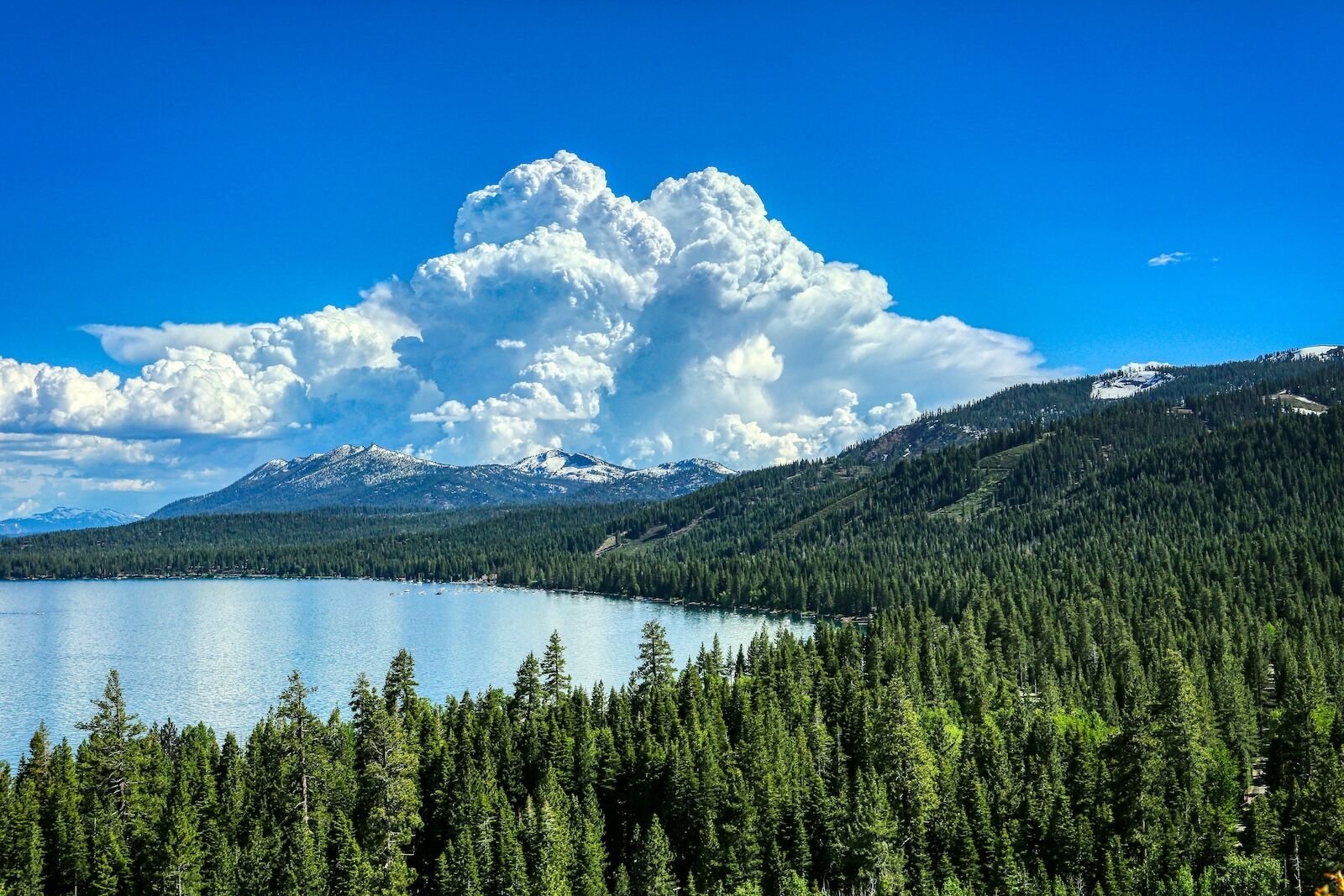
The Lake Tahoe Basin includes not just the lake itself, but all land that drains into the lake. Photo: Mick Haupt/Unsplash

The specific division of the Forest Service that manages the national forest lands within the Lake Tahoe Basin, called the Lake Tahoe Basin Management Unit, or LTBMU, has stated it has “been thoughtful in its choice of areas for herbicide use, avoiding sensitive riparian habitats and times of year (June 1 to September 30) when pollinator species may have a higher chance of being impacted by application. The planned herbicide use associated with the Caldor Project is designed to be as minimal as possible and with the least amount of chemicals necessary,” according to reporting from local news source the Tahoe Daily Tribune. The LTBMU recently told reporters it has not reevaluated its decision in light of the Mother Jones report.

The Final Environmental Assessment and Decision Notice for the Caldor Fire Restoration Project was released on March 27, 2026, and is publicly available. Site prep will begin in the next few weeks, but the herbicide applications aren’t expected to start before 2028 at the earliest.

Why is Tahoe making headlines for this?

lake tahoe herbicides / glyphosate - tahoe hiking sign

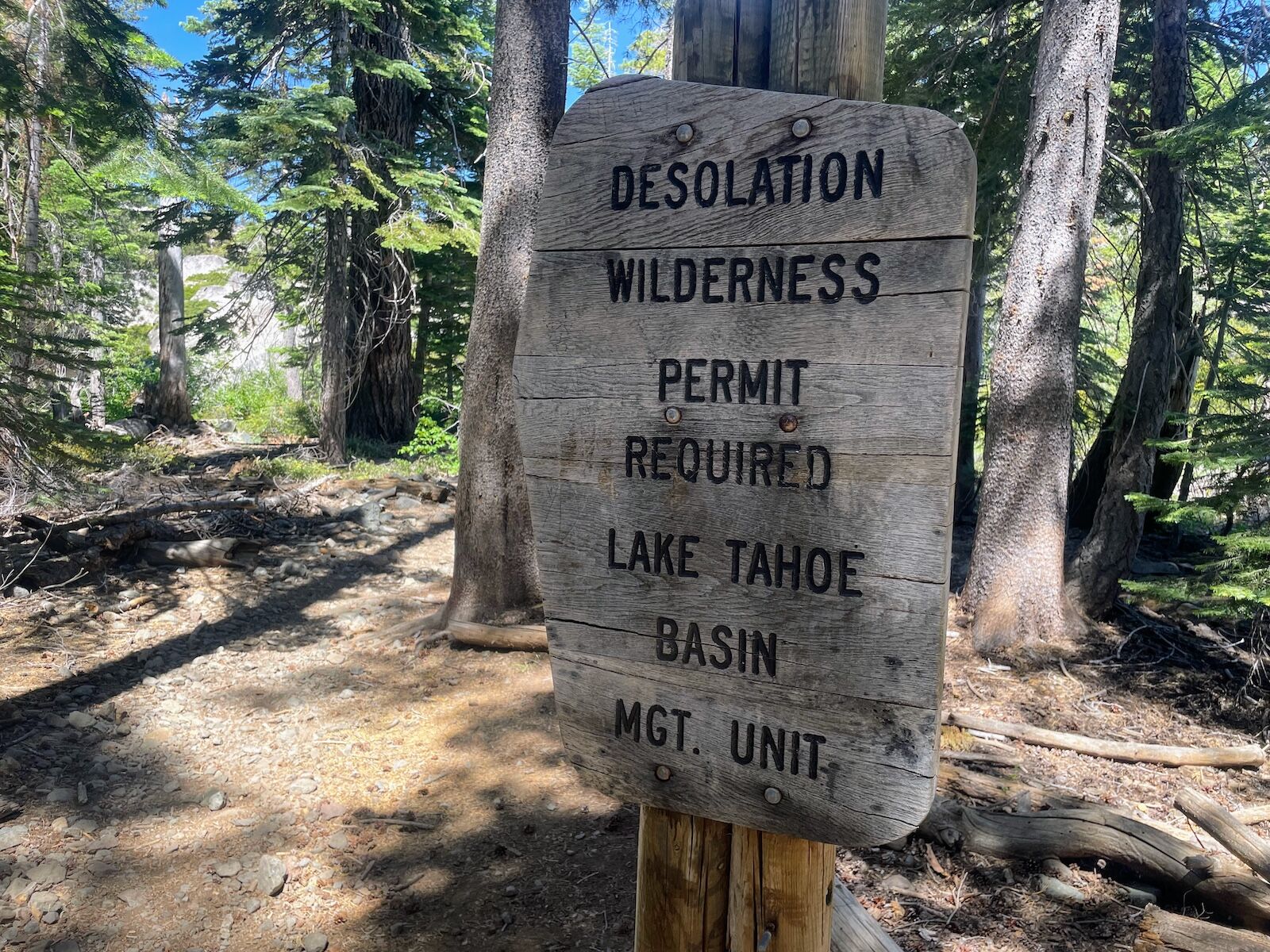
A trailhead sign within the Lake Tahoe Basin Management Unit. Photo: Suzie Dundas

Tahoe is not unique at all in the use of glyphosate for forest reforestation, as it’s actually in widespread use around the country. According to the Mother Jones investigation, roughly 90 percent of forest spraying in the US takes place in 16 southern states where the timber industry is most active. It’s also widespread in Oregon, where aerial spraying by timber companies has raised long-standing concerns among residents. A search of Forest Service documents turned up reports of glyphosate use throughout the Pacific Northwest, and a May 2026 Forest Service document mentions herbicide application planned for Washington state’s Olympic National Forest.

So why is Tahoe making headlines? A few reasons: the Mother Jones investigation dropped in late April 2026 and sparked national attention on the issue at the same time the Tahoe project was already making headlines in the local community. Additionally,  Tahoe is a high-profile destination with heavy foot traffic and lots of tourism, and campgrounds, trailheads, and ski resorts are within the project area. Finally, California’s strict pesticide reporting requirements are what made the data available to journalists in the first place. No other state has the same reporting requirements, making it easier to accurately report on the issue in California — but also raising questions about the potentially invisible use of the chemical in other parts of the country.

How to get involved

lake tahoe glyphosate/herbicides - east shore trail

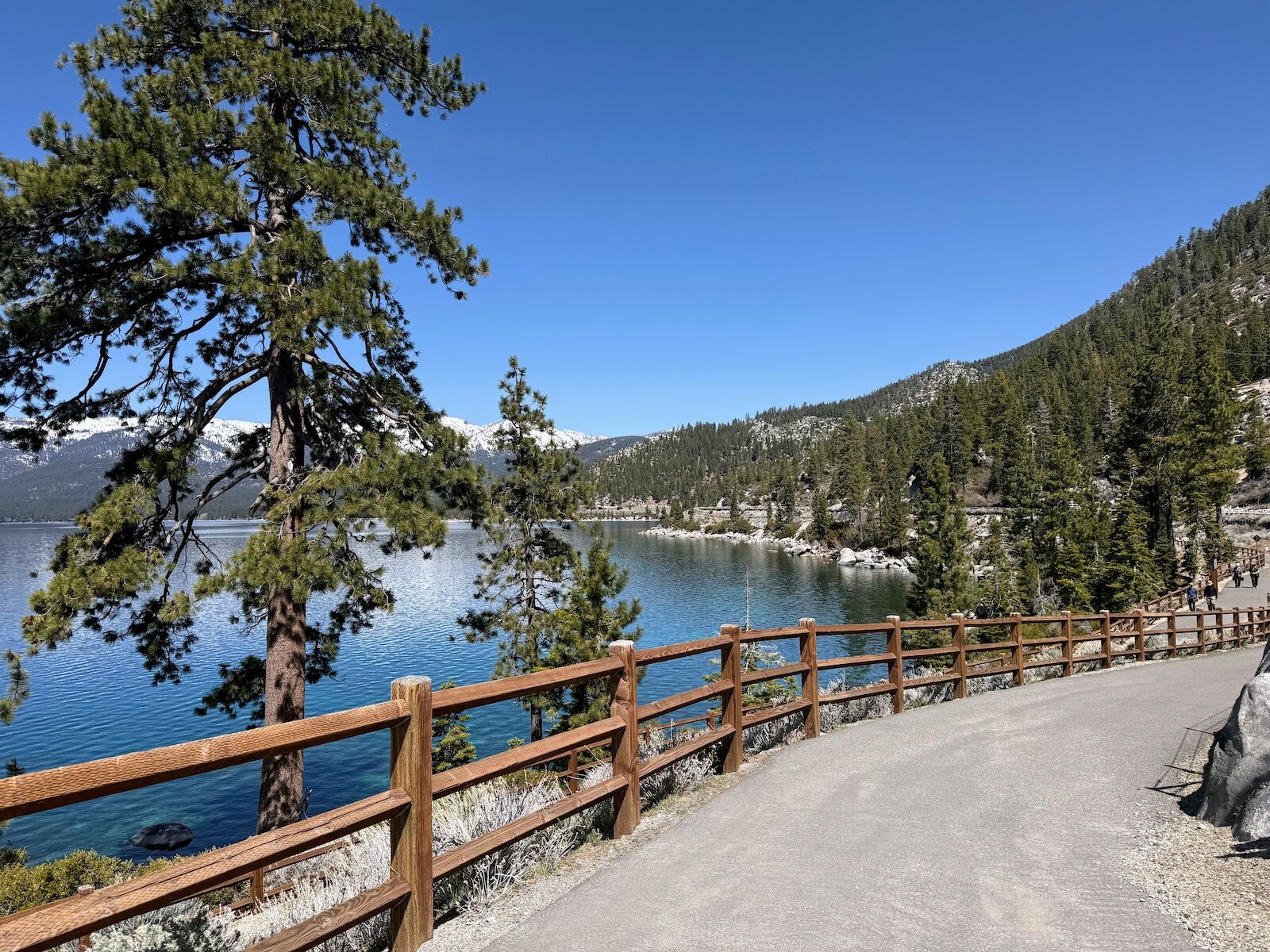
A view of Tahoe from the East Shore Trail (not impacted by the Caldor Fire). Photo: Suzie Dundas

Residents and visitors who want to follow or weigh in on the Caldor Fire Restoration Project can access all project documents and monitor updates on the USFS Lake Tahoe Basin Management Unit project page. The TRPA also accepts public input at its monthly governing board meetings, held in person and via Zoom, with agendas and recordings available at trpa.gov.

Those concerned about herbicide use in forest management can support American Regeneration, an organization focused on replacing chemicals in land management, or Forest Service Employees for Environmental Ethics, which advocates for ecologically based management of national forests.

Tahoe locals have created copy-and-paste scripts that can be sent to local elected officials, and there are more than 10,000 signatures on a Change.org petition directed to California’s state senators. More well-known organizations like The League to Save Lake Tahoe and The National Forest Foundation (the official nonprofit partner of the US Forest Service) also work in the area to protect Tahoe’s fragile landscape, though neither organization has spoken out against the proposed use of glyphosate as of May 19, 2026.

Discover Matador

Save Bookmark

We use cookies for analytics tracking and advertising from our partners.

For more information read our privacy policy.