Photo: Parks Canada/Jeff Bolingbroke

National Parks to Visit in 2026: Glacier, Canada

British Columbia Sustainability National Parks
by Suzie Dundas Dec 16, 2025


Return to the best
national parks to visit in 2026

In 2026, Canada’s Glacier National Park may face its most consequential year yet. Its namesake glaciers are still prominent, but the next few years could irreversibly change the face of the park, turning it into a postglacial landscape. As of 2025, glaciers in the interior ranges of western Canada, including Glacier National Park, are losing ice at some of the fastest rates observed anywhere in the country, with studies showing ice loss in Alberta and British Columbia has accelerated roughly seven‑fold since the late 20th century. Since 1985, the park has lost 208 glaciers, leaving 129 today. The situation is so drastic that the United Nations recognized 2025 as the “Year of Glacier Preservation.”
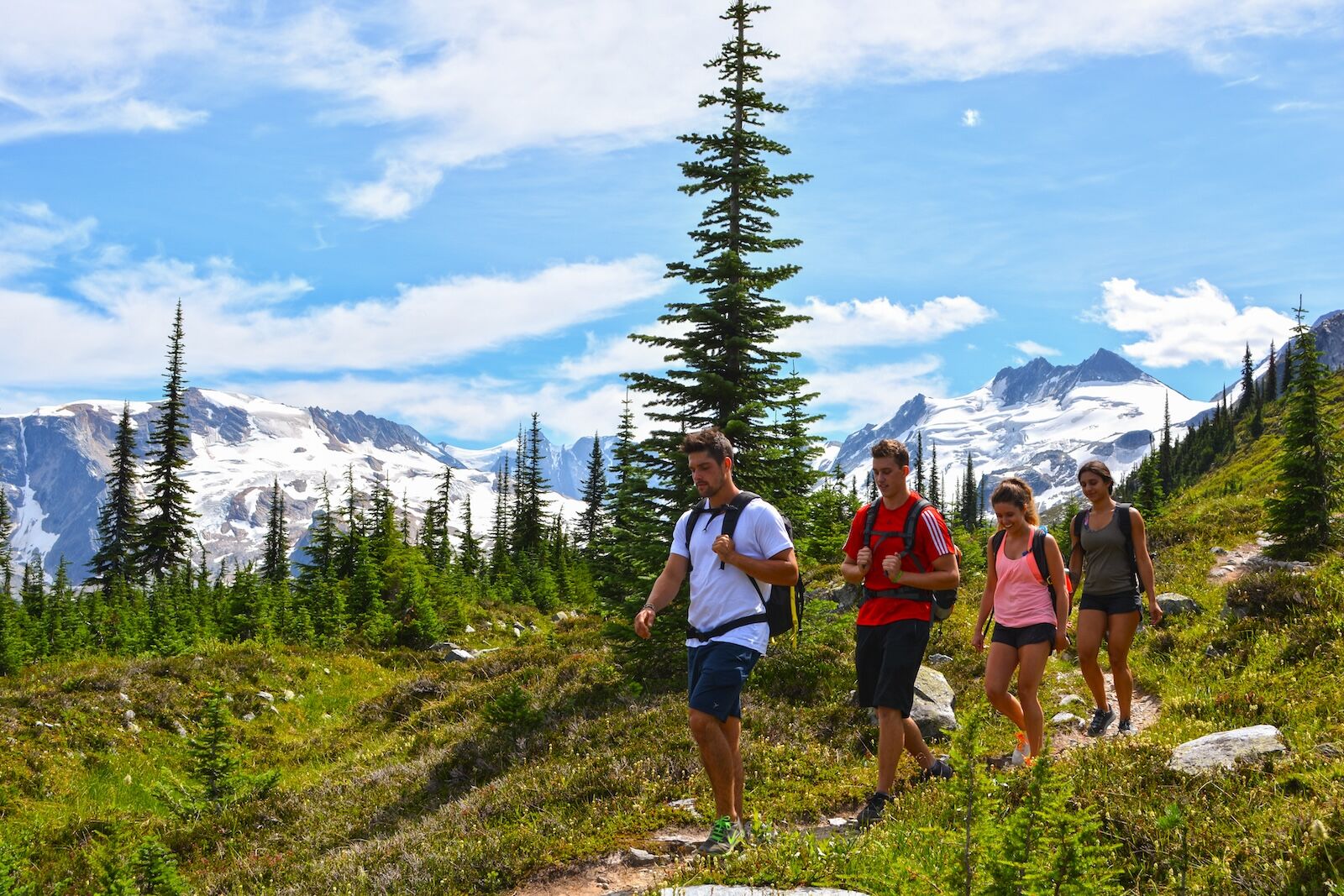
Unfortunately, things are not trending well for the world’s glaciers, and many experts think decisions made in North America over the next few years are likely to make the world’s climate change issues worse. Many scientists think that nearly half of the planet’s glaciers are already doomed, even if climate change trends reversed today.

Photo: Parks Canada/ Jeff Bolingbroke
Photo: Parks Canada/Ryan Bray
Photo: Parks Canada/Jeff Bolingbroke
Photo: Parks Canada/Wayne Lynch

While it’s hard to imagine a future without life-giving glaciers, it’s also irresponsible to pretend these landscapes aren’t changing quickly. What is responsible, however, is to plan an eco-friendly trip to see the glaciers, making sure to support the parks, organizations, and guide companies that work to protect them.

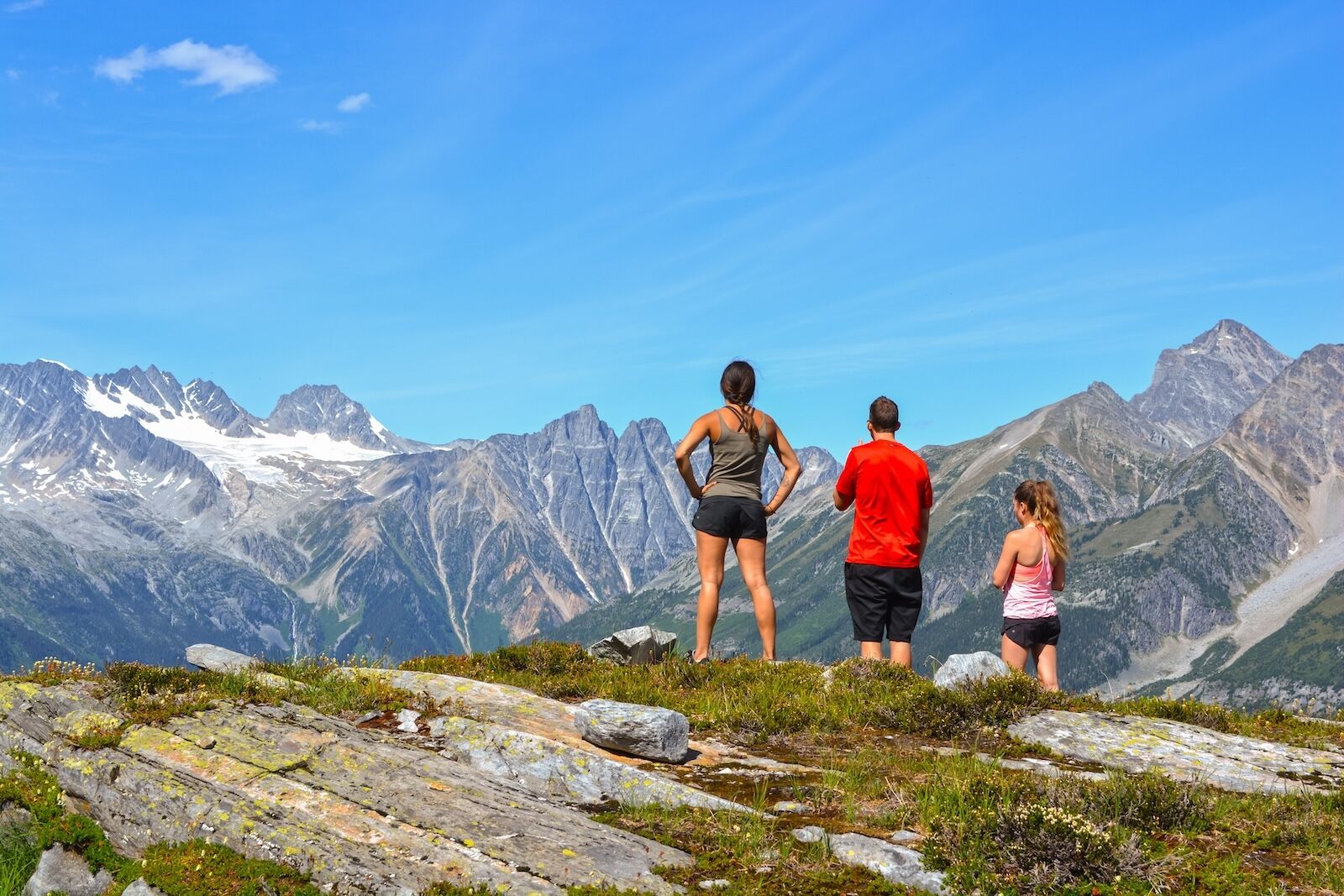
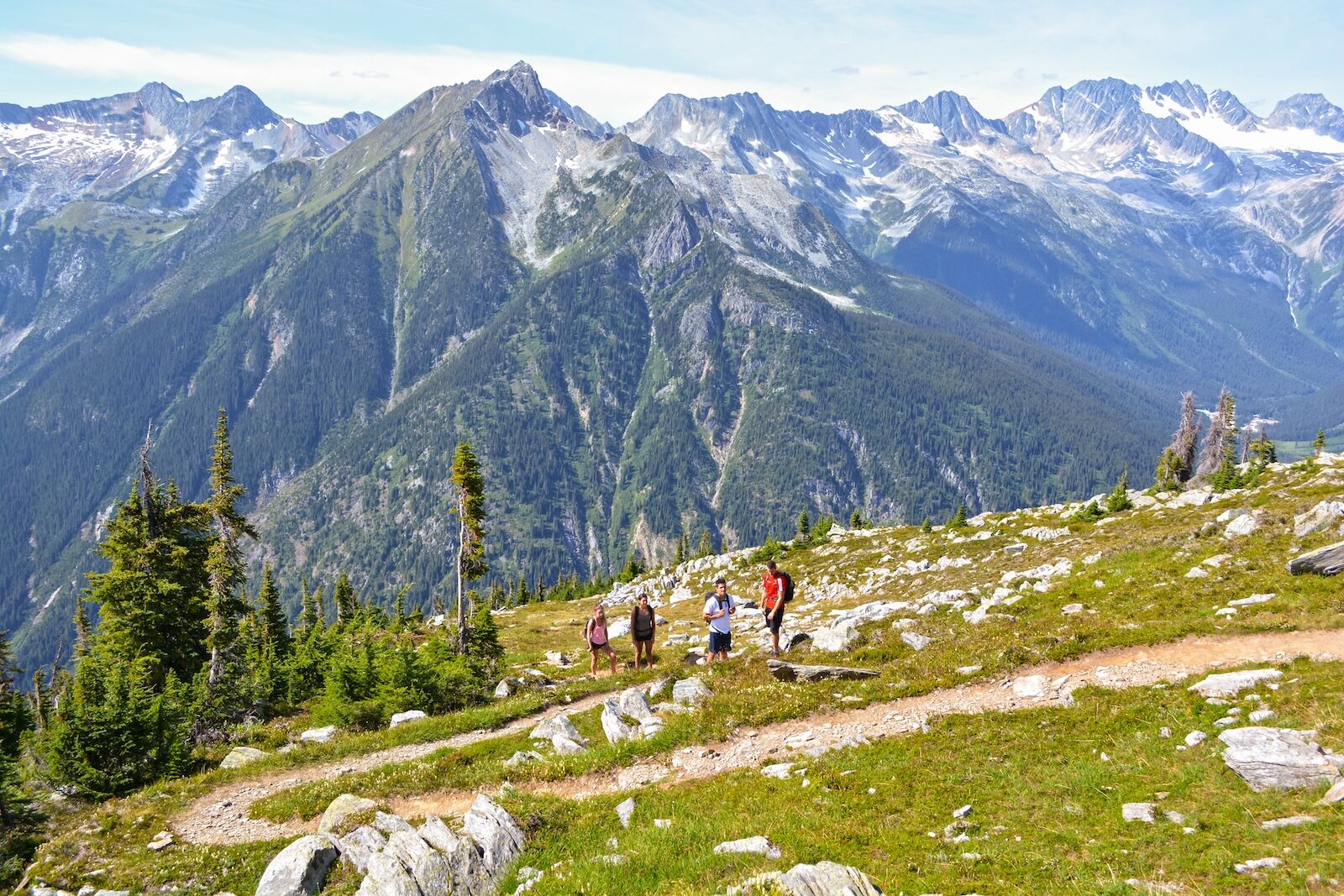
For visitors, 2026 will likely be a year when the icy blue shimmers and dramatic crevasses of the glaciers are still visible — but so are retreat lines, moraine fields, and newly formed ponds filled by glacial melt. It’s a chance to see the very real effects of climate change in action while also seeing the raw, wild beauty of Canada’s high-elevation peaks. For now, you can see glaciers from roadside viewpoints and accessible trails, without the need for significant hiking. Visitors can also take part in a modern monitoring program where visitor photos can help scientists track glacier retreat in near real time.

How to reach Canada’s Glacier National Park


Glacier National Park is easy to reach at four hours by car from Calgary or 6.5 hours by car from Vancouver. No reservations are required and there’s a daily entrance fee of $11 CAD per person.

Discover Matador

Save Bookmark

We use cookies for analytics tracking and advertising from our partners.

For more information read our privacy policy.