Every country around the world has its stereotypes, but among Americans, one that seems to persist is the way Americans think of the French. The country’s fabulous food, world-famous landmarks, and sparkling Mediterranean beaches are perennial favorites for American travelers each summer. But despite this, the country has a reputation in American media for being less-than-welcoming to English-speaking travelers. The perception that the French (especially Parisians) look down on American travelers is generally a misconception based on different social norms. But one major French newspaper just complicated the conversation, announcing that its recent investigation found that some Parisian restaurants were regularly overcharging tourists—particularly Americans.
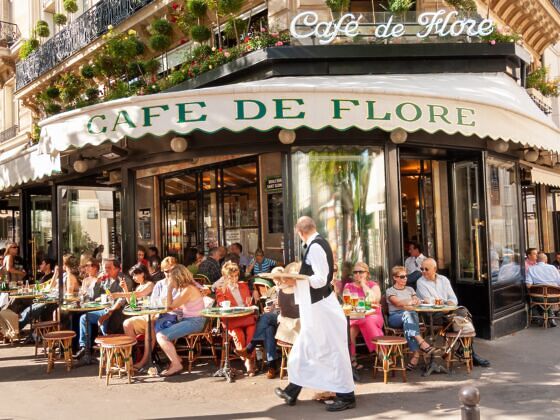
Paris Cafes Charge Tourists More Than Locals, French Investigation Finds
In July 2025, Le Parisien conducted a sting operation to expose hidden and unfair pricing in tourist restaurants, motivated by frequent complaints and mentions in reviews on social media platforms. In the investigation, two journalists visited the same unnamed cafes near the Eiffel Tower. One posed as a local Parisian, while the other dressed and acted like a stereotypical American tourist, complete with an Eiffel Tower T-shirt and baseball cap. Both ordered the same meal (lasagna, a Coke, and water), but received vastly different treatment and pricing.
The “local” was given a small Coke for 6.5 euros and a free bottle of tap water, while the “American” was served a larger Coke for 9.50 euros and was only offered a paid bottle of water, not tap water. At a different restaurant, the bill for the “local” included a 10 percent service charge, while the American was incorrectly told service charges weren’t included and was asked to tip. When the “American” attempted to leave a 10 percent tip, the waiter changed it to 15 percent and covered the credit card machine’s screen so the customer wouldn’t notice. Across all restaurants, the “American” visitor was charged nearly 50 percent more than the local counterpart. Further reporting by The Telegraph found that waiters were actively instructed to treat local and foreign visitors differently, almost always at the expense of the international visitor.
These tactics sparked outrage from French dining professionals, with one restaurant owner calling the scams “a disgrace to the profession.” Still, it’s unclear how widespread the deception really goes, as the reporters didn’t mention how many restaurants they visited total. However, it’s not the first time in recent memory French establishments have been caught taking advantage of tourists: Earlier this year, several restaurants were found to be switching wines by the glass, serving cheaper wines when tourists ordered premium glasses.
The exposé highlights the need for travelers to be informed. Tourists should always ask for “une carafe d’eau” to receive tap water, double-check whether a service charge is included, and understand that tipping is not expected in France. The story underscores how cultural misunderstandings can be exploited for profit—and how awareness is the best defense.
How to avoid getting overcharged in France
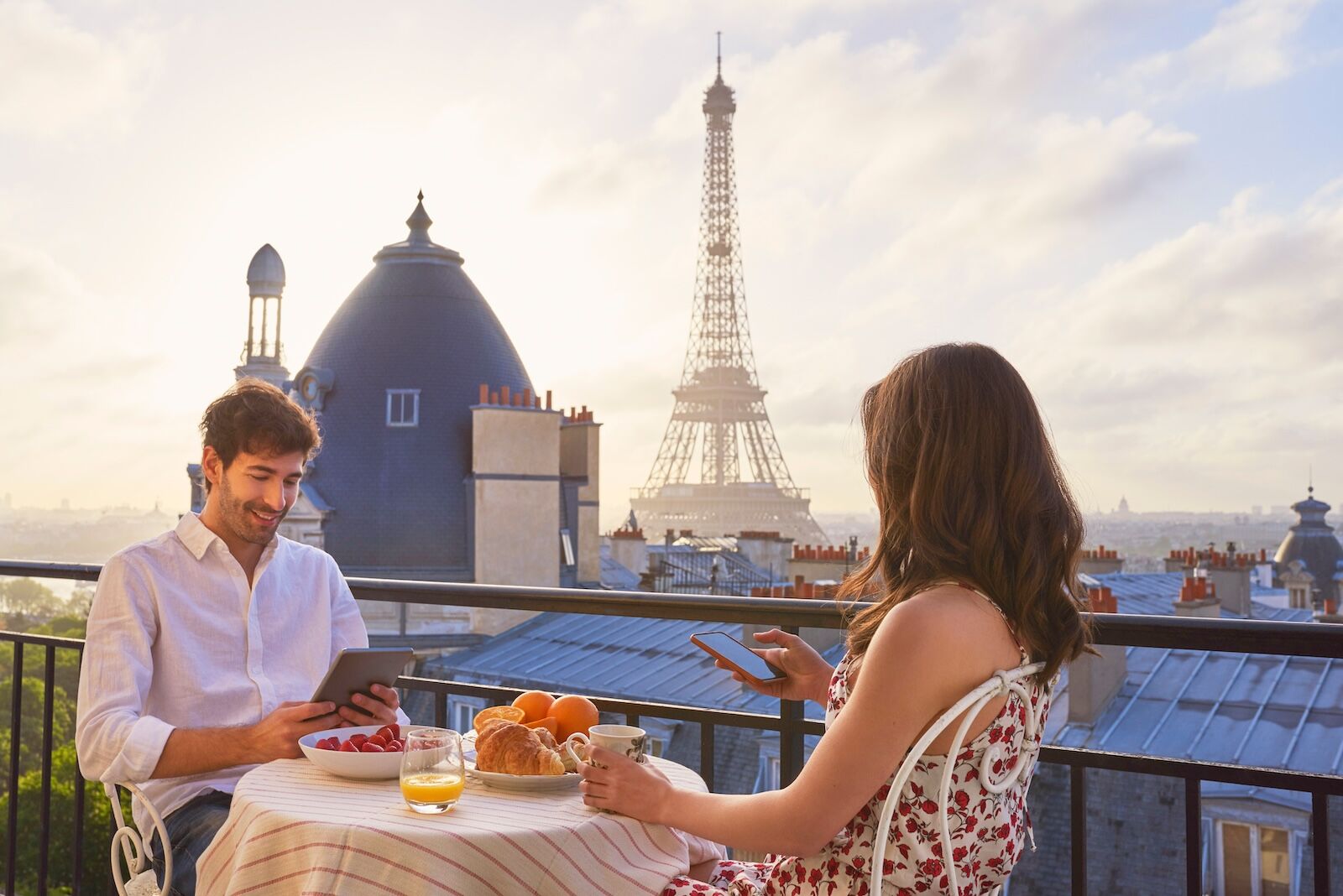
You’re more likely to find fair pricing at restaurants at least a few blocks removed from major tourist attractions. Photo: PeopleImages.com – Yuri A/Shutterstock
As with any country, most people in the tourism industry are helpful and friendly. The reputation that France is less welcoming is based on a few long-lasting cultural norms, both within the US and in France. For many Americans, anything seen as being fancy and European, such as the French language, can be misconstrued as being elitist or “snooty.” And in France, there’s more of a social norm toward privacy, formality, and personal space, which may feel standoffish to friendly and overly friendly Americans.
That means that in most cases, the perceived dislike of American travelers is more of a cultural clash than any kind of judgement against Americans (or anyone else). But as the newspaper investigation revealed, occasional scams can happen. Here’s what you can do to try to avoid getting overcharged.
- Franck Trouet of a major French hotel and restaurant management group, told The Telegraph, “You should know that in France, water and bread are free. One can refuse a bottle of water. The tip is to express thanks for the service if one is very satisfied. Above all, it is not compulsory. This is not the United States.”
- Check if the service fee is included: In France, most checks have a 15 percent service charge called “service compris.” You don’t need to tip extra, though it’s okay to leave small change (one or two Euro) if the service is exceptionally good
- Avoid restaurants near major attractions: Walking even two or three blocks from major tourist attractions will usually result in lower prices and more honest pricing. Cafes next to landmarks like the Eiffel Tower, Louvre, or Notre Dame will often have inflated prices (for locals and tourists alike)
- Look for menus with prices: French laws require that restaurants display menus with prices outside their entrances. If prices aren’t posted, or the waitstaff hands you menus without prices, that’s a bad sign and you should consider going elsewhere.
- If anything arrives unrequested, ask if there’s a charge.
- Check the credit card machine: When paying by card, don’t let the server hide the screen. In some Paris restaurant scams, staff may add extra tips or items without your consent. Make sure to see the total amount on the screen before you tap or insert your card.

