The Top Travel Gear Matador’s Editors are Actually Using on Their Trips Right Now
by Matador Creators
Keeping track of how many days you travel each year is as cliché as posting a fit check. That said, let’s leave it open-ended by saying the Matador Network team spends ample time on the road, from dawn patrol trail laps to midnight train hops across Eastern Europe. We’ve tested backpacks that held up to Himalayan switchbacks, binoculars that survived desert drop-kicks, and chargers that kept playlists alive from LA to Laos. In short: we’ve been there, carried that.
What follows is a rundown of what we used on our travels this summer. This guide is the result of thousands of miles, countless coffee-fueled debates, and a ruthless “only the good stuff” policy.
Just so you know, Matador may collect a small commission from the links on this page if you decide to make a purchase.
Clothing | Gear | Luggage and backpacks | Tech | Performance wear
Clothing
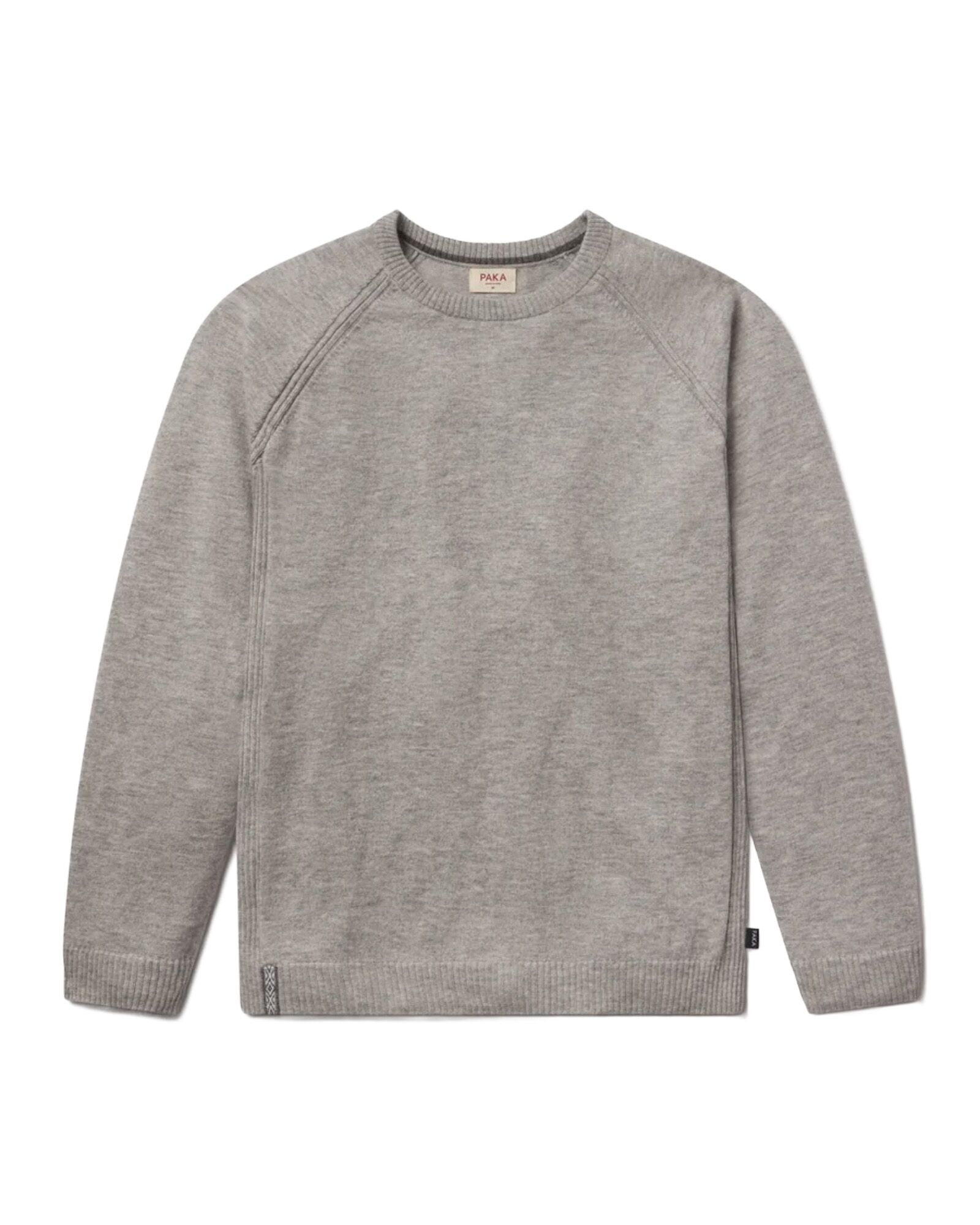
I live in the high desert of western Colorado. Temperatures frequently reach the mid-to-upper 90s during the day in summer. But mornings and post-sundown evenings remain cool, even when the days are long and scorching. I’ve preached from the high summits about the best practices for layering, but the new Paka Summer Sweater stopped me in my tracks this year. Rather than adding another piece of clothing to my repertoire, the COOLPLUS® fabric technology woven into the Peruvian alpaca wool means I can wear a sweater while REMOVING layering. All day, even – as long as the temps don’t hit triple digits.
This Paka sweater has traveled with me to the city, the coast, and even on a reporting trip to the mountains of West Virginia this summer, and I’ve never felt uncomfortable or awkward wearing long sleeves in the heat. — Tim Wenger
PAKA Ultralight COOLPLUS® Crew: $135
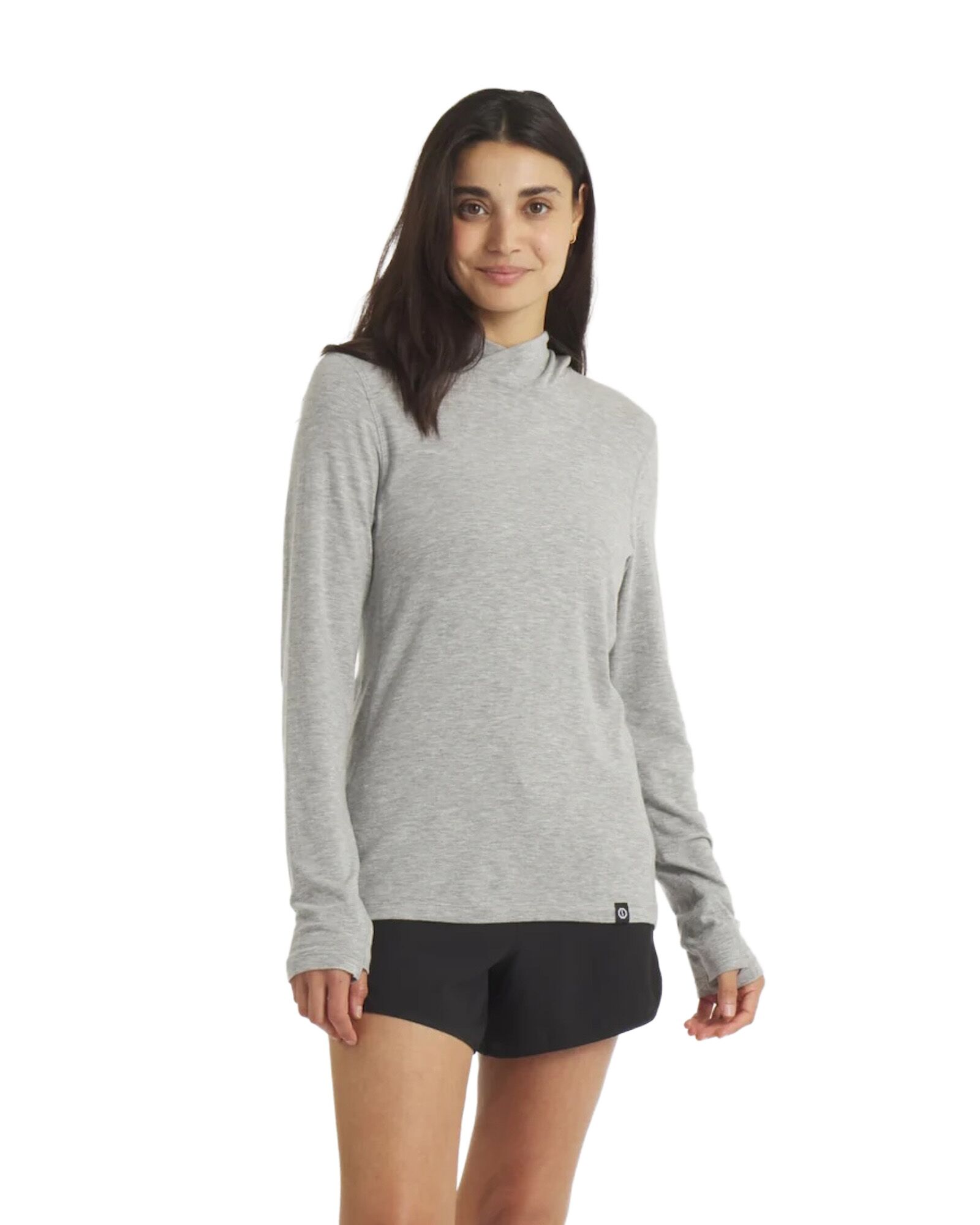
PAKA Sol hoodie: $95
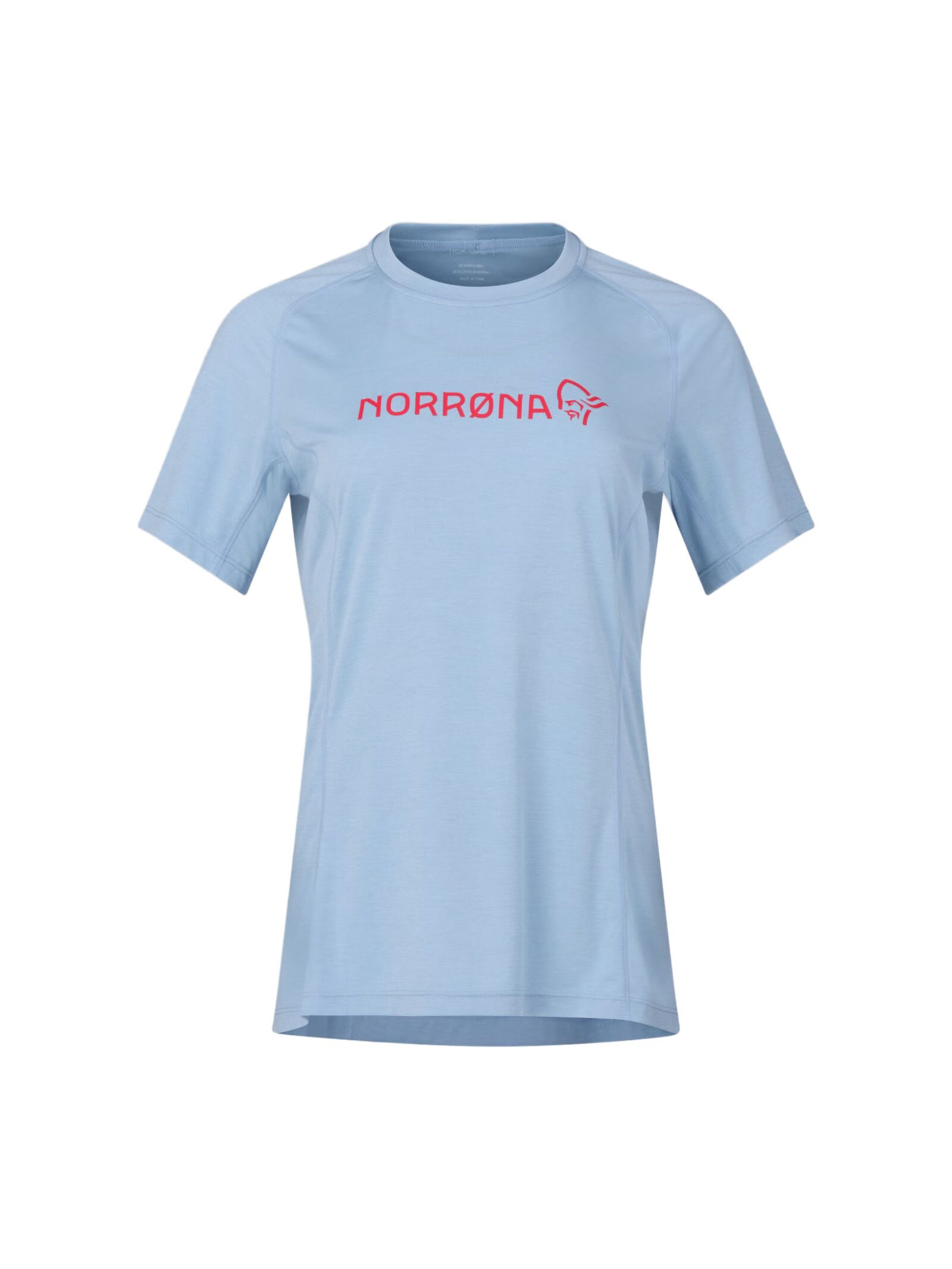
Norrøna hiking/biking jerseys: $59
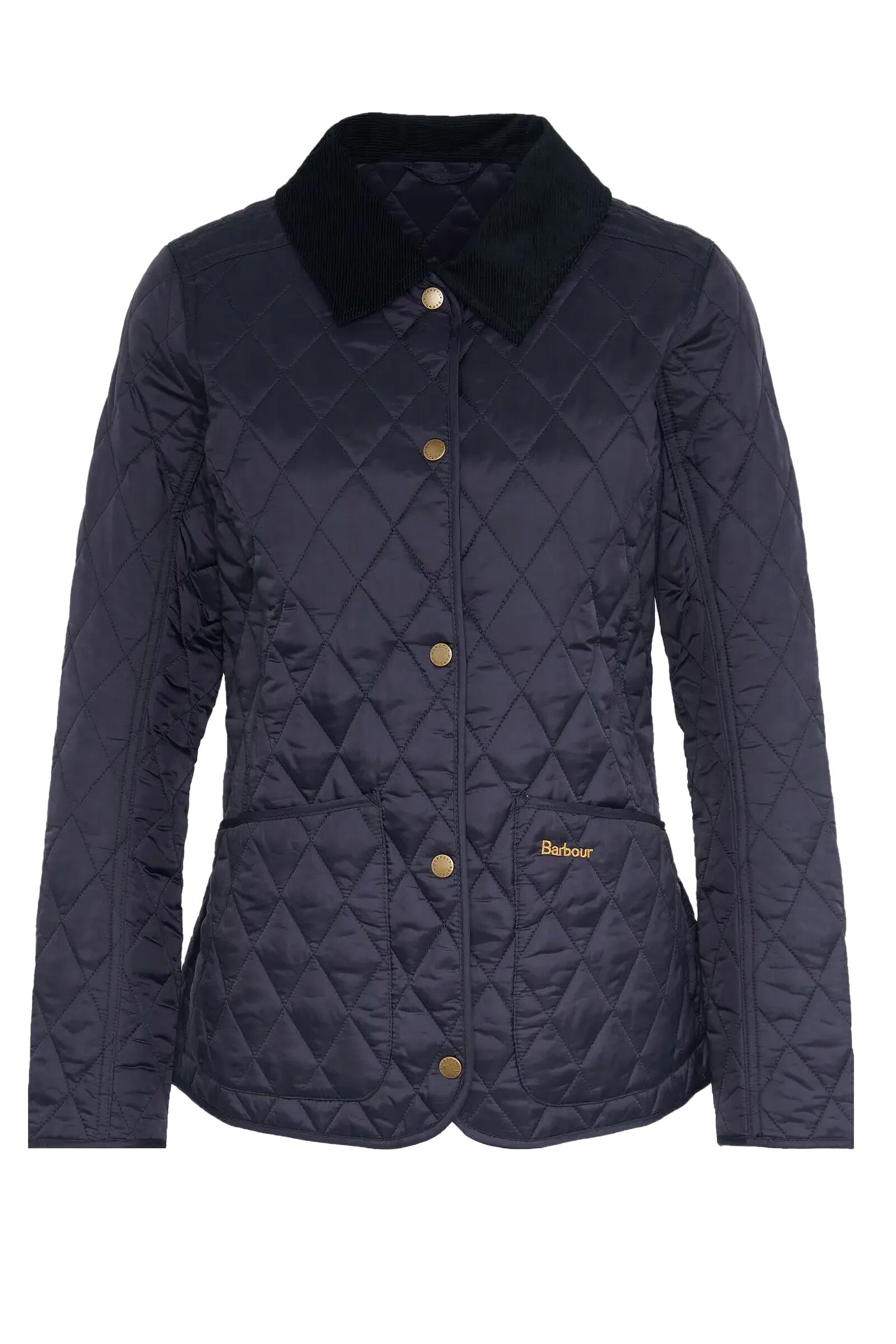
At least 15 years ago, I had a quilted jacket from the English brand Barbour. I wore it to death, until it was nearly see-through in some of the higher use areas. It stayed warm the entire time, and has that “I just came from a polo match at the country house” vibe, which helps my otherwise casual jeans and hoodies look a little more chic. Now, Barbour is partnered with Orvis to make a very similar item, called the Annandale Jacket. If it’s anything like the other jacket I had from Barbour (and Orvis, actually), it may be the next big item I buy for my outdoor wardrobe. — SD
Orvis Barbour Annandale Quilted Jacket: $220
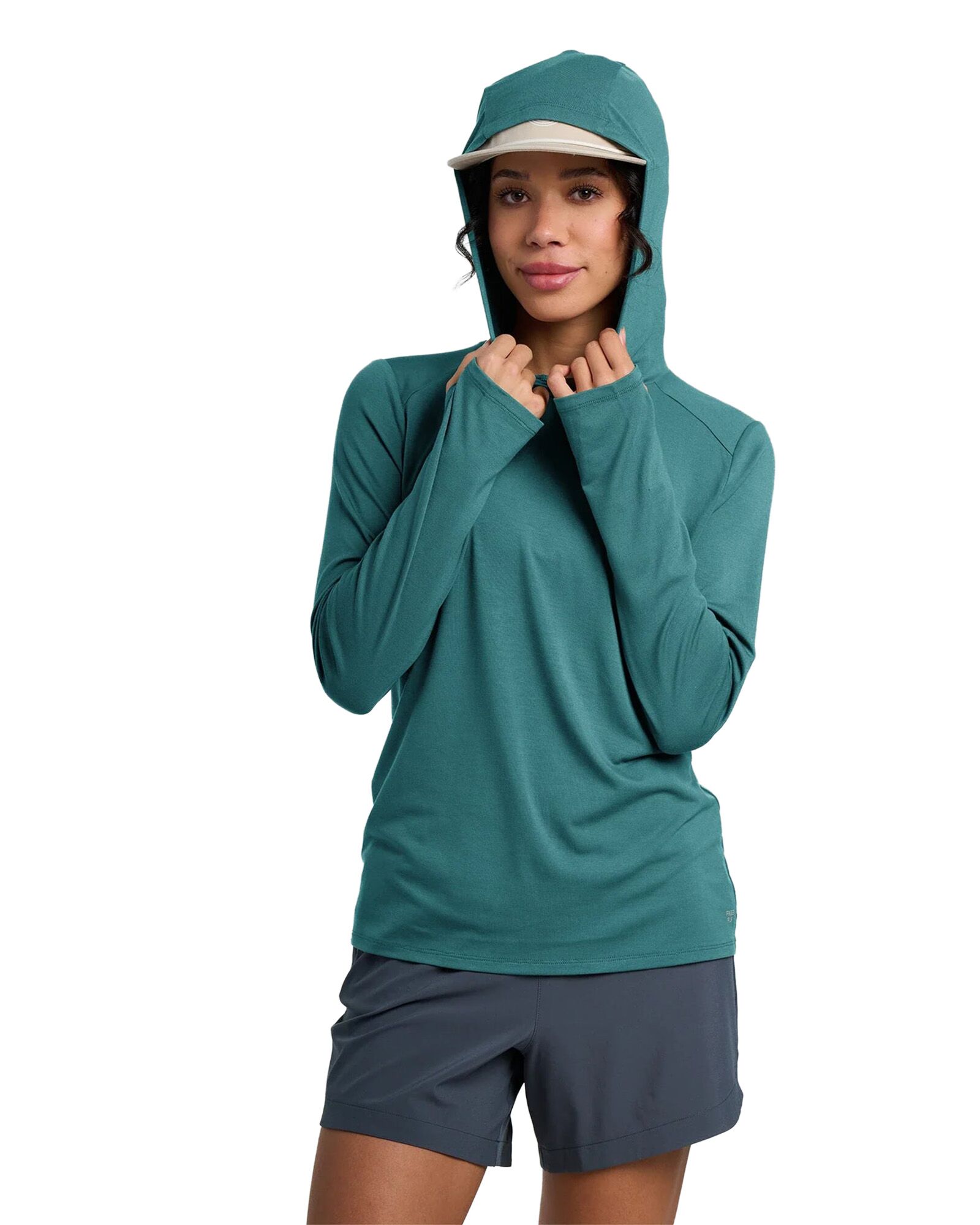
Free Fly SPF Hoodies: From $31
Gadgets
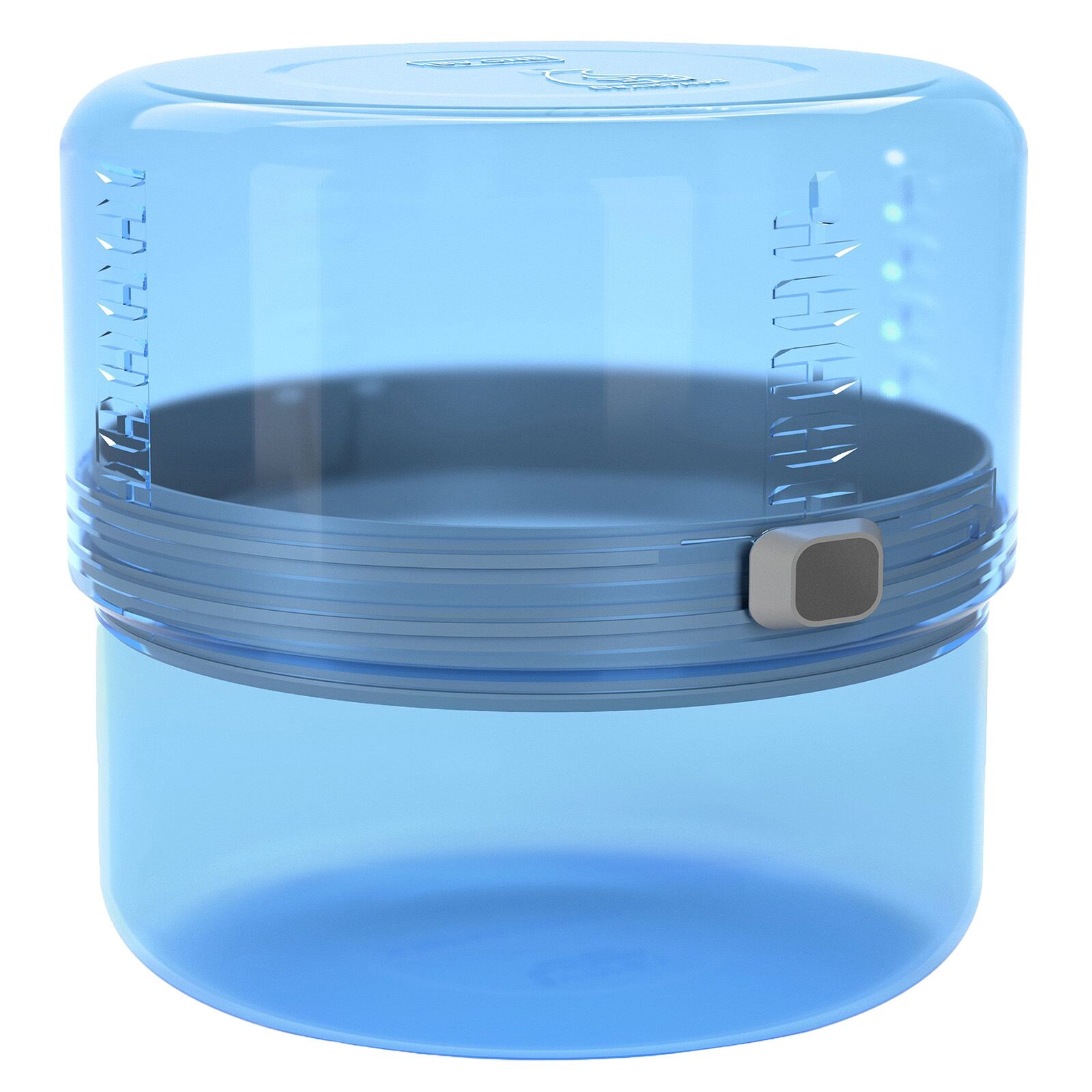
Bear canisters are required in a growing number of wilderness areas, but they’ve always come with a frustrating tradeoff: by day three, you’re rattling around a half-empty cylinder that’s throwing off your pack balance. The BV ONE solves that with a telescoping design that compresses as your food supply shrinks — 8.3 liters fully expanded, 4.65 liters collapsed. The center-access opening splits the canister in two for easy organization, and soft-touch buttons mean no more fumbling with a coin at 11,000 feet. At under two pounds, it’s lighter than BearVault’s fixed BV450 despite offering more volume. — TW
BearVault BV ONE: $120
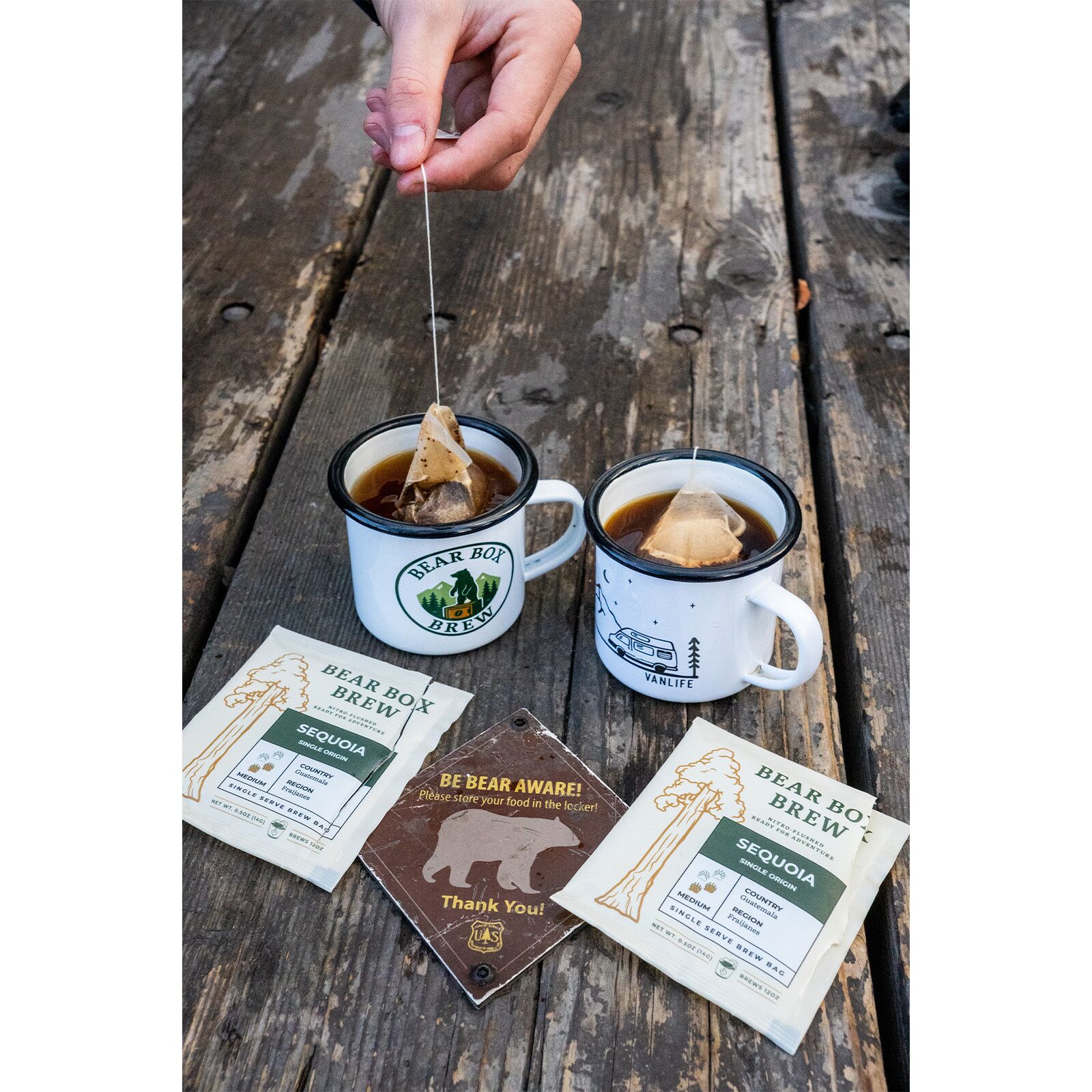
Bear Brew Coffee: 10-pack for $25
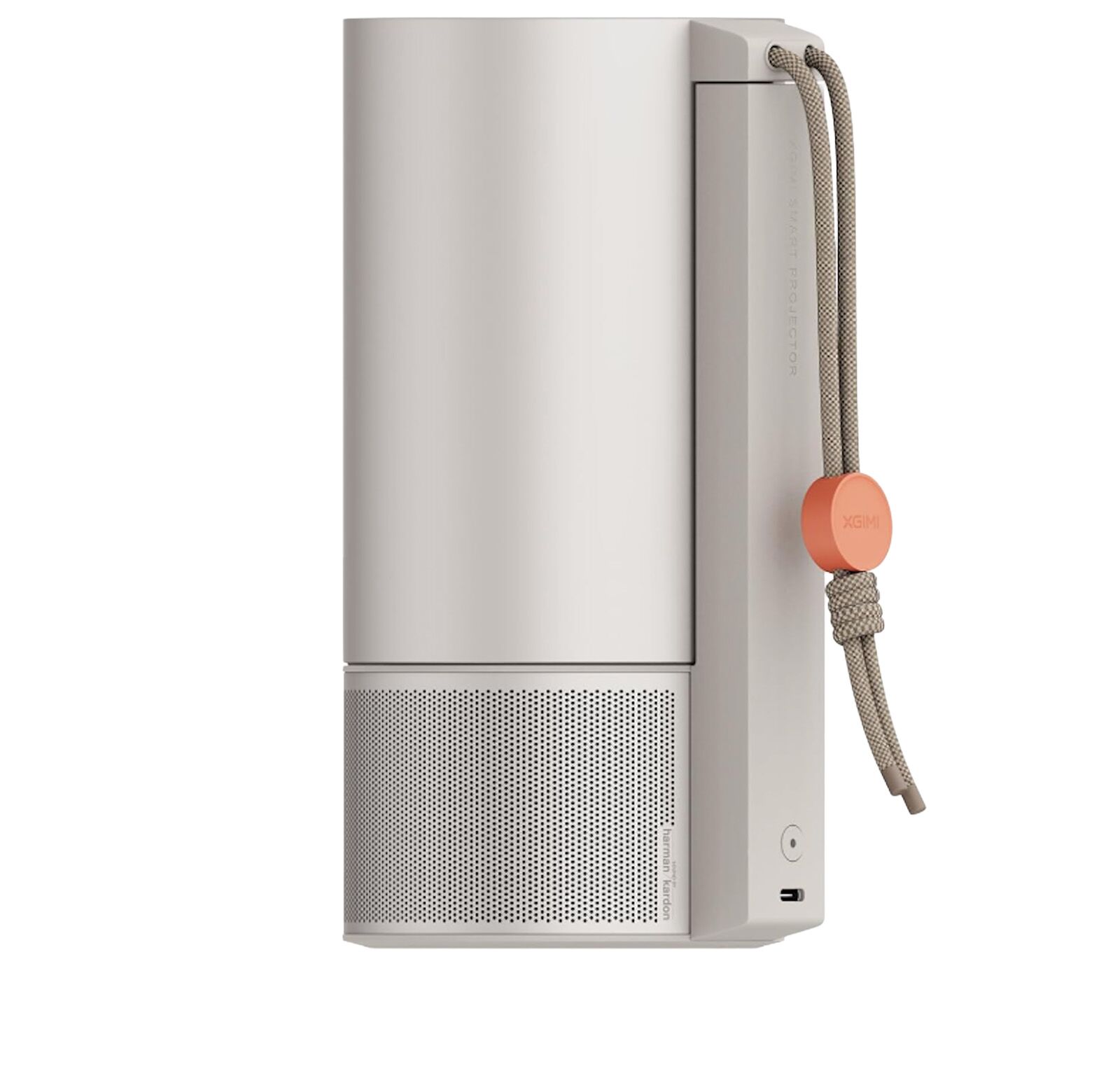
I used to stream shows on my laptop propped on a duffel while camping, but this projector changed all that. It auto-focuses on any flat surface (like the side of a tent), doesn’t need a screen, and streams through Google TV. It has surprisingly good built-in sound and works with wireless headphones, which is perfect if you’re in a tent with someone who wants an early night. I recommend getting the package with the power base — with it, you have enough battery for a full movie without plugging in. This might feel like a luxury item that’s not necessary for camping, but it’s been the best addition to my gear this year. — Katie Gavin
Xgimi MoGo 3 Pro Portable Outdoor Movie Projector: From $379
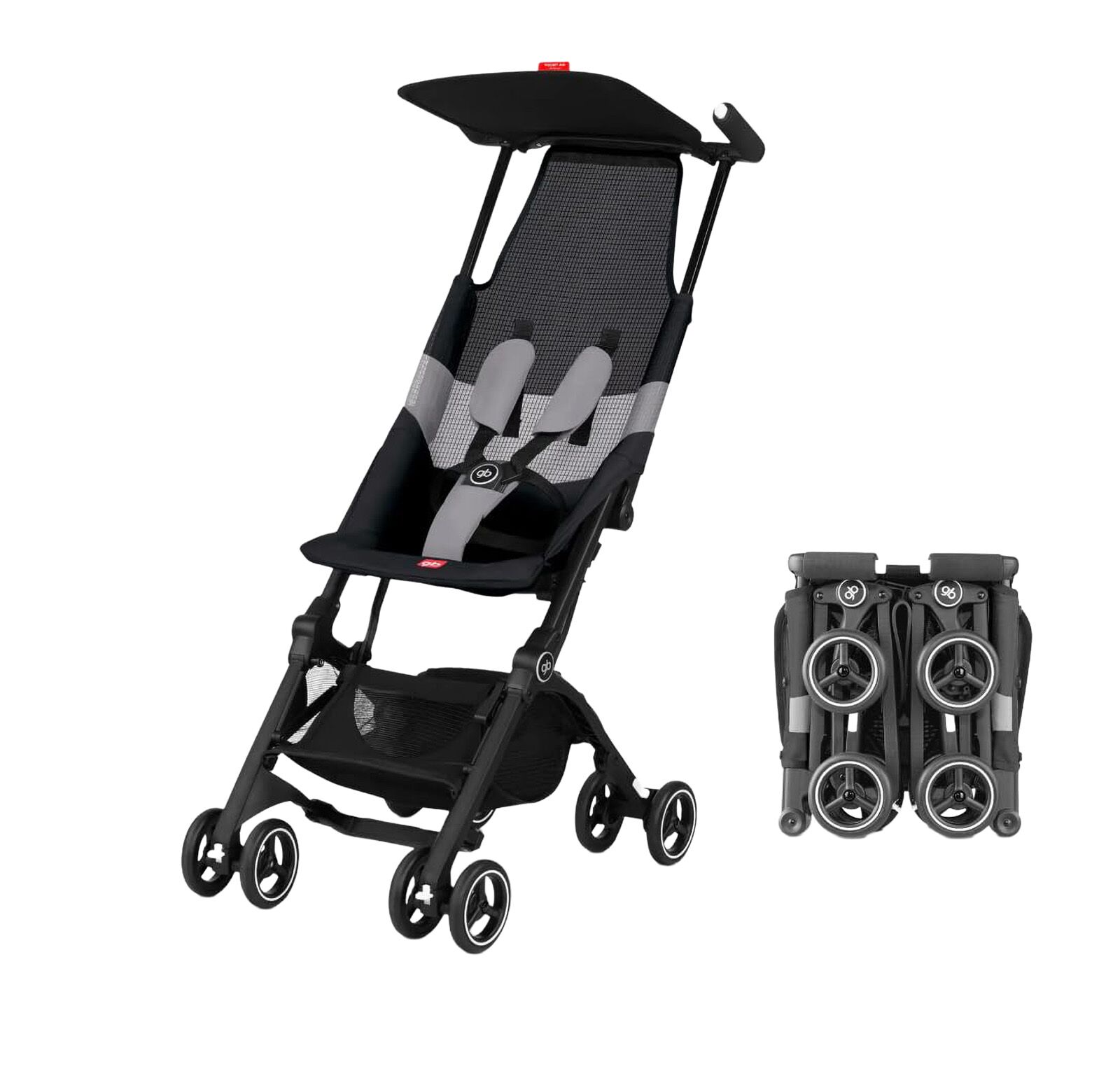
gb Pockit foldable stroller: $199.95
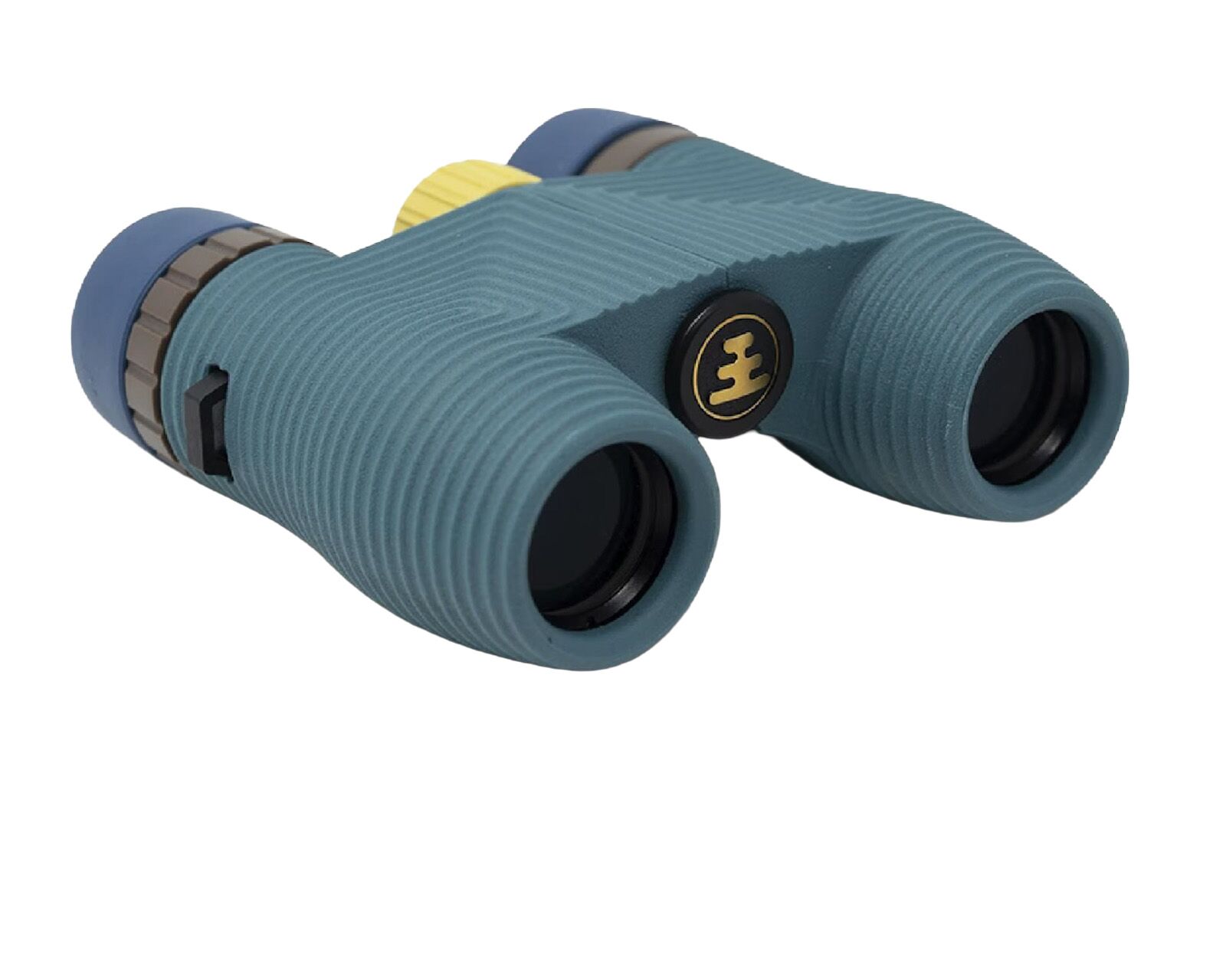
Nocs binoculars: $99.95
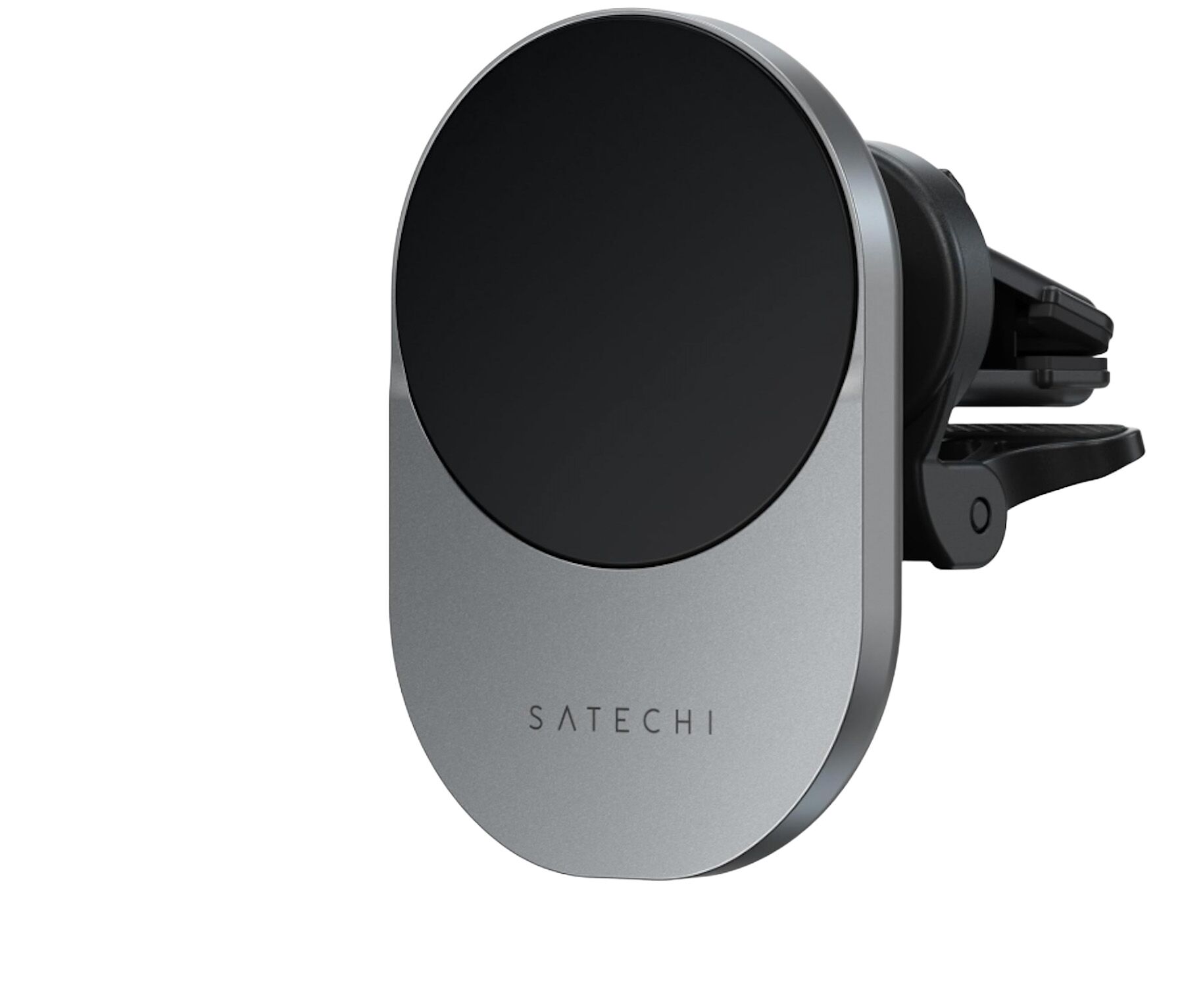
Satechi makes travel tech that genuinely makes life on the road easier. I first picked up the Qi2 car charger after testing the passport cover. It locks onto the dash vent, charges fast, and doesn’t drop your phone when you go off-road. The On-the-Go 2-in-1 charger is just as good — it folds into a neat little square and opens up to charge both your phone and Apple Watch in one spot. Both are compact and well-built, and although Satechi devices come at a higher price point, they’re made to last. — KG
Satechi Qi2 Wireless Car Charger + Satechi 2 in 1 charger: $59.99 + $79.99
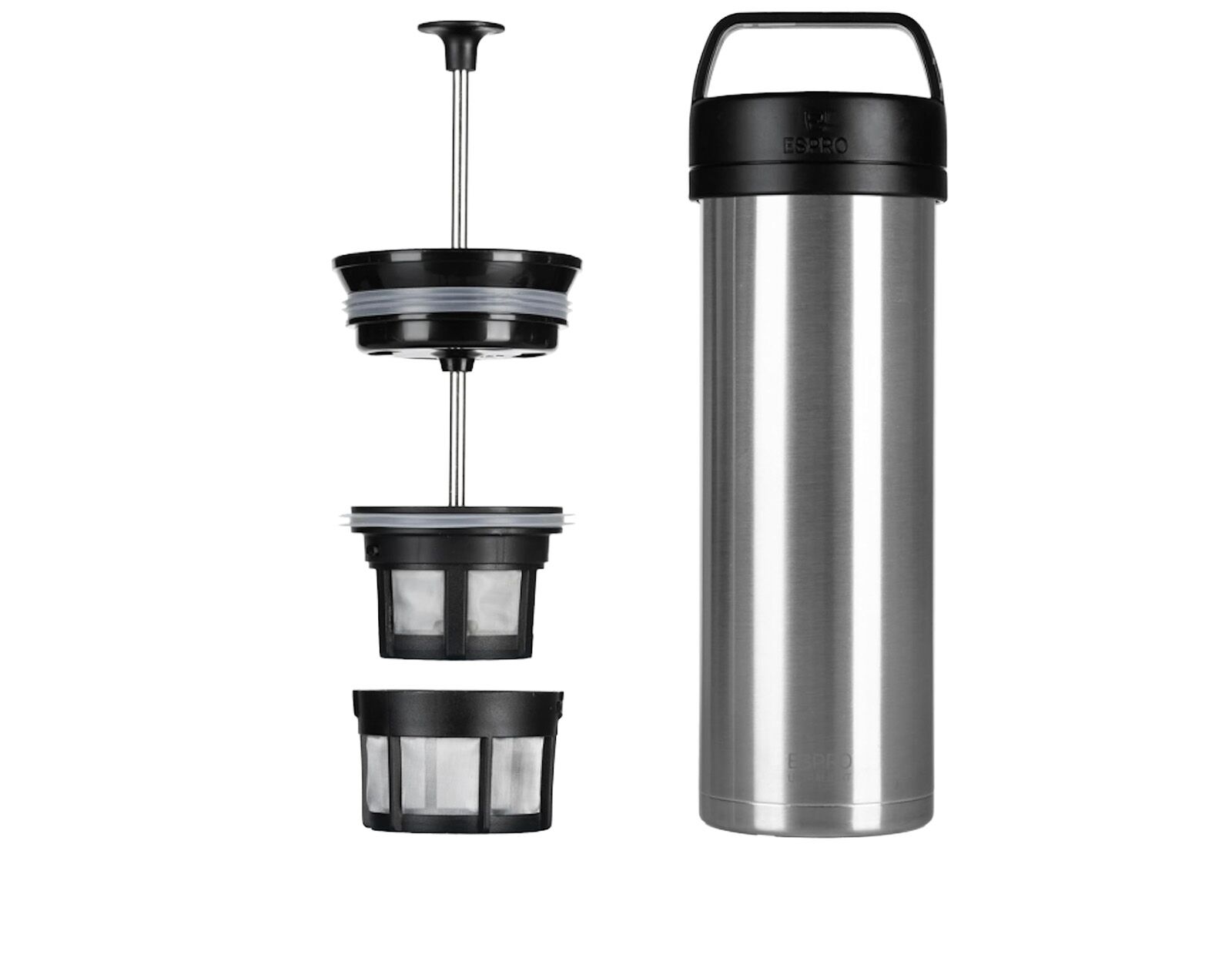
This press has earned a spot in my pack. It’s compact, lightweight, and brews a great cup of coffee or loose-leaf tea. If you mentally prepare yourself for French press rather than espresso (and bring freshly ground beans), it’s one of the best travel coffee setups out there. The double micro-filter makes it easy to clean, the insulated body keeps your drink hot for hours, and it doubles as a mug. — KG
ESPRO Ultralight Travel Coffee Press: $39.95
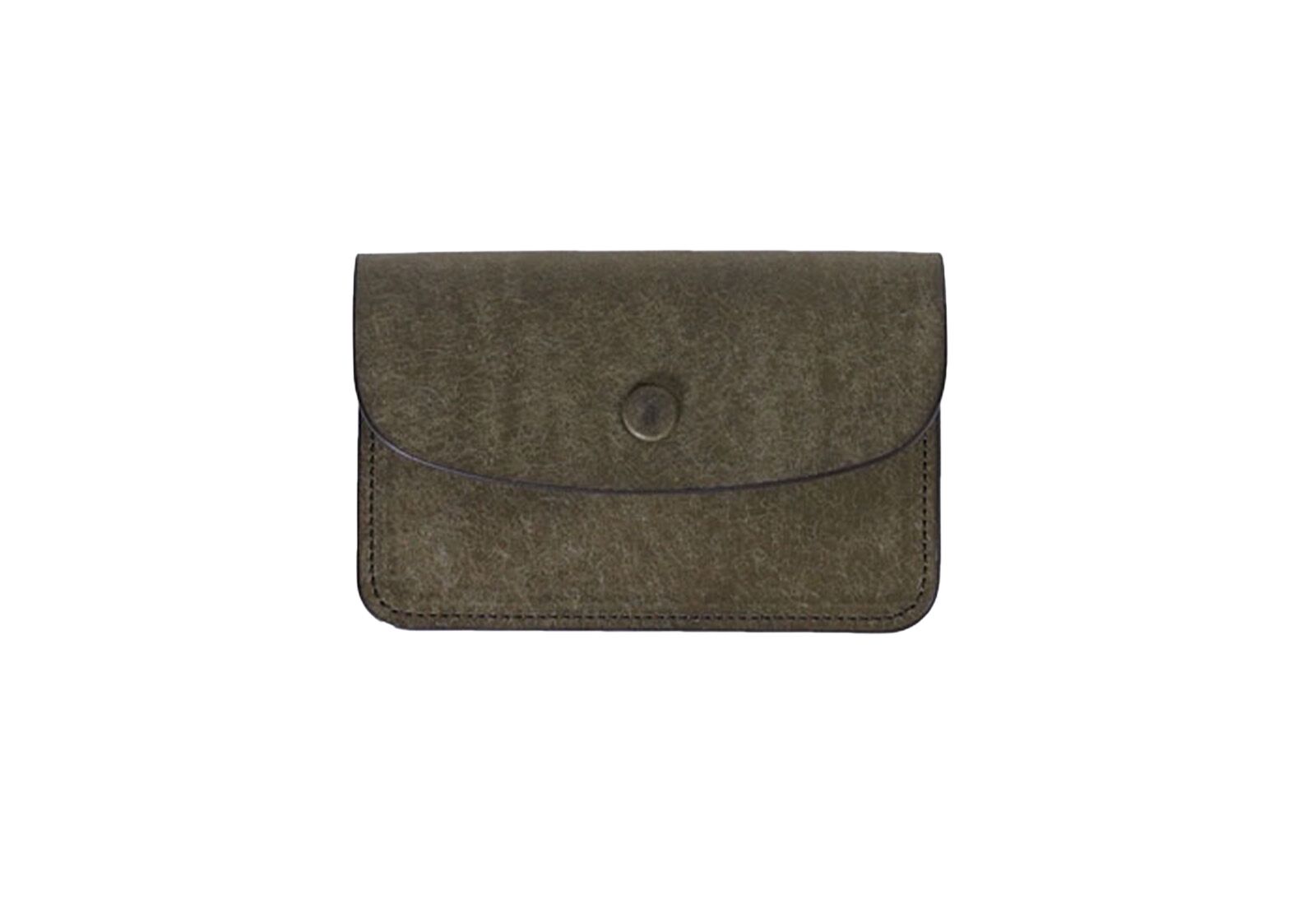
I happened upon the Slow & Co shop in Kyoto in 2023, and fell in love with the Pueblo Card Case. It’s fully taken the place of any other wallet for a handful of reasons: premium leather feel, slim profile, and a patina that’s only made it look better after daily use since I bought it. The size is just right for my pocket tripod, five cards, my ID, and my health insurance card, plus a couple bills. (It does admittedly get a little tight if I need to keep receipts for work.) I was delighted to find the brand ships to the US, as great as it was to stumble upon the shop while traveling. — NH
Slow & Co Pueblo Card Case: About $111
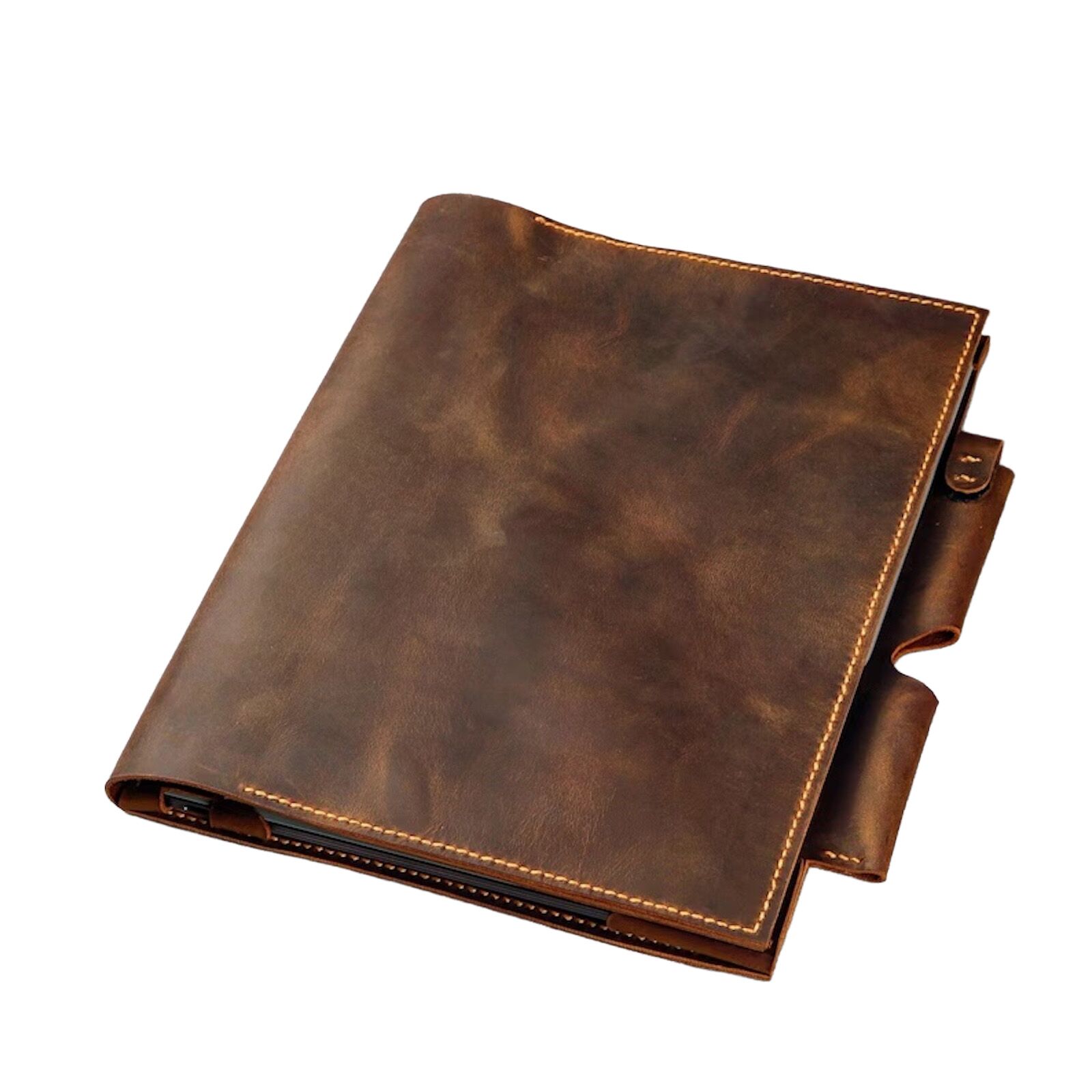
DMleather notebook: $58.99
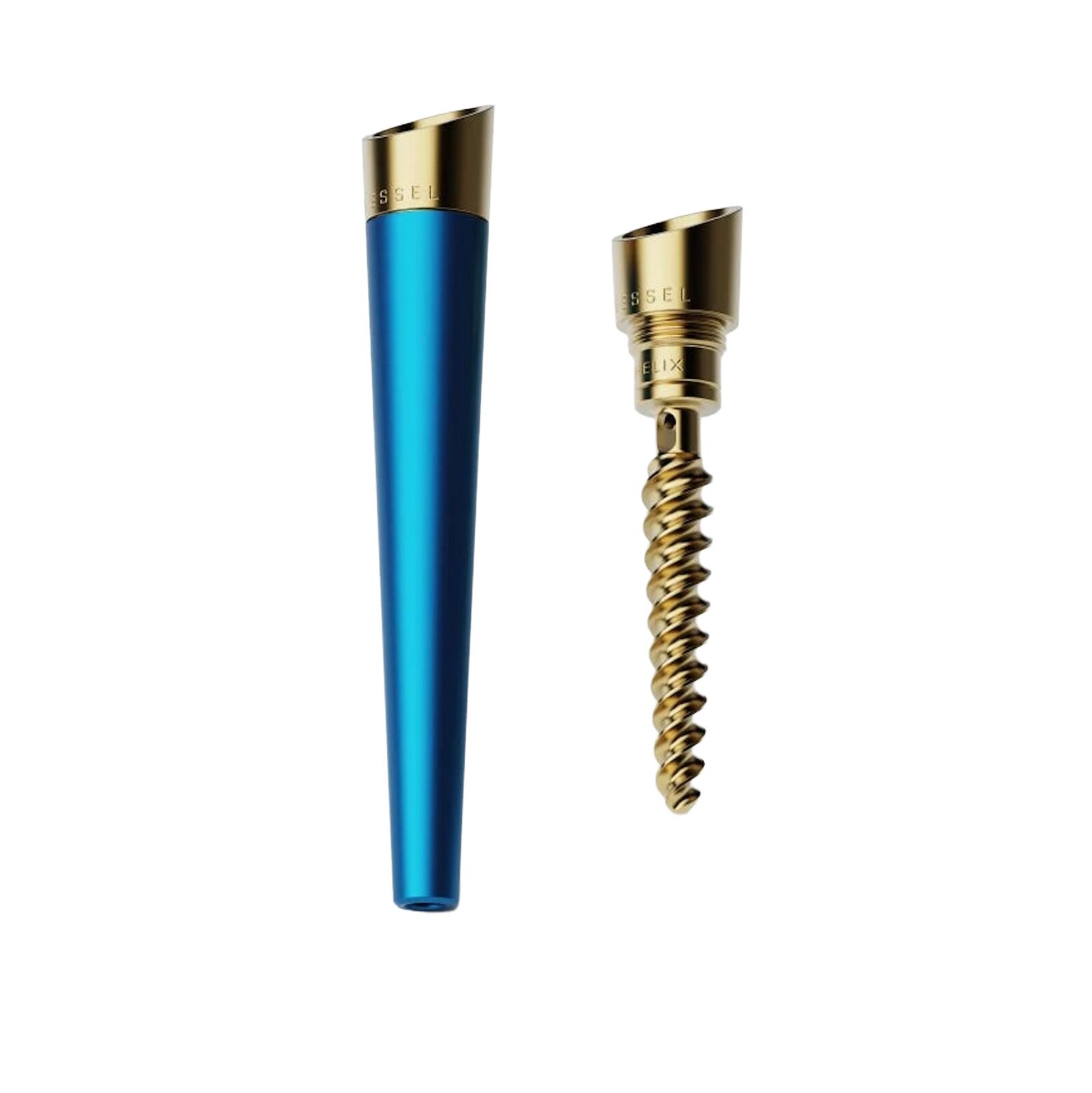
Vessel Cone: $50
Luggage and backpacks
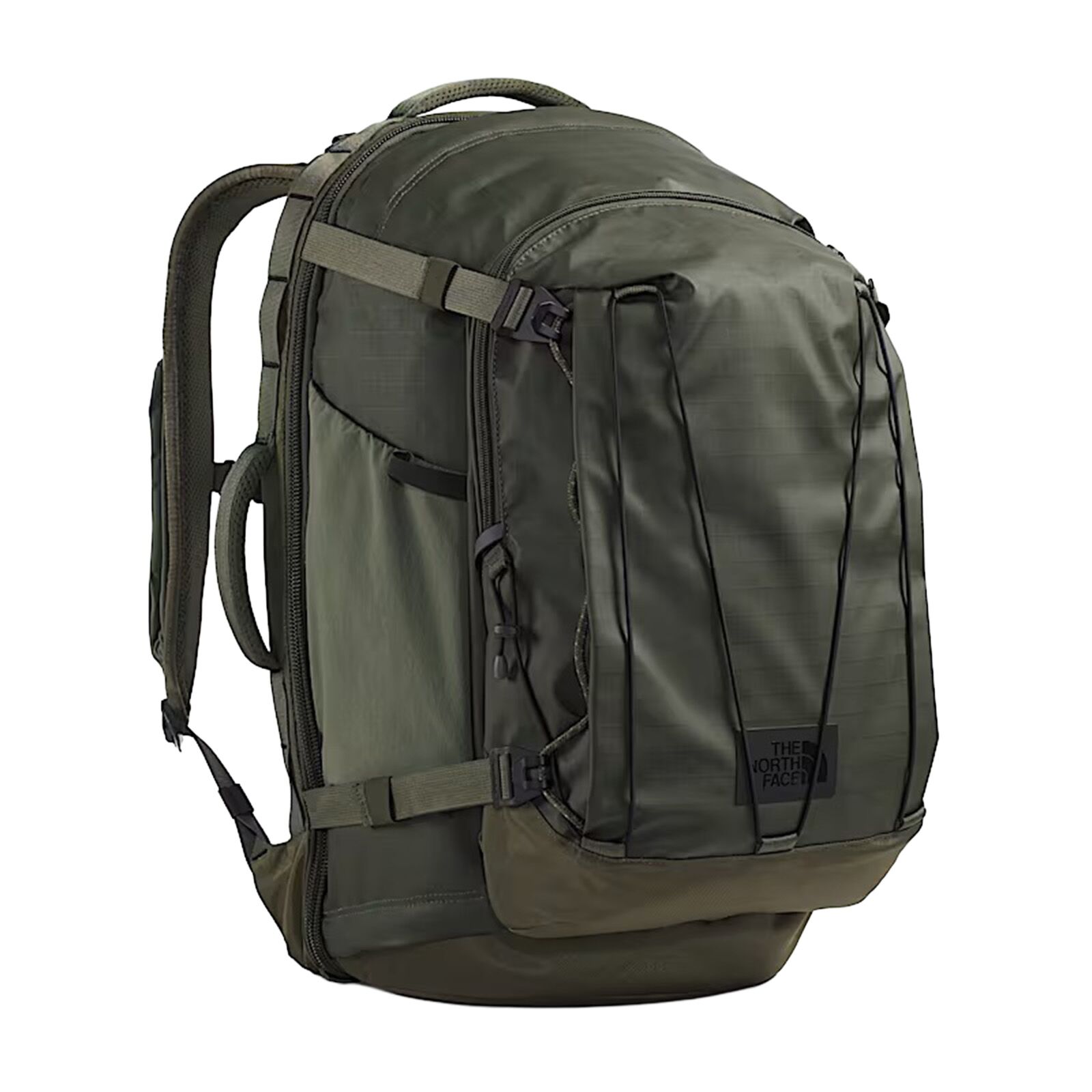
The North Face Basecamp Voyager Modular Travel System: $180
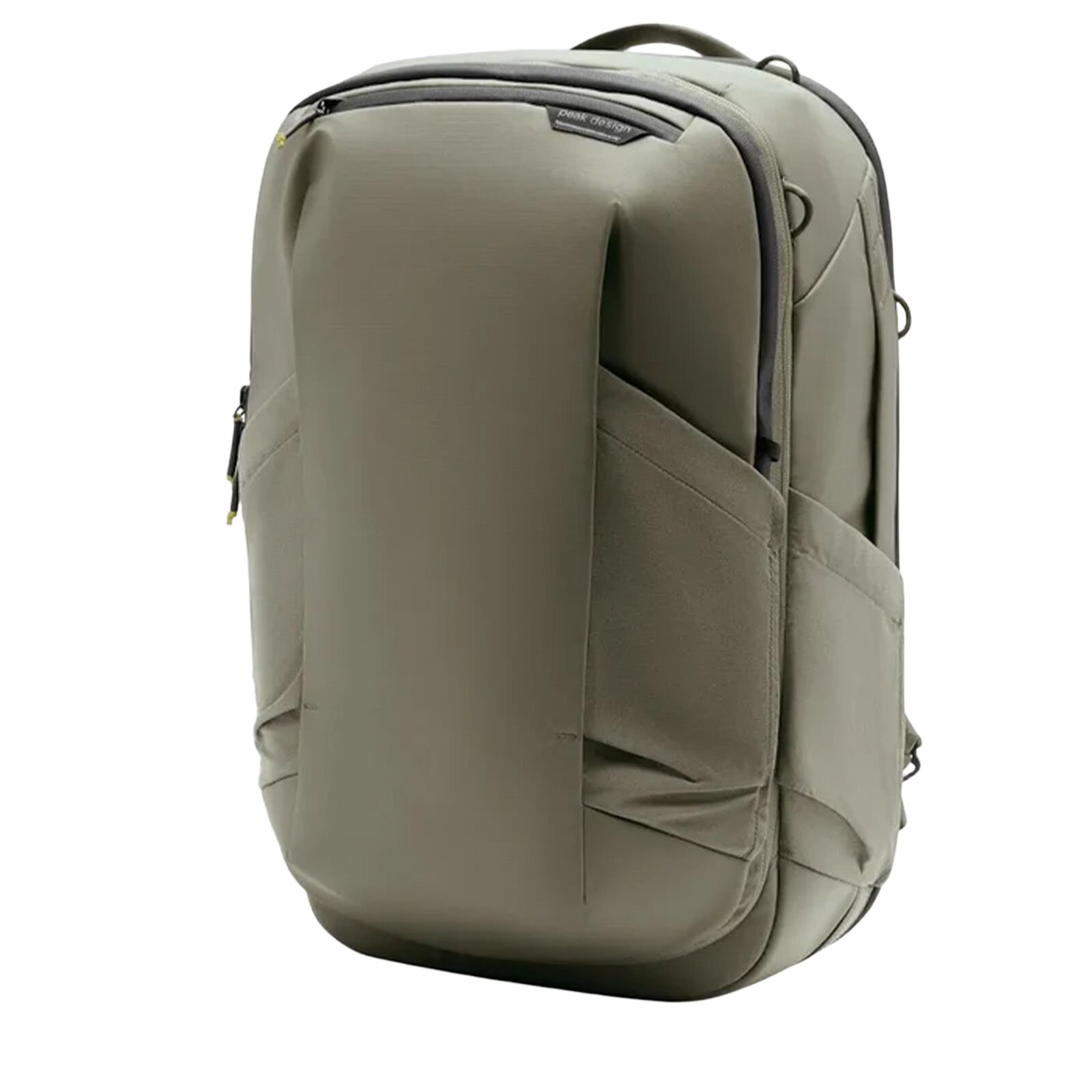
Peak Design Travel Backpack 2-in-1 40L: $399.95
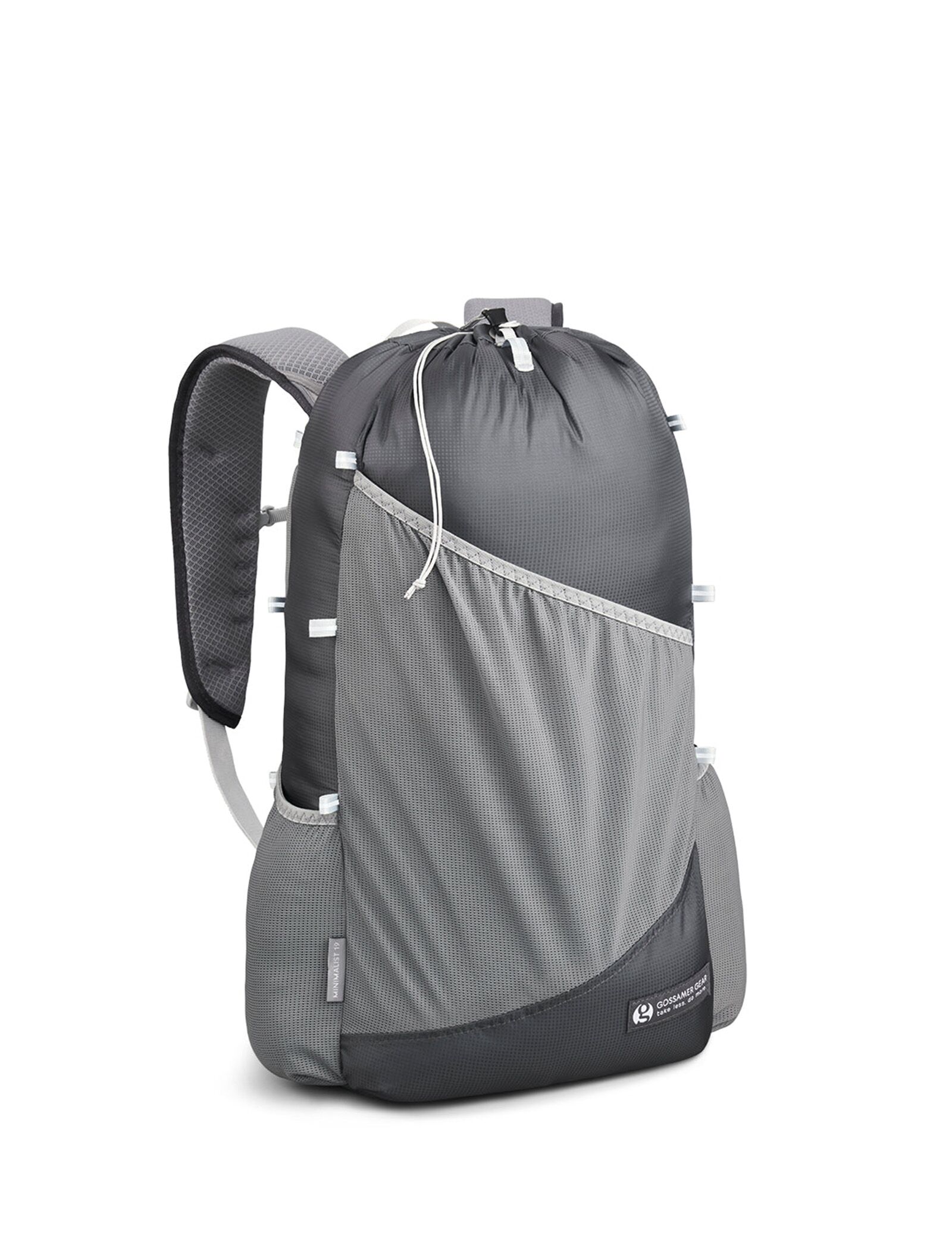
Gossamer Gear Minimalist 19 Daypack: $69
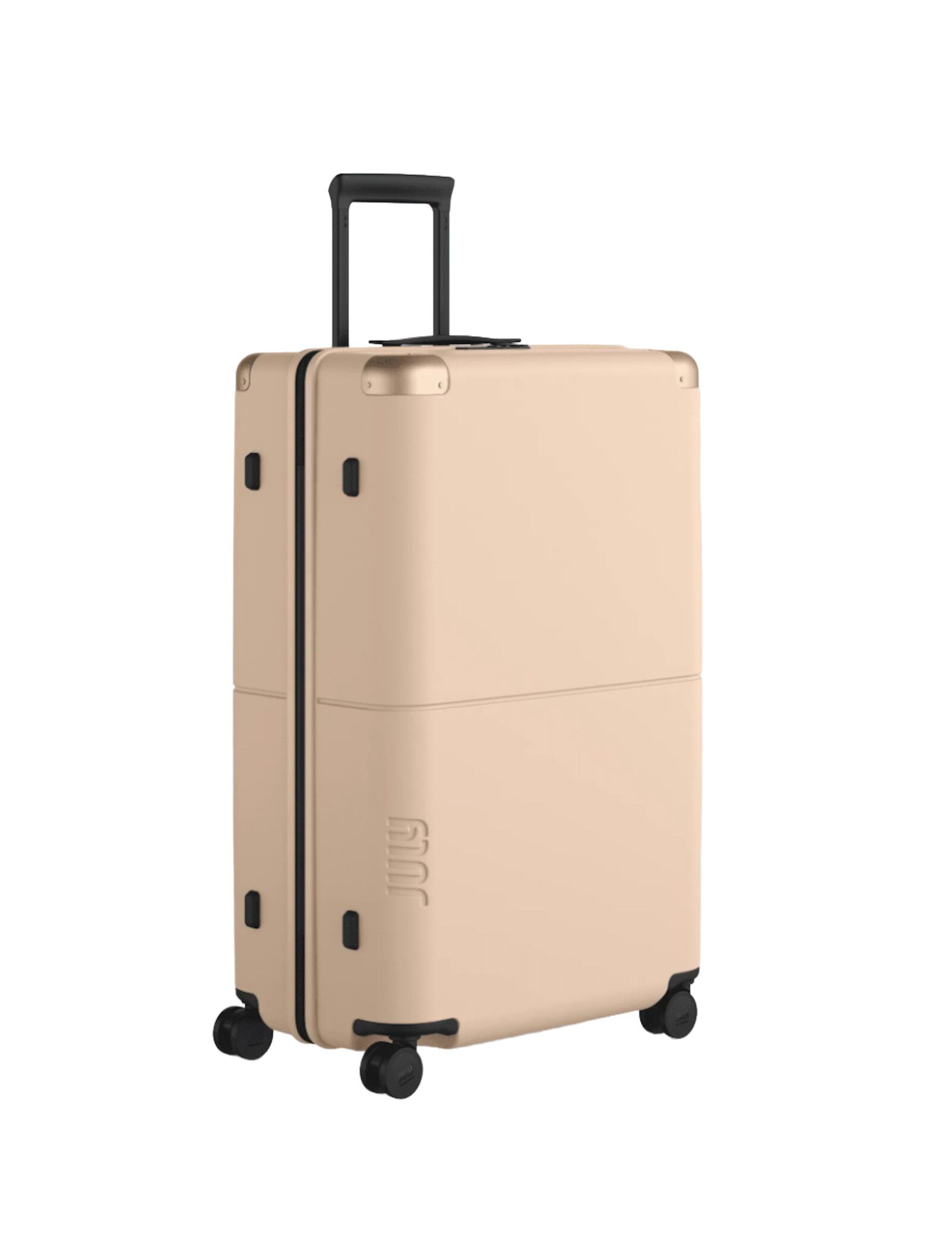
July Checked Plus: $365
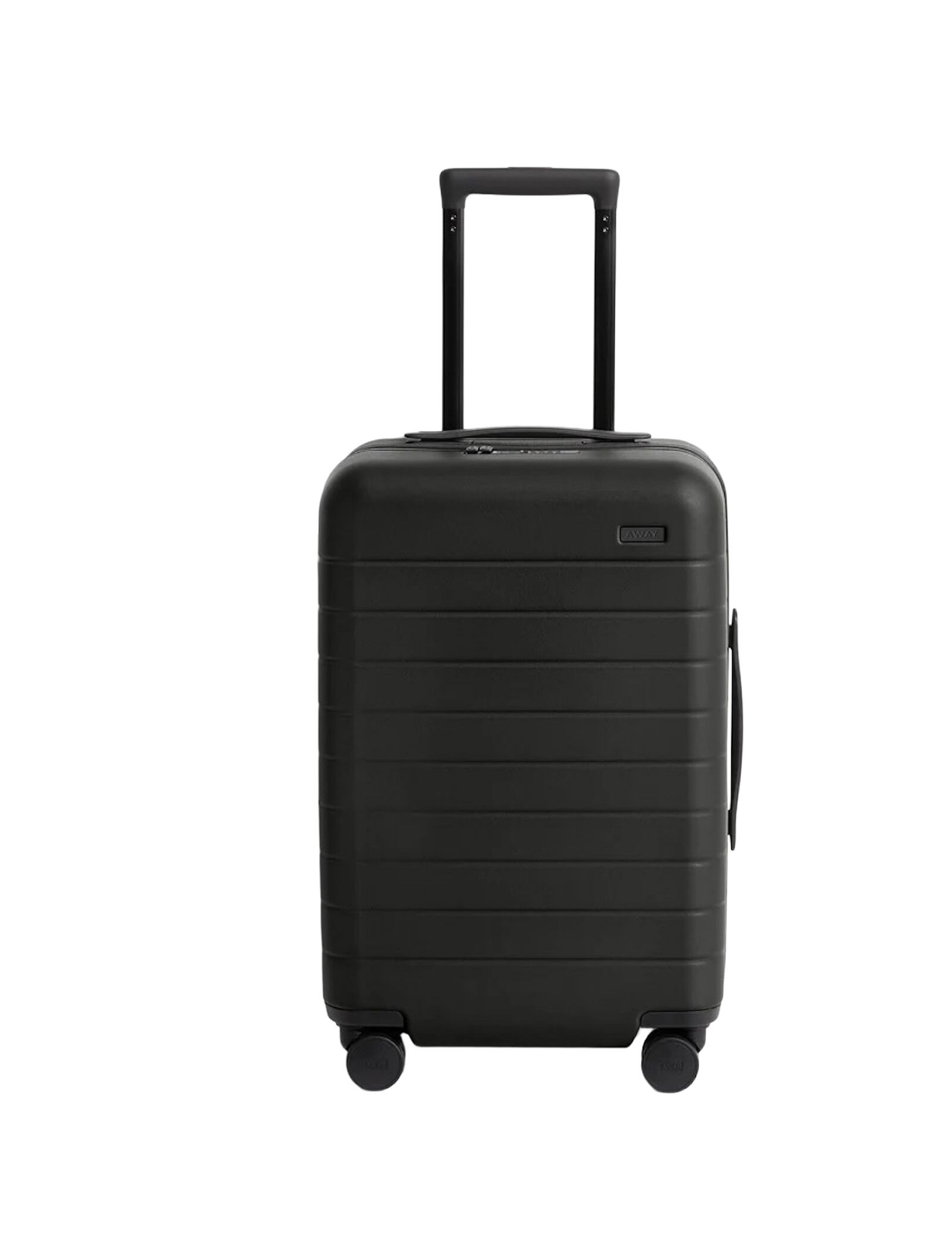
Away The Carry-On: $275
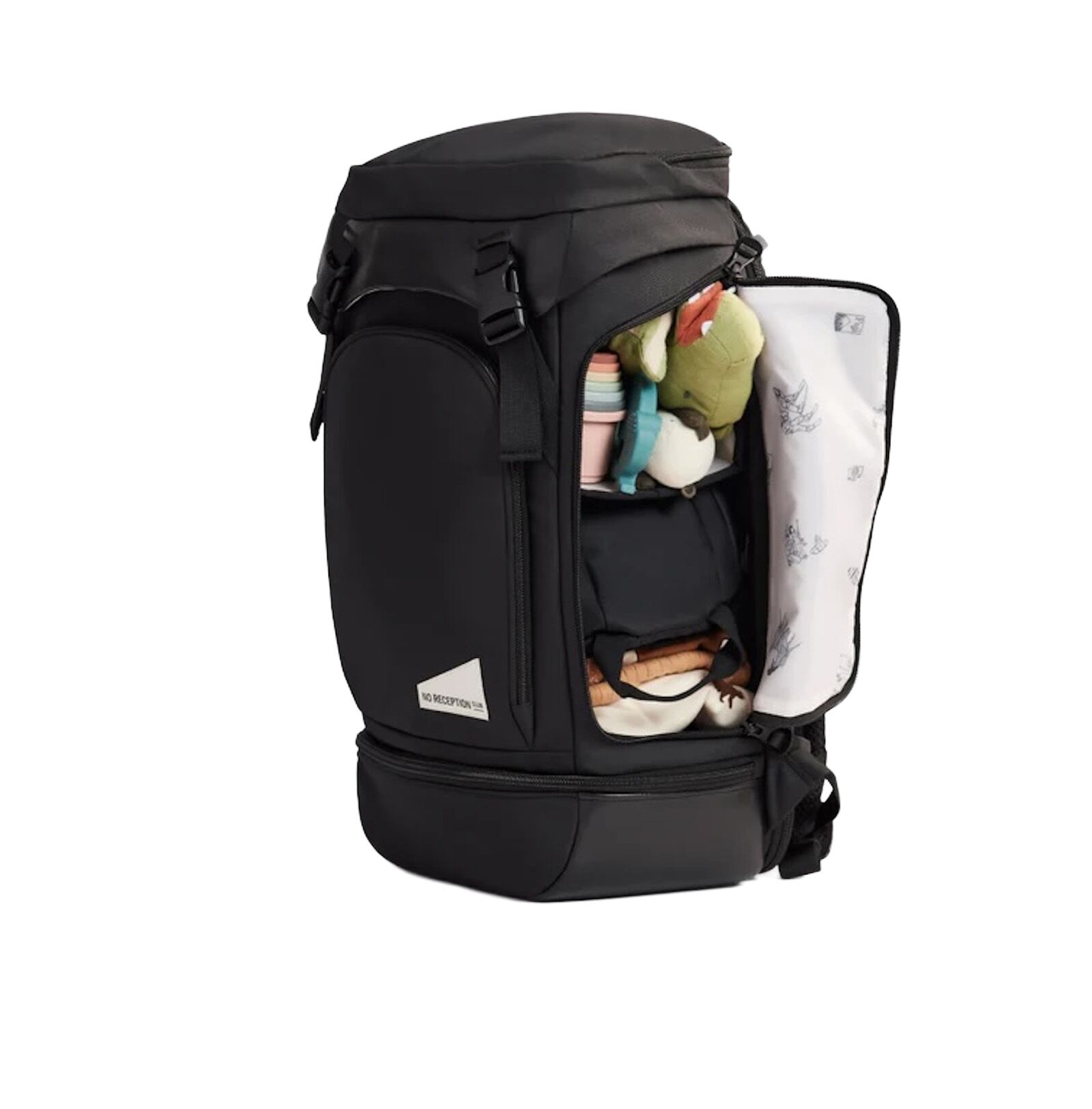
No Reception Club Getaway Bag: $235
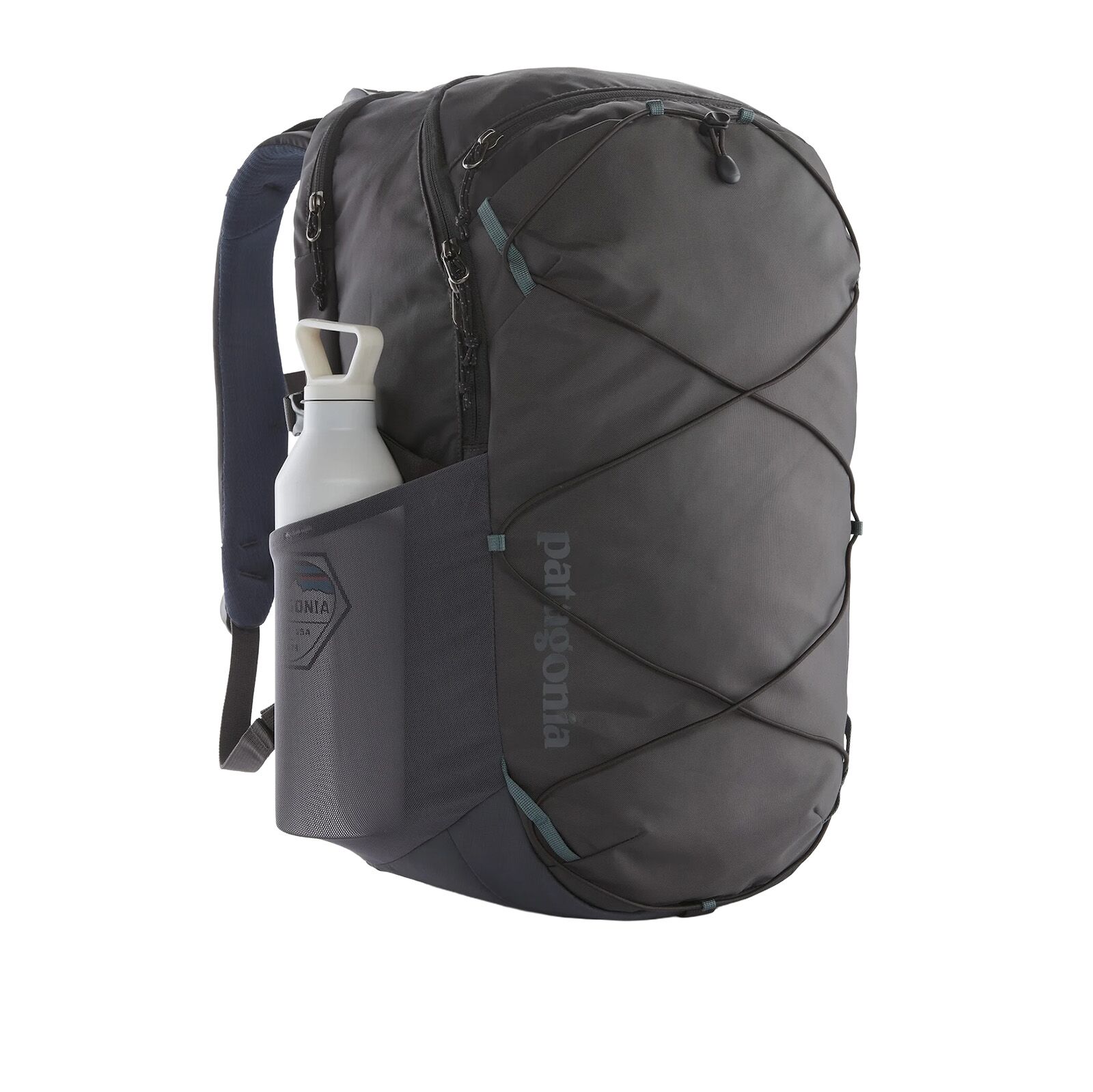
Patagonia Refugio: $129
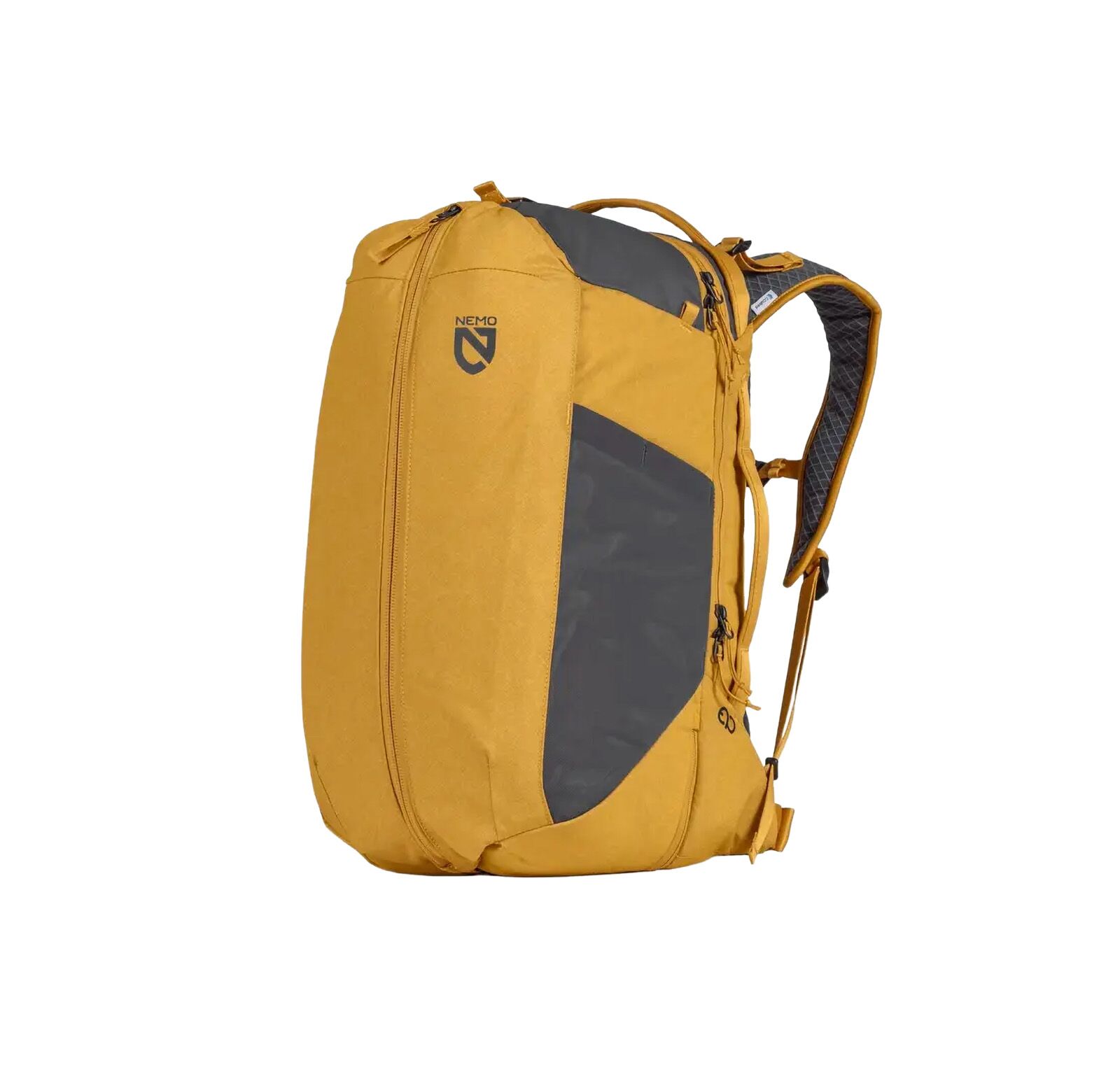
NEMO Vantage: $249.95
Tech
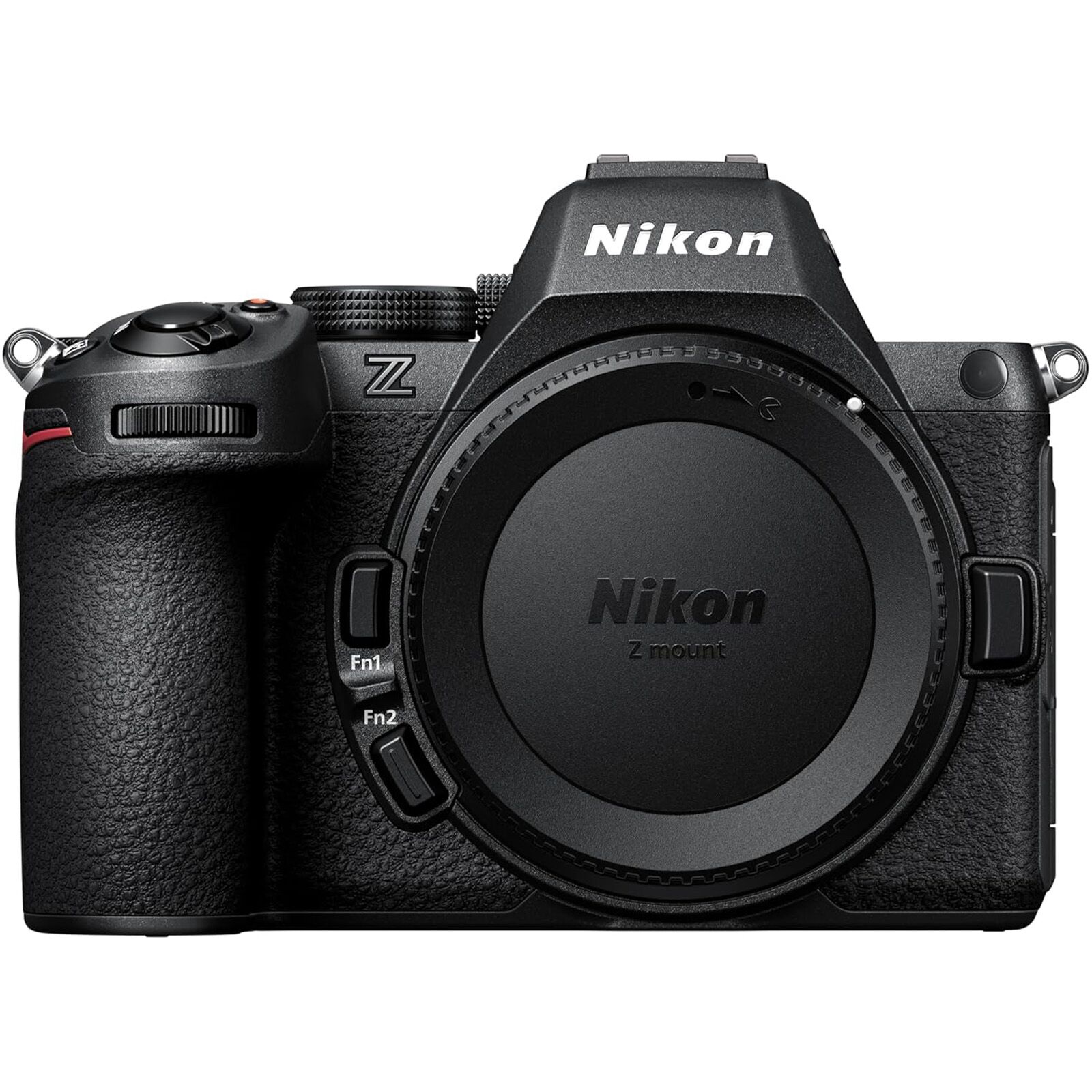
My husband and I recently hauled this whopper of a camera to Fiji to try our hand at a mirrorless. But the real joy has been falling for our own local park through the lens. We’ve spent our evenings traveling slowly, waiting on the wildlife, and being still in the kind of moments we’d usually walk right through. This camera makes that easy. It’s a full-frame mirrorless body, and my first interchangeable-lens camera, so there’s a learning curve, but an easier one than with a DSLR.
With a DSLR, you look through an optical viewfinder at the real scene and don’t know how the photo turned out until after you press the shutter. With the Z5II, you see exactly what you’re going to get before you shoot: lighting, shadows, fuzzy focus, and all. That live view lets you fine-tune and watch the image change in real time. The in-body stabilization and smart subject-detection autofocus do a lot of the heavy lifting for anyone who thinks it’s all just “point and shoot,” and there’s no shortage of YouTube tutorials to get you going. For a first “real” camera you won’t outgrow in a year, it’s a lot of camera for the money. — KW
Nikon Z5II: Starts at $1,599.95
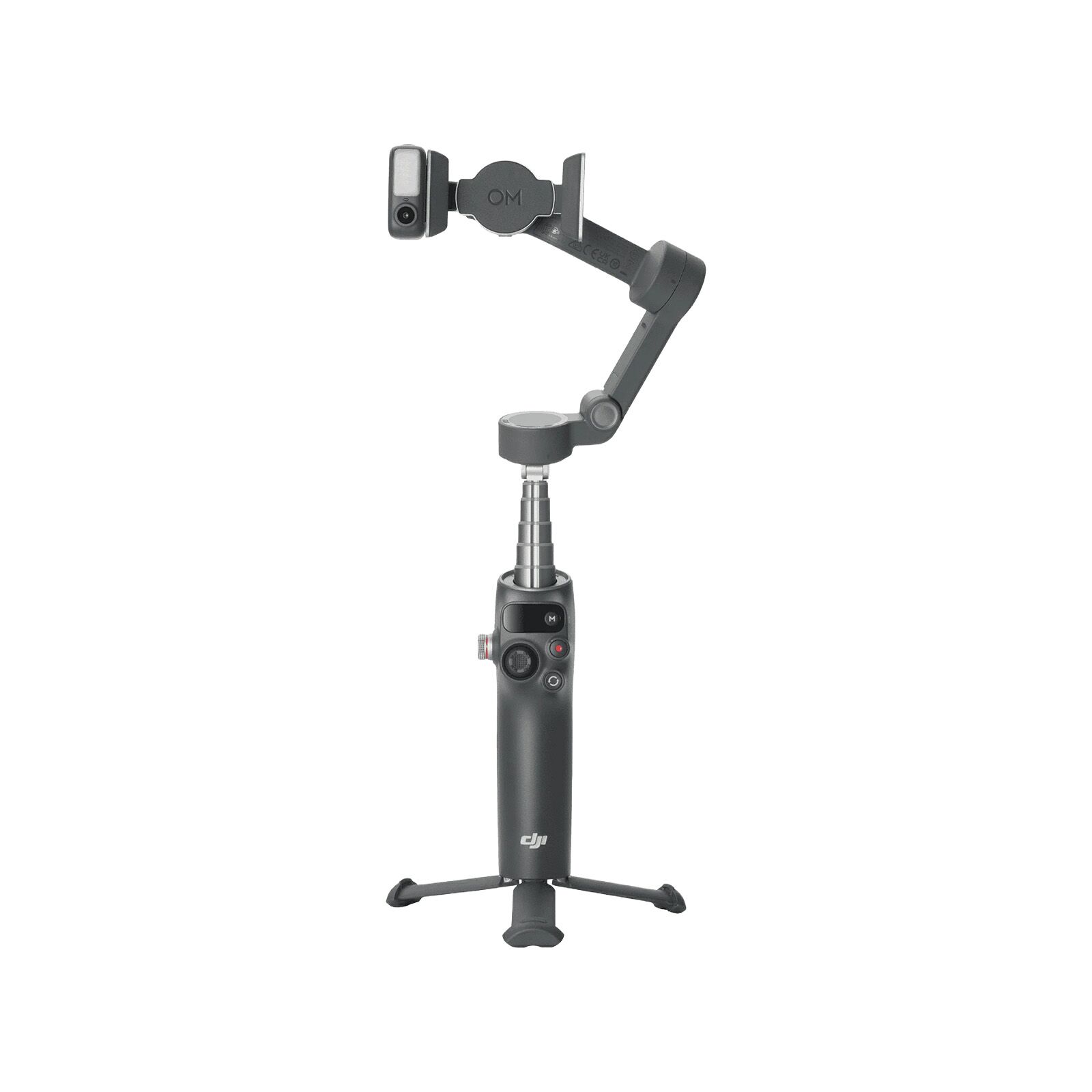
The Osmo Mobile 8 has become a constant presence in my gear bag. The magnetic phone clamp and intuitive design allow you to start shooting in seconds. It delivers the same smooth 3-axis stabilization and intelligent shooting modes found in DJI’s dedicated cameras, while also featuring a built-in extension rod that is useful for selfies, vlogging, and tricky low-angle shots. The easily attachable multifunctional module adds subject tracking, adjustable fill lighting, and can even charge your phone. My favorite feature is Direct Phone Connection, which allows ActiveTrack and other intelligent functions to work directly within the iPhone’s native Camera app. This results in a seamless shooting experience that lets you benefit from DJI’s stabilization and tracking technology without being tied to a separate app — unless you want to be.
I’m always hesitant to add extra pieces of gear to my photo and video setup. The hassle of learning a new device and integrating yet another app into my workflow often outweighs the potential benefits. In the case of the Osmo Mobile 8, however, the opposite proved true. After months of use, I can confidently recommend it to anyone looking to elevate their smartphone videography. It delivers a meaningful upgrade without adding bulk, a steep learning curve, or a dependency on DJI’s app. — Rulo Luna
DJI Osmo Mobile 8: $149
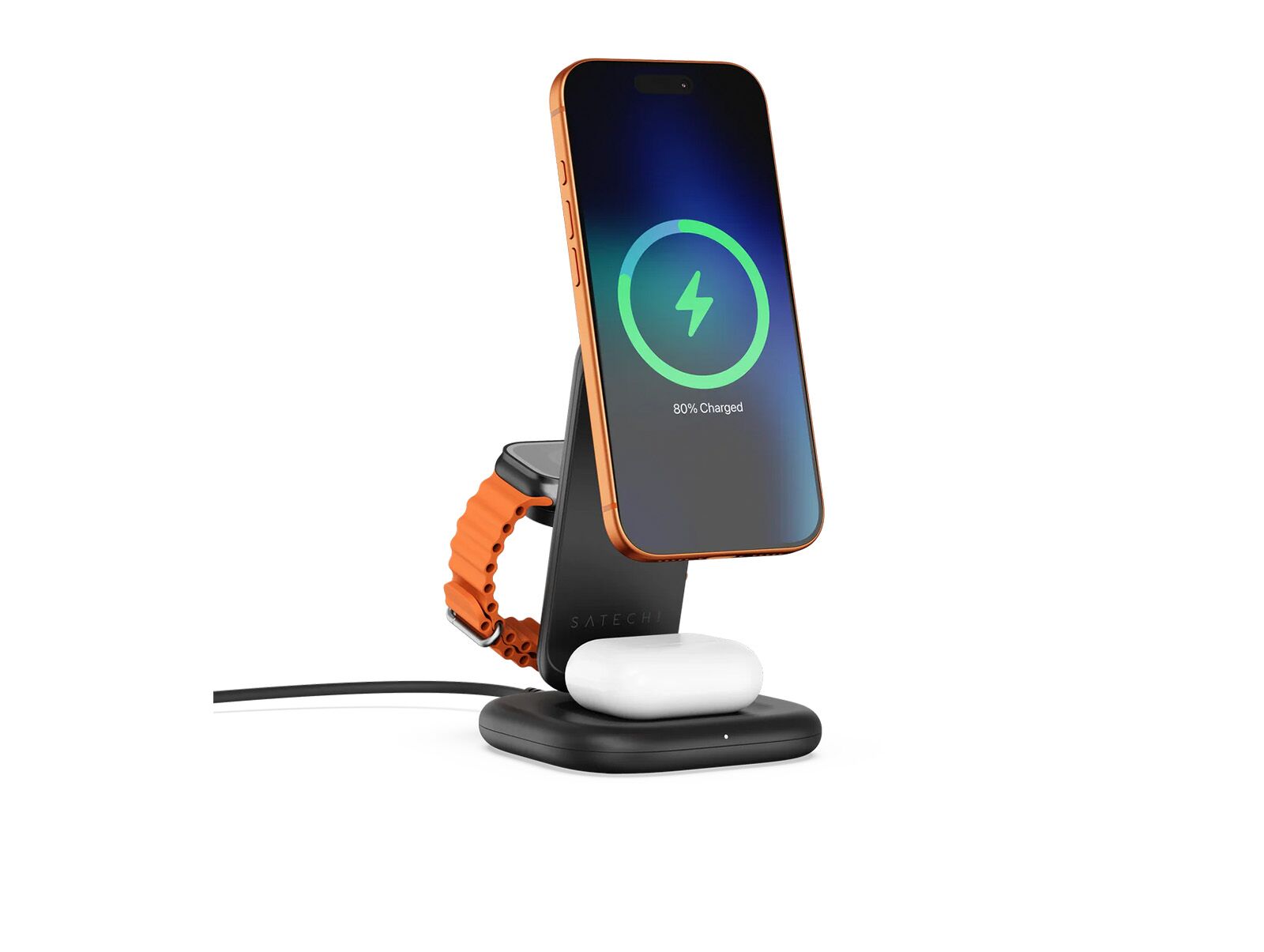
Satechi 3-in-1 Foldable Wireless Charging Stand with Qi2 25W: $129.99
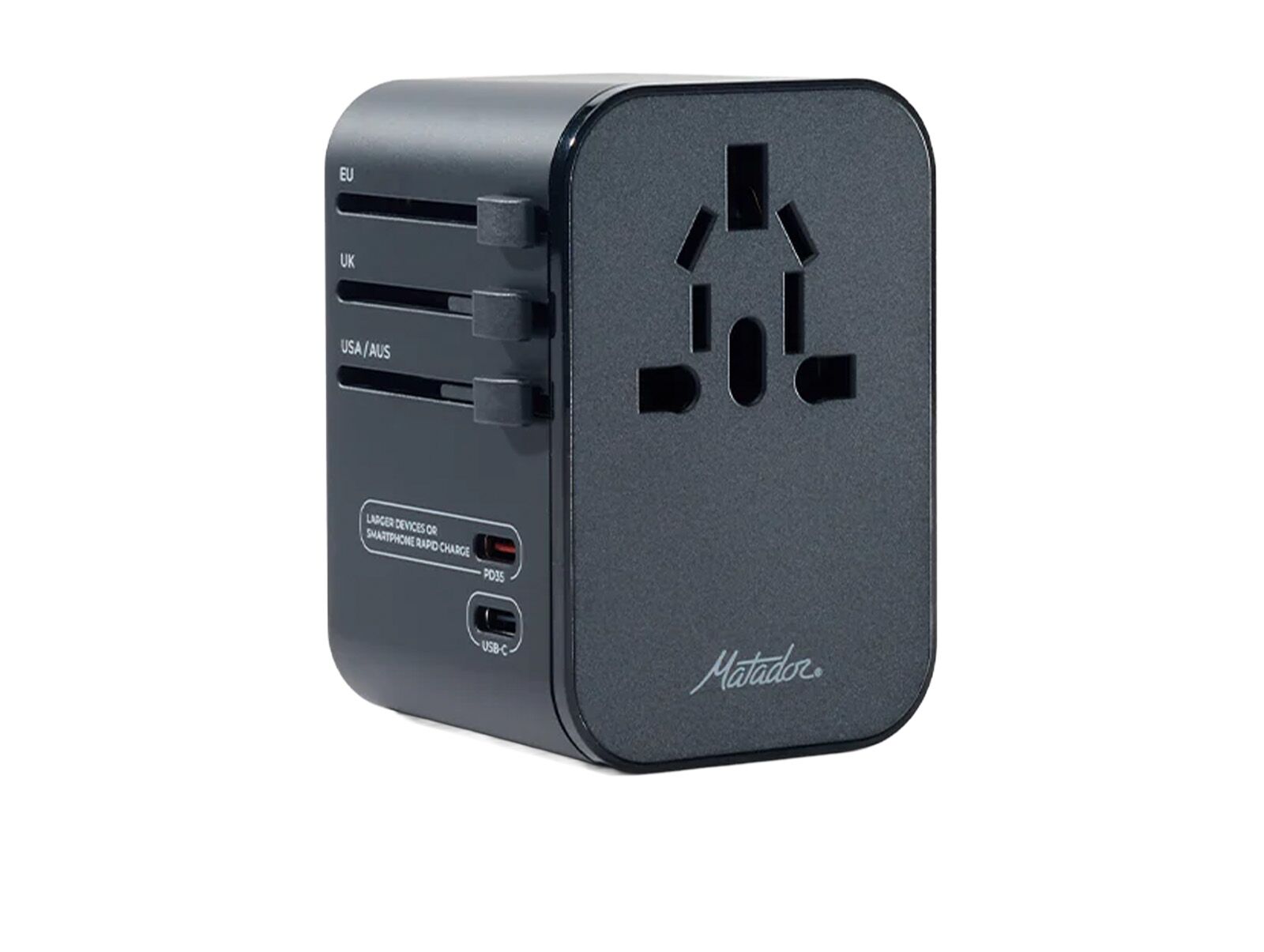
Matador Equipment Global Travel Adaptor: $39
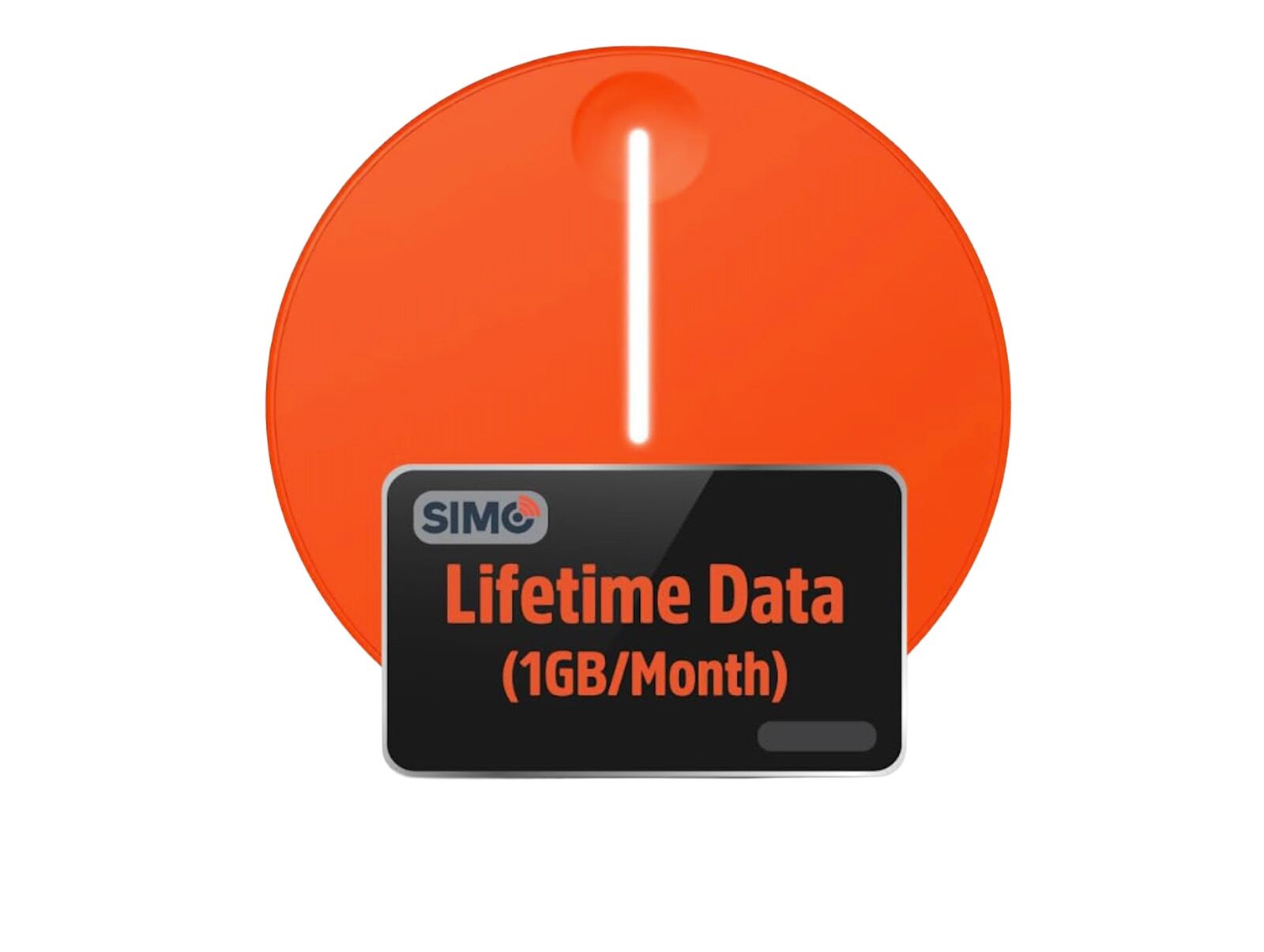
SIMO Solis Lite 4G LTE Mobile Hotspot: $99.99
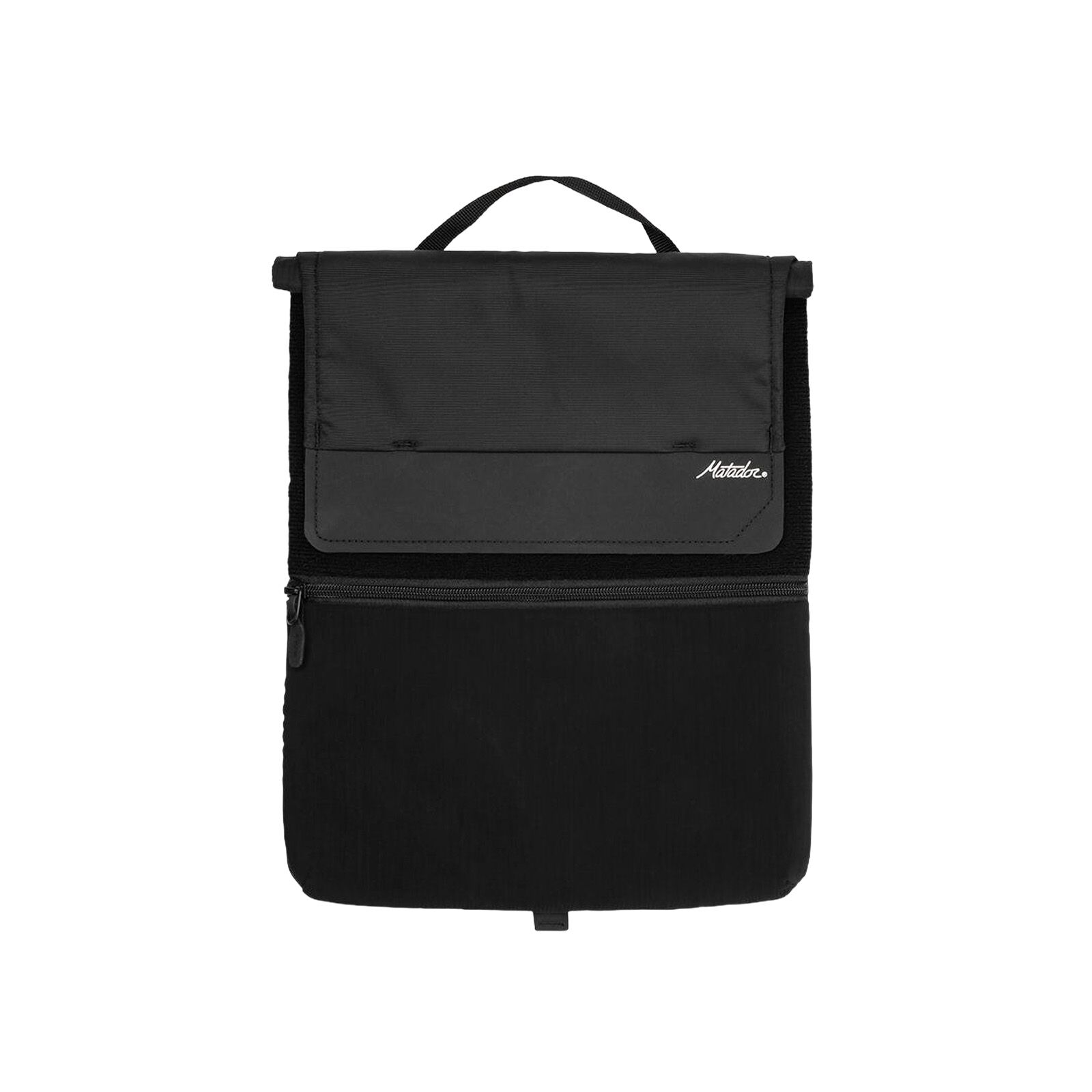
Yes, $60 is a lot for a laptop case – until you look at what it would cost to replace your laptop in a hurry. As a frequent adventure traveler, I’ve dealt with all kinds of laptop-related travel issues, ranging from dirt stuck in the charging port that blocks the cord to humidity and water damage from leaving my laptop too close to the edge of a pool. But when my laptop is in the Laptop Base Layer, it’s fully protected from the elements, including wind, rain, and snow – which comes in handy, if you like working outside on vacation but don’t like paying attention to weather forecasts. I use the small pocket for the charger and devices like USB ports, and the slim design allows me to use it within my travel backpack’s padded laptop sleeve. — SD
Matador Laptop Base Layer: $60
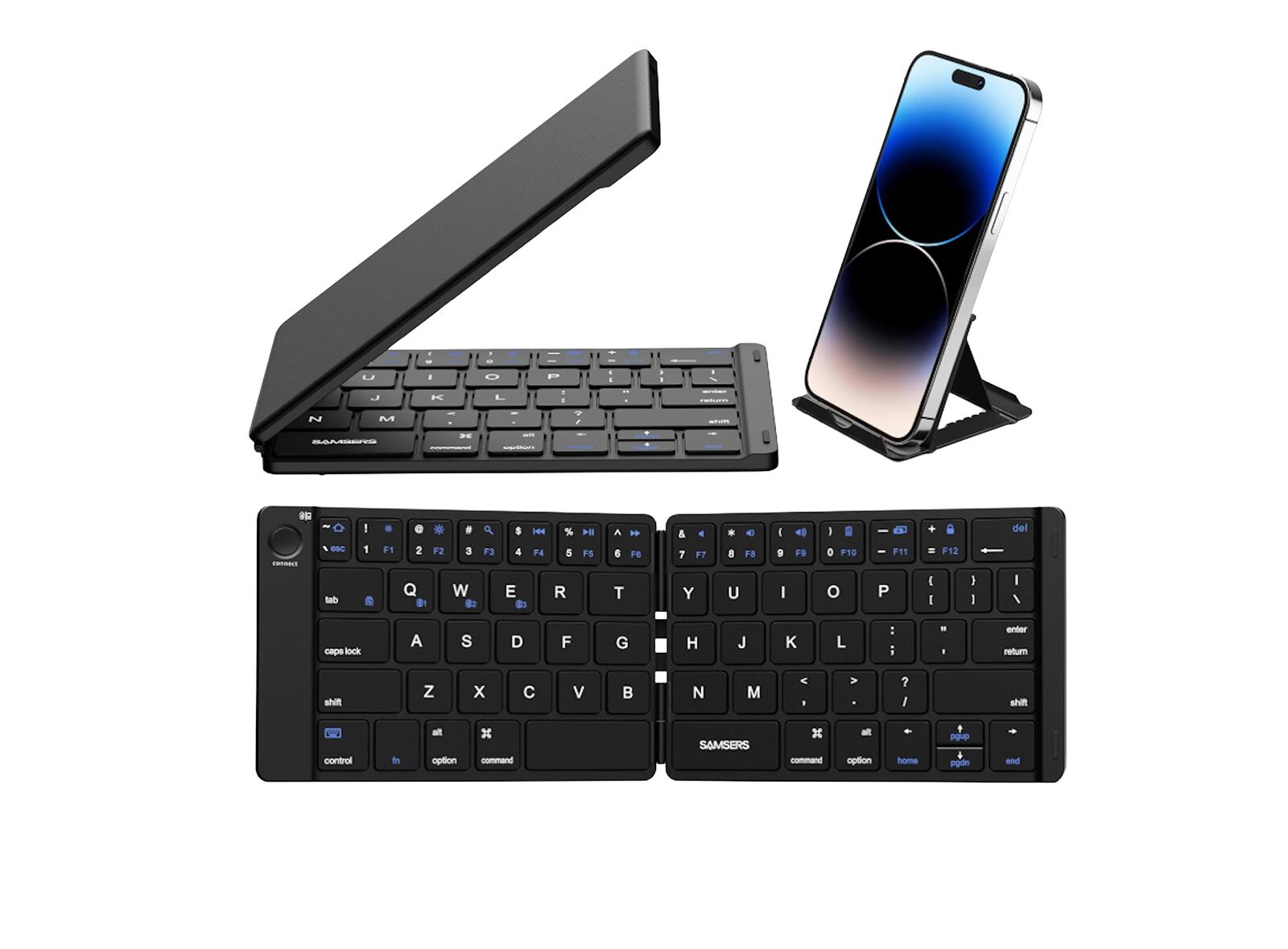
I do a lot of work from my phone, and this portable keyboard makes writing everything from an email to a story easy. This ultra-slim, compact keyboard folds neatly to slip into your pocket or bag without taking up precious space. Ideal for the on-the-go worker. — NH
Samsers portable keyboard: $27.83
Performance wear
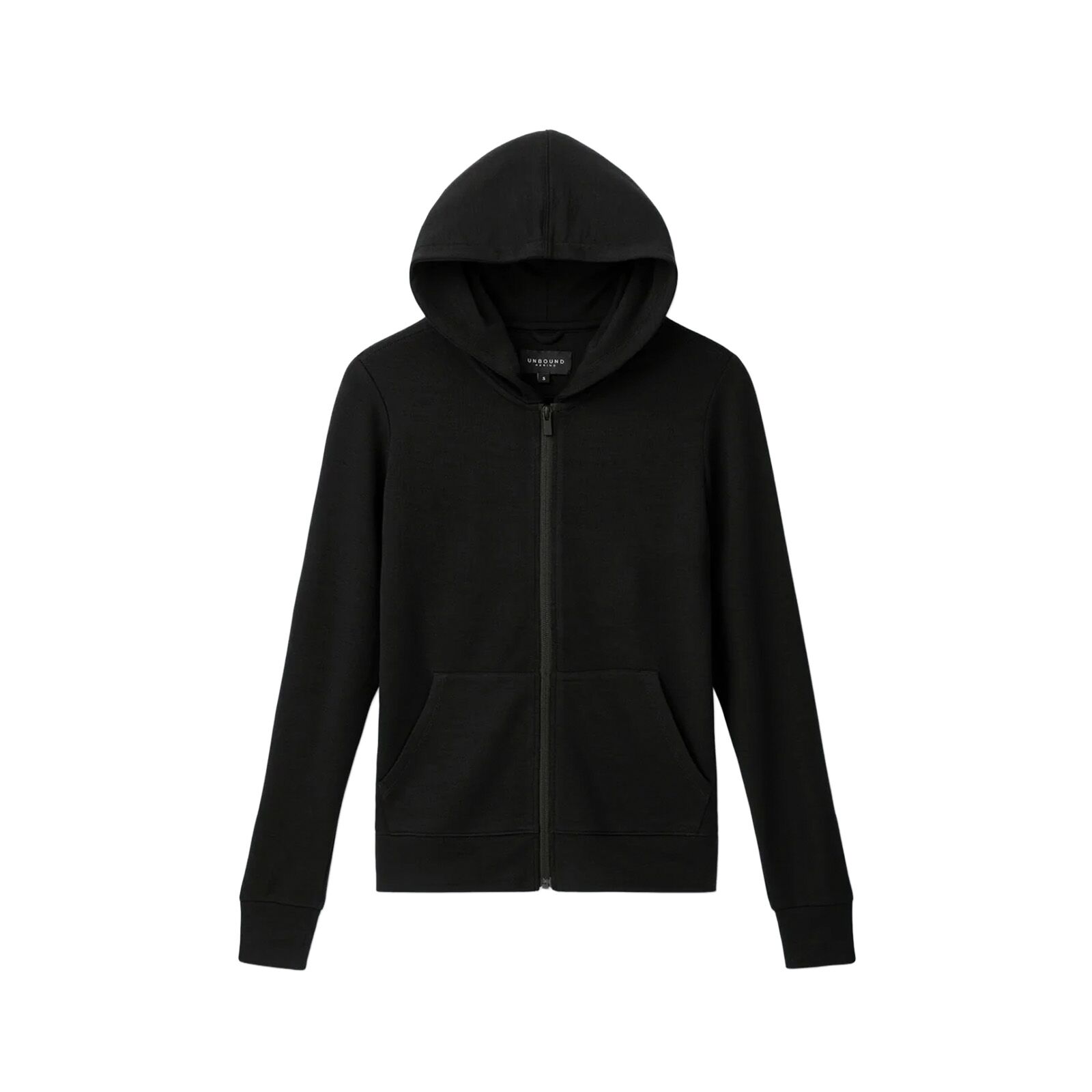
Most brands out there make some type of product they market as a travel hoodie, but so far, I’ve found that the Travel Hoodie from Unbound Merino is one of the best out there.
The first and most obvious selling point is that it’s made with merino wool. Lots of people love merino because it both insulates and cools, making it ideal for a wide range of temperatures, but my favorite feature is more directly travel related: it takes weeks for it to get dirty (or at least many days). As long as you wear a shirt under it, you can wear it for an extremely long time without any worries about it getting stinky or looking worn out. It’s on the thinner side and doesn’t take much space in a carry-on bag, but it keeps me warmer than I thought it would be the first time I wore it. It also has a very clean, basic design, making it the perfect normcore travel hoodie for chilly flights and unexpectedly overcast days. — SD
Unbound Merino Travel Hoodie: $178 – $198
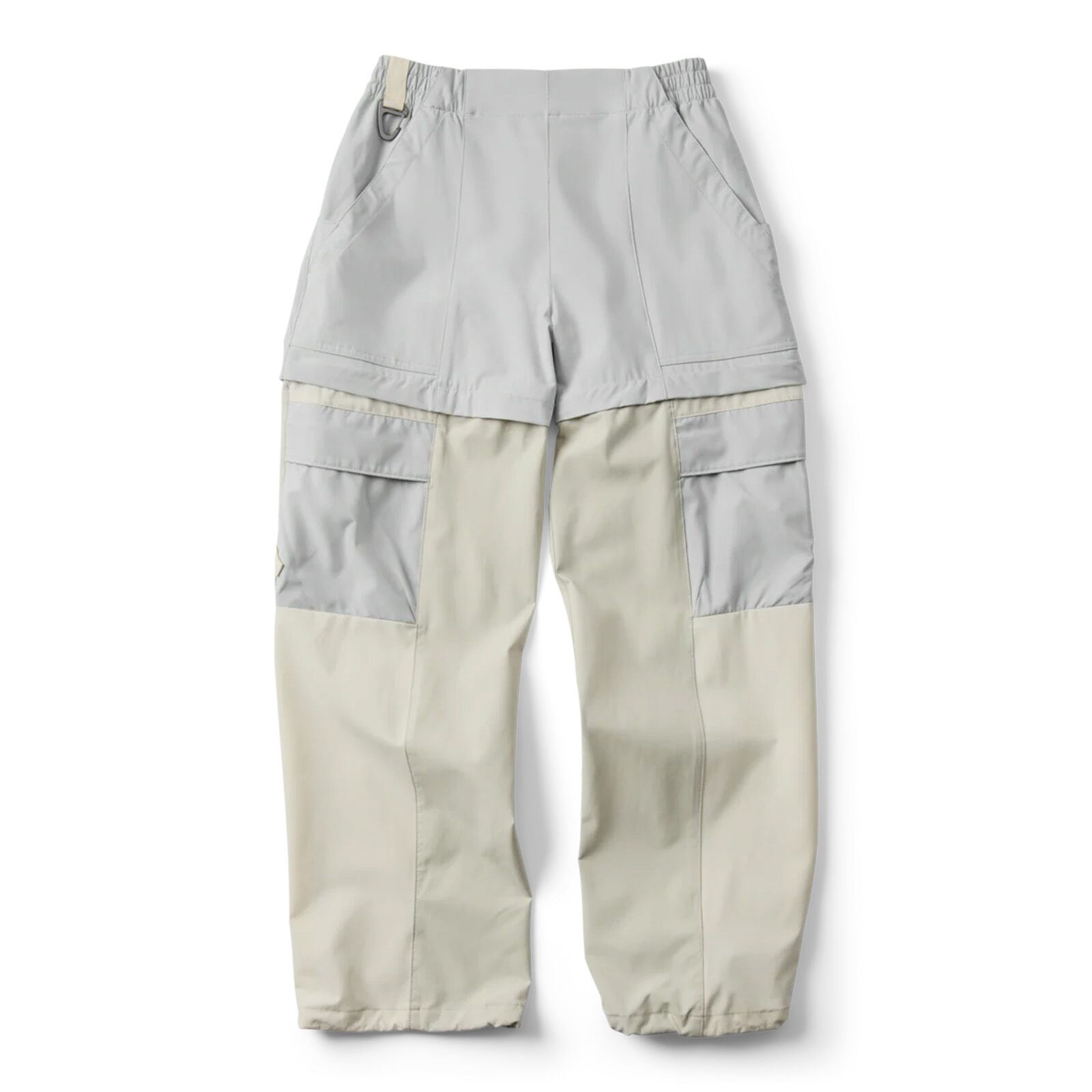
Cotopaxi Losdos Zip-Off Pant for Women: $125
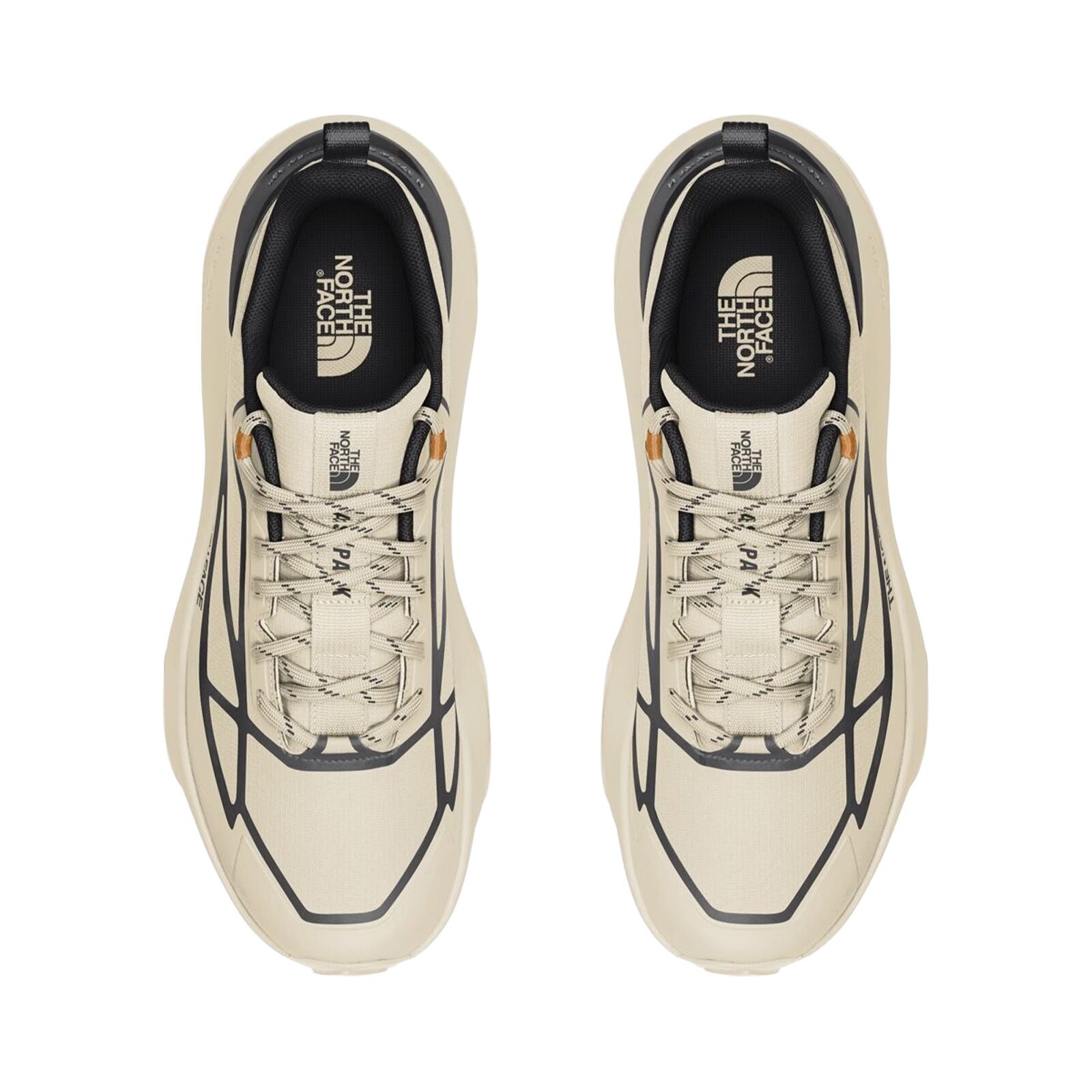
The North Face Fastpack Waterproof Shoes: $180 – $190
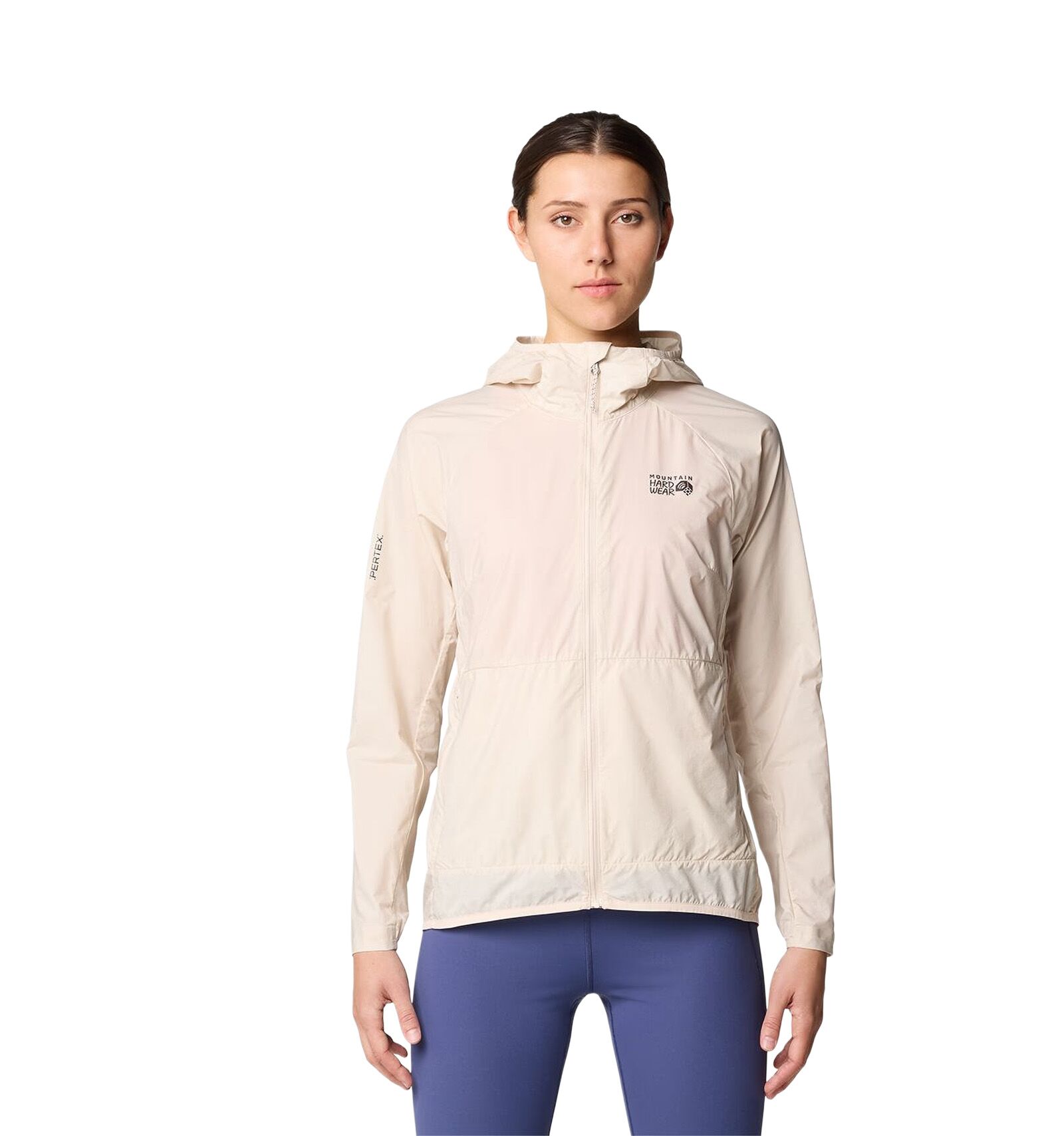
Mountain Hardwear Kor AirShell: $169.99
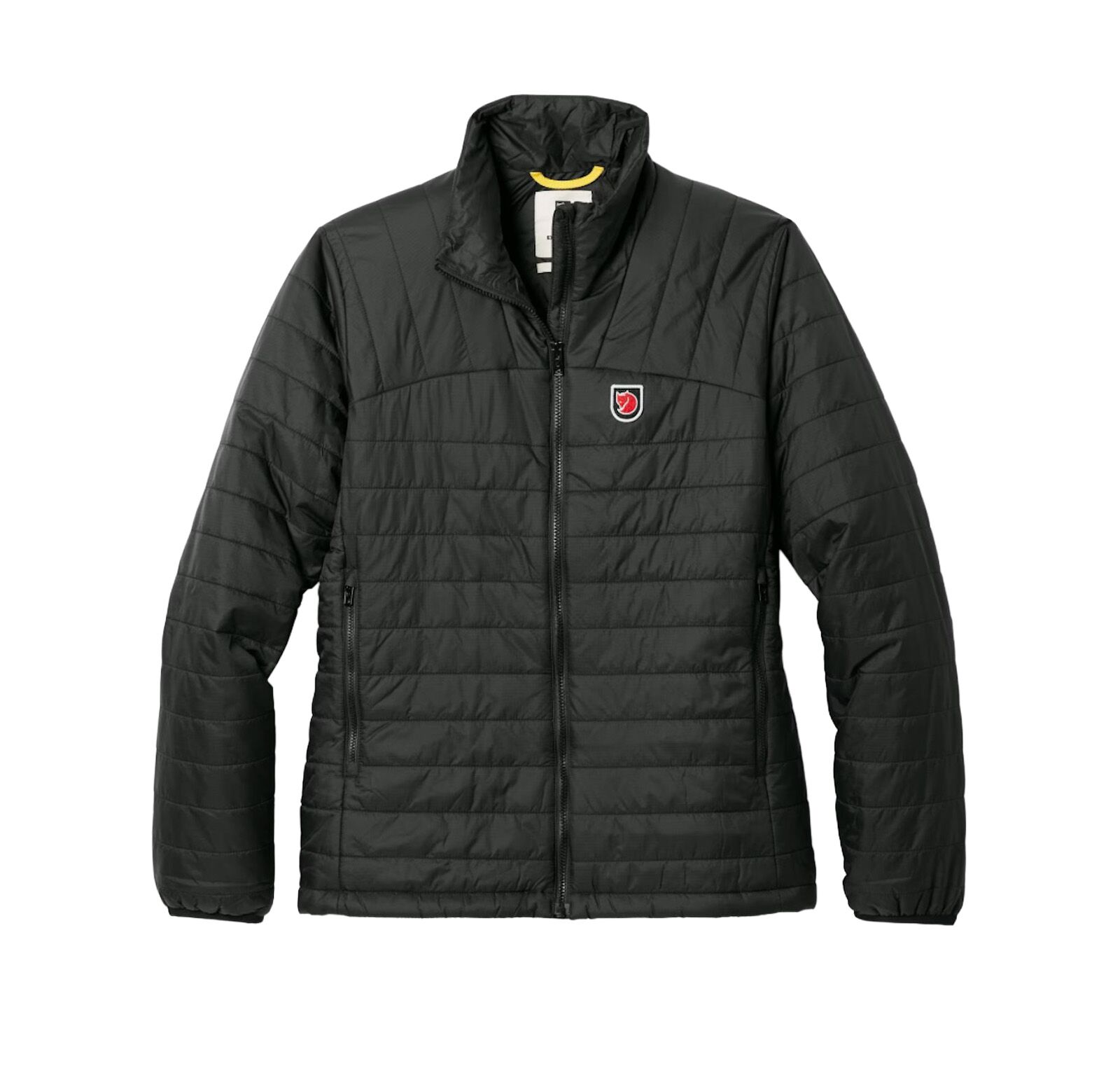
Fjällräven Expedition X-Lätt Jacket: $230
Black Diamond backcountry layering
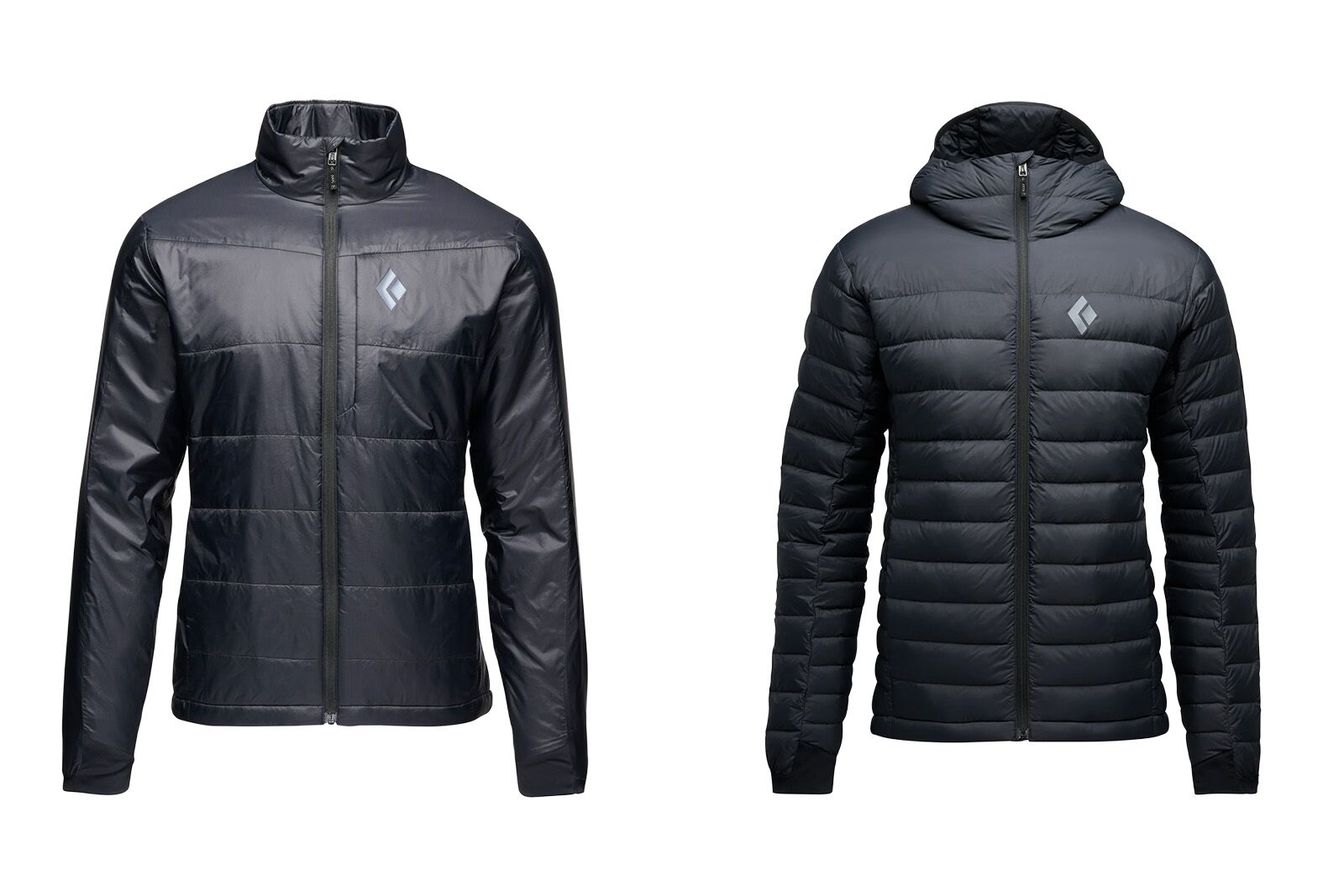
- What to wear on the ascent: For many reasons, I’ve never been a fan of fleece in the high alpine (it’s never the right conditions for it, for one thing – always too windy or too sweaty). As such, I’ve historically gone with a lightweight midlayer or simply started the climb in my full downhill getup and shed layers as I heated up. Whenever I have to stop to remove a layer I’m always envious of the person who doesn’t – so I acquired the Solution shell to solve this problem. Its 20d, recycled nylon Micro Rip Stop is PFC free and the jacket promises to be both functional and comfortable from the trailhead to the summit.
- A down jacket that’s enough for hut trips and descents.
The key to a successful hut trip is efficient packing – most everything should serve more than one purpose, because you don’t want to carry up more than you need. The Black Diamond Access Down will fit my kit by allowing me to wear the same jacket at the hut that I wore on the ride down to it. If hitting the trail early in the AM, as is typical, I can wear the Access Down from the trailhead and not even have to worry about a jacket taking up space in my pack (if the climb gets warm, I’ll simply take it off and tie it by the sleeves to the top of the pack until I get to the transition point).
I chose Black Diamond for two reasons. First, the brand’s gear is tough and tested. I already have Black Diamond’s ski touring poles, mountaineering gear, and harness, and the stuff has never let me down. Second, Black Diamond has taken great strides towards making its gear more eco-friendly and circular, and has advocated for recreation- and conservation-friendly legislation like the PARC Act. The company partners with factories that prioritize solar energy, water conservation, and recycled materials, and is pioneering end-of-life recycling programs like an expanded repair ecosystem and the industry’s first independently certified aluminum recycling program. — TW
Black Diamond Access: $349
Black Diamond Solution: $249