
In Spain, wine is as much a mealtime companion and a recipe ingredient as it is a social and celebratory ritual. Locals typically choose their pour based on the adage that what grows together, goes together.
In the emerald-lush region of Galicia, zesty Albariño pairs naturally with fresh octopus and shellfish. In sun-baked Jerez, a salty Manzanilla tastes transcendent with a simple cone of fried squid. In Penedès, local white grapes suited to traditional-method sparkling wine complement contemporary Catalan gastronomy.
While most travelers have probably heard of the famous reds of Rioja and Ribera del Duero, wine has long featured prominently in regional life across Spain, from north to south. For your next trip, consider a cultural deep dive into the drink traditions of these seven regions.
Basque Country: Txakoli
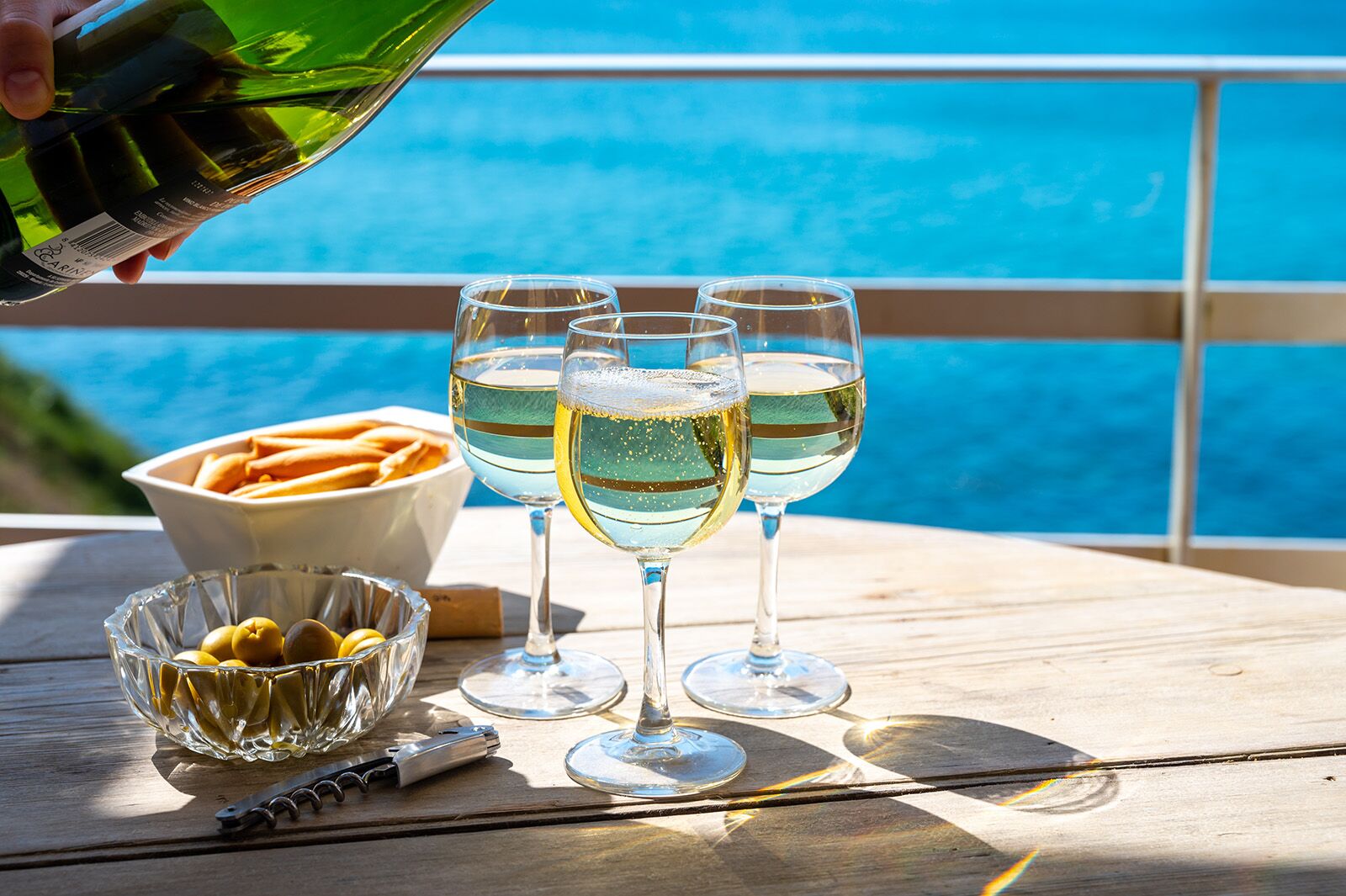
Photo: Barmalini/Shutterstock
You know you’ve entered Basque Country when someone offers to pour wine down your throat via a goose-necked carafe called a porrón. The city of San Sebastián, with its Belle Époque architecture, often serves as the gateway to the region, but cross into this verdant swath of northern Spain and it can feel like you’re due another passport stamp. Euskadi (the Basque name for Basque Country) has its own ancient language, Euskara, and its drinking culture is equally unique.
The wine known as Txakoli today spans three DOs, or appellations, and is based largely on two grapes: Hondarrabi Zuri and Hondarrabi Beltza. The best-known style is a dry, high-acid white, sometimes lightly spritzy, that pairs well with seafood and pintxos (bite-sized bar snacks).
Great time to visit: Each January, the town of Getaria celebrates the new vintage at its popular Txakoli festival.
Jerez de la Frontera: Sherry
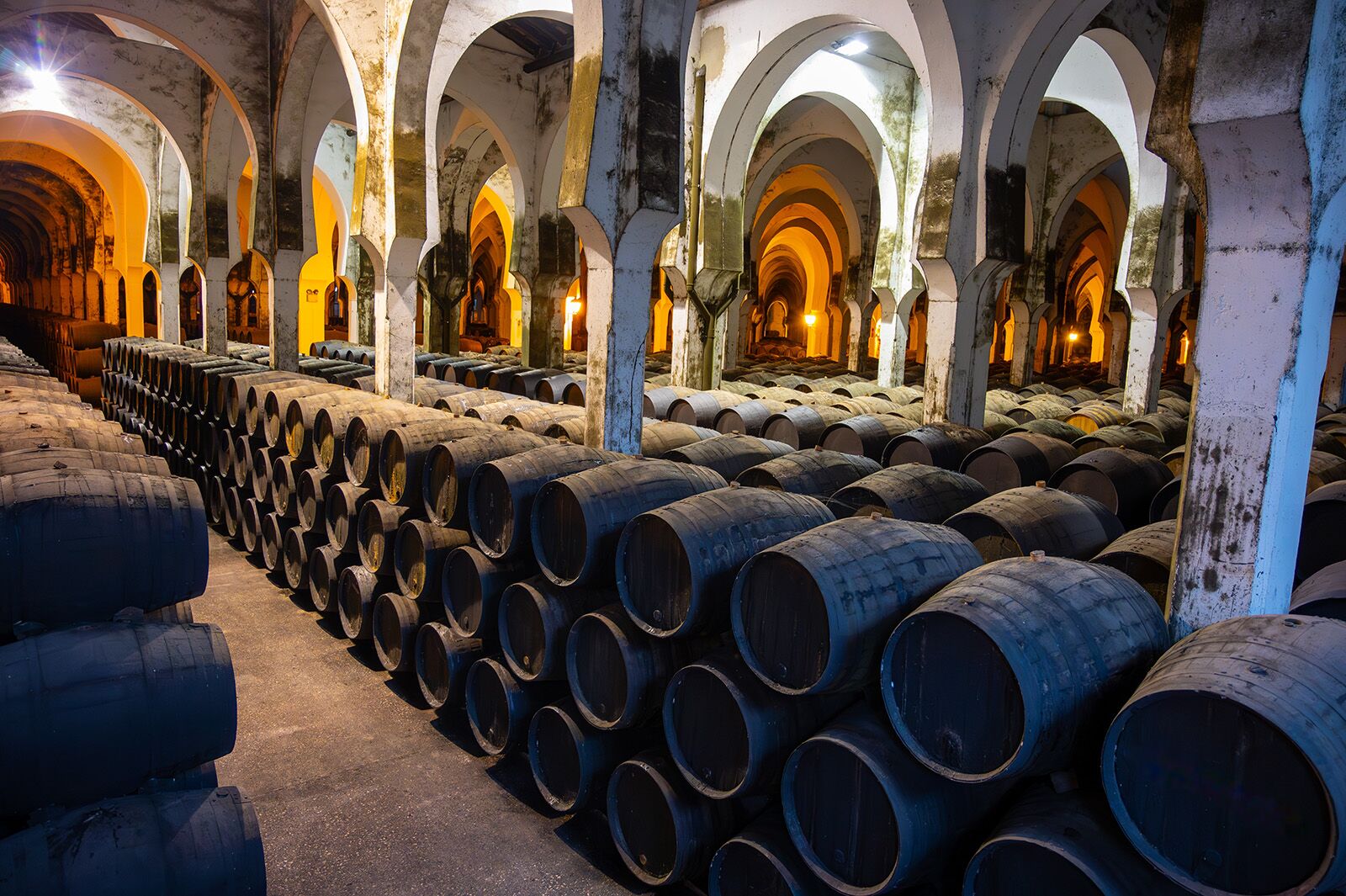
Photo: Barmalini/Shutterstock
It’s dim and crowded; all eyes are on the stage. A woman in a poppy-hued dress, a cascade of ruffles at her feet, stamps and wails as the guitarist strums behind her. Everyone sips copitas (tulip-shaped sherry glasses) of bronzed wine while snacking on montaditos (small jamón and cheese sandwiches). Consider yourself lucky to spend an evening in a tabanco (a tavern unique to Jerez de la Frontera) in the Sherry Triangle of Andalucía.
The region’s wine production dates back over two millennia to the Phoenicians, but styles have changed since then. Today, grapes grow in white chalky soil called albariza, well suited to Palomino. Known for pale, dry base wines, the grape transforms into a half dozen dry-to-sweet styles of fortified Sherry depending on whether it ages beneath flor (yeast), through oxidation, or both.
Great time to visit: Each spring, Jerez’s Feria del Caballo brings together three defining elements of local culture: Andalusian horses, flamenco, and Sherry.
Rías Baixas, Galicia: Albariño
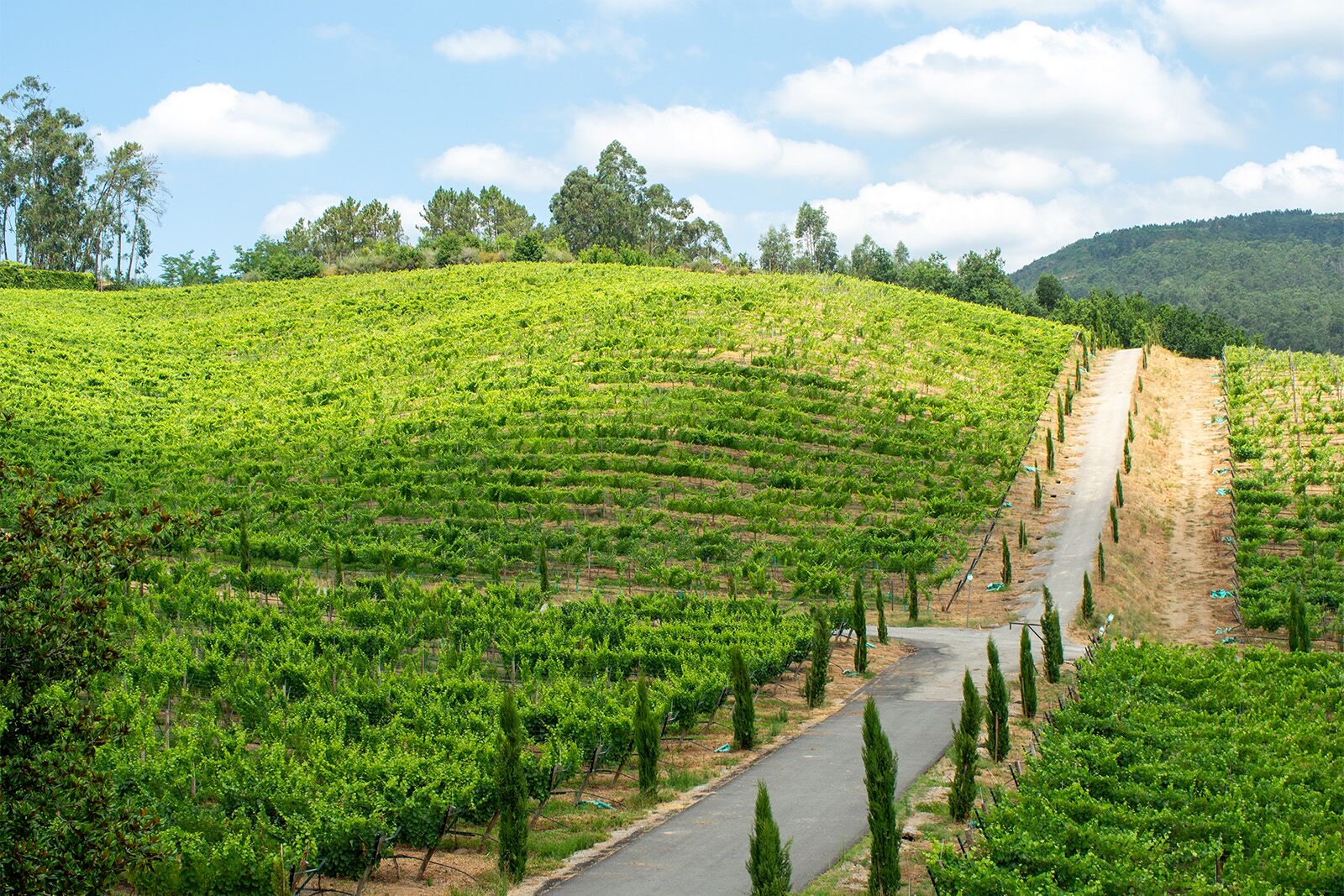
Photo: Malaika Casal/Shutterstock
Fog cloaks the ragged emerald coast of Galicia, home to some of Spain’s most distinctive white wine country. With miles of lanes unspooling between narrow estuaries, or rías, you could easily full a multi-day road trip stopping in villages and tasting wine. This rainy corner of northwest Spain holds its identity tightly, with traces of Celtic forebears still visible in the local culture.
The wine appellation, Rías Baixas DO, takes its name from those coastal inlets, whose nutrient-rich waters support a myriad of shellfish, from scallops and mussels to clams. In the patchwork of small vineyards tended by family farmers, Albariño thrives. The grape produces fragrant, high-acid dry white wines marked by citrus and stone fruit.
Great time to visit: Each August, the historic town of Cambados celebrates the Festa do Albariño, when wineries pour their newest vintages alongside food and music.
Ribeira Sacra, Galicia: Mencía
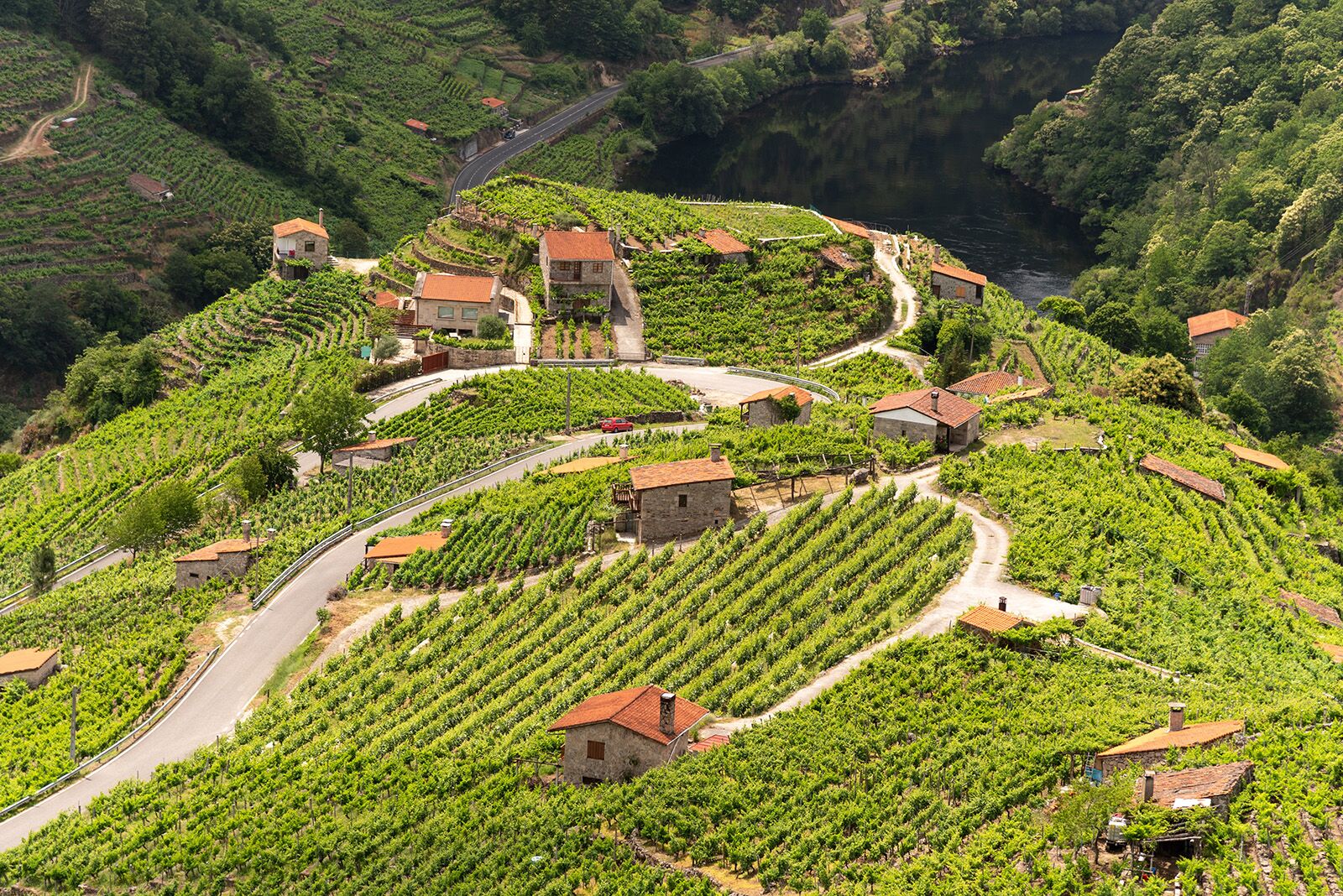
Photo: Martin Boujon Zappino/Shutterstock
It’s the rare wine traveler who penetrates Galicia’s interior — you’re now truly off the beaten path. Narrow roads coil through forested granite hills, wending past hidden villages and hillside monasteries before bursting out onto a vista so vast and steep you might feel vertigo. Below, the Sil and Miño rivers take credit for carving the canyon terrain. On its face, winemaking here seems illogical. And yet, growers hand-carved stone terraces into the valley slopes. Many vineyards have fallen into disrepair, but winemakers eager to revive this history have begun to restore them.
Mencía, Ribeira Sacra’s answer to Pinot Noir, produces fresh, perfumed wines with a red-fruit profile and a meaty note. For white wine drinkers, Godello, age-worthy on its own, is often blended with Treixadura and Loureiro.
Great time to visit: Around Palm Sunday, the village of Sober hosts the Feira do Viño de Amandi, drawing thousands of visitors to taste local wines.
Lanzarote, Canary Islands: Malvasía Volcánica
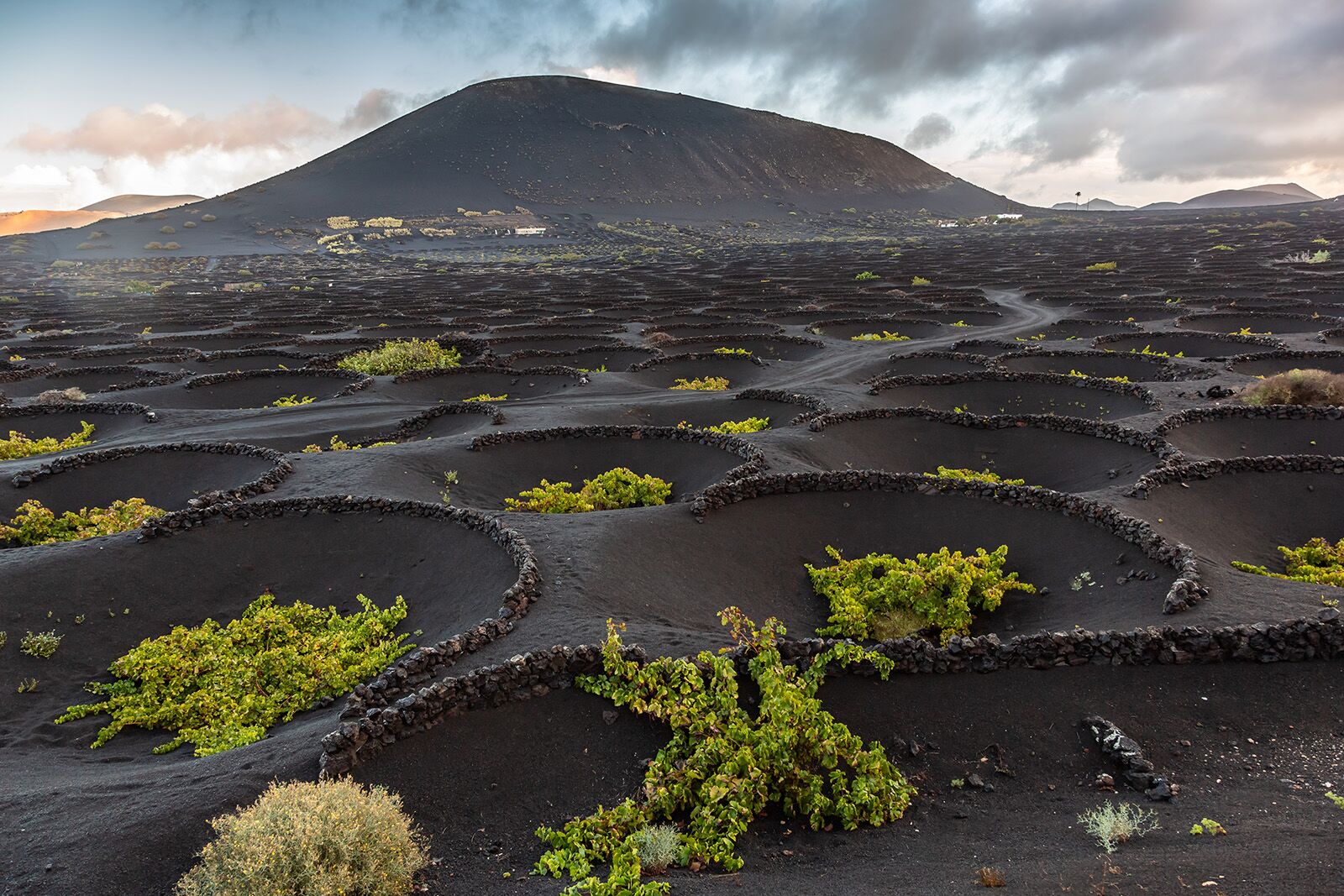
Photo: Dr. Juergen Bochynek/Shutterstock
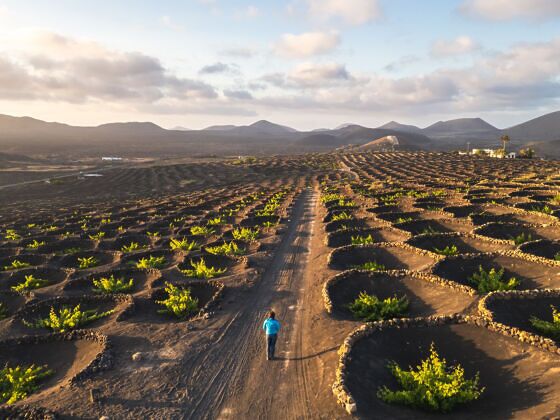
The Canary Islands sit off the coast of northwest Africa, part of Spain yet seemingly borrowed from the moon or Mars. On Lanzarote, ancient volcanoes rise from obsidian-black basalt. Drive inland from the coast, where vacationers spend carefree days in the waves, and the change can feel planetary.
European settlers brought wine grapes to the Canaries in the 15th century, but Lanzarote’s vineyards came later. After eruptions buried much of the island in volcanic ash during the 1730s, growers dug hollows in the black picón (ash and pebbles from the eruption), planting vines at their base and surrounding them with low stone walls for protection from wind. From each crater grows the contradiction of a vibrant green vine. The result is the fresh, aromatic whites of Malvasía Volcánica. Elsewhere in the Canaries, Tenerife is best known for Listán Negro reds.
Great time to visit: Make your way to Lanzarote in August, when La Geria marks the harvest.
Penedès: Cava
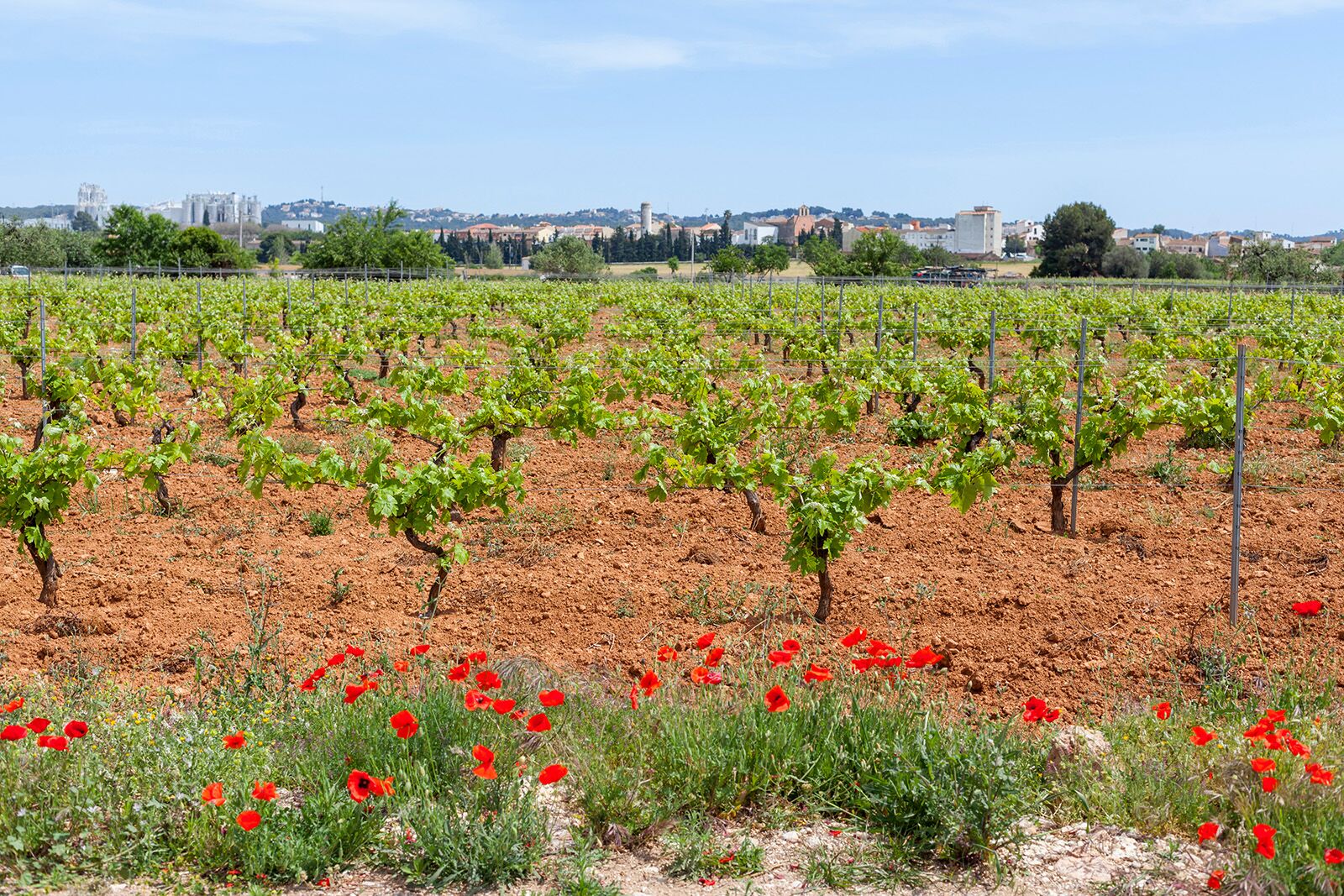
Photo: Joan Bautista/Shutterstock
Come summer, warm air carries the scent of rosemary, lavender, and thyme through the vineyards of Penedès, a region of Catalonia. Rocky, terracotta-colored soils glow in the golden-hour light as the sun casts long shadows across vineyard-covered hills. The peaks of Montserrat stand sentinel in the distance. Less than an hour from Barcelona, Penedès feels rural yet accessible to urban wine lovers. Rustic farmhouses hide Michelin-quality dining inside, while vineyard hotels and cellar doors buzz with guests.
While winemaking here dates back 2,000 years, the sparkling Cava that made the region famous developed in the late 19th century. Soon after, Penedès became synonymous with aged, traditional-method bubbles. Typically made from local grapes Xarel·lo, Macabeo, and Parellada, Cava ranges from younger, fresher styles to mature wines capable of nutty, creamy complexity.
Great time to visit: Mark your calendar for September’s Penedès Harvest Fest, when wineries host picnics and vineyard lunches.
Rueda: Verdejo
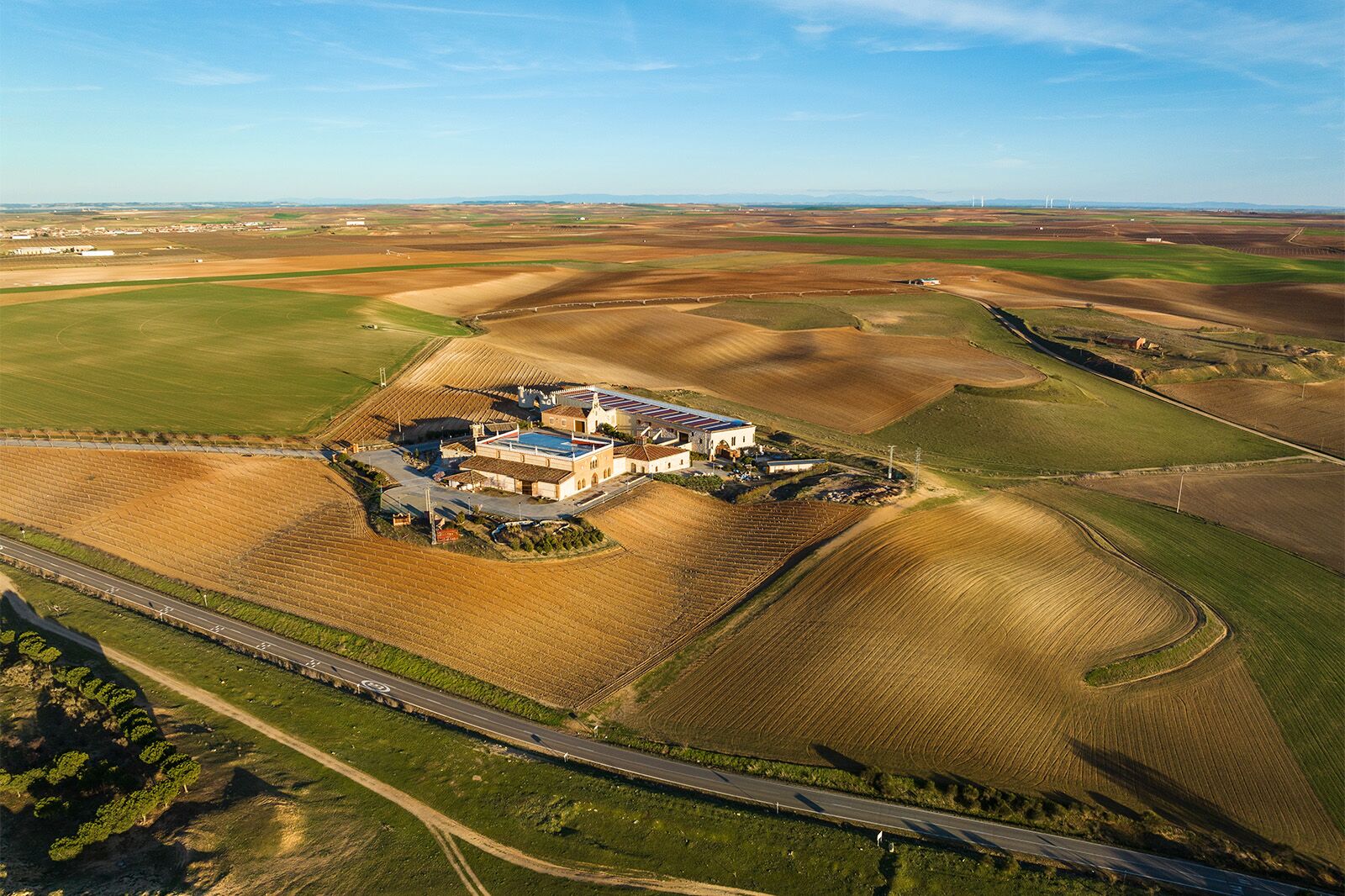
Photo: Andres Garcia Martin/Shutterstock
South of Valladolid in Castilla y León, the plateau opens into miles of vines under a sky that rarely offers shade. Summer days climb past 95 degrees Fahrenheit, so much of the Verdejo crop is picked after dark, when cooler temperatures give the grape’s delicate acidity a better chance of surviving the walk to the winery. Wander through the village of Rueda at dusk and you might catch pickers loading crates onto trucks, headlamps switched off in favor of the moon.
Written records of wine here date to the 11th century, but Verdejo nearly disappeared in the early 20th century. For decades the region leaned on Palomino grapes turned into Sherry-style, solera-aged wines instead. That changed in the 1970s, when Rioja’s Marqués de Riscal, working with French enologist Émile Peynaud, began producing a crisp, unoaked white made to drink young. Rueda earned DO status in 1980, the first in Castilla y León, and Verdejo now dominates its vineyards, where wide day-to-night temperature swings keep the wine’s citrus and fennel notes sharp.
Great time to visit: Each October, the village hosts the Fiesta de la Vendimia, with traditional grape treading, or pisado, and a market for local wine and crafts.
Wherever you head in Spain, let local wine culture guide your journey. It’s a shortcut through history, culture, and cuisine, not to mention a delicious route to follow. 