100 Years of the Great American Road Trip on Route 66

There are roads, and then there is Route 66.
As it turns 100 years old, Matador Network is celebrating the road that shaped how Americans travel — the spirit, the freedom, the Indigenous lands it crosses, the protected wilderness it skirts, the folk art and historic small towns that still define the drive today.
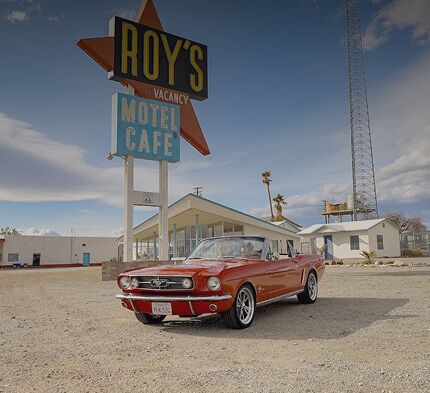
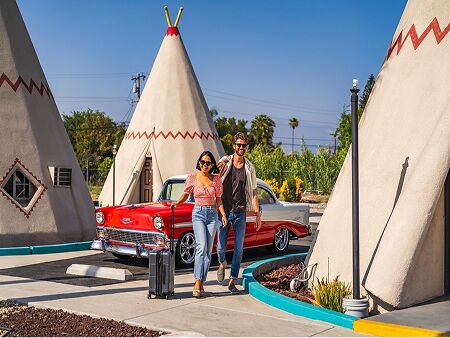
Established in 1926 as part of America's first federal highway system, Route 66 was built for practicality — connecting rural towns to Chicago and Los Angeles. It quickly became something more. During the 1930s Dust Bowl, hundreds of thousands traveled it west in search of opportunity, earning its nickname "The Mother Road" from John Steinbeck's The Grapes of Wrath. After World War II, booming car ownership and family travel turned Route 66 into a tourism icon, and motels, diners, and quirky roadside attractions sprang up along its 2,400 miles. Though bypassed by interstates and officially decommissioned in 1985, the road never faded.
A century in, the Mother Road is still drivable, still photogenic, and still full of surprises. This guide breaks it into four stretches you can take on one at a time or end-to-end — with the stops, sights, and detours that make each one its own trip.
CLICK TO SEE EACH STRETCH OF ROUTE 66

Midwest Kickoff: Chicago to St. Louis
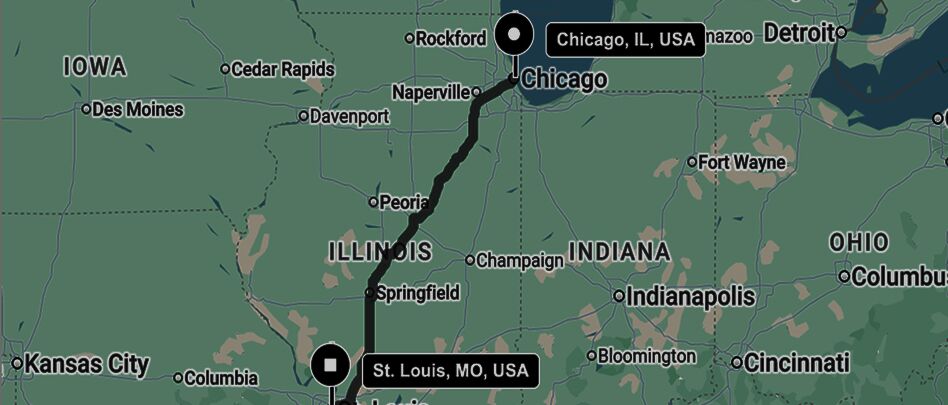
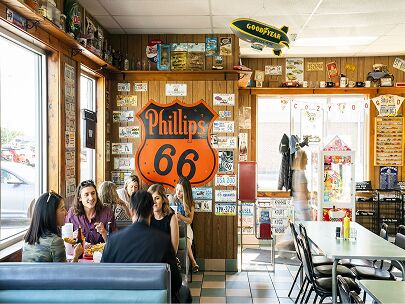
Tracing the first leg of westbound Route 66 from Chicago to St. Louis is like stepping into the origin story of the American road trip. This roughly 325-mile stretch follows the original path of Route 66, linking Chicago to the gateway of St. Louis.
When Route 66 opened in 1926, Chicago was a fast-growing, big-city destination known for its architecture, modernism, and cultural energy, while St. Louis had long been seen as the “Gateway to the West,” serving as a starting point for Americans (most of whom lived east of St. Louis) who dreamed of seeing the West Coast. This section follows what was already a fully paved highway before Route 66 was officially designated, making Illinois the first state where drivers could travel the route end-to-end without hitting dirt or gravel. Many of the diners, motor court motels, and roadside attractions on this section predate Route 66 and helped influence the newer businesses that popped up farther to the west.
Today, much of the route is preserved as the Illinois Route 66 Scenic Byway, where you can still follow original alignments through towns like Joliet, Pontiac, and Springfield, home to Abraham Lincoln’s historic sites and classic Route 66 eats.

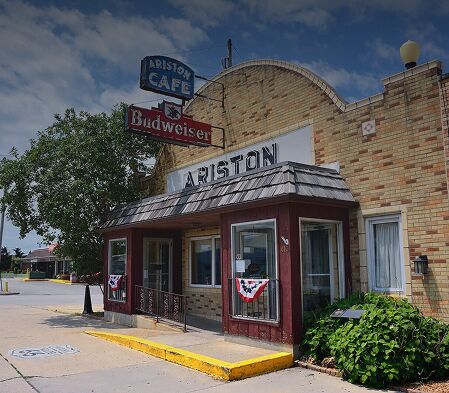
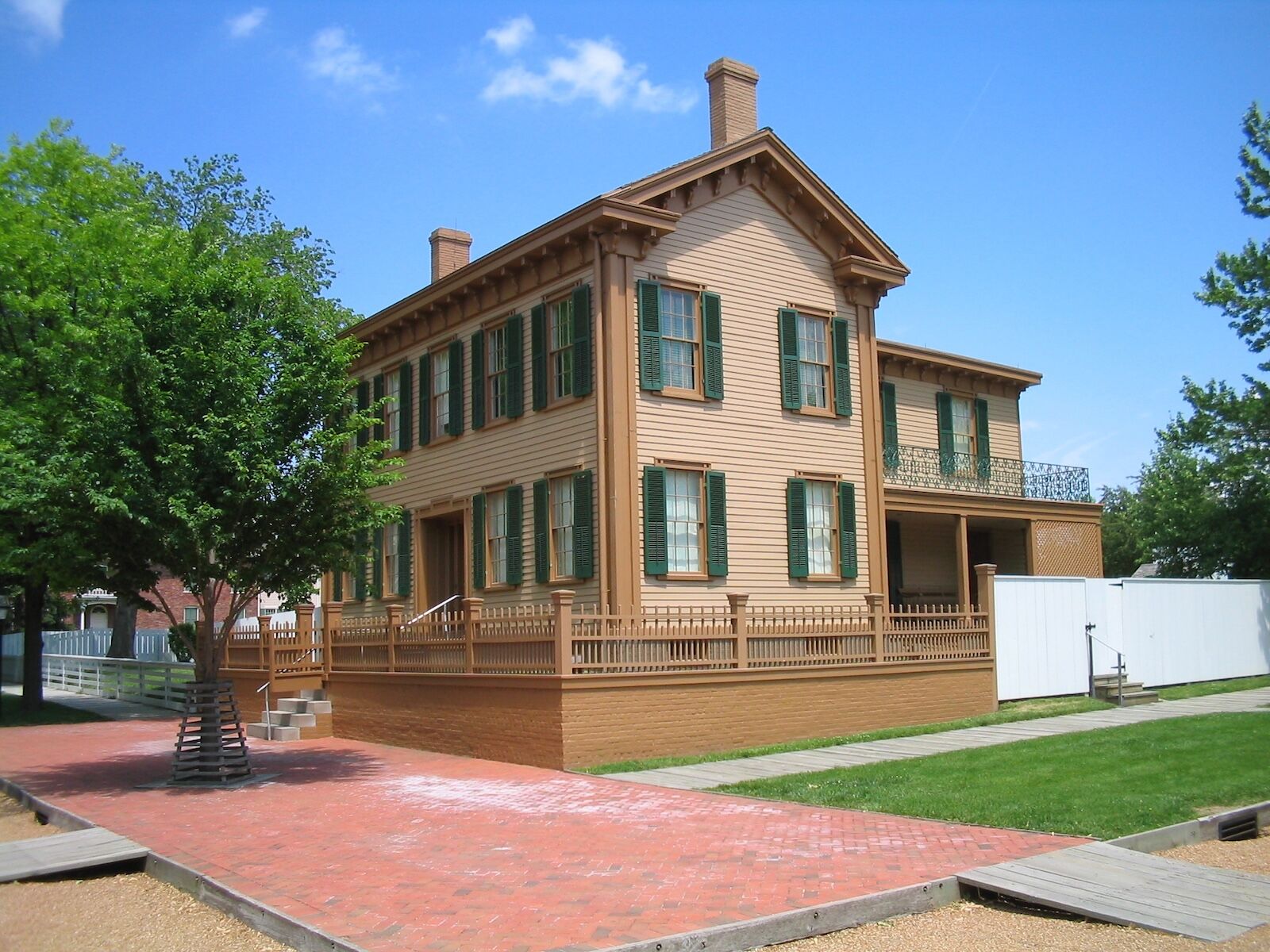
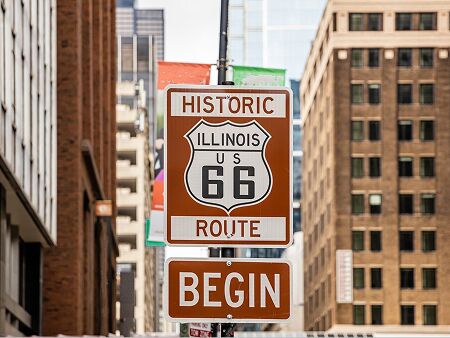
READ MORE ABOUT THE DESTINATIONS BETWEEN
Chicago and St. Louis
Heartland to High Plains: Augusta, Missouri, to Amarillo, Texas
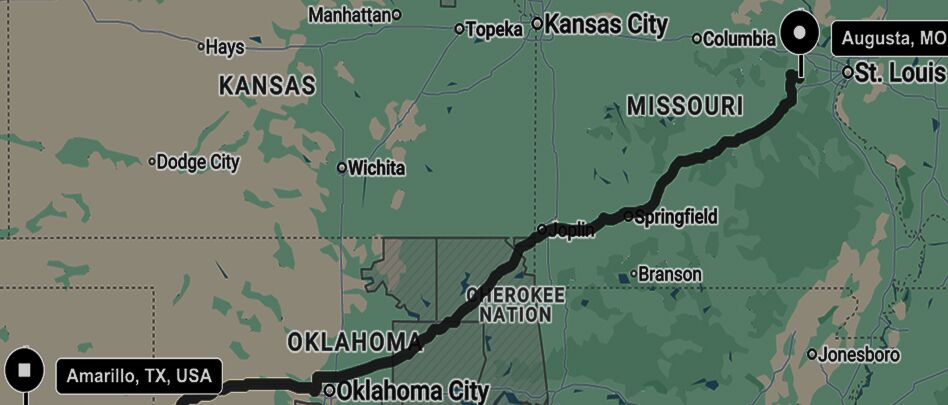
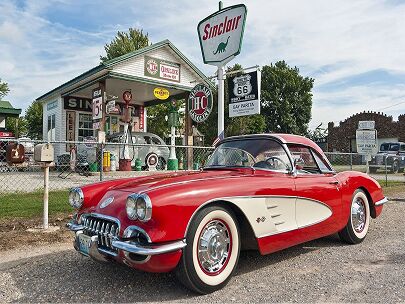
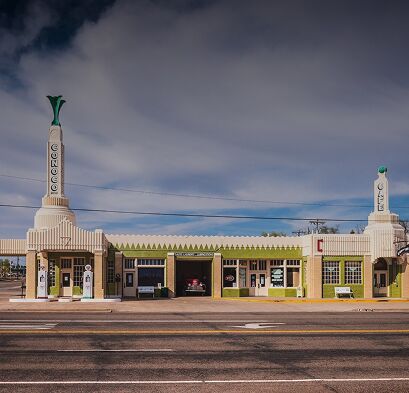
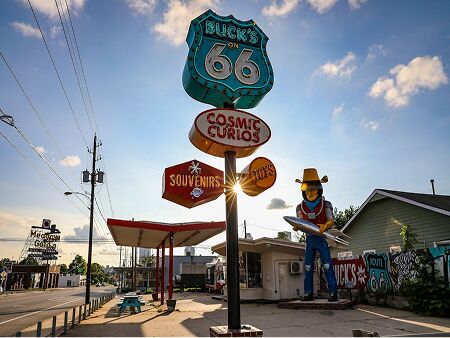
TPicking up west of St. Louis, the stretch of Route 66 from Missouri’s wine country to Amarillo, Texas, is where the road really opens up. It’s a nearly 900-mile stretch that trades big cities for small towns and the sense that you’re leaving the Midwest behind and heading into a lesser-explored part of America.
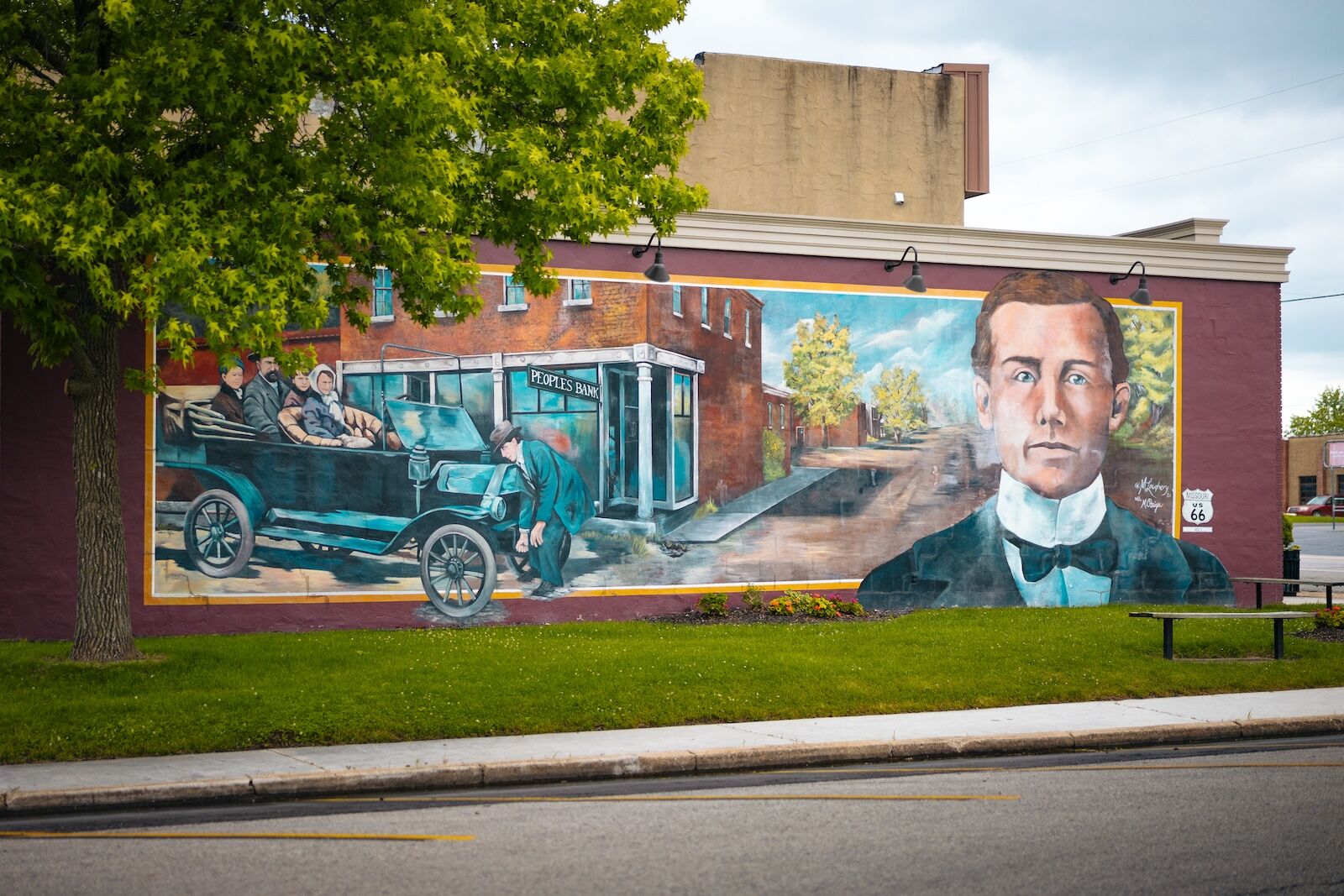
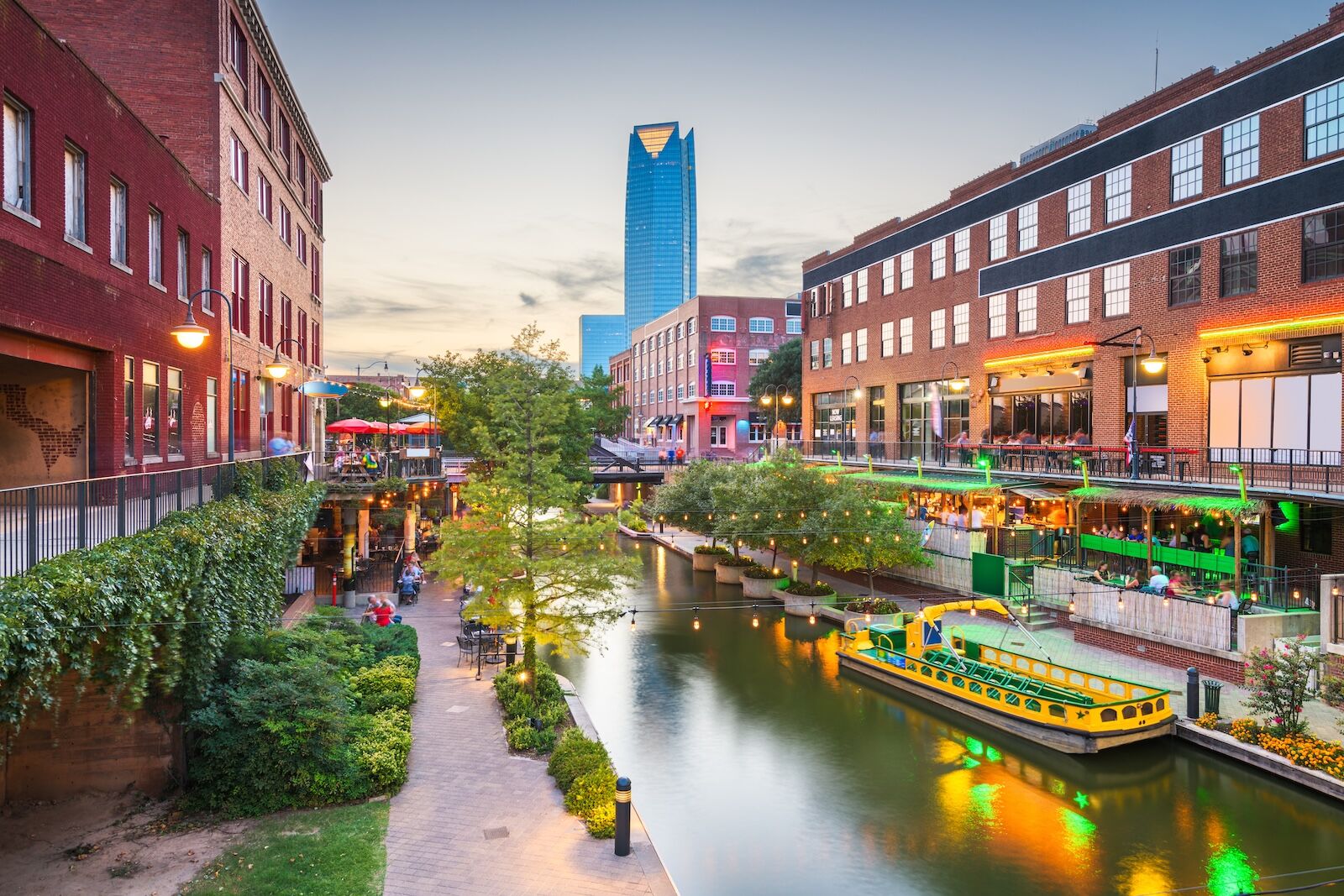
When Route 66 opened in 1926, this part of the country wasn’t a destination in the same way Chicago or St. Louis were — it was more a way to get somewhere else. But that lack of definition worked in the region’s favor, allowing this stretch to shape an identity tailored to Route 66 drivers. As traffic increased in the 1930s, towns across Missouri, Oklahoma, and Texas built the infrastructure road trippers needed, like gas stations and motels — along with some that probably weren’t needed, but were appreciated.
Today, this is one of the least commercialized stretches of Route 66, where the classic roadside experience feels the least changed from 100 years ago. It sees fewer dedicated road trippers than other sections and is an ideal stretch if you want to feel the pull of the West the way drivers once did.
READ MORE ABOUT THE DESTINATIONS BETWEEN
Augusta and Amarillo
Southwest Magic: Adrian, Texas, to Kingman, Arizona
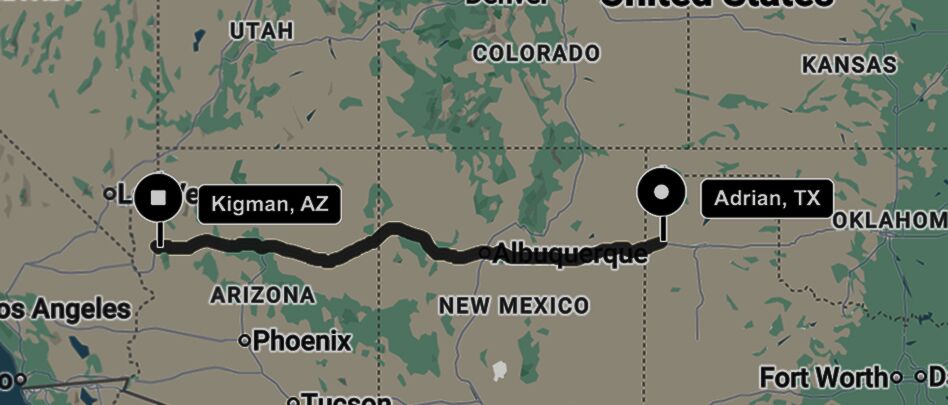
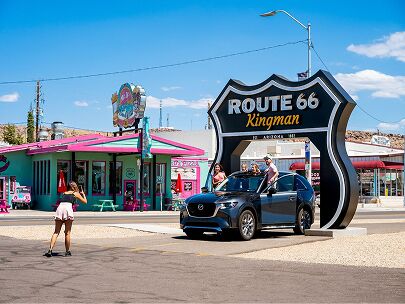
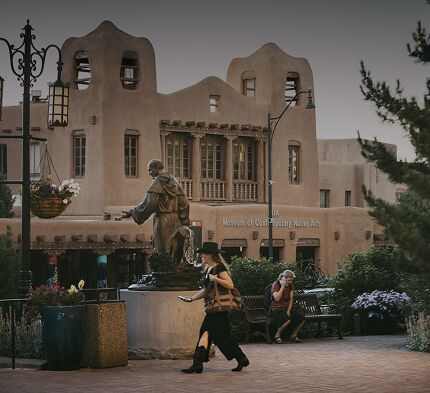
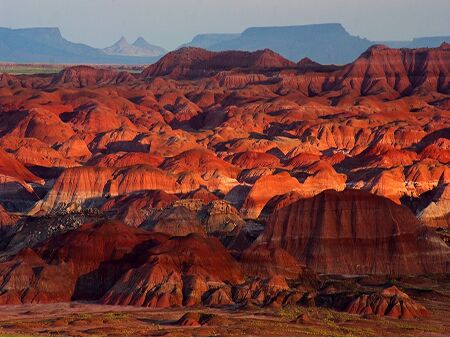
The stretch of Route 66 from Adrian, Texas, to Kingman, Arizona, is where the road starts to feel distinctly like the American West, transitioning from the flat plains of the Texas Panhandle into the high deserts of New Mexico and Arizona, where the landscapes get wider, more dramatic, more colorful, and less populated.
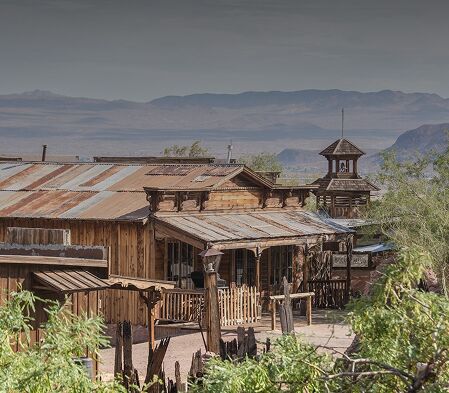
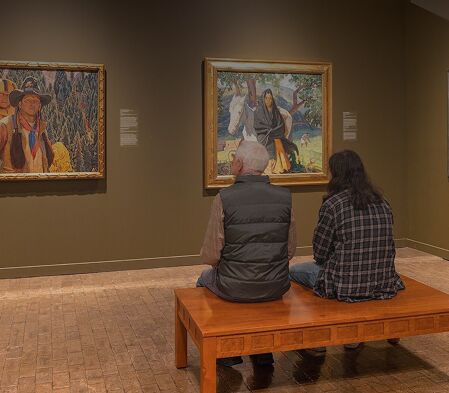
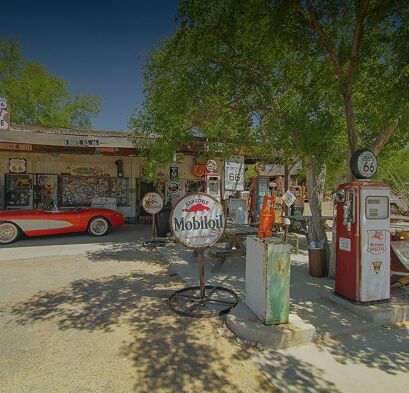
When Route 66 opened in 1926, this part of the country wasn’t developed the way sections near major cities were. Instead, it was a remote drive linking small towns, trading posts, roadside stops, and middle-of-nowhere shops advertising your last chance for gas and snacks. Of course, that wasn’t its true history, as this region has a much deeper Indigenous past that predates the highway by thousands of years. Travelers will find Indigenous communities, important geological landmarks, and archaeological sites that long predate the United States.
Expect longer distances between landmarks and scenery that becomes a bigger part of the experience. It’s a journey along Route 66 — but also a trip through the history of North America and the American West.
READ MORE ABOUT THE DESTINATIONS BETWEEN
Adrian and Kingman
The Pacific Finale: Oatman, Arizona, to Santa Monica, California
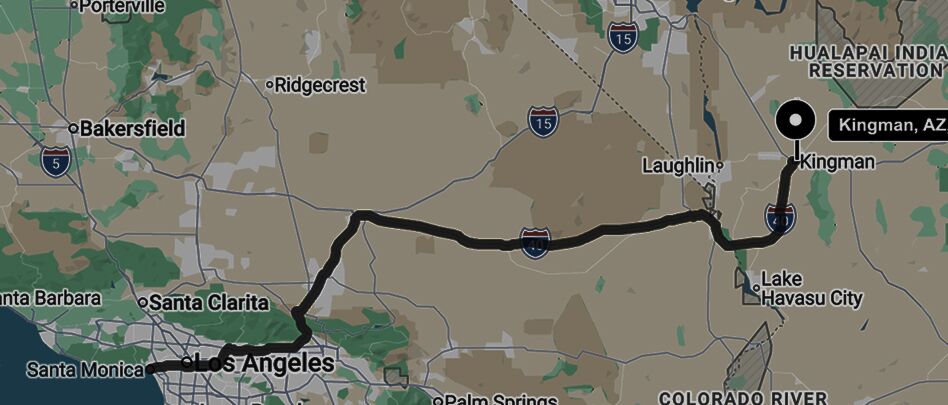
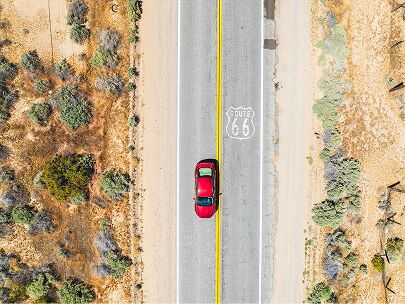
TThe final stretch of Route 66, from Kingman, Arizona, to Santa Monica, California, may be the shortest, but it’s the most cinematic. It begins with winding mountain roads and passes through vast high desert terrain, then opens to the low-lying Mojave and palm-lined Pacific beaches.
When Route 66 opened in 1926, it ended in downtown Los Angeles, not Santa Monica. But local business owners lobbied for a reroute, and it was extended to the Santa Monica Pier. Those extra miles gave the highway a symbolic ending point, taking drivers to the literal end of the country: the ocean. While it’s hard not to look forward to the Pacific’s blue water, you’ll find plenty of scenery to distract you along the way.
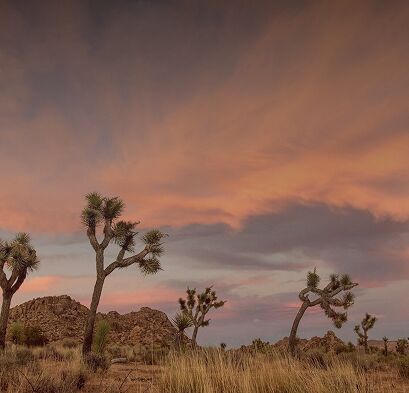
As the shortest section, it lends itself to detours — camping in the desert, visiting parks like Joshua Tree, paddling on Lake Havasu, or heading to the mountains around Big Bear. This stretch is less about finishing quickly and more about taking every detour that strikes your fancy. And don’t forget to look up at night, as the stargazing here is some of the best in North America.