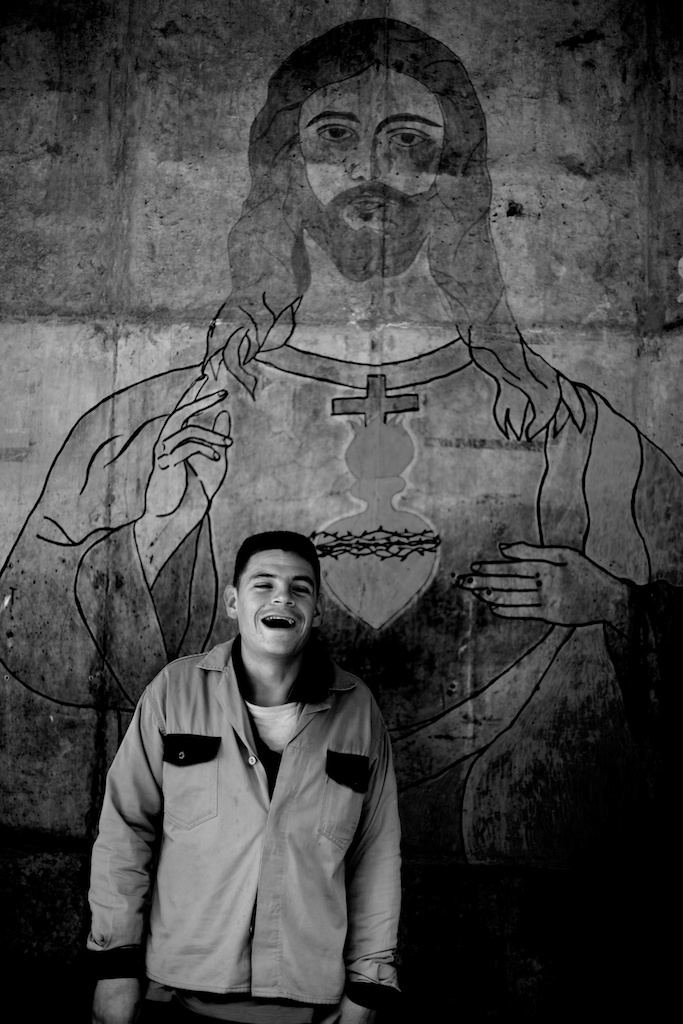
TAKING PICTURES IN A PRISON is a very sad experience. It is a cold place, with walls and doors everywhere.
When I went into the first courtyard at La Distrital Prison in Bogotá, the prisoners jumped on me, asking if they could see some photos from the outside. The only freedom they got that day were the pictures I happened to have of my home garden. Days before, I had been testing a 50mm lens and forgot to delete the shots. I was happy I didn’t. Some of the inmates asked me to take pictures of them and bring them back, so I did.
The experience brought to mind a question a professor once asked when I was studying criminal law: What would happen if the prisons were closed and all the prisoners went free? His answer: “Nothing, nothing would happen.” After visiting La Distrital, I have to agree. According to one prisoner I spoke with, “it is not the prison that makes you better. In fact, you can become a worse person here. You are the only one who can decide to become a better person or not.”
More than 11,000 people live under inhuman conditions in the penitentiary system in Bogotá. Among the city’s four prisons (La Modelo, El Buen Pastor, La Distrital, La Picota), La Distrital has become an example of how a prison should be run. It provides medical and dental services. Prisoners prepare meals with the help of nutritionists and a chef. They have breakfast, lunch, dinner, and juice breaks in the afternoons. However, what is most noteworthy are the activities and workshops that encourage self-esteem and social integration — there’s a library, bakery, and textile workshop, among other opportunities. “Father’s Day is even celebrated here!” said one inmate.
The prison schedule runs from 5:00 to lights out at 21:00. There are six pavilions (Básico, Esperanza, Transición, Opción, Libertad, Autonomía), and the building structure adheres to the American model: a courtyard and two floors of cells surrounding it that provide a general view of inmate movements. Those incarcerated at La Distrital have committed minor offenses, such as theft and failure to pay alimony.
1
La Distrital Prison, Bogotá
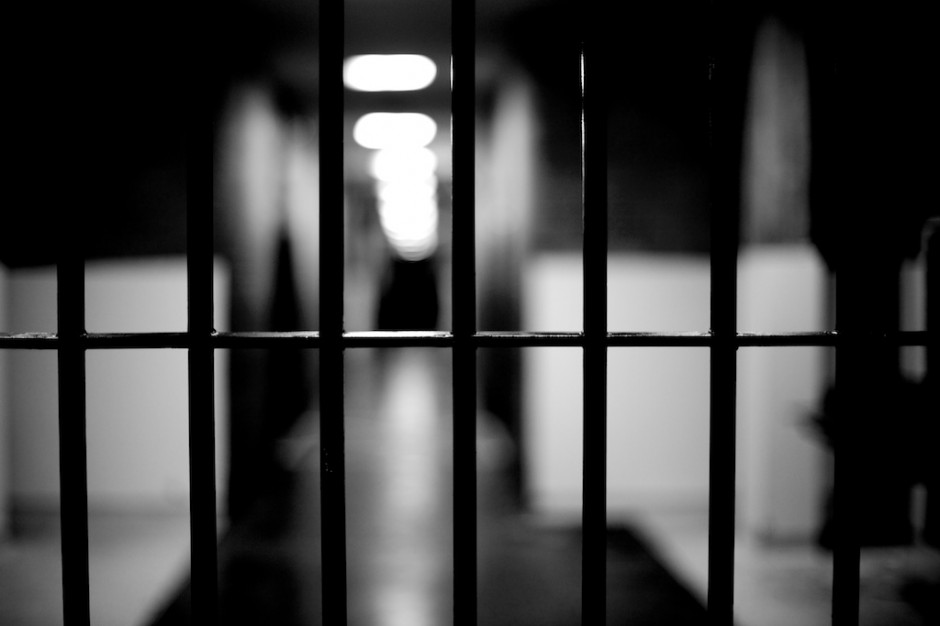
The prison has many long corridors, with doors leading off at regular intervals. Two doors in the same corridor cannot be open at the same time. La Distrital has one of the best security systems in the country.
2
La Distrital Prison, Bogotá
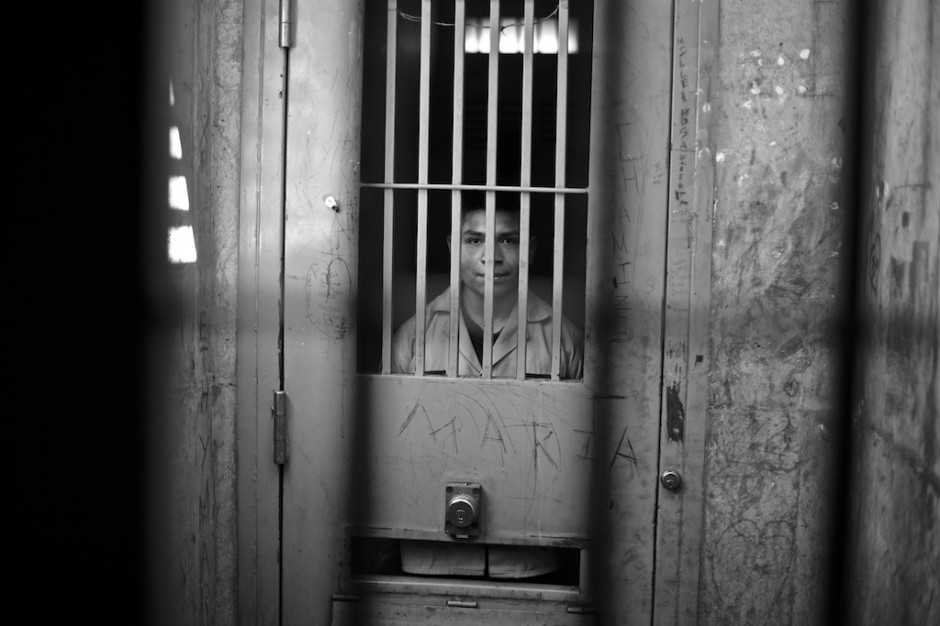
During the day, prisoners spend their time either in the courtyard or engaged in activities or workshops. Prisoners that get into trouble will be put in quarantine: a small jail cell. Most cells are well equipped.
3
La Distrital Prison, Bogotá
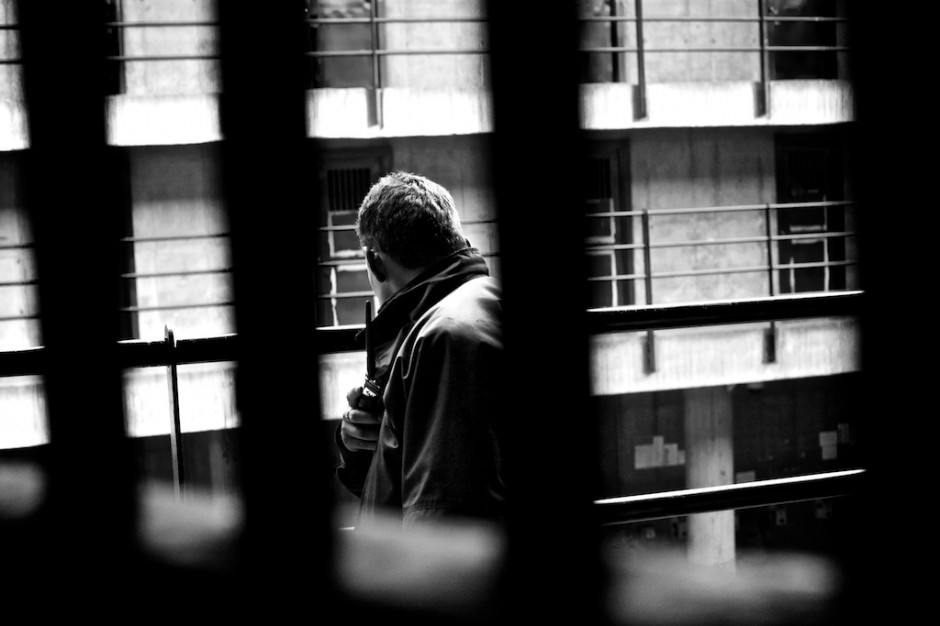
Prisoners can be monitored from the second and third floors. There's a guard in each pavilion who's in charge of its security.
Intermission
4
La Distrital Prison, Bogotá
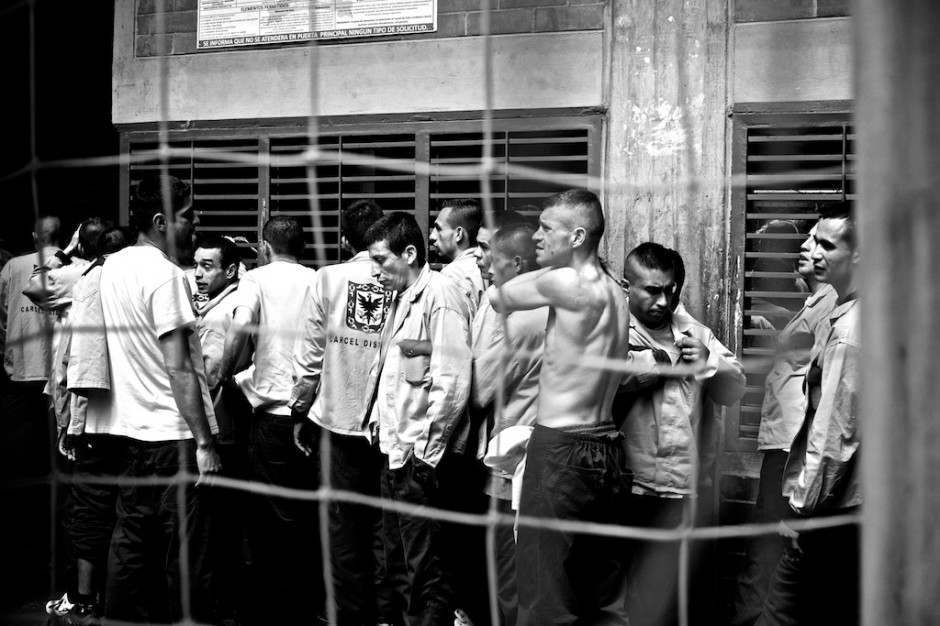
Around 14:30, prisoners line up to get some bread and juice.
5
La Distrital Prison, Bogotá
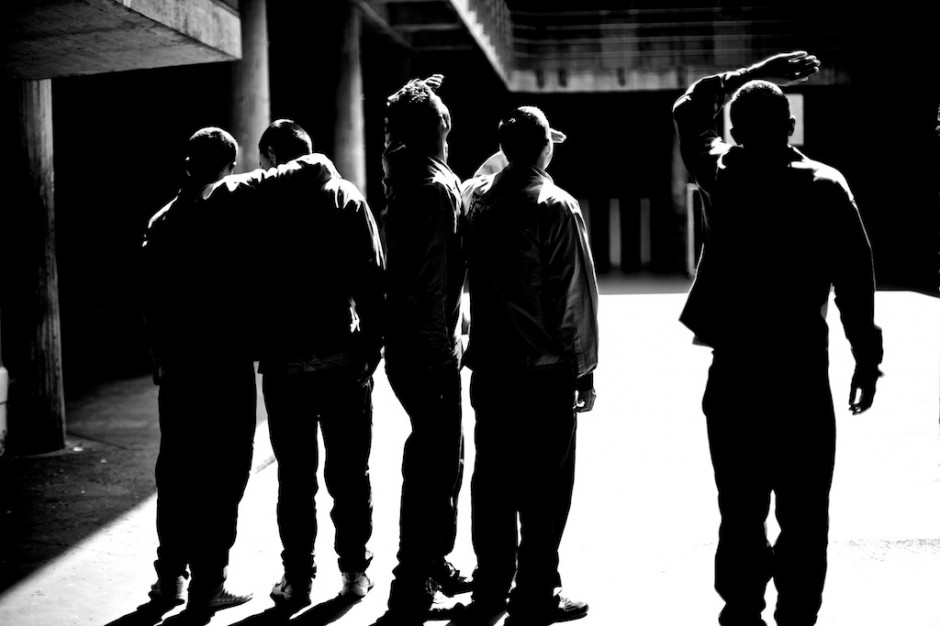
Prisoners spend most of their time in the courtyard. They walk from one area to another, or sometimes they play soccer. “The only freedom I see is the sky from here,” one prisoner said.
6
La Distrital Prison, Bogotá
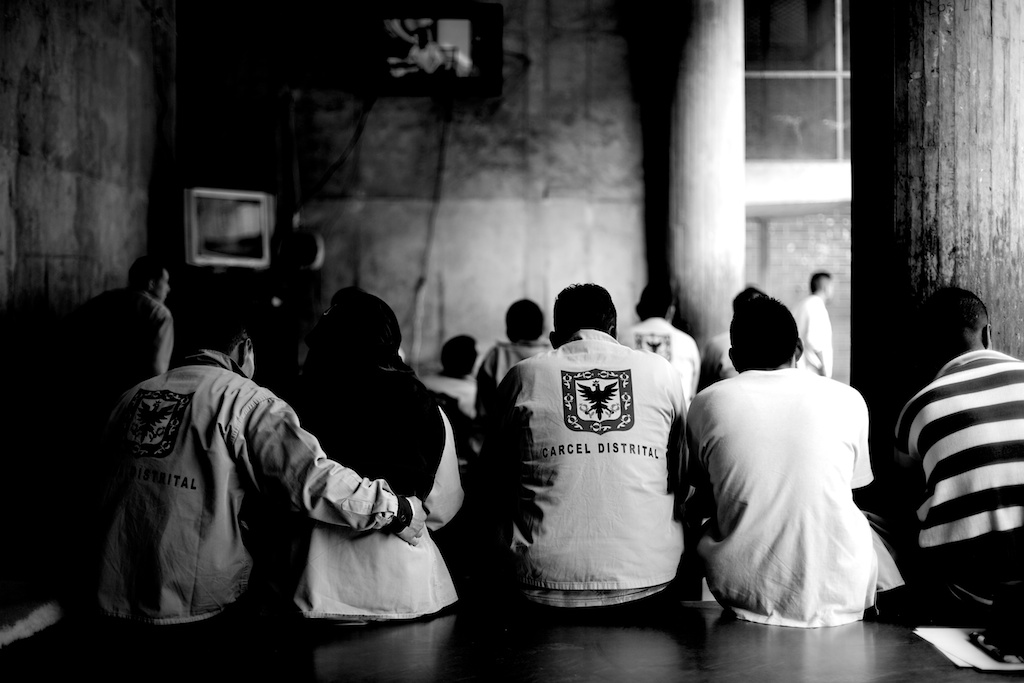
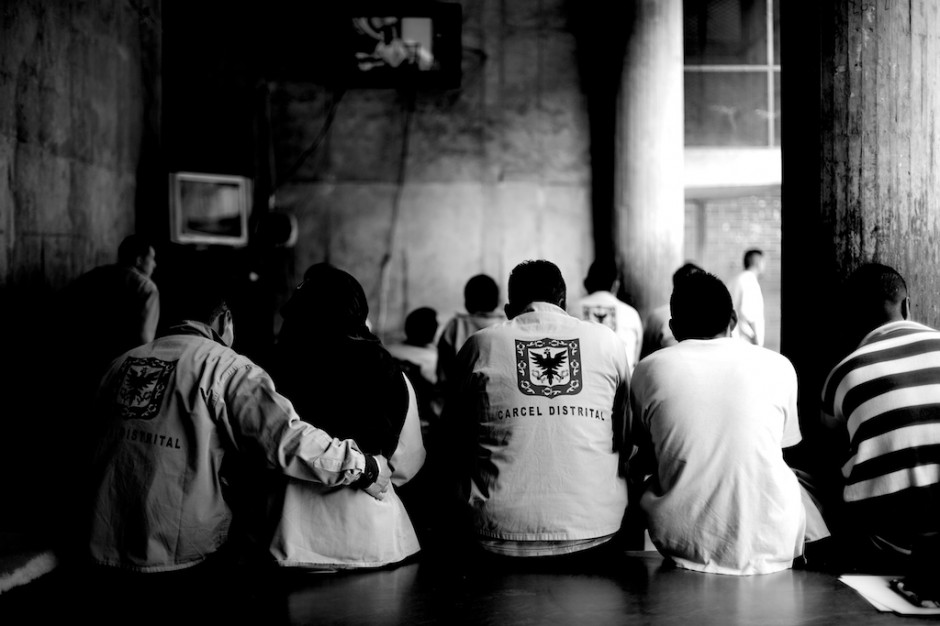
There's a TV where they can watch national channels. They sit and smoke cigarettes while making comments about what they're watching.
7
La Distrital Prison, Bogotá
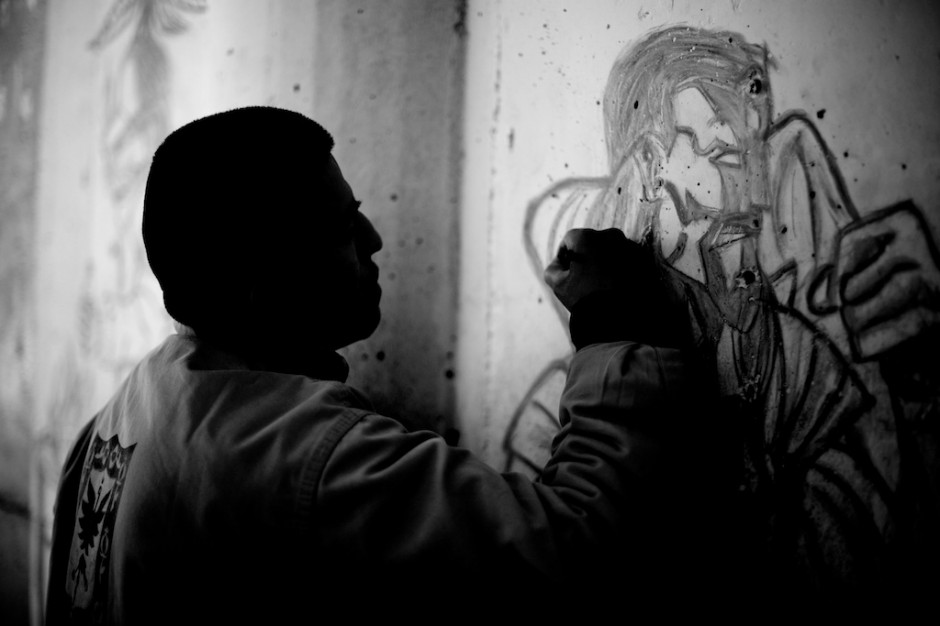
This is the artist. He spends most of his time making drawings on the walls in the prison and is very well respected among the inmates.
Intermission
8
La Distrital Prison, Bogotá
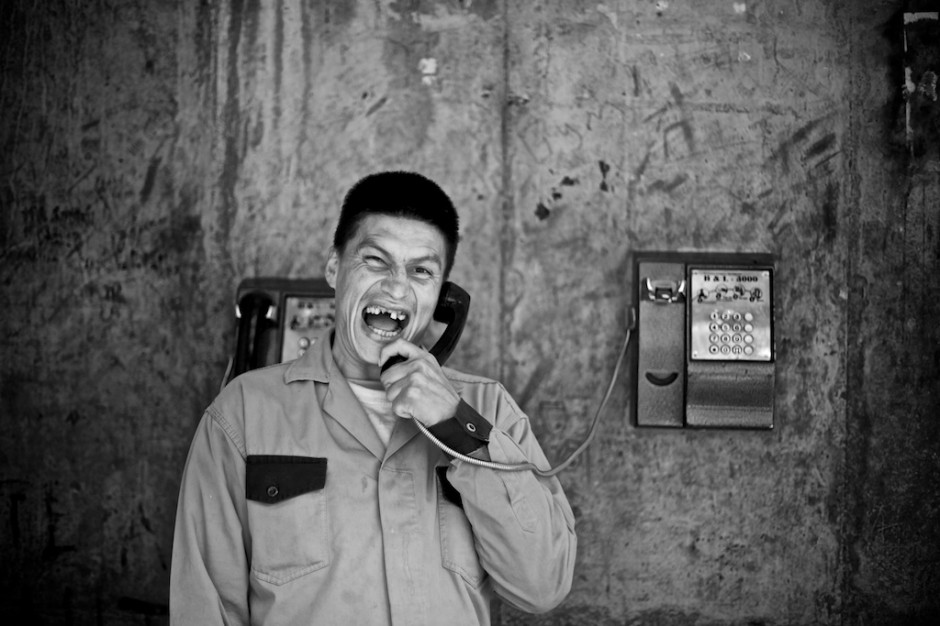
Money is forbidden inside the prison; currency takes the form of phone cards. While I was walking around, I asked this prisoner if I could take a picture of him. Everybody started screaming and laughing at my request. He started laughing too.
9
La Distrital Prison, Bogotá
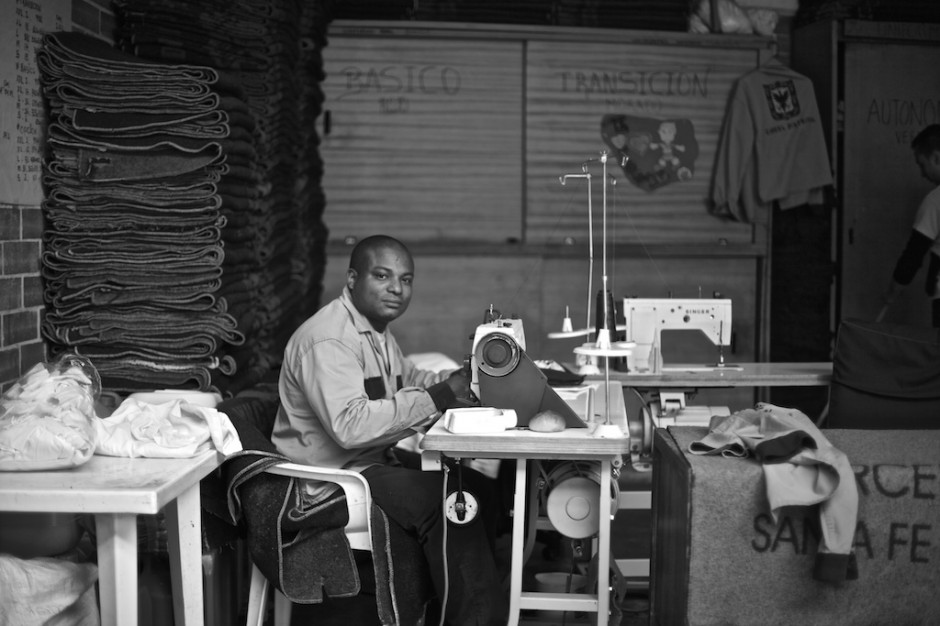
The laundry, kitchen, and sewing workshop are some of the places where prisoners can engage in activities. By doing so, they receive pay and potentially reduced sentences.
10
La Distrital Prison, Bogotá
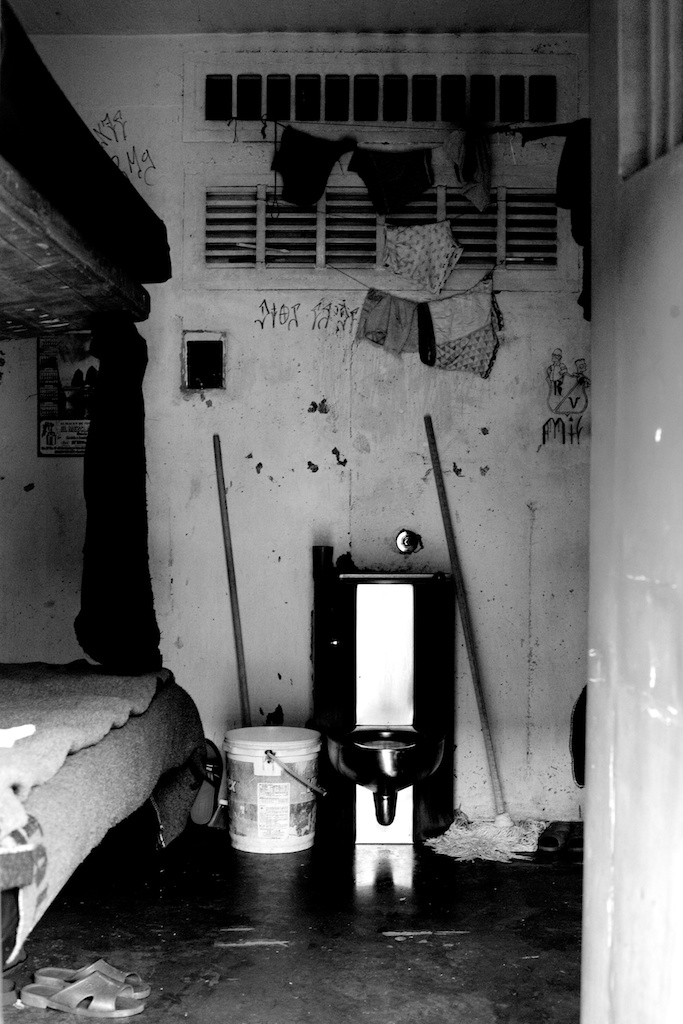
This is a jail cell. There are four beds in each, along with a toilet. On the walls, there are many messages written by prisoners: “Freedom is all,” “Choose the right way,” and “God is looking at you” are some of the lines I observed.
11
La Distrital Prison, Bogotá
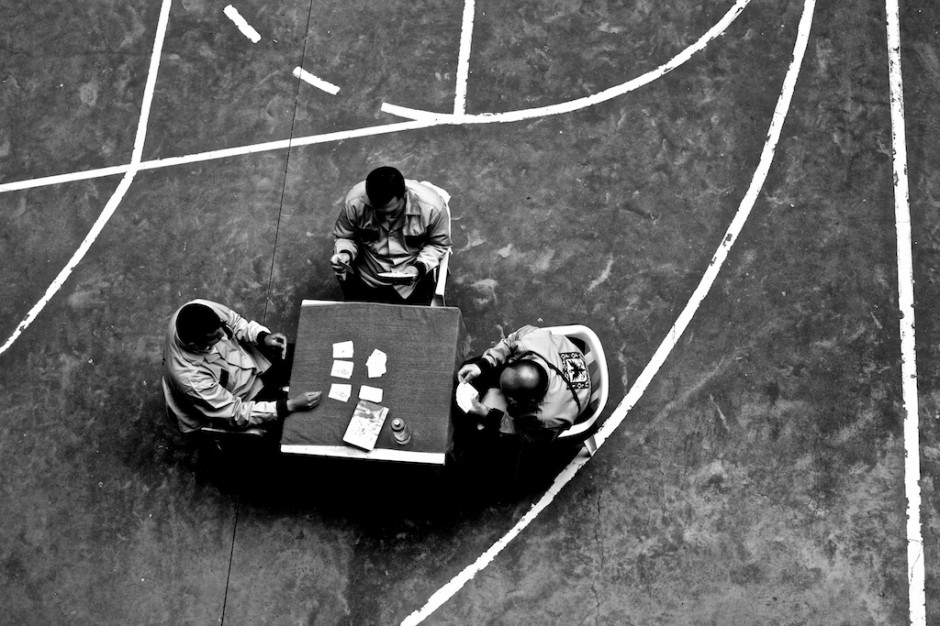
Prisoners spend time playing soccer and cards and watching TV. Getting into debt can be a problem here.
12
La Distrital Prison, Bogotá
Each courtyard has a corner where prisoners are allowed to go to pray or read the Bible.