Photo: Souradeep_Chakraborty/Shutterstock

National Parks to Visit in 2026: Royal Manas, Bhutan

Bhutan National Parks
by Katie Gavin Dec 16, 2025


Return to the best
national parks to visit in 2026

Royal Manas National Park is Bhutan’s oldest protected area, established in 1966 in the country’s southern foothills. For decades, tourism in this border zone was extremely limited due to security concerns. Even after access improved and the park developed the first tourism infrastructure in 2010, hardly anyone came, and early visitor records show only a few dozen foreign travelers a year. It’s still one of Asia’s quietest great wildlife parks, but that’s changing. Between May 2023 and 2024, the park saw 50,515 Indian and 1,816 international visitors enter the park. Those numbers jumped to 60,921 and 3,426, respectively, in the same period of 2024-2025.
That increase is partly due to improved access for determined travelers. New community-run eco-camps and the reduction of Bhutan’s Sustainable Development Fee to $100 from $200 per night make the next couple of years a rare window when Royal Manas is both reachable and still remarkably undisturbed.

Photo: Druk Asia
Photo: Samsul Huda Patgiri/Shutterstock
Photo: dhritipurna/Shutterstock
Photo: Souradeep_Chakraborty/Shutterstock

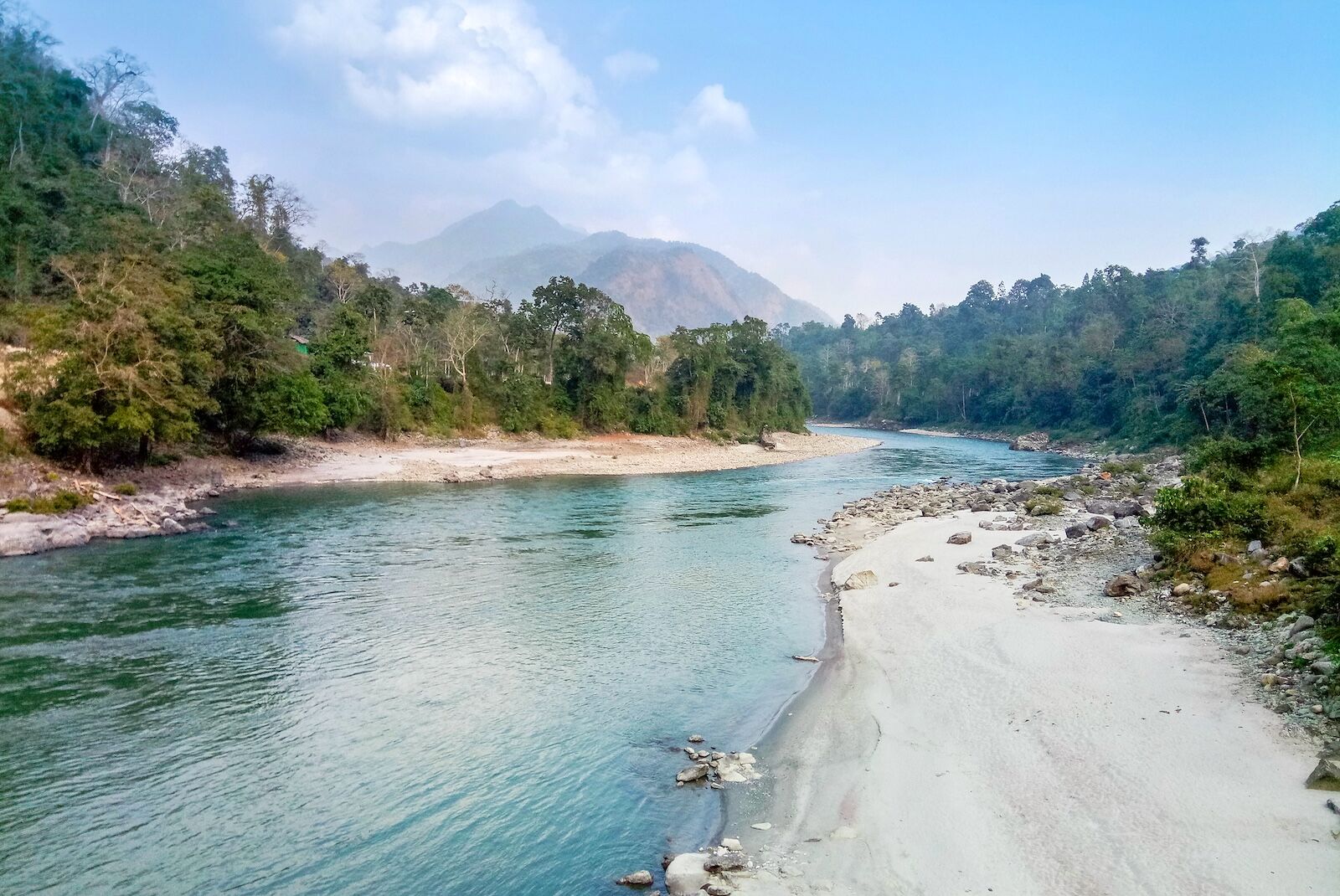
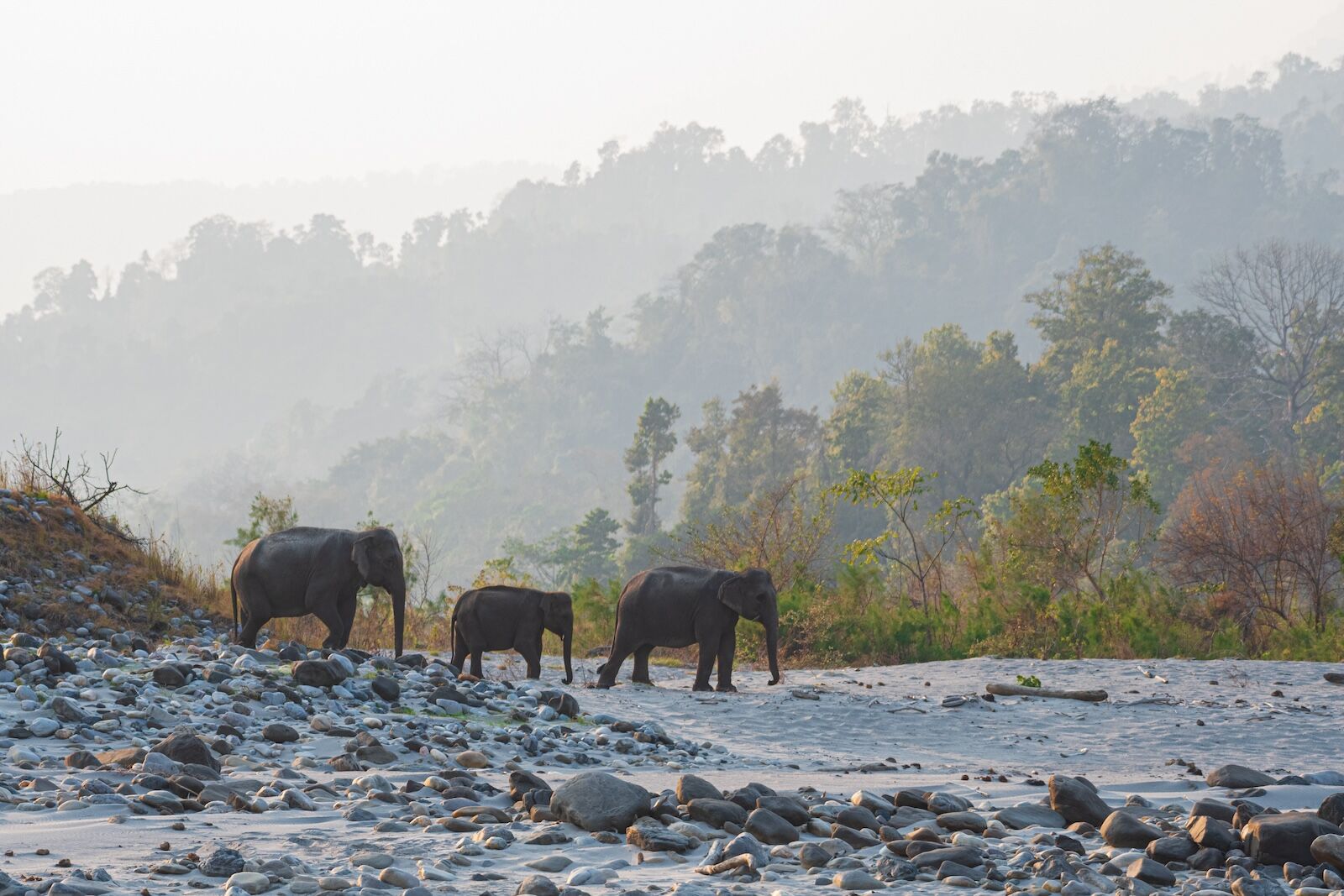
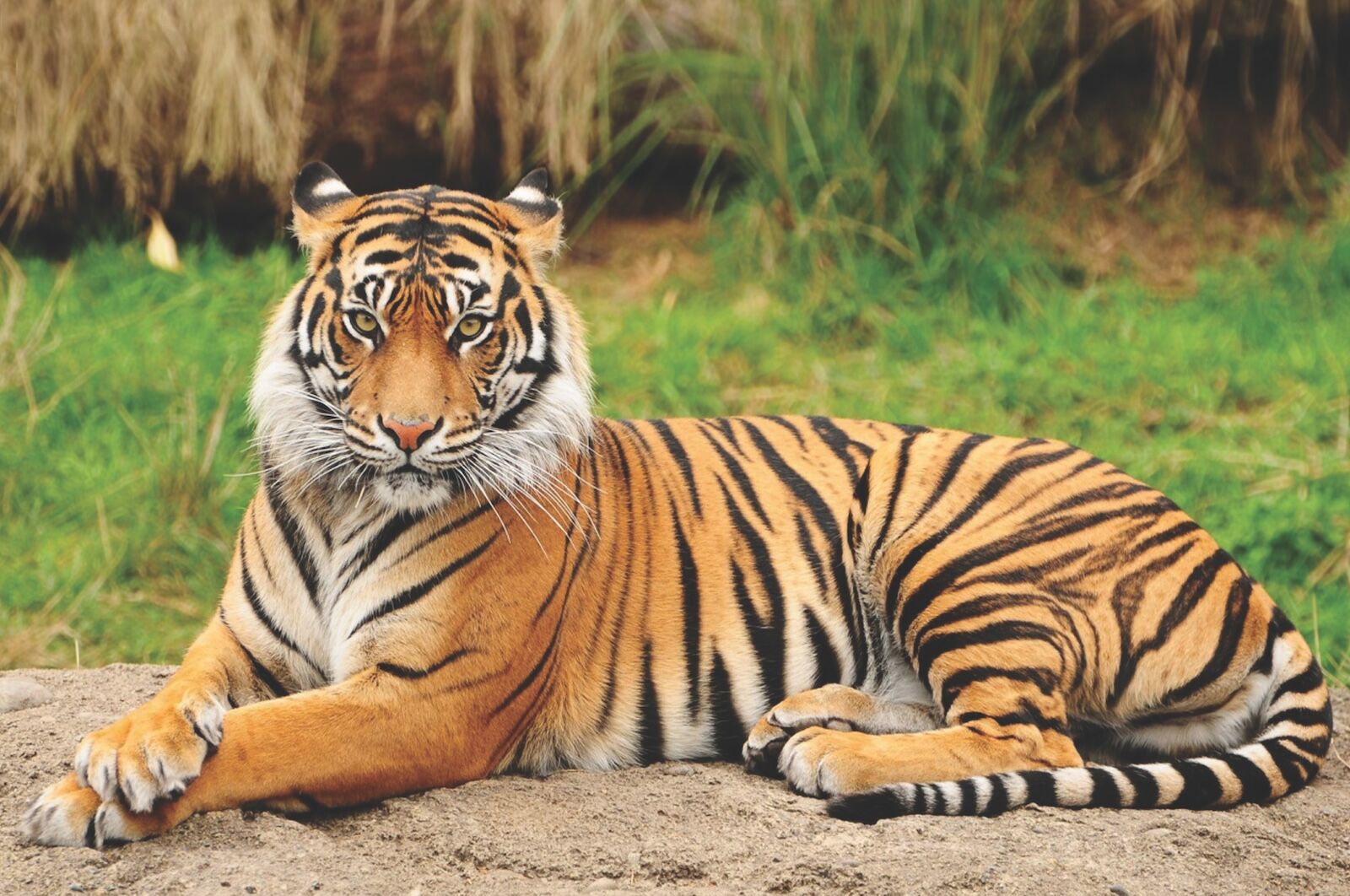
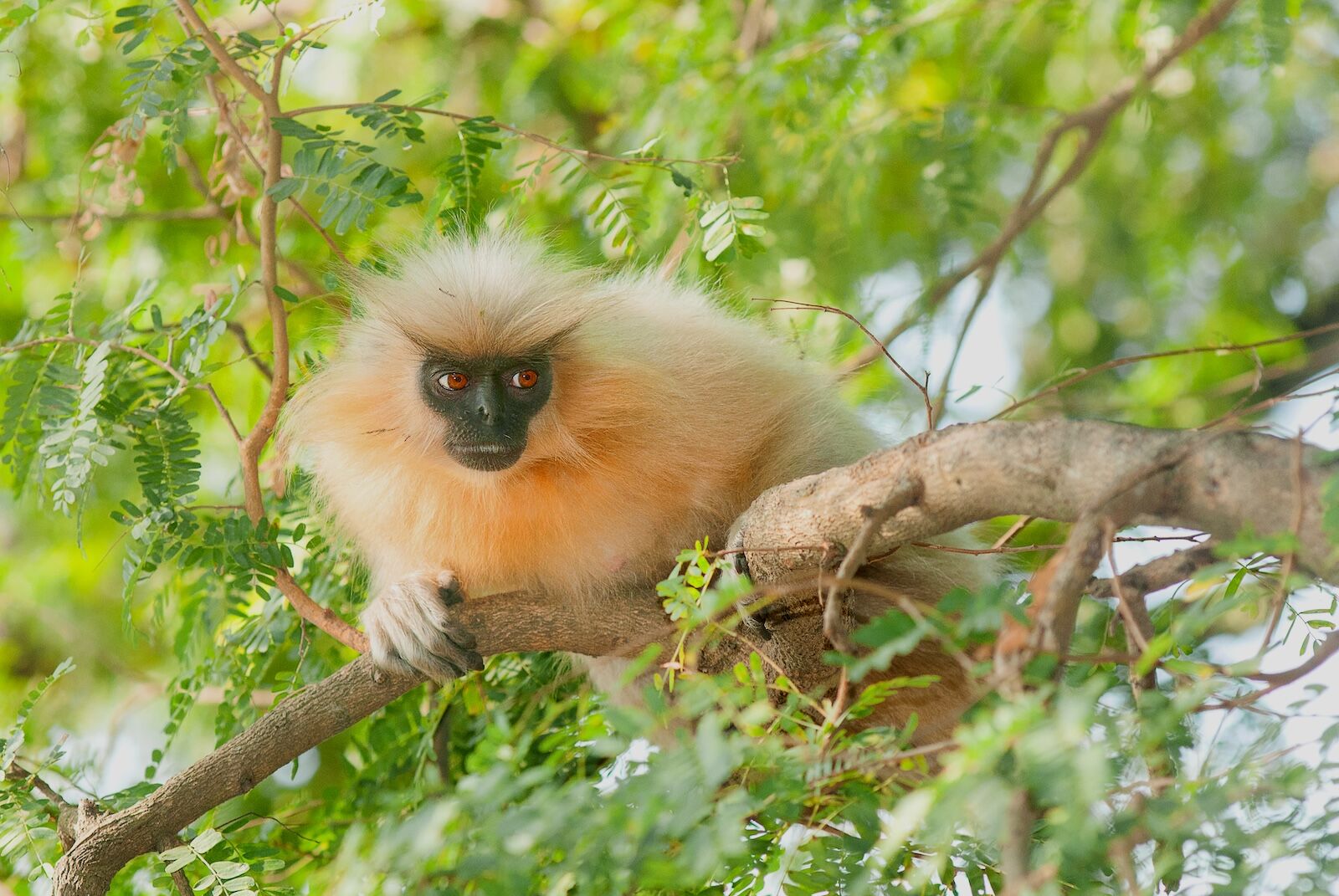
The draw here is biodiversity on a scale that feels almost improbable. Across roughly 400 square miles, Royal Manas protects a diverse range of habitats from river plains to broadleaf forests, linked by wildlife corridors to other Bhutanese parks and India’s Manas Tiger Reserve. Tigers, Asian elephants, one-horned rhinoceroses, clouded leopards, and wild water buffalo all move through this landscape, along with endangered species such as the golden langur and pygmy hog. More than 350 bird species have been recorded, too, including rufous-necked hornbills, white-bellied herons, and Pallas’s fish eagles.

Travel in Royal Manas is arranged through licensed Bhutanese operators, and most itineraries begin in Panbang, the small riverside town at the park’s edge. Guided rafting trips on the Manas and its tributaries remain a practical way to move through the lowland forest, usually paired with wildlife drives and short walks to viewpoints. Guided hiking and trekking routes also link Gomphu and Panbang, with guides managing navigation and permits and lodging in guesthouses and camps that reflect the park’s early stages of tourism development.

How to reach Royal Manas National Park


From the US, travelers typically fly via hubs such as Bangkok or Delhi before connecting to Paro, Bhutan’s international airport, via Drukair or Bhutan Airlines. From Paro, many Royal Manas itineraries continue with a short domestic flight to Gelephu (about 40 minutes), followed by a three-to-four-hour drive to Panbang, near the park boundary.

Overland routes entirely within Bhutan are possible, but usually take most of a day. All non-Indian visitors must obtain a Bhutan visa in advance and pay the Sustainable Development Fee, currently $100 per person per night through August 2027. Travel in this region is only permitted with a licensed guide or tour operator, with companies like DrukAsia offering private custom tours to Royal Manas (and anywhere else you’d like to go).

Discover Matador

Save Bookmark

We use cookies for analytics tracking and advertising from our partners.

For more information read our privacy policy.