Photo: Andry Roby/Unsplash

The New Luxury Travel: Small Ships, Solar Power, and Intimacy in Wild Places

Luxe Travel Interviews
by Suzie Dundas Feb 19, 2026

For decades, luxury travel has been defined by scale and excess: hotel suites bigger than most people’s houses, wine lists with four-digit prices, and elaborate displays of wealth curated for social media. But that definition is quietly eroding — and Matador Network went to an expert in luxury travel to find out what’s next.

We spoke with Mark Wheeler, president of andBeyond — a luxury travel company specializing in high-end safaris and bespoke trips across Africa, Asia, and South America. According to Wheeler, luxury travelers are shifting what they want to spend their money on, opting for slow travel, time spent with locals, and places that are less about photo ops and more about chasing unique experiences.
From safari camps with just three rooms to tiny ships that can traverse smaller tributaries of the Amazon’s Pacaya Samiria National Reserve that larger ships can’t access, here’s where one of the world’s leading luxury travel companies thinks the future of high-end travel is going — and why intimacy and access to wild spaces are becoming the ultimate status symbols.

This interview has been edited for length and clarity.

Matador Network: What andBeyond experiences are seeing the fastest growth right now, especially in the cruise or rail space? Any idea what’s motivating that?

luxury travel andbeyond - amazon explorer

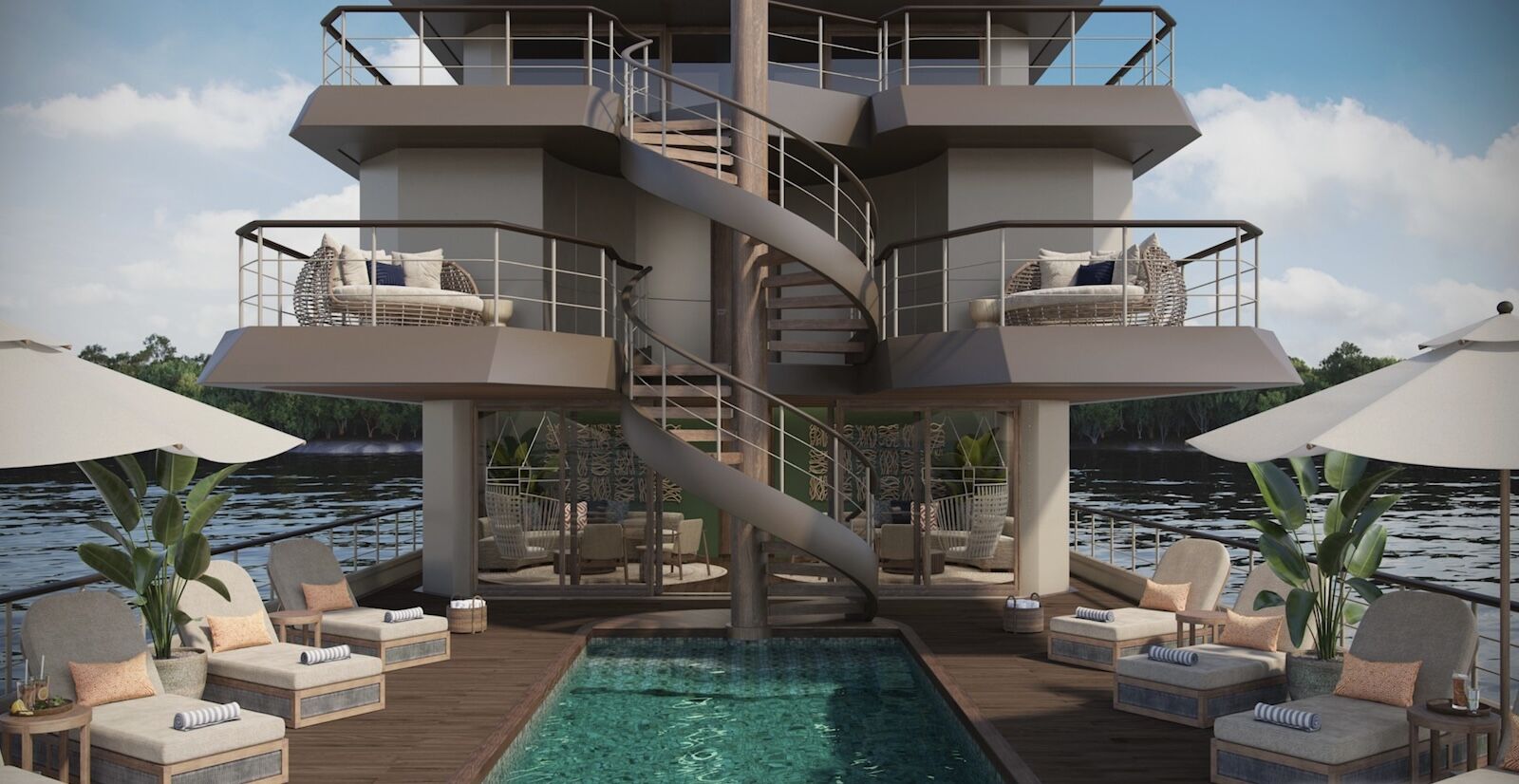
A rendering of the upcoming andBeyond Amazon Explorer. Photo: andBeyond

Mark Wheeler: We are seeing growing demand for our expedition ship in the Galapagos Islands — the andBeyond Galapagos Explorer. The beauty of our offering lies in longer itineraries on a smaller expedition yacht that allows us to get to areas of the archipelago the larger ships don’t reach, as they tend to focus on shorter sailings closer to the archipelago’s two main airports.

In the lead-up to our launch of the andBeyond Amazon Explorer in Peru, we’re seeing a rise in interest for the product, and the destination overall. The yacht will offer just 15 suites, catering to a maximum of 32 guests. Itineraries will explore the Pacaya Samiria National Reserve, which is massive at over 5 million acres. Given the size of the reserve, [a boat-based tour] gives guests the opportunity to see so much more of it versus staying at a lodge. The core of the experience is the Amazon River, and its tributaries the Maranon and Ucayali rivers, which border the reserve.

On the safari side of things, we continue to see growing demand in exclusivity of experiences, lodges with fewer rooms, private vehicles and more. Private reserves such as Suyian Conservancy in Kenya’s Laikipia Region or Phinda Private Game Reserve are highly sought after as guests look for a higher degree of exclusivity. We are launching two new Under Canvas products in Botswana, which will be only three suites each.

What changes have you seen recently in what luxury travelers want, and how has &Beyond shifted to meet that demand?

luxury travel andbeyond - woman with guide in tanzania

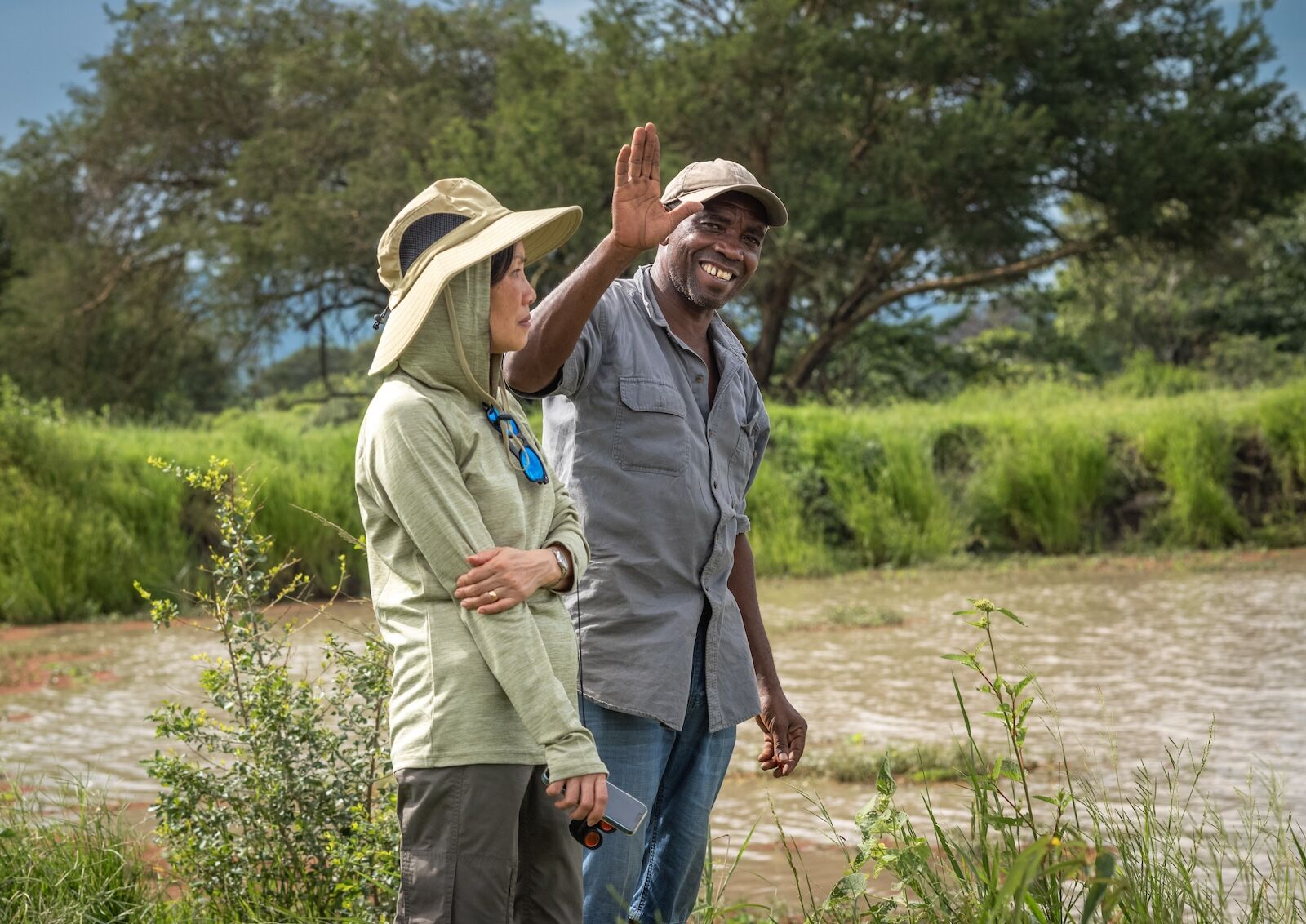
Wheeler says luxury travelers want to have conversations with and get to know their guides, rather than maintaining separation between guests and locals. Photo: Andy Soloman/Shutterstock

We’ve seen a clear shift in what luxury travelers value. It’s less about display and more about depth, less about ticking off places and more about how a place makes you feel. One of the strongest trends is multi-generational travel. In response, where possible, we’ve ensured that all new lodges and major rebuilds include dedicated family villas or suites with flexible, interconnecting room options.

Wellness has also moved from being a “nice to have” to an expectation. Today’s luxury traveler wants to return home feeling restored, not just entertained. We’ve responded by investing in wellness facilities across our portfolio, including fully equipped gyms, treatment rooms, and yoga studios positioned to connect guests with the landscape around them.

We’re also seeing a deep desire for authenticity. Travelers want genuine interaction with the people and cultures that shape a destination. That means smaller-scale experiences, meaningful community engagement, and time spent with expert guides who can offer insight rather than commentary.

Perhaps most notably, there is a growing pull towards nature and the world’s wild places. Travelers are seeking contrast: remote wildlife reserves in Africa, the vast desert landscapes of Namibia, the volcanic isolation of the Galapagos, the depth of the Amazon, to name a few.

How has socializing on trips changed? Do travelers want to have a private custom trip, or are you seeing interest in experiences like small group cruises, shared meals, etc?

We find this varies significantly and greatly depends on our guests’ preferences. Families often value their privacy, particularly multi-generational families as the goal is usually to connect. Couples and solo travelers often value the opportunity to meet and interact with other guests along the way, and we sometimes get guests who met on an andBeyond journey returning together for another experience. They become firm friends as a result of their initial meeting.

What are the trade-offs of a slow travel trip in lieu of a quicker trip based on flying between destinations?

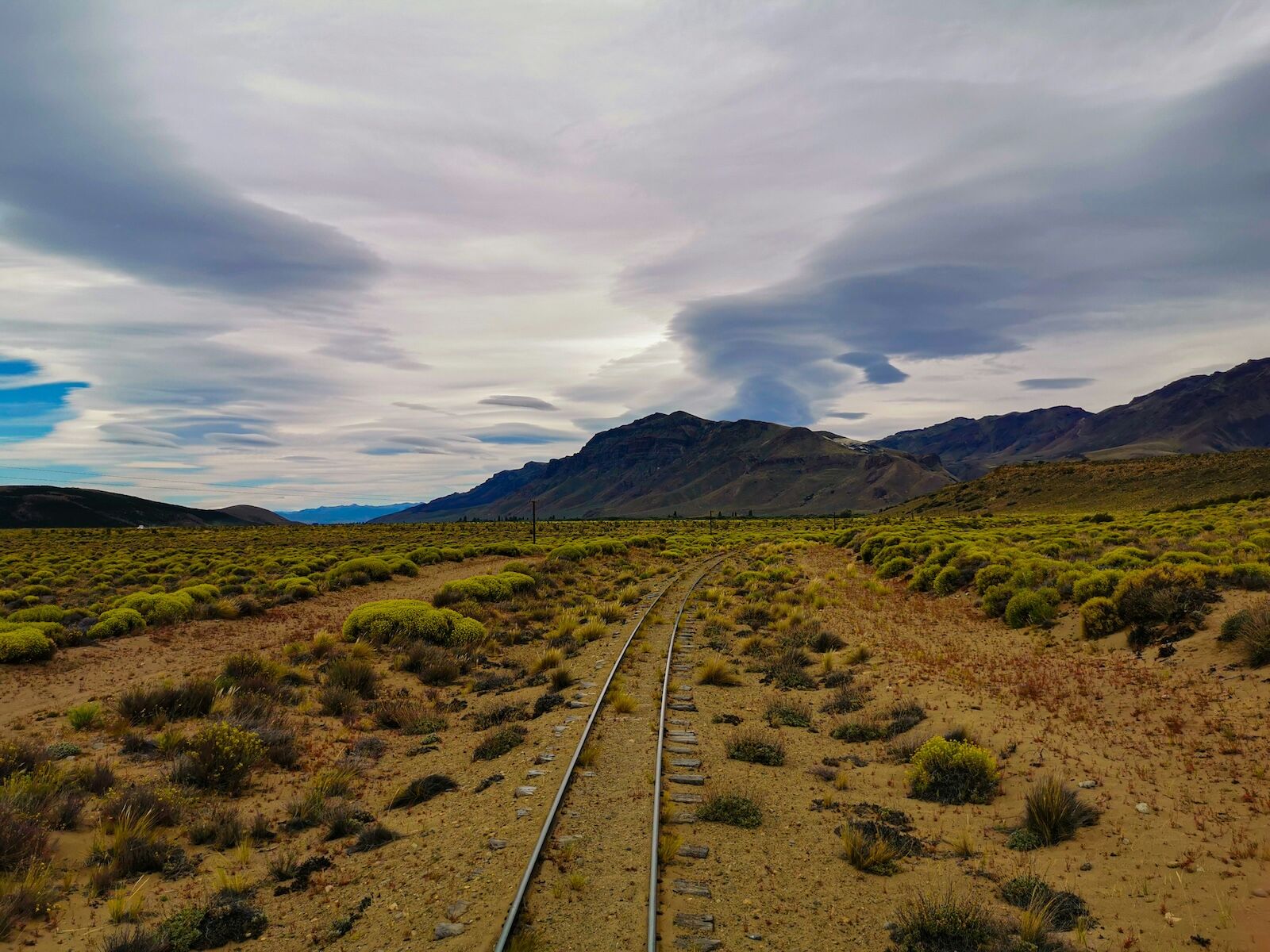
luxury travel andbeyond - train tracks in argentina

Slower methods of travel are becoming more popular for luxury travelers, especially in destinations they’ve already visited on a prior, quicker trip. Photo: Florian Delée/Unsplash

Each to their own, and we’re in the business of curating meaningful itineraries, no matter how or where our guests wish to travel. Where possible, we always suggest taking as much time as possible to experience a destination in depth, and “slow travel” is becoming more and more of a priority for many guests. However, experiencing the destination on a shorter itinerary is better than not getting to experience it at all. In fact, we often find guests starting off on a fly-in first trip and then making a second slow travel trip for a more in-depth experience once they have ticked off some of the bucket list items in a destination.

What’s becoming less important to luxury travelers right now, even though it used to be considered non-negotiable?

Overt branding, extravagant interiors, and high-profile luxury signals are becoming less important. Today’s luxury travelers favor discretion, understatement, and experiences that feel personal rather than performative.

Also, luxury for luxury’s sake. Five-star hotels, large suites, and Michelin-star dining are no longer automatic priorities, though they can still be a focus. Many affluent travelers are choosing intimacy over scale, valuing experiences that feel grounded and local.

How has luxury cruise travel changed in the last five years or so?

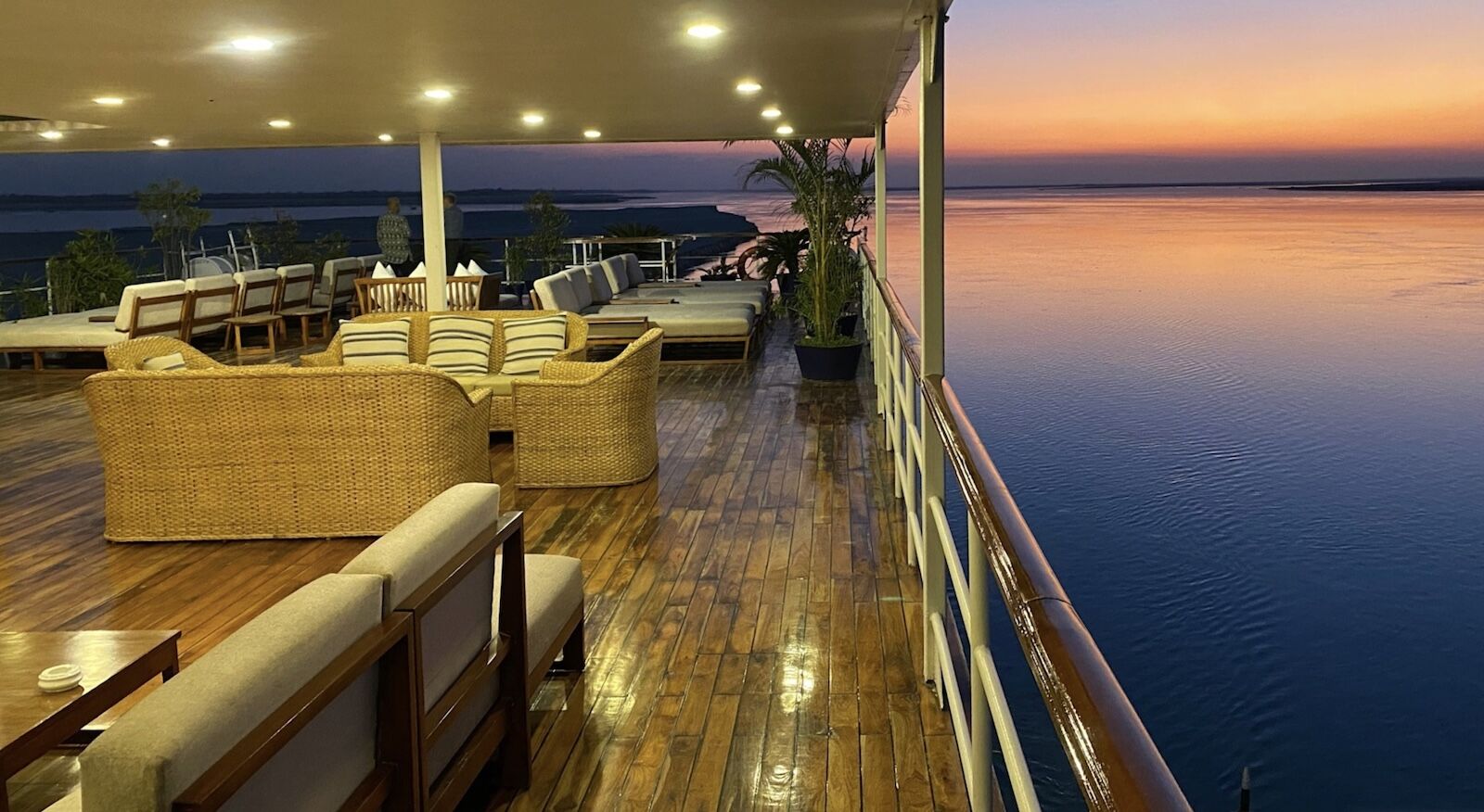
luxury travel andbeyond - india cruise

Today’s expedition cruisers are more interested in non-traditional cruising destinations, such as India. Photo: andBeyond Press Room

In general, across our market we’ve seen an increase in requests for charters, particularly on the andBeyond Galapagos Explorer. River cruising has also grown, and continues to grow, as a seamless way to explore more of a destination inland without the need to change rooms or constantly re-pack. Expedition cruising, too, has gained momentum as guests look beyond the often overcrowded Mediterranean and Caribbean cruise circuits and instead seek out some of the world’s great wild spaces.

How much do clients care about sustainability/impact? Is it a “nice to have” or are people going out of their way to support it/spend more for it?

Again, it depends on the traveler. Sustainability and impact are not always the primary reason guests choose to book with us, but they are an important consideration. Today, whatever you are purchasing, consumers tend to look more closely at what their chosen partner stands for. If you are not making a meaningful difference, you fall short of basic expectations. We focus on strong sustainability practices without compromising the guest experience; for example, through the solarization of many of our lodges while retaining generator back-ups. This resonates with guests for whom impact is a priority, but also with those who may not have booked for that reason and appreciate it as an added benefit.

Destination-wise, what trends are you seeing? Anything unexpected?

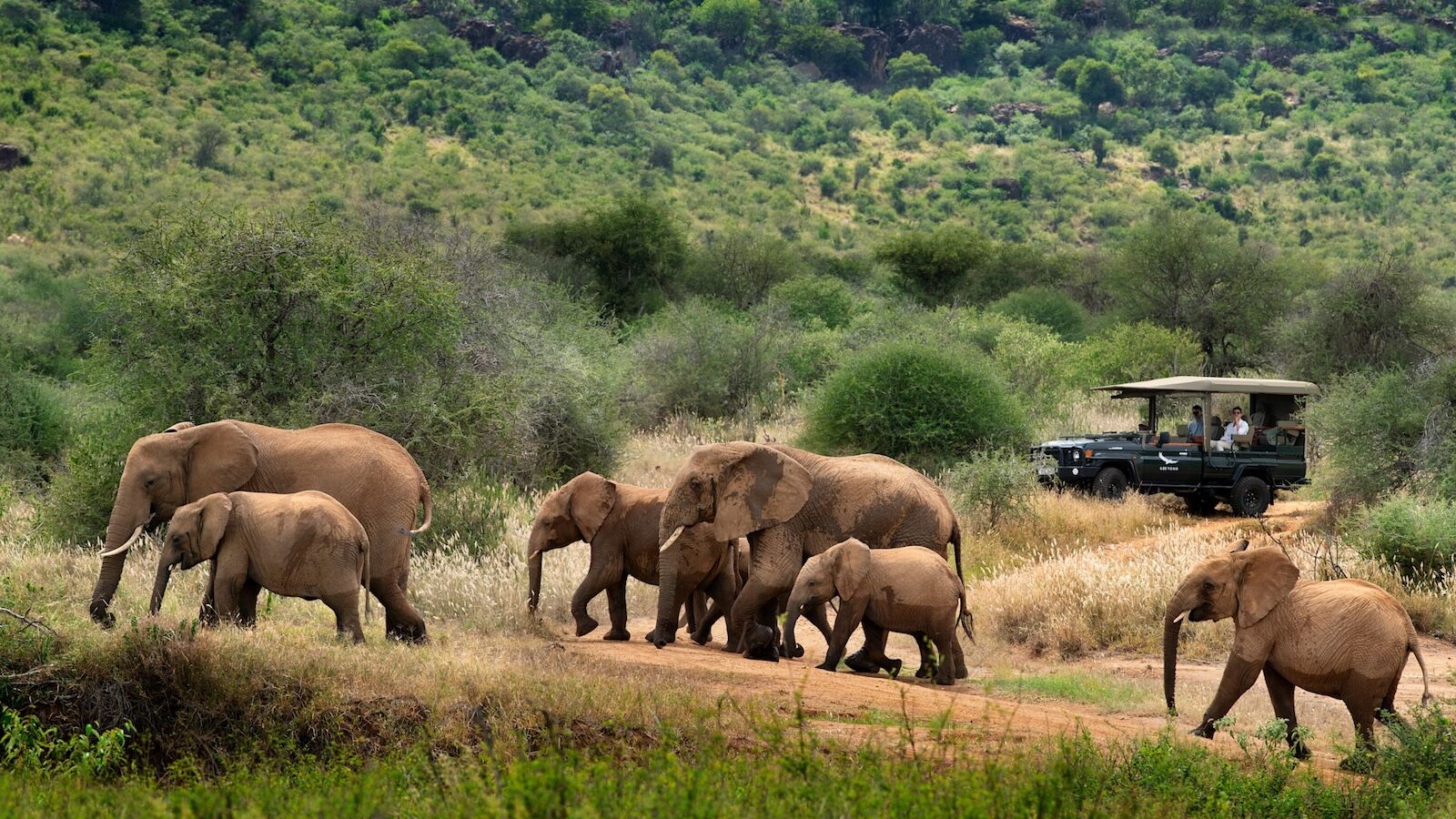
Suyian Conservancy in kenya

Wheeler says high-end travelers are prioritizing getting away from crowds, including turning to less-busy national parks and reserves. Photo: andBeyond Press Room

Rwanda continues to draw travelers for gorilla trekking, and demand remains consistent for Bhutan and other parts of the East, where culture, spirituality and landscape intersect in powerful ways. We’re also seeing more repeat travel to the same country. Rather than moving on to somewhere new, guests are returning to explore lesser-known regions, different national parks or entirely new styles of experience within a destination they already love. It’s a shift from “where next?” to “what else is possible here?”

Expedition cruising is another area of growth. Travelers are increasingly drawn to remote coastlines and island ecosystems that feel wilder and less traveled. South America, in particular, is gaining momentum. The Galapagos and the Amazon continue to resonate strongly, and we are actively exploring further opportunities in the region, especially in the great wild spaces where connection to nature is still raw. Patagonia is very much on our radar.

At the same time, even within well-established destinations, guests are seeking greater privacy and exclusivity. Private reserves and conservancies, such as Suyian in Kenya, offer access to iconic landscapes but with far fewer vehicles and a more personal experience.

Where do you think luxury travel is headed next, especially in terms of rail/cruise travel, or other kinds of slow travel?

I think we’ll continue to see investment in cruise travel, especially in expedition or small ship cruising, with a focus on the next frontier for cruising — opening up access to regions most travelers would consider very off the beaten track.

Slow travel will likely continue to grow, but mostly for consumers who have a bit more time on their hands.

Discover Matador

Save Bookmark

We use cookies for analytics tracking and advertising from our partners.

For more information read our privacy policy.