Photo: Jordi Calvera/Shutterstock

Bubblegum Soda, Fried Rice, and Unexpected Fusion: Peru's Chifa Food Culture

Lima Food + Drink Cultural Traditions
by Tanya Fraser Jul 18, 2025

I first learned about Chifa food in Lima, Peru, while tired and ravenous, wandering the streets of Barrio Chino (Chinatown) with jet lag and no plan. I followed the scent of sizzling garlic and soy to a small restaurant with red lanterns in the window and enough fluorescent lighting to qualify as a Vitamin D supplement.

I ordered arroz chaufa, which sounds like “chifa” with an extra syllable, and a neon yellow soda called Inca Kola – something the server assured me was “very Peruvian.” The rice arrived steaming, packed with egg, scallions, and soy-marinated chicken. I took one bite, and followed it with a sip of soda that tasted like bubblegum and nostalgia. The combo felt like half kung fu movie, half telenovela. It was unexpected, bold, and weirdly perfect. This, I learned, is the embodiment of Chifa food, Peru’s Chinese-Peruvian fusion cuisine.
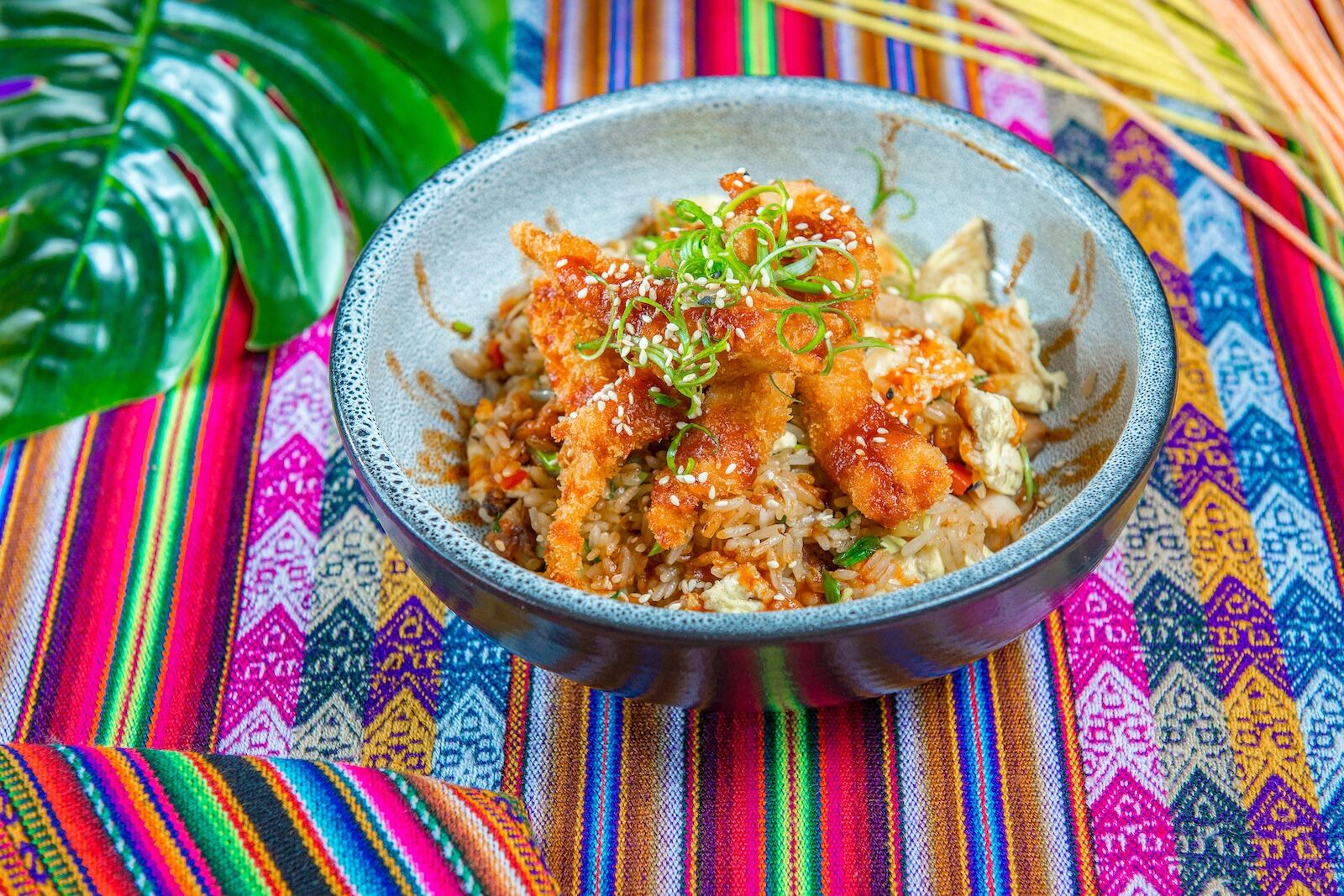
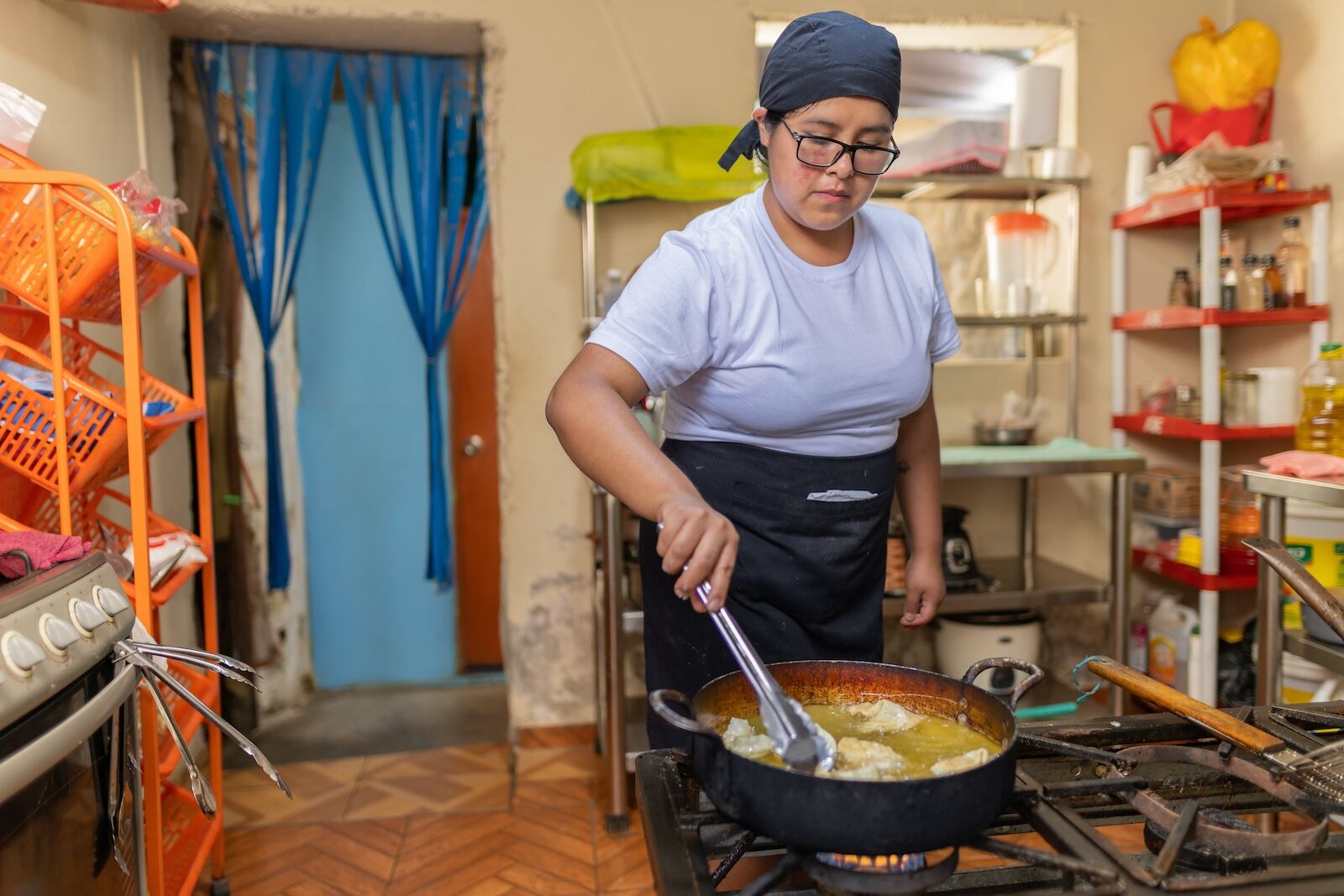
Arroz Chaufa in peru

Photo: Rina Ermakova/Shutterstock


When most people are dreaming of Peruvian food, they’re likely picturing well-known dishes like ceviche, quinoa, creamy aji de gallina, and potatoes served in a hundred — or perhaps a thousand — different ways. All are delicious and well worth a plane ticket. But also available is Chifa, a flavor-packed tradition that might surprise most travelers.

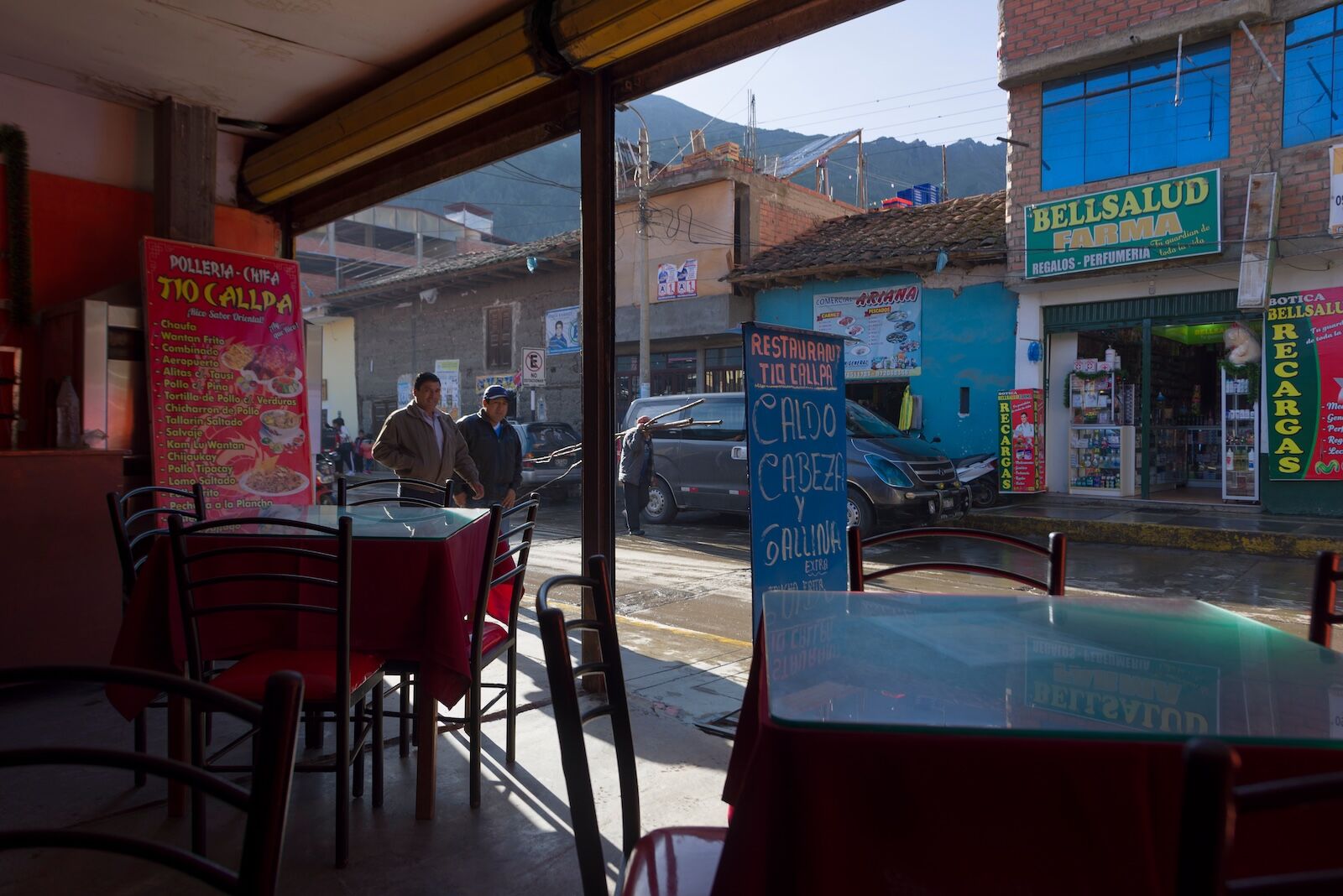
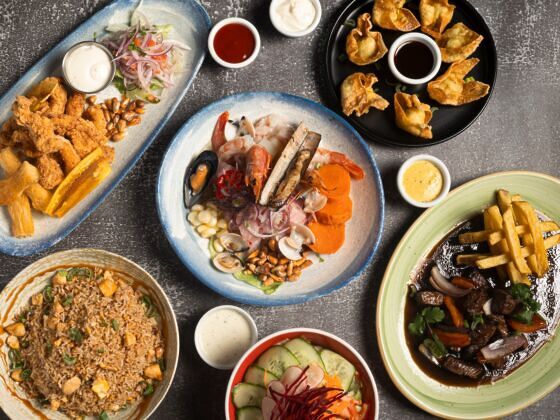
Chifa is the love child of Cantonese cooking and Peruvian ingredients, born in immigrant kitchens and seasoned in sizzling pans that never take a day off. It’s also not some niche trend: Chifa is everywhere. From corner joints with red plastic chairs and laminated menus to upscale spots with mood lighting and craft cocktails, Chifa is part of Peru’s culinary DNA. It’s soy sauce kissed with ají amarillo. It’s fried rice with attitude (and chorizo). It’s the kind of food that makes you wonder why you hadn’t heard about it sooner.

A brief history of Chifa


chifa food chef in peru

Photo: Guillermo Spelucin R/Shutterstock

Chifa’s story begins in the late 1800s, when thousands of Chinese laborers were sent to work on plantations and railroads in Peru. They brought their culinary traditions and ingredients with them, like rice, soy sauce, ginger, and wok cooking. However, they had to fill in the rest of the gaps with what was available. Bok choy became cabbage. Local peppers and herbs joined the mix. What emerged was a new kind of cooking rooted in home, shaped by circumstance, and adapted with Peruvian soul.

The name Chifa comes from the Cantonese phrase chi fan, meaning “to eat rice.” Over time, it came to refer to both the cuisine and the restaurants themselves. By the early 20th century, Chifa spots were popping up all over Lima. What started as comfort food for the Chinese community became a staple for everyone.

Various sources claim the uncited but consistent number of about 6,000 Chifa restaurants in Lima alone. That’s more than coffee shops in New York City, and without the need for complicated drink orders.

The evolution of a hybrid cuisine


chifa food in peru - chifa restaurant

A casual Chifa restaurant in Peru. Photo: Christian Vinces/Shutterstock

Chifa hasn’t stood still. While many restaurants still serve giant portions of rice, noodles, and dumplings with casual flair, others have brought Chifa to the world of white tablecloths and tasting menus.

Some chefs are digging into traditional techniques and regional Chinese flavors, while others are mixing in Nikkei (Japanese-Peruvian) influences or Amazonian ingredients. Now, you can find dumplings with Peruvian herbs like huacatay and sacha culantro, or bao buns with Andean cheese. It’s like a remix of a remix, and it works.

You can now find Chifa-inspired dishes in New York, Madrid, even Vancouver. It’s spreading, evolving, shapeshifting, but always keeping its wok-fired heart.

Chifa and Peruvian food culture


Peru takes its food seriously. The country has become a culinary destination, thanks to chefs like Gastón Acurio, who helped turn Peruvian cuisine into a passport stamp for food lovers. And while ceviche gets the magazine covers, Chifa is what’s on the table when the cameras are put away.

“What makes Chifa important in our Peruvian food culture is the influence,” says Leidy Huaman Tello, a Lima-based food tour guide at M&A LuxExperiences who shares the history of Peru’s cuisine with travelers. She says the fact that it’s something you can only find in Peru makes it a source of pride. “That’s why Chifa is so loved,” she says. “It isn’t 100 percent Chinese food. It’s a fusion that plenty of the Peruvian population enjoys, even people who don’t eat traditional Chinese food.”

Chifa isn’t flashy, but it delivers. It’s the loyal friend of Peruvian food culture, always showing up, always feeding you well, and never judging your third helping.

You don’t need to order everything on the menu to fall in love with Chifa – just order one of these dishes.

Arroz chaufa


Arroz chaufa is Peru’s iconic fried rice. It’s made with scallions, egg, soy sauce, and either meat or seafood, and is a balance of savory and comforting. It’s considered a gateway dish into Chifa cuisine.

Lomo saltado


chifa food in peru - loma saltado

Photo: Lina chero Photography/Shutterstock

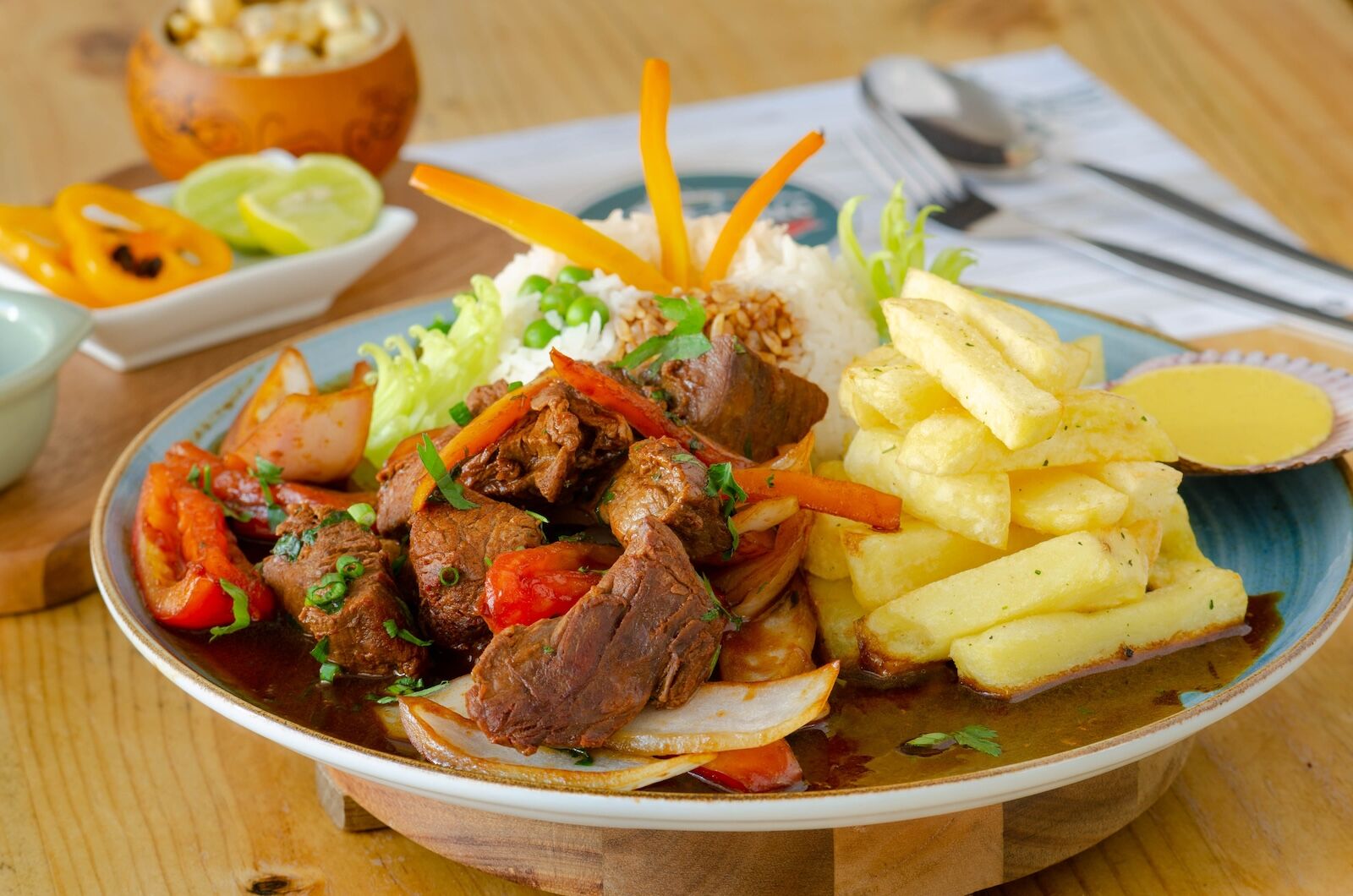
Lomo saltado is stir-fry with beef, onions, tomatoes, and fries — yes, fries — in soy sauce and vinegar. It’s always served with rice. It’s Chifa-meets-home-cooking and totally addictive.

Kam lu wantán


Kam lu wantán is fried wontons topped with a tamarind and ginger sauce and stir-fried vegetables. Sometimes, it’s also topped with sweet-and-sour pork or chicken tossed with shrimp. It’s one of the most popular Chifa dishes in Peru and is full of colors and textures, aptly reflecting the fusion behind Chifa cuisine.

Sopa wantán


chifa soup in peru

Photo: Toyakisphoto/Shutterstock


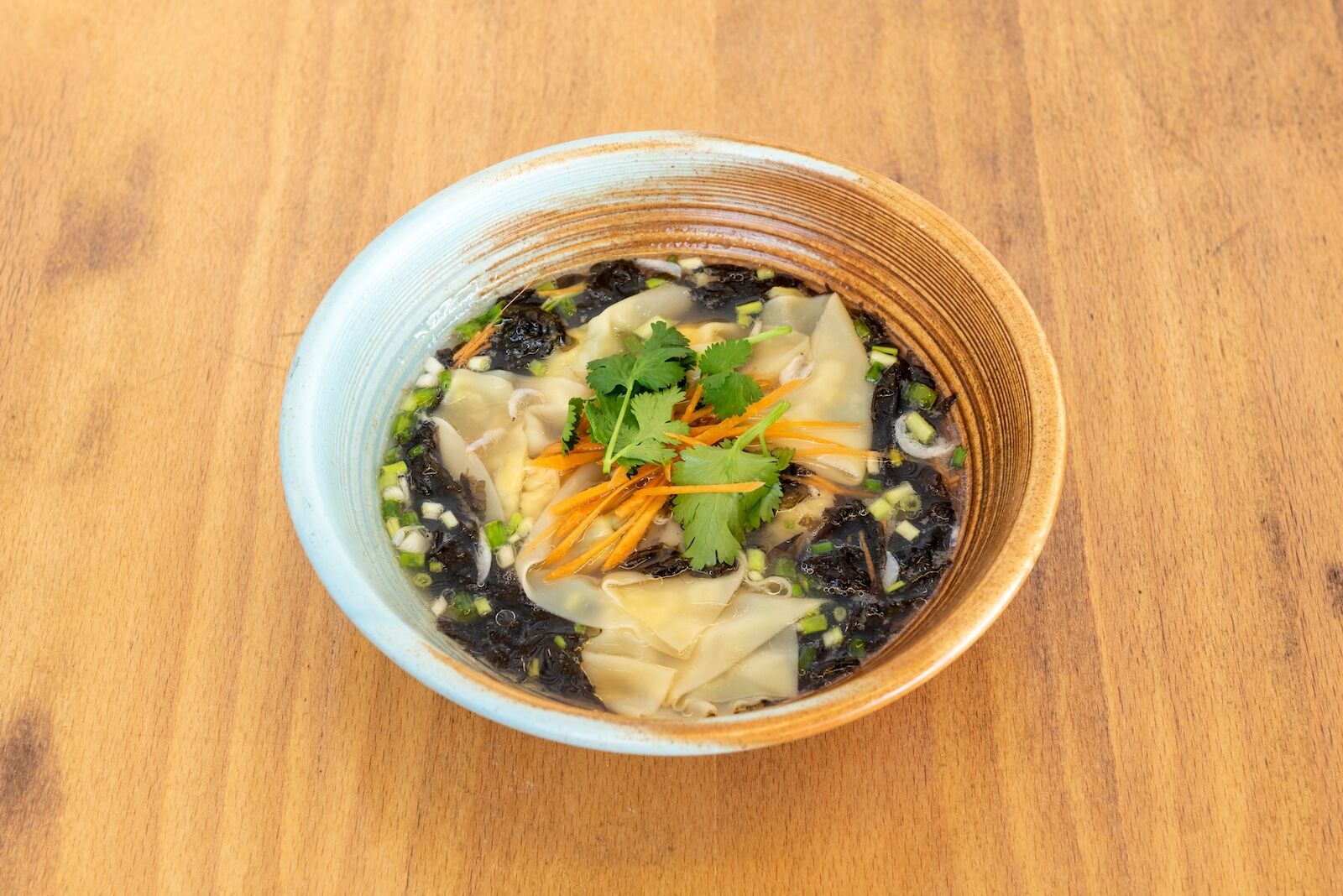
This warm, slurp-worthy broth with pork dumplings, egg, and green onions is on most Chifa restaurant menus. It’s the kind of hearty, comforting soup that fixes things, even if you didn’t know you needed fixing.

Chi jau kay and tipakay


Chi jau kay (sometimes spelled chijaukai) is chicken in savory soy-based sauce, while tipakay is its sweeter cousin. Pair them with arroz chaufa, and you’ll send your taste buds on a well-balanced joyride. Both dishes hit the right mix between sweet and savory in the same bite – something unusual in many cuisines, but not uncommon with Chifa food.

Whether you seek it out in a tiny neighborhood joint or a sleek modern kitchen, Chifa is worth an extra night in the country – or even an entire trip, especially if you’re a traveling foodie. Just make sure you bring an appetite – and a thirst for Inca Kola.

Discover Matador

Save Bookmark

We use cookies for analytics tracking and advertising from our partners.

For more information read our privacy policy.