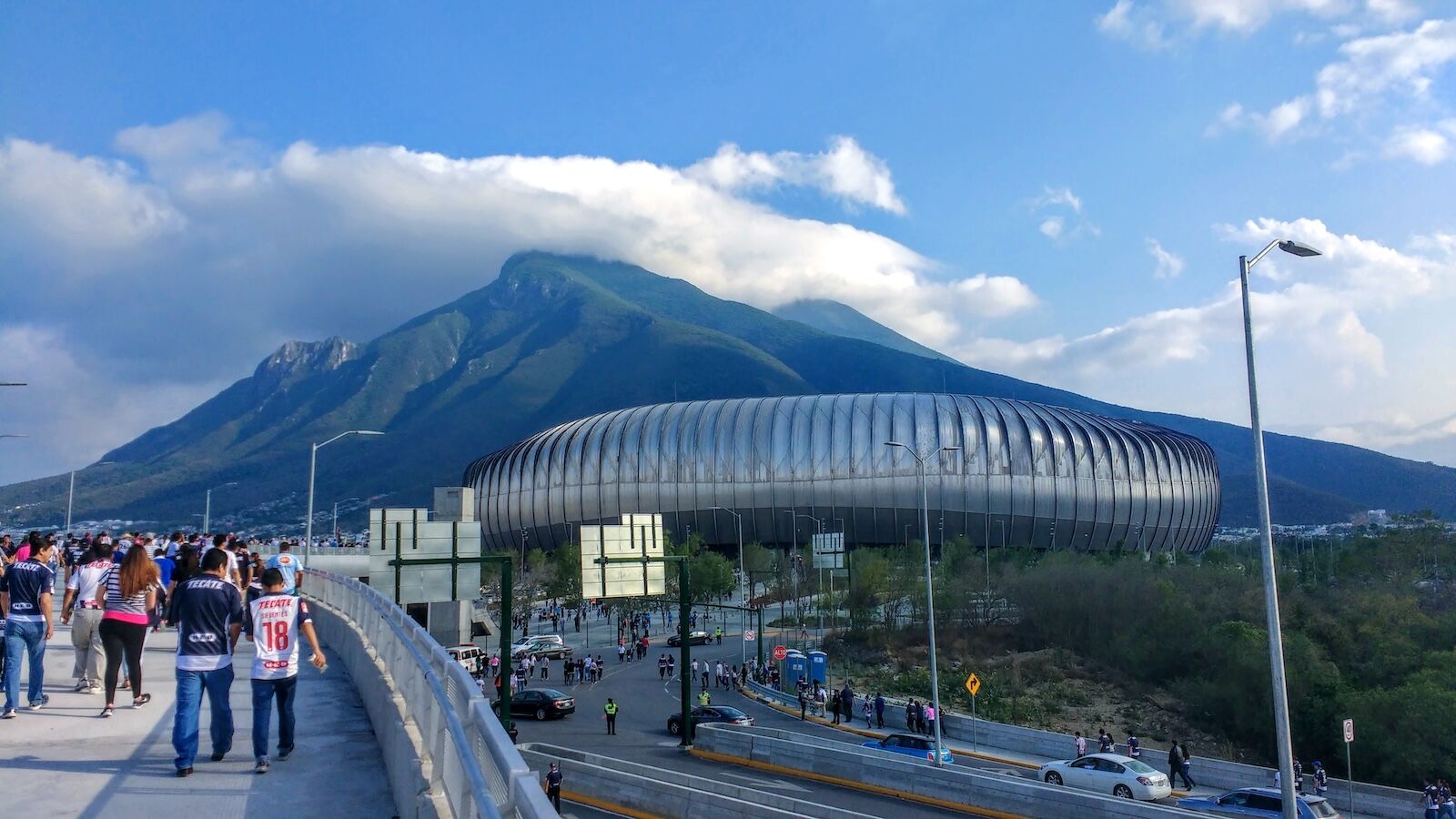
Fans walking to the stadium. Photo: LukeandKarla.Travel/Shutterstock

An Insider Guide to Estadio Monterrey and the City's World Cup Fever

Sporting Events
by Israel Kolawole Jan 29, 2026

The first thing you’ll notice when walking toward Estadio BBVA in Monterrey, Mexico, isn’t the size – it’s the way the mountains seem to lean in around it, like they’re watching the game, too.

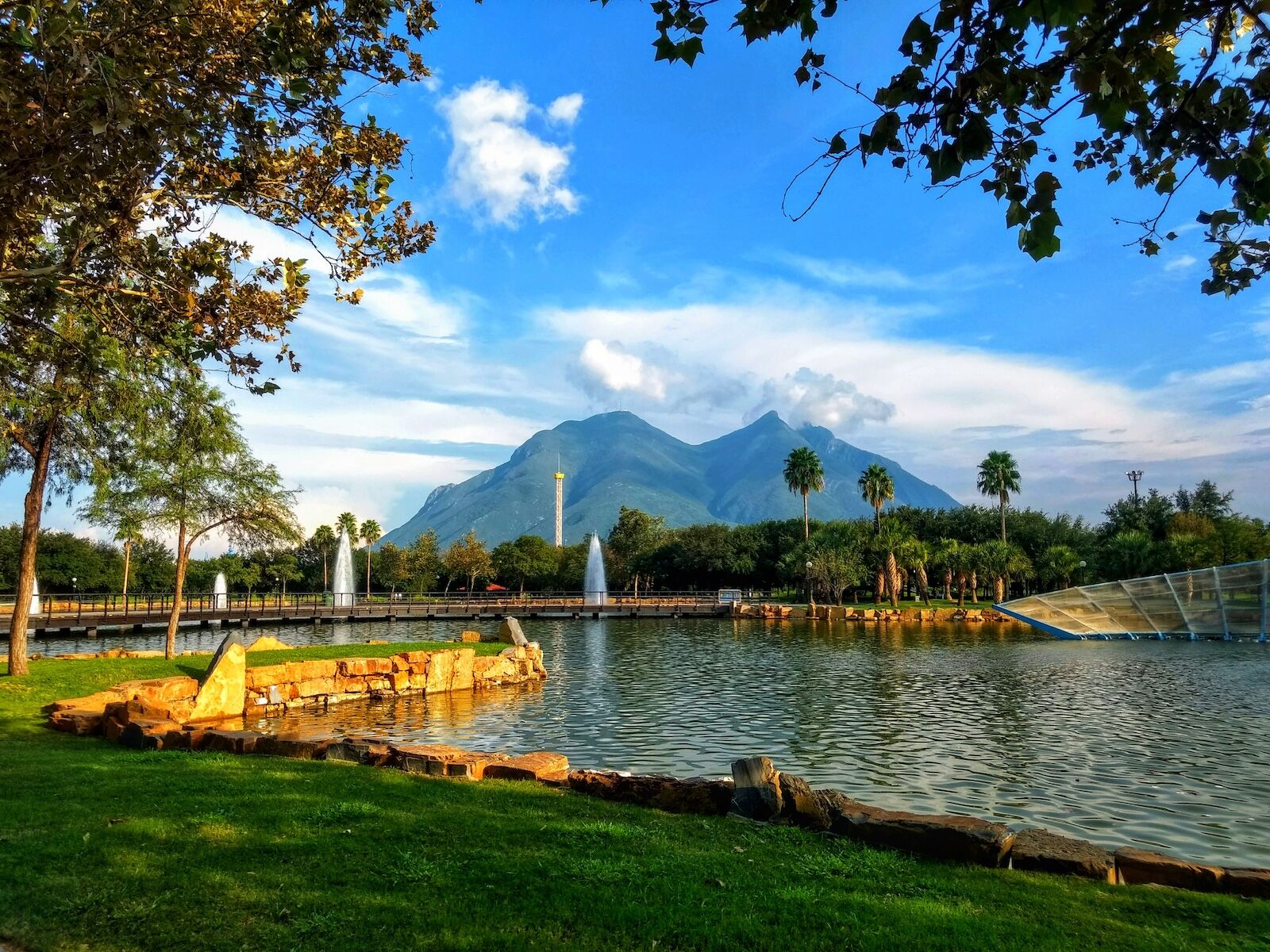
Cerro de la Silla, the iconic mountain that defines Monterrey’s skyline, rises behind the stadium in jagged folds. But as you get closer, the noise of vendors, traffic, and chanting fans will start to dominate your attention, drowning out everything else. For the 2026 World Cup, this place will officially be called Estadio Monterrey, but locals will still call it el BBVA. And they’ll treat it the same way they always do: as sacred ground.
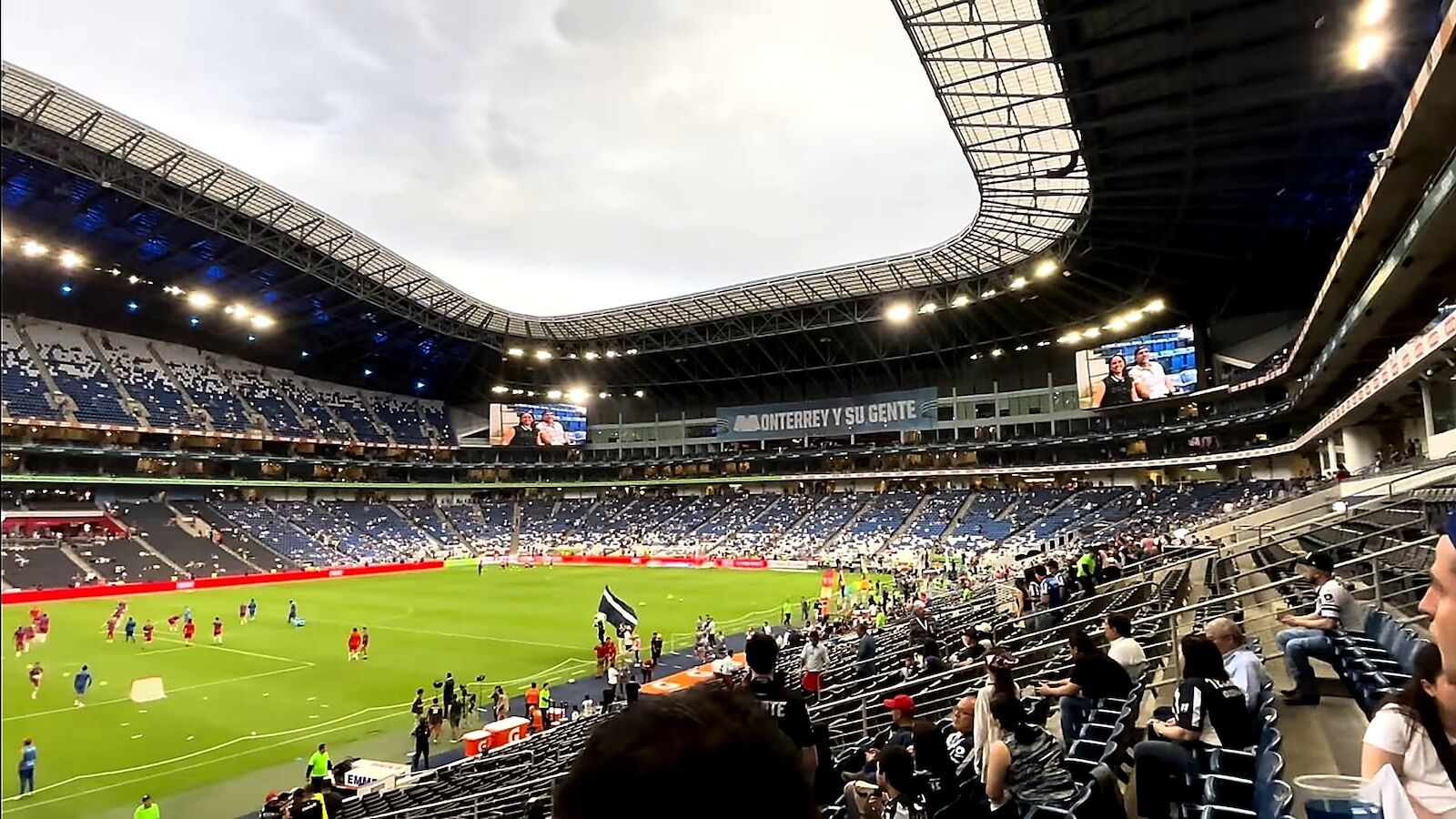
Monterrey is one of the less talked-about host cities for 2026, but that’s exactly why it’s interesting. Monterrey is not a postcard Mexico. It’s industrial, intense, proud, and deeply football-obsessed. If you’re coming here for the World Cup, your experience will be shaped less by tourist attractions and more by how you move through the city on match day, how you enter the stadium, and how you read the culture of the people around you.

Getting to the stadium without losing your mind


monterrey world cup tips - fans walking to estadio monterrey

Fans walking to the stadium. Photo: LukeandKarla.Travel/Shutterstock

On match days, locals don’t debate how to get to Estadio BBVA, always defaulting to taking the Metro; Monterrey’s Metrorrey Line 1 is the lifeline. Travelers headed to the stadium will want to ride it east until the final stop, Exposición, then walk about 10 minutes through Guadalupe toward the stadium. The walk is part of the ritual, as thousands of people move together while vendors line the street with cold drinks and snacks and music plays from multiple portable speakers.

The trick is timing. Experienced fans arrive two to three hours before kickoff. That’s not because they love waiting, but because the bottleneck happens all at once. Trains fill quickly at peak times, especially in the last hour before the match. If you board a stop or two before Exposición and stand near the doors, you’ll avoid being stuck behind the heaviest surge.

Rideshares like Uber and Didi work, but only before the game. After sold-out matches, traffic stalls, prices spike, and pickup points become chaotic. If you leave right at the final whistle, you’ll probably spend more time searching for your driver than walking to the metro with everyone else.

What to expect inside Estadio Monterrey


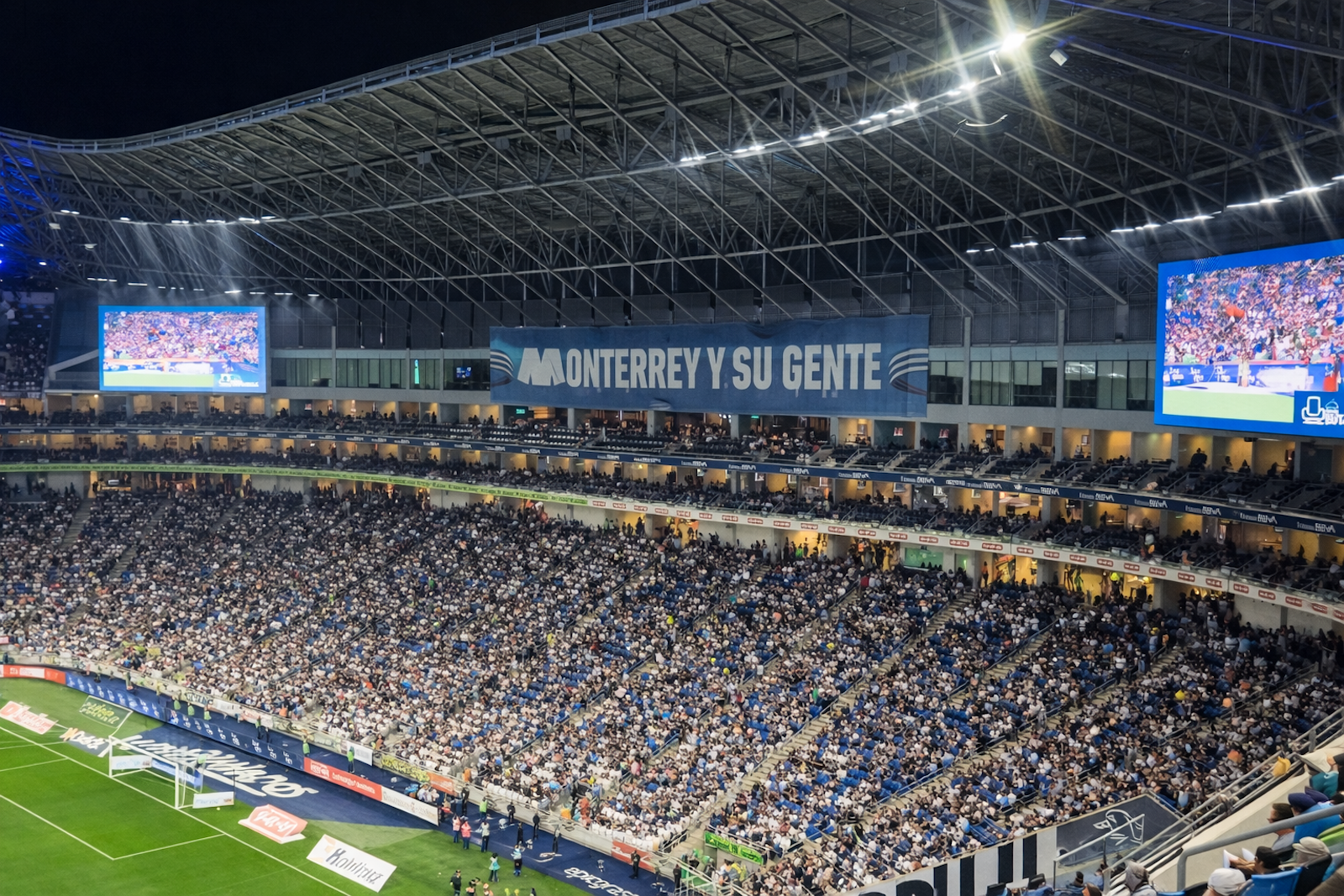
estadio monterrey guide - cheering fans

Photo: Israel Kolawole

Estadio BBVA feels modern without feeling sterile. It opened in 2015 and holds slightly more than 53,000 people, making it one of the smaller venues hosting matches. However, the steep seating angle pulls everyone close to the pitch. You’re never far from the action, even in the upper sections. The stadium was built with visibility in mind and it shows, as there are no bad seats or awkward corners.

For the World Cup, the venue is being upgraded with full Wi-Fi coverage, digital ticketing, and cashless payment systems. That means entry is fast, but also strict. Tickets will be scanned, IDs may be checked, and re-entry usually isn’t allowed. Once you’re in, you’re in.

Accessibility is taken seriously here. There are ramps, elevators, and designated wheelchair seating zones with clear lines of sight. Ushers are used to helping people move through dense crowds, but it helps to arrive early to ask for assistance before crowds peak around halftime, when movement through the stadium gets trickier.

How Monterrey fans actually behave on match day


Photo: Israel Kolawole

Supporters of Club de Fútbol Monterrey Rayados, also called CF Monterrey but known mostly as just Rayados, are intense, but not reckless. Their identity is built around pride and loyalty more than hostility. The core supporter group, La Adicción, leads chants and songs from the north end of the stadium. Before kickoff, the club anthem is sung in full – not as background noise, but as a shared moment. For World Cup games, that ritual may be scaled back or reshaped under FIFA match protocols, with a more mixed crowd and less clearly defined supporter sections.

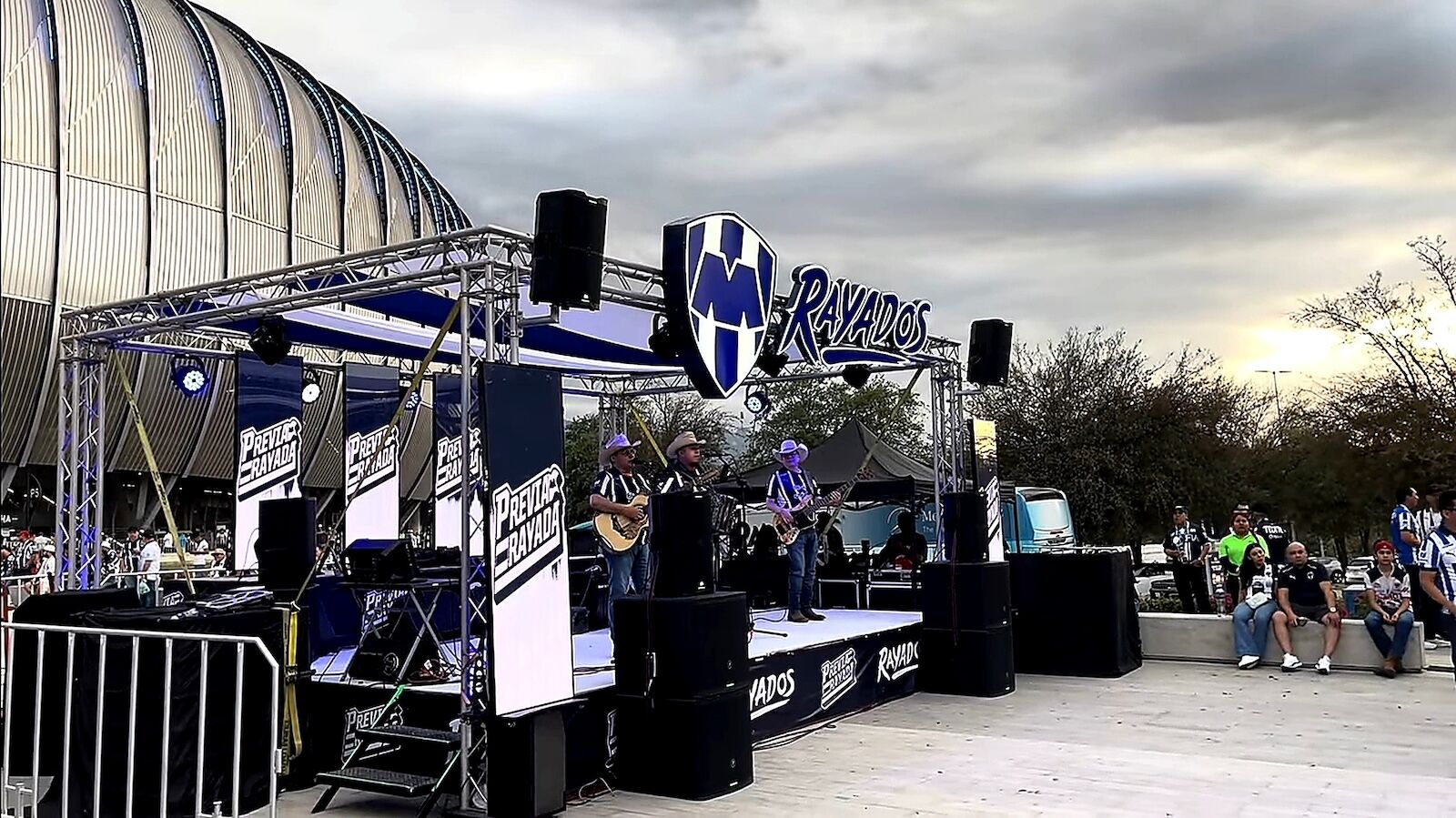
Outside the stadium, the social ritual starts hours earlier. In parking lots and open areas, you’ll see families and friend groups setting up grills and tailgating before matches. Carne asada isn’t just food here: it’s social glue. People eat, drink, and talk football before they ever scan a ticket. Visitors who want to join in respectfully should arrive early, walk with the flow of fans, and enjoy the atmosphere from the designated public areas without blocking local gatherings.

What not to do in the stands


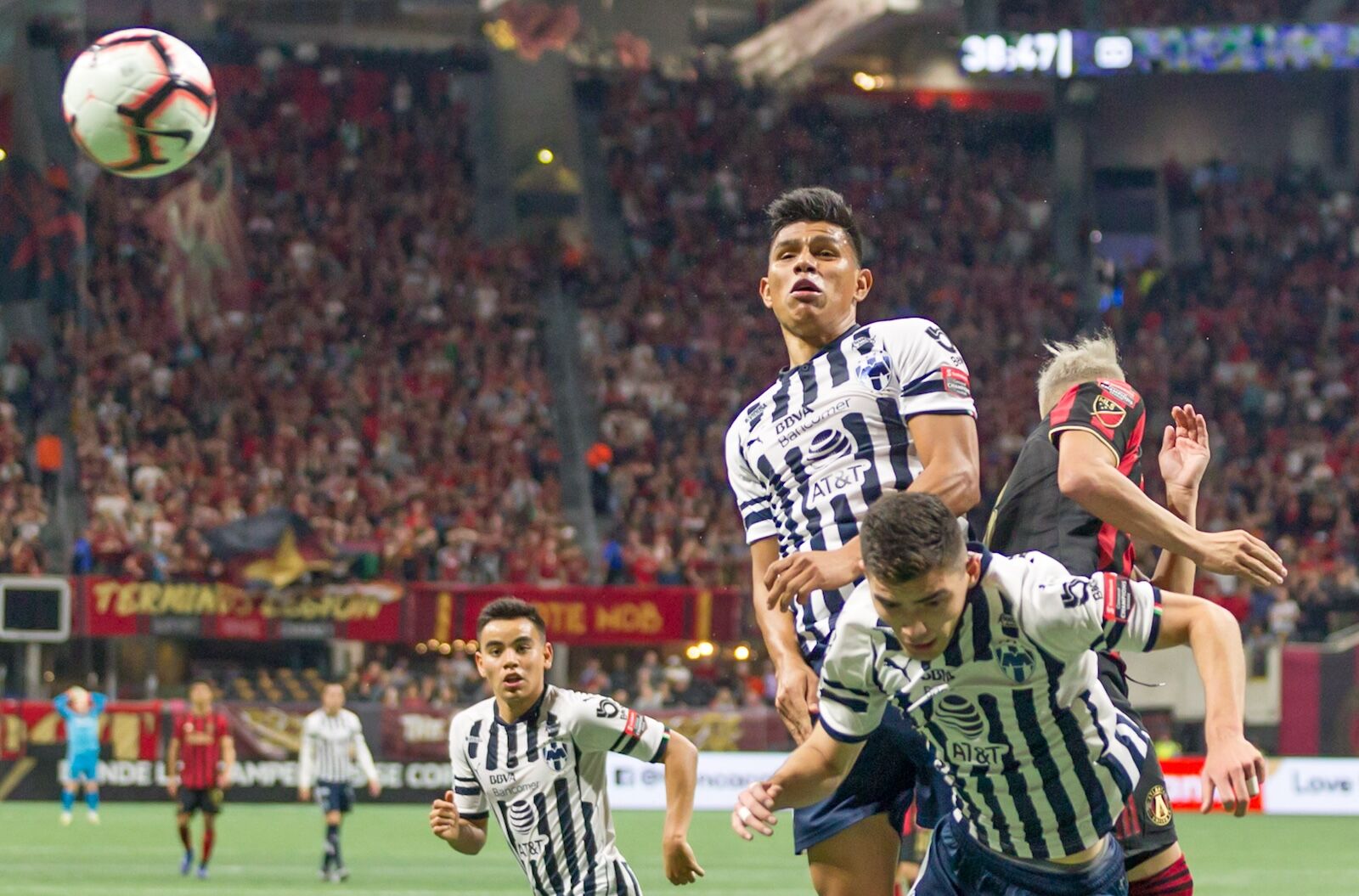
match action inside estadio monterrey

Whatever you do, don’t block the action. Photo: Jamie Lamor Thompson/Shutterstock

Don’t wander too much during active play. In Mexican stadiums, it’s considered rude to block someone’s view when the ball is in motion. If you need to move, wait for a pause in the action.

Don’t assume chanting is universal. Some sections sing nonstop. Others watch in near-silence. Read the energy around you and match it. And don’t underestimate how loud it gets. This stadium doesn’t hum, it roars. Earplugs aren’t a bad idea if you’re sensitive to noise.

Food, drinks, and the pace of the night


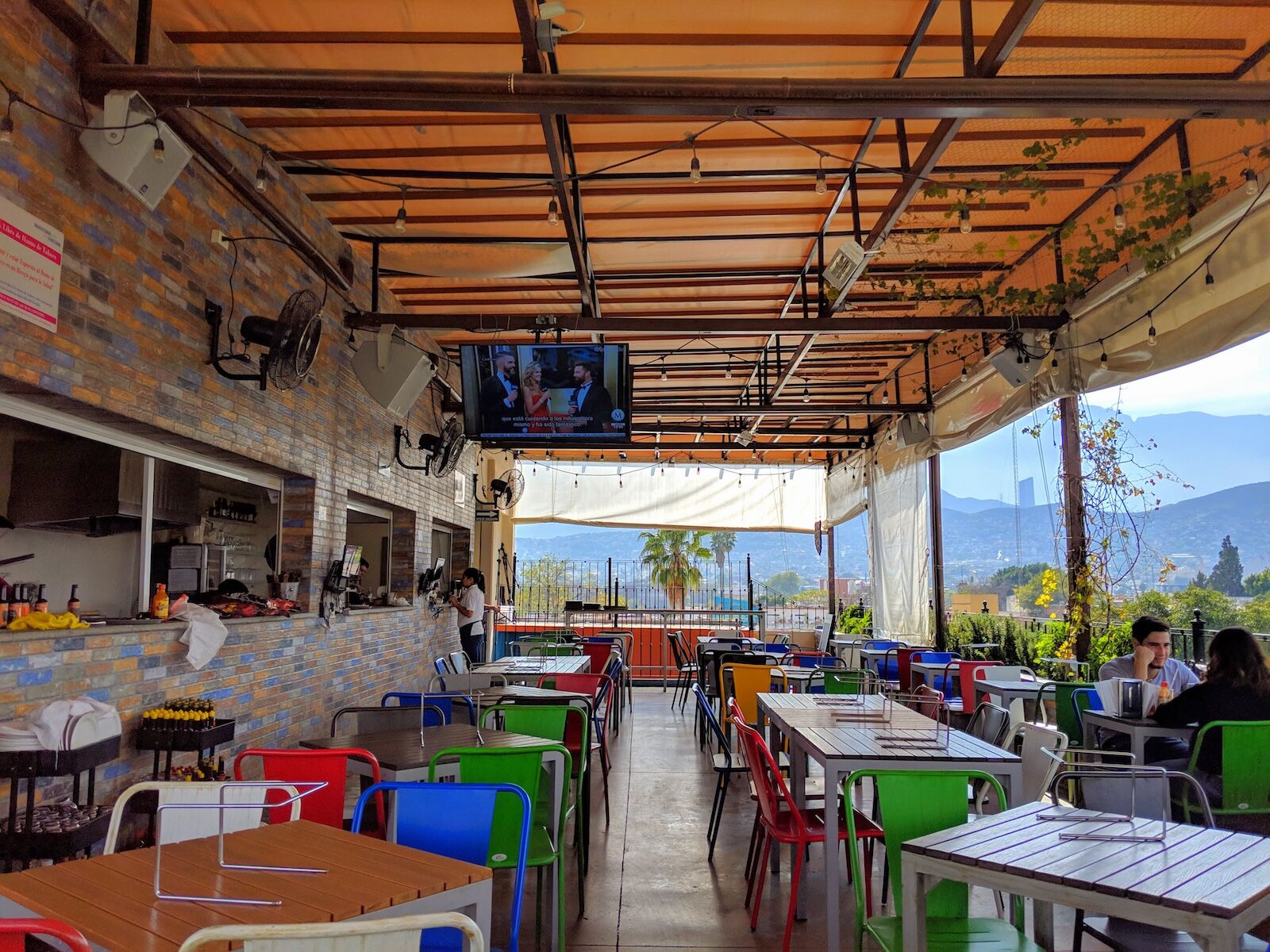
estadio monterrey - after match bar

A bar in Barrio Antiguo, Monterrey. Photo: LukeandKarla.Travel/Shutterstock


Inside the stadium, concessions are fast but functional: beer, sodas, bottled water, and typical stadium food. But the real eating happens outside, before and after the match.

When the game ends, the night usually doesn’t. Many fans head toward Barrio Antiguo in central Monterrey or to San Pedro Garza García. It’s an upscale burb usually just called “San Pedro”, where bars and late-night restaurants stay open well past midnight. This is where people re-watch highlights, argue over calls, and extend the match into conversation.

If you want something truly local, look for cabrito (slow-roasted goat, a regional specialty), or stick with grilled beef cuts that reflect Monterrey’s ranching roots. Football here is tied to food in a way you can taste.

Safety, crowds, and common sense


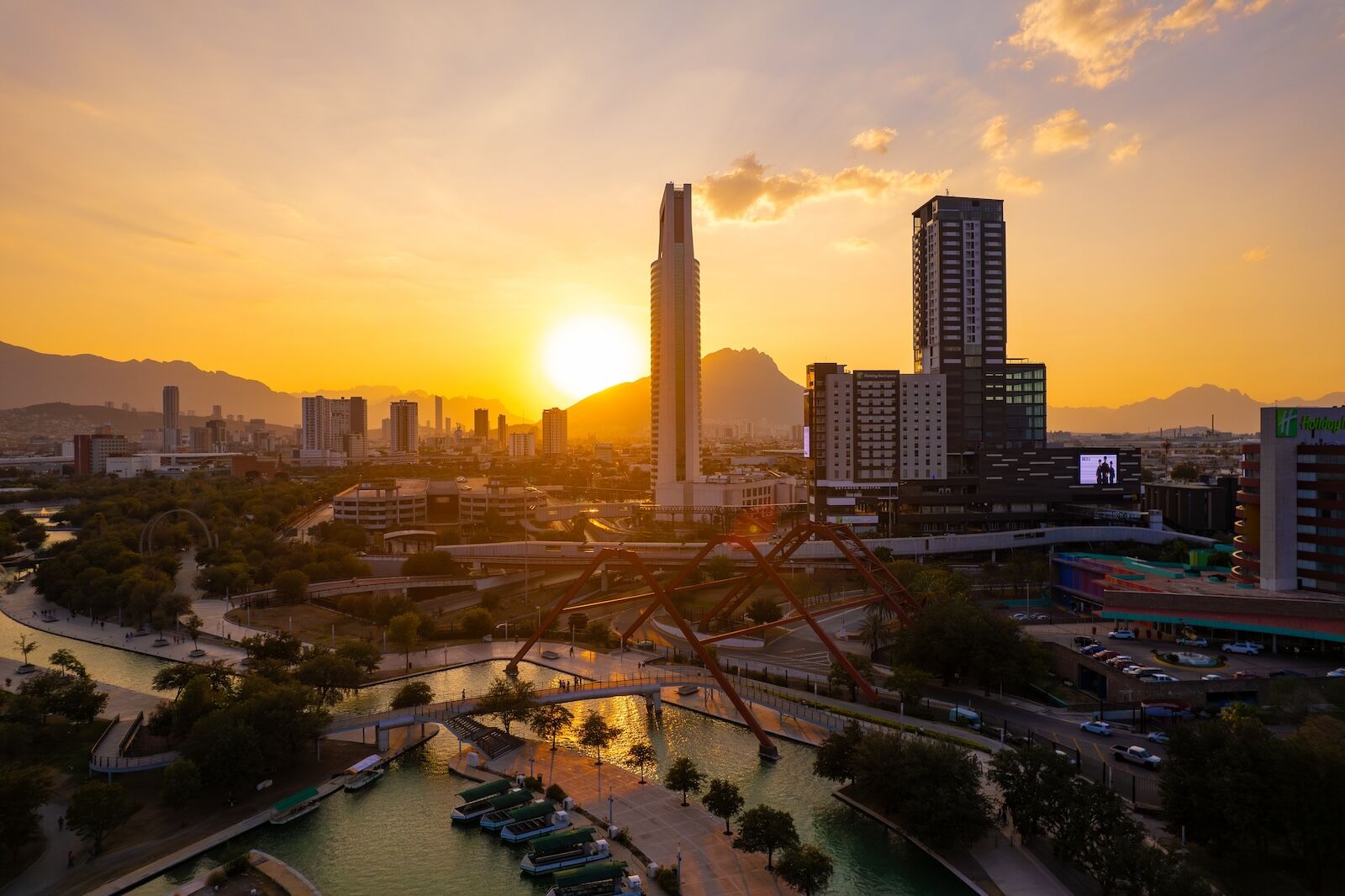
monterrey sunset mexico

Photo: Hello Cinthia/Shutterstock

Monterrey gets a reputation that scares people unnecessarily, sometimes seen as industrial, gritty, and less touristy, with mixed perceptions about safety. But on match days around Estadio BBVA, the environment is busy, social, and well-policed. That said, basic awareness matters. Keep your phone secure. Don’t flash valuables. Follow the flow of the crowd instead of fighting it. And remember that walking with the mass of fans from the stadium to the metro is usually safer than trying to break off alone into side streets, especially late at night.

Monterrey’s Fan Festival and soccer culture


estadio monterrey - FIFA Fan fest

Photo: Dario Tamez/Shutterstock

During the World Cup, Parque Fundidora will host the FIFA Fan Festival with giant screens, music, cultural programming, and food stalls in the former steel factory complex turned urban park. It’s one of the best places to understand Monterrey beyond football, showing off the city’s industrial history, open spaces, and a success in reinventing itself without pretending to be something else.

As with the Fan Festivals in all cities, you don’t need a ticket to attend the Fan Festival. However, soccer fandom in Mexico is stronger than in the US, so you should expect it to be loud, lively, and crowded. While the official entry rules haven’t yet been announced, it’s safe to assume there will be bag checks and bans on items like alcohol from outside sources, drones, large backpacks, and other items commonly restricted at similar events.

The bottom line


estadio monterrey guide - people entering stadium

Photo: Israel Kolawole


Estadio Monterrey isn’t a destination you “visit.” It’s a place you enter. You’ll feel the city shift when there’s a match in the metro, on the sidewalks, and in the way strangers talk to you like you already belong.

If you show up early, walk with the fans, eat where they eat, and let the rhythm of the day guide you, the 2026 World Cup in Monterrey won’t feel like a tourist stop. It’ll feel like a night you’re still talking about years later.

Discover Matador

Save Bookmark

We use cookies for analytics tracking and advertising from our partners.

For more information read our privacy policy.