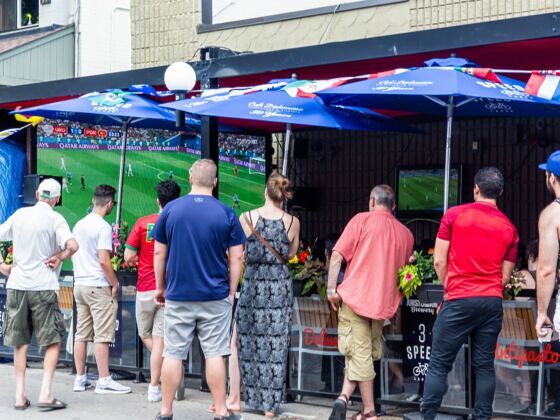
Certain parts of each city, like Toronto's Little Italy, are always lively during big soccer matches. Photo: Roy Harris/Shutterstock

How to Be Polite in Canada: A World Cup Guide to Canadian Etiquette

Sporting Events Insider Guides
by Liisa Ladouceur Aug 11, 2025


Explore Matador Network’s full
FIFA World Cup 2026 Travel Guide

Travelers in North America likely already know something about Canada’s reputation for being polite. But that’s not quite the same as knowing how to be polite in Canada.

More than one million international visitors are expected in Toronto and Vancouver for the FIFA World Cup 2026. That’s a lot of newcomers navigating the logistics of urban life in a new country, like how to ride public transit, how to behave in crowds, and the proper ways to celebrate their teams’ wins (or mourn their losses). Whether you’re coming for the World Cup matches themselves, or any festival or special event in general, knowing the basics of Canadian culture and customs will make the trip easier and more fun – and make sure you make friends, rather than making a public faux pas.

Toronto and Vancouver are two different cities on opposite ends of the country, with their own distinct lifestyles. I live in Toronto, a business center that moves fast. Vancouver has the mountains and ocean, and a more laid-back vibe. But there are things that unite both places, such as civility and cultural sensitivity. These etiquette tips should serve you well across Canada.

First things first: We’re a sovereign nation


canada world cup games - currency

Photo: JulieK2/Shutterstock

Canadians take their independence quite seriously. So, please, no jokes about “the 51st state.” While in Canada, you may also hear the expression “Elbows Up.” It’s reference to fighting in hockey games, but it’s become a rally cry for Canadian pride, especially in light of US President Donald Trump’s ongoing comments about annexing Canada.

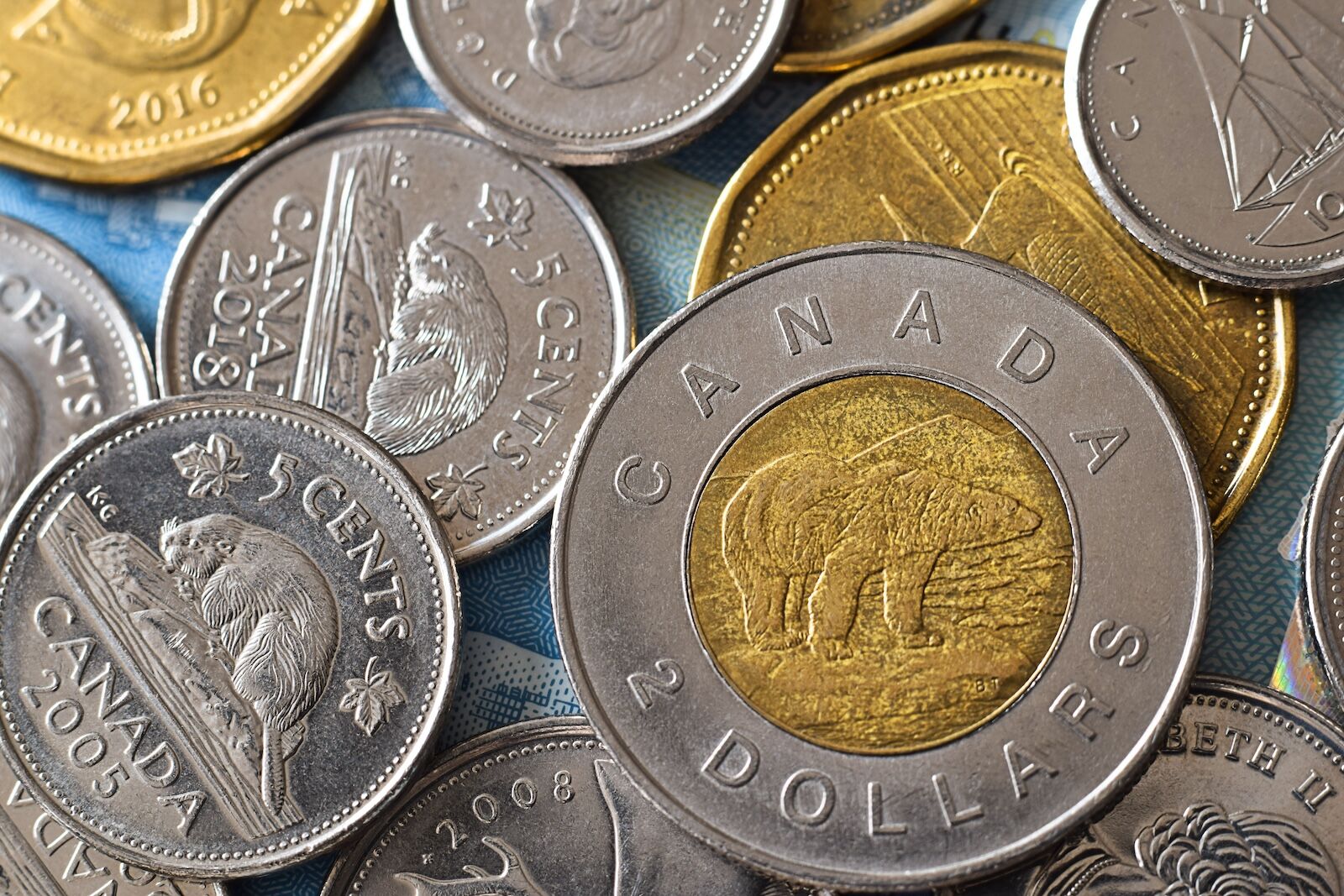
Canada has its own currency. While some businesses may accept US dollars (at inconsistent exchange rates), it’s rude to assume they will give change back in American currency. Instead, enjoy using our cool, colorful Canadian bills and coins with fun nicknames like “loonies” (because there’s a loon pictured on the $1 coin) and “toonies” (because, um, $2 is equal to two loonies).

Acknowledge Indigenous land and culture


canada world cup games - bill reid gallery

Inside the Bill Reid Gallery in BC. Photo: Indigenous Tourism Canada

Canada is the second-largest country in the world and home to a deeply diverse population. That includes the many First Nations, Métis, and Inuit Peoples who lived here long before colonization. Respecting our multiculturalism starts with recognizing the original Indigenous populations.

At many sporting matches and other events, you will hear a “Land Acknowledgment.” It’s a brief statement naming the Indigenous groups on whose traditional land the event is taking place. In Toronto (aka, “Tkaronto,” from the Mohawk language,) that’s generally the Mississaugas of the Credit, the Anishnabeg (pronounced “ah-NISH-nah-bek,”) the Chippewa, the Haudenosaunee (“HOE-dee-noh-SHOW-nee,”) and the Wendat peoples. On the Pacific Coast, Vancouver is on unceded Musqueam, Squamish, and Tsleil-Waututh (“tSLAY-wah-tooth”) territory, with “unceded” meaning the land was taken without their consent.

You’re not expected to know these names ahead of time, but you should listen respectfully, the same way you would during a national anthem. And remember: the term “Native American” is specific to the United States. In Canada, we generally say “Indigenous” or “First Nations.”

Be polite on public transportation


canada world cup games - currency

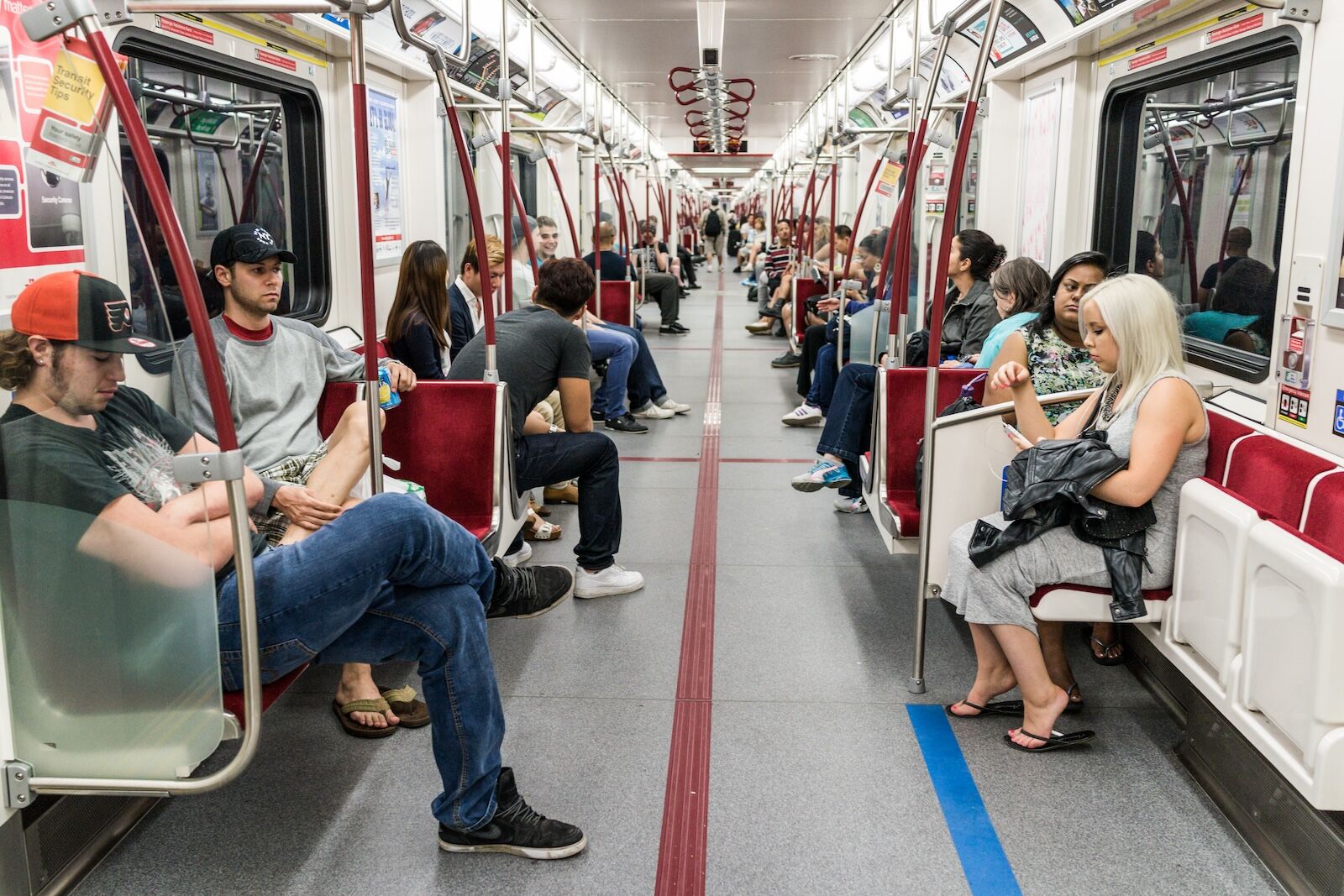
Always move to the center of subway cars to make as much room as possible for other riders. Photo: IVY PHOTOS/Shutterstock

When using local buses and subways, Canadians do not push, even when we are in a rush. And in Toronto, we are often in a rush.

“Toronto is definitely more about business than pleasure,” explains Dylan Reid, Executive Editor of Toronto’s Spacing Magazine and the author of the Toronto Public Etiquette Guide. “A key thing for visiting Toronto is that you should make sure that everyone can move efficiently. That means if you’re on public transportation and it’s crowded, move into the empty spaces to make room for more people to board. Be on the lookout for someone who needs to get by and be willing to move aside. And if you need to move past someone, a polite ‘excuse me’ is the phrase to use.”

Other local transit tips: stand to the right and walk to the left, especially on escalators. And don’t be surprised if people seem to cluster instead of forming orderly lines at stops. Toronto riders don’t always queue unless it’s necessary.

Be eco-friendly, especially in Vancouver


canada world cup games - vancouver skyscape

Vancouverites take protecting their green spaces very seriously. Photo: Babak1000/Shutterstock

Vancouver has the Pacific Ocean and British Columbia’s Coast Mountains in its backyard, so it’s easy to see why Vancouverites are extra protective of the environment. To stay on their good side, be eco-conscious, says Rebecca Bollwitt, who shares the best of Vancouver on the Miss604 Instagram account.

“We don’t have plastic bags at the store or plastic take-out containers. So don’t ask for them,” she advises. “Bring your own cloth bags, compost your take-out bowls, and use the correct bins for recycling.”

Bollwitt also recommends getting out into nature, especially around Stanley Park’s rainforested trails, and reminds international visitors that smoking isn’t allowed in any city parks. Feeding wildlife, including squirrels, is also prohibited and can result in a fine.

Don’t mistake politeness for friendliness


people chatting at a toronto restaurant

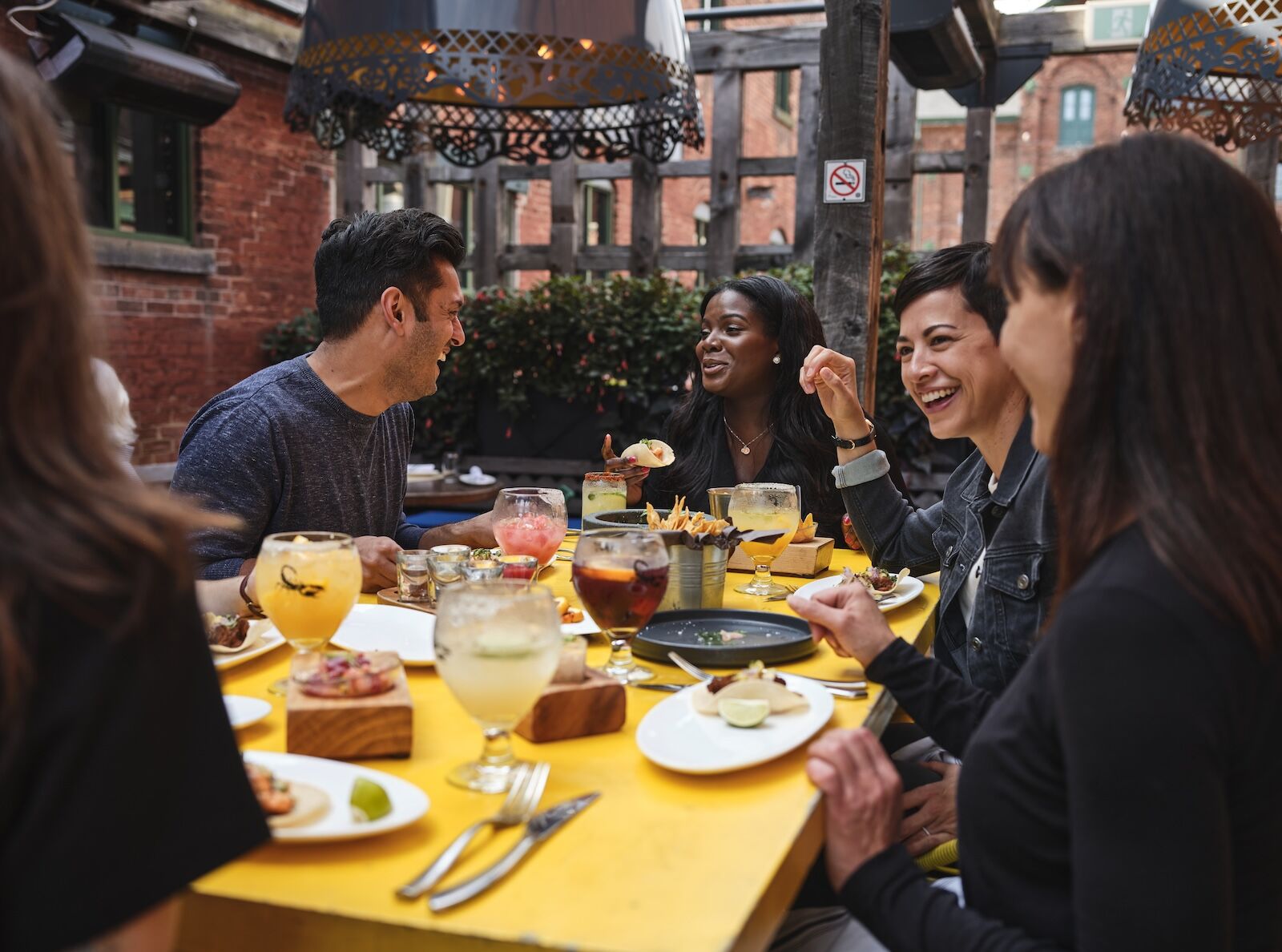
Save the chitchat for social situations, like sports bars — not while people are trying to go about their day. Photo: Destination Canada

“I think a key thing to remember is that politeness isn’t the same as friendliness,” offers Reid. “Politeness means that you are considerate of other people, but doesn’t mean you want to engage.” People will offer assistance if you need directions, he gives as an example, but in general, they have things to do and places to be.

He recommends saving chitchat for social settings, like when a large group is waiting to enter the stadium, or starting conversations with fellow fans at a bar.

“Vancouver has a reputation of being ‘cold,’” Bollwitt says. “Not in terms of the weather, but in terms of how difficult it is to meet new people.” Travelers trying to chat it up with locals or make new friends would be better off going to a soccer bar. She recommends Vancouver’s Dublin Calling on Granville to hang out with the Southsiders, the oldest organized soccer supporters’ group in Canada, which “welcomes fans from all over the world.” Other supporters groups meet at other bars, such as Fable Diner Bar in Downtown Vancouver.

Want a rowdier crowd? Get the ball rolling.


canada world cup games - crowds outside little italy bar in toronto

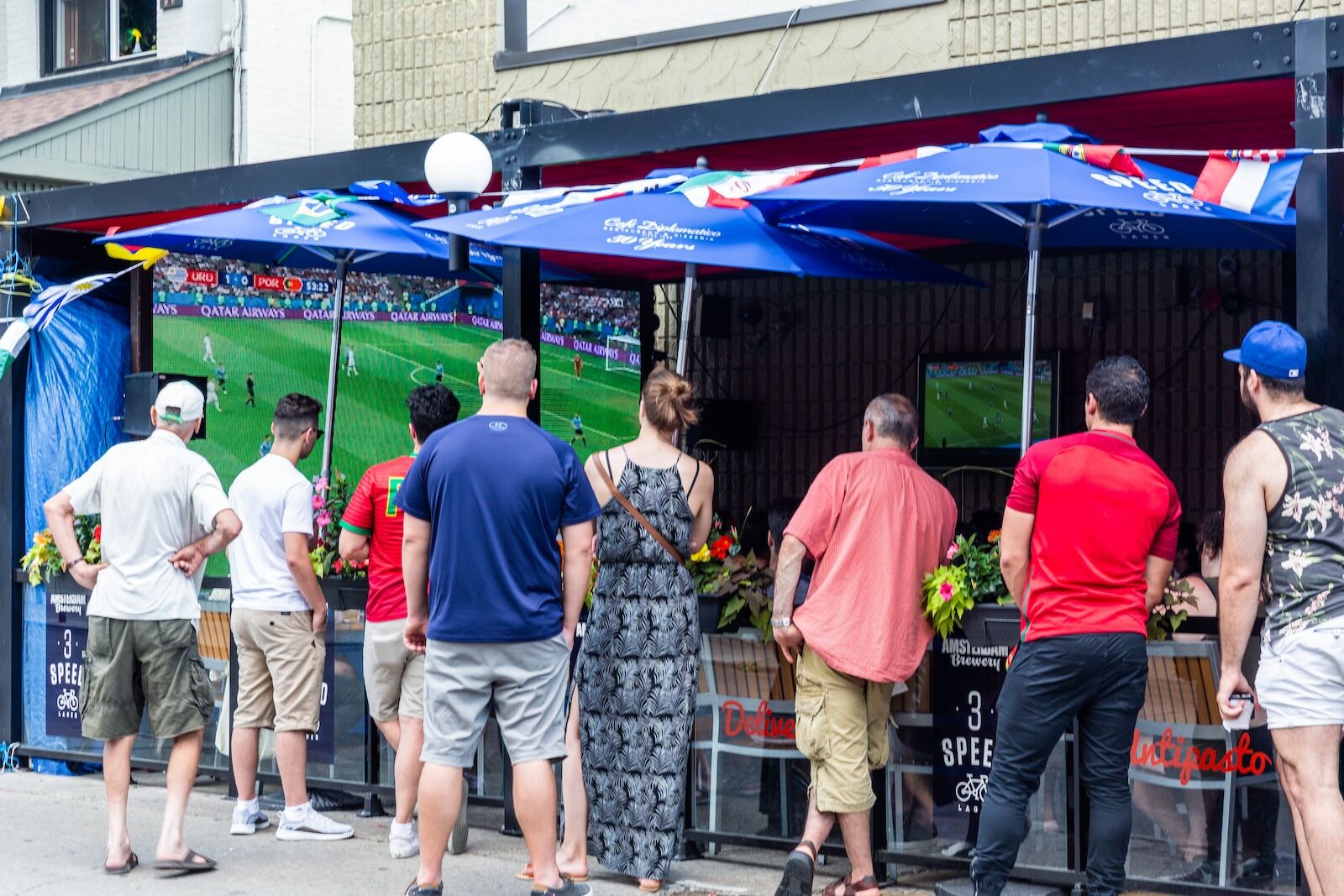
Certain parts of each city, like Toronto’s Little Italy, are always lively during big soccer matches. Photo: Roy Harris/Shutterstock

Canadian soccer fans aren’t as rowdy in the stands as Latin Americans or Europeans, but that doesn’t mean you can’t be.

“There is a hardcore group in Toronto with some understanding of international soccer culture,” says Reid. He acknowledges that Toronto FC supporters have tried to create a similar atmosphere with organized cheering, but says it’s still not like Europe, where you’ll have songs, banners, and a full show in the stands.

But on the streets it’s a different story. That’s especially true in neighborhoods with heavy Italian, Brazilian, and Portuguese populations, where you should be prepared for impromptu parades with big energy. In Toronto, that includes Little Italy, the area around Dundas Street West toward Beaconsfield and Brockton Village, and around the South Eglinton–Davisville area. Vancouver’s Little Italy area is centered along Commercial Drive, between roughly East 1st Avenue and Venables Street.

“In downtown Vancouver, supporters march through the streets on game days,” says Bollwitt. “It’s a sight to behold and an incredible experience to be part of. When we hosted the FIFA Women’s World Cup and the Vancouver 2010 Olympics, the energy was superb.”

At the bar, tip well – and don’t yell at the bartenders


people hugging at sports bar in vancouver

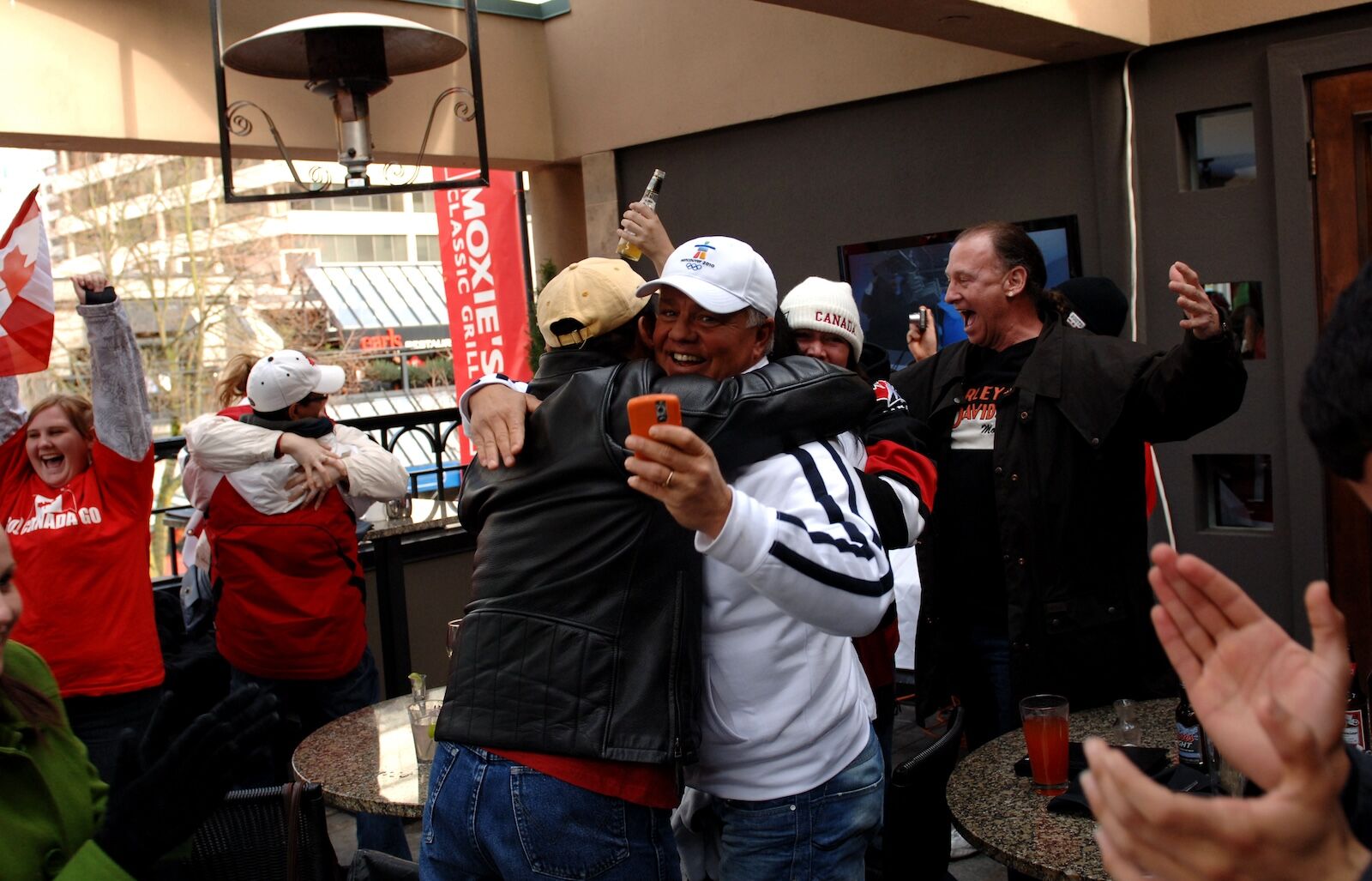
Head to the right bar, and you’re bound to make friends. Photo: Sergei Bachlakov/Shutterstock

When you’re ordering a drink at a bar, wait your turn. If it’s busy, step up once someone leaves and wait for the bartender to come to you. Don’t snap your fingers, whistle, yell, or hold money in their direction. That’s a good way to get ignored (or tossed out).

Tipping isn’t included in prices, but is expected. It’s the same as what you’d tip in the US: 20 percent of your bill, or $1–$2 for beers and quick drinks. Tip well on your first round and you’ll likely get faster service the next time.

Most Canadians pay as they go instead of running a tab, unless seated at a table. If you’re short on time before a game, let your server know up front so they can bring the bill with your order. And when you’re ready to go, remember to ask for the bill, not the check.

Say ‘thank you’ – often


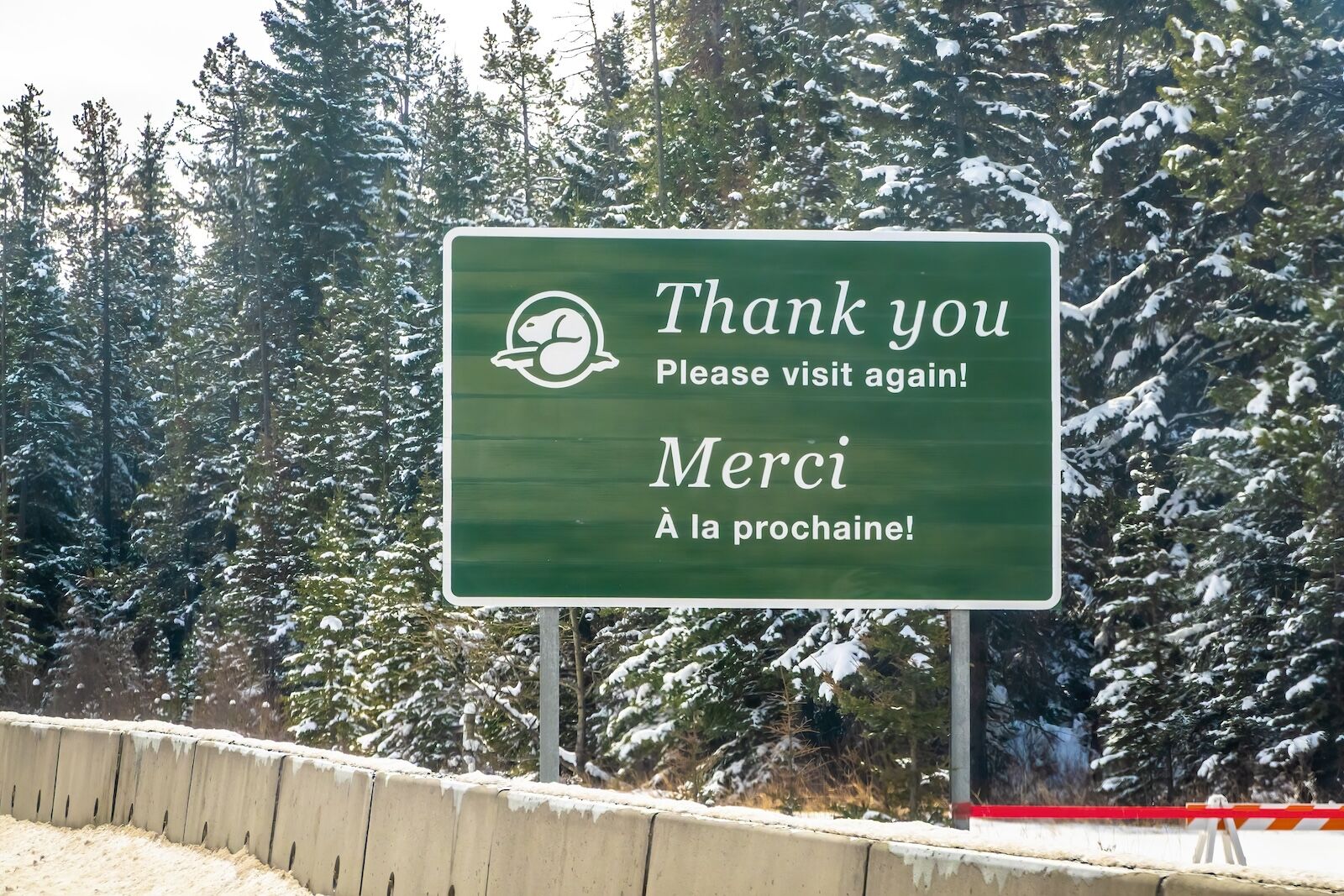
thank you on a road sign in canada

Photo: oasisamuel/Shutterstock

Canadians say thank you for the little things. It’s common to thank a bus driver when you get off, a cashier when they hand you your parcels, and always when someone holds the door open for you. It’s a habit. It’s also a sign of good manners here and an easy way to show politeness to a stranger, even if you don’t speak the same language. And there will be a lot of languages being spoken during Canada’s World Cup games.

Leave your stereotypes at the border


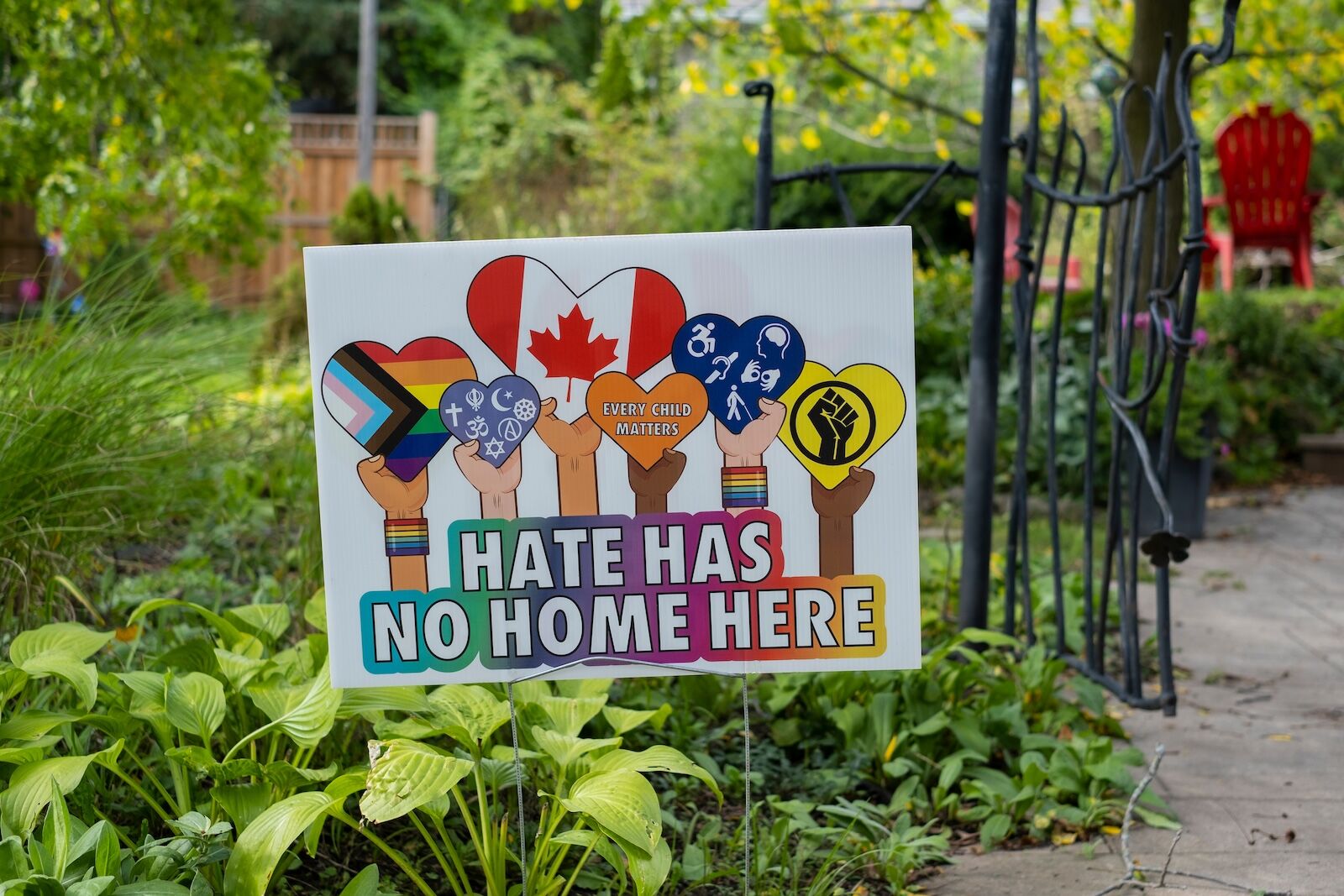
no hate in canada - yard sign

Photo: Elena Berd/Shutterstock

In Canada, we say “diversity is our strength.” You’ll meet people of all races, religions, languages, and lifestyles here. So the best tip I can give first-timers is to come with an open mind.

Yes, some stereotypes are true. We do add “eh” to the end of our sentences for no real reason. Maple syrup is a really big deal. And in many parts of the country, plaid never goes out of style. But the days of Canada being only those things are long gone.

Sushi in Vancouver and Jamaican patties in Toronto are more popular than poutine. British Columbia’s Vaisakhi Parade is the largest outside of India. Toronto Pride is the second-largest LGBTQIA+ celebration in North America. And racism, homophobia, and harassment? Not welcome here.

Also? We don’t actually say “a-boot.” It’s “about.” As in, “it’s about time to cheer on your favorite global teams in two of the finest cities in Canada.”

Discover Matador

Save Bookmark

We use cookies for analytics tracking and advertising from our partners.

For more information read our privacy policy.