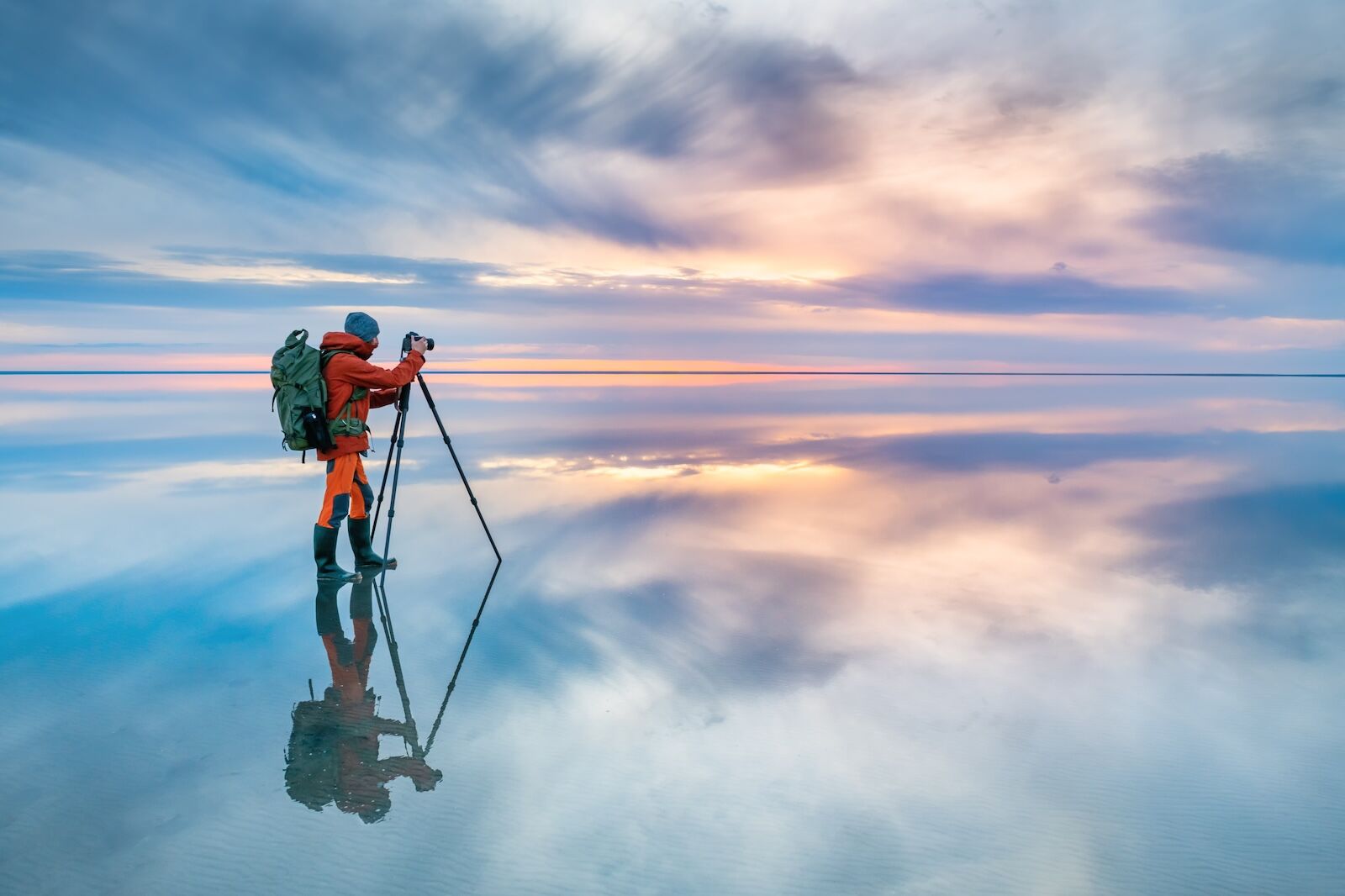
Photo: Olezzo/Shutterstock

Ask Matador: How to Land a Paid Freelance Story With Matador Network

Travel Journalism Interviews
by Suzie Dundas Jul 29, 2025

Matador Network has been around for about 20 years, and over that time we’ve worked with thousands of freelance writers. I may be an editor at Matador Network now, but my relationship with the publication’s editors started many years ago when I wrote the occasional freelance article.

Today, our rates have gone up, our readership has grown, and the quality of stories we tell continues to get better and better. Many writers know we work with brands, DMOs, and PR companies on press trips through Matador Creators (you’ll need to be logged in to see them). These are opportunities for any writer or creator, whether they’re looking to get their foot in the door of travel media or simply in search of a work trip that will lead to great stories. Our Creators team selects the writer they think is the best fit, and on that writer’s return, they’re paired with our full-time professional editor to guide them on how to write an editorial travel story. These press trip stories are typically unpaid, though they’re an opportunity for writers to gain experience in travel media and land a major byline in the process.
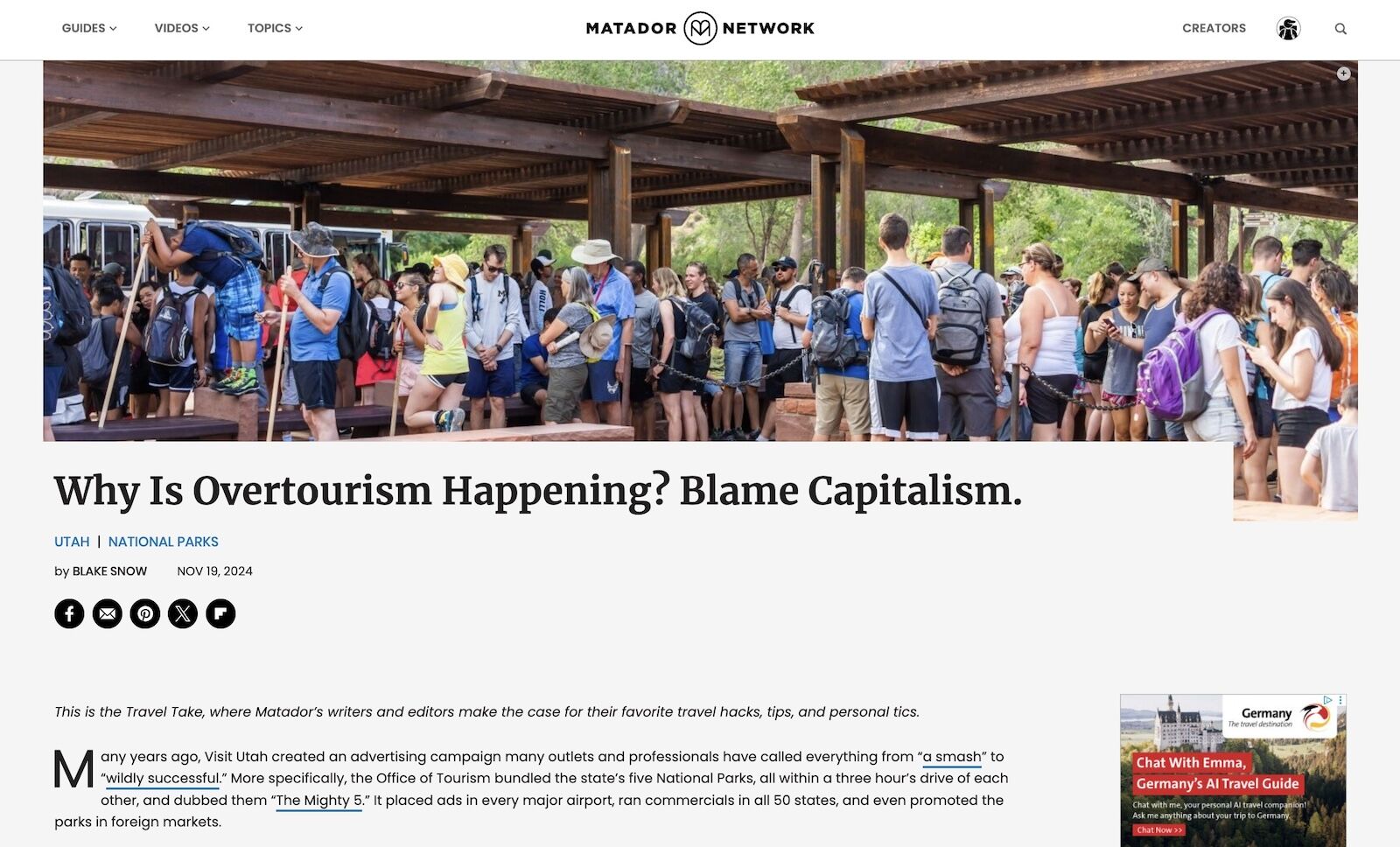
If you’re looking to tell a high-quality travel story outside of the Matador Creators press trips (and get paid for it) we always invite writers to pitch us. At Matador Network, we get hundreds of freelance pitches per week (which is one of several reasons why we use a pitch form, rather than accepting pitches via email). But for every 100 pitches, only about 10 have the potential to be a good story that’s a fit for our publication.

Here’s why that is, along with many other questions we get asked by freelance writers hoping to see their byline on Matador Network.

— Suzie Dundas, Matador Network‘s Commissioning Editor

What’s the most common reason you pass on a pitch, even if it’s well-written?

The most common reason is because the topic or angle is not something we’re currently looking for. This often includes city guides, listicle roundups, or general “Why so-and-so place is the perfect destination for whatever.” About half the pitches we get are stories we’ve explicitly said we’re not seeking. That shows us that the writer didn’t read the pitch form, and these pitches will generally not get a response from our editorial team.

We also often pass on incomplete pitches. We ask writers to check a few basic boxes in pitches, such as a link to your past work, a proposed headline, and a brief summary. If you send in just a headline or fail to provide any past work or contact information, that’s usually a sign that you didn’t read the prompt.

Are there any red flags in a pitch that immediately make you stop reading?

Yes: First and foremost, when your pitch starts with “Dear [insert other travel publication name here] editors.” We’re not insulted by it, but it makes us question your attention to detail.

If your pitch doesn’t have a travel angle, those are also immediately disregarded. We also only publish new editorial stories in English, so pitches must be in English as well.

Do you accept pitches about topics or places that Matador Network has recently covered?

At least a third of the pitches that get rejected are because they’re about topics we’ve already covered, and the pitch doesn’t significantly build on that prior coverage. This shows that the writer didn’t search our site in advance. That’s not to say we never publish stories about topics and places we’ve covered before. But you need to tell us why your take moves the narrative in a new way and why we should spend our limited budget on replacing or adding to stories we already have.

Do you ever pass on pitches because the angle is too broad or vague? What does “too broad” usually look like?

Yes — though, truthfully, public relations professionals do this more than writers. If your pitch is a broad topic plus a destination (for example: “Hiking in Wisconsin” or “Food in Paris“), it’s probably too broad. It’s easier for editors to help writers expand on overly specific pitches than it is for us to find a specific hook in a too-broad topic.

How do you feel about pitches that sound like personal travel diaries?

how to pitch matador network - oped

Want to pitch us an opinion story? We suggest reframing it as a well-researched, expert-led op-ed. Photo: Matador Network


We don’t want them. With very rare exception, the writer is usually not the main character in our editorial travel stories. Writers should use their voice to tell the story, but if the whole hook is “I did this, this, and then this,” then it’s better suited to a personal blog, not an editorial publication.

On that note: we also don’t want pitches that sound like they came from a marketing or public relations firm. If your proposed headline is “Why Anywhereville is the Perfect Place for a Summer Vacation,” you should probably pitch it to a tourism board, not an editorial publication (unless you’re prepared to make a really well-researched op-ed argument).

Is it a dealbreaker if the writer hasn’t clearly shown why their idea matters now (i.e., lacks a timely peg)?

No. We always like if it’s relevant to current conversations happening in the world, but it’s not essential — especially for evergreen (non-timely) stories. The important thing is to make it clear why the story should be told and why you are the best person to tell it.

Do you ever reject a pitch simply because it’s not clear what the story’s takeaway or structure would be?

All the time. The biggest reason we reject pitches that could potentially work with some more thought to it is because a writer pitched us a subject or topic, not a story. I’ve read many pitches that describe small towns, hot springs, and museums in vivid detail — but that don’t tell me what the writer actually plans to write about the topic. What are you going to write about said museum? What about the small town makes it noteworthy? Here are a few questions to ask yourself before pitching to avoid this mistake:

  • Is my article going to cover more or less the same information as the place’s Wikipedia page? If so, you have a subject, not a story.
  • Is the point of my article just to tell readers that a place exists? You have a subject, not a story.
  • What am I writing about this topic? If you don’t have a specific thesis, or point you’re trying to make, you have a subject, not a story.

Why can’t freelancers pitch news stories and city guides?

We don’t assign stories to freelancers that our editorial team can easily produce in-house (and often, a straightforward story that is desk reported is already published or in the works). We prefer to assign stories that a writer can only tell through first-hand experience — for example, by having traveled to a location — or through sources that they have worked to build. City guides, top 10 lists, and other similar stories can usually be written by relying on the shared expertise of our team. We want you to tell the stories from the places we aren’t.

What qualities make you want to work with a freelancer again?

Missing a deadline, ghosting on a story, or just being extremely difficult could make us not want to work with a freelancer again, even if they’re talented. We may also stop working with a freelancer if their voice or style isn’t a good fit for us, or their work requires too much editing and rewriting. However, we don’t have long-term contracts with freelancers, so the simple reason could also just be that none of a frequent freelancer’s recent pitches have been a good fit.

One important detail for writers who are nervous about their grammar: we have editors for a reason. A good writer knows what information is and isn’t critical to a story, knows when to provide context, and can mix his or her personal experiences with broader travel topics that appeal to readers. Those are things editors care about. But we don’t care if a writer doesn’t know how to use semi-colons or needs help with run-on sentences.

Do you ever assign stories, or is everything assigned from specific pitches?

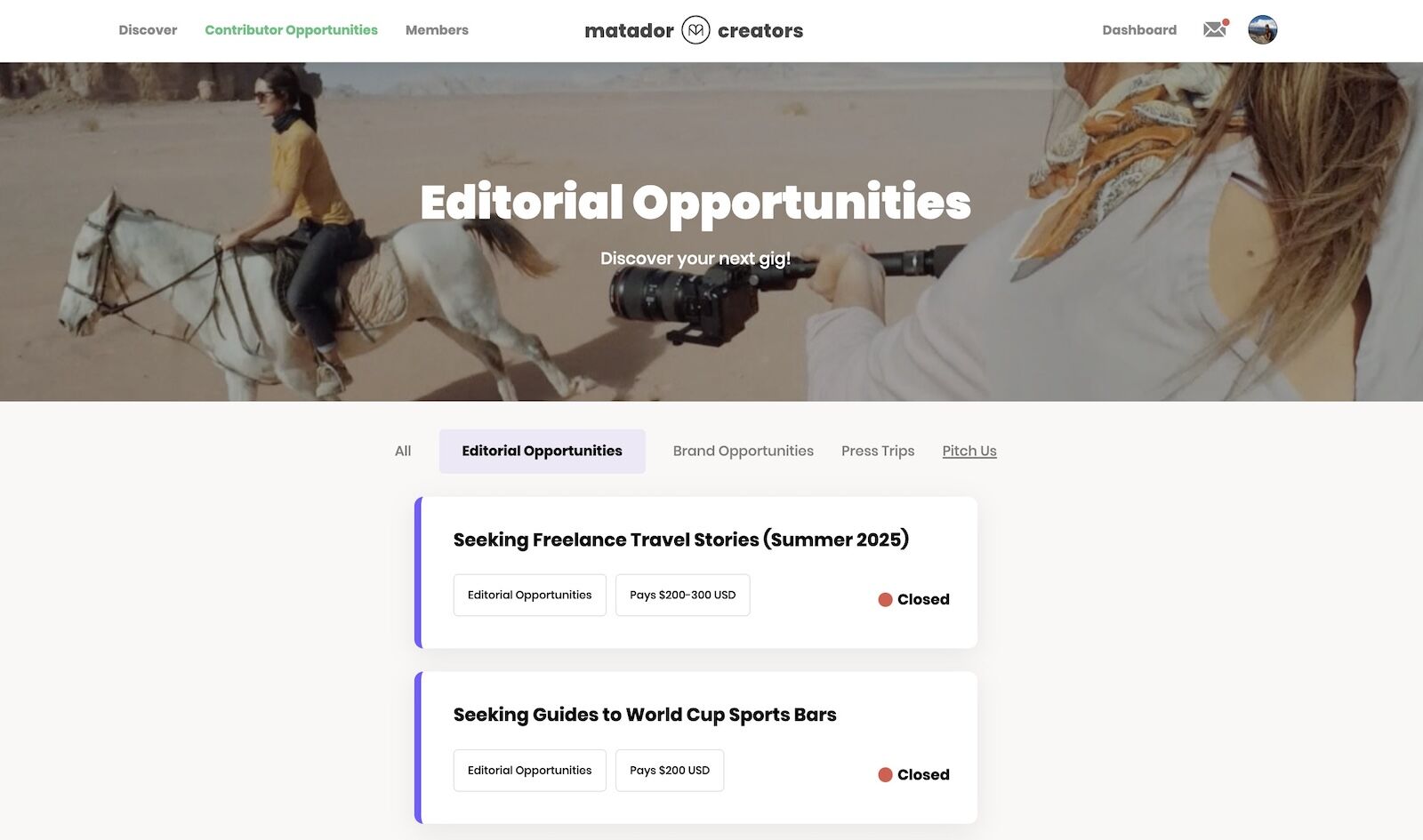
pitch Matador Network - editorial ops

Photo: Matador Creators


Our commissioned freelance stories are almost always pitched to us. When we occasionally have specific stories we need to assign out, we’ll post those on the Matador Creators site. They’re listed under “Contributor Opportunities” and will have a purple sidebar (above).

How long should a pitch be?

Usually two paragraphs for the story pitch is sufficient. Don’t send us completed stories. Your pitch should not just be the first two paragraphs of a story. It should be a succinct roundup of the who, what, where, when, and why of your story, along with any relevant details about how you’re going to report it out (including whether you have photos or plan to interview sources). A proposed headline is also very helpful.

What’s a common misconception freelancers have about working with editors?

We would love to provide feedback and work with each writer to help craft their broader ideas into a story, but we don’t have time. With 100 or more pitches a week, there’s just not time to respond to every writer. Our editorial team has first-hand experience with the frustration of not hearing back from an editor after working hard on a pitch, but we also have a job to do and only so many hours in the day to do it. Please don’t take it personally.

How is AI impacting what you assign or expect from writers?

AI has been a seismic shift for the journalism industry, with changes both good and bad. AI can speed up some processes for writers, but it’s no secret that it’s also killing website traffic and putting writers (along with many other professionals) out of work. In regard to writing, we don’t accept AI-written stories (and use AI checkers when necessary). Of course, we recognize the reality of AI in 2025, and allow AI to be used as a writing and research tool. AI-generated content and research should never be the final product, however.

In the interests of full transparency, we’ve probably accepted some AI-written stories without knowing it. But we actively work to tell the novel stories that only a person’s experience and reporting can do, and ask that writers let their skills and talents form their stories — not a bot.

In short: we want writers to create content AI can’t.

Are there any topics or destinations you’re actively looking for right now?

We make our specific calls for topics and destinations public in our calls for pitches on Matador Creators. That said, we are open to any travel-related stories that would be relevant to a mostly US-based audience of well-traveled readers and followers.

Do you accept stories that come from press trips?

Yes. But please (a) wait until you’re back from the trip to pitch, and (b) tell us it was a press trip. We don’t assign hotel reviews or stories focused on a single hotel to freelancers.

Do freelancers need to provide photos?

how to pitch matador network - person taking pics

Photo: Olga Gavrilova/Shutterstock


That depends. If your story is on a major destination (like a popular city or national park), we can find photos from our stock library. But if you’re pitching a story about a very obscure place, specific restaurant, scuba diving site, or niche community group in Nepal, we need photos to assign the story. Just let us know in your pitch if this is the case. Even better, include a link to your photos via Google docs (not WeTransfer or something else that expires).

If your story is photo-dependent, we’ll ask to see your photos in advance so we can make sure there are enough usable ones. They don’t need to be professional-quality photos, but they need to be good enough: not blurry, no intense shadows, not overly edited, etc. Our minimum photo size is 1600 x 1066 pixels. We usually will ask for at least double the number of photos we need to give us multiple options to choose from. In most cases, for most stories, smartphone photos are fine.

Can someone pitch Matador Network if they have no writing experience?

Yes! If you don’t have any published bylines, it may be a good idea to do a Matador Creators trip first, or publish a few stories on travel blogs or your personal blog so we can get a better sense of your writing style. When you’re ready to pitch Matador Network, send us links to anything you’ve written, even if it’s unrelated to travel. If you have a blog, send a link to that. And make sure your pitch is well written, as it’s your primary writing sample for us.

If we like your pitch but we don’t have a good sense of your voice and style based on published bylines, we may ask you to write it “on spec.” That means you’ll write the entire article and send it to us, at which point we’ll accept it (and pay you), or we’ll decide it’s not a good fit for us. We totally understand if writers don’t want to write on spec, and won’t hold it against anyone who chooses not to go in that direction. If we don’t accept it, you can of course pitch it to any other outlets you’d like.

How can freelancers follow up on their pitches?

This is the answer that will probably pain long-time writers the most, but please don’t follow up. If you pitched via one of our two forms below, we’ll definitely see it. Sometimes it takes us a few weeks to review pitches. If you don’t hear from us in two weeks, consider it a pass. If we try to assign the story and it’s been more than two weeks, we’ll totally understand if you already sent it elsewhere.

Come on, already! How do I pitch Matador Network?

Writers have one of two options: use our Google Pitch form, or pitch us on Matador Creators. Both forms go to the exact same place, and there’s no need to pitch us twice. You can only submit the Matador Creators form one time, but you can submit the Google form as many times as you’d like.

Discover Matador

Save Bookmark

We use cookies for analytics tracking and advertising from our partners.

For more information read our privacy policy.