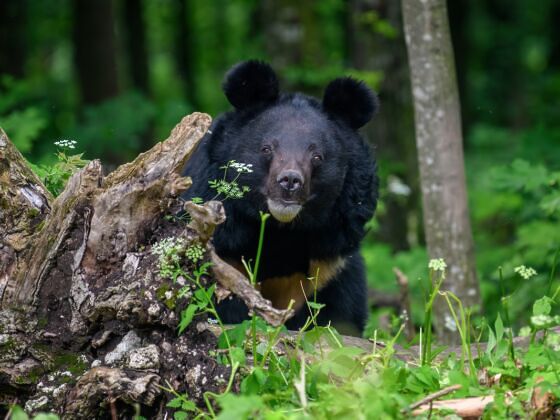
Photo: Volodymyr Burdiak/Shutterstock

US Embassy Issues Unique Warning for Travelers to Japan: Beware of Bears

Japan Wildlife Travel Safety News
by Suzie Dundas Nov 17, 2025

Traveling internationally always comes with some risks, even in the safest of countries. You could lose your passport, you might get overcharged for a taxi ride, or you could accidentally eat something that hasn’t been properly washed and find yourself knocked out of commission with food poisoning for a few days.

But there’s one risk most people don’t think about, especially when they’re traveling to Japan, of all places. However, it’s one the US State Department wants American visitors to take very seriously: an increase in wild bear attacks.
According to a November 12 wildlife alert from the US Embassy and Consulates in Japan, American travelers should watch out for the ursine menaces in “Sapporo City, Hokkaido Prefecture, Akita Prefecture, other parts of Northern Japan.” Of those, Akita Prefecture is the furthest south, near the northern tip of Japan’s largest island of Honshu. The advisory recommends insider, expert tips for travelers, such as being “aware of your surroundings” and not walking alone at night in areas where bears have recently been sighted.

As unexpected as an official bear attack warning might be — especially in Sapporo City, with nearly two million residents — it’s true that bear encounters have increased in the last year. In Sapporo City, officials maintain a public “bear log” in which they record every report of a brown bear sighting, print, or other proof that a bear was in the area. So far, there have been hundreds of entries for 2025; the Central Ward alone has more than 40 records to date.

In October 2025, local TV station HTB reported that Sapporo had already logged more than 120 bear reports for October alone — about five times more than usual and the highest number of bear sightings in the last decade. Experts think the influx in bear activity is due to a lack of food in the surrounding mountains where the bears normally live, as well as a decrease in the number of hunters.

japan bear attacks - edo brown bear in japan

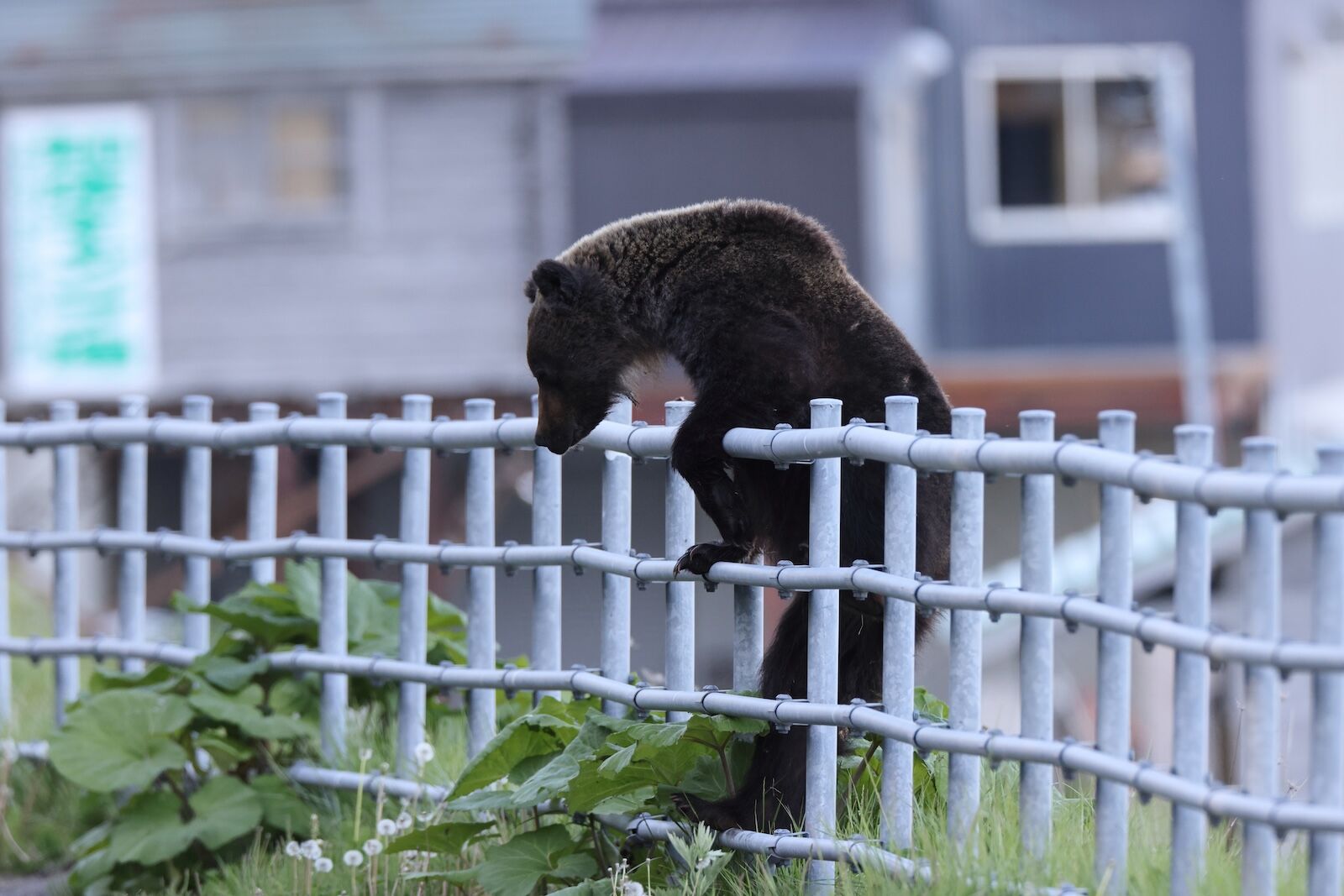
An Ussuri brown bear climbing a fence in northern Japan. Photo: Frank Fichtmueller/Shutterstock

During autumn, bears usually enter a period called hyperphagia, during which they eat extreme amounts of food to prepare for winter hibernation. That can make them more likely to expand to new areas, especially when their numbers are higher than usual. Hokkaido’s brown bear population is estimated at around 12,000 animals, roughly double what it was a few decades ago. For comparison, Montana has about 800 grizzly bears and roughly 13,000-17,000 black bears.

Experts also think humans are partially to blame for the increase. The same HTB station report blamed the city’s poor garbage stations, which emit odors that attract bears and have no bear-deterrent devices, as you might see on outdoor dumpsters and trash cans in places like Yosemite National Park. The city is also thinking about installing electric fences to keep bears away from urban cores, as used in cities like Pemberton, BC, and throughout Alaska and Montana.

Reports and encounters are also on the rise in other parts of Japan, though they tend to be in areas where bears are more likely, such as around ranches, wilderness areas, and backcountry trails. A fatal incident occurred on Mount Rausu (Hokkaido Prefecture) on August 14, 2025, when a 26-year-old hiker was killed by a well-known female bear nicknamed the “Mother of Iwaobetsu.” Local authorities later found and killed the bear, but said it was human activity that led the bear to associate humans with food. In early November, also in Hokkaido, a bear made headlines when it repeatedly charged at a car, leaving claw marks on the hood.

In response to the increase, Hokkaido authorities have redeployed police counterterrorism units to deal with the “bear issue,” and the central government recently announced an “emergency bear attack prevention plan.”  So far, there’s been only one reported attack in Sapporo City’s Heiwa Kyuryō Park, when a man was bitten by a bear on his right arm.

However, the most significant area of concern is in Akita Prefecture, which has seen the most dramatic rise in human-bear encounters. According to the country’s Environment Ministry, 196 people were killed or attacked by bears in Japan between April and October 2025, with 56 of those attacks and three deaths in Akita Prefecture. On November 16, a woman was found dead of supposed bear injuries, and in the nearby town of Noshiro, a bear walked into the furniture section of a department store and stayed there for more than two hours. Prefectural officials have stated that reported bear sightings in Akita have increased six-fold in 2025 to more than 8,000.

Should visitors be worried?


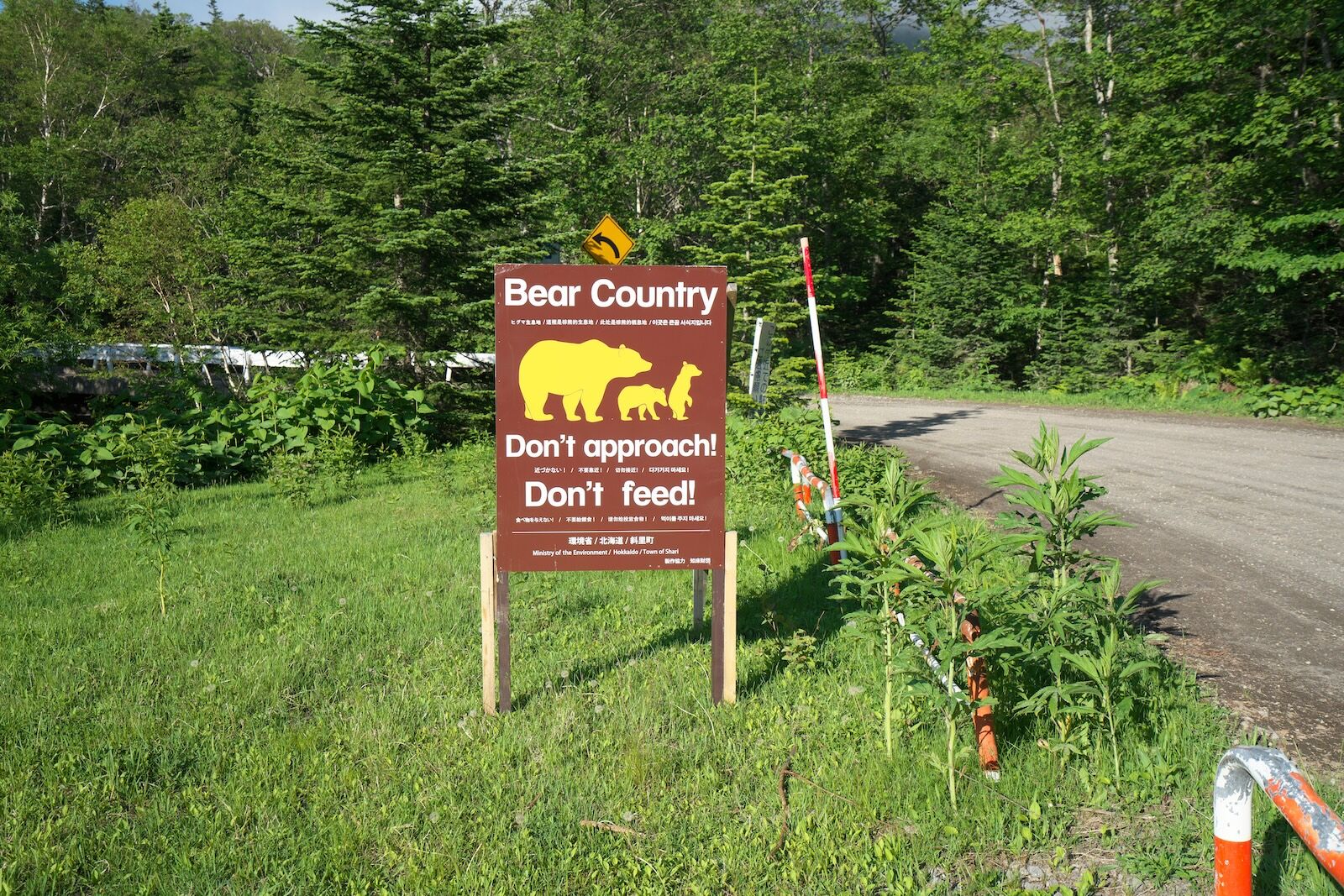
japan bear attacks - warning sign in hokkaido

Photo: Khun Ta/Shutterstock

Rising bear numbers in northern Japan shouldn’t be something to keep you away from Japan as a destination. In some ways, it speaks to the success of conservation programs, as the recovery of Ussuri brown bears in Hokkaido and Asiatic black bears (on Honshu) mean ecosystems have been healthier long term, and hunting pressure is going down — both positive, from a wildlife standpoint.

Much of what’s driving bears into more populated areas is caused by human activity, such as the expansion of cities into normally rural areas that would act as bear migration buffers, along with poor management of garbage and other bear attractants. In some ways, it’s comparable to the Sierra Nevada mountains in the US, where bear-safe trash cans are required, and fines are issued for improper food storage.

However, Japan’s brown bears behave more like grizzlies, and many rural areas in Japan don’t have the extensive wildlife management teams of a place like California or Montana. So it’s fair to say the country is still in the learning stages of bear-human coexistence. It certainly doesn’t mean Japan is unsafe, and bear attacks are still rare (and almost always non-fatal). But it does mean visitors to these parts of Japan should be bear aware: follow posted warnings and closures, stay alert on wooded trails, and avoid hiking alone at dawn or dusk — just as you would in a US national park with healthy bear populations.

What kind of bears are in Japan?


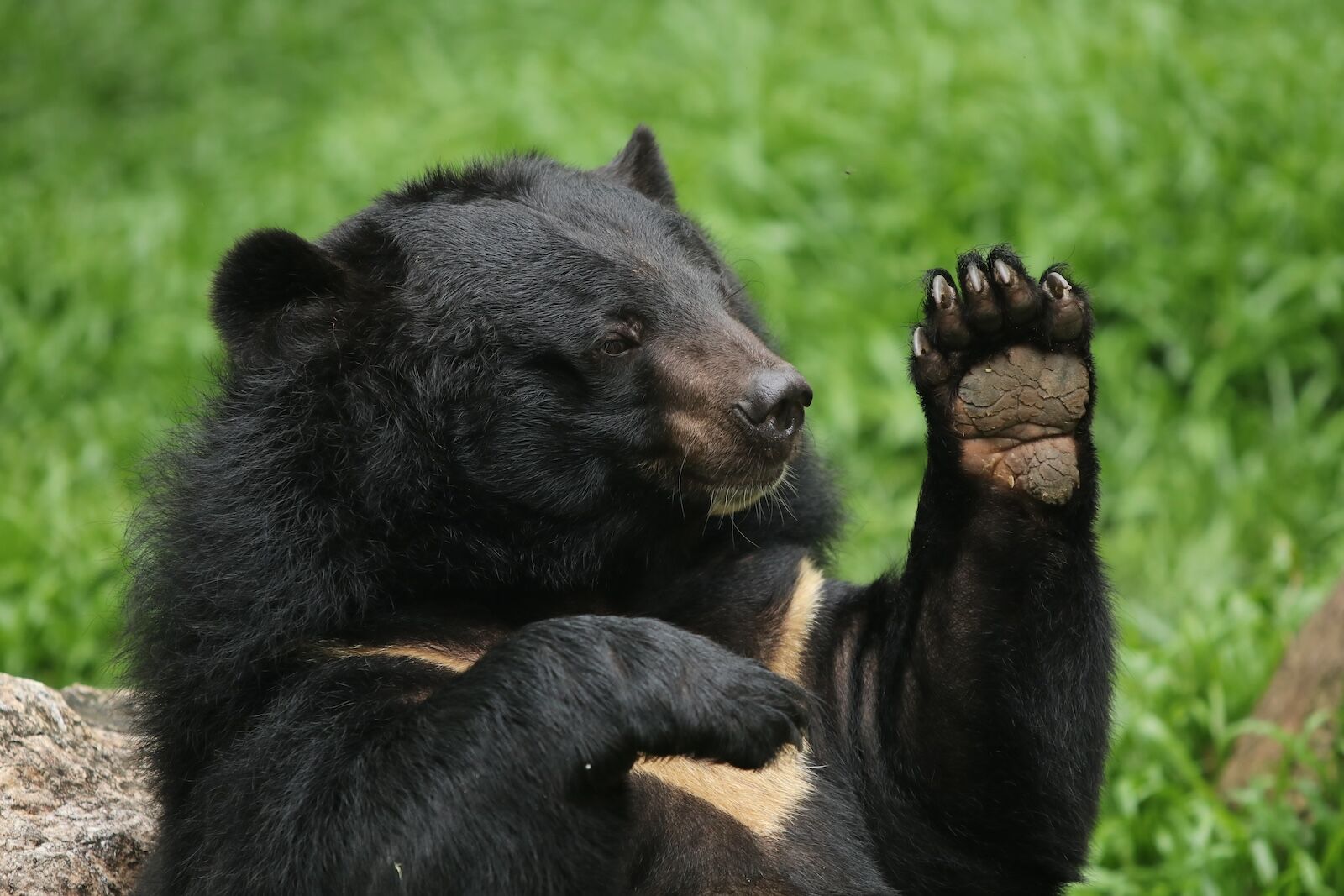
japan bear attacks  - asiatic black bear

Asiatic black bears are distinctive for their light brown chest markings and large, rounded ears. They’re currently listed as “vulnerable” by the IUCN Red List. Photo: Various images/Shutterstock

Japan has two native bear species, and both belong to the broader Ursus genus.

The Ussuri brown bear, also called Ezo brown bear, is a subspecies of the brown bear, the same species as the North American grizzly. They’re biologically close, though not the same. They’re found mostly on Hokkaido and can be quite large, with males commonly exceeding 400 pounds. This makes them larger than black bears, but still about half the size of the larger brown bears found in places like Alaska and northern British Columbia. Like grizzlies, they can be defensive, especially around cubs and carcasses or in poor food years.

The other type of bear found in Japan is the Asiatic black bear, which is related but distinct from the black bear populations found in the US. They live on the islands of Honshu and Shikoku and are smaller than their North American counterparts, usually around 200 pounds or less.

Discover Matador

Save Bookmark

We use cookies for analytics tracking and advertising from our partners.

For more information read our privacy policy.