Photo: clicksdemexico /Shutterstock

Who Is La Catrina? Meet the Iconic Skeleton of Mexico’s Day of the Dead

Mexico Holidays Cultural Traditions
by Hannah D. Cooper Oct 9, 2026

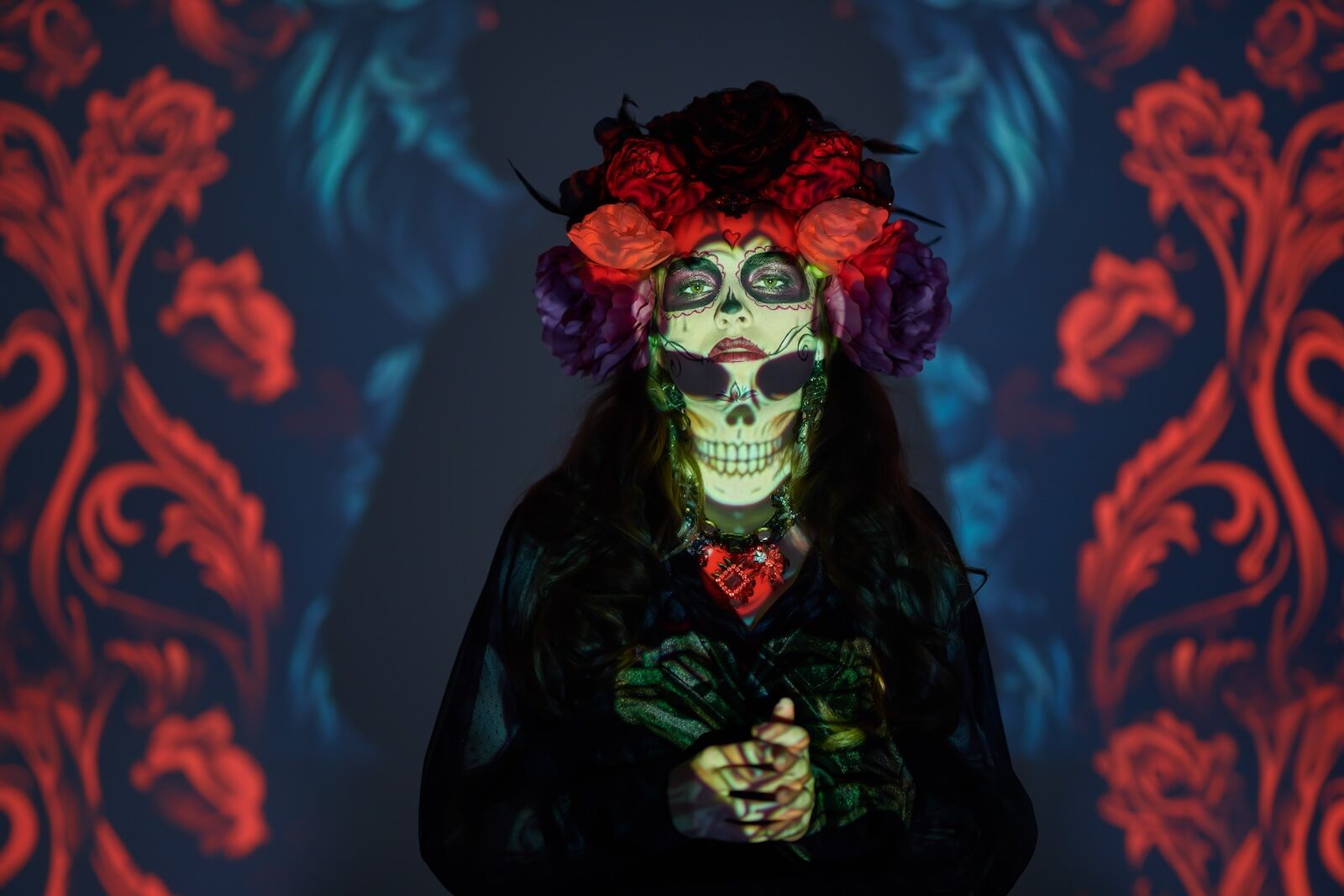
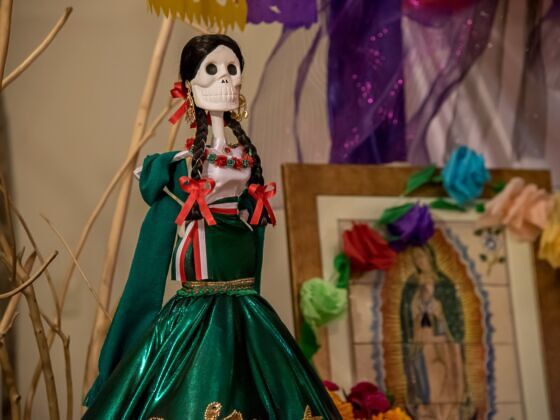
As skeletons dance through streets festooned with cempasúchil (marigolds), one figure always stands out among them: La Catrina, the elaborately dressed skeleton who has become emblematic of Mexico’s Día de los Muertos.

Despite comparisons to Mictēcacihuātl, the Aztec Lady of the Dead, La Catrina isn’t an ancient goddess. And, although Mexica and other Mesoamerican people had their own traditions for honoring their dead, La Catrina’s story begins with a satirical printmaker and is continued through contemporary art and culture.
La Calavera Catrina, La Calavera Garbancera

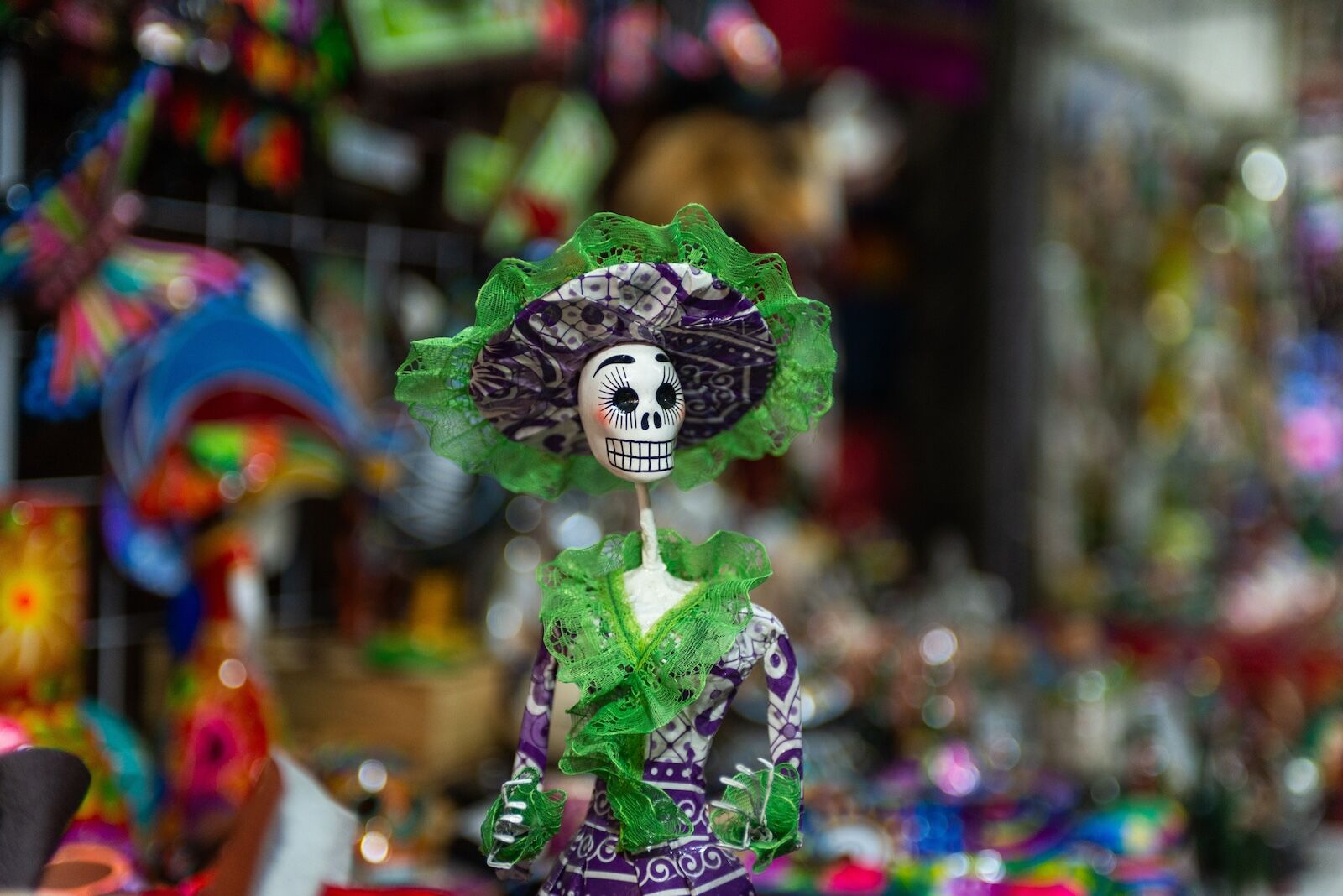
la catrina doll

Photo: Sandor Mejias B /Shutterstock

In the early 1900s, the lithographer José Guadalupe Posada depicted an elegant female skeleton wearing a feathered hat. As political satire, La Calavera Garbancera poked fun at those who shunned their Indigenous identity. Her skeletal form also carried a message about the universality of death.

“La Calavera Catrina is a modern satirical image and symbol reminding us that no matter how much money we might have or our station in life, it is vanity to believe that we are somehow immune to death,” explains Dr. Helia Bonilla, founder of the Posada Art Foundation, which preserves the printmaker’s legacy.

“The phrase memento mori comes to mind, reminding us to live fully and perhaps that we should live with respect and kindness for each other; after all, we all die.”

The roots of Day of the Dead

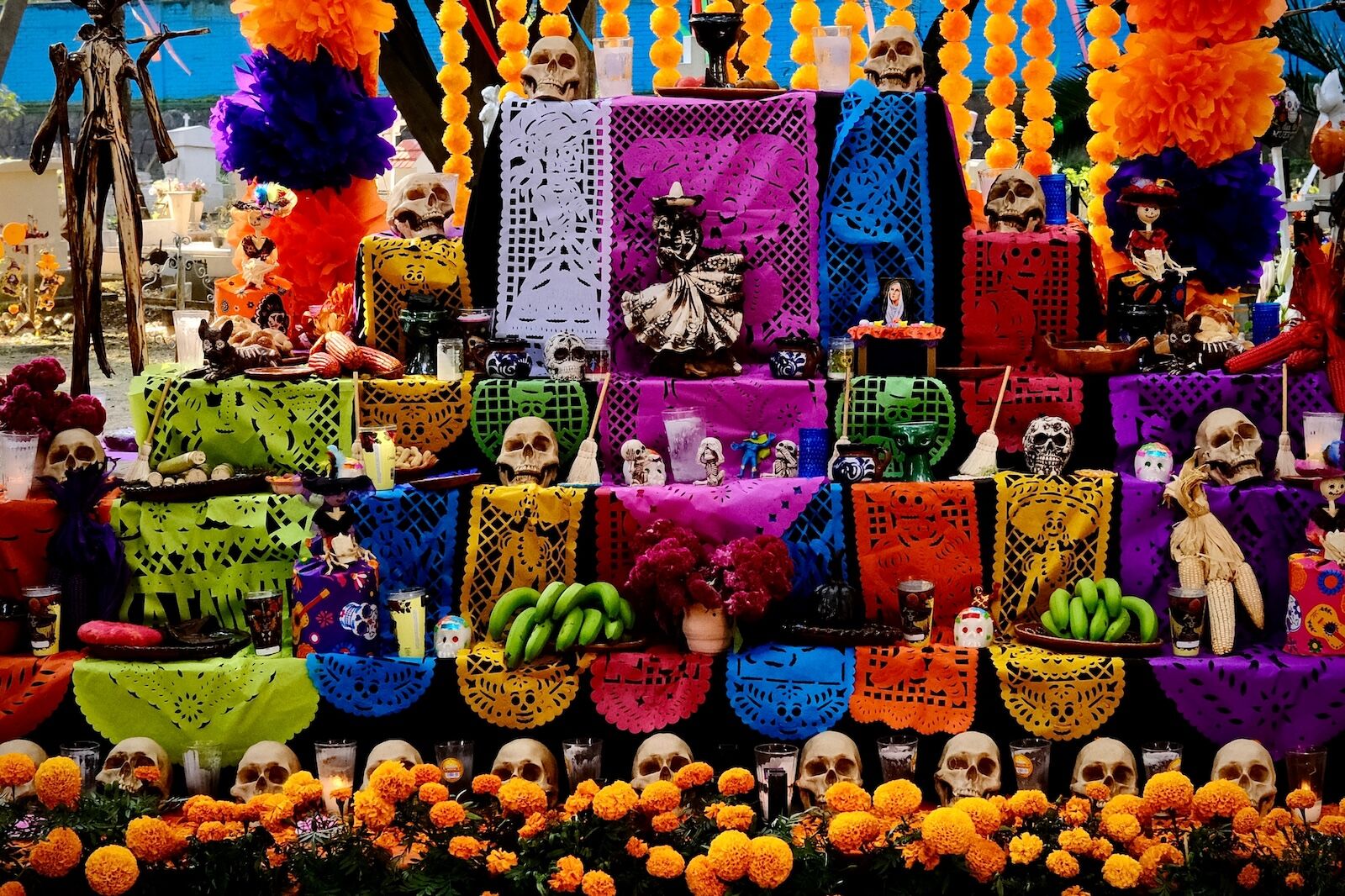
dia de los muertos display

Photo: HerArt Irene /Shutterstock

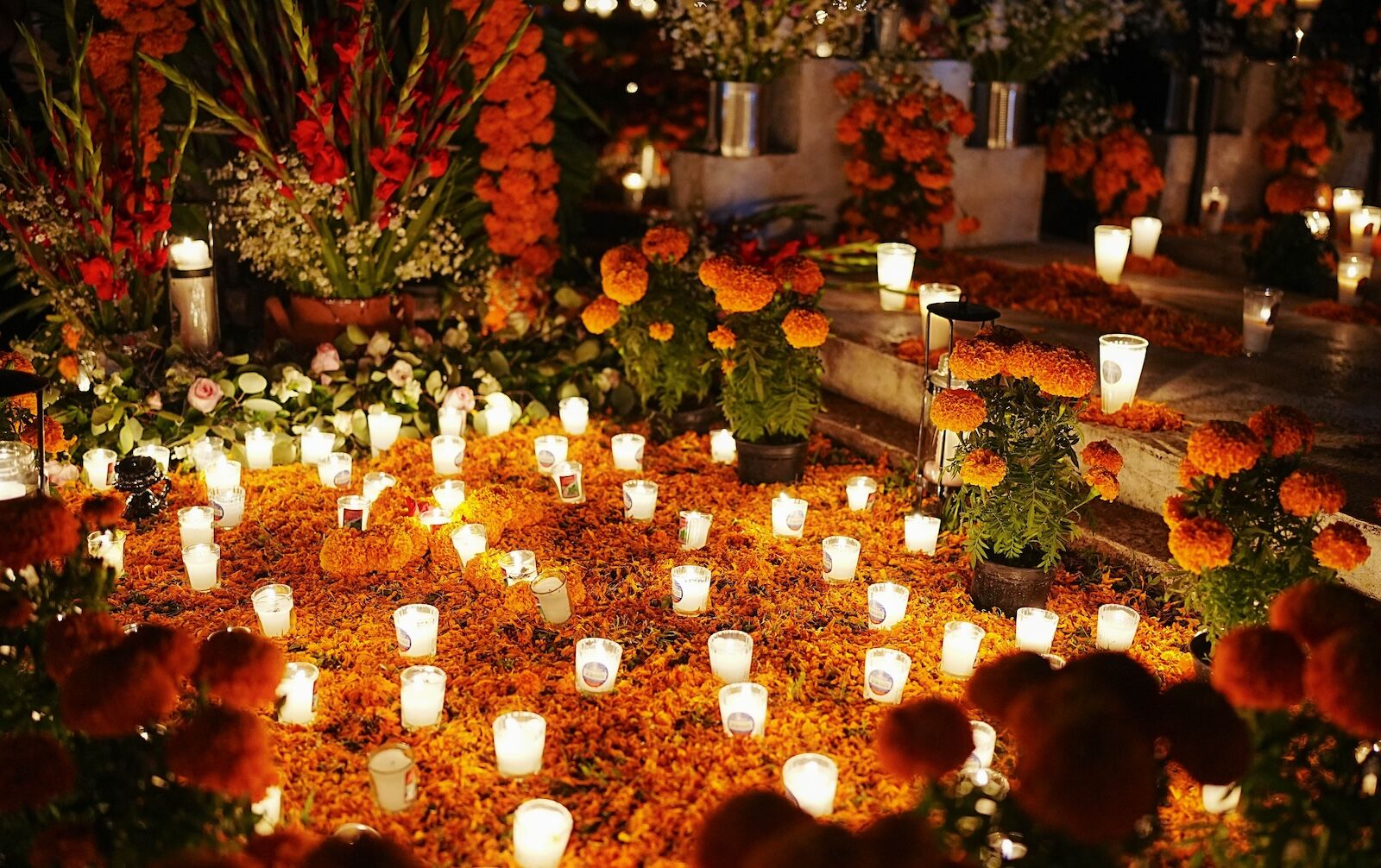
During the Day of the Dead, deceased loved ones are welcomed back into the world of the living, with marigolds, candles, and food marking the path home. Dr. Andrés Medina Hernández, an anthropologist at the National Autonomous University of Mexico, contextualizes Día de Muertos within older Mesoamerican traditions. Two festivals, Miccailhuitontli and Huey Miccailhuitl, were held to honor the dead, with rituals following the agricultural cycle.

“Indeed, the Festival of the Dead is a celebration of the harvest, but it is also an occasion for bringing the family together, both through the ritual of welcoming the deceased and through the sharing and eating of the offering prepared,” says Medina Hernández.

Offerings nourish returning relatives and symbolically reunite the living and dead around the altar, while the milpa (a traditional Mesoamerican farming system) represents the regeneration of life from death.

“The fundamental reference point is the bones, which are considered the seed from which life emerges, exactly like maize itself. This is why sugar skulls and breads shaped like bones are so ubiquitous,” interprets Medina Hernández, adding a further layer to the skeleton imagery associated with the modern Día de Muertos.

How La Catrina became the face of Día de los Muertos

dia de los muertos ofrenda

Photo: roamer.rat /Shutterstock

In 1947, Diego Rivera painted himself as a child standing alongside “La Catrina” and Posada in his mural Sueño de una Tarde Dominical en la Alameda Central (Dream of a Sunday Afternoon in Alameda Central Park). Frida Kahlo appears beside them, placing the group at the heart of Rivera’s vision of Mexican history.

“It wasn’t until Diego Rivera added a full body to La Calavera Catrina and put her next to Posada in his mural that things began to change,” says Bonilla, explaining how Rivera appears to have incorporated Aztec elements into his version.

“Around her shoulders is a feather boa, but it has a rattle on one end and the head of a snake on the other,” says Bonilla, interpreting the imagery as a reference to the Mesoamerican deity Quetzalcóatl, the Feathered Serpent. “It’s a rattlesnake, which is known to cause death from its bite. Next, look at the fangs and blood in the mouth of La Calavera Catrina. This depiction, more than anything, connected her to the realm of the dead.”

It appears La Catrina evolved from Posada’s satirical skeleton into a symbol of Mexico’s layered cultural identity and, later, a vehicle for artistic expression due to her association with Día de los Muertos.

“La Catrina expresses the vitality and continuity of people, as well as the central role that the milpa occupies in the lives of Mesoamerican communities,” says Medina Hernández about what her cultural significance could mean beyond her visual representation. “The elements that accompany La Catrina refer to a thousand-year-old history that is reactivated and enriched every time the Festival of the Dead is celebrated.”

Today, La Catrina fits somewhere between history, art, and reinterpreting tradition. Each generation has added something to her, contemporary artists continue to reinvent her, and visitors feel compelled to understand her symbolism in Mexican culture.

Mexico City — La Catrina’s artistic transformation

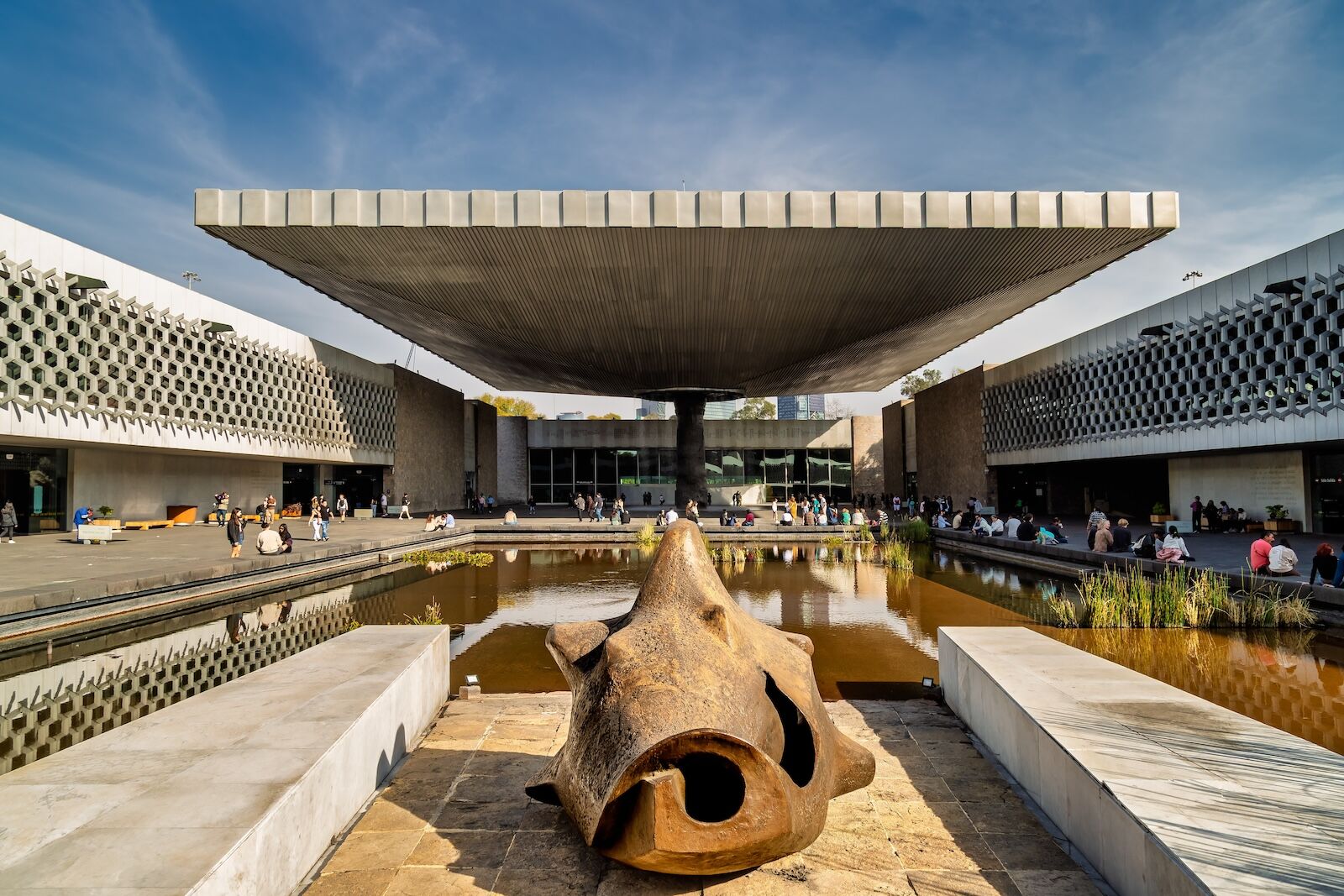
anthropology museum in mexico city

Photo: Simon Mayer /Shutterstock

Rivera’s mural is on exhibit year-round in the Museo Mural Diego Rivera, steps from Alameda Central Park. Guided tours are not necessary, although visiting with an art specialist adds context about La Catrina’s artistic transformation.

Around the corner, the Museo de Arte Popular explores Mexican representations of death in its Sala de la Muerte, where Catrina figures sit alongside other forms of folk art.

In contrast, the Museo Nacional de Antropología offers another way to explore the Mesoamerican imagery that has influenced Mexico’s artistic and cultural identity.

San Miguel de Allende – La Catrina at Día de Muertos

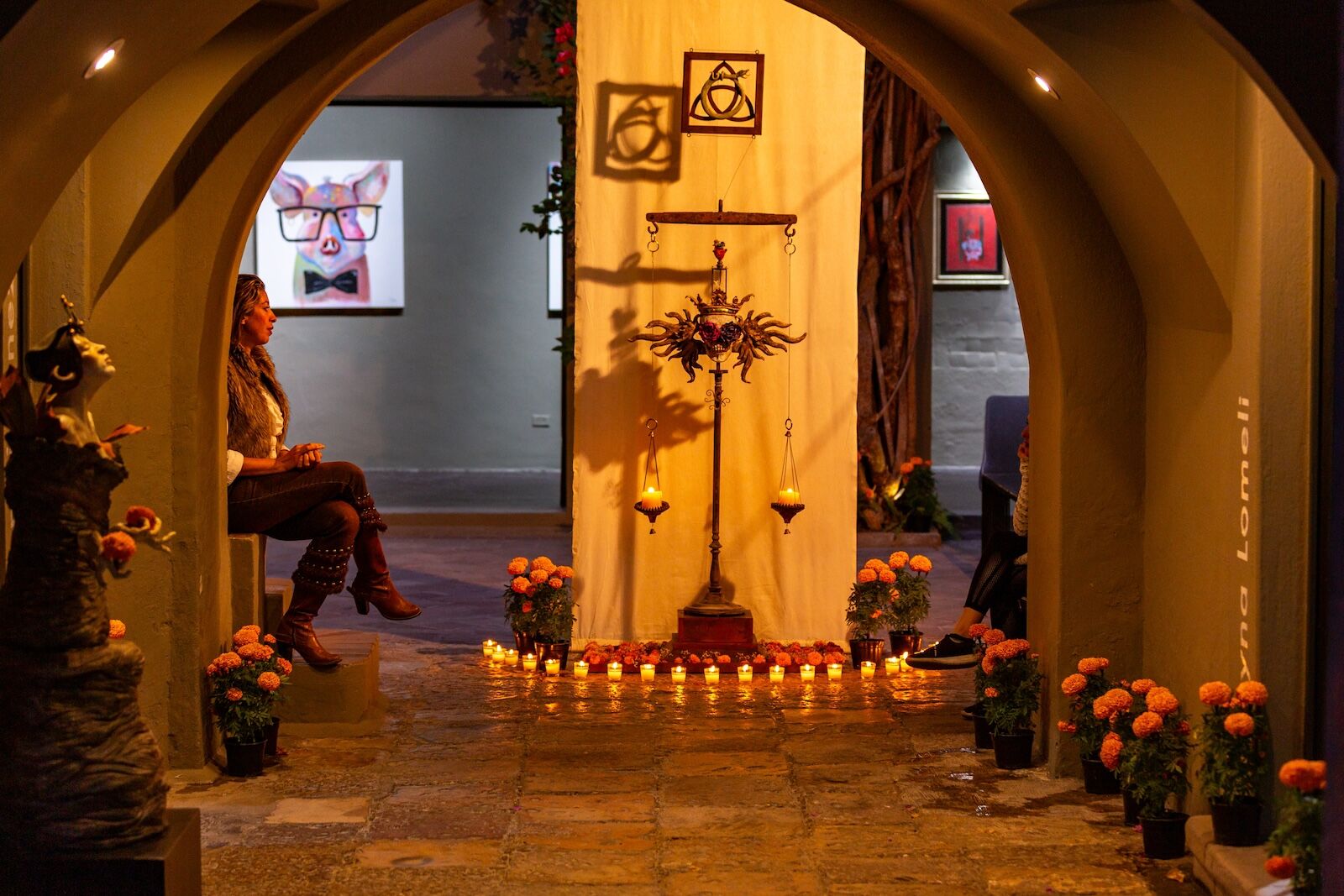
dia de los muertos in san miguel de allende

Photo: Pete Niesen /Shutterstock

Decked out in marigolds and papel picado, the UNESCO World Heritage-listed city and cultural hub in Guanajuato state puts a contemporary spin on Día de los Muertos. Held on November 2, the Desfile de Muertos y Catrinas is the culmination of the annual La Calaca Festival, which celebrates the Day of the Dead through music, food, and the arts.

Rosewood San Miguel de Allende offers culturally appropriate Catrina makeup sessions from local cosmetic artists alongside workshops exploring the symbolism of pan de muerto and calaveras de azúcar.

Aguascalientes — La Catrina’s satirical origins

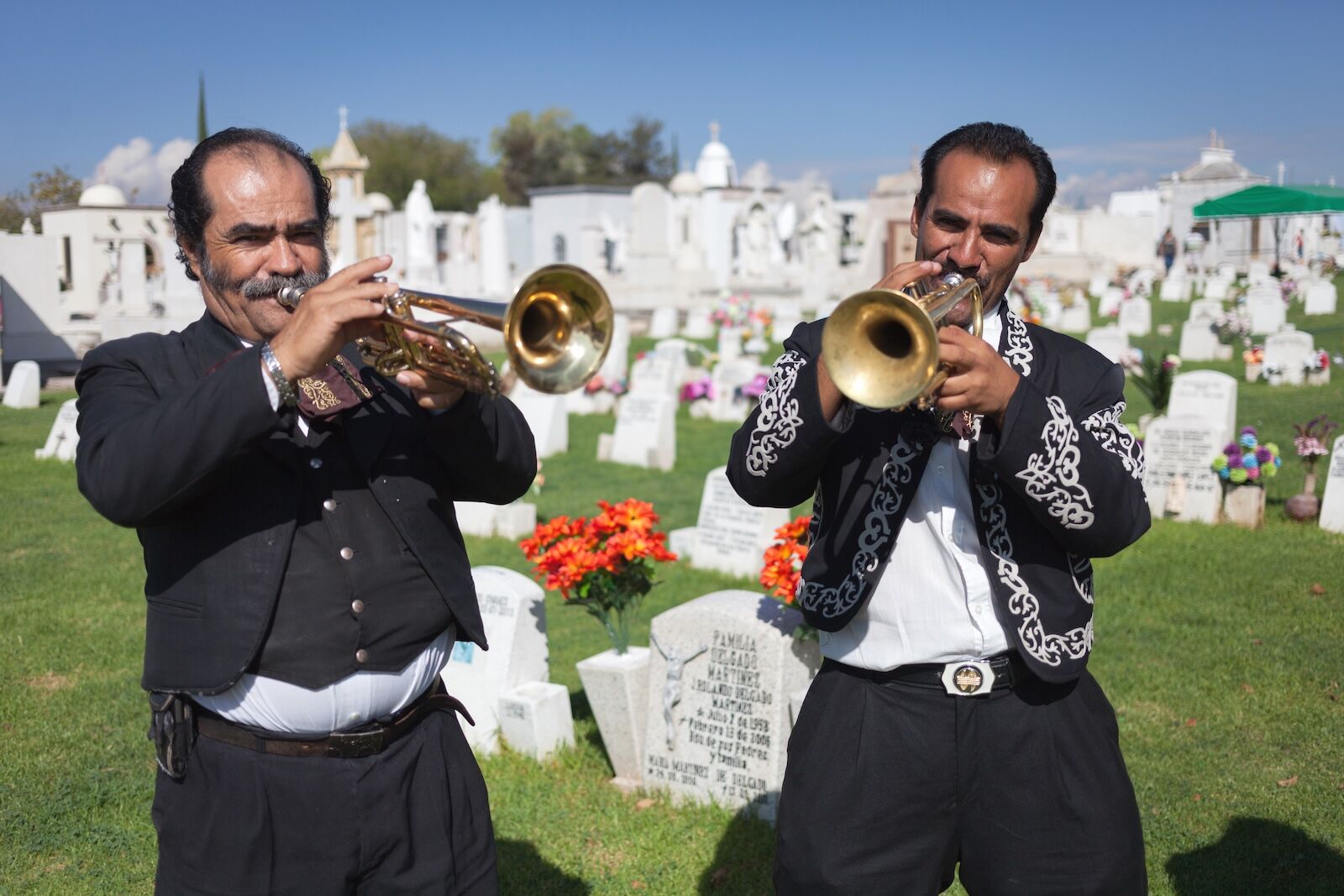
trumpet players in cematery

Photo: sunsinger /Shutterstock

Located 150 miles northwest of San Miguel de Allende, the city of Aguascalientes is home to the Museo José Guadalupe Posada. Exhibiting original printing plates, engravings, and broadsheets, the museum explores how Posada and his contemporaries used calavera art to comment on society and politics.

The José Guadalupe Posada Museum can be visited in tandem with the nearby Museo Nacional de la Muerte, which goes deeper into the cultural context of death in Mexico.

Capula — La Catrina in contemporary folk art

dia de los muertos skeleton

Photo: Kiselev Andrey Valerevich /Shutterstock

The Michoacán town of Capula (120 miles southwest of San Miguel de Allende) has developed a ceramic tradition around Catrina figures, pioneered by the artist Juan Torres Calderón and continued by local makers including Miguel Ángel Torres Ayala.

Monumental Catrina sculptures are displayed throughout the village, and the Feria de la Catrina is held in the weeks leading up to Día de los Muertos. In all seasons, Capula is an interesting spot for browsing ceramics and hearing how Posada’s satirical character became a living folk-art tradition.

Discover Matador

Save Bookmark

We use cookies for analytics tracking and advertising from our partners.

For more information read our privacy policy.