When people think of Italian islands, glamorous isles like Capri just off the Amalfi Coast may come to mind. Then there are the sizable Sardinia and Sicily. While all of Italy’s islands are stunning, I’m especially fond of the smaller islands mostly unknown outside of Italy — each offering a glimpse into Italian life away from the spotlight, with facinating traditions, histories, and landscapes worth discovering.
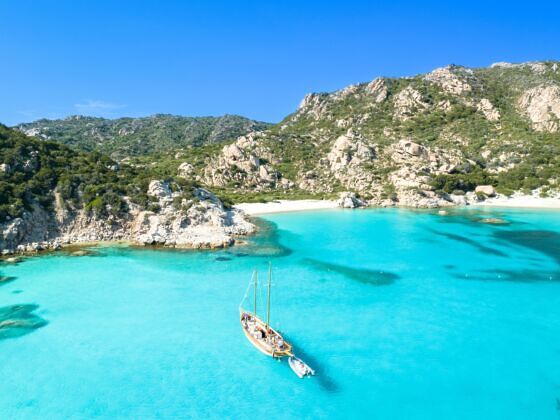
Photo: salva.tours/Shutterstock
The Most Amazing Islands in Italy You've Never Heard Of
Literally dozens of islands dot Italy’s coastlines, each with its own distinct personality. Some offer hiking trails that wind past medieval towers or volcanic craters; others have beaches accessible only by foot and remain largely undeveloped. Here’s my favorite underrated Italian islands, perfect for travelers seeking experiences off the typical tourist trail.
We hope you love the spaces and stays we recommend! Just so you know, Matador may collect a small commission from the links on this page if you decide to book a stay. Listed prices are accurate as of the time of publication.
Ponza
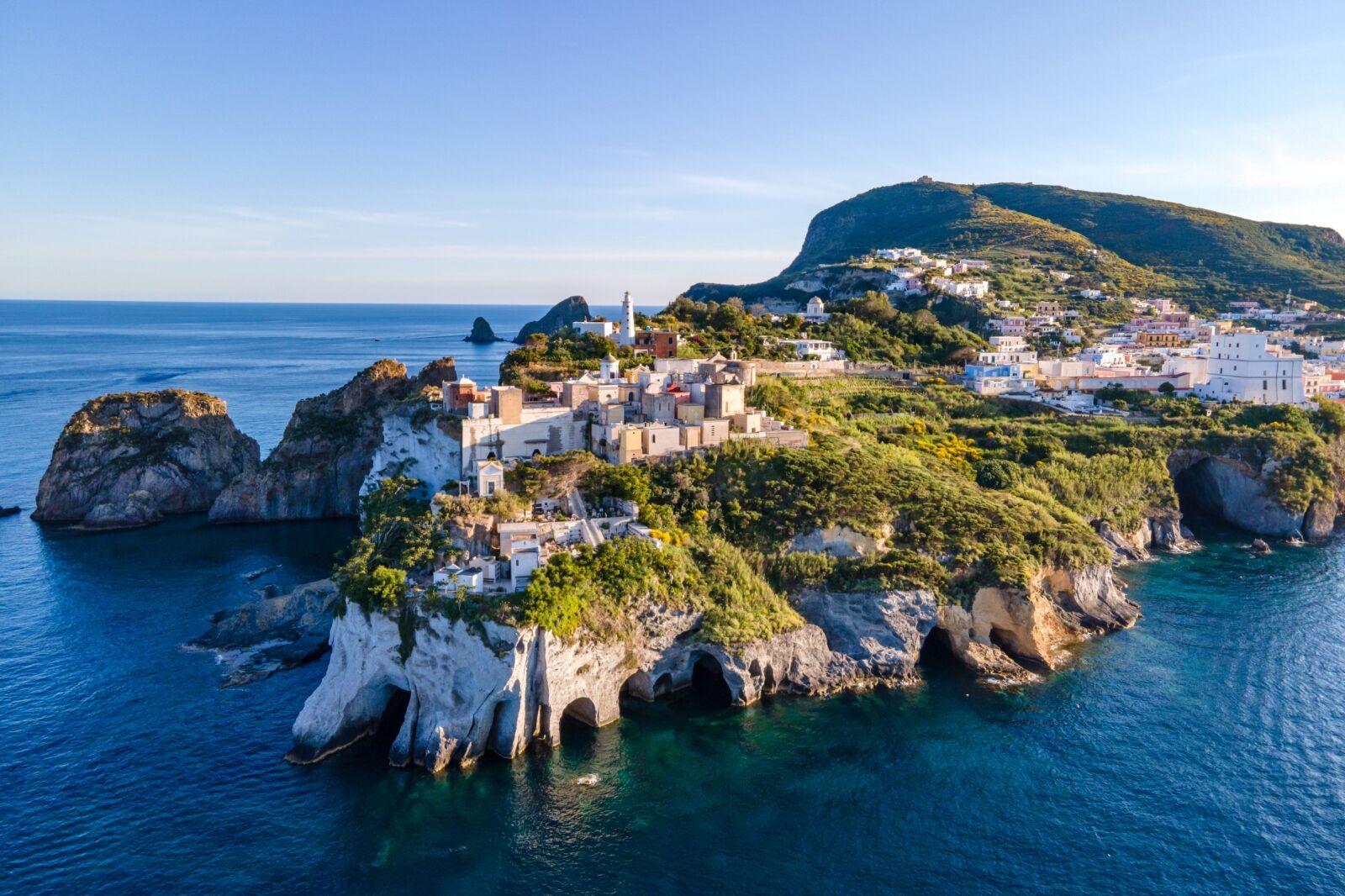
Photo: Matteo_Ciani/Shutterstock
- How to get there: Fly to Rome, then take a train to Formia and a ferry (two hours) to Ponza.
- When to go: May to mid-June and September to early October for great weather and fewer crowds; July to August is peak season with summer festivals, music events, and lively local celebrations.
Ponza, located off the west coast of central Italy, gets plenty of summer vacationers from Rome. Despite filling up with so many Italians in warmer months, Ponza sees few foreigners. Its two main towns are the port of Ponza, with its various pastel-hued buildings, and La Piana, a village on a ridge high above the water.
You can reach beaches near the port on foot, walking under ancient Roman tunnels that are still in use today — but a better option is to take the ferry to such picturesque coves as Spiaggia Di Frontone. The ferry shuttles back and forth from Ponza’s main town all day, but at 6:00 PM, it unloads dozens of teens and twenty-somethings onto the shore just as the sun works its way behind the tall cliffs lining the beach. Families take the cue and board the ferry back to port as a DJ starts spinning ever-louder tunes — turning Frontone Beach into a packed, late-night dance party.
Ruins of ancient Romans’ summer villas exist throughout Ponza, and scholars believe that the island was featured in the Ancient Greek epic The Iliad. Legend has it that the cave where the siren Circe entrapped Odysseus is on the west side of the island, but it’s hard to reach. It might be easier to take a long swim from Frontone to the Grotta degli Smeraldi, another beautiful sea cave.
Where to stay
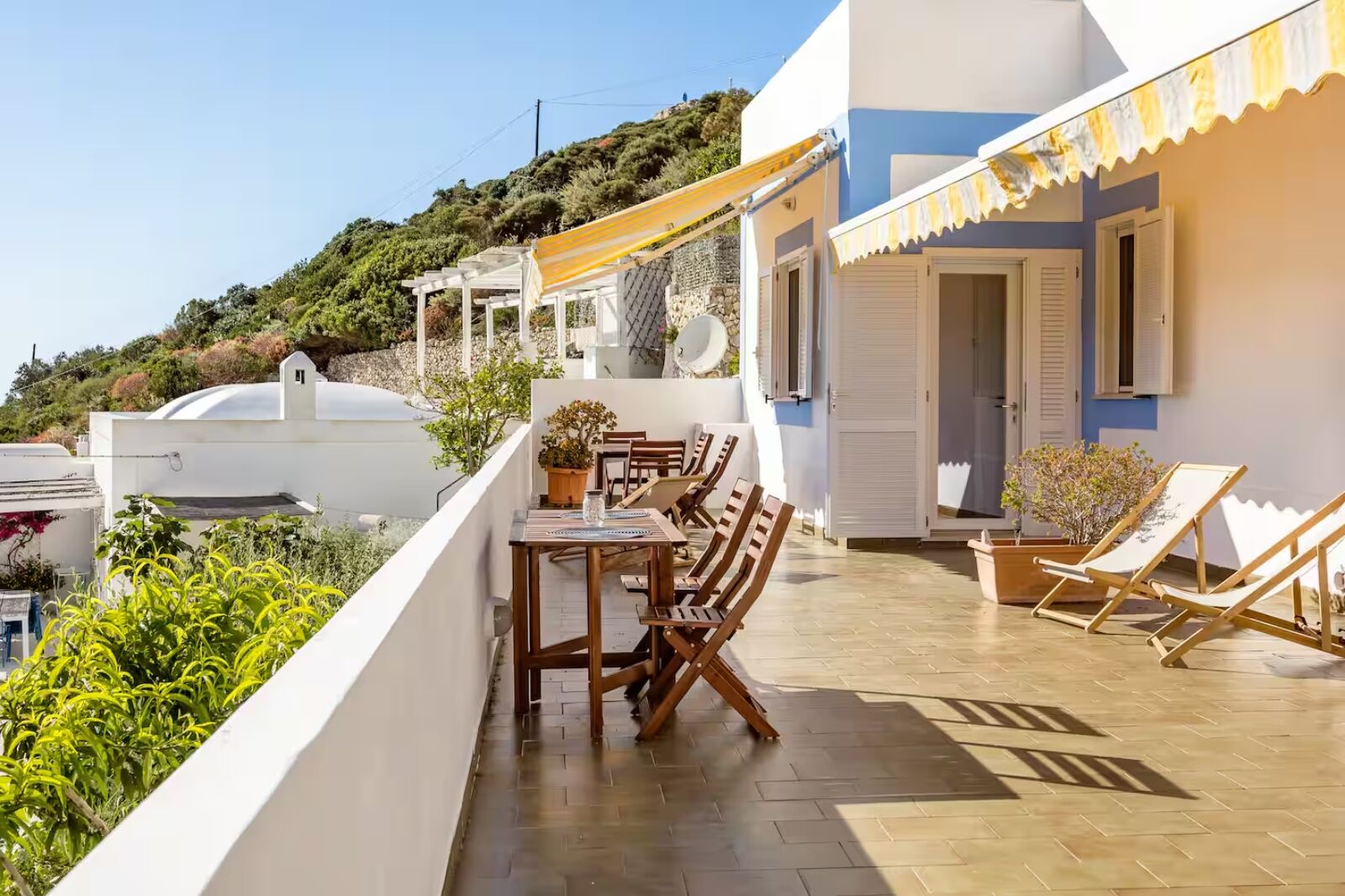
Photo: Airbnb
Ponza has plenty of Airbnbs to choose from, including this cozy suite ($104 per night) in Le Forna, with a queen bed, daily cleaning, and a private terrace overlooking Cala Feola with sunset views toward Palmarola Island. It’s an ideal spot for couples wanting easy access to beaches, rocky coves, and casual seaside dining. Another option nearby is a studio apartment ($106 per night) set just above Ponza’s Natural Pools. It’s got a spacious shared terrace perfect for dinners at dusk, and you’re only a quick walk — 10 minutes down scenic stairs — from swimming spots like La Caletta. Both Airbnbs put you right in the heart of Ponza’s quieter side, exactly where you want to be.
Tavolara
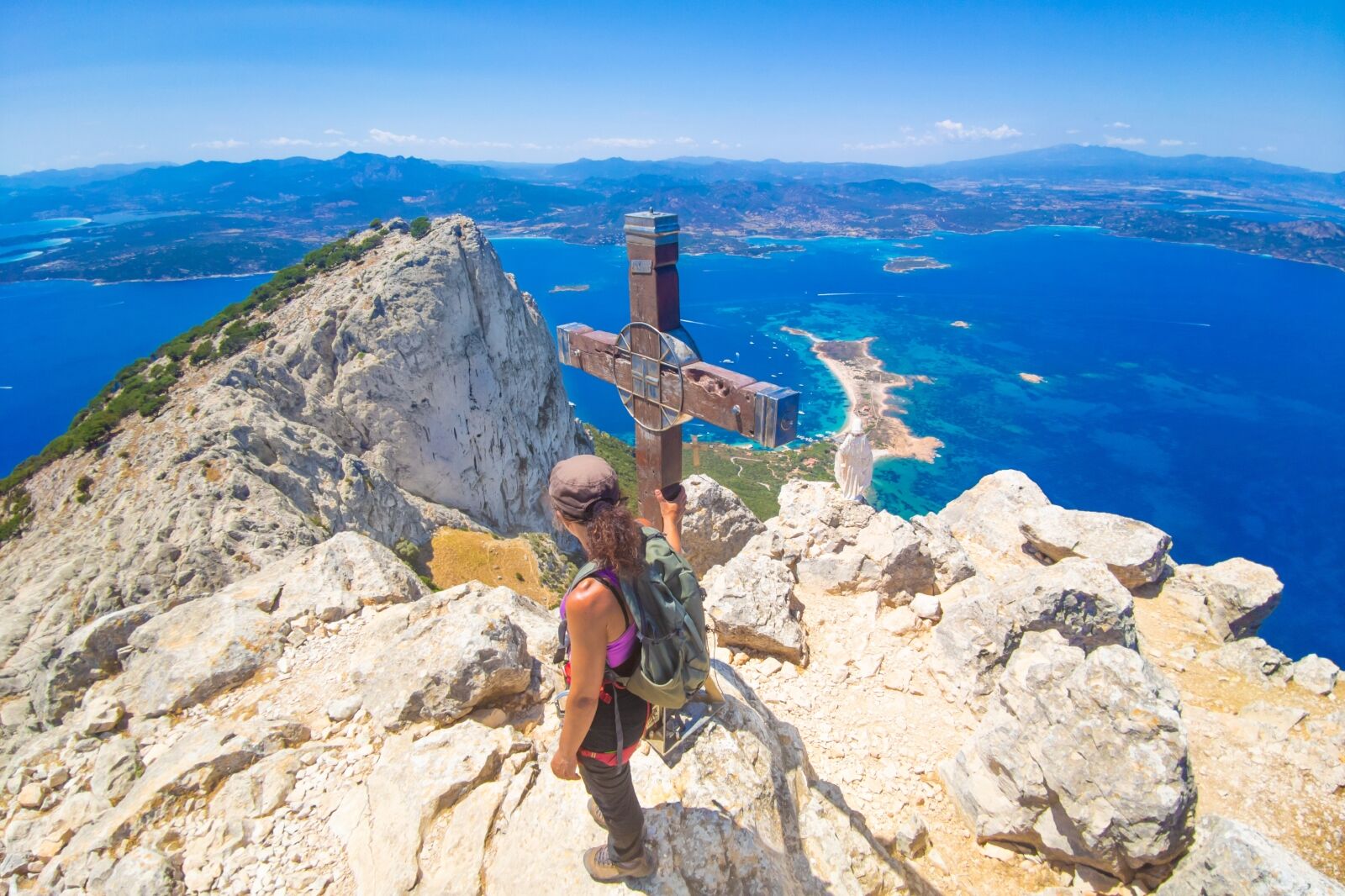
Photo: ValerioMei/Shutterstock
- How to get there: Fly to Olbia Airport (Sardinia), drive about 20 minutes south to Porto San Paolo, then take a quick ferry (25 minutes) to Tavolara.
- When to go: June to September for warm, sunny weather and frequent ferries; July hosts the Tavolara Film Festival and is the busiest month.
This three-mile-long sliver of land, just off the northwest coast of Sardinia and reachable by ferry, is the most unusual island on this list. It proclaimed itself a kingdom in the late 1800s and was recognized as such by the former King of Sardinia. But even members of the same “royal” family couldn’t agree on whether the so-called world’s smallest kingdom should remain one. One of them left Tavolara for Italy upon her death in 1934, though her nephew claimed to still be regent. Today, the owner of the island’s only restaurant still claims the throne. However, none of that really affects your visit — the open-air summer restaurant is a nice spot for a drink, and the beach in front of it is the perfect place for a long swim.
Tavolara, which has just a few full-time residents, is essentially a very tall peak, housing NATO radio equipment, and a flat stretch extending out from it. That stretch has a pleasant walking path through protected dunes leading to snorkeling spots and a petite beach at the end. I recommend sticking to Tavolara’s flat zone. You could try to hike up in the direction of its 1,854-foot peak, as I did, but the mountain eventually gets too steep, and the trail gives way to ropes dangling down sheer limestone walls hundreds of feet above the sea — with none of the safety gear you’d expect in a designated rock-climbing area. You can’t go much further, as that part of the island is off limits to civilians.
Where to stay
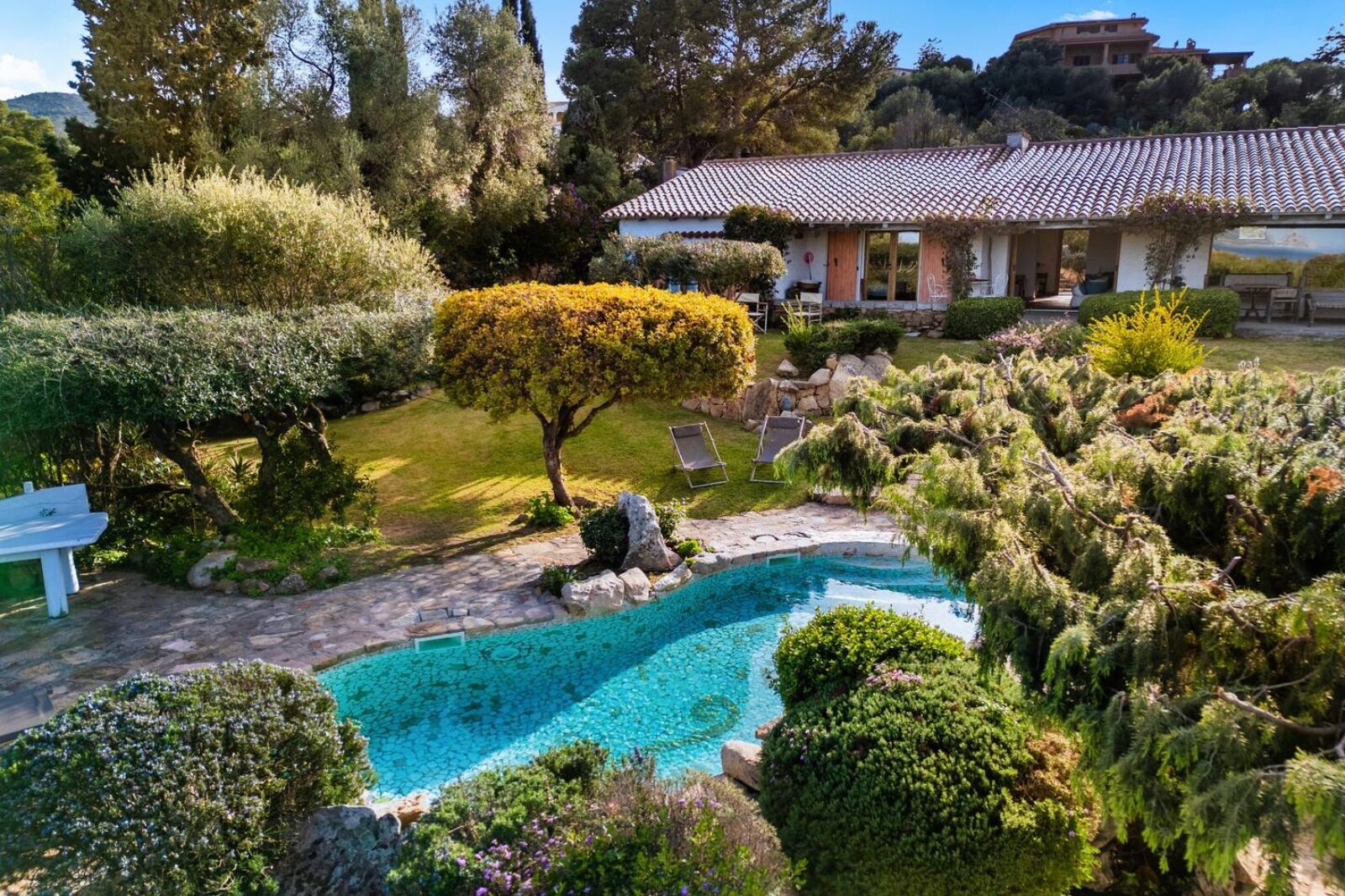
Photo: Airbnb
Porto San Paolo is the perfect jumping-off point for exploring Tavolara — and there are a couple Airbnbs worth checking out. If you’re traveling as a family or with another couple, this penthouse apartment ($411 per night) hits the mark, with two bedrooms, two bathrooms, and three terraces — including one facing Tavolara itself. It’s only a short drive from the best beaches in the area like Cala Brandinchi and Lu Impostu, and past guests rave about sunrise breakfasts and sunset wine sessions overlooking the sea. Another option is this villa ($1,700 per night), a spacious retreat sleeping eight guests, featuring a private pool set in lush gardens with stunning views over Tavolara. You’re close to Porto San Paolo’s restaurants, bars, and beaches, and under a mile from the shore if you’re eager for a swim right away.
Aeolian Islands
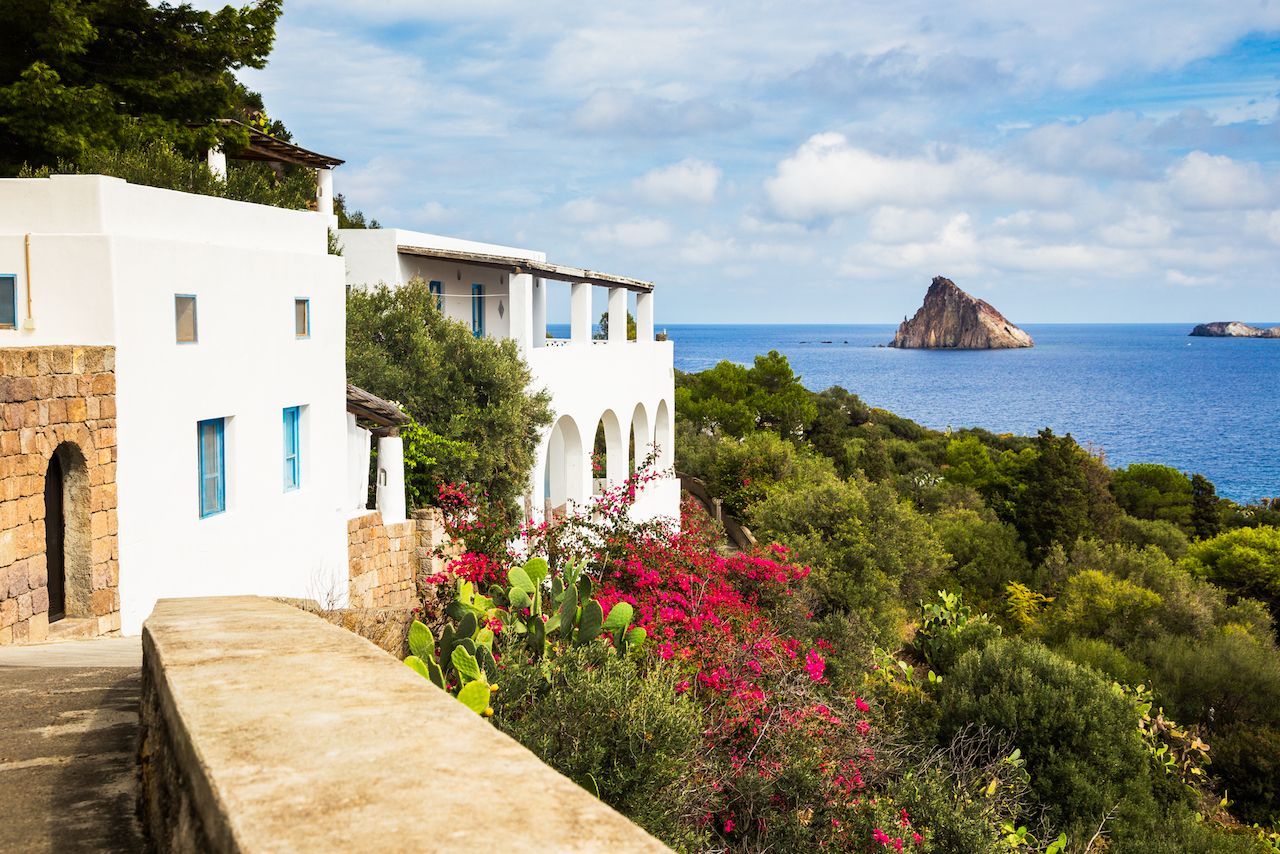
Photo: funkyfrogstock/Shutterstock
- How to get there: Fly to Catania Airport (Sicily), take a two-hour transfer to Milazzo, then a hydrofoil (1.5 hours), or ferry (three hours) to Lipari or other islands.
- When to go: April to June and September to October for mild weather and fewer tourists; June to August is peak season with lively nightlife and festivals like the Salina Caper Festival.
Some consider these seven islands off the northeast coast of Sicily to be the loveliest of all the Italian islands, and they may well be ones that you’ve actually heard of. They range from dry Panarea to green, vine-studded Salina. There is also Vulcano, where you can walk alongside a crater still discharging sulfurous gases, and Stromboli, which is actually a dramatic, conical volcano emerging from the sea. Guided hikes take you near the top of Stromboli, one of Italy’s three active volcanoes, as the sun goes down, so you can watch it spewing its fiery red contents into the night sky.
Panarea, the second smallest of the islands, is also the poshest, attracting to its inlets the mega-yachts of the world’s super-rich. No cars are allowed here, which is nice, but beyond walking on paths to its pristine beaches, there’s not much to do. I recommend Salina, where the volcano has long been dormant and tiny farms, vineyards, and forests make the island lush and green. It has several great restaurants where you can enjoy Sicilian-inspired dishes. After dinner, order a glass of the sweet Malvasia wine.
Where to stay
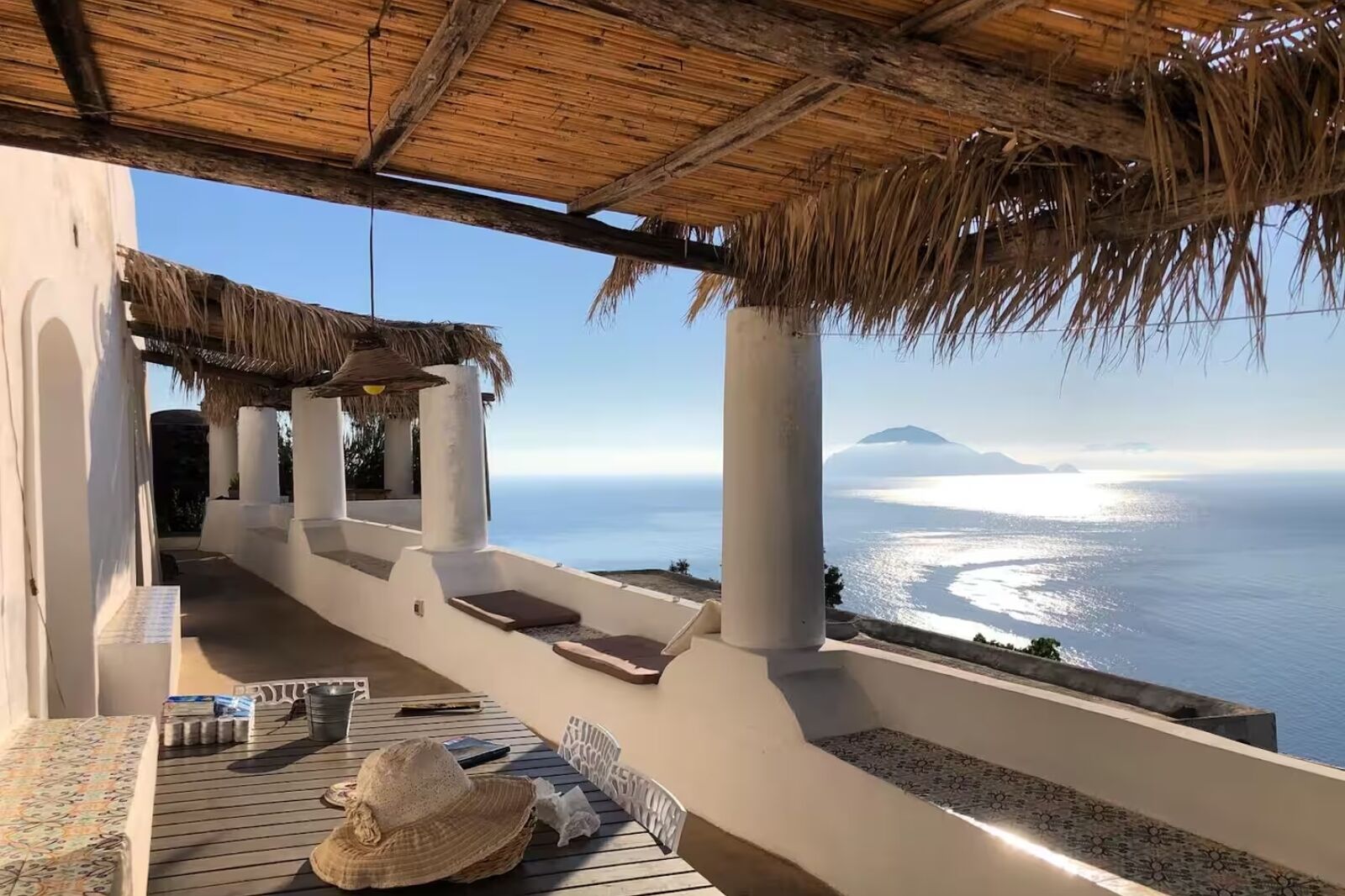
Photo: Airbnb
The Aeolian Islands offer some pretty unforgettable places to stay — like this traditional hillside home ($323 per night) on car-free Alicudi. Called “Gil’s Dream,” it’s a split-level retreat that fits six guests comfortably, featuring a large terrace with bamboo pergolas and stunning views of the Mediterranean. You’ll need to be okay with a scenic 25-minute walk up stone steps to reach it, but the atmosphere is worth the climb. Over on Vulcano Island, there’s an expansive villa ($938 per night) in the leafy Vulcanello area, just a short stroll from a black-sand beach. Ideal for larger groups, it comfortably sleeps 14 guests, with seven bedrooms — each with its own bath — and sits in a lush, 5000-square-meter garden, with a seasonal pool, hot tub, and shady veranda.
Traveling to Italy? Check out Matador’s Italy accommodations guides:
- The 10 Dreamiest Islands in the Mediterranean, and Where to Stay on Each
- 14 Stunning Airbnbs in Sicily That Will Take Your Breath Away
- The 25 Dreamiest Airbnbs in Italy
- These 7 Lake Como Hotels Are What Italian Dream Vacations Are Made Of
- Lake Como’s Hotel Royal Victoria Is A Must-Stay In Northern Italy
- Dickie’s Extravagant White Villa in ‘Ripley’ Is Actually an Airbnb That You Can Rent
- 9 Best Airbnbs to Soak Up Summer in Italy
Maddalena Islands
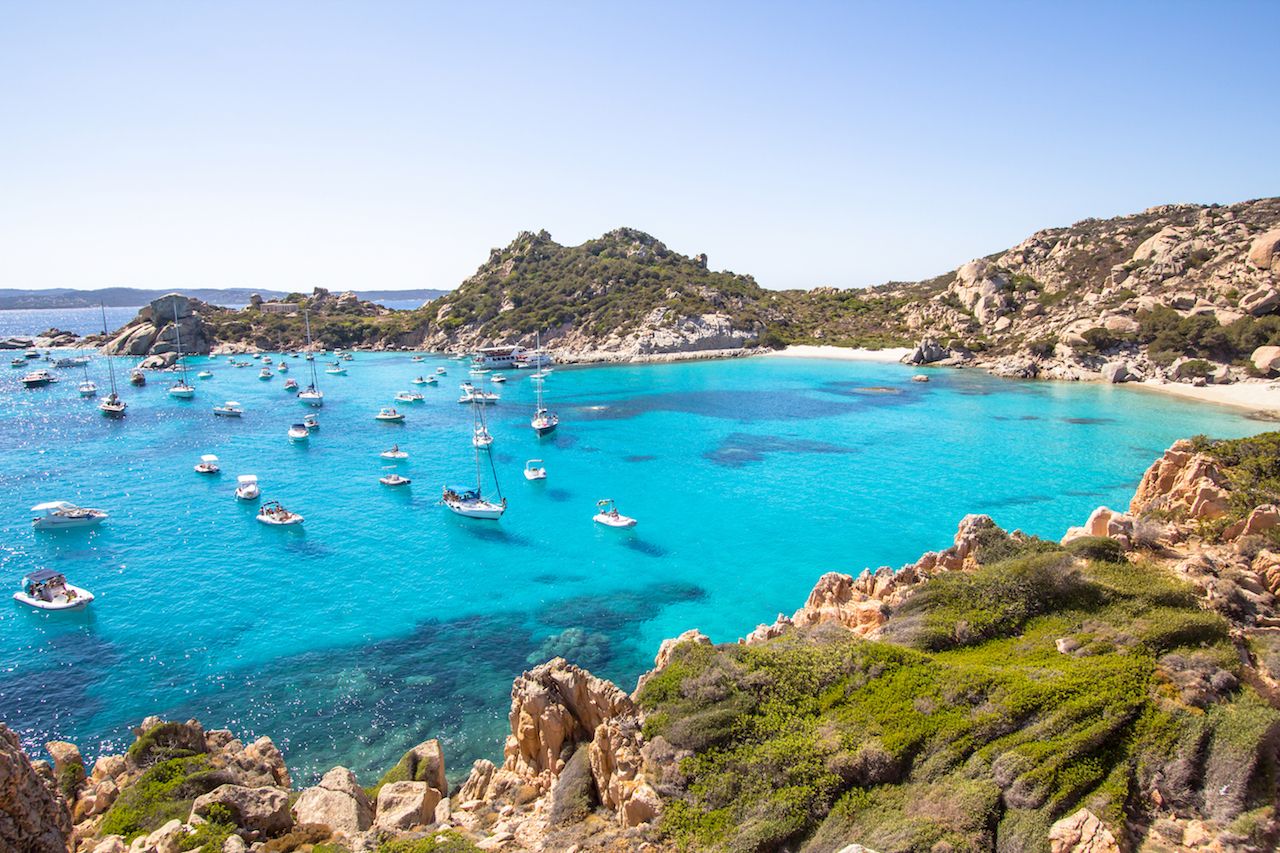
Photo: D.Bond/Shutterstock
- How to get there: Fly to Olbia Airport (Sardinia), drive about 45 minutes north to Palau, then take a short ferry (15 minutes) to La Maddalena.
- When to go: May to September for warm weather, swimming, and boat trips; July to August is busiest with summer festivals and more visitors.
The seven Maddalena Islands are located just off the northeast corner of Sardinia. With the exception of the namesake island, Maddalena, most of them feel rugged and remote with quiet coves overlooking turquoise water — and hardly a soul in sight. One reason the isles are still relatively uncrowded is that the US Navy had a presence here until about a decade ago. So, with NATO support and US dollars flowing in, the islands didn’t need to promote themselves to tourists. But the Maddalenas are now open to visitors, so I definitely recommend you get there.
The Maddalena Islands offer you the best of both worlds. The main island of Maddalena, where nearly all of the archipelago’s residents live, is a lively city with shops, cafes, and a hopping nightlife. The other islands are quiet and rugged. A two-minute drive across a bridge from Maddalena takes you to Caprera, which has a wee village with two museums and not much else. Caprepa is more like a state park. You can drive to hidden beach coves that have no commerce save a lovely restaurant for a languid, post-beach lunch. Boats take you to the other islands, like Spargi and Budelli. Budelli is famous for its Spiaggia Rosa, a beach with sand tinted pink from the local marine life. The smaller Razzolli, Santo Stefano, and Cala Santa Maria round out the Maddalena island list.
Where to stay
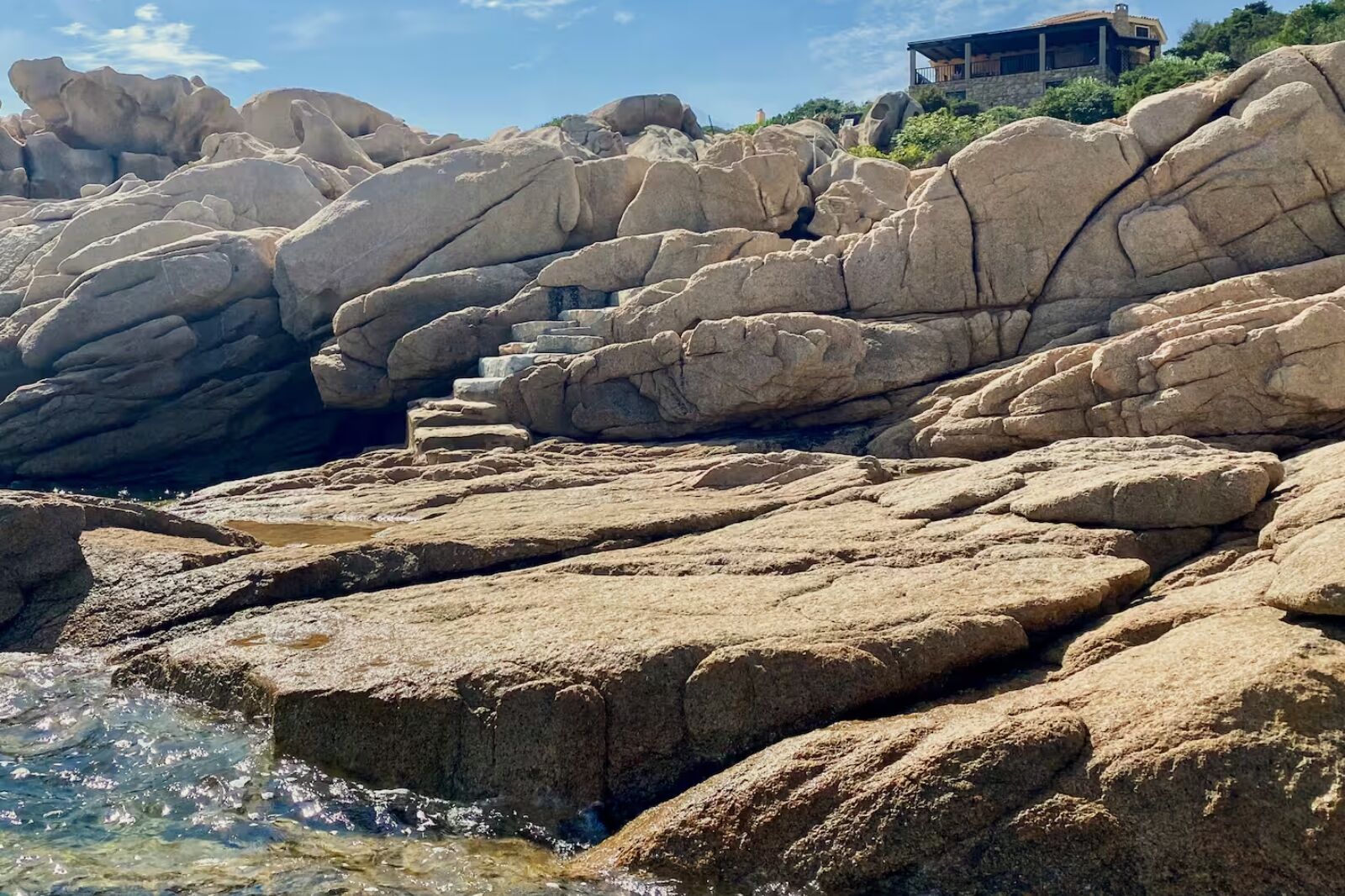
Photo: Airbnb
The Maddalena Islands are best experienced by basing yourself right near the water — like at this impressive waterfront villa ($1,231 per night) on La Maddalena. The four-bedroom home feels like a private retreat, with a panoramic veranda overlooking Caprera Island, multiple sunbathing terraces, and direct sea access via your own path. Inside, you’ve got luxury touches like king-sized beds, a modern kitchen, and generous living areas. If you’re traveling in a smaller group, there’s also a villa ($540 per night) in the exclusive Villaggio Piras area, offering postcard-perfect views of Caprera. The villa sleeps six, with three comfortable bedrooms, private sea access via a resident-only dock, and a large veranda ideal for outdoor meals overlooking the water. Both properties offer easy access to La Maddalena’s shops, cafés, and beaches, and place you perfectly to explore the quieter, nearby islands by boat.
Capraia
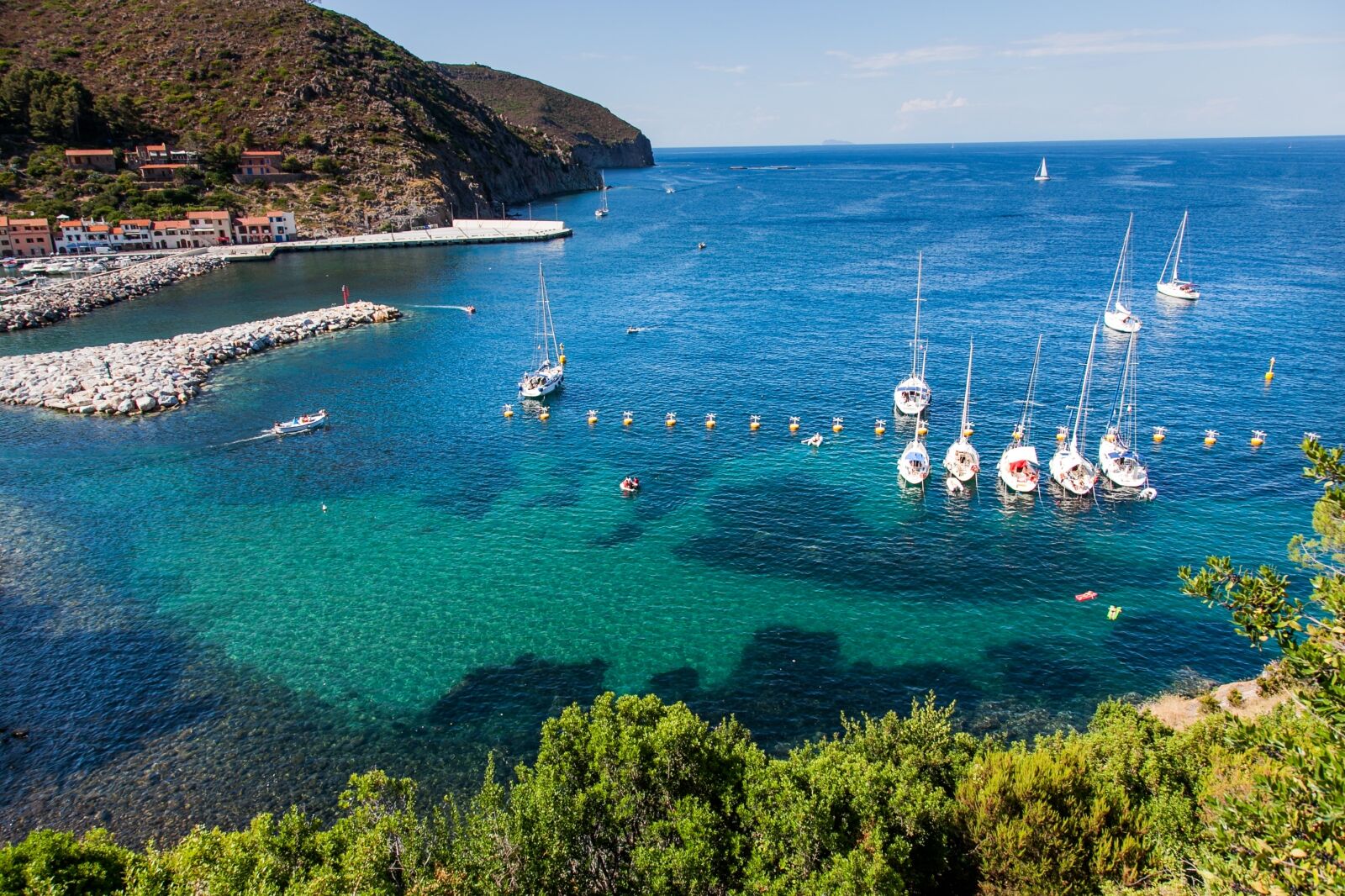
Photo: robertonencini/Shutterstock
- How to get there: Fly to Pisa Airport, travel about 40 minutes to Livorno, then take a ferry (2.5 hours) to Capraia.
- When to go: May to September for hiking and swimming in warm weather; October hosts the Totano Festival celebrating local squid fishing.
Italian brochures bill Capraia as Italy’s isola selvaggia, its wild island. It’s the farthest north of the islands on this list, located just off the northern tip of French island Corsica. Capraia has only 300 full-time residents, and most of the five-mile-long island is in fact protected national park. Its lone paved road is a half-mile stretch that connects its only two towns, which are known as the port and the village.
Unlike other Italian islands, where the focus is on beachy activities like lounging, swimming, and snorkeling, many visitors to Capraia come to hike. You can walk short coastal paths and take dips in the sea or head up to Capraia’s guard towers, which were erected in the Middle Ages to guard against invading pirates. A popular trek is the hike to the Zenobito Tower at the uninhabited south end of the island.
Where to stay
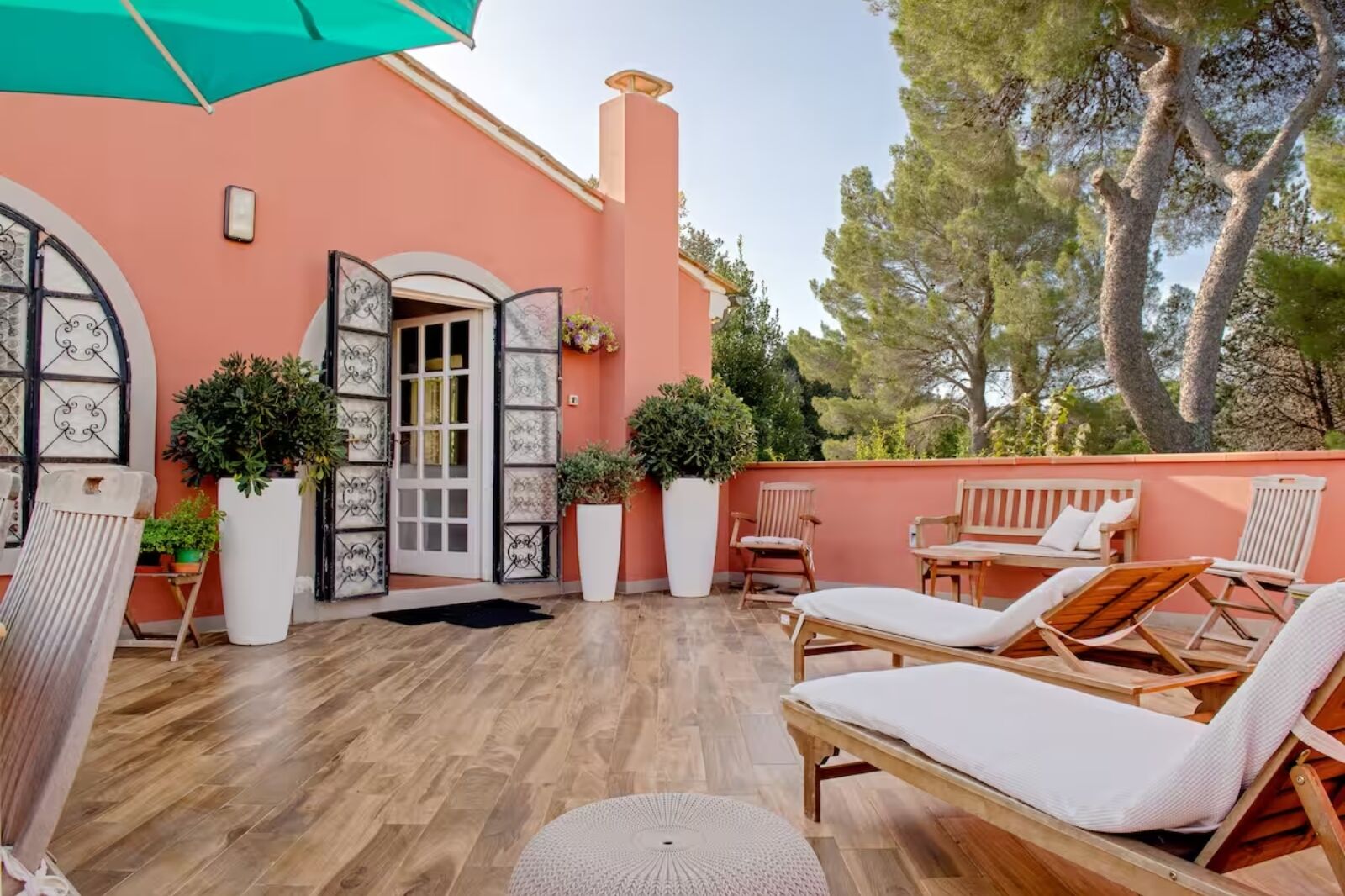
Photo: Airbnb
If you’d rather stay on the mainland and hop over to Capraia by ferry for hiking and squid-spotting, Livorno has a couple of standout options. For a classic Tuscan experience, there’s a spacious apartment ($303 per night) set in a 19th-century villa complex just outside town, with a rooftop terrace, a large historic park, seasonal pool, and tennis court you’ll share with local residents. It works well for families, with four bedrooms and a kitchen stocked with all the basics — plus you’re about 10 minutes’ drive from the ferry terminal. For something more refined, there’s a bright, garden-facing loft ($780 per night) inside a historic residence near the coast. It’s set up for two people, with a glass-walled dining area, air-conditioned living room, and a peaceful patio that feels worlds away from the city.
Pantelleria
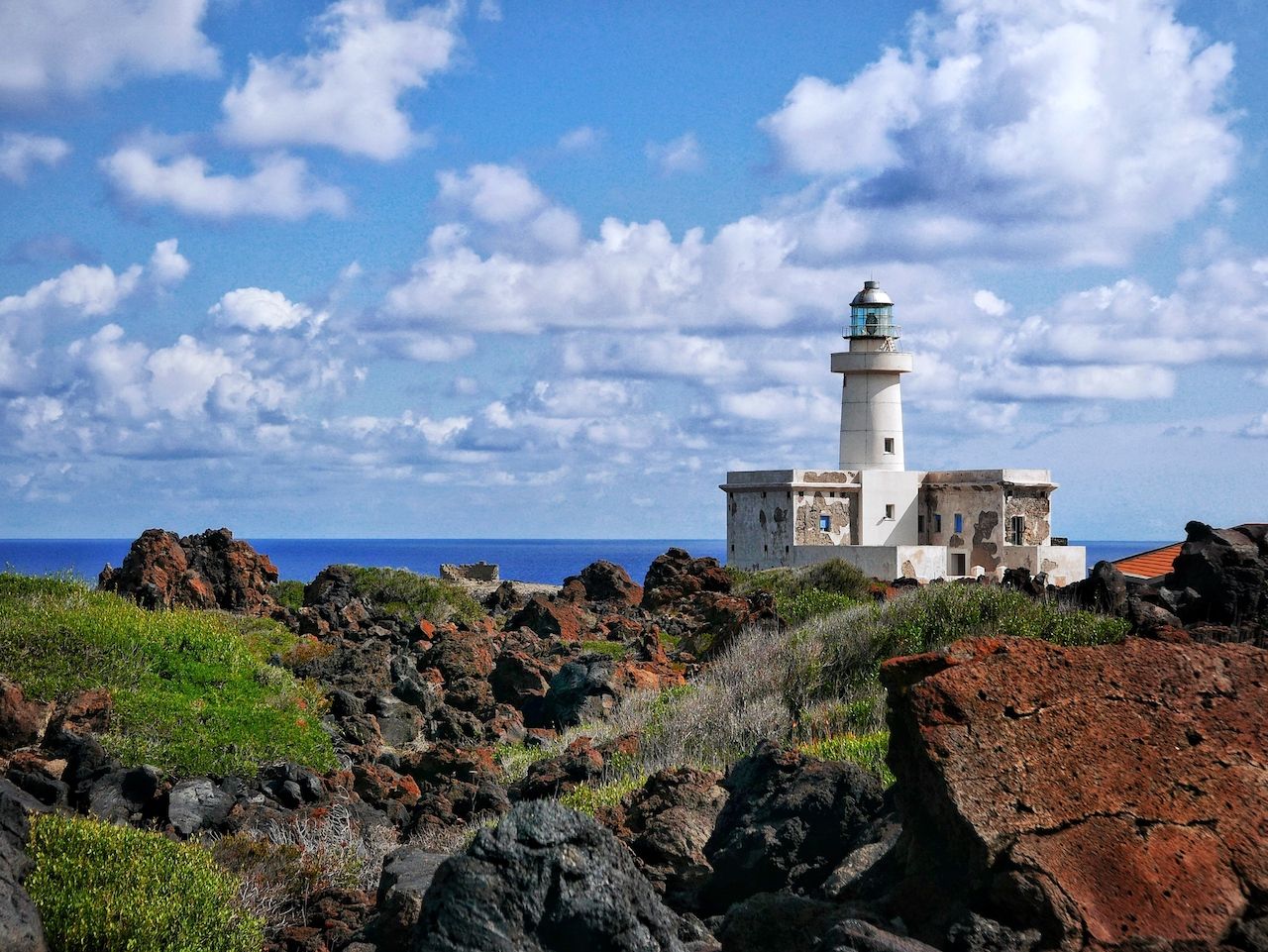
Photo: Leone Von Dizic/Shutterstock
- How to get there: Fly to Palermo Airport (Sicily), then take a short flight (45 minutes) or an overnight ferry from Trapani to Pantelleria.
- When to go: May to October for sunny weather and outdoor activities; September for the Passito di Pantelleria Festival celebrating the island’s famous sweet wine.
This little island in the strait between Sicily and Tunisia houses the villas of such chic Italians as Giorgio Armani, as well as boutique, luxury resorts. Pantelleria is a pretty new volcanic island, geologically speaking, and as such doesn’t have white-sand beaches. It does have a mud beach, though. At Lago di Venere, a protected lake on the north shore of the island, you can cover yourself in mud, let it dry for some minutes, and then rinse off to feel renewed and refreshed.
With its blocky white buildings, Pantelleria looks more North African than Italian and is in fact only 40 miles north of Africa. Colombian author Gabriel Garcia Marquez once marveled that Pantelleria was the best place to admire the moon and gaze at the lighthouses on the African coast. You may find a casual eatery serving North African dishes like couscous — but, despite the nearness to Africa, most of Pantelleria’s restaurants serve Italian fare with an emphasis on wonderfully fresh seafood.
Where to stay
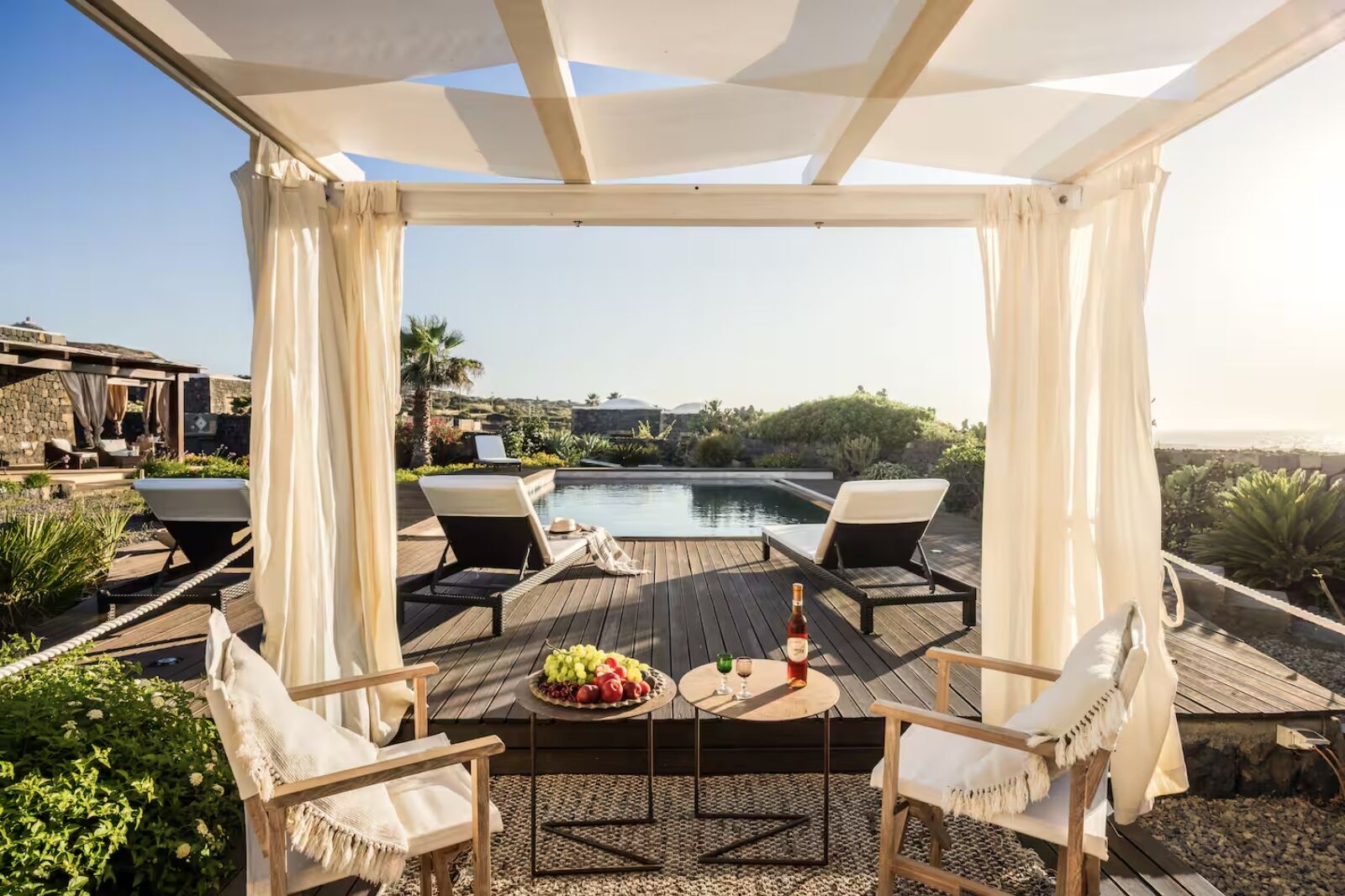
Photo: Airbnb
Pantelleria’s rugged coastline and ancient dammusi — traditional stone houses with thick walls and domed roofs — make it feel more North African than Italian, and there are a couple of great Airbnbs where you can settle in and take it all in. One option ($813 per night) sits just under a mile from Bue Marino’s coves and comes with a private pool overlooking the open sea, plus a garden planted with Mediterranean shrubs. Inside, you’ll find two airy bedrooms, each with its own bathroom, a kitchen ready for seafood feasts, and a living room filled with natural light. For something simpler but still atmospheric, there’s another dammuso ($352 per night) surrounded by vineyards and olive trees in the northeast part of the island. This place has a pool, a sun terrace with views across the strait, and even an outdoor kitchen with a wood oven. 