For host cities, the World Cup sales pitch usually starts with the stadium. In Vancouver, it starts with the way fans move through the city. That is partly practical. All Vancouver matches in FIFA World Cup 2026 will be played at BC Place, the downtown stadium with a retractable roof that sits within walking distance of hotels, restaurants, and major transit connections. It is also a deliberate message from tourism officials, who are positioning Vancouver not just as a venue city, but as a base for a broader trip shaped by public transit, ferries, and the larger geography of British Columbia.
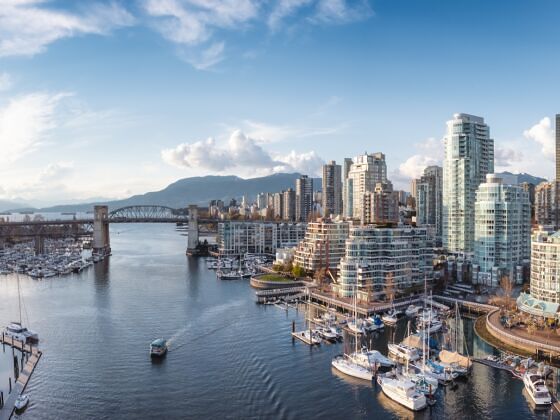
Photo: EB Adventure Photography /Shutterstock
How To Have The Best World Cup Experience in Vancouver, According To an Insider
“There are many great neighborhoods across the city that are easily accessible by public transit,” Maya Lange, vice president, global marketing at Destination BC, told Matador. “Outside Vancouver lies a province as immense as it is diverse, nearly four times the size of the UK and Ireland combined, with climates, landscapes, and ecosystems rivalling those found across entire continents. One moment, you’re watching orcas breach offshore; the next, you’re hiking through misty rainforest or cycling through lakeside vineyards.”
Here’s how Vancouver plans to provide a unique and memorable World Cup experience.
Where to stay in Vancouver for the World Cup, according to an insider
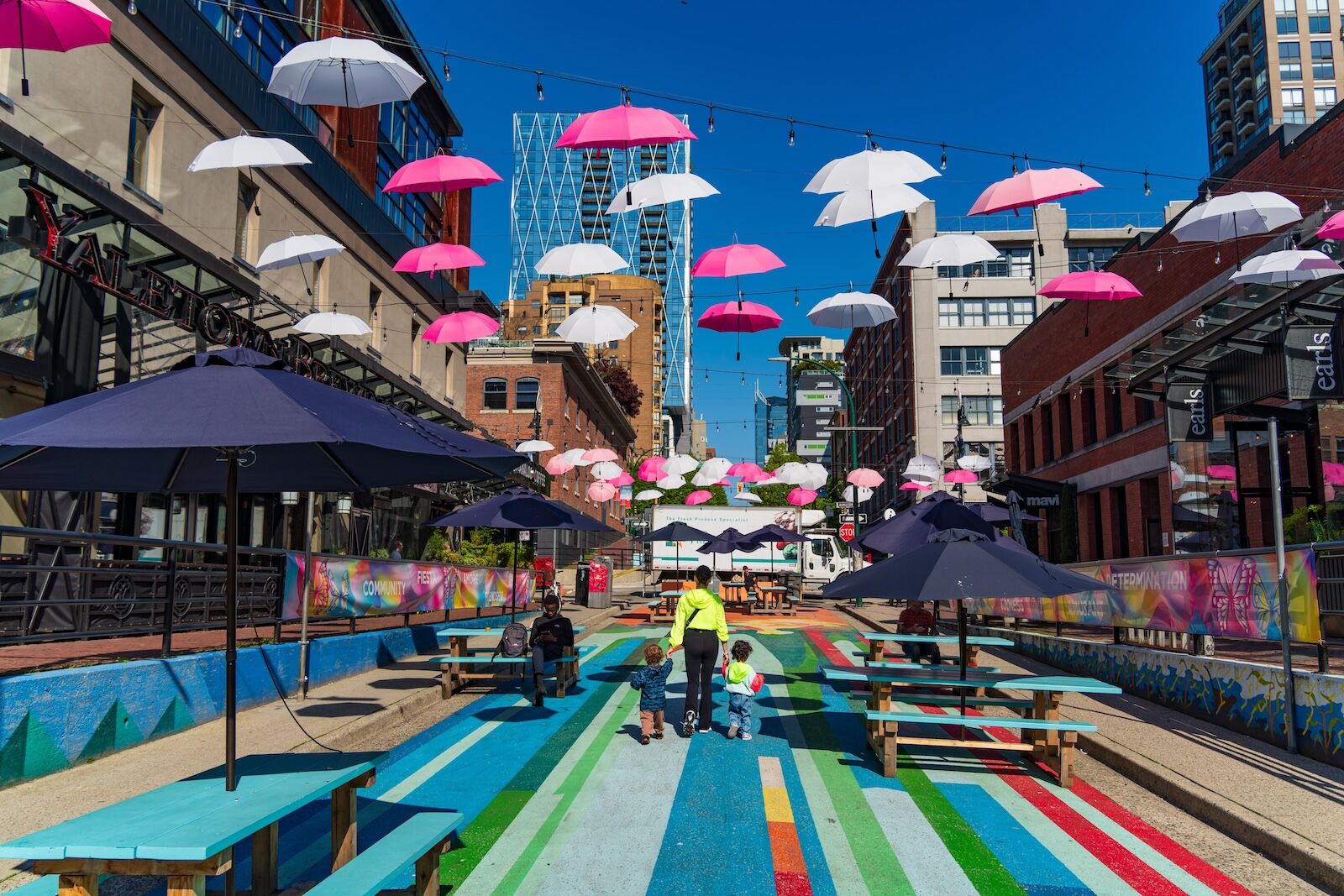
Photo: Mo Wu /Shutterstock
For fans, that means staying in downtown Vancouver and Yaletown at hotels such as Opus puts visitors nearest to BC Place. Nearby districts including the West End and Coal Harbour also work for easy transit access and a good urban experience. That extends across Burrard Inlet, too. The Shipyards District in North Vancouver, she notes, offers another useful base because it connects to downtown by SeaBus, the passenger ferry that links the North Shore to Waterfront Station in about 12 minutes. Earlier this month, the Vancouver Sun reported that TransLink will add tournament-scale service during the World Cup, with major increases across bus, SkyTrain, SeaBus, and West Coast Express, alongside more frontline staff and crowd management measures. The agency has said SkyTrain will be the main way fans reach BC Place, with added service on key lines and bus links to major hubs including Vancouver International Airport.
Lange says Vancouver is also planning beyond conventional transit. Ride hailing, cycling, car share, bike valet, and shared micromobility are all part of the mobility picture around BC Place and the FIFA Fan Festival. That matters because the city’s World Cup footprint will not be limited to one downtown stadium district. The official Fan Festival will be staged at the Pacific National Exhibition grounds in Hastings Park, where organizers say a new 10,000-capacity amphitheater will anchor 28 days of free, all-ages programming, live match viewing, music, and food and drink.
“The FIFA Fan Festival will be Vancouver’s biggest watch party and the best place to cheer on live World Cup action outside of BC Place,” Lange notes.
That strategy also shapes how Destination BC is talking about where fans should stay. Lange pointed to the organization’s Same Day, Game Day initiative, which promotes easy trips into Vancouver from places across Metro Vancouver and as far as Bowen Island in about an hour. Lange cited Nanaimo as one example. Reached from downtown Vancouver in 75 minutes or less by passenger ferry, she says, the Vancouver Island city gives travelers a way to add more of British Columbia to the trip while keeping match-day plans flexible. That is a different pitch from the one many host cities are making. Rather than insisting that fans stay as close to the stadium as possible, Vancouver tourism officials are also selling the surrounding province as part of the event itself.
That broader framing comes through in how Lange distinguishes Vancouver from other World Cup cities. “Vancouver is a city in nature, where mountains and ocean meet the pitch,” she said.
Of course, the city also has some epic pubs.
“Shark Club Vancouver is one of the city’s biggest sports bars, while Moose’s Down Under is a beloved Aussie pub that is sure to be packed when the Socceroos come to town,” Lange says.
Honoring Indigenous heritage and experiencing broader British Columbia
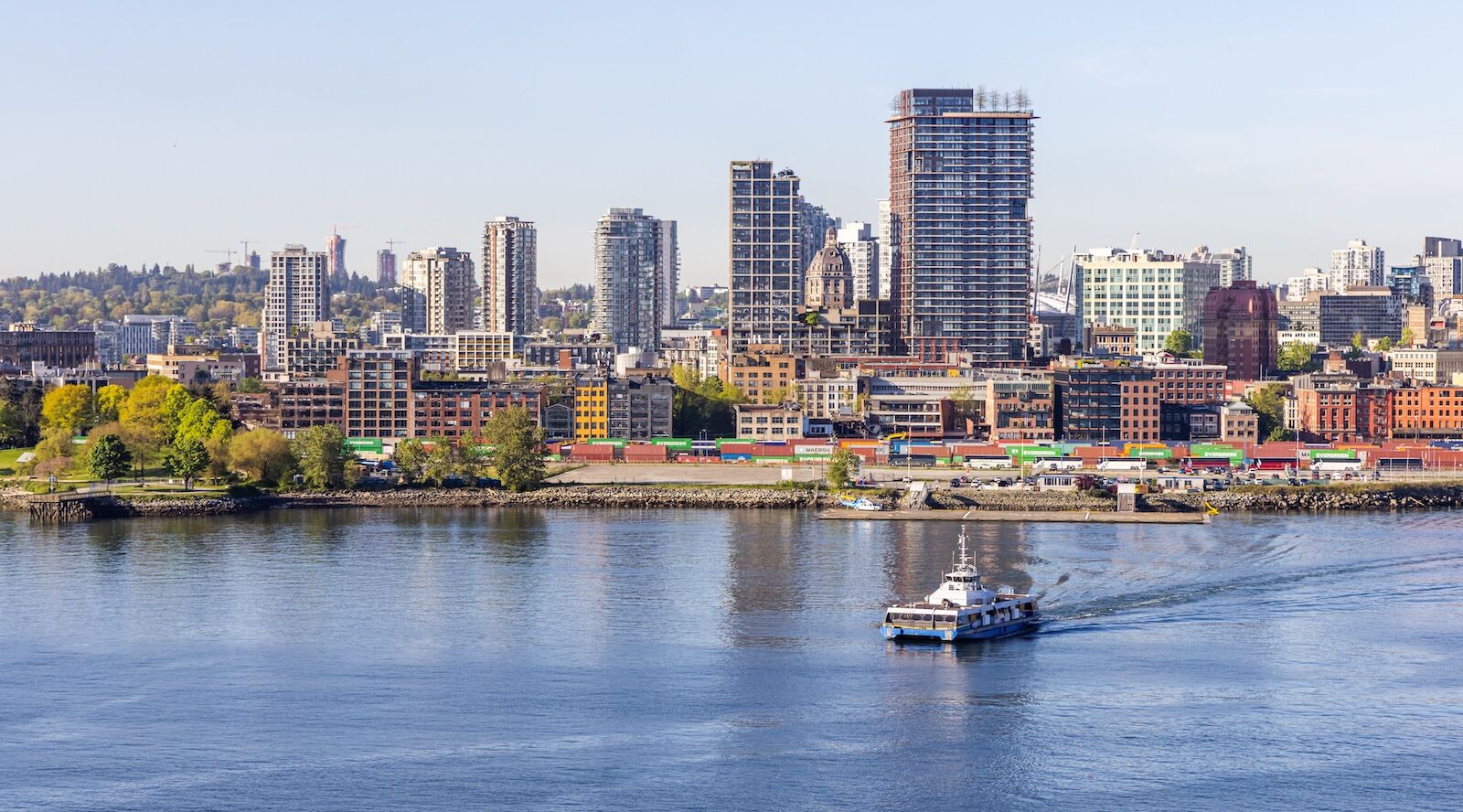
Photo: EB Adventure Photography /Shutterstock
Lange also emphasizes reconciliation and Indigenous visibility as part of that positioning, saying the tournament will take place on the traditional territories of the Musqueam, Squamish, and Tsleil-Waututh nations. BC has been forthright about the original inhabitants of the land it now occupies, moreso than many US states have been. The World Cup and surrounding events will include Indigenous cultures and communities from across British Columbia.
For fans staying in the city but not attending every match in person, Lange points to a layered viewing scene. In addition to the Fan Festival, she named Shark Club Vancouver and Moose’s Down Under as likely hubs for game-day crowds. But the bigger play is clearly the official festival site, which gives the city a large-capacity public gathering space outside the stadium itself. In an era when access tiers increasingly define major events — ticketed seats for some, public fan zones for many more — that matters. Vancouver’s tourism pitch recognizes that most World Cup visitors will experience the tournament across multiple settings, not only from inside BC Place.
“Fans travelling to Vancouver will find a rare blend of natural beauty, global culture and premier sports-viewing facilities,” Lange says. “Here, the World Cup is your gateway to the world’s best backyard, from the beaches and trails in Stanley Park to the peak of Grouse Mountain and countless adventures in between.”
For Lange, that is the city’s point of difference. With transit expansions planned, a major Fan Festival underway, and a tourism strategy that extends well beyond the stadium district, Vancouver is not only selling the World Cup. It is making movement through the city, and out into the rest of British Columbia, as part of the event itself. 