Photography by Terence Carter

All photos courtesy of Terence Carter

In a new series on Notebook, we interview professional photographers and photojournalists, and discuss their different perspectives on travel photography as well as tips for taking better pictures.

Travel photographer (and writer) Terence Carter has shot dozens of travel guidebooks for Lonely Planet, DK, Footprint, Thomas Cook, and AA Guides, as well as scores of stories for magazines around the world.

He’s in the 11th month of a unique travel project called Grantourismo which he embarked upon with wife Lara Dunston, and the support of HomeAway Holiday-Rentals, aimed at promoting slow/sustainable travel, local travel, and experiential travel.

Matador editor and photographer Lola Akinmade caught up with Terence to discuss his practical take on travel photography and current assignments.
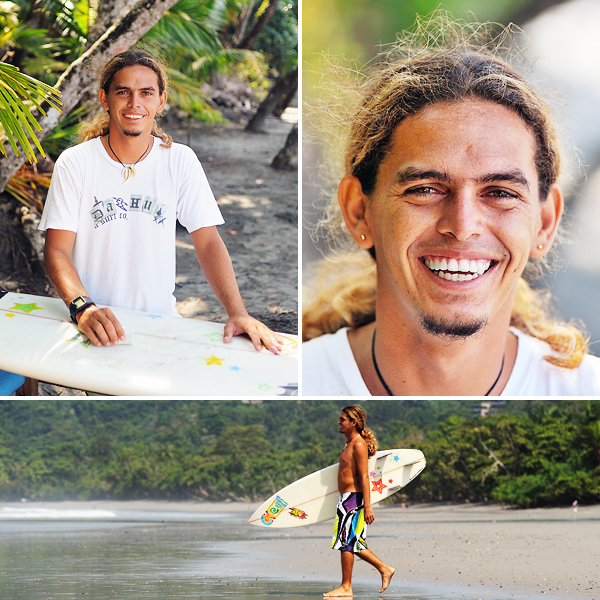
How long have you been a professional photographer?

Around eight years. I’ve worked in the media as a creative in some way or another – from book designer and writer to web designer and developer – for a whole lot longer.

What – or who – got your initial interest going in terms of photography?

I’ve had an on-again, off-again relationship with photography since I was a child. My father had a Pentax SLR that I was enamored with and we always had cameras around the house to play with, however, I think my father was as smitten with the beauty and simplicity of the objects, as much as making beautiful images with them.

Photography by Terence Carter
What were your first photographic experiments or experiences?

My first serious experience was on our first trip to Mexico 17 years ago with a new Nikon FM2 and one 50mm lens. My wife Lara and I walked the streets so much taking photos every day that we’d barely have the energy to make it to dinner each night. That’s when my love of photography really kicked in!

Not soon after, I took photography as a second major subject at university (making films was my first love back then) and really got a kick out of developing my own films and making prints in the darkroom.

My lecturer was very supportive and gave me a lot of advice and constructive criticism – he was really tough but fair! I loved the process of bringing in photography books that we’d taken from the library and during the initial part of every photography class discussing which photographs we loved and why the images connected with us – that was incredibly fulfilling for me. I loved studying photography and love deconstructing photos and I don’t think I’ve ever really given up studying it in that way.

Photography by Terence Carter
How would you describe the work you do now…obviously there’s a strong travel editorial element, but are you involved in the photojournalism/documentary reporting world also? Any stock photography?

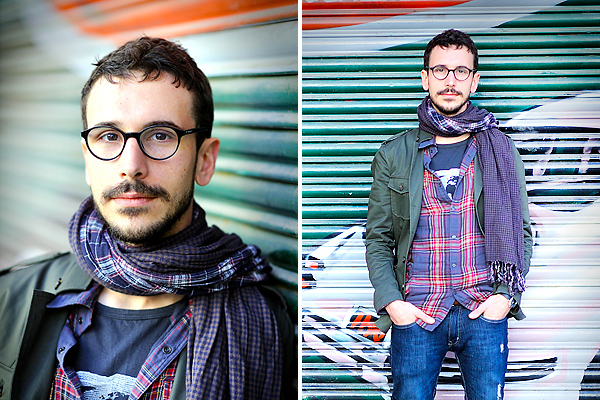
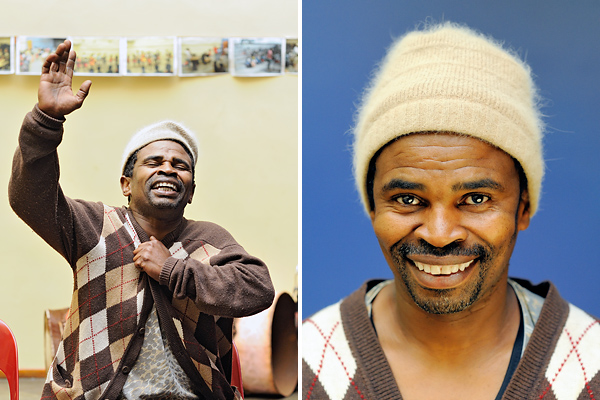
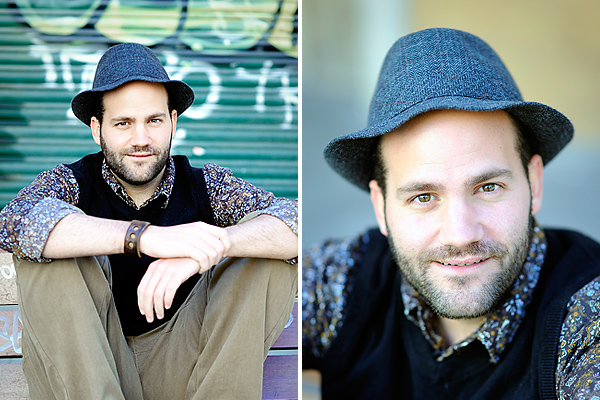
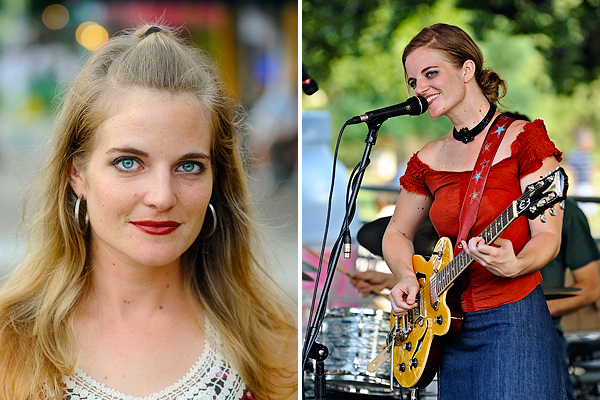
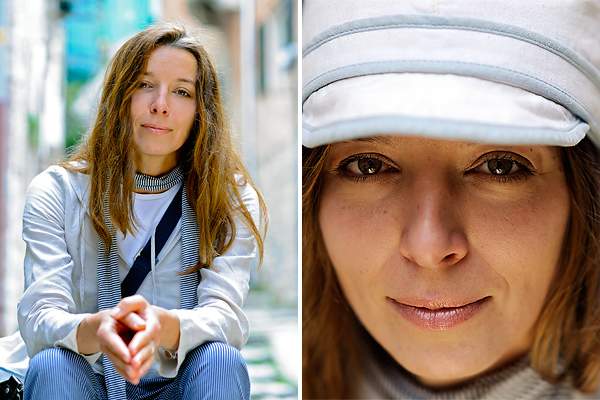
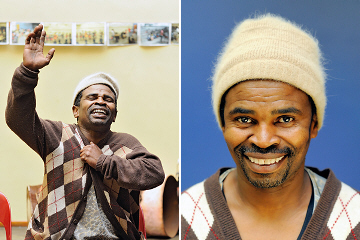
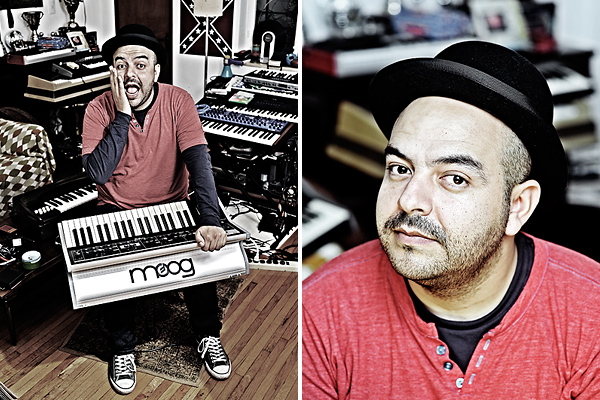
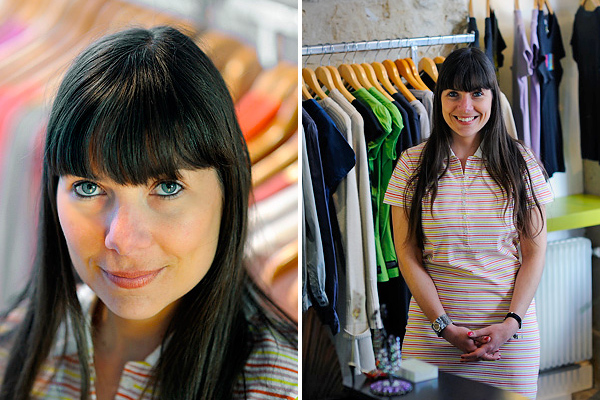
Travel and editorial, with a strong leaning towards portraiture and food-related photography. The more I travel the less I’m interested in monuments like the Eiffel Tower, and the more I’m enthralled with the people that make up the character of a city such as Paris. Besides, when I make a portrait of someone it’s that person at a point of time in their lives that can’t be repeated.

Unless you have someone in front of the Eiffel Tower doing something that ‘time stamps’ the image, it’s less interesting to me than the person in front of the lens. In terms of photojournalism, I toil alongside Lara (my work and life partner) and together we can produce stories that many journalists or photographers – on their own – can’t.

Whenever we can, we do a lot of in-depth profile-focused features and more serious stories, usually highlighting the work of NGOs and people that do selfless work. It’s something we’re both passionate about and would love to do more of.

Stock? I don’t really shoot stock at the moment. I was signed up with an agency, but I never, ever received a check even though I’ve seen my images published in a number of sources. But that’s a long, possibly litigious story!

Stock really is in a state of flux and I’m glad I make a living as a photographer without being involved in it.

Photography by Terence Carter
What 3 tips would you share for amateur photographers who are interested in pursuing your style of travel photography?

1. Your own personal style doesn’t arrive, it evolves.

2. If you want to do this for a career, don’t consider it ‘being paid to travel’ or you’ll be screwed financially – most publishers like to play on the notion that you’re having the time of your life and it’s a lark. It’s actually damn hard work – and when they log off their computers at 5.30pm and go home to their families, you’re still working.

3. Always have a camera on you that is capable of producing a publishable shot. No excuses.

You’ve photographed dozens of guidebooks. Do you like this type of dedicated photography? What are the benefits/challenges?

I’ve photographed dozens – now, that’s a scary thought! The main benefit is that you’re getting paid and you know that what you deliver will get published. Having a shot list really gets you to ‘focus’ on the job at hand, however, this is only good if someone you trust has written the list of points of interest to photograph. I’ve been sent to photograph restaurants and bars I’d never, ever, recommend in a guidebook.

That’s the disadvantage of being a photographer and travel writer, I guess. Another nuisance are the bureaucratic local government officials. For some churches and museums, let’s just say I’m happy to let the publications use stock photos instead of having me negotiate for a week to take a damn tripod into a dead space – only to find amateurs have sneaked their own tripods in.

Photography by Terence Carter

Another challenge about this kind of assignment is that you might not come across the same perfect weather conditions that a local stock photographer can wait days or weeks for. However, the thing is that the publishers have hired you to shoot a certain style instead of trawling through stock libraries. It’s frustrating to see stock images that are more engaging than yours because a local photographer can grab his or her kit at a moment’s notice and get that magic sunset that only turns up a few times a year.

I’ve also had publishers ask for a certain style of photography and I’ve asked them if they’re really sure that’s what they’ve wanted. They’ve ended up not having the intestinal fortitude to go with that style and ended up cropping my photos so much that people I’ve photographed have contacted me to say that they didn’t realize that the photo was going to be a close-up even though I shot it very wide!

Because the resolution of DSLRs is so great these days, designers often crop your photos with little respect in relation to why you’ve framed a photograph a certain way. It is disheartening, but sadly, some of the people putting together books and magazines these days really lack time, artistic vision, or a combination of both.

Which other photographers – old or contemporary – inspire you most?

Well, some photos and photographers never get ‘old’ in my mind – their images are always fresh! Cartier-Bresson, Robert Doisneau, Dianne Arbus, Robert Frank, for instance. I also love the portrait work Avedon did. Of the contemporary portrait photographers, I enjoy the single-mindedness of Dan Winters. But to be fair, it’s mainly filmmakers that have inspired me: Godard, Wong Kar Wai, Almodovar, Jarmush, Wenders. It doesn’t show in my photography, but it’s there in my mind!

Read full article on MatadorU

Community Connection

Please read our other interviews with Travel Photographers.

Interviews
 

About The Author

Lola (Akinmade) Åkerström

Lola (Akinmade) Åkerström is a MatadorU faculty member and Network contributor. Her work has appeared in National Geographic Traveler, Vogue, BBC, Fodors.com, and many more. Follow her photoblog at Sweden.se.

  • http://www.thecandytrail.com the candy trail … | Michael Robert Powell

    Thanks … Great interview with an inspired photographer, and refreshing straight-talk.

    the candy trail … a nomad across the planet, since 1988

Interviews →

Social documentary and UN photographer Phil Borges breaks it down for Matador.

Interviews →

If there's a message that I could give to the people that want to become photographers,...

Interviews →

David has retraced the voyages of Jason and the Argonauts, hunted for the Ark of the...

Interviews →

New York-based travel photographer Wendy Connett's work has appeared in various travel...

Interviews →

Travel and documentary photographer, Mitchell Kanashkevich travels the world, shooting...

Interviews →

Photojournalist Glenna Gordon's work has appeared in the New York Times Magazine, Time,...

Interviews →

The dynamic duo behind the popular Uncornered Market brand, Audrey Scott and Daniel...

Interviews →

Japan-based wildlife photographer Michael Lynch's work has appeared in various...

Photo + Video + Film →

It's a deceptively difficult question, since so many skills can be applied to so many...

Interviews →

Matador Editor at Large Paul Sullivan talks with Matheiu Young about lighting, equipment,...

Interviews →

Photographer Cameron Karsten is currently traveling around East Africa, documenting the...

Interviews →

MATADOR'S EXPERT ON HOKKAIDO, Ryan Libre is a freelance photographer based out of Japan...

Photo + Video + Film →

From equipment choices to resources on photo editing, here's everything you need to do...