Photo: Joshua Rappeneker / Feature: hellochris

You’ve got the body for sumo (or so you’re friends joke), and you know that wrestlers have celebrity status in Japan. Pele Omori breaks down what to consider before you quit your day job.
1. You’ve got the right body

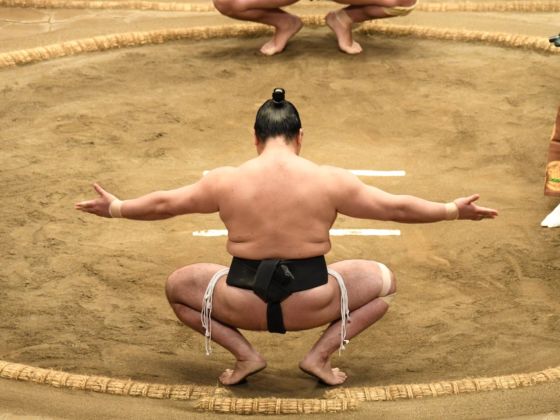
Sumo wrestlers are no couch potatoes. Underneath the fat lies the muscle required to thrust a heavy opponent out of the ring. Japanese sumo school recruiters often turn down the obese and sedentary, in favor of large-boned and fit candidate. The right body is one which can tolerate the rigorous discipline of daily training.

2. You’re male

Sumo in Japan adheres to strict Shinto traditions that forbid females from participating in the sport or even entering the ring. However, the USA Sumo Association does allow women to compete in its tournaments.

3. Putting on a few pounds doesn’t scare you

Professional sumo wrestlers can be as heavy as 400 pounds. Japanese sumo schools will help you get there by feeding you well.

Wrestlers in sumo schools eat two large meals a day of chankonabe (a meat, fish, and vegetable stew), rice, and beer. They take siestas to slow down their metabolisms, facilitating the conversion of large amounts of food into body fat.

It’s also common for wrestlers to receive massages, which are believed to expand their stomachs and allow them to consume even more food.

Photo: hellochris

4. You don’t mind the boot camp life

The heya, or live-in sumo schools, are no vacation. Wrestlers enter as members of the jonokuchi division, at the bottom of the sumo hierarchy.

Training begins at five in the morning and continues into the afternoon, with a lunch and siesta break in between. In addition, students have other duties, such as attending to the needs of the higher ranking students, cleaning, and doing various chores.

5. You’re OK with bruises

In sumo matches, the winner is the one who pushes his opponent out of the ring or causes him to hit the floor with any body part besides the feet.

A wrestler’s daily drills include the butsukari geiko, an exercise which involves repeatedly whamming his body into an opponent’s chest as he attempts to slam the wrestler to the ground, and body-slamming wooden planks.

6. You’re flexible

Sumo wrestlers may appear far from flexible, but they have to have limber bodies in order to move out of the way of their opponents. The matawari, or side splits, is practiced daily by wrestlers.

7. You don’t mind sporting a samurai ‘do

Sumo wrestlers are expected to wear their hair in a chonmage, an Edo-era samurai ponytail, at all times. Tradition says that sumo wrestlers without a chonmage have left the sumo world for good.

8. You’re comfortable in a loincloth

You may cringe at the sight of wrestlers being hoisted in the air by the seat of their loin clothes, but it could happen to you.

Sumo wrestlers’ loin cloths, or mawashi, can weigh as much as eight pounds—heavier than you might expect. To get the feel of it, you can purchase one from e-sanpuku.co.jp. The long garment has complicated tying instructions, so have a friend help you put it on.

9. You’re determined

Rising above the entry-level rank takes years of practice and dedication. According to USA Sumo, most recruited wrestlers drop out within their first year.

10. You don’t plan on becoming a centenarian

Years of being heavy can eventually take their toll, even after the end of a sumo career. In comparison to the rest of the population, wrestlers’ run a higher risk of suffering heart disease, diabetes, or strokes. It takes most former wrestlers approximately six years to lose the weight they gained at the start of training.

Wrestlers’ careers are short, so it helps to start young: most professionals are recruited around age 15, and many retire by their thirties.

Community Connection

Still want to give pro sumo a go? Prepare for your move with 10 Japanese Customs You Must Know Before a Trip to Japan.

Beginner's Guides
 

About The Author

Pele Omori

Pele recently began writing for fun after having taken an inspiring creative writing class at a local community college. She holds a B.A in art, an M.A. in education, and had a brief stint in dental hygiene school. Pele is a self-taught cook and yogini who has been traveling internationally since age 3.

  • http://matadornetwork.com David Miller

    nice.

  • http://www.mikesryukyugallery.com Ryukyu Mike

    Pele, another great, informative writing with cool photos and LINKs, Thanks!

  • http://onceatraveler.com Turner

    Nice roundup. I’d also love to read an article on the history of foreign participation in the sport – we’ve only got two or three professionals in Japan, right?

    • Pele

      Turner, I think that there are a few foreign sumo wrestlers in Japan. A couple are from Hawaii (Konishiki and Akebono). I also heard of one being from Eastern Europe.

  • http://www.ski-resorts-japan.com Jordy

    Nice article.
    Just going to grab a burger or 3 to start my training!

  • http://www.nehasweb.com neha

    great read! was fascinating to read about the discipline, rules and regulations that sumo wrestlers have to adhere to during their career.

  • Pele

    Thank you all for your supportive comments. :) I wish you all luck should you choose to become a sumo wrestler.

  • len


Hindsight is 20/20, right? Well, foresight can be near to it when you have the expertise...

Snow →

Hawaii is well-known for its winter surfing. Skiing is a newer trick.

Concerts →

Auto-Tune fixes pitch problems for singers who are incapable of singing, as well as those...

Culture + Religion →

Okinawa invites the outside world to share in the culture, dance, music, and spirit of...

Language + Study Abroad →

As an alternative to going out every weekend, sit by the lake and enjoy a bottle of wine...

Activism + Politics →

Get tips from a former Peace Corps volunteer about making the most of the "toughest job...

Beginner's Guides →

Get started riding with these tips from the crew at REAL Kiteboarding.

Concerts →

Auto-Tune fixes pitch problems for singers who are incapable of singing, as well as those...


Sports buff Eva Holland searches worldwide for the most spectacular--and strange--sports...

Culture Guides →

The following Culture Crash Course will help you ease right into Japan.


Exhausting heat, extreme humidity, and biting insects: don't let this stop you from...