Photo: Right Perspective Images/Shutterstock

National Parks to Visit in 2026: Doñana, Spain

Spain Wildlife National Parks
by Debbie Gonzalez Canada Dec 16, 2025


Return to the best
national parks to visit in 2026

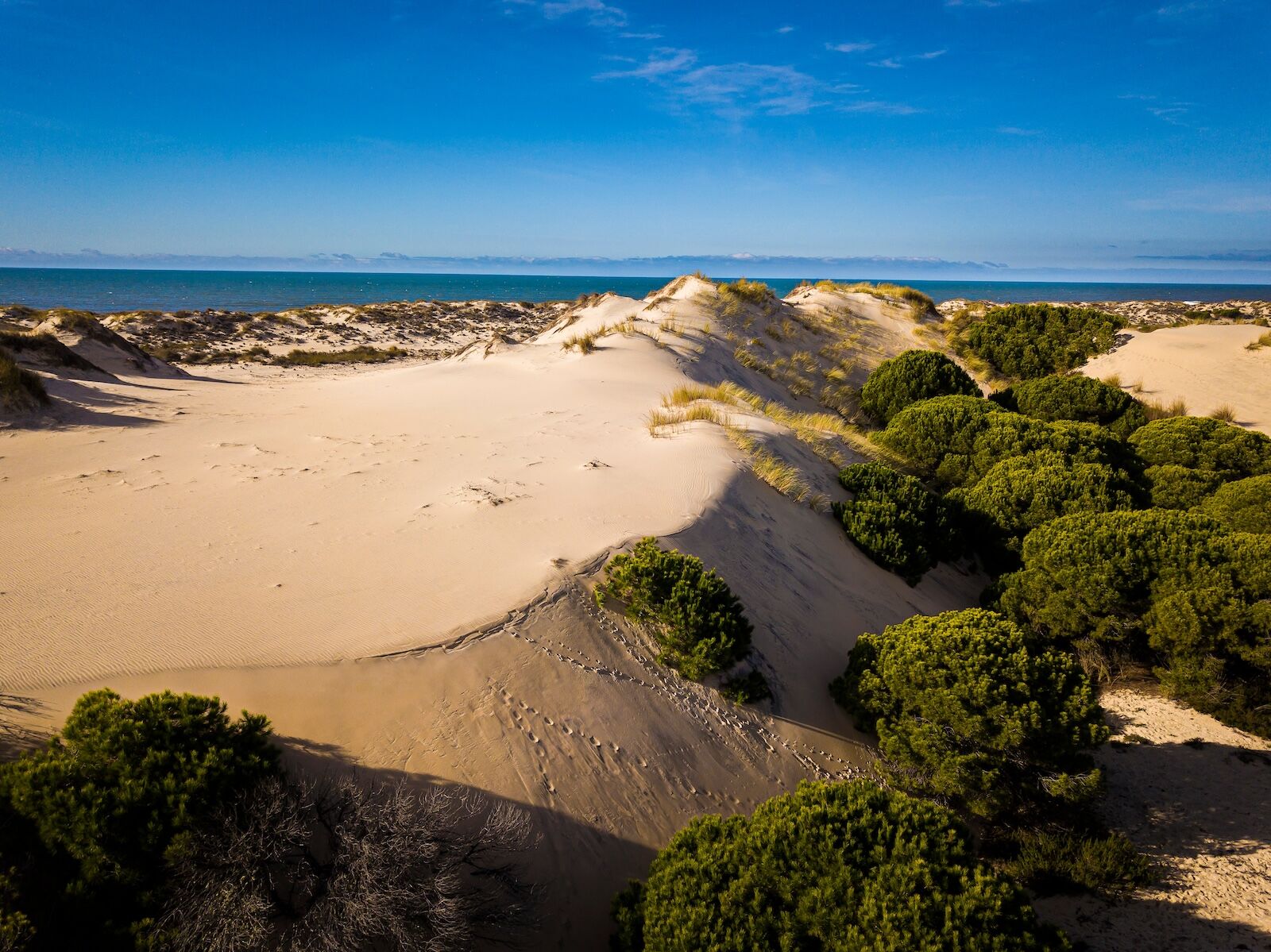
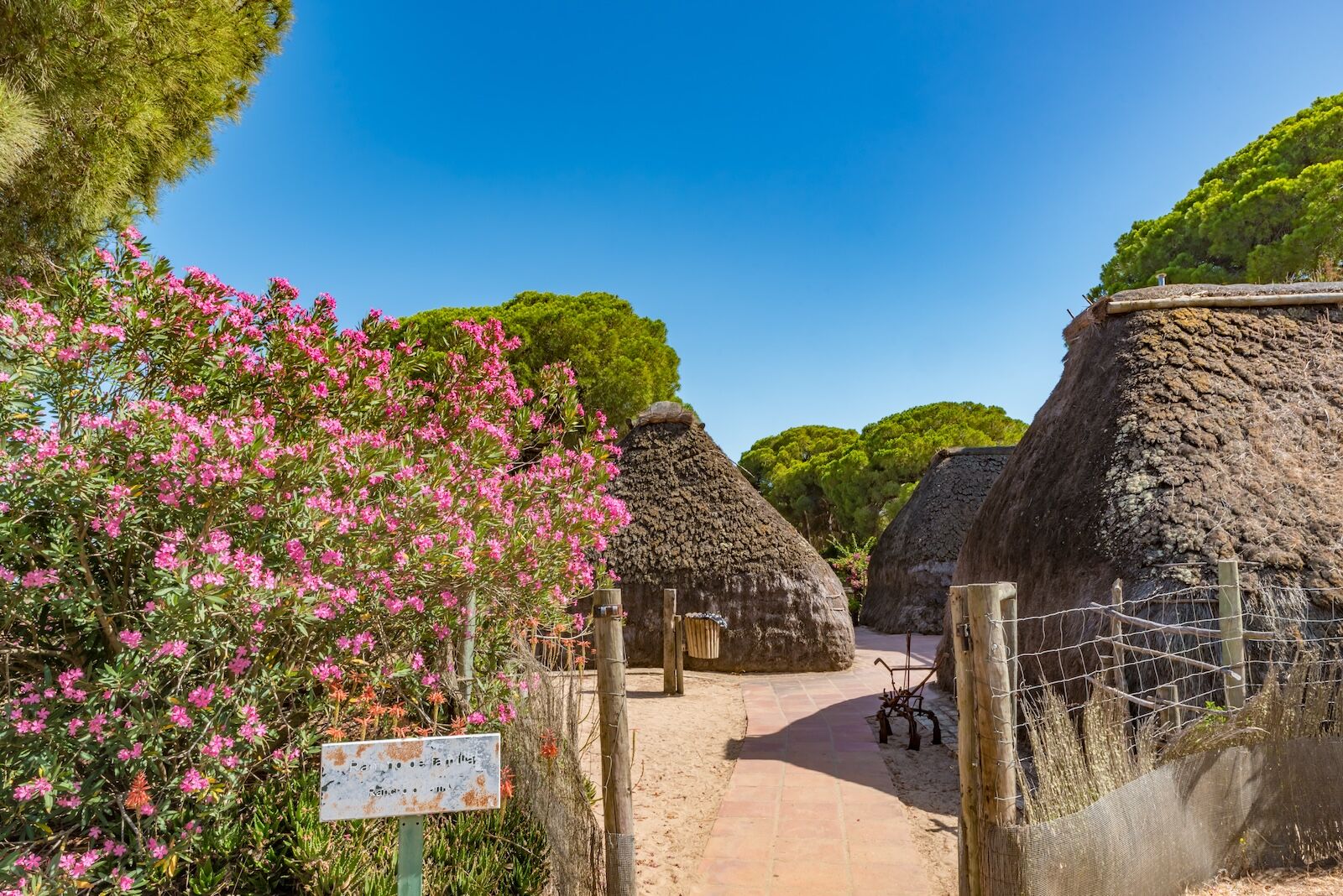
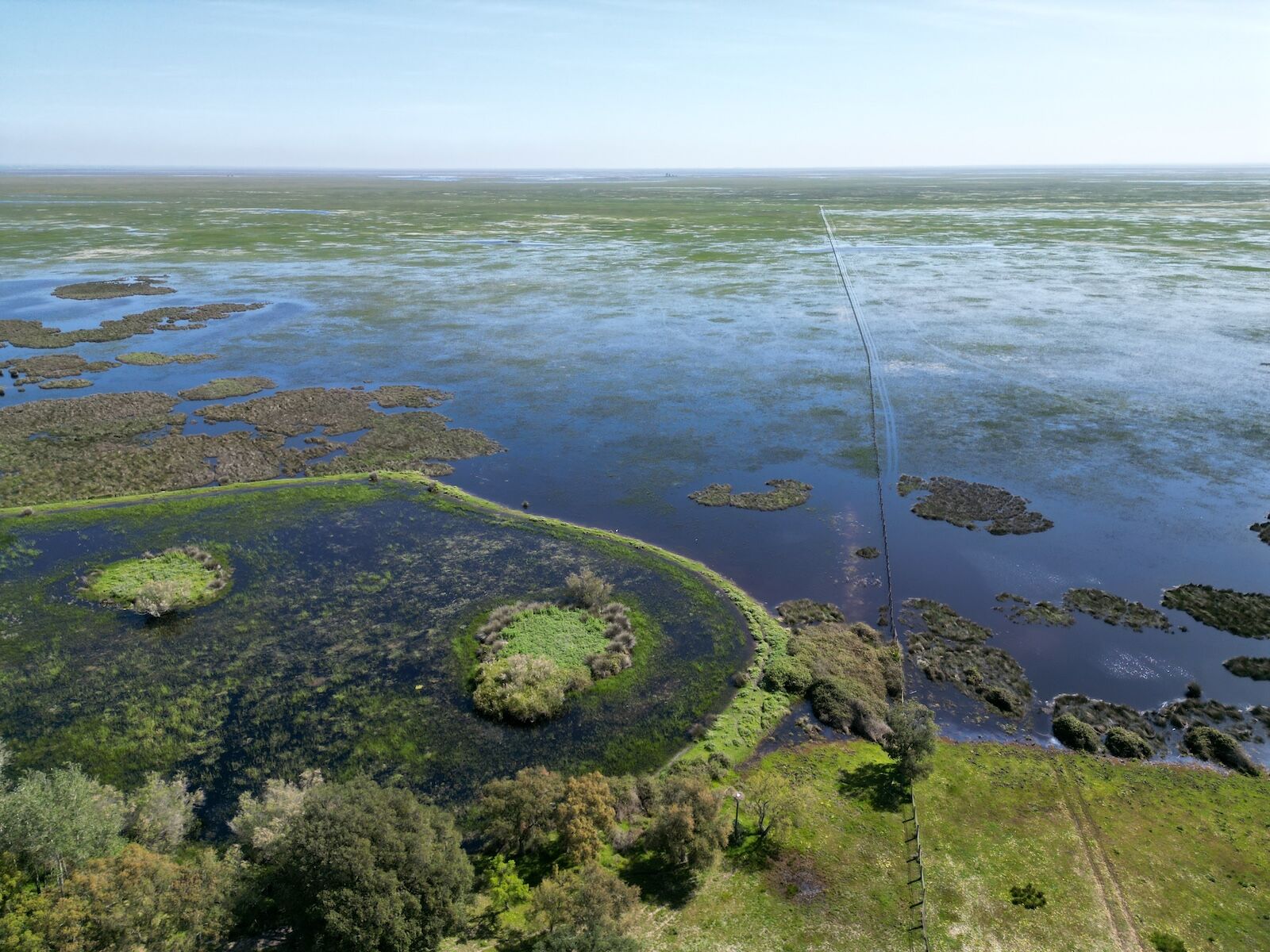
Cities like Madrid and Barcelona may be the first stops many travelers consider in Spain, but the country is also endlessly rich for outdoor enthusiasts. Located in the Andalusia region, Doñana National Park (plus the adjacent Natural Park) is a UNESCO World Heritage site spanning more than 200 square miles and encompassing one of Europe’s largest wetland systems. The park’s landscape reflects centuries of change where the Guadalquivir River delta meets the Atlantic Ocean, creating a unique mosaic of windswept dunes that can move 10 to 20 feet per year. Add in freshwater marshes, Mediterranean scrubland, and coastal pine forests, and it’s clear why Doñana is particularly important for wildlife and bird conservation.
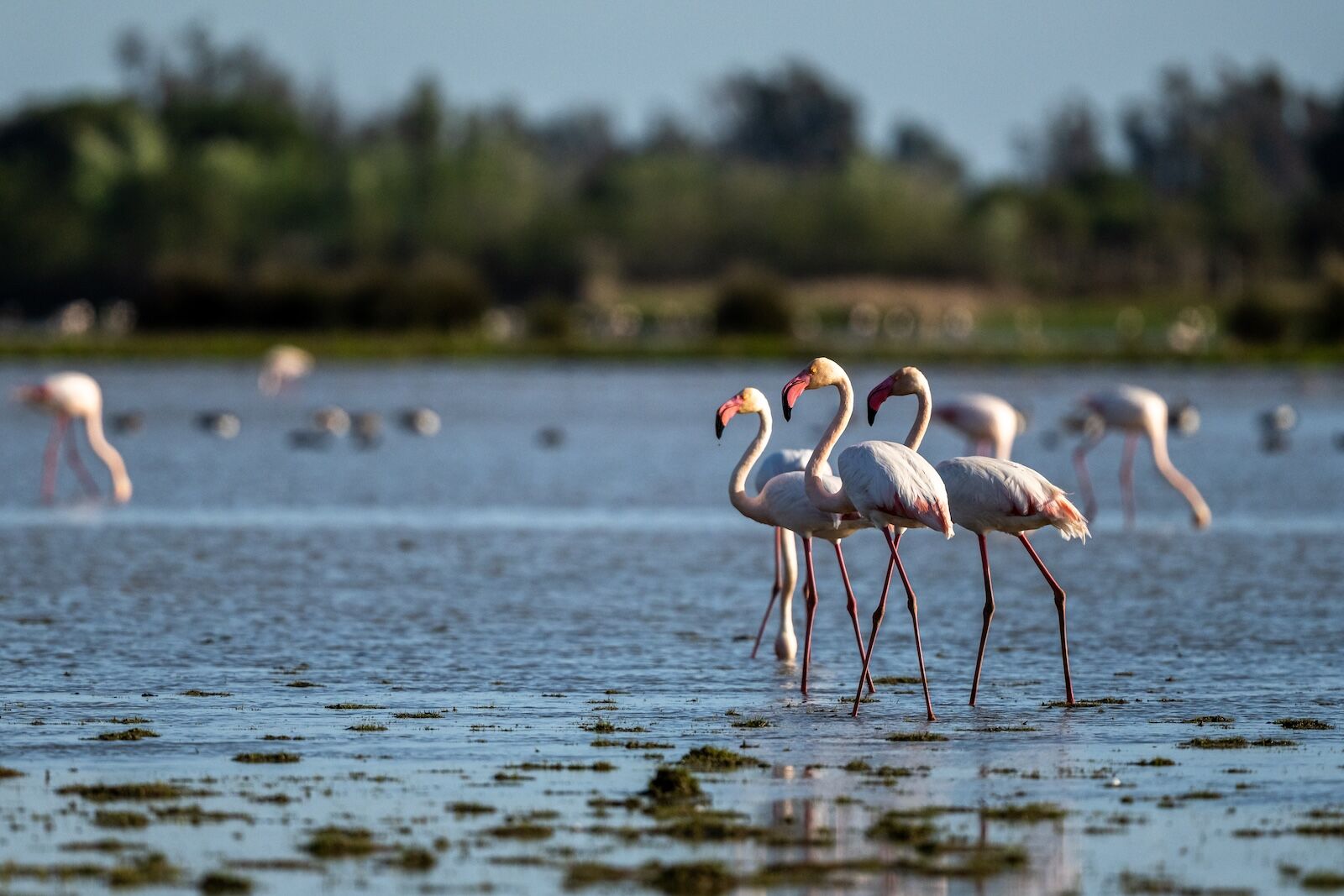
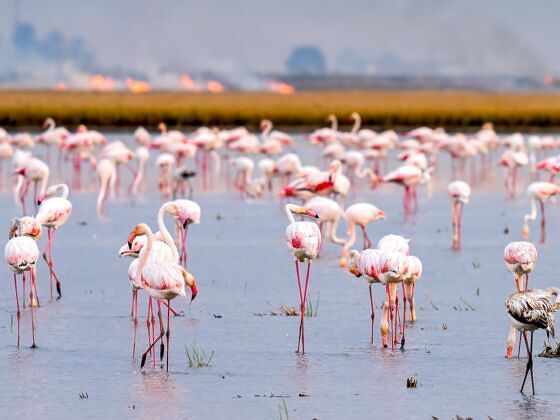
The salt marshes of Doñana are a breeding ground for about 6 million birds passing between Europe and Africa annually, including approximately 500,000 waterbirds and wintering ducks. The park hosts close to 360 nesting and migratory species, from imperial eagles and greater flamingos to the critically endangered marbled teal and white-headed duck. Birdwatchers can observe black-shouldered kites, booted eagles, purple gallinules, and European spoonbills from viewpoints and observation hides.

best national parks in 2026 - donana national park lynx

Photo: Fran Marquez/Shutterstock


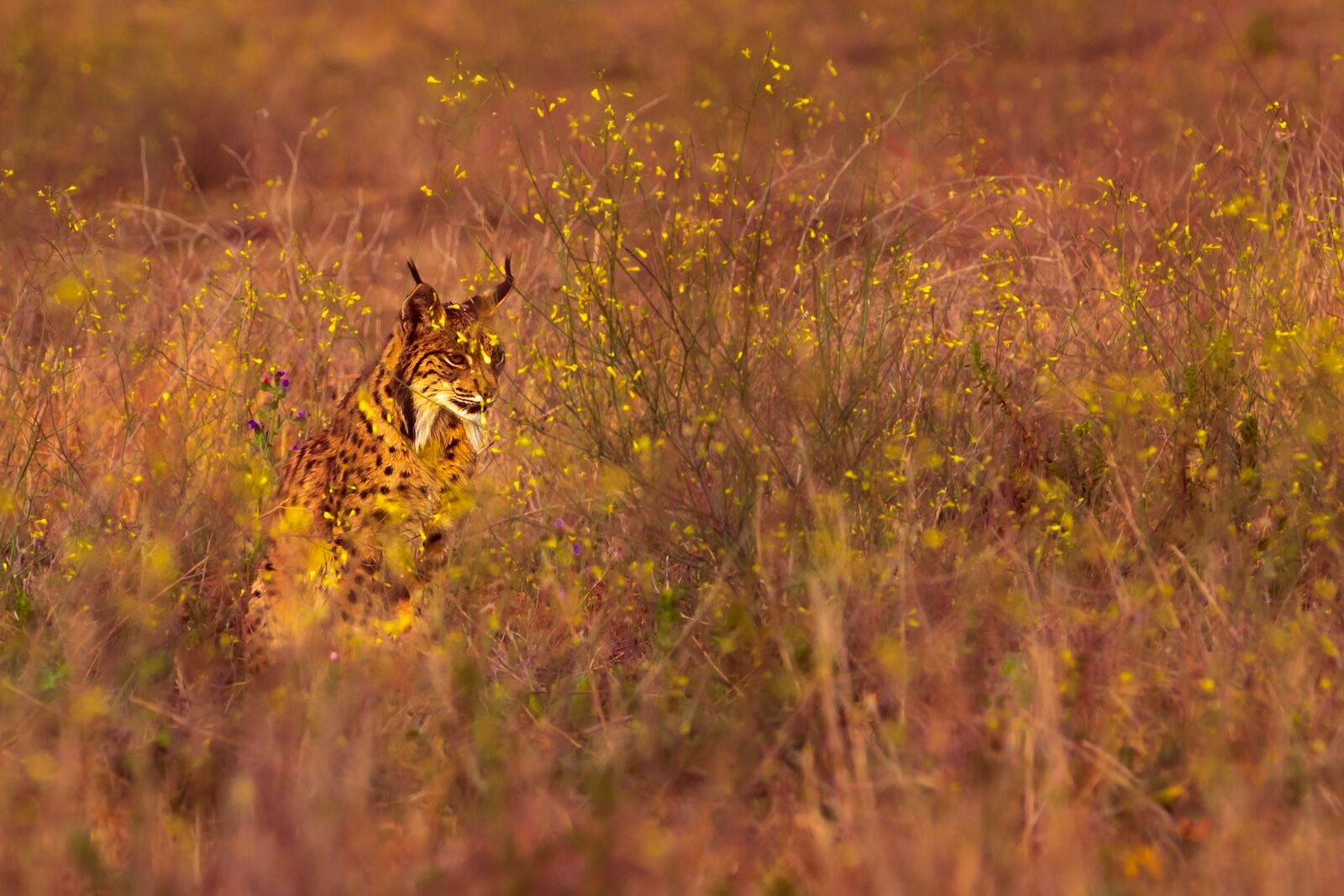
Doñana is also home to the most endangered wild cat in the world: the Iberian lynx. Winter (specifically December through February) is the optimal time to spot it in the park, particularly during early morning hours when these elusive predators are most active.

Today, the park faces critical hydrological issues, mainly due to climate change and aquifer overuse due to intensive agriculture. UNESCO and environmental organizations have demanded urgent action, expressing serious concerns about declining bird populations and water quality. The situation has been exacerbated by illegal water extraction, though 296 illegal wells have been sealed since 2024. Additional threats include the potential reopening of the Aznalcóllar mine, which caused ecological disaster in 1998, and frequent droughts that leave marshes dry for half the year. A responsible visit in 2026 can be a way to support conservation efforts.

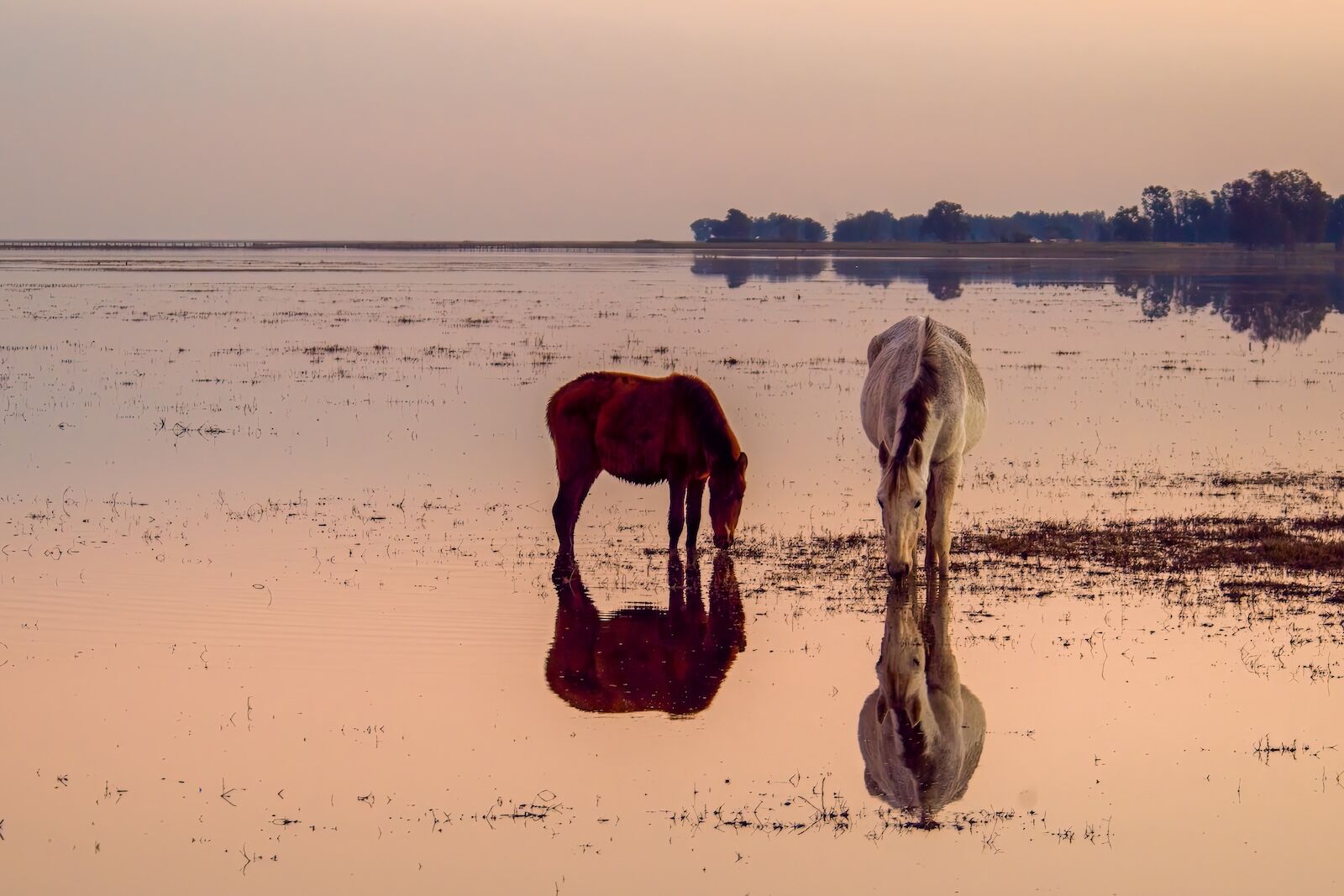
Sustainable ways to explore Doñana include walking, biking, and horseback riding, though you may need to book guided 4×4 tours with authorized operators to access parts of the park’s protected core. The El Acebuche Visitor Centre serves as the primary hub for tours, offering pedestrian trails around seasonal lagoons and wildlife watching hides. Specialized operators provide small-group 4×4 safaris into the Coto del Rey, the 13th-century royal hunting grounds now home to one of the world’s densest Iberian lynx populations. To see the park from water, you can also book a tour on the “Real Fernando” tourist boat, which navigates the Guadalquivir River estuary.

Photo: bieszczady_wildlife/Shutterstock
Photo: Lukas_Vejrik/Shutterstock
Photo: Takashi Images/Shutterrstock
Photo: Servicio de Almacenamiento Compartido de la Organización
Photo: Right Perspective Images/Shutterstock

Outside the park, visitors can explore family-owned wineries in the area and dine at restaurants focused on local ingredients like prawns, cuttlefish, and wedge clams. Caldito rociero (fish soup) and pescaíto frito paired with Condado de Huelva wines are classic area staples. To avoid contributing to overtourism problems, visit the town of El Rocío outside of holiday dates, taking care to avoid “Romería de El Rocío” (a huge pilgrimage event) that happens toward the end of May each year.

How to reach Doñana National Park


To reach Doñana National Park, fly into Seville Airport, about 43 miles from the park. Spain’s Jerez Airport is technically closer at about 30 miles away, but Seville generally is more affordable and has more international flights from the US and other countries in Europe. Public transportation, though limited, runs from Seville’s main station to El Rocío village and Matalascañas beach. That said, driving in the area is easy, and renting a car will offer you maximum flexibility when it comes to moving around the park.

Discover Matador

Save Bookmark

We use cookies for analytics tracking and advertising from our partners.

For more information read our privacy policy.