Even for frequent flyers, there’s a certain level of anxiety that comes when you’re standing at a baggage carousel, watching the same unclaimed suitcase circle past for the fifth time, and getting more and more nervous as you realize yours hasn’t come out. It’s one of the most common ways a trip gets started on a low note, and for decades, the reasons why some bags get lost (and what you can do about it) have been no more than best guesses. But a new report took a closer look at how bags move through airports and found the single most important factor in determining if your bag is going to get misplaced. And it’s one you only sometimes have control over.
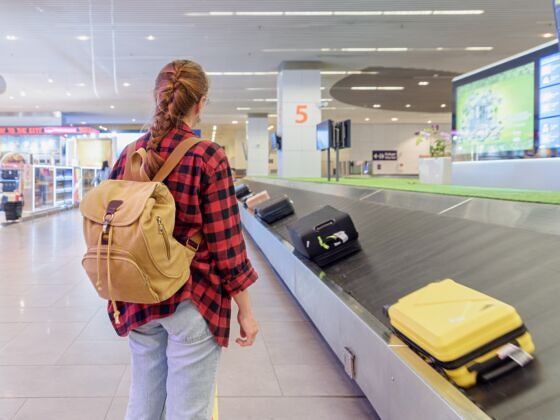
Photo: Efired/Shutterstock
This Is the Single Biggest Reason Checked Bags Get Lost or Delayed
The single most important factor
Photo: Nelson Antoine/Shutterstock
The worst enemy for your checked bag isn’t a careless baggage handler, a faulty tag scanner, or baggage trailers that move too slowly between the runway and terminal. It’s actually a much simpler reason: the length of your connection.
According to SITA’s 2026 Baggage IT Insights report, which analyzed data from about 500 airlines and 2,800 airports, tight transfers were the leading cause of lost and misplaced luggage worldwide in 2025. They accounted for a whopping 39 percent of all lost and mishandled bags. In fact, no other single factor even comes close. Ticketing errors (like tag misprints or routing number errors) and people grabbing the wrong bags were a distant second at 18 percent, followed by bags that simply failed to get loaded, at 16 percent.
If you’ve ever sprinted through a terminal to make a 20-minute connection and wondered whether your suitcase could move as quickly, the data suggests the answer is often no. While connecting through small airports may give it slightly better chances of making it, in general, bags and people take different routes, so a larger airport doesn’t necessarily mean your bag travels a longer distance.
Why connections are where bags disappear
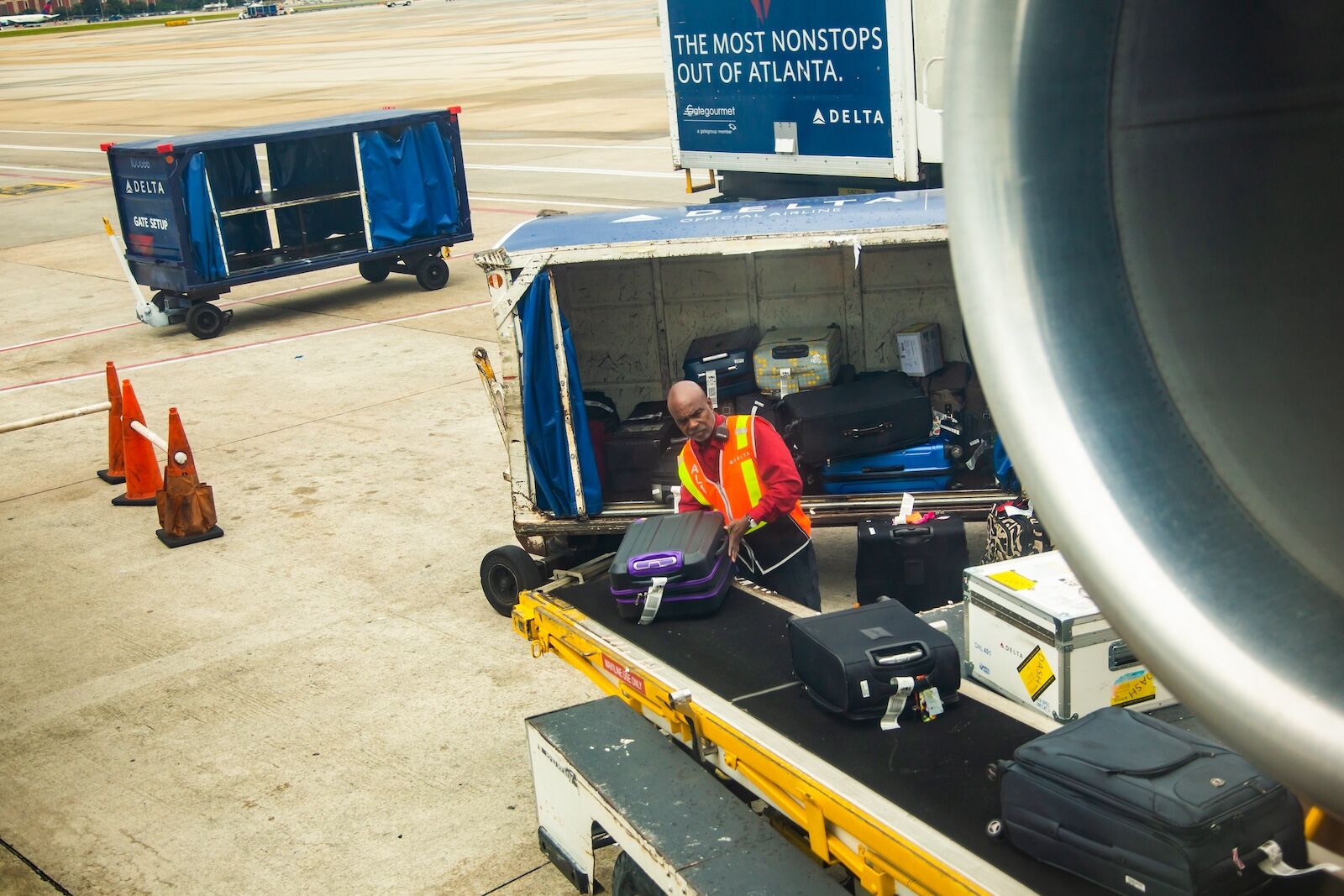
Photo: Bob Pool/Shutterstock
During travel, the fastest your bag has to move is when you’re connecting planes and it has to be unloaded from the first aircraft, routed through and scanned into a transfer system, then reloaded onto the next — all during a relatively tight window in which travelers may have to run to make their connections. While airlines will hold planes for passengers, they don’t hold them for bags. So if your connection that was supposed to be 90 minutes gets shortened to 25 minutes due to flight delays, your making the next flight isn’t a sign that your bag will.
That risk goes up when you’re on an international trip. The SITA report found that the global “mishandling” rate jumped from 1.65 bags per 1,000 passengers on flights within the US to 9.12 per 1,000 passenger on routes with international connections. That increase of more than 500 percent is due to extra bag transfers, more people involved in the process, extra steps in the process, and a higher volume of bags.
Unfortunately, the fix isn’t totally in a passenger’s control. Most airlines won’t allow you to book a connection shorter than the airport’s “Minimum Connection Time,” a factor calculated based on airport size and volume. But that minimum is based on all flights being on time, as well as flights not changing terminals at the last minute. If you’re checking a bag, you might want to consider booking travel with longer layovers — but there’s still no guarantee. And if you’re booking two separate tickets, the airline that lost your bag likely doesn’t have an obligation to return it to you at your final destination. Booking a single ticket, even if it’s more expensive, may at least make it more likely that your bag eventually gets back to you.
The good news: bags are getting lost less often
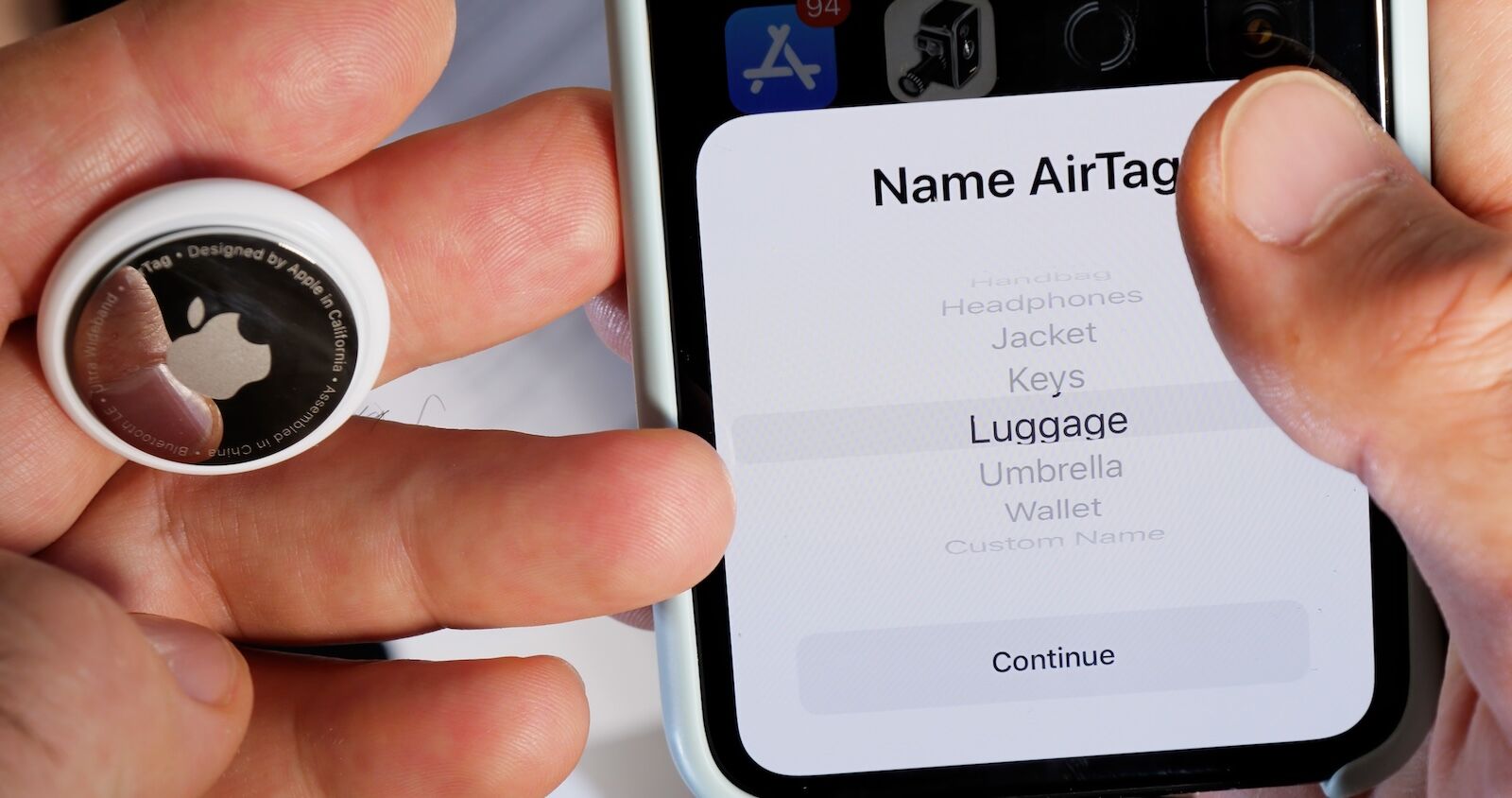
Photo: Hadrian/Shutterstock
Even with the volume of passengers steadily increasing each year, lost and mishandled baggage rates are at their lowest since before 2020. SITA reported that mishandling rates fell 23 percent in 2025, even as airlines handled a record 5 billion passengers that year. In the US, it’s the third year in a row of improvements, according to Department of Transportation data researched for the report. The report attributes the improvements to more widespread bag tracking and automatic sorting and routing programs that can reroute bags before flyers even have a chance to file a complaint.
Fortunately, when a bag is mishandled, it’s usually just late, not fully lost. About 75 percent of all incidents are delayed bags, which are usually reunited with their owners a day later. The data show that only four percent of bags are fully lost and never make their way home. The other 21 percent of incidents involve bags that are damaged or stolen. SITA attributes this to updated tracking methods, such as the widespread use of Apple AirTag trackers, as many airlines can use that information to speed up the recovery process. 