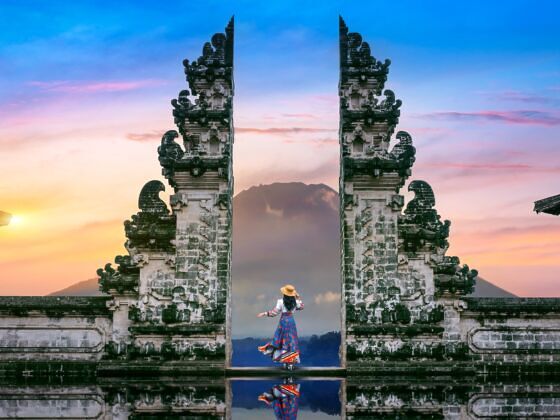
Photo: Guitar photographer/Shutterstock

Your Bali Instagram Post Could Get You Banned From the Island for Life

Bali News Beaches and Islands
by Suzie Dundas Jun 9, 2026

In the popular island destination of Bali, known for its waterfalls, stunning terraced rice fields, and influencer hotspots like Ubud and Canggu, a new government task force has emerged — and it’s one that may drastically change how many photos of Bali you see on Instagram going forward.

Bali recently launched an immigration task force targeting foreign influencers and content creators who produce commercial work on tourist visas. Penalties range from fines and deportation to arrests and even lifetime bans from the island. According to local reporting, the Dharma Dewata (very loosely translating to “the righteousness of Bali”) Task Force has about 100 officers who conduct routine patrols in areas known for high influencer activity or areas where immigration violations have been reported. The task force is even monitoring social media in real time to identify potential offenders, per the Bali Regional Immigration Office.
Between January 1 and April 12, 2026, Bali Immigration recorded 165 foreign nationals deported and 62 detained for violations ranging from doing professional makeup without a license to overstaying visas to yoga instructors and DJs who worked without a license, not just influencer activity. But the influencer crackdown is one prominent part of it — and the part that’s likely to get unknowing visitors in trouble.

So you have a big following and post your trips — are you at risk?


View this post on Instagram


A post shared by Rudenim Denpasar (@rudenim_denpasar)


If you’re the kind of traveler who has a real audience and documents every trip but doesn’t run brand deals, you’re likely safe: the crackdown is aimed at commercial activity, not at popular accounts. Snapping a waterfall, posting a sunset, or tagging the warung where you had the best nasi goreng of your life — for your own followers, getting nothing in return — is not what officers are hunting for. Having a lot of followers and posting doesn’t automatically put you at risk.

The line gets crossed when a transaction enters the picture. Activities that now require a work permit include brand collaborations, sponsored posts, photography assignments, and barter deals, where you get a free place to stay, meal, or activity in exchange for posting about it on social media. Some outlets have also reported that influencers who have any brand deals — even if those brand deals are unrelated to Bali — could be at risk, since sharing photos from Bali could increase your follower count, thus securing you larger payments on future brand deals. It’s unclear if the Bali task force is actually taking it that far, but it’s not off the table.

The “but I don’t make money” trap

bali infleuncer rules - cheesy photo

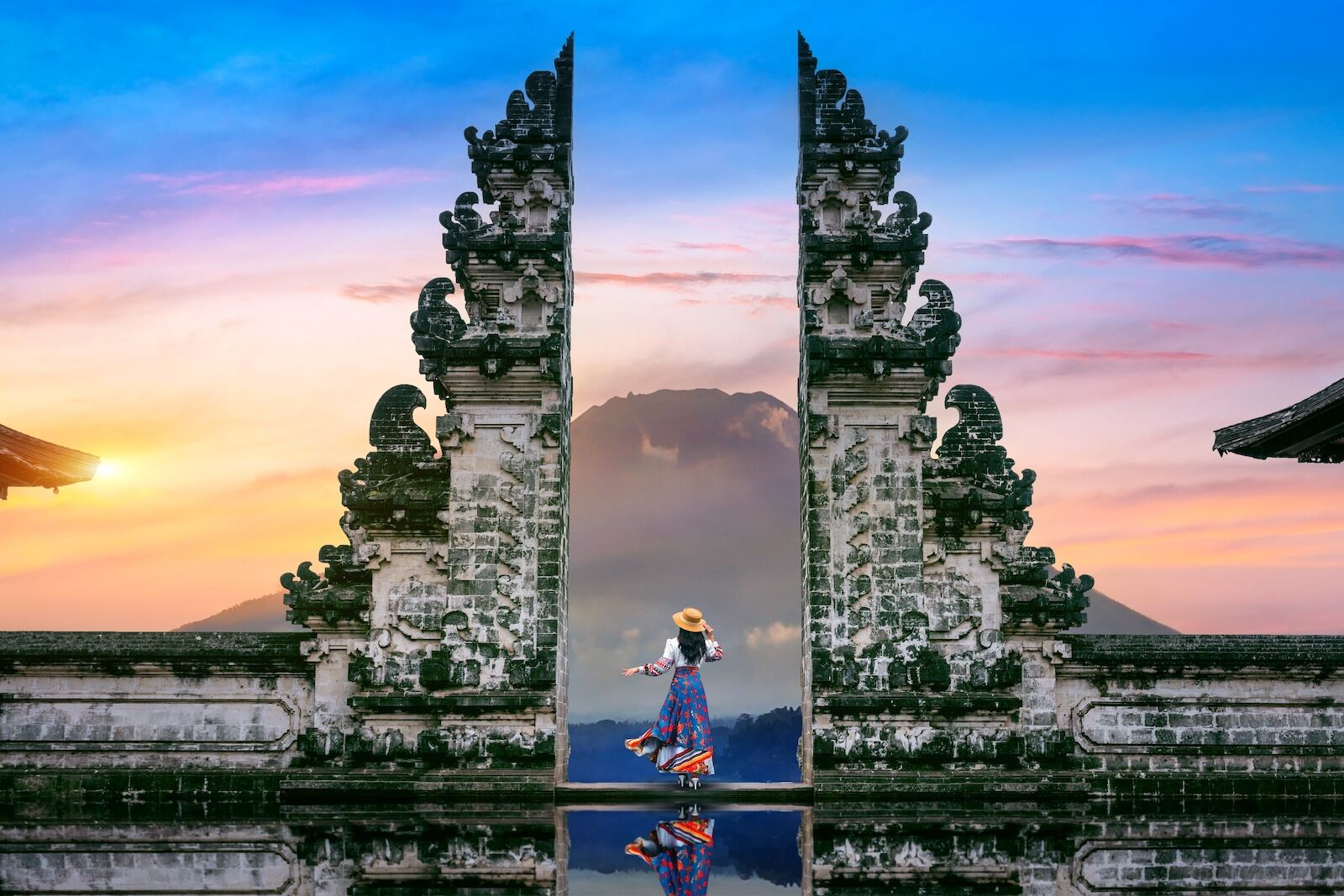
You may start seeing photos like this a lot less on your Instagram feed. Photo: Guitar photographer/Shutterstock

This is the assumption most likely to get someone in trouble. The fact that a person wasn’t directly paid for a post won’t insulate them from potential prosecution. Thus far, the position of the Dharma Dewata Task Force is that if a business gains promotion and you benefit with something like a free meal, it’s work, whether or not you were compensated with money. So even a non-monetizing Instagrammer needs to ensure before posting that (a) they weren’t given anything in exchange for their post and (b) they’re not tagging a business in a way that could read as a collaboration.

But remember — it’s not just the business that may be compensating you. Some content creators can make money directly from Instagram in the form of subscriptions or creator bonuses, and even having recent posts with affiliate links could mean that the government sees any new posts from Bali, even if they’re unrelated, as promotional. The government has yet to issue a clear line-by-line guideline of where it draws the line, and while a grey-area violation like that may not get you banned for life, it could result in a small fine or annoying delay while dealing with police.

Where they’re looking

bali influencer rules - ubud terraces

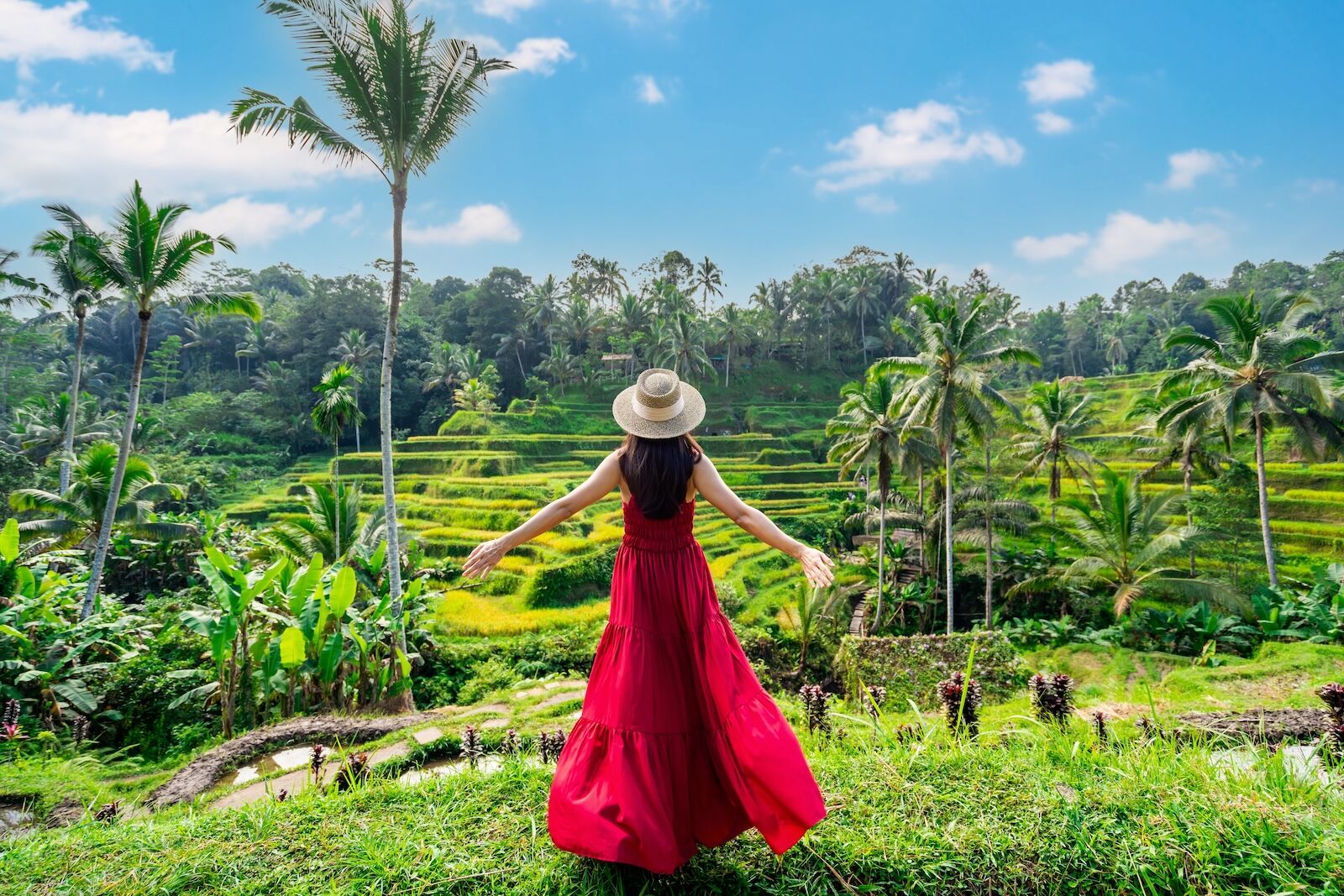
Patrols are expected to be at popular influencer areas, such as the rice terraces near Ubud. Photo: kitzcorner/Shutterstock

So far, patrols and social-media monitoring efforts are concentrated in Bali’s expat areas and well-known hubs for content creators, like Canggu, Ubud, Seminyak, Kerobokan, and Uluwatu, according to the Bali Regional Immigration Office. Officers are reviewing public posts, so a sponsored reel from a beachfront villa or a tagged brand partnership from a rooftop bar can itself become evidence. If you’re posting from these areas, the only content that’s safe is the content that’s obviously yours and uncompensated.
How to get the right visa

bali influencer rules - visa close up

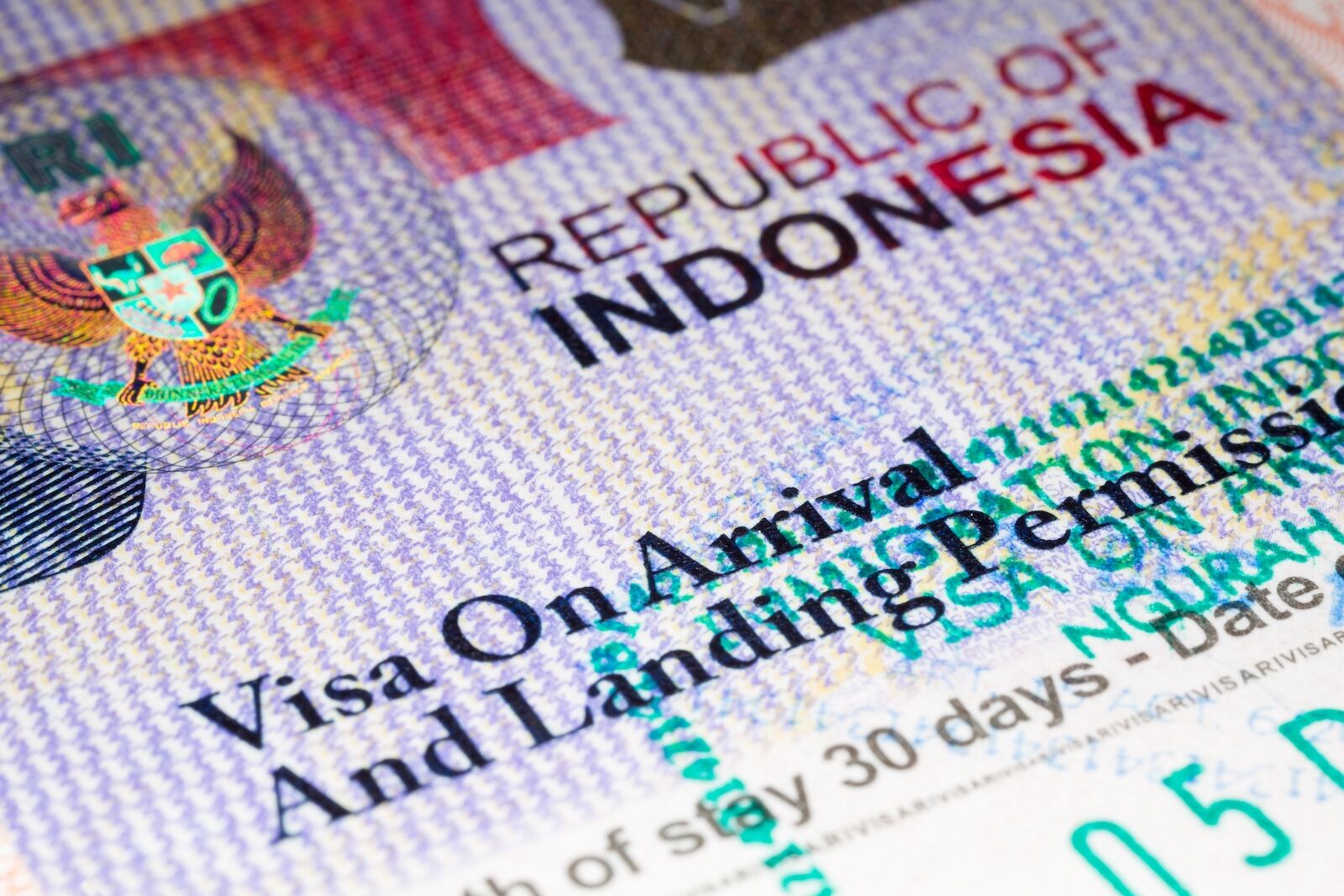
Photo: Kseniya Lanzarote/Shutterstock

If your Bali plans involve real work like brand deals, sponsored shoots, or anything commercial, you’ll probably want a E33G Remote Worker Visa. It’s a one-year, multiple-entry permit for working remotely for clients or an employer based outside Indonesia. However, the requirements for it may slow some applicants. You need an annual income of at least $60,000 from foreign sources and a bank balance of at least $2,000, and you’re banned from earning money from companies in Indonesia. The application fee is IDR 7 million (about $430). It’s designed mostly for salaried remote workers, not casual content creators.

How to proceed gets trickier if you don’t qualify. The specific question of “what’s the right visa for a sub-$60K influencer with no sponsor” isn’t something Indonesian Immigration has officially answered. You can contact immigration directly to ask, but as of now, it’s a grey zone with no clear answer. For now, the only safe move if you’re an influencer without the proper permit is to stop influencing when your plane touches down and stay away from any kind of promotional post — or any kind of post at all, if you’ve recently done other travel brand deals.

Why the task force was created


View this post on Instagram


A post shared by BALI INFO (@bali.info.official)


This headline-making influencer crackdown didn’t spring from one cause. The Dharma Dewata unit itself is a general immigration push recently expanded due to public anxiety about foreigners on the island. In early 2026, there were several high-profile crimes committed by foreigners, including the violent kidnapping and murder of Ukrainian Ihor Komarov, and the fatal stabbing of Dutch visitor Rene Pouw. These crimes spurred cries for more robust immigration enforcement in general.

But the influencer rule has its own logic, more about money than anything else. Bali’s long-term tourism plans call for “quality tourism,” likely designed to undo its reputation as being overcrowded and full of Western social media creators. “It is important to determine which foreign tourists are allowed to enter and which are not, so that visitors do not cause problems and instead contribute positively, particularly to the tourism sector,” said Bali Governor Wayan Koster in early January 2026. “Going forward, we will focus on quality tourism, not merely on numbers, through regional regulations and improved tourism governance.”

Discover Matador

Save Bookmark

We use cookies for analytics tracking and advertising from our partners.

For more information read our privacy policy.