Every traveler knows the sting of losing money on a nonrefundable travel booking. And on the flip side, every savvy traveler loves the thrill of scoring a flight for half the usual price, even if that means spending hours on Google Flights or only booking flights on certain days of the week or month. Now, there’s a new way to recoup the cost of your cancelled vacations, or find an unexpected travel deal: just buy someone else’s nonrefundable vacation.

Photo: Drazen Zigic/Shutterstock
The Surprising Travel Hack That Lets You Buy Other People’s Vacations
Once a niche corner of the internet, this practice is quickly going mainstream. Sites like SpareFare, Transfer Travel, and Roomer are all popular sites where one person’s canceled vacation plans become another person’s pre-planned vacation. In other words, a traveler’s misfortune can be your ticket to a cheap vacation. SpareFare is the largest secondary travel marketplace in terms of volume, and owner Erik Ritland says it’s quickly growing in the US after starting in the UK.
How buying nonrefundable vacations works

Photo: fizkes/Shutterstock
The concept is basic: someone has a nonrefundable trip they can’t take, so they resell it through one of these platforms. Buyers can browse for flights, hotel reservations, or even entire vacation packages. If the dates and destination match your plans (or you’re willing to be spontaneous), you can purchase at a fraction of the original price.
It works because most airlines and hotels won’t let you outright cancel and get a refund for nonrefundable bookings. But many will allow a name change or reservation transfer. For example, a hotel might refuse to refund your prepaid stay in Paris, but happily update the reservation under a new guest’s name. On most websites, the majority of deals are for hotel rooms and vacation packages, since most airlines don’t allow name changes. Those that do are generally smaller airlines that fly in only one region of the world.
The resale platforms manage this process, theoretically preventing any opportunity for scams. Payments are held by the website until the transfer is confirmed, and in some cases, until the vacation is over. It protects both buyers and sellers, and if a booking can’t be transferred for any reason, no money is exchanged.
In general, you can expect discounts of anywhere between 20 and 30 percent off, but on some sites, can bid whatever amount you’d like in more of an auction than a sale. Ritland says that on SpareFare, last-minute trips can be discounted by half or more, as sellers will often decide they’d rather get some compensation for the trip, instead of having it go entirely to waste. If you’re not willing to risk waiting that long, “you can monitor offers,” he says, “as a lot of times, some sellers might be holding out for a higher bid that never materializes. So you can swoop in and get the best deal possible.”
What’s the catch?
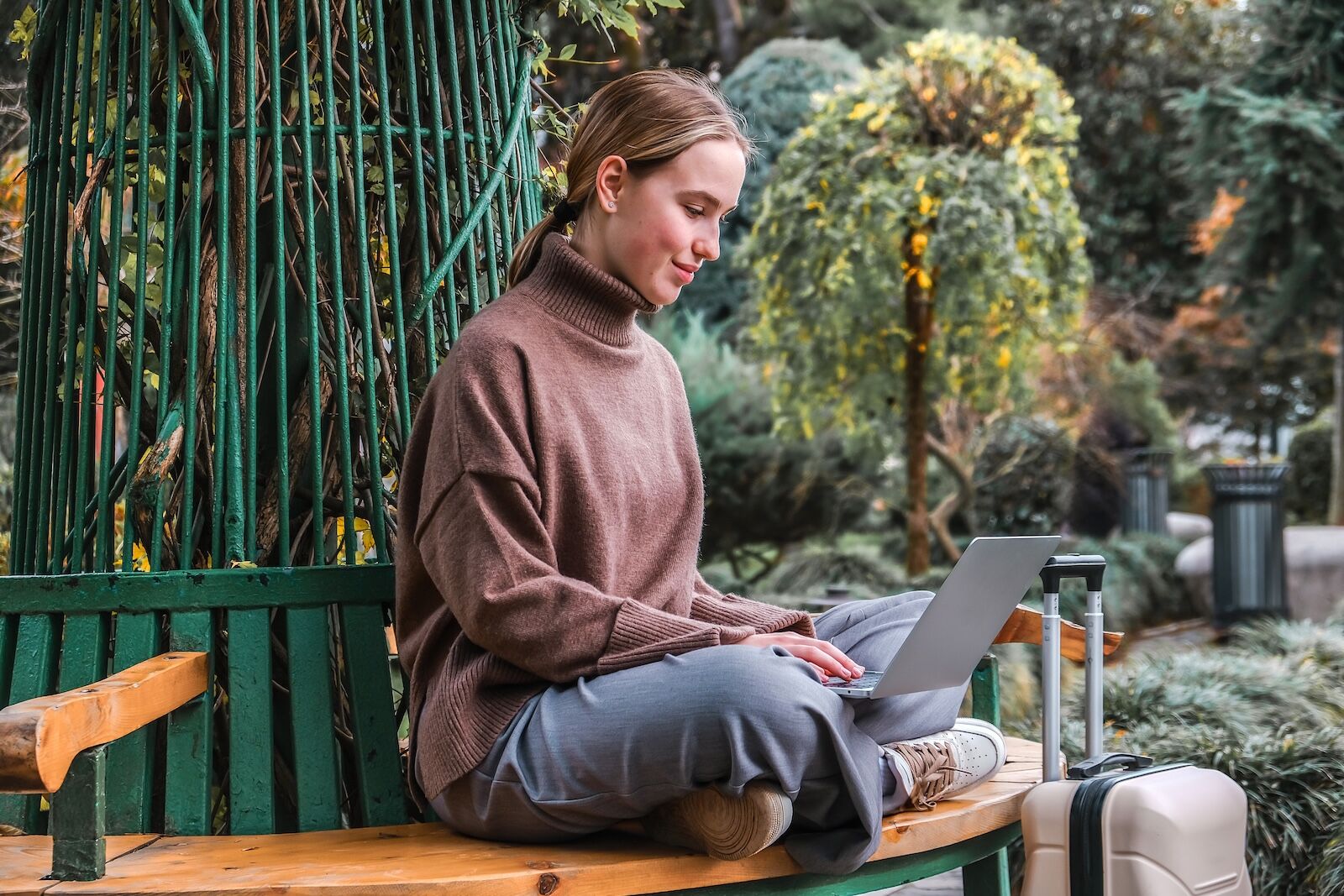
People with flexible schedules will likely benefit the most from sites like SpareFare. Photo: Shyntartanya/Shutterstock
As you may imagine, buying someone else’s nonrefundable vacation isn’t for everyone. The most obvious point to consider is that these trips are already set, with specific hotels over specific dates, so you’ll need to make sure the dates and the location work for you. Secondly, there’s a chance the bookings may not be transferable. The platforms do the legwork of verifying that listed trips should be transferable, but hotels and travel companies could change their policies at any time. You won’t pay for it if it won’t transfer, but you won’t get the trip, either. These are platforms that reward spontaneity, with the biggest rewards for travelers who are open to last-minute across a variety of destinations.
Ritland says he expects to see more and more listings popping up in the US as word spreads. “Buying second-hand travel deals are not only a viable option, but [lead] to huge savings,” he says, pointing out that it’s beneficial to both buyers and sellers. To date, the site has sold thousands of packages, including a six-day South African safari trip for $800 (valued at $6,500) and a 10-day stay in on overwater bungalow in the Maldives for $1,900 (with an original cost of $12,000). “A lot of them I see and wish I had got myself,'” he says.
For now, buying someone else’s nonrefundable trip on a marketplace like SpareFare, TransferTravel, or Roomer is totally legal. Unlike hacks like “skiplagging,” which is only allowed because of technical loopholes in airline rules, hotels and resorts usually allow name changes and transfers — and if they don’t, yet somehow make it onto the site anyway, the buyer won’t get charged. For now, the primary downside is the lack of flexibility around the trips. But if you’re a person who can travel last-minute, it could be a clever way to save thousands on your next big adventure. “There are all of these gems laying around,” says Ritland, “where you can find incredible experiences and pay a fraction of the normal price.” 