Travel in a state as beautiful as California has always been about the journey as much as the destination. But lately, journeying through the US has been quite a bit more complicated if it involves an airport. Ongoing federal shutdowns have led to extreme travel delays, operational slowdowns, and more close calls and safety incidents than usual, while a new war in the Middle East has experts saying flight prices are likely to rise through the end of the year. And even when the government is fully open, the fallout from so many TSA agents quitting means delays and slow-downs could continue for months to come.
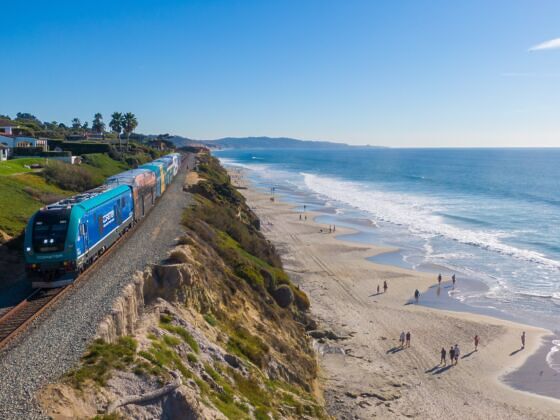
Photo: Oak City Drone/Shutterstock
7 California Weekend Train Trips to Take This Summer and Fall
Fortunately, you have another travel alternative in California: train travel.
Across California, Amtrak’s regional routes link major cities with small towns, national parks, and beach getaways that feel much further away than they really are. And unlike flying in economy class, getting there isn’t painful. Even in coach, Amtrak trains are wide and comfortable with no middle seats, have double the legroom of an economy class seat on a plane, and include power plugs for each person. You’re free to get up, walk around, or settle at a table in the cafe car rather than staying in your seat. Fares are often a fraction of the cost of flying, and tickets are often bookable last minute without any change fees that come with flying.
In a time when air travel feels more stressful and less reliable than ever, traveling within California may be the way to go — especially if you head to one of these seven appealing destinations.
The best trips by rail in California
- Trips in southern and central California
- Trips in northern California
- Trips in inland California
- Trips beyond California
California train trips via the Pacific Surfliner
View this post on Instagram
The Pacific Surfliner runs for about 350 miles along the Southern California coast, linking San Diego with San Luis Obispo and making stops in towns like Los Angeles, Anaheim, and Santa Barbara. The full route takes roughly eight to nine hours, and the views are incredible in places — especially for the 2.5-hour segment between LA and Santa Barbara, where the track runs along the coast. Sit on the left side of the train if you’re headed north and the right side if you’re headed south for the best views.
Onboard, there are two seating options: coach and business class. Even the basic seats in coach are far more comfortable than economy class on a plane, with wide, reclining seats in a two-by-two layout, no middle seats, and lots of legroom. Business class offers a quieter, less crowded car where you’ll pick your seat in advance and have priority boarding, complimentary snacks, and nonalcoholic drinks (and beer and wine are also even included on some departures).
Tickets are typically flexible and don’t require advance reservation in the way flights do, especially in coach. You should book in advance rather than buying tickets at the station, but you can usually get them a day or two before you leave (but should buy further in advance for weekends or holidays, if you’re able). Business class has fewer seats and is more likely to sell out. On board, there’s a cafe car, power outlets, trays at every seat, luggage racks, and even bike storage. Wi-Fi is usually available and free, but can be spotty.
Santa Barbara: for European elegance

Photo: Visit California
Reachable via Amtrak’s Pacific Surfliner route, Santa Barbara is an unbeatable spot for a weekend getaway. Luckily for most Californians, you don’t even need to fly to get there. Though it’s a quick weekend escape, it’ll feel like you’ve traveled much further away, with red-tile roofs, white stucco buildings, and a palm-lined waterfront that looks like the Mediterranean. The food scene mirrors that, with fresh seafood, plenty of local wines, and both Spanish and Italian influences. It’s a top spot for the kind of change in atmosphere you’d get from a trip to Europe, but with barely any advanced planning.
You can spend a morning wandering through open-air markets like The Farmer and the Flea or the weekly Santa Barbara Arts and Crafts Show, and spend your afternoon on a guided wine-tasting tour or playing bocce ball at Riverbench Vineyard.
For an ideal weekend to get away, plan to be in Santa Barbara July 18 for the annual Beachside Wine Festival, part of the greater California Wine Festival. Ticket-holders get to spend an afternoon selecting from hundreds of local wines and sampling regional bites set on the grassy area next to the beach in Chase Palm Park. It’s recommended that you buy these tickets in advance, with prices starting at $85 per person. Of course, sailing trips are readily available too, if you prefer to be on the water rather than next to it.
The trip to Santa Barbara takes about 5.5-6 hours from the Surfliner’s southern terminus in San Diego, and about 2.5 hours from the northernmost terminal in San Luis Obispo. Coach tickets start around $44 one-way from San Diego.
Carpinteria: coastal hiking and a seal rookery
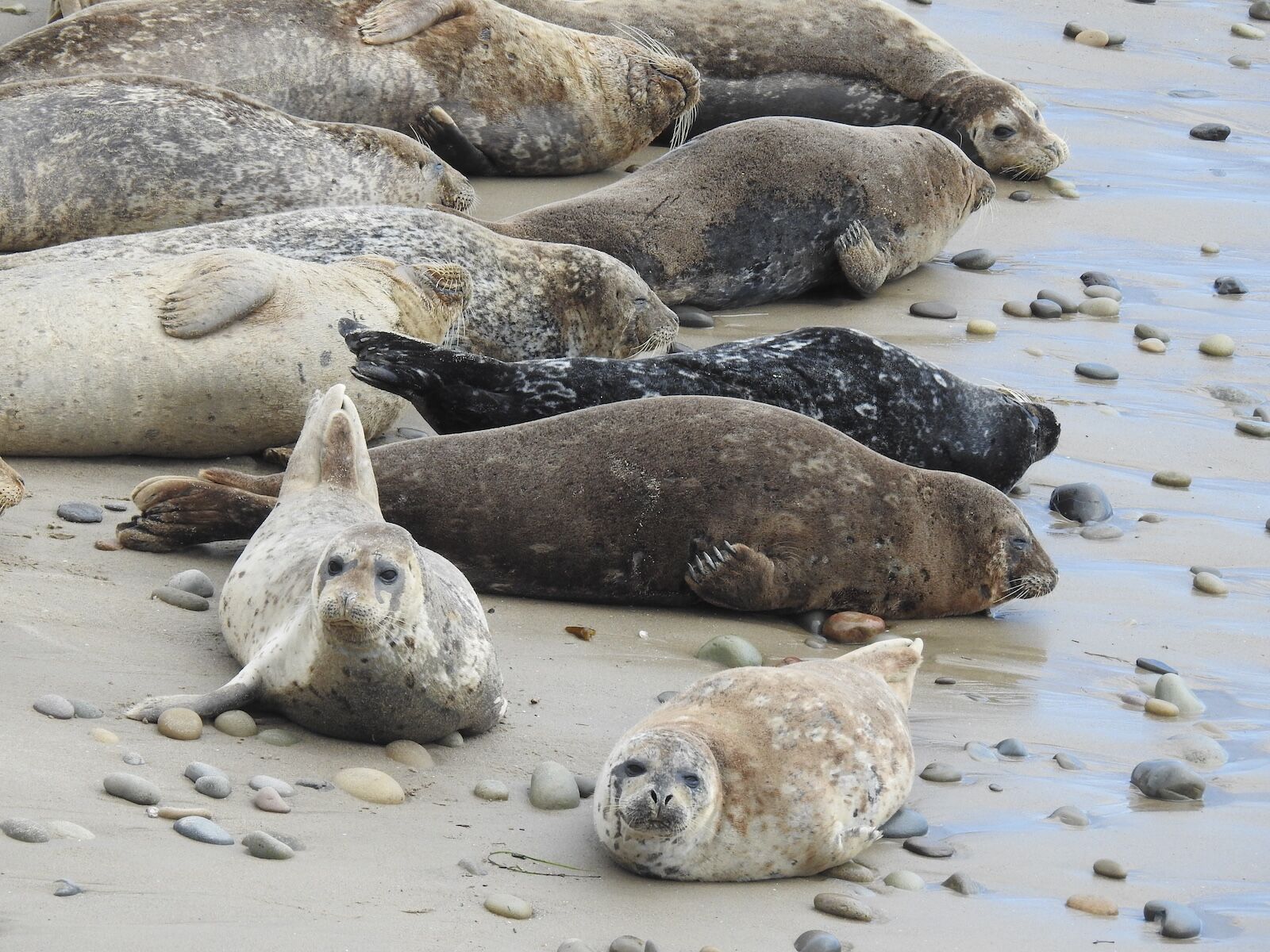
Photo: Scenic Corner/Shutterstock
Carpinteria is one of the easiest places in California to see wildlife up close without hiking deep into a park. The Carpinteria Bluffs Nature Preserve is just south of Santa Barbara and has coastal trails that hug cliffs above the Pacific Ocean. (Think: salt marshes, swaying coastal grasses, and sweeping ocean views). But the main draw for most visitors is the seal rookery below. From designated overlooks a safe distance away, you can watch harbor seals lounging, barking, and nursing pups on the beach. The trails and boardwalks are mostly flat, and while the park is small, you’ll want to budget plenty of time for sitting at the viewpoints and watching the cute creatures go about their days.
Once you’ve filled your phone with photos of baby seals, head to Carpinteria State Beach (a 1-mile walk along the coast) for swimming, or head into the town of Carpinteria. You’ll find coffee shops, casual restaurants, and a distinctly unhurried vibe more reminiscent of far north California than anywhere else.
Fortunately, getting there is easy. Take the Surfliner to Carpinteria (about two hours from Los Angeles or six hours from San Diego), and walk about 15 minutes from the train station to the Nature Preserve. From San Francisco, you can connect via Amtrak through San Jose. Once you arrive, everything is accessible on foot, making it one of the rare places in California where you can step off a train and be watching wildlife minutes later. You can even camp on the beach, and you’ll have plenty of space for gear on the train.
Pupping season is late spring and early summer, which is when the rookery is busiest (and filled with adorable baby seals). But if you’re planning more of a fall trip, you can still catch an epic weekend in town: the town hosts the annual California Avocado Festival the first weekend of October each year. It’s a free festival that attracts thousands of attendees with the slogan “Peace, Love. and Guacamole.”
Ventura: a laid-back, surf-town getaway
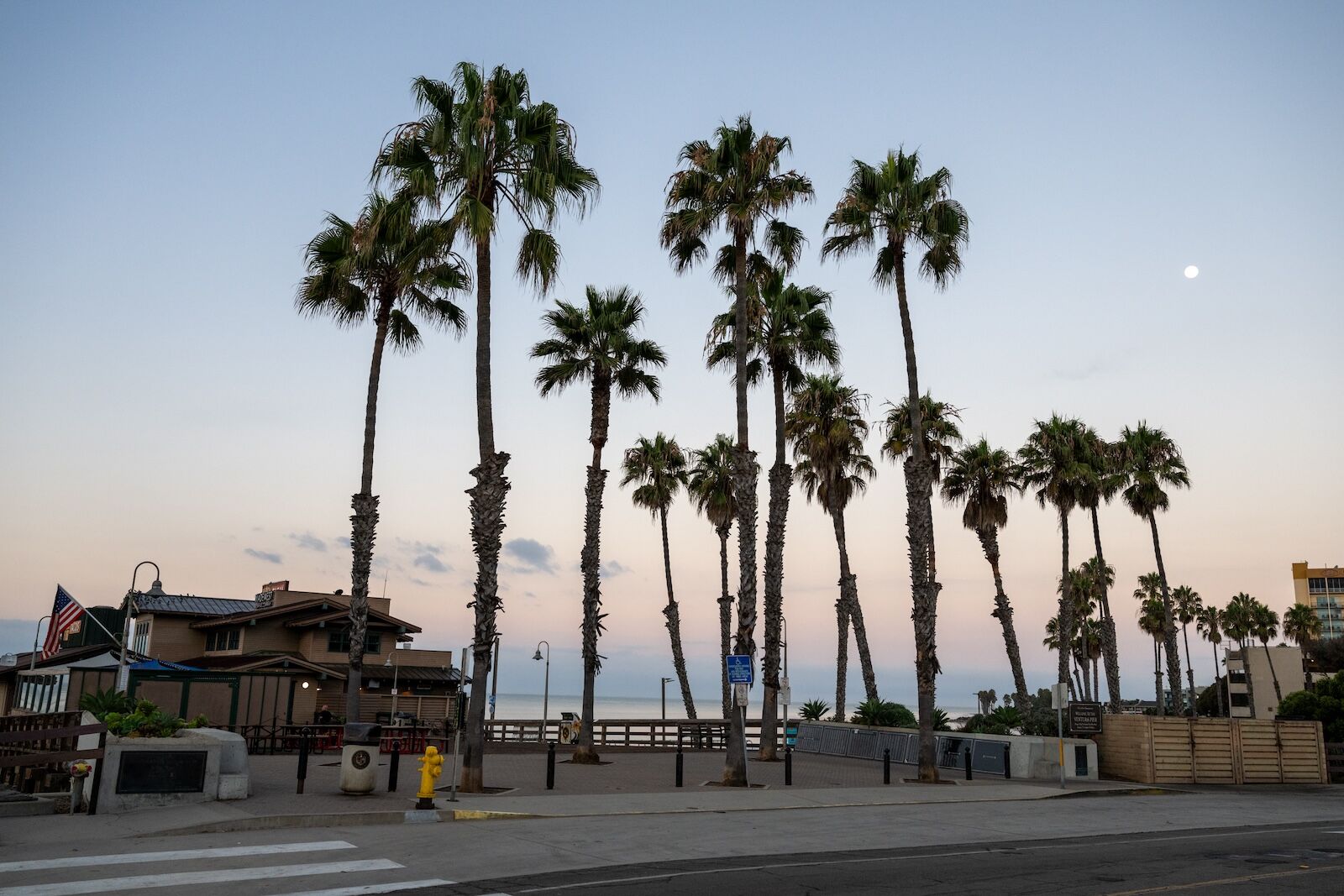
Photo: Visit California
Ventura is one of the most underrated stops along Amtrak’s Pacific Surfliner, offering the same oceanfront setting as Santa Barbara but with a more relaxed, local feel. The train drops you just steps from the sand, making it easy to spend the day walking the Ventura Pier, biking the coastal path or heading out to the Channel Islands National Park via nearby harbor ferries. Downtown Ventura is compact and laid-back, with independent shops, breweries, and relaxed restaurants lining Main Street. If Santa Barbara is a polished getaway, Ventura is a barefoot surf town. You’re more likely to find people grabbing fish tacos, browsing thrift stores, and catching live music, rather than spending hours on wine tastings or waiting in line for expensive tasting menus.
From Los Angeles, the ride takes about two hours, though it’s closer to five from San Diego. Once you arrive, you don’t need a car. Most of what you’ll want to see is within easy walking or biking distance of the station.
Trips via the Capital Corridor
View this post on Instagram
The Capitol Corridor runs through Northern California, connecting San Jose (south of the Bay Area) with Auburn and passing through major cities like Oakland, Berkeley, Sacramento, and Davis along the way. The full route covers about 170 miles and takes roughly 3.5 hours end to end. It’s less picturesque than trips on the Pacific Surfliner, but it takes less time to get where you’re going. Like other California Amtrak trains, it has coach and business class seating and semi-flexible ticketing that doesn’t require much advanced planning.
Berkeley: for an artsy, counterculture weekend
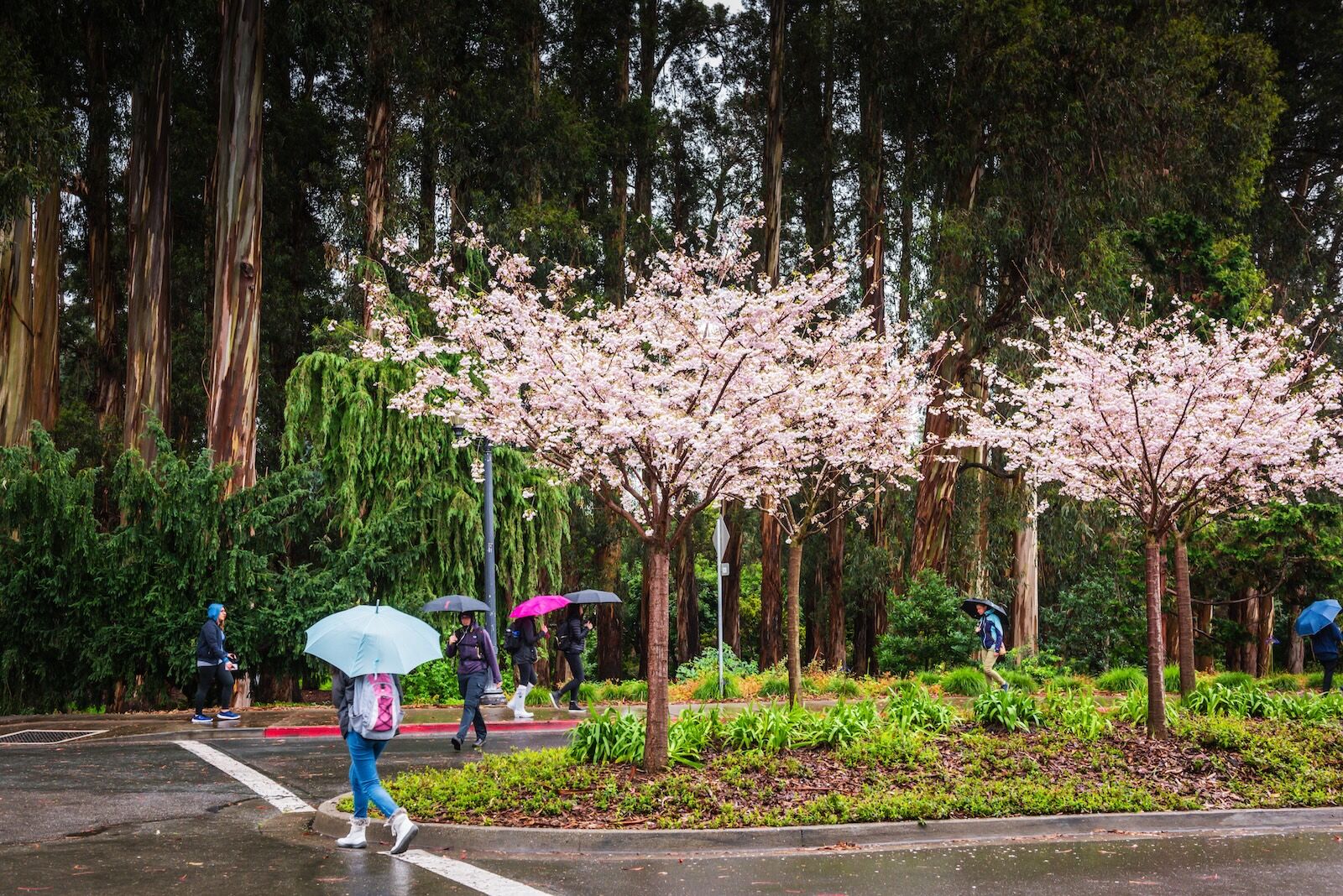
Photo: Sandra Foyt/Shutterstock
Berkeley is an easy weekend trip that feels both intellectual and laid-back, with a mix of campus energy, a diverse food culture, and artsy community events. The Downtown Berkeley station puts you within walking distance of the University of California campus, where you can spend a morning wandering tree-lined paths, browsing bookstores, and stopping into museums like the Berkeley Art Museum and Pacific Film Archive. From there, it’s a short walk to some of the city’s most well-known restaurants, along with casual spots serving everything from ramen to Ethiopian food.
Berkeley’s food scene is one of its biggest draws, anchored by plenty of independent restaurants. The Berkeley Farmers’ Markets run multiple days per week year-round, and bars and restaurants like Cafe Leila and Jupiter are staples for live music. If you can, go during the Bay Area Book Festival, a unique event held in town with book readings, guest lectures, writing classes, and the popular “Bookworm Block Party.” It’s free to attend, but does get busy. In 2026, it’ll be held from May 31 to June 1.
From Sacramento, getting to Berkeley on the train takes about 1 hour and 45 minutes. From San Jose, it’s usually about the same, depending on track traffic. Once you’re in Berkeley, almost everything is walkable, but rideshares (as well as bike rentals and even pedicabs) are readily available.
Auburn: California history and foothills hiking
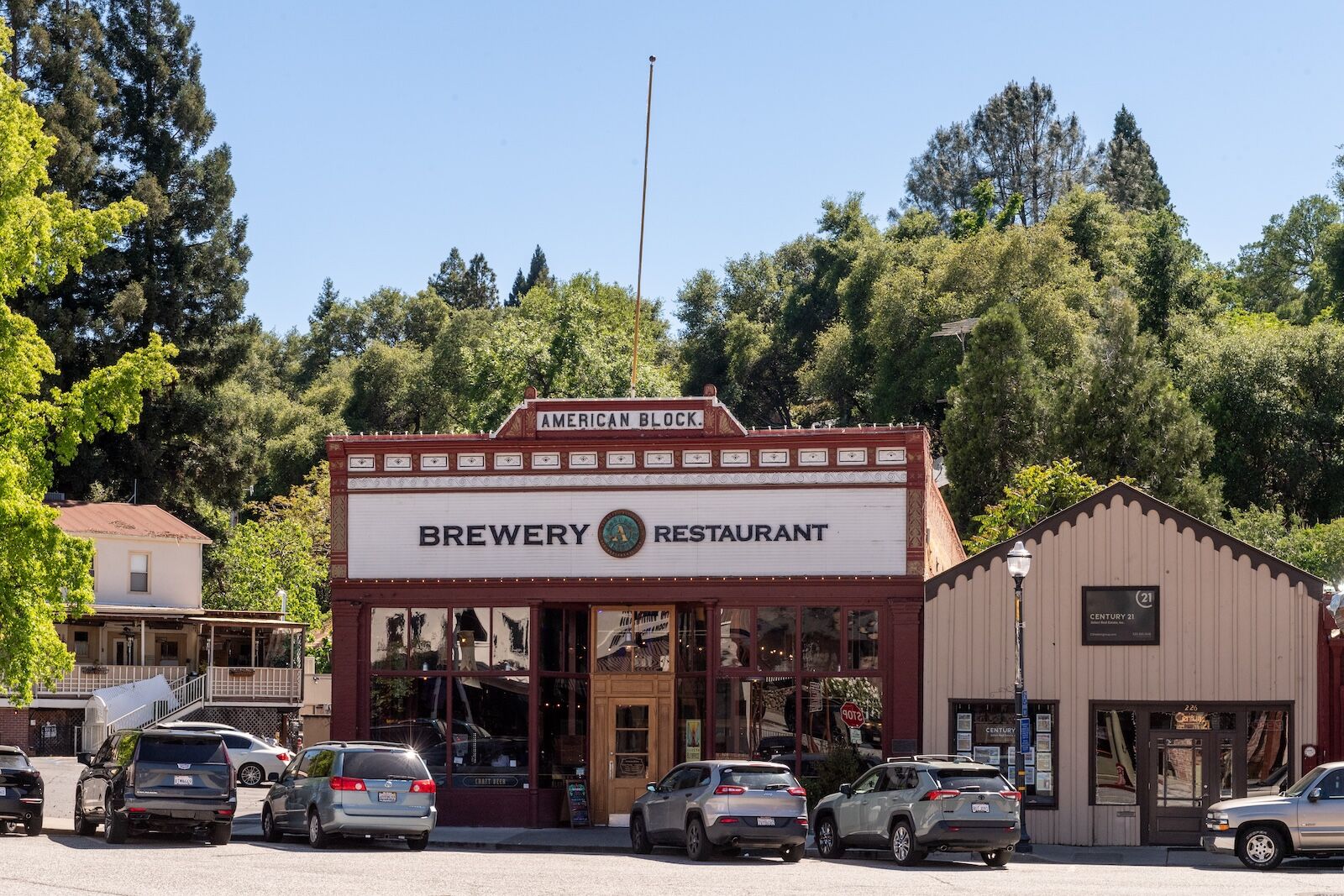
Photo: Visit California
Auburn is squarely in California’s Gold Country, where the focus shifts from cities to foothills, canyons, and the state’s Gold Rush history. The town of Auburn still reflects that era, with Old Town Auburn lined by 19th-century buildings, small museums, and preserved landmarks from the 1800s. Former saloons sit next to historic firehouses and modern-day coffee shops, giving it a historic-meets-hipster feel.
Just outside of town, you can quickly reach a network of trails popular with hikers, mountain bikers, and runners. The Hidden Falls Regional Park area is well-marked with a few waterfalls during snowmelt season, while the Western States Trail delivers longer hikes with sweeping canyon views. Auburn State Recreation Area has multiple access points, including trails that lead down to the North Fork of the American River for paddling, floating, or fishing.
Without a car, you’ll need to rely on Placer County Transit buses. Routes connect from downtown and the Amtrak station to Auburn State Recreation Area, allowing visitors to access areas like the Stagecoach Trail via public transportation. Visitors drawn to quirkier activities will be pleased to know gold panning is allowed in the recreation area.
For a taste of something local, plan to be there in September for the 2026 Gold Rush Fair. It feels like a true throwback to country fairs of yore, with carnival rides, games, live music, livestock and craft exhibits, and plenty of classic fair food.
Trips via the Gold Runner
View this post on Instagram
The Gold Runner route (formerly the San Joaquins) runs through California’s Central Valley, linking the Bay Area and Sacramento with inland cities like Stockton, Modesto, Merced, and Fresno. It doesn’t have coastal views, but it does pass orchards, farmland, and open valleys. It covers 350 miles, and traveling from the northernmost point (Oakland) to the southernmost point (Bakersfield) takes about 6.5 hours. What’s most excellent about this route, however, is how well-connected it is when you add in the connected Amtrak Thruway bus routes and regional buses. You can get to three national parks, agricultural areas, state parks, and small towns without ever needing a car.
Yosemite National Park: California’s iconic granite cliffs
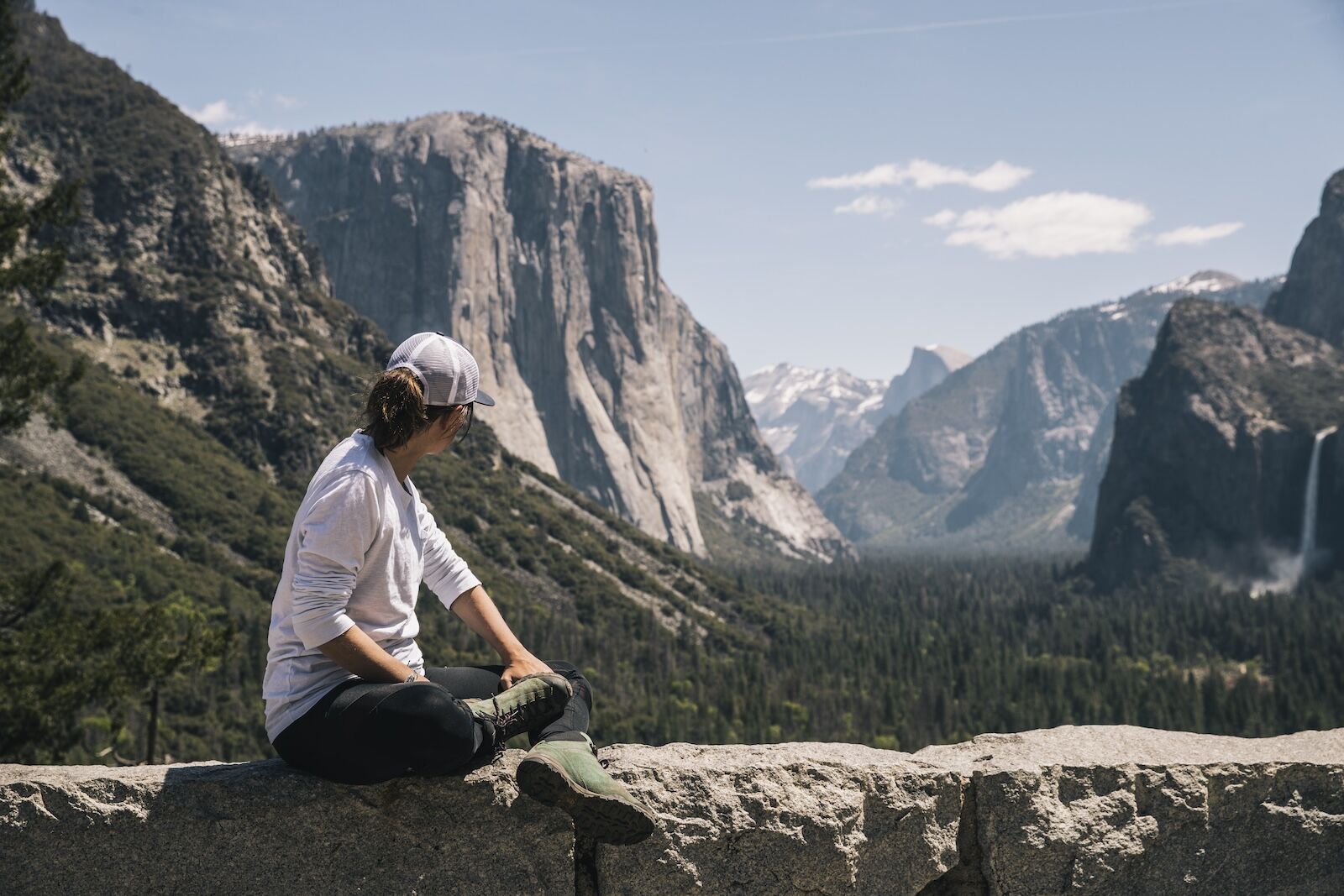
Photo: Visit California
Getting to Yosemite without a car is surprisingly straightforward thanks to the Gold Runner and coordinated bus connections. From the Bay Area, take the train to Merced, where it meets the YARTS bus system for the final leg into Yosemite Valley. The full trip takes about five to six hours depending on your departure point, and drops in Yosemite Village, with no driving or parking required.
Once inside the park, it’s easy to get around using the free Yosemite Valley shuttle, which loops past major trailheads and landmarks like Yosemite Falls, El Capitan, and Half Dome. Many of the park’s top hikes and viewpoints are accessible from shuttle stops, including Half Dome, the Mist Trail to Vernal Fall, the paved Valley Loop Trail, and Yosemite Falls. You can also rent bikes in Curry Village from spring to fall.
For a meaningful way to experience Yosemite while making a difference, visit during the annual Yosemite Facelift in September. It’s one of the largest volunteer cleanups in the country, drawing thousands of participants who help remove trash and debris from the park while enjoying ranger talks, community events, and a shared sense of stewardship. After everyone pitches in, there’s a big outdoor party with music, giveaways, and a laid-back vibe that welcomes any and all.
Lodi: budget-friendly wine country
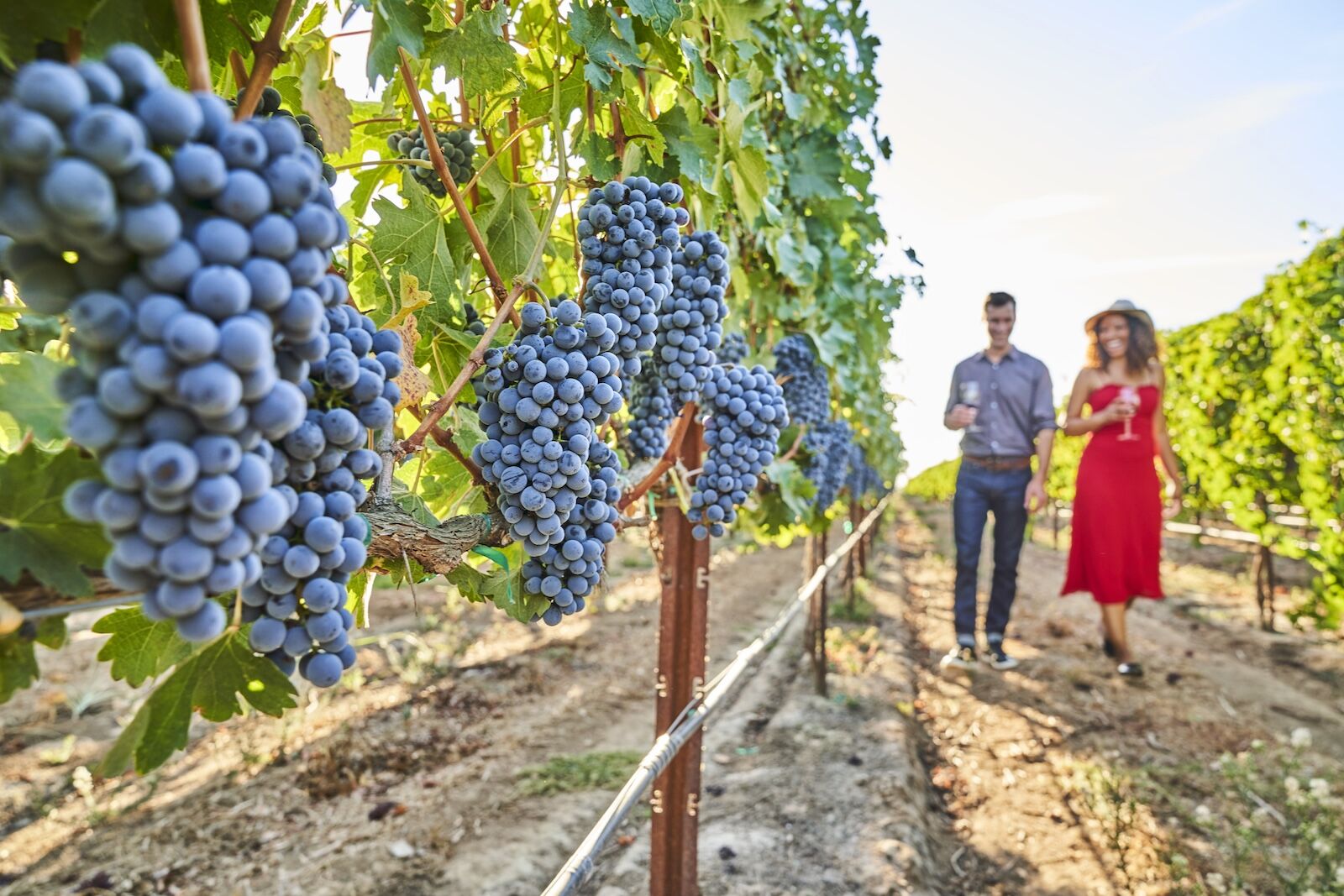
Photo: Visit California
Lodi is one of the easiest wine destinations to reach via the Gold Runner, and it flies way under the radar compared to Napa or Sonoma. The train stops just outside downtown, and from there it’s a short rideshare or bike ride to a cluster of tasting rooms, restaurants, and leafy streets lined with historic buildings. The vibe is relaxed and unpretentious, with family-run wineries that offer affordable tastings and don’t require you to make reservations a month in advance.
Downtown Lodi is relatively compact, making it a great wine region for travelers without a car. Downtown tasting rooms are walkable, and several wineries are close enough for a quick Uber or even a bike ride if you’re up for it (and you can rent bikes at the town’s Lodi Cyclery). Between tastings, you can wander through Lodi Lake Park’s trails and waterfront paths or grab a table at a brewery and sit in on live afternoon music. It’s also much cheaper than Sonoma or Napa, with lower tasting fees, more free tastings, and a casual, walk-in-friendly scene where you don’t need to know anything about wine to be welcomed.
Getting there is simple: from San Francisco, you can book one ticket that includes both the thruway bus to Emeryville and the roughly three-hour train trip to Lodi. From San Jose, you’ll book a combined ticket that start on the Capital Corridor to Oakland, then switches to the Gold Country train in Oakland. That trip takes about four hours.
For a visit when the town is at its liveliest, go during the Lodi Grape Festival in mid-September. It’s been around for decades and feels more like a classic California harvest fair than a posh wine event. There’s a carnival, tons of local wines, live music, community events, and more. It’s the more local, more affordable version of a fancy Napa wine festival.
Beyond California
View this post on Instagram
Californians that want to travel by rail don’t need to stay in their home state. In addition to the three lines above, Amtrak also operates the Coast Starlight. It’s one of Amtrak’s more scenic long-distance trains, running from Los Angeles all the way to Seattle, Washington, making stops throughout California, Oregon, and Washington on the way. In addition to coach and business class, it also has sleeper cars. They range from “roomettes” (a small room with seats that convert into beds at night) to suites with sofas and private showers.
For travelers headed east, Amtrak’s California Zephyr connects Emeryville, California (east of San Francisco) to Chicago, Illinois. The whole trip via train takes about 50 hours and, like the Coast Starlight, has various options for traveling in comfort. The section through the Sierra Nevada is often considered the most picturesque, though it’s an older section of track and can be more prone to delays than other routes within California. If you’re using it to get to Truckee, California (near Lake Tahoe) for a ski trip, plan on about a five-hour trip one way if there are no delays. Otherwise, you can reach Salt Lake City, Utah, from Emeryville in about 15-16 hours, or Denver, Colorado, in about 31 hours. 