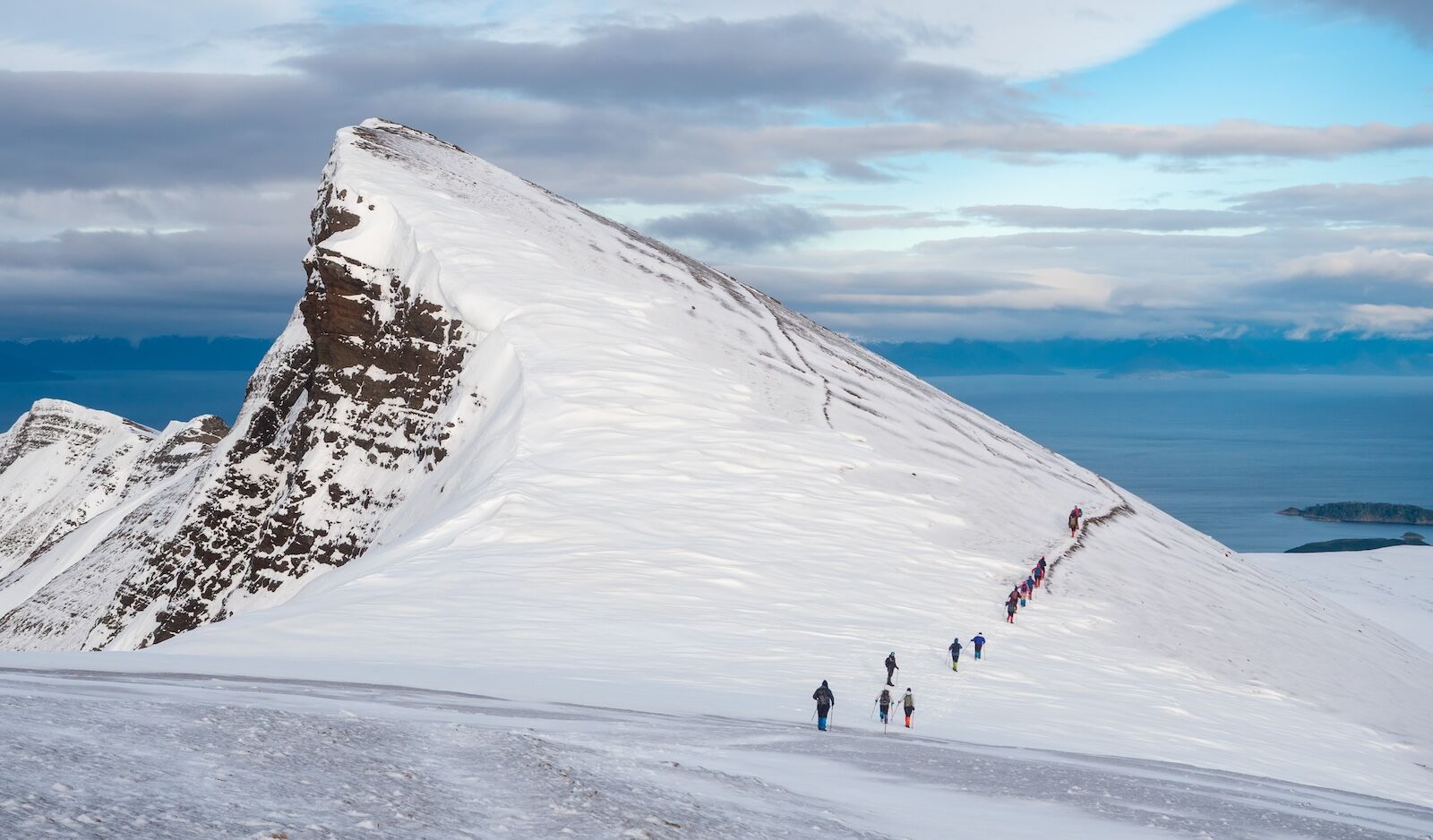
Photo: Tompkins Conservation newsroom

Chile Is Getting a Massive New National Park in 2027

News National Parks
by Suzie Dundas Nov 25, 2026

If you’ve already hiked the W Trek in Torres del Paine, you may want to start looking a little farther south for your next trip to Patagonia. Chile is planning to establish a new national park in 2027, at the southernmost point of mainland South America, about 40 miles south of Punta Arenas.

In early November 2026, conservation nonprofit Rewilding Chile signed an agreement with the Chilean government to donate an additional 55,186 acres of land toward the creation of Cape Froward National Park (Parque Nacional Cabo Froward). That brings the upcoming park’s total acreage to about 452,000 acres, creating a park 50 percent larger than originally planned when it was introduced in March 2024. For comparison, that’s nearly twice the size of Washington’s Mount Rainier National Park.
The park is expected to be officially established by the end of 2027, though you can already hike and camp in parts of the area. But getting there is a bit more complicated than visiting most of Chile’s national parks, especially if you want to stand on the actual cape: there are no roads to it, and hikers have to time their river crossings with the tides.

How Cape Froward National Park came to be

cape froward whale

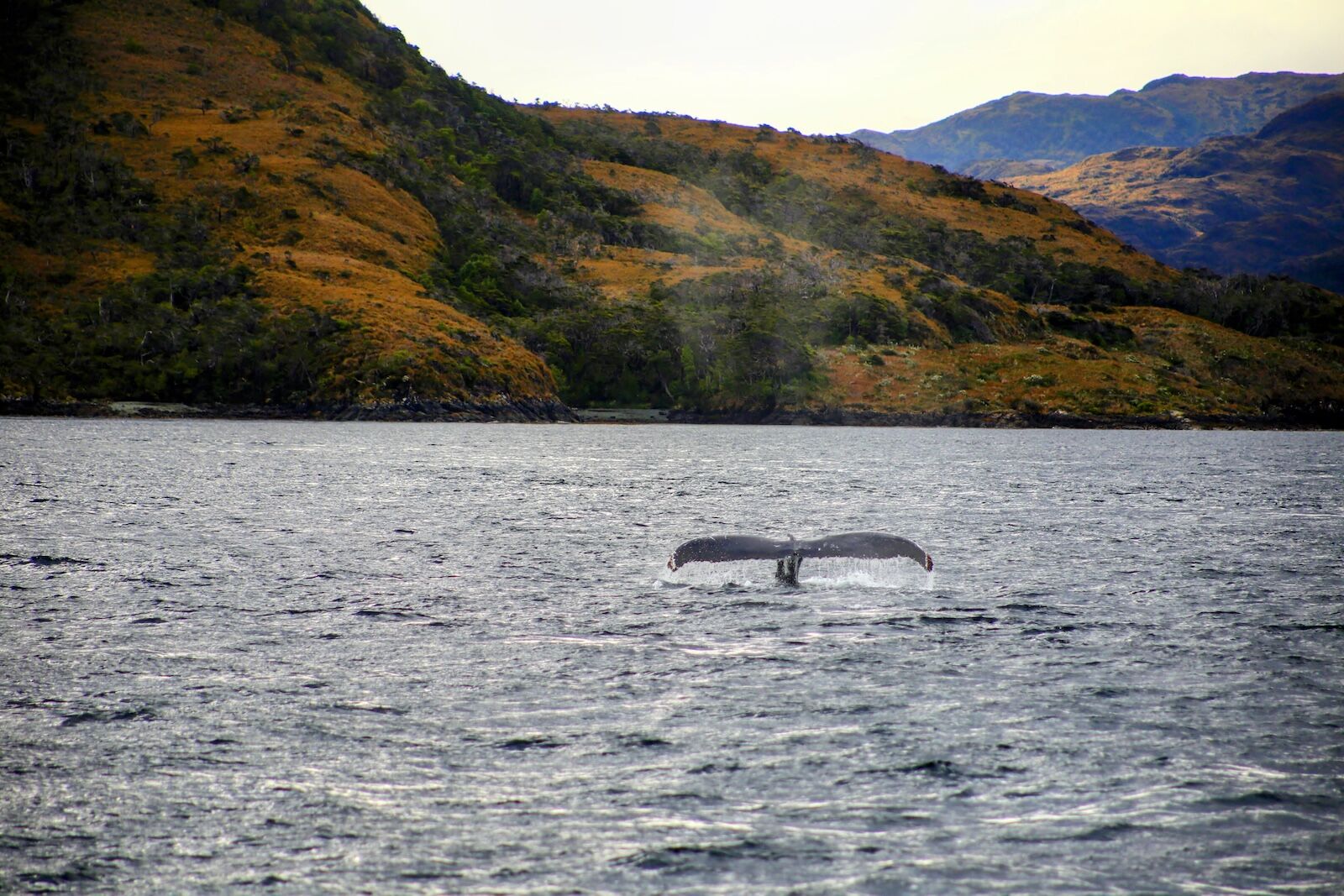
A humpback whale off the coast of Cape Froward. Photo: Suzie Dundas


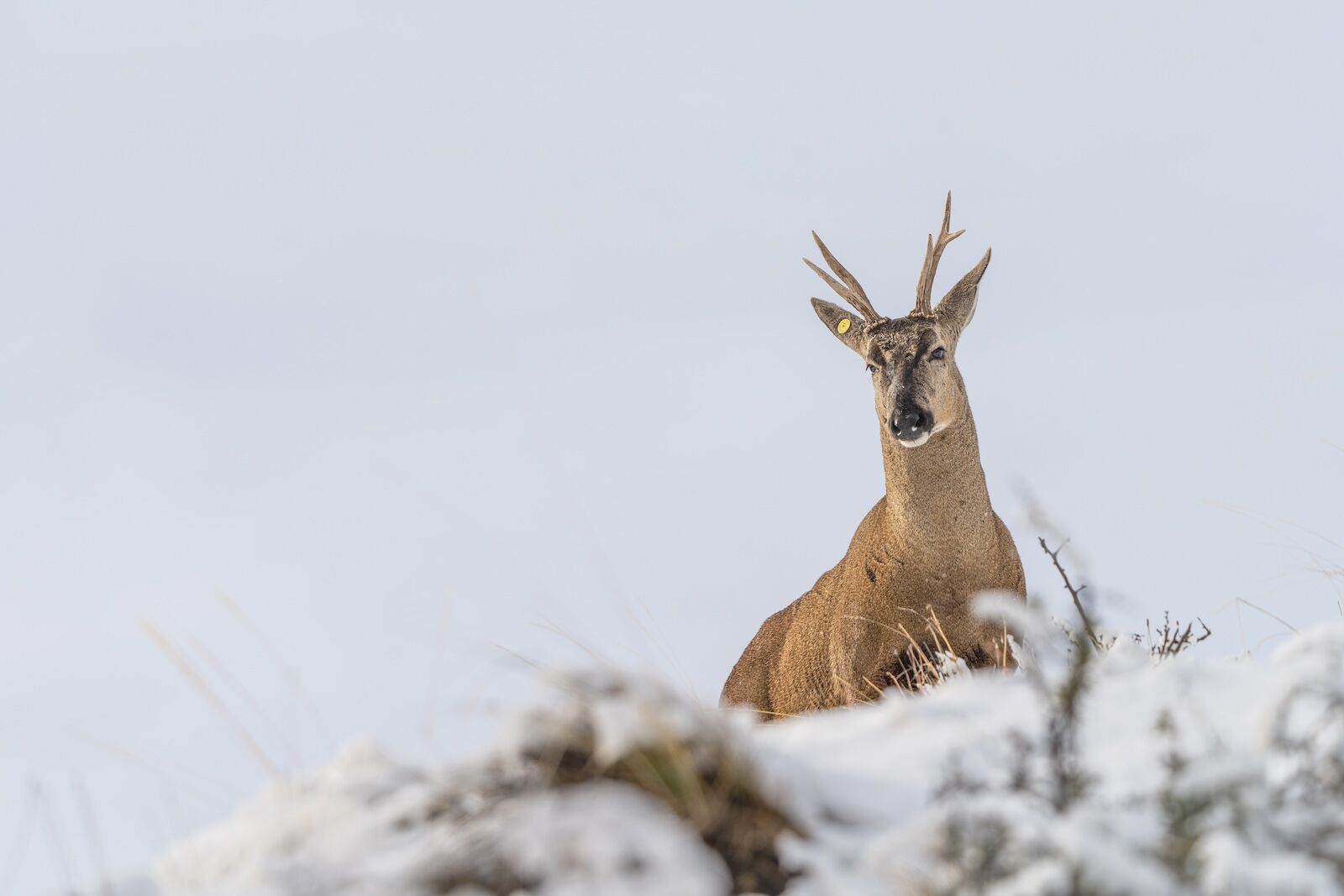
Rewilding Chile, the Chilean arm of the conservation group founded by former Patagonia clothing company CEO Kristine Tompkins and her late husband, The North Face co-founder Doug Tompkins, worked with the Chilean government to create Cape Froward National Park. The project builds on protections going back as far as 2006, when Chile’s Ministry of National Assets set aside a section of land at Cape Froward to protect habitat for the huemul, an endangered Andean deer.

By November 2025, Rewilding Chile had donated more than 314,000 acres to the project. The November 2026 agreement adds another piece of private property to the project, and the government is contributing about 82,500 acres of state-owned conservation land, roughly 13,000 more than it originally promised.

One of the remaining steps before the park is official is a consultation with Indigenous peoples of the area, whose ancestral territory includes Cape Froward. Those discussions, which cover how creating the park could affect their traditional customs, practices, and relationships with the land, are expected to run through March 2027.

Cape Froward will also become the southernmost mainland stop on Chile’s Route of Parks, a roughly 1,700-mile tourism and conservation route through Chilean Patagonia that starts near Puerto Montt.

What the new national park will protect

Cape Froward national park heumel

A huemul deer in Chile. Photo: JGacituaCL/Shutterstock

One of the main reasons for establishing the park is to protect the huemul, an endangered species of deer native to Chile and Argentina. There’s a depiction of one with a condor on Chile’s national coat of arms, though they’re becoming less common to see in the wild. Cape Froward is one of the species’ last remaining habitats.

The area is also close to an endangered ruddy-headed goose refuge, and its forests have Guaitecas cypress trees, which are the southernmost naturally occurring conifer species in the world.

Protecting the land can also help fight climate change. The park contains lots of wetland areas, which have accumulated layers of partially decomposed vegetation over thousands of years. That means there are large amounts of carbon stored in the ground, and draining or damaging that land would release it into the atmosphere, contributing to climate change.

There are historical and cultural reasons for protecting Cape Froward, too. The Kawésqar people have lived and traveled by canoe in the region for thousands of years, and naturalist Charles Darwin spent time exploring the Brunswick Peninsula during his voyage on the HMS Beagle in 1834.

How to visit and what to do


The closest city is Punta Arenas, which has direct flights from Santiago. Many Americans headed to Patagonia fly to Punta Arenas before driving north to Puerto Natales, the closest town to popular Torres del Paine National Park. To get to Cape Froward, you’ll head in the opposite direction, for about 45 miles (roughly 90 minutes) until the road ends near Punta Árbol.

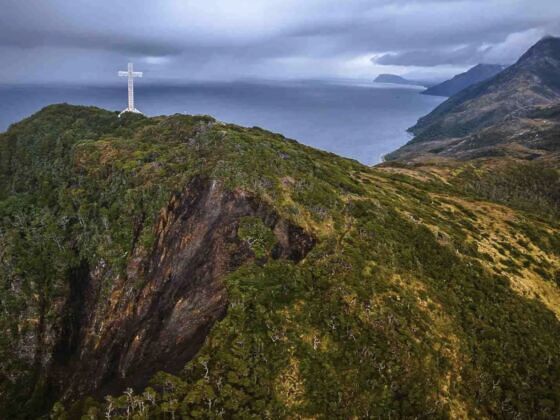
The main draw for backpackers is the trek to the Cruz de los Mares, a large metal cross on a hill above Cape Froward marking the southernmost point of mainland South America. The full out-and-back trip can take about a week, much of it spent hiking along rocky beaches and crossing rivers that may be impassable at high tide. Outfitters in Punta Arenas like Chile Nativo run guided expeditions, sometimes covering some of the distance by boat.

For a more moderate outing, hike to the San Isidro Lighthouse, built in 1904 and accessible via a 3.5-mile each-way walk along the coast from a trailhead at the end of Route 9. Much of the hike is along the beach, where it’s possible to spot dolphins and other marine mammals in the strait. For a more challenging hike, take the 7.4-mile round-trip route up Mount Tarn, a roughly 2,700-foot mountain that Charles Darwin summited in February 1834. The route passes through muddy forests before climbing above the tree line, with views toward Tierra del Fuego on clear days.

mount tarn chile

Hikers on Mount Tarn. Photo: Pax Multimedia/Shutterstock

It’s also worth spending a day on the water. Humpback whales migrate to southern Chile from December to April to feed, and boat tours from the Punta Arenas area visit nearby Francisco Coloane Marine Park. Local outfitters also offer guided sea kayaking expeditions along the Brunswick Peninsula, including multiday trips to some of the more isolated stretches of coastline.

November through March is generally the best time to visit, with particularly long daylight hours in December and January. Even in summer, temperatures can drop close to freezing overnight, and strong winds can complicate both hiking and boat travel. Snow is always possible.

Unlike Torres del Paine, Cape Froward doesn’t have a network of refugios where you can buy dinner or rent a sleeping bag. Rewilding Chile has plans for trails, designated campsites, restrooms, and a shelter near the cape, though travelers shouldn’t expect all of those facilities to be ready when the park is officially established. For now, Punta Arenas is the best place to base yourself, stock up on supplies, and arrange guided trips.

Other new national parks that could open in 2027

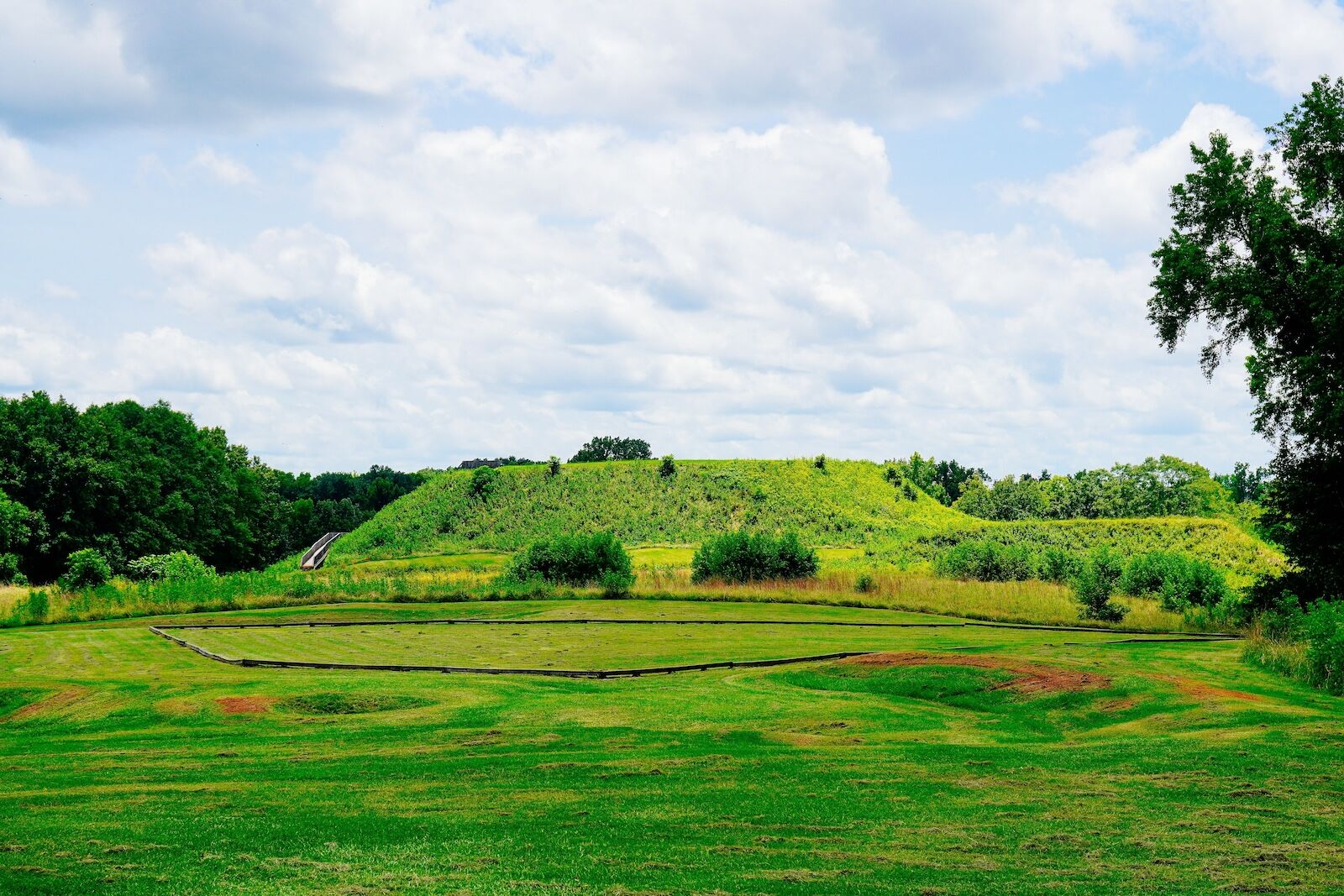
Ocmulgee Mounds National Historical Park - georgia

Photo: Feng Cheng/Shutterstock

Cape Froward isn’t the only national park project worth keeping tabs on over the next year. Several other countries are working on new park designations, and in some cases, you can already visit the proposed parks.

Ocmulgee Mounds, Georgia: Georgia could finally get its first national park. In November 2026, a bill to redesignate Ocmulgee Mounds National Historical Park in Macon cleared the House Natural Resources Committee. The existing park is free to visit and has hiking trails, a museum, and earthen mounds built more than 1,000 years ago. The bill still needs to pass both chambers of Congress, and if it doesn’t pass before the current session ends in early January 2027, it dies.

Seal River Watershed, Manitoba, Canada: Four First Nations are working with the Canadian and Manitoba governments to protect a roughly 12.4-million-acre watershed in northern Manitoba. The proposal could include a national park reserve in the area inhabited by polar bears, wolves, and caribou. Much of the area is unreachable by road but is popular for wilderness canoeing.

Great Koala National Park, New South Wales, Australia: This one is actually expected to open before the end of 2026, making 2027 its first full year. The New South Wales Parliament passed legislation in October to add roughly 440,000 acres to its national park system, bringing the project to more than 1.17 million acres. The newly protected forests are home to an estimated 12,000 koalas, who will now have additional protections.

Discover Matador

Save Bookmark

We use cookies for analytics tracking and advertising from our partners.

For more information read our privacy policy.