Photos: Daria Bachmann

At This Cabin Resort, Yosemite Is Just 5 Minutes From Your Front Porch

National Parks Epic Stays
by Daria Bachmann Oct 7, 2026

As I drove over Tioga Pass on a sunny afternoon, a dark silhouette appeared in the distance. As I got closer, a black bear crossed the two-lane highway and climbed the mountain slope before disappearing into the dense woods. I was on my way out after two days in Yosemite in the first few days of fall.

The trip started on the opposite side of the park, in Fish Camp, a mountain hamlet with no stoplights, no chain hotels, and a scattering of lodges along Highway 41. Most nights there, the loudest sound is wind moving through the trees. The town sits on the main route into the park for visitors from Fresno and Southern California. It’s surrounded by Sierra National Forest and minutes from the Mariposa Grove of Giant Sequoias at the park’s southern point.

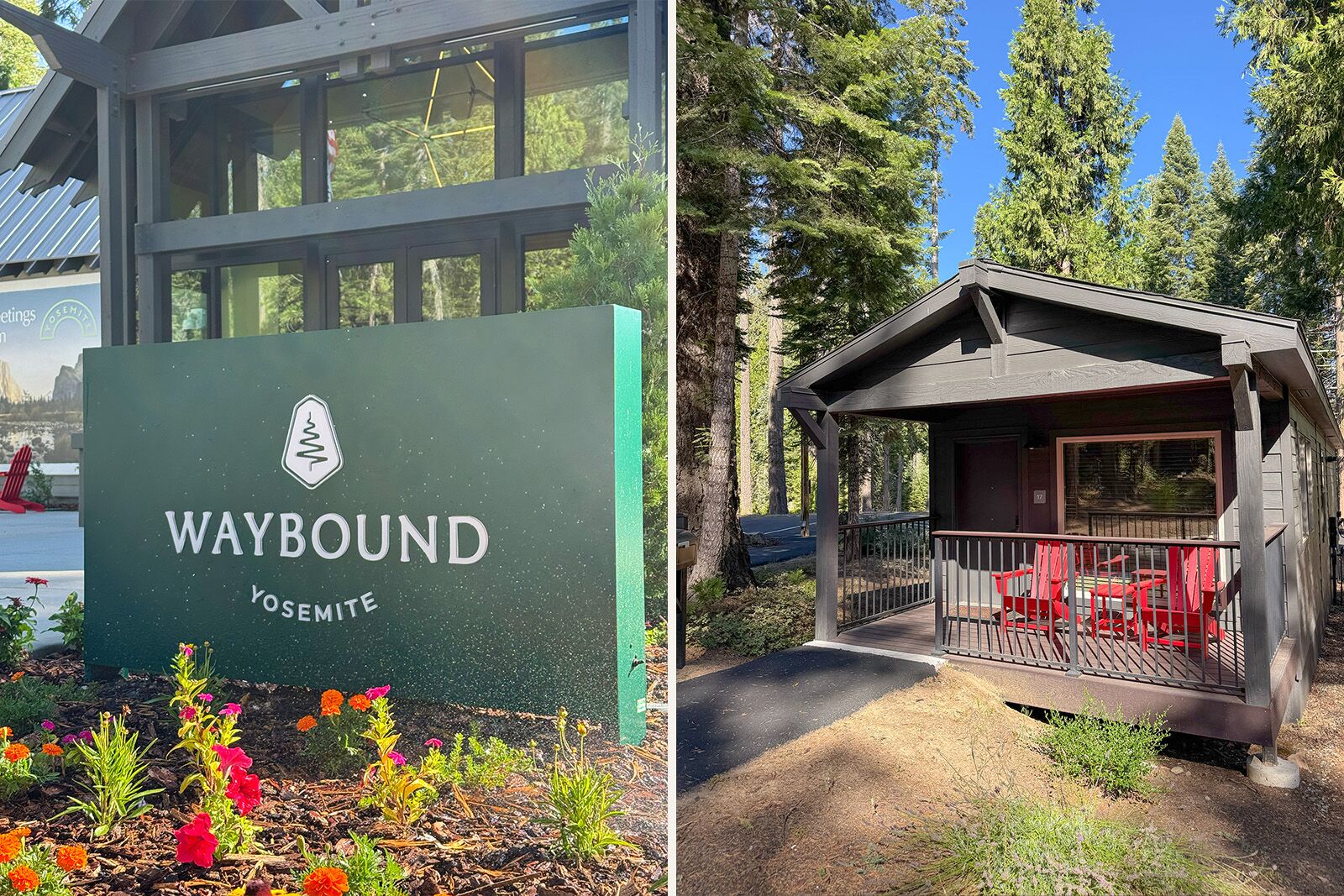
My base for exploring one of America’s most visited national parks was Waybound Yosemite, a cabin resort that puts you close to the park’s waterfalls and trailheads, without making you rough it once the day’s hiking is done.
Staying at Waybound Yosemite: The Havens and The Commons

waybound yosemite

Photos: Daria Bachmann

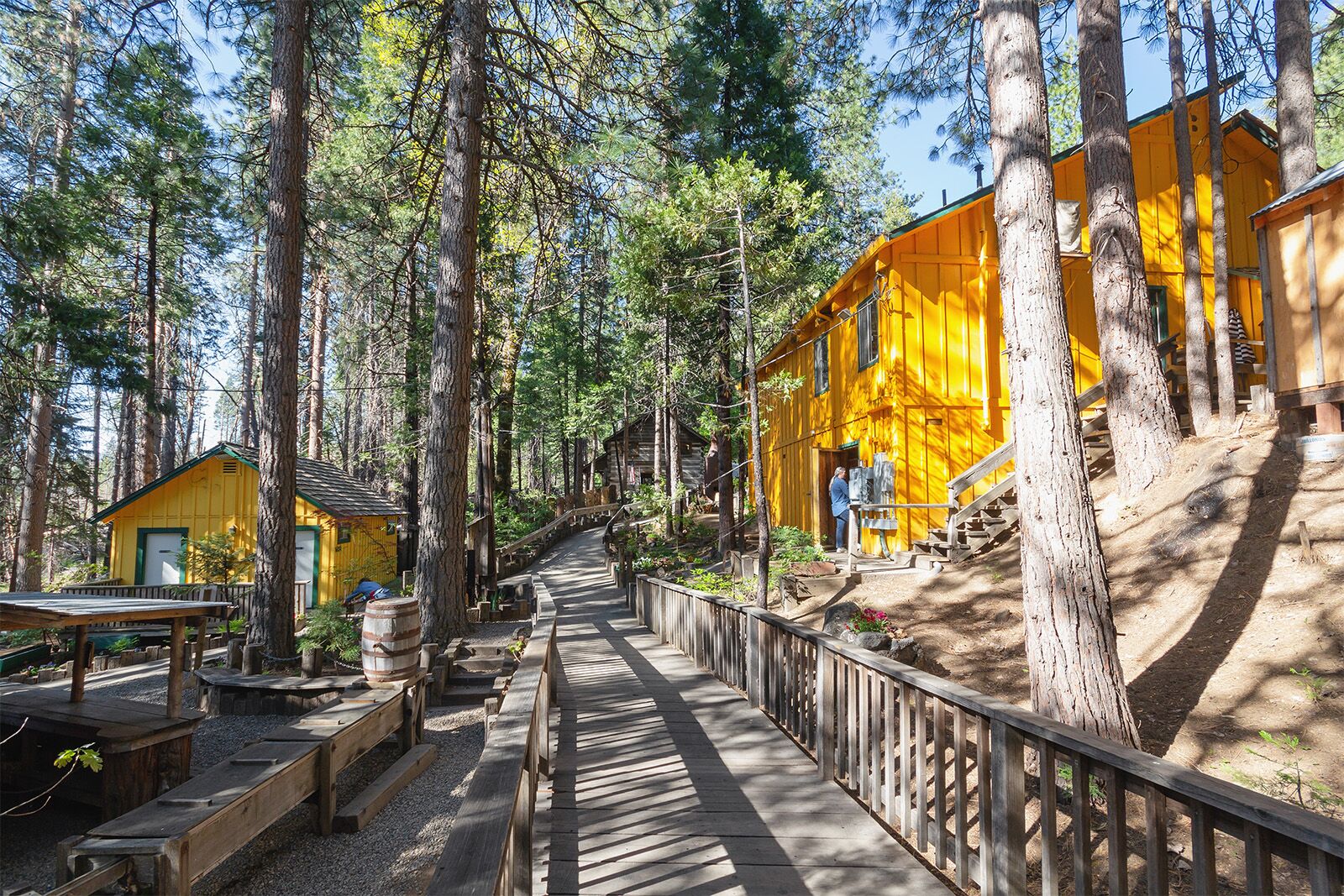
Waybound Yosemite (formerly the Explorer Cabins at Tenaya) is a rebranded escape where the goal is connecting with the people you came with and appreciating the surrounding landscape. It serves house-made cookies and lemonade in the afternoon and has hammocks by the gurgling creek that runs through the premises.

The property has 50 detached two-bedroom cabins called The Havens, each with a front porch and back patio. Every cabin comes with a Cocktail Chest holding the tools and essentials for mixing a cocktail or mocktail, as well as a Spa Box filled with hand-selected spa favorites. Outside, guests roast s’mores at shared fire pits under the pines.

The centerpiece is The Commons, with a bar, restaurant, and gathering area. Plates + Pours at The Commons is a full-service bar and restaurant that’s open daily for breakfast, lunch, and dinner. The menu centers on Mountain West dishes made with local ingredients, with enough range to eat there three times a day.

The kitchen also serves a handful of plant-based options, so vegan eaters don’t have to scramble. For something more casual, there’s a barista-attended coffee counter and a small store with beverages and grab-and-go snacks available daily. The full bar serves local and global wines, top-shelf spirits, and craft beer.

After trying chef-made tofu and avocado toast for breakfast one day, I went for a quick hike along the creek just below The Commons. It’s a perfect place to start your day and enjoy the morning sun while listening to the chirping birds. Stays also include access to Ascent Spa at neighboring Tenaya at Yosemite, plus badminton, archery, and guided nature walks in the heart of the Sierra Nevada.

As the sun hides behind the mountains, head for a jacuzzi session and follow it up with a quick plunge at the pool. After a day of hiking up and down switchbacks, sinking into hot water feels like a real reward, with the creek still audible somewhere below. The cool pool afterward is a welcome contrast before the walk to dinner.

Venturing into Yosemite: Hiking Mariposa Grove and the Mist Trail to Nevada Fall

waybound yosemite

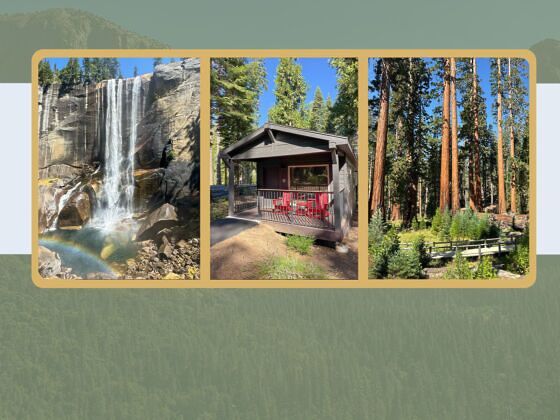
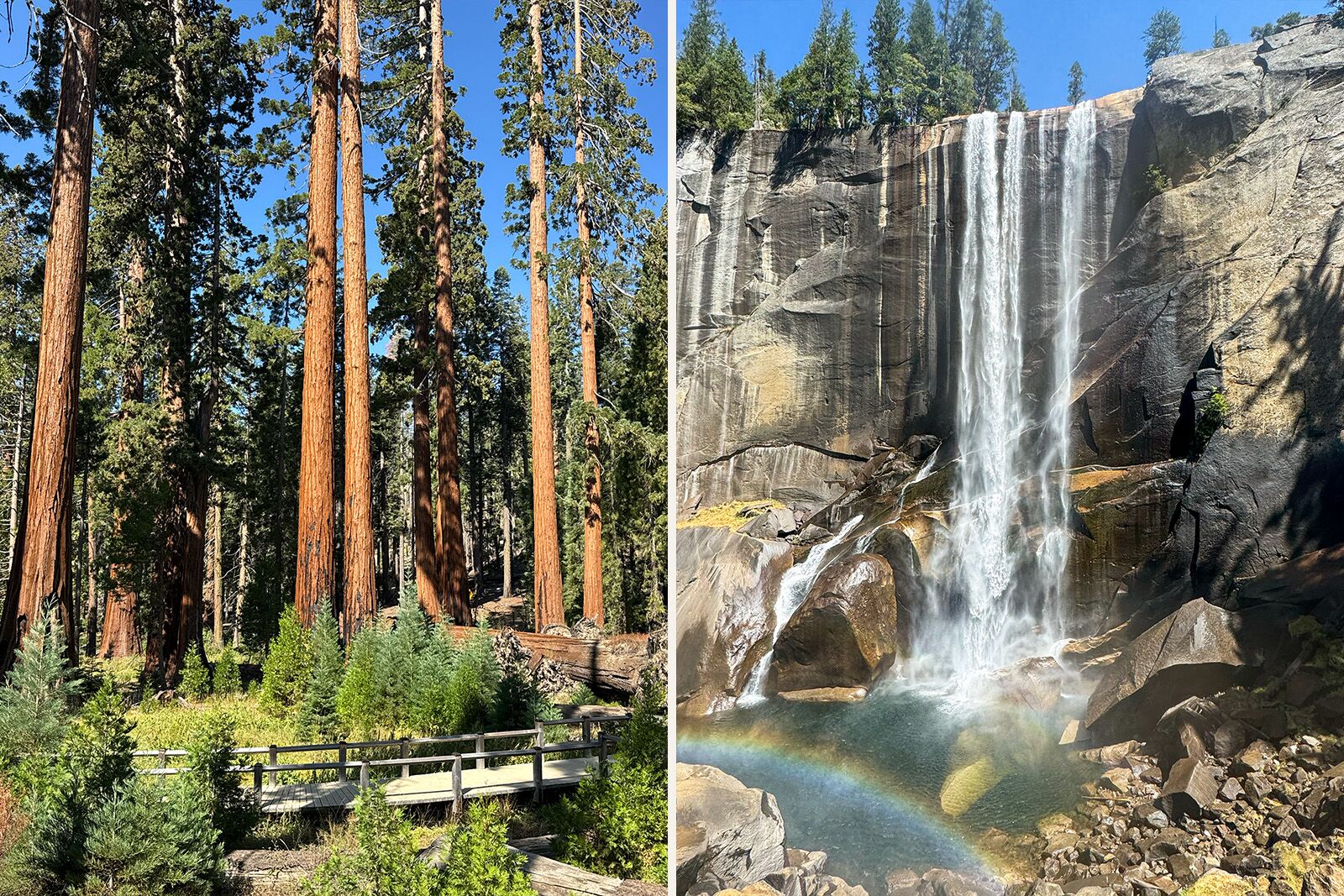
Left: Mariposa Grove. Right: Mist Trail. Photos: Daria Bachmann

I spent my first day exploring Mariposa Grove, the largest sequoia grove in Yosemite National Park. It’s home to more than 500 giant sequoias, including the ancient Grizzly Giant that’s estimated to be between 2,700 and 3,000 years old. A free shuttle runs from the Mariposa Grove Welcome Plaza near the south entrance to the grove’s trailheads, which range from easy loops to strenuous climbs.

I went for an early morning hike to Wawona Point, with famous giant sequoias making for worthy stops along the way. After covering the Big Trees Loop, a flat, 0.3-mile trek past the Fallen Monarch, crowds thinned out, and I arrived at the Grizzly Giant Loop Trail that runs about two miles, passing the Bachelor and Three Graces, the Grizzly Giant, and the California Tunnel Tree.

Hikers looking for a fuller day can continue on the Guardians Loop Trail, a 6.5-mile round trip with about 1,200 feet of elevation gain. I continued to Wawona Point on the seven-mile round-trip Mariposa Grove Trail, a more challenging hike that ends at a ridgetop overlook with views north across the Sierra Nevada.

After a day on the trail, Waybound Yosemite felt like a real home where I could eat delicious food, talk to staff, play badminton, or lie in the hammock. The afternoon went by fast, as I decided to sharpen my archery skills and partake in a mini competition with other guests.

On my second day, I decided to do a strenuous hike to Nevada Fall, one of Yosemite Valley’s signature spots, which requires a one-hour drive to Yosemite Valley from Fish Camp. After starting at the Happy Isles trailhead, the Mist Trail climbs 2.7 miles one way to the top of Nevada Fall.

The trail passes Vernal Fall via steep stone steps before continuing toward Nevada Fall, one of the tallest and most powerful falls in Yosemite Valley, which drops in a single plunge over a granite cliff. It’s fullest in May and June when it’s fed by snowmelt, but it’s just as magnificent in early fall, as it holds water longer than many of the park’s other falls.

Exploring Fish Camp: From lumber town to Yosemite’s front door

waybound yosemite

Photo: ivanpotapoff/Shutterstock

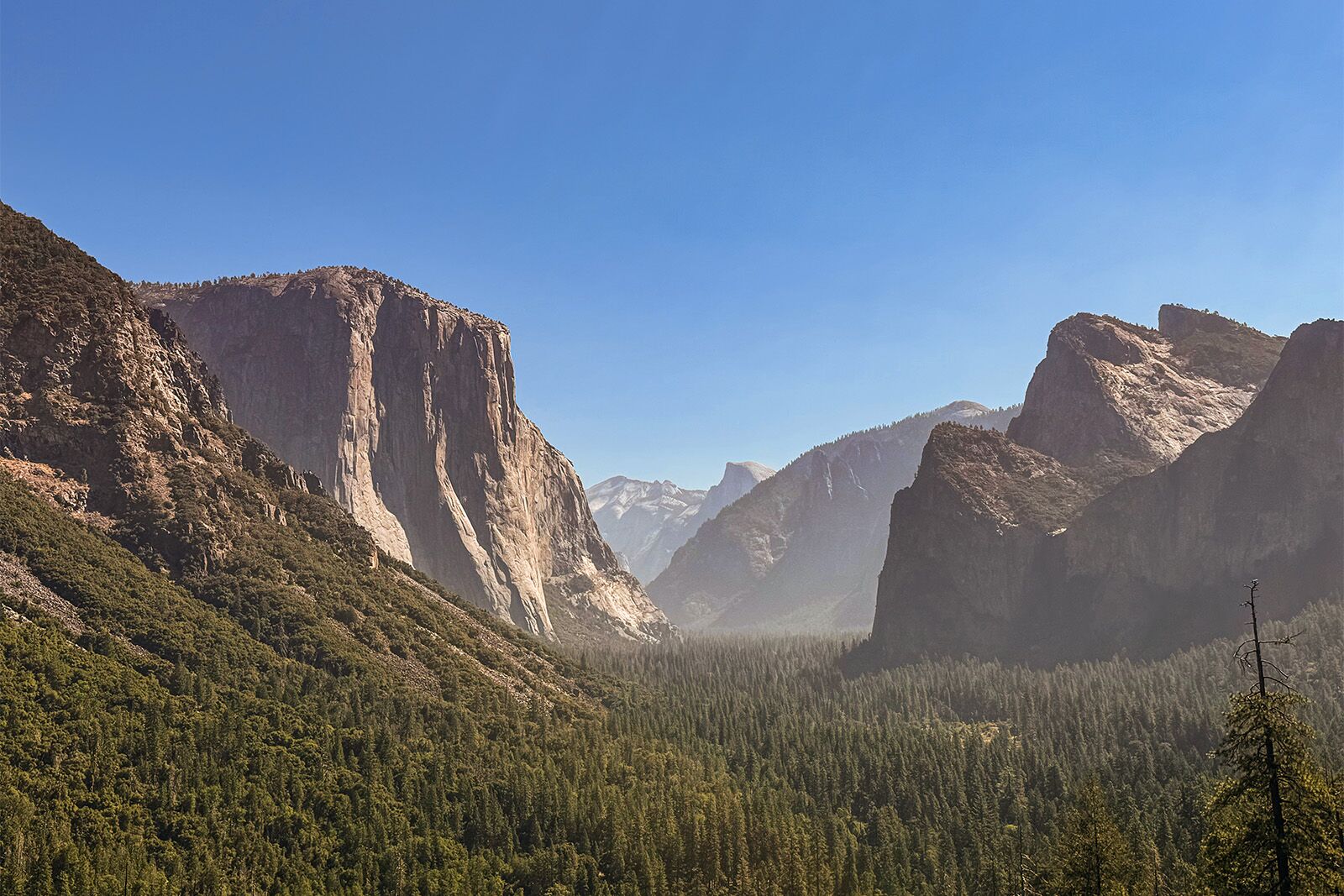
Fish Camp was a logging town long before Waybound opened its doors. Small sawmills operated in the area as early as the 1880s, and logging began in earnest after the Madera Sugar Pine Company started running a narrow-gauge railroad through the area to its mill in nearby Sugar Pine. At its peak, the company operated seven locomotives and roughly 140 miles of track through the surrounding Sierra Nevada.

As logging declined, Fish Camp focused on Yosemite tourism. The construction of Wawona Road in 1932-1933 replaced a steep, narrow stagecoach road and opened up car access to the park’s south entrance. The logging past is still visible today at the Yosemite Mountain Sugar Pine Railroad, a heritage tourist line with original steam locomotives that offer a four-mile round-trip excursion along the historic logging grade, plus the Thornberry Museum that brings a look into the history of the Sugar Pine Railroad.

Stargazing at Waybound: The Milky Way from your back patio

waybound yosemite

Photo: Vezzani Photography/Shutterstock

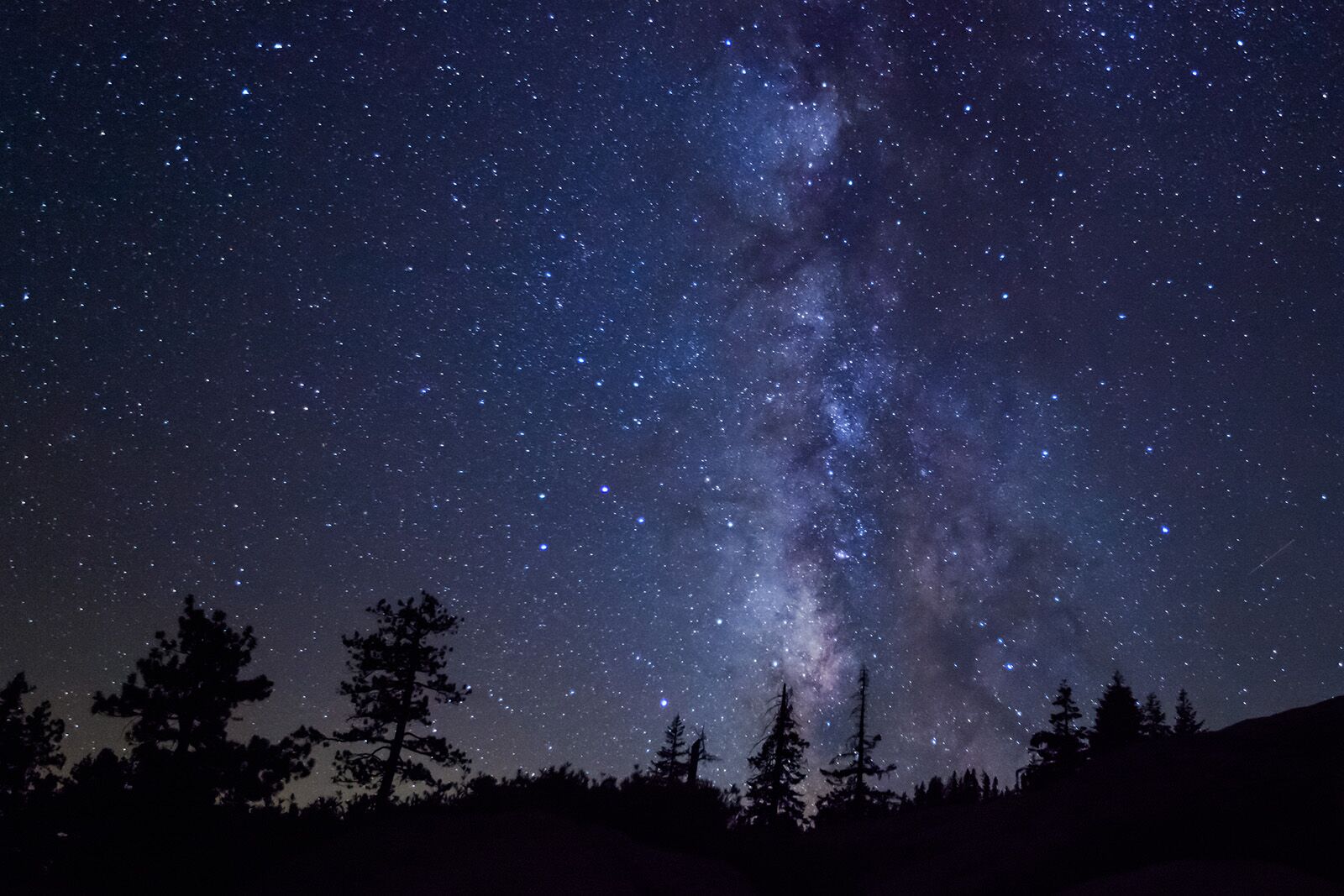
Fish Camp is a distance from Fresno and California’s Central Valley, and the lack of light pollution means you can see superb dark skies. Stargazing at The Commons is one of the complimentary activities at Waybound, where guests can take advantage of the property’s telescopes available in the evenings.

If you decide to go solo, all you need to do is step outside your cabin’s back patio and see the Milky Way with the naked eye. During my first night at Waybound, I was treated to a dark sky full of celestial bodies and more stars than most visitors have seen in years. The elevation helps, and so does the tree cover, which restricts stray light from Highway 41 without blocking the sky overhead.

The best window is a couple of hours after dinner, once The Commons has quieted and most guests have gone to their cabins. Wrap up in a blanket and give your eyes 10 or 15 minutes to adjust. Or, if you spent all your energy on hiking like me, take a step outside your cabin, look up in the sky, and try to track some of the stars. On clear, moonless nights, you have a chance of catching a glimpse of a shooting star, as meteor showers are not uncommon in the Sierra Nevada.

Getting to Waybound and Yosemite National Park

waybound yosemite

Photo: Daria Bachmann

Waybound Yosemite is at 1152 Highway 41 in Fish Camp, a few minutes’ drive from Yosemite’s south entrance. The closest major airport is Fresno Yosemite International Airport (FAT), about 57 miles south. From there, it’s roughly an hour and 20 minutes north on Highway 41. Yosemite Valley, where the Mist Trail starts, is just under an hour farther.

If you plan to leave the way I did, over Tioga Pass toward the Eastern Sierra, note that the road closes for winter, typically from November until May or June, depending on snow.

Book Now

Discover Matador

Save Bookmark

We use cookies for analytics tracking and advertising from our partners.

For more information read our privacy policy.