Photo: Jordan Rose Photography

From Charlie Chaplin to the Coachella Set, Casa Cody Has Been the ‘It’ Stay in Palm Springs for a Century

Palm Springs Epic Stays
by Isabel Ravenna Jun 23, 2026

Walking through Casa Cody’s citrus-lined iron gate, I realized I was entering a version of Palm Springs I hadn’t seen before. One that predated the city’s widely photographed pink and pastel front doors, its sparkly martinis, and its Marilyn Monroe mythology.

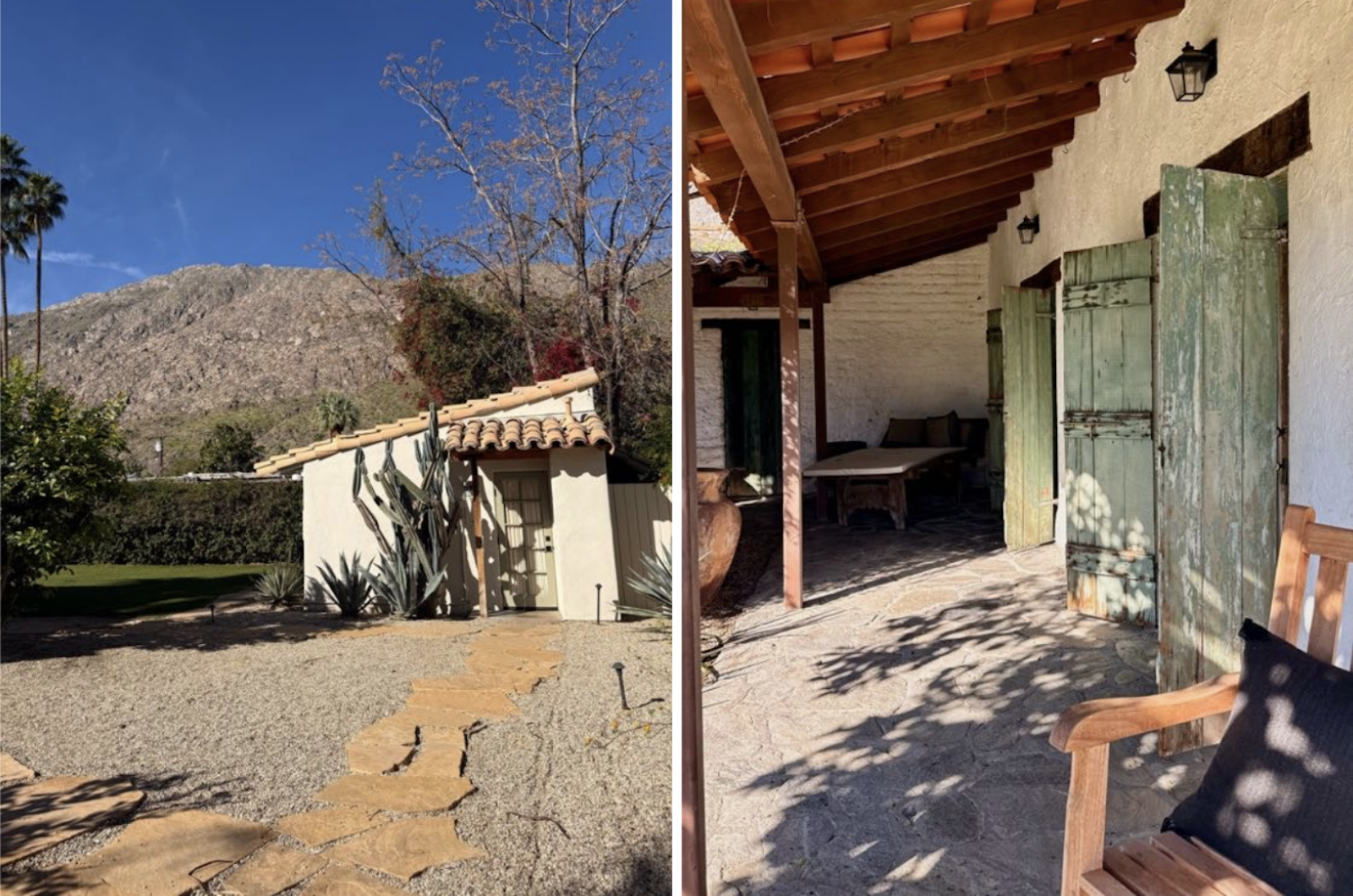
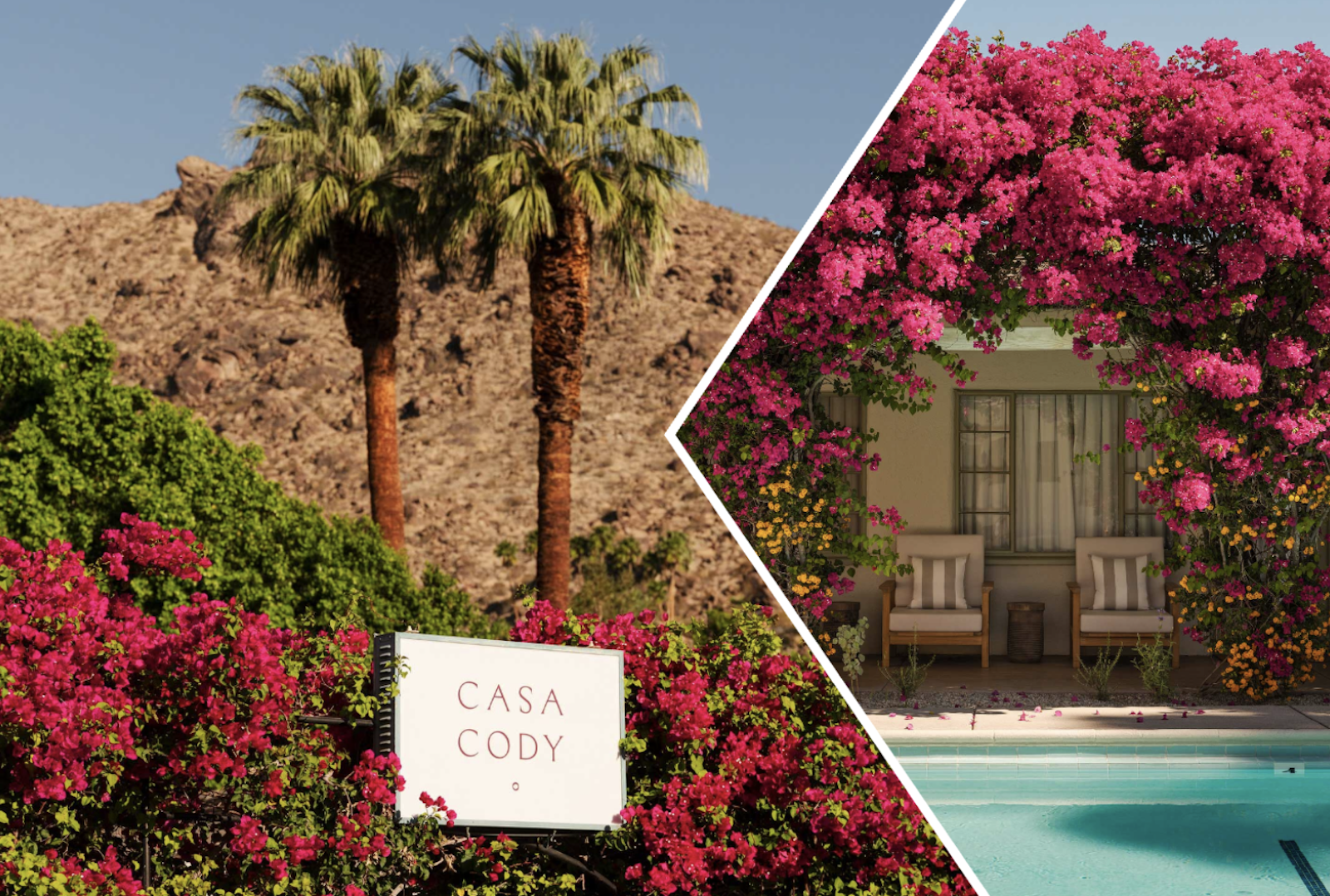
Casa Cody is the oldest continuously operating hotel in Palm Springs, founded in the 1920s by Harriet Cody, a cousin of Wild West showman Buffalo Bill. Her husband, architect Harold Cody, built the property in her vision. When I got there, I was instantly met with thick adobe walls, pink bougainvillea, and a quietness that cloaks the property in a veil that feels hidden in time.
casa-cody

Photo: Lance Gerber/Yellowtrace

The Codys moved to Palm Springs from San Francisco in search of a drier climate, hoping it might comfort Harold, who had tuberculosis. They landed in the Coachella Valley in 1916, where Harriet would operate the desert’s first riding stable — a business move perhaps inspired by her Hollywood rider community, including film cowboys Tom Mix and Jack Holt.

After spending about eight years in the desert, Harold died, and Harriet turned their house into Casa Cody.

“It was a turning point culturally when Harriet Cody and her husband arrived,” says Sana Keefer, the head of brand for Casetta Hotels, which runs Casa Cody. “They helped start this enclave of artists, musicians, writers, and Hollywood elites.”

Today, Casa Cody is designated as a Class 1 Historic Site, the highest preservation status the city awards. With historical remnants on display throughout the property, Casa Cody won’t let you forget what once stood where you are.

From opera stages to Olympic bunks

casa-cody

Photo: Josh Cho Photography

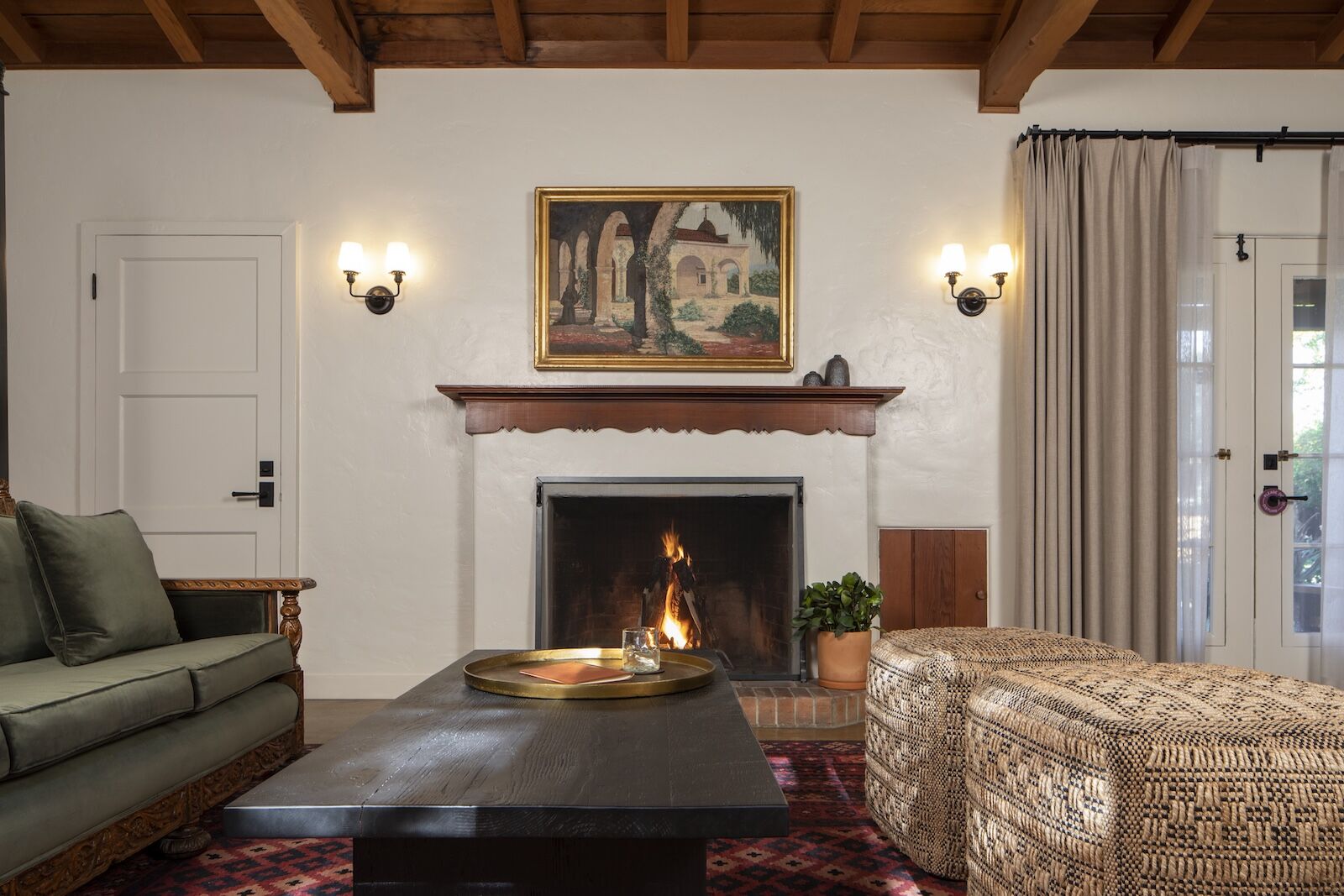
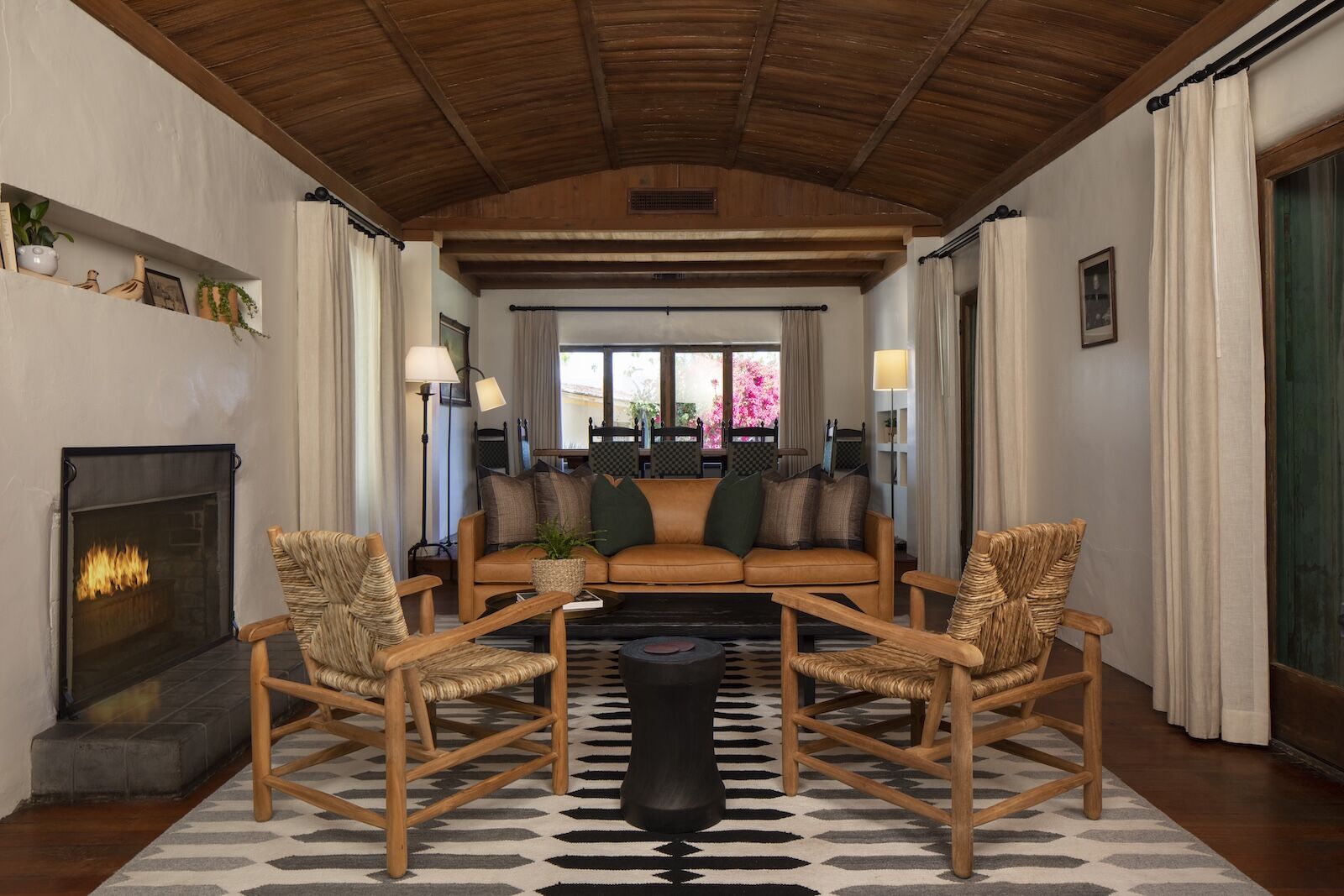
Casa Cody’s Adobe House — available to book — is an original, authentic adobe house with two bedrooms, one bathroom, a living room sleeper sofa, a dining room, a complete kitchen, a patio, and a fireplace. It’s hosted its fair share of cultural juggernauts. At one point, opera singer Lawrence Tibbett installed a stage in the living room, perhaps cementing its fate in entertainment history. Legend has it that Charlie Chaplin would perform there.

Casa Cody is well past its Hollywood heyday, so there were no live City Lights reenactments during my stay, but there was a big night fair called Village Fest happening just outside. And while I might’ve been born a century too late to see Lawrence Tibbett live, I did stumble upon a band of senior citizens performing with ukuleles and a ton of food trucks.

casa-cody

Photo: Isabel Ravenna

I should note that I knew nothing about Village Fest when I arrived at Casa Cody, not that it happened on Thursday nights nor that it was happening when I stumbled onto it that particular Thursday night. For a backyard oasis just around the corner from all the Main Street action, Casa Cody maintains its seclusion surprisingly well. It’s almost as if an invisible force separates past from present, or perhaps it’s the bougainvillea, acting as a barrier between the real world and the property’s luxury countryside feel.

But Casa Cody didn’t just house movie stars, cowboys, and opera singers. The property’s Olympic Cottage, also available to book, is one of the few standing buildings that lodged athletes for the 1932 Los Angeles Summer Olympic Games. And right next door is Harriet’s Cottage, the property’s smallest private house: an intimate cabin with an outdoor stone tub, perfectly pairing with the desert’s mountainous backdrop.

History and citrus around every corner

casa-cody

Photo: Josh Cho Photography

Out front of Casa Cody, you’ll find what looks like any old stony ditch, until you read its plaque: “This sign marks the spot for the only known remaining section of the Whitewater Ditch.”

Established by the native Agua Caliente Band of the Cahuilla tribe and completed in 1877 by John Guthrie McCallum, who is widely cited as Palm Springs’ first permanent non-Indigenous resident, it’s the last remaining evidence of what was once a water system spanning 19 miles for the growing settler population to farm. But after about a century and a half, it’d disappeared in tandem with the rise of drilling in the 1920s. It wasn’t until the 2010 discovery during development on the Casa Cody property that any remaining bit of the Whitewater Ditch was unearthed.

casa-cody

Photo: Josh Cho Photography

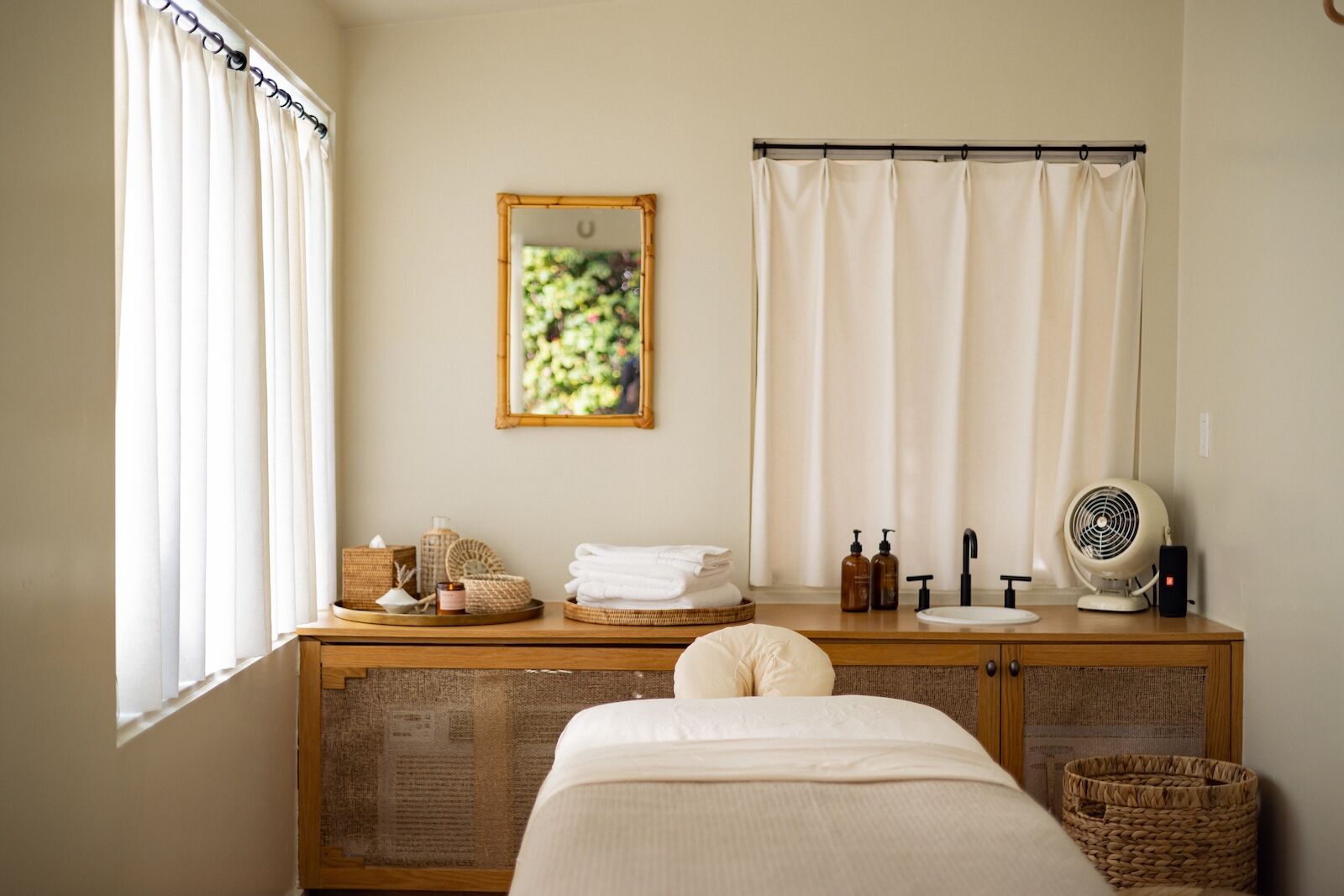
From there, you can go through the spa and edible garden, pass the market pool, continue beneath the orange trees, stop for a citrusy snack, and you’ll find yourself at the Winter’s House, designed by the very architect who created the famous Pasadena Rose Bowl. In its early years, the Winter’s House accommodated WWII trainees before becoming a private residence and eventually serving as a California ranch house for Palm Springs tourists seeking some privacy during their stay.

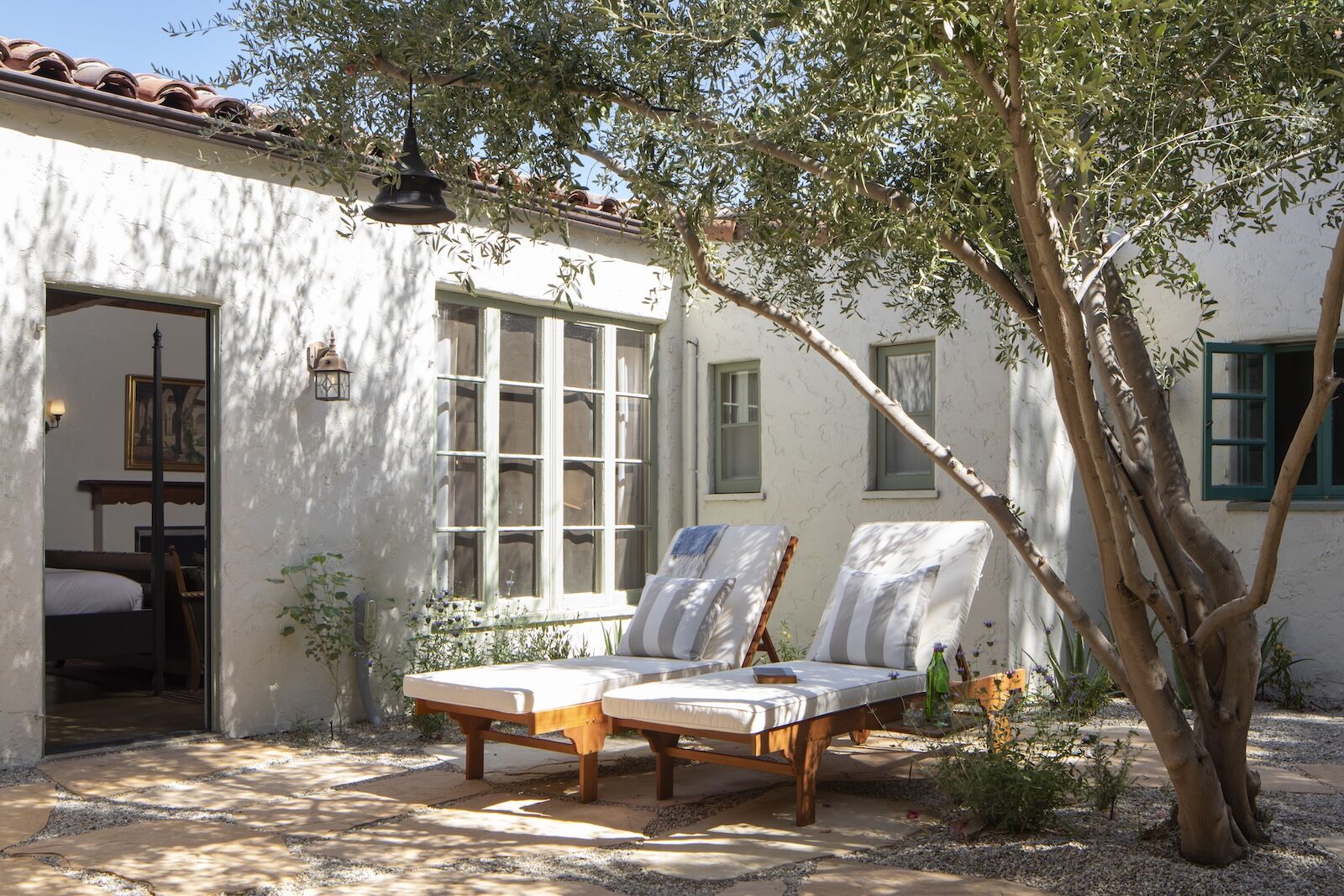
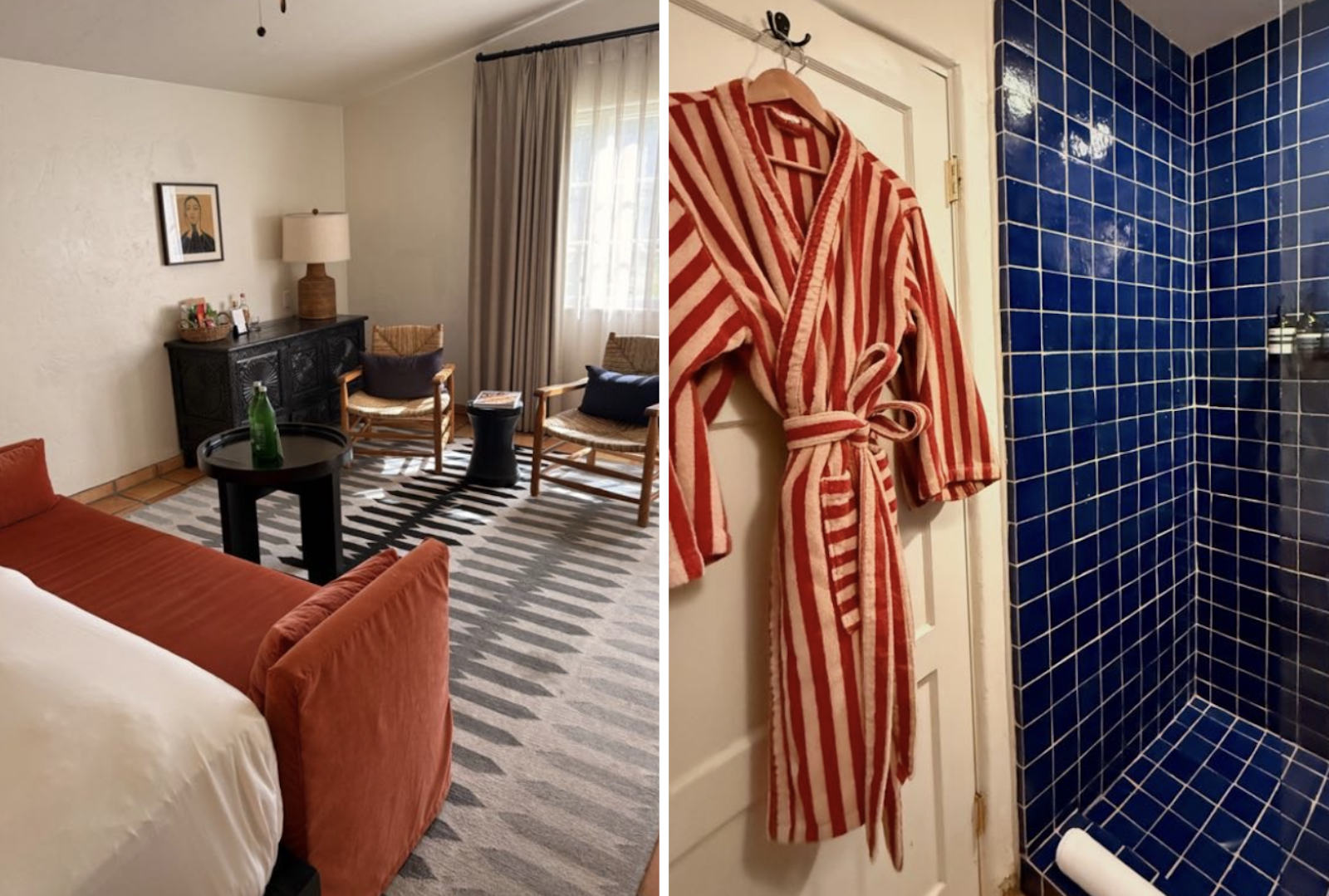
Otherwise, guests are invited to book one of Casa Cody’s 26 units. Among them are one-bedroom suites, two-bedroom suites, and large or standard studios — the large being about 400 square feet as opposed to the standard 300 square feet. All of the units are consistent in their muted luxury, Western aesthetic, neutral tones, blue tiles, and terracotta accents.

What a night at Casa Cody is like

casa-cody

Photo: Isabel Ravenna

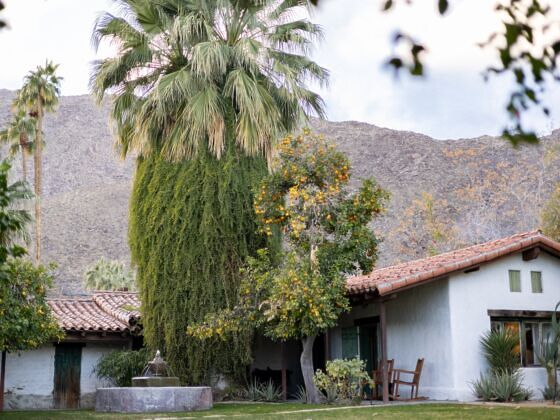
I stayed in a large studio that shared the Winter’s House Spanish clay tiles. Just outside was a serene lawn lined with different fruit trees: lemon, lime, orange and grapefruit. On the wall behind them, there was a note advising guests to harvest the produce in such a way as to avoid waste and sustain the yard’s health, paired with an invitation to request a fruit-juicing kit from the front desk.

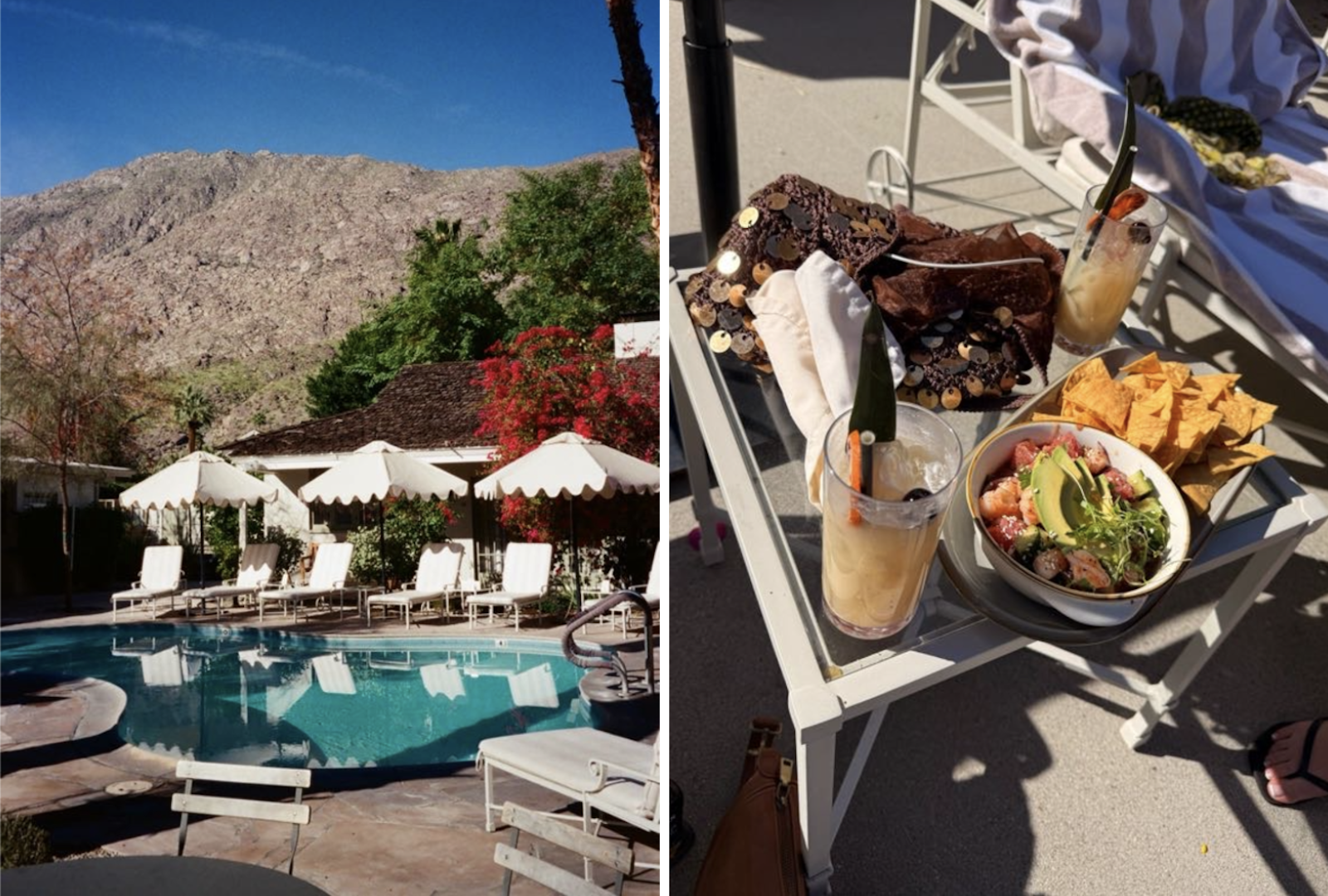
The property is so stunning that, during my stay, I met an engaged couple visiting exactly one year ahead of their wedding — just one of the many couples I imagine being attracted to Casa Cody’s intimate, quiet, relaxed ambience. Enjoying cocktails and ceviche delivered to us at the pool by the on-site restaurant, Harriet’s, we discussed which time of day was particularly golden and exactly which flowers paired nicely with the terracotta walls.

casa-cody

Photo: Isabel Ravenna

It was just the conversation that complemented a boozy afternoon by the pool, though I was privy to a lover’s quarrel — one ignited by a fountain. See, the Rincon Lawn features a single fountain, perfect for her vision: guests sipping on hibiscus tequilas and espresso martinis during cocktail hour. He imagined it best suited for the ceremony. I thought it best to mind my business, but either way, there was certainly no wrong answer given the scenes at Casa Cody.

Aside from couples escaping for a weekend of romance, the property attracts retreats, weddings, and lots of photographers seeking inspiration. My stay was quaint, but perhaps it was the calm before the storm since the first week of Coachella usually drives festivalgoers. According to a receptionist, brands often buy out the property to fill it with models, influencers, and artist types they deem fit to promote their products, complemented by the property’s pueblo-chic aesthetic.

In a city that constantly sells old glitz and glam, Casa Cody presents another wrinkle in time: the Western Americana scene, set by citrus trees at dusk, adobe glowing in the evening light, and a courtyard so quiet after sunset it can make anybody feel like a saloon girl with a heart of gold — only poolside, with a piña colada in hand.

Getting to Casa Cody

casa-cody

Photo: Josh Cho Photography

For those landing at Palm Springs International Airport (PSP), you’ll be checking into Casa Cody less than 15 minutes later. Parking is convenient and complimentary. And despite its central location near downtown Palm Springs, this historic property feels worlds away from the city’s busier streets. Framed by the San Jacinto Mountains and spread across more than an acre of gardens, pools, and winding pathways, Casa Cody occupies a sweet spot: close enough to easily explore Palm Springs’ dining, galleries, and hiking trails, yet secluded enough that returning each evening felt like stepping into a private desert retreat.

Book Now

Discover Matador

Save Bookmark

We use cookies for analytics tracking and advertising from our partners.

For more information read our privacy policy.