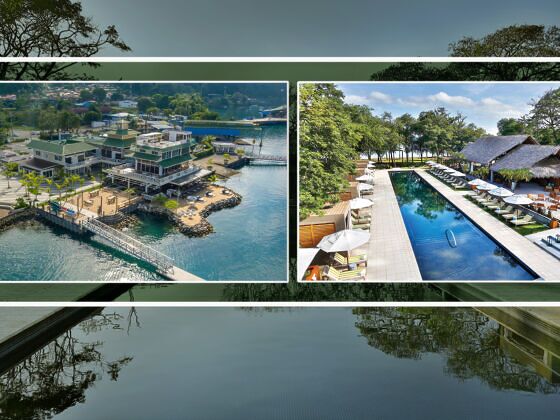
On Costa Rica’s Pacific Coast, These 2 Stays Take You From Fjord to Forest

Costa Rica Wildlife Epic Stays
by Gulnaz Khan Oct 14, 2026

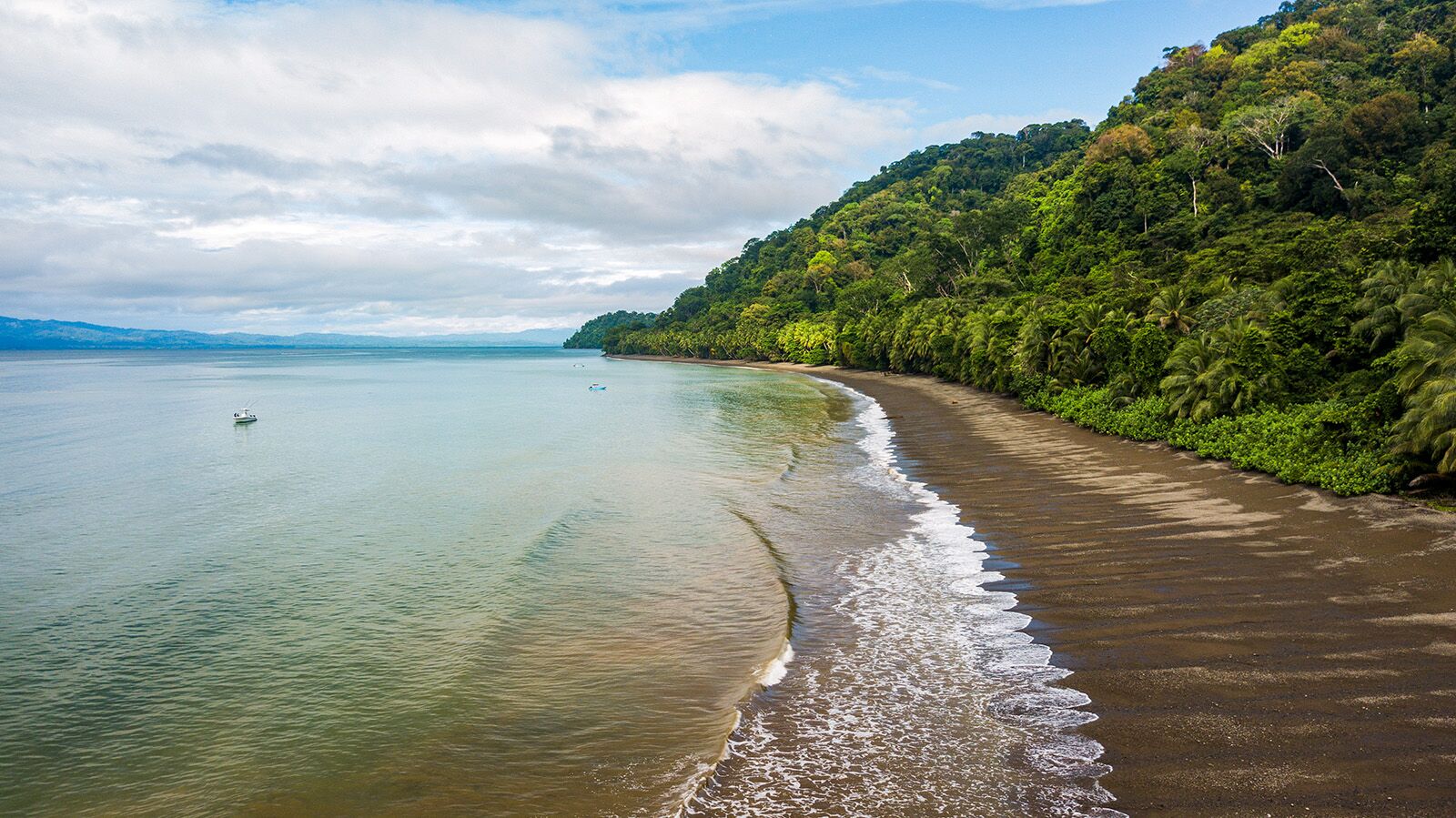
Forested hills rise steeply from the shores of Golfo Dulce in southern Costa Rica. Cecropia leaves catch the light; a ginger flower burns red in the shadowed understory.

We glide past them, our boat rising and falling on the low Pacific swell. The captain suddenly slows the engine to a crawl, and the mechanical hum recedes. For a moment, all I hear is the soft rush of water against the hull. Then, a sharp exhalation — the brief burst of air as a bottlenose dolphin surfaces to breathe.

Three … seven … a dozen silhouettes break the surface, fins arcing through the morning light. Some swim so close to the boat I can see the faint gray brushstrokes along their flanks.

This is Golfo Dulce: the Sweet Gulf.
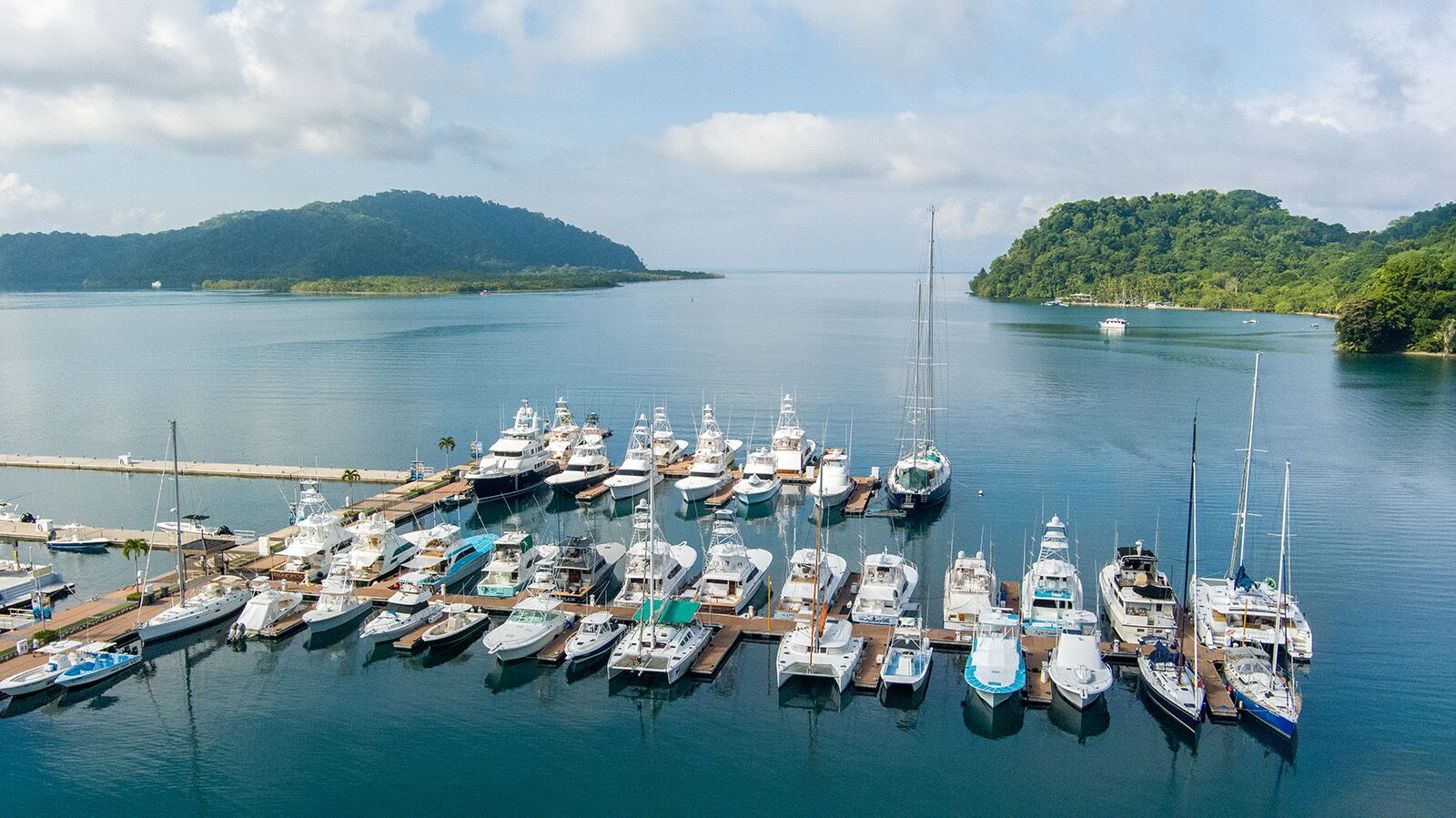
A tropical fjord on Costa Rica’s southern Pacific

Golfo Dulce Costa Rica

Photo: Marina Bahía Golfito

Golfo Dulce is one of only four tropical fjord-like gulfs in the world, a roughly 30-mile inlet on Costa Rica’s southern Pacific coast. Unlike Norway’s ice-carved fjords, Golfo Dulce was shaped by tectonic forces, and it’s ringed by primary rainforest. The result is a nutrient-rich, sheltered body of water that has become one of the world’s most significant cetacean nurseries.

It’s sometimes called la cuna del Pacífico — the cradle of the Pacific. Scientists have documented at least a dozen species in these waters, including the resident bottlenose dolphins, which claim the shallower inshore areas near river mouths, and the spotted dolphins, which swim deeper mid-gulf. And then, twice a year, the whales arrive.

Golfo Dulce is among the few places on Earth visited by humpback whales from both hemispheres. The southern population, traveling about 5,000 miles from its feeding grounds off Antarctica, reaches Costa Rica between July and November. Its northern counterpart, migrating south from North America’s Pacific coast, arrives between December and April.

Golfito, a small port town on the gulf’s northeastern shore, is a natural base to watch the migration unfold. Built in 1938 as a company town for the United Fruit Company, it was one of the country’s primary banana-export hubs for nearly half a century. Its architecture still bears the legacy of that era: a hospital, a school, and traces of the old railroad. When the company departed in the 1980s amid labor disputes and rising export taxes, the town transformed. Bananas have since given way to palm oil and sport fishing, and Golfo Dulce — with its extraordinary biodiversity on land and sea — is slowly reasserting itself as the region’s defining feature.

Marina Bahía Golfito is part of that story: a marina complex with superyacht berths, a public boardwalk, and restaurants and shops. At its heart is Amaka Ocean Living Lodge, a boutique hotel on the edge of the bay. Meals are served open-air above the water, while pelicans idle on the dock below. The hotel’s proximity to the marina means the day’s adventures — dolphin tours, sport-fishing charters, national park excursions — begin steps from your room.

Hiking Piedras Blancas National Park among more than 300 bird species

Golfo Dulce Costa Rica

Photo: AndreAnita/Shutterstock

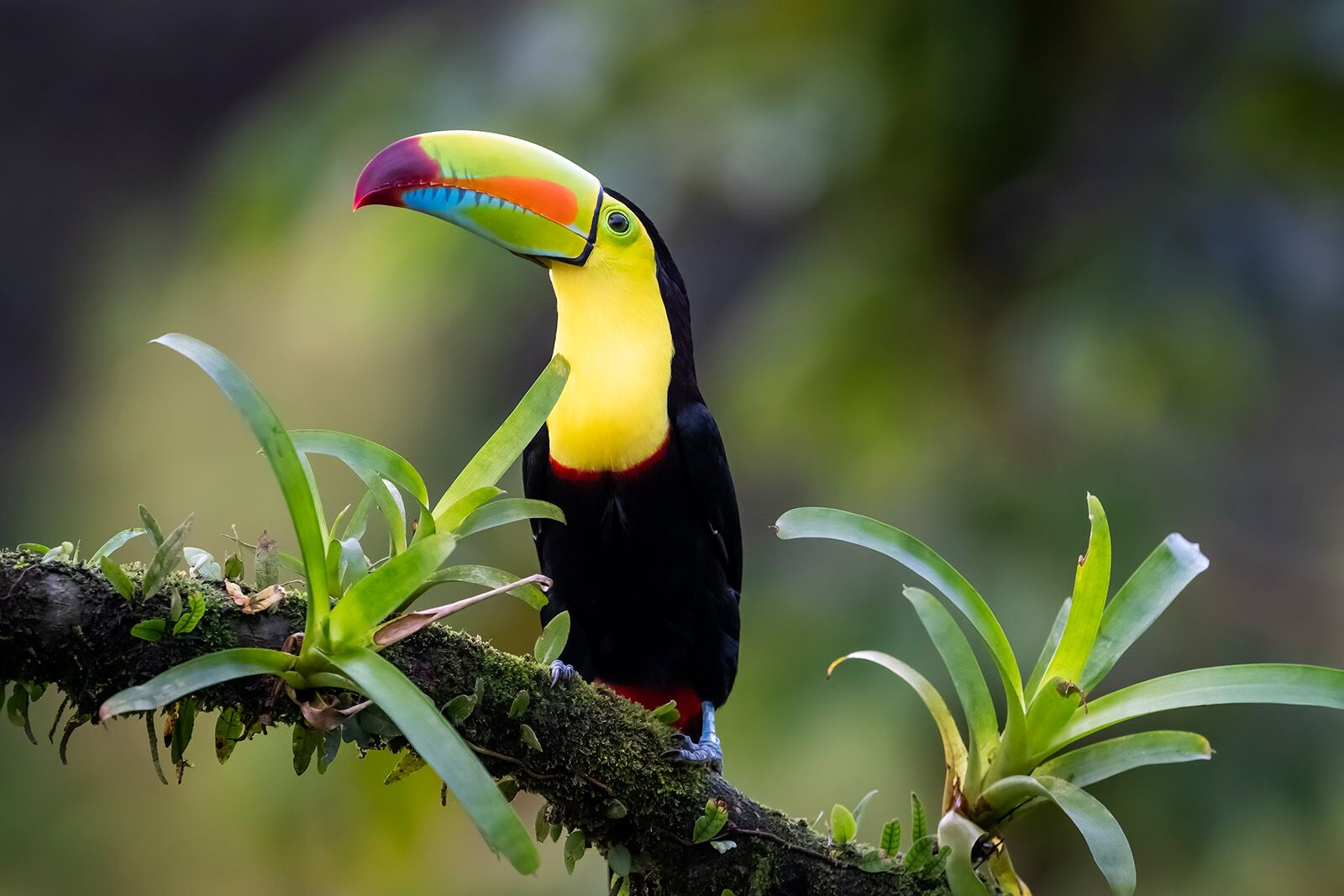
While our first day revealed the region’s underwater mysteries, the second looks skyward. A short car ride from Golfito, Piedras Blancas National Park covers more than about 34,600 acres of rainforest within the Osa Conservation Area and is increasingly recognized by scientists as one of the most concentrated repositories of biodiversity on the planet. The park shelters more than 300 recorded bird species; an impressive complement of mammals, including the ocelot and jaguar; and thousands of plant species.

We move through the dense vegetation accompanied by a local naturalist, scanning the canopy and marveling at the web of life it contains. We see a strangler fig where bromeliads and orchids have colonized nearly every branch, turning a single tree into a vertical garden. These epiphytes live above the forest floor, using the tree for support rather than rooting in soil and gathering nutrients from the humid air and organic debris. On the ground, lines of leafcutter ants cut across the trails. Every foot is teeming with life.

After a very sweaty but deeply rewarding trek through Piedras Blancas, we celebrate our final night at Amaka with the chef’s special tasting menu — tuna tataki, grilled eggplant, flambéed banana — each with its own drink pairing. In the distance, lightning flashes over the dark water. Tomorrow we’ll be crossing Costa Rica to its northern Pacific coast, swapping the rainforest for another distinct biome.

Book Amaka Ocean Living Lodge Now

Lunch with iguanas at El Mangroove on Playa Panamá

Golfo Dulce Costa Rica

Photo: El Magroove

The journey from the southern Pacific to Guanacaste takes you from one of the wettest corners of Costa Rica to tropical dry forest.

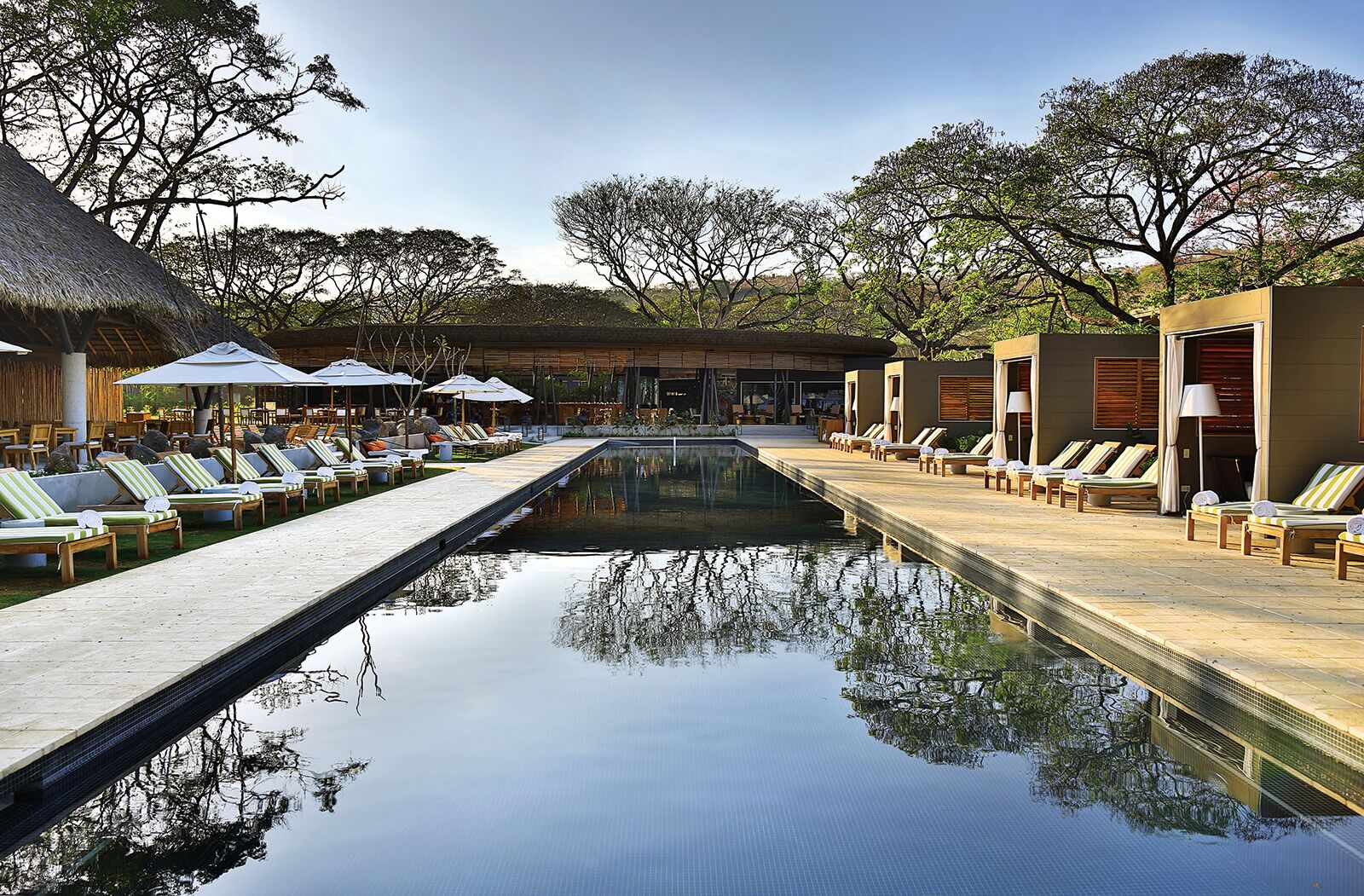
Situated on the chocolate-gray sands of Playa Panamá at the edge of the Gulf of Papagayo, El Mangroove — an Autograph Collection property designed to complement rather than outcompete the landscape — occupies 17 acres. Its suites are set back from the beachfront and enveloped by mangrove forest. We sit down to lunch in the open-air restaurant Matiss for fresh guacamole, fish tacos, and cold lemonade to stave off the midday heat. The hotel’s resident iguanas, ancient-looking creatures with scales like weathered slate, inch closer and closer, eyeing our fresh fruit.

Multiple pools, including an adults-only oasis, are El Mangroove’s gravitational center, with the Gulf of Papagayo stretching to the horizon beyond. For a more active adventure, the hotel’s beachside center offers jetski rentals, stand-up paddleboarding, and kayak tours. But after a day on the water, the real treat is Bearth Spa. A zigzag boardwalk floats above a carpet of tall grass leading to open-air massage cabanas. It’s the perfect wind-down before dinner at Makoko, where the contemporary Costa Rican menu draws from a network of local farmers and fishermen. You can taste it in every dish, from aged beef to the day’s catch.

A sunset swim in the Gulf of Papagayo

Golfo Dulce Costa Rica

Photo: Joanne Wastchak/Shutterstock

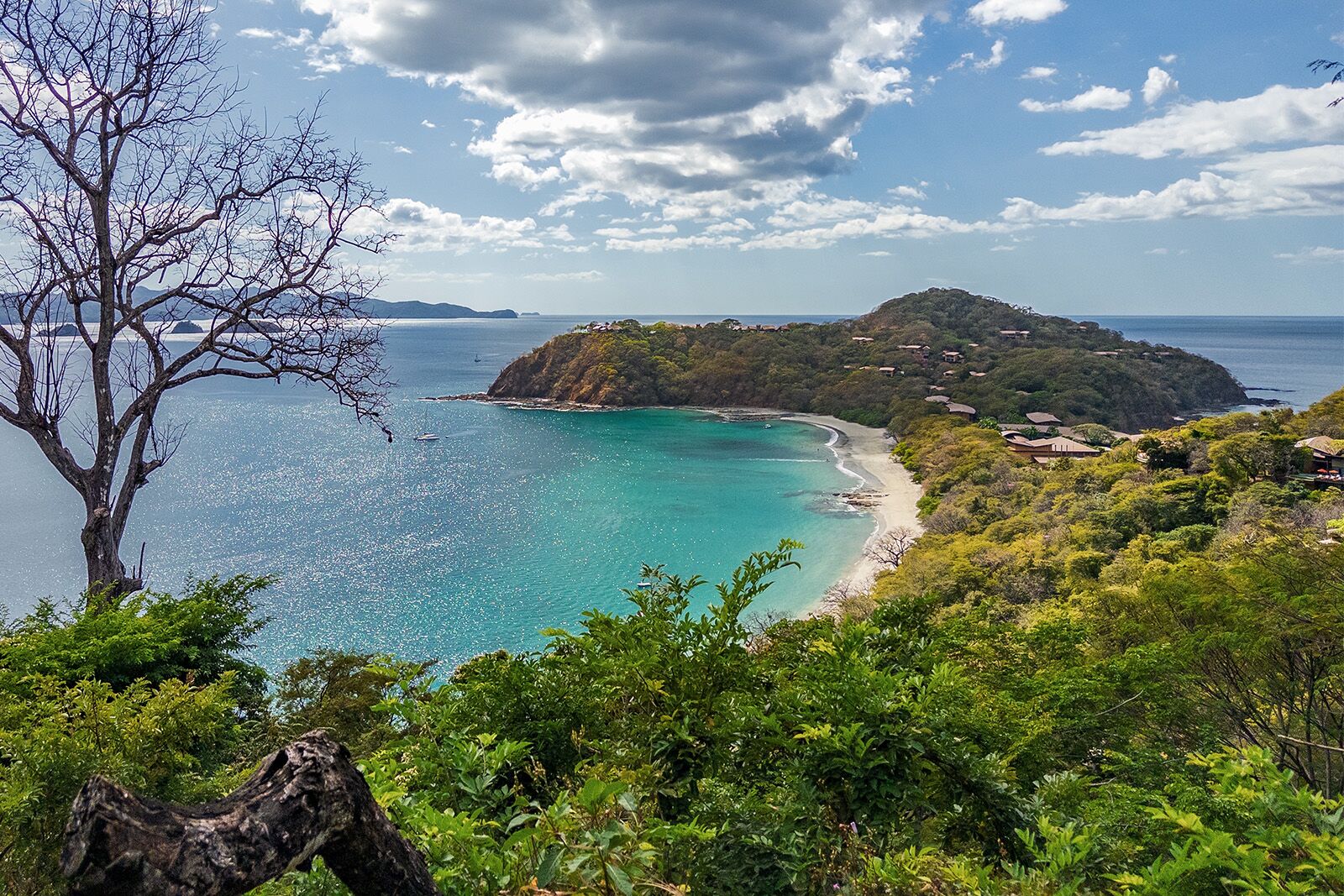
On our final afternoon in Costa Rica, my anticipatory nostalgia sets in. We slip out of Playa Panamá on the turn of the tide, the captain threading along the coastline as the light begins its slow descent.

We anchor in a patch of calm water, and I roll backward into the warm waves. I float blissfully, looking up at the volcanic cliffs and vegetation bathed in gold. The scene looks like a watercolor: soft edges and impossibly beautiful light.

By the time I reluctantly climb back aboard, guacamole and chips waiting for me, the sun has dipped to eye level. Each boat we pass waves its hands in greeting, reggaeton drifting on the wind. As we turn back toward Playa Panamá, El Mangroove’s lights emerge from the tree line, the Gulf of Papagayo wrapping around us.

Pura vida. Pure life. Costa Rica’s national expression is used as a greeting, a farewell, a thank-you, or simply to say that everything is all right. Standing at the stern of the boat, watching the sky run deep violet, I settle on the last. Pura vida. Everything is all right.

Book El Mangroove Now

Getting to Golfito and Guanacaste

Golfo Dulce Costa Rica

Photo: Marina Bahía Golfito

Golfito is about 45 minutes by domestic flight from San José’s Juan Santamaría International Airport (SJO) to Golfito Airport (GLF). Amaka Ocean Living Lodge at Marina Bahía Golfito is a five-minute transfer from the airstrip. Guanacaste is served directly by Daniel Oduber Quirós International Airport in Liberia (LIR), with nonstop flights from San José as well as several major US cities. El Mangroove on Playa Panamá is a 20-minute drive from the terminal.

Discover Matador

Save Bookmark

We use cookies for analytics tracking and advertising from our partners.

For more information read our privacy policy.