Photo: PeopleImages/Shutterstock

Matador Network Readers' Choice Awards 2025: Sustainable Destination

Costa Rica Sustainability
by Matador Creators Dec 5, 2025


Explore all of Matador Network’s
2025 award winners

When Matador readers think about where sustainability is more than a buzzword, Costa Rica comes up again and again. It’s the country that turned “pura vida” into both a marketing slogan and a real framework for how nature, communities, and tourism fit together. Roughly a quarter of Costa Rica’s land is under formal protection, from national parks and wildlife refuges to wetlands and forest reserves.
Forests cover more than half the country, a dramatic reversal from the deforestation crisis of the 1970s and ’80s that inspired Costa Rica to reinvent itself as a global conservation reference point. Today, nearly 100 percent of the electricity in the country is from renewable sources.

Costa Rica’s National Decarbonization Plan, launched in 2019, lays out a roadmap to reach net-zero emissions by 2050 across ten key sectors, from transport and energy to agriculture and waste. In 2024–25 the government has been aligning its updated 2025–2035 Nationally Determined Contribution (“CND 3.0”) with the plan, framing it as a central roadmap for a decarbonized, inclusive, and climate-resilient economy. Recent 2025 progress has focused on scaling finance and implementation, including new green credit facilities such as the Banco Nacional de Costa Rica’s Pura Verde program and continued multilateral support from institutions like the Inter-American Development Bank to advance transport electrification and other priority measures.

In 2025, the country doubled down on its efforts to make all people involved in conservation, including Indigenous peoples, from the Emission Reductions Program from Deforestation and Forest Degradation to including knowledge exchange for sustainable land use. It also launched the Pura Verde program to provide financing for renewable energy, clean transportation, sustainable agriculture, and water management projects.

Parks, corridors, and a country built around conservation

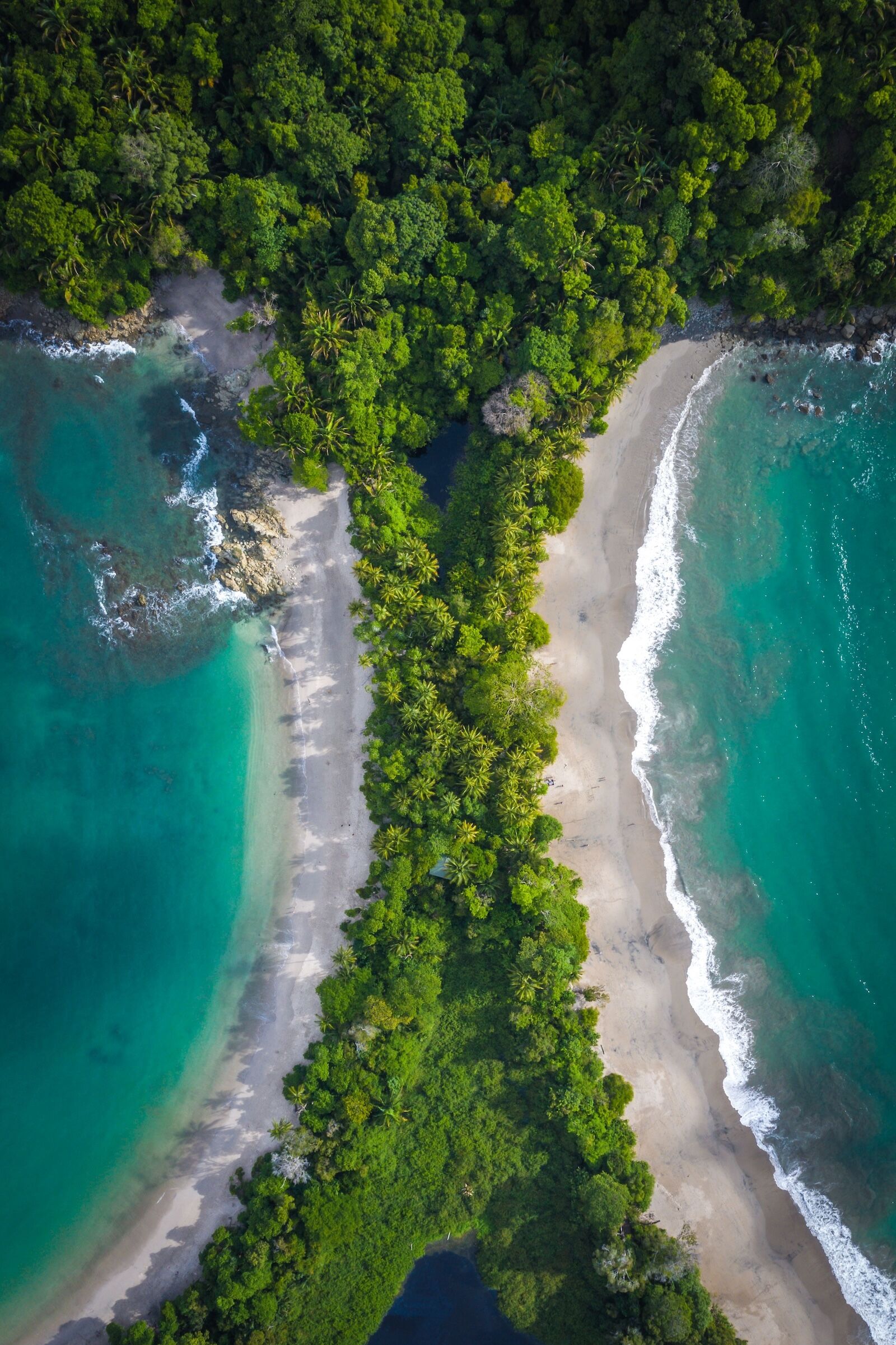
A vertical aerial view of the shore of Manuel Antonio, Costa Rica

Photo: Wirestock Creators/Shutterstock

Costa Rica has 29 national parks that cover about 25 percent of the country. Wildlife refuges and other conservation areas safeguard an estimated 5 percent of the world’s biodiversity.

Travelers can see this in different ways depending on where they go. Cloud-shrouded forests can be found in Monteverde and the Tilarán range, while Corcovado National Park and the Osa Peninsula are often cited as among the most biologically intense places on Earth. Tapirs, four monkey species, and big cats roam the same forests that draw visitors on foot and by boat. In Tortuguero, canals slice through lowland rainforest and sea turtles nest on beaches.

Beyond individual parks, Costa Rica has invested in biological corridors that link fragmented habitats, like the AmistOsa Corridor, and is now even experimenting with bioacoustic monitoring — “listening” to forests to track species and ecosystem health in near real time.

Crucially, tourism fees, permits, and guiding requirements that come with visiting these spaces are designed to funnel money back into conservation and local economies.

From eco-lodge to regenerative stay

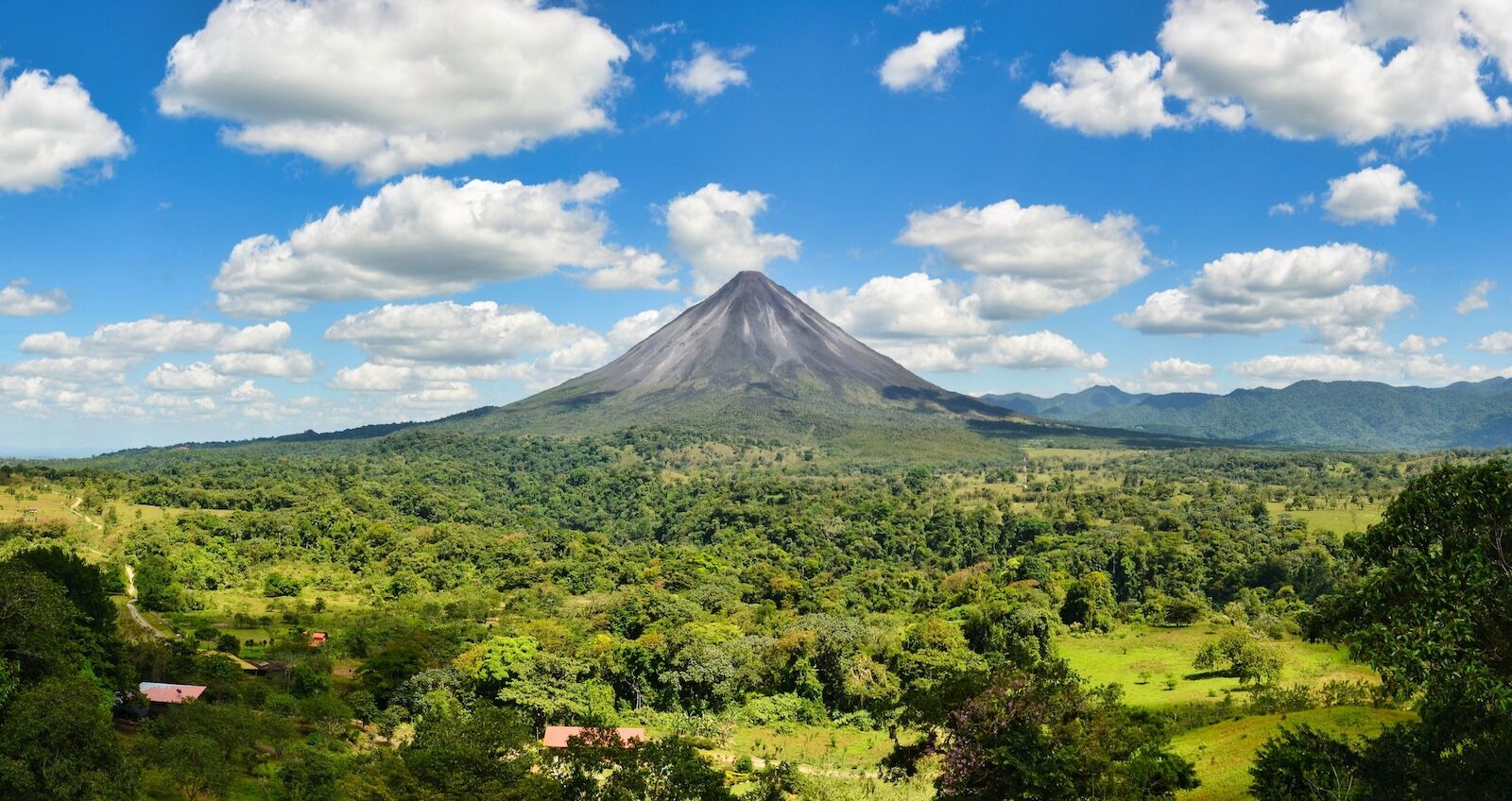
Landscape Panorama picture from Volcano Arenal next to the rainforest, Costa Rica. Travel in Central America. San Jose.

Photo: Ganz Twins/Shutterstock

Costa Rica was talking about eco-lodges decades before the term went mainstream. Many of today’s classic rainforest and coastal properties grew out of private reserves, reforestation projects, or family farms. Costa Rica’s Certification for Sustainable Tourism (CST), managed by the national tourism board, is the country’s main yardstick for genuinely sustainable hotels and eco lodges, assessing everything from energy and water use to wildlife protection and community impact.

Known for its “leaf” ratings, the program has recently been streamlined into two tiers — BASIC and ELITE — making it easier for travelers to quickly spot lodges that meet rigorous environmental and social criteria while still rewarding the highest performers. Properties and tour operators are evaluated on things like energy and water management, waste reduction, support for local employment, and protection of surrounding ecosystems.

Sustainability here is visible in the solar panels on lodge rooftops, composting toilets in remote camps, refill stations instead of single-use plastic bottles, and guides trained to talk about everything from bird calls to payments for ecosystem services. Many newer projects are explicitly regenerative, aiming not only to do less harm but to restore degraded land, fund research, or support local cooperatives.

Balancing popularity, people, and place

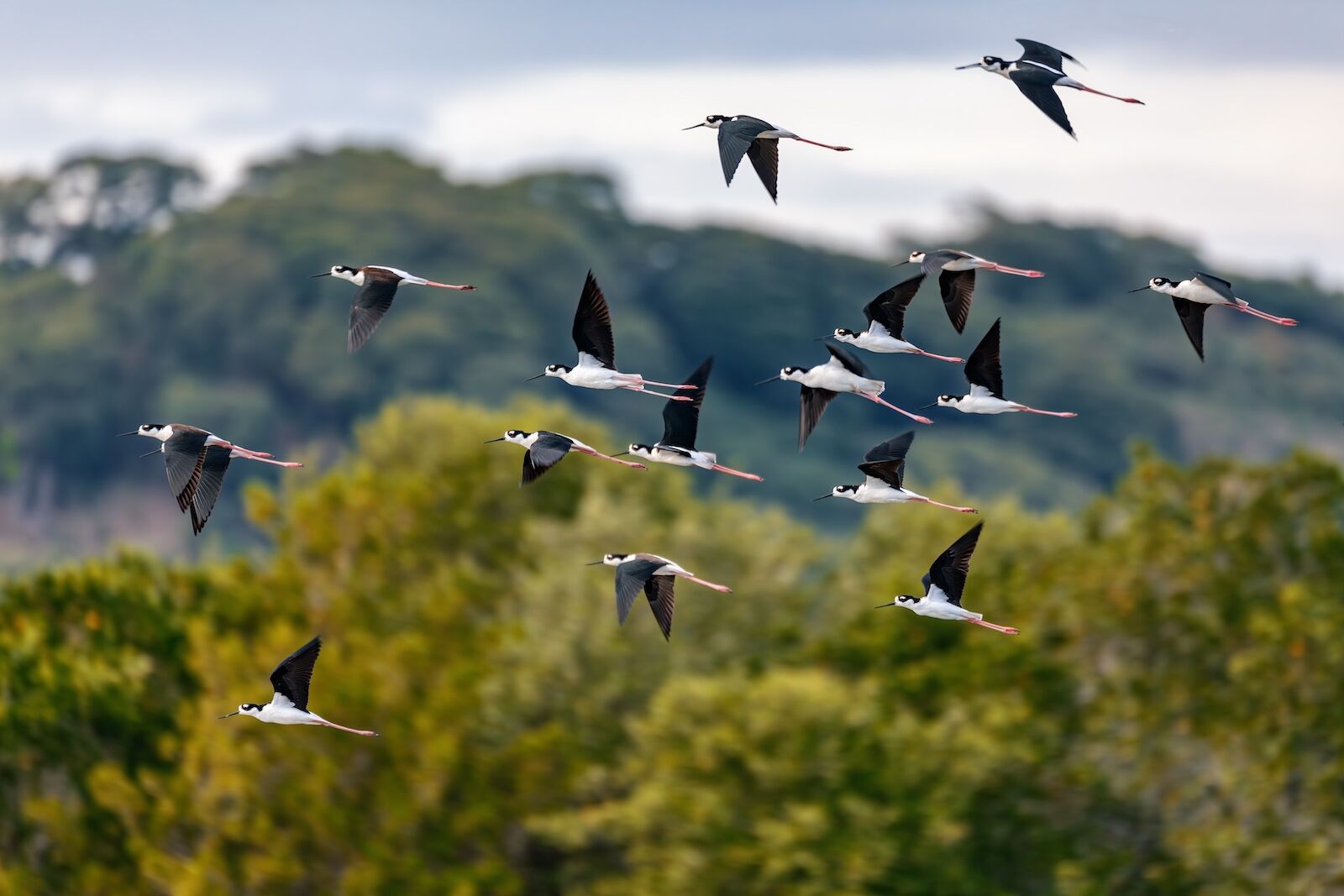
Flying flock of The black-necked stilt (Himantopus mexicanus) is a locally abundant shorebird of American wetlands and coastlines. River Tarcoles, Wildlife and birdwatching in Costa Rica.

Photo: Artush/Shutterstock

Of course, success comes with pressure. The millions of visitors a year — including increasingly large numbers arriving by cruise ship — are straining Costa Rica’s sustainable tourism model. Popular hotspots like Manuel Antonio, La Fortuna/Arenal, and parts of Guanacaste can feel crowded in peak season, and local conservationists warn of creeping deforestation and stress on water supplies in some regions.

At the policy level, the country has committed to fully decarbonizing its economy by 2050, one of the earliest such pledges in the world, and has a detailed National Decarbonization Plan that frames low-carbon tourism as part of a broader societal shift. Climate-focused initiatives, such as visitor-facing pledges to offset emissions and support conservation projects, are increasingly woven into tourism campaigns.

How to make Costa Rica your next sustainable trip

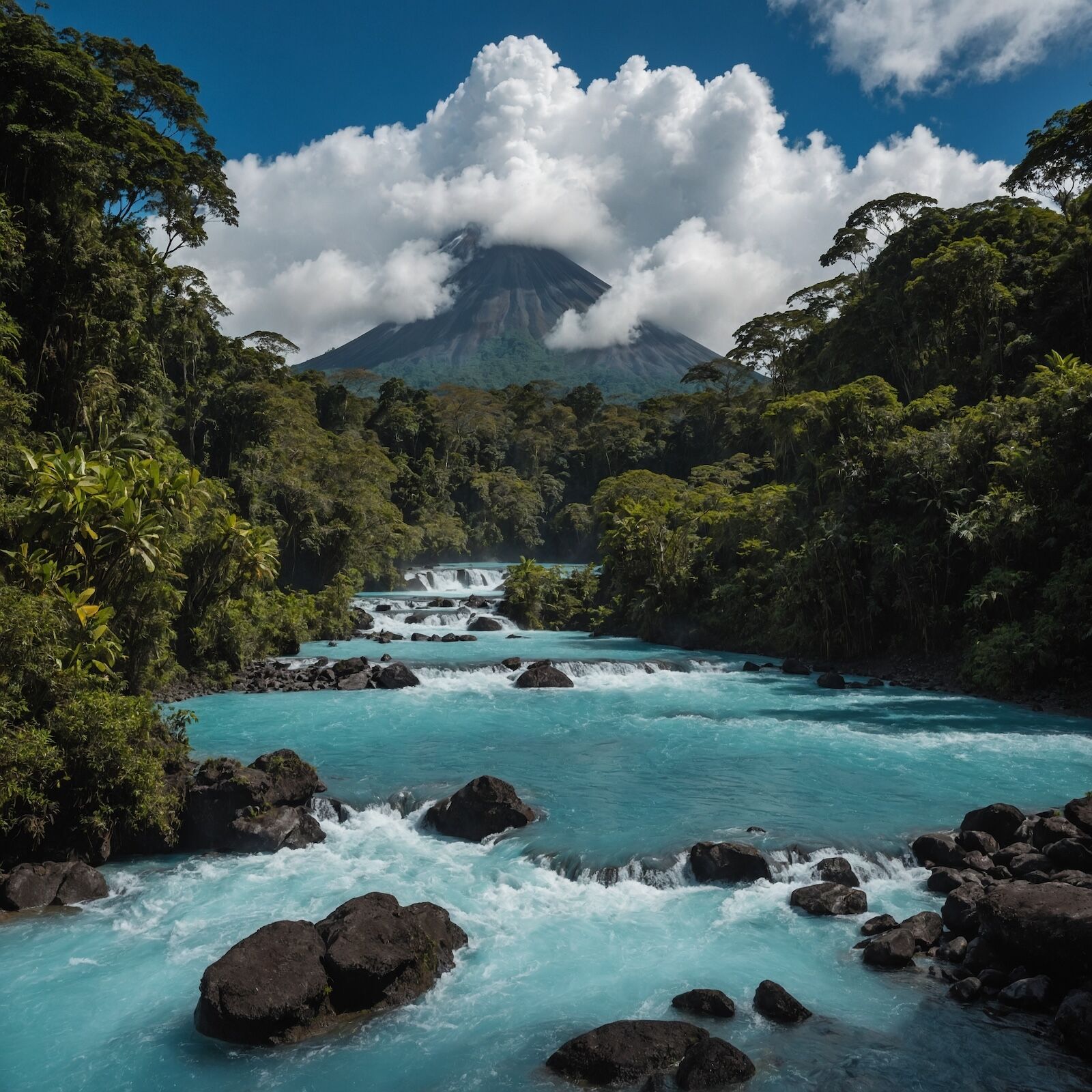
Rio Celeste, located in Tenorio Volcano National Park, Costa Rica, is a stunning natural wonder known for its vibrant turquoise-blue waters.

Photo: Naeemphotographer2/Shutterstock

Most visitors still route through San José, where you’ll find the country’s primary international video, and then fan out to a handful of hubs:

  • La Fortuna/Arenal for volcano views, hot springs, and adventure parks
  • Monteverde for cloud forest reserves and canopy walks
  • Manuel Antonio and the central Pacific for beaches and easy wildlife viewing
  • Guanacaste’s Nicoya Peninsula for surf towns and blue-zone culture
  • Puerto Viejo for Afro-Caribbean communities, cacao projects, and relaxed beaches

It’s the perfect destination for any eco-travelers, families with young kids, birders and anyone interested in biodiversity, and, of course, anyone who is interested in climate and conversation leadership.

Costa Rica’s official tourism site has dedicated resources on responsible travel and a sustainable trip planner, from packing tips to guidelines on interacting with wildlife, making it easier than ever to align your trip with the country’s conservation goals.

Book local guides and mind your footprint in sensitive areas. That means following trail rules in national parks, keeping distance from wildlife, and being thoughtful about where you stay near turtle nesting beaches or in water-scarce zones.

Readers’ Choice Awards methodology

For the 2025 Matador Network Readers’ Choice Awards, we asked our global audience of 300,000-plus email subscribers to vote for the places and experiences that define travel for them. The survey covered six categories: Next Big Destination, Best Adventure Destination, Best Sustainable Destination, Best Wellness Destination, Best Wildlife Destination, and Best Airline. After the voting period closed, our team verified and tallied the results to determine a single Readers’ Choice winner in each category.

Each category included a shortlist of nominees curated by Matador’s editorial team based on reporting, industry trends, and community feedback. Voters could also write in their own picks if a favorite wasn’t listed.

In the Best Sustainable Destination category, Costa Rica received the highest share of verified votes, earning its place as the Matador Network Readers’ Choice pick for 2025.

Discover Matador

Save Bookmark

We use cookies for analytics tracking and advertising from our partners.

For more information read our privacy policy.