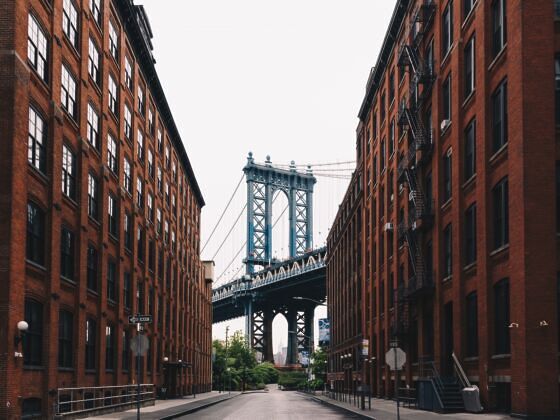
Photo: Vlad Zymovin/Shutterstock

Hotel Prices Keep Climbing in New York City 2 Years After Airbnb Crackdown

New York City News
by Nickolaus Hines Sep 9, 2025

Two years after New York City’s sweeping crackdown on Airbnb, visitors looking for affordable accommodations in the Big Apple face an even more expensive new reality in a city already known for being pricey. New data shows that short-term rentals are all but erased from the five boroughs, and hotel prices are continuing to go up.

In July 2025, the average nightly rate for a hotel room in NYC hit $283, a 7 percent increase over two years prior, according to data from CoStar first published in the Wall Street Journal. Fall and into the holiday season sees much higher nightly rates — last year September had a record-setting month where average rates reached $417 per night. These spikes are not temporary: occupancy has outpaced 2023 levels in every month but July this year, the WSJ notes.

This follows the city’s de-facto ban of its short-term rental market with Local Law 18 in 2023. The law requires all short-term rental hosts to register with the city, prohibits full-apartment rentals for fewer than 30 days, and limits guest counts to two, with the host required to be present. As a result, NYC’s once-thriving Airbnb inventory dropped from 38,500 listings to just 3,000 legally operating units within a year.

The legislation was intended to reduce the flow of tourists into residential buildings and improve the city’s strained housing supply. While the first goal appears largely met — Council Member Gale Brewer told the WSJ her office no longer receives complaints about “partying tourists throwing up in the hallway” — the second remains unresolved.

Manhattan’s residential vacancy rate was 2.45 percent in July, hovering near all-time lows. Median monthly rent reached $4,700, also a record.

That’s partly because while short-term rentals were a boon for some travelers looking for a budget stay in the city, they represented a small portion of the overall housing stock. It was also just a small fraction of the available traveler accommodations.

For years, Airbnb absorbed some demand from price-sensitive visitors, especially during peak tourism seasons and events. Now, hotels are enjoying a surge in demand. Richard Born, who owns 24 hotels in NYC, told the WSJ that “we would be in a catastrophic situation” without the law.

But while hotel operators and city enforcers are satisfied, budget-conscious tourists are left with few alternatives. Nearby stays in New Jersey or Long Island come with added transportation costs and logistical hurdles. For solo travelers or families looking to stay in the city center, affordable lodging is becoming harder to find — and nearly impossible to book last-minute.

Airbnb is pushing back. It’s the second-largest political spender in New York City’s 2025 elections, backing candidates who support short-term rental reform ahead of the 2026 FIFA World Cup, which is expected to bring millions of visitors to the metro area. A bill to loosen restrictions to allow owners of one- and two-family homes to host short-term guests has stalled in City Council.

New York isn’t alone. Cities like Barcelona and Seville have also cracked down on short-term rentals.

With NYC projecting 68 million visitors in 2025, demand isn’t slowing. For leisure travelers on a budget, the message is clear: plan early, expand your lodging search beyond Manhattan, and expect to pay more than in years past. The days of $150-a-night apartments in Brooklyn are long gone and not coming back anytime soon.

Discover Matador

Save Bookmark

We use cookies for analytics tracking and advertising from our partners.

For more information read our privacy policy.