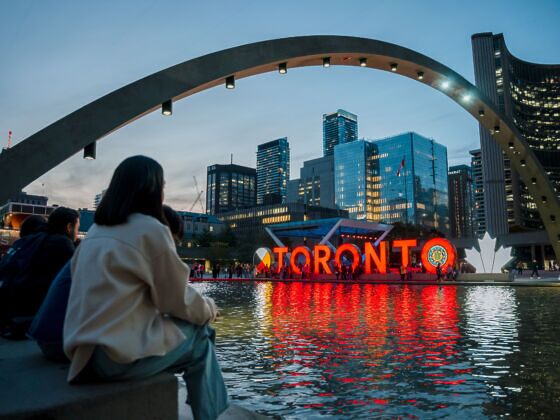

Some of Toronto‘s most unforgettable experiences appear in the most unexpected places, whether you’re dangling from a 116-storey tower that held the title of the world’s tallest freestanding structure for more than 30 years, or standing in the doorway of a full-scale castle built in the middle of the city. Meanwhile, a hidden layer of the metropolis unfolds beneath your feet as you explore downtown: a network of subterranean pathways built entirely for pedestrians.
From skyline-defining icons to hidden neighborhood gems, Toronto reveals a city of unexpected contrasts, full of character, culture, and experiences that can’t be replicated anywhere else.
Downtown Toronto: Wherever the PATH may lead
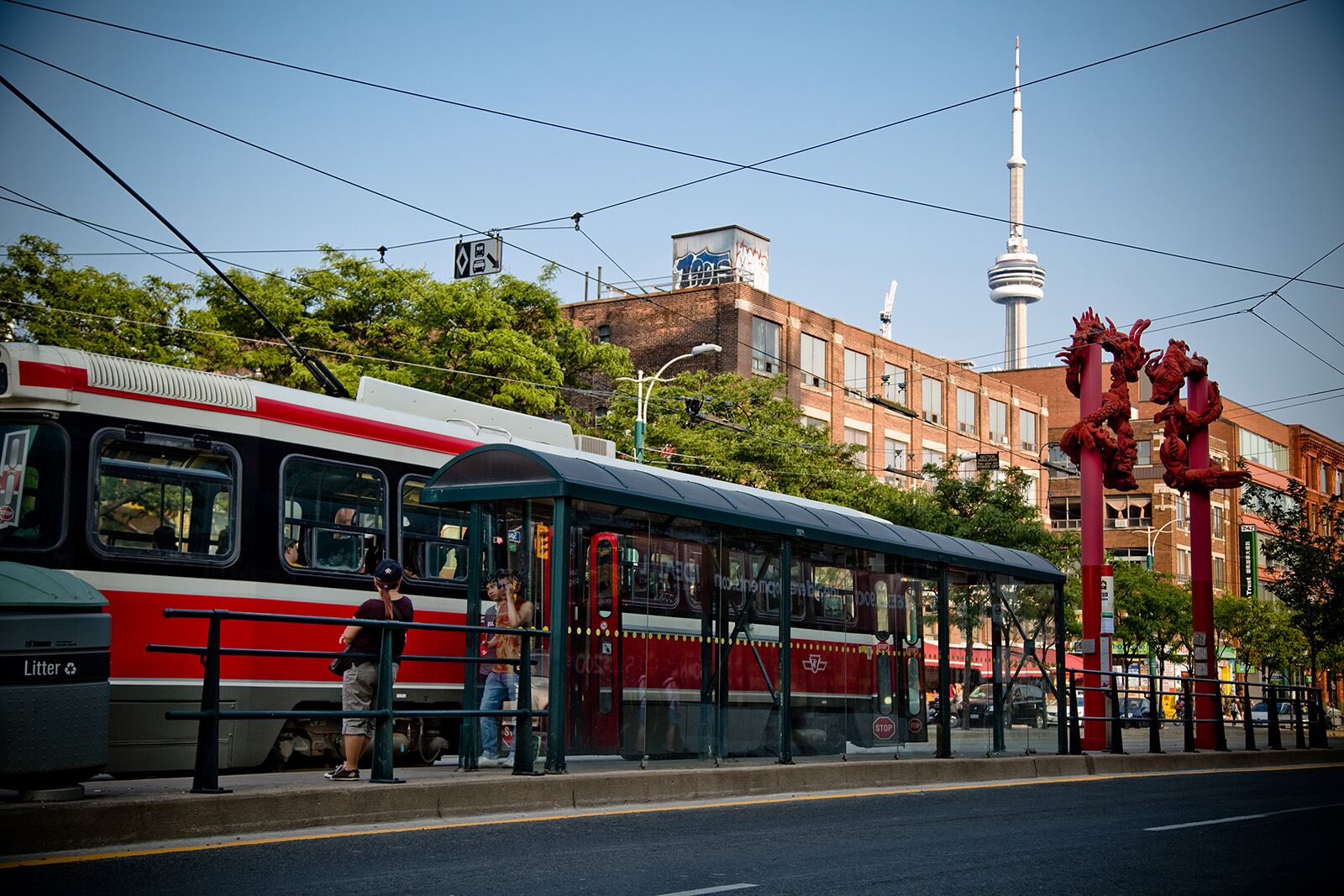
Photo: Destination Toronto
Toronto’s downtown packs more culture, history, and character into a few blocks than most cities manage in whole neighborhoods. Take Kensington Market, where streets become canvases, alleys are lined with vintage shops, colorful Victorians double as cafes, and a restaurant directory reads more like a world atlas. The place to go for everything from Jamaican patties and Chilean empanadas to Caribbean-Italian fusion creations like jerk chicken lasagna, this eclectic district has been a landing spot for wave after wave of immigrant communities over the past century, a history recognized by its designation as a National Historic Site of Canada.
Adjacent to Kensington Market, Toronto’s Chinatown is one of the largest in North America and a destination in its own right. Wander past traditional bakeries, specialty grocers, and lively markets before stopping for handmade dumplings, dim sum, or a perfectly brewed bubble tea.
Just a short walk east, the Art Gallery of Ontario (AGO) is as much an architectural attraction as it is an art museum. Redesigned by Toronto-born architect Frank Gehry, its sweeping glass facade and sculptural wood interiors are as striking as the more than 120,000 works housed inside.
Underground, PATH offers a uniquely Toronto way to explore downtown. Spanning 19 miles and more than 75 buildings, this vast network of pedestrian walkways connects six subway stations, nine hotels, office towers, restaurants and attractions, shopping destinations like Brookfield Place, and the Hockey Hall of Fame, allowing visitors to navigate much of the city without stepping outside (perfect for those cooler days).
Waterfront, Toronto Islands, and Old Toronto: On and off the mainland
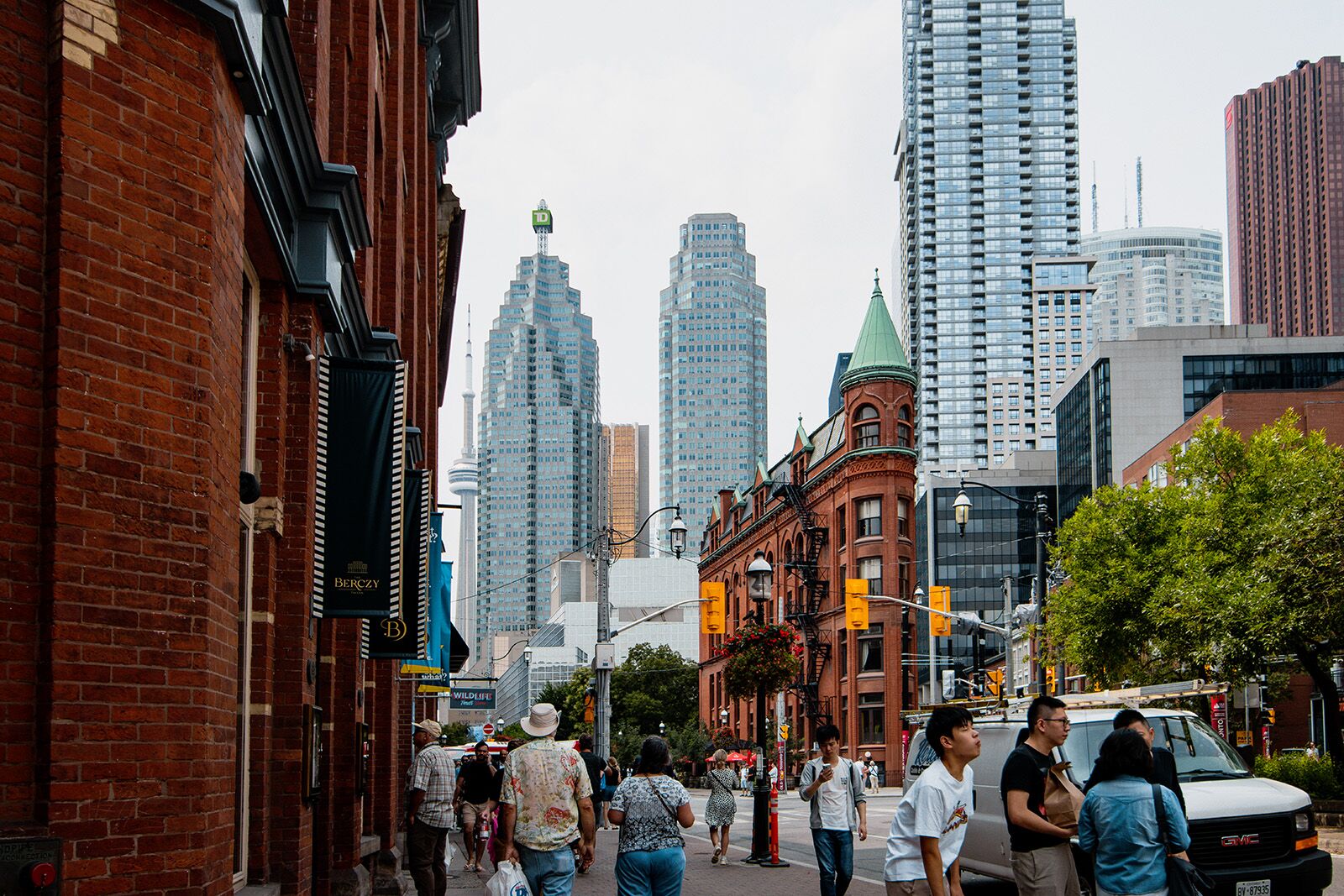
Photo: Destination Toronto
Along Toronto’s harborfront, a river, forested path, and wildflower meadow meet. These landscapes correspond to different sections of the Toronto Music Garden, inspired by Bach’s First Suite for Unaccompanied Cello. The Summer Music in the Garden series is an annual event held at Harbourfront Centre, Toronto’s waterfront hub for arts and culture.
A 15-minute ferry ride is all it takes to trade the skyline for open water and then the Toronto Islands. At Centre Island’s Centreville Theme Park, kids can ride the century-old Antique Carousel or the Mine Coaster through the park’s turn-of-the-century village, then wander next door to Far Enough Farm for goats and ponies a few minutes from the skyline. Ward’s Island trades the crowds for quiet, tree-lined paths and unobstructed water views. For another experience entirely, Hanlan’s Point is home to one of only two officially recognized clothing-optional beaches in Canada. The ferry back from the islands is one of the best vantage points to watch the sun drop behind the city’s towers before it disappears into Lake Ontario.
Back on land, St. Lawrence Market has been a centrepiece in Old Toronto for more than 200 years. Housed in a red-brick heritage building, the legendary market features more than 120 specialty vendors, including Carousel Bakery, whose peameal bacon sandwich (a Toronto original) has drawn everyone from Anthony Bourdain to Barbra Streisand to the front of the line.
Entertainment District: Life on the edge
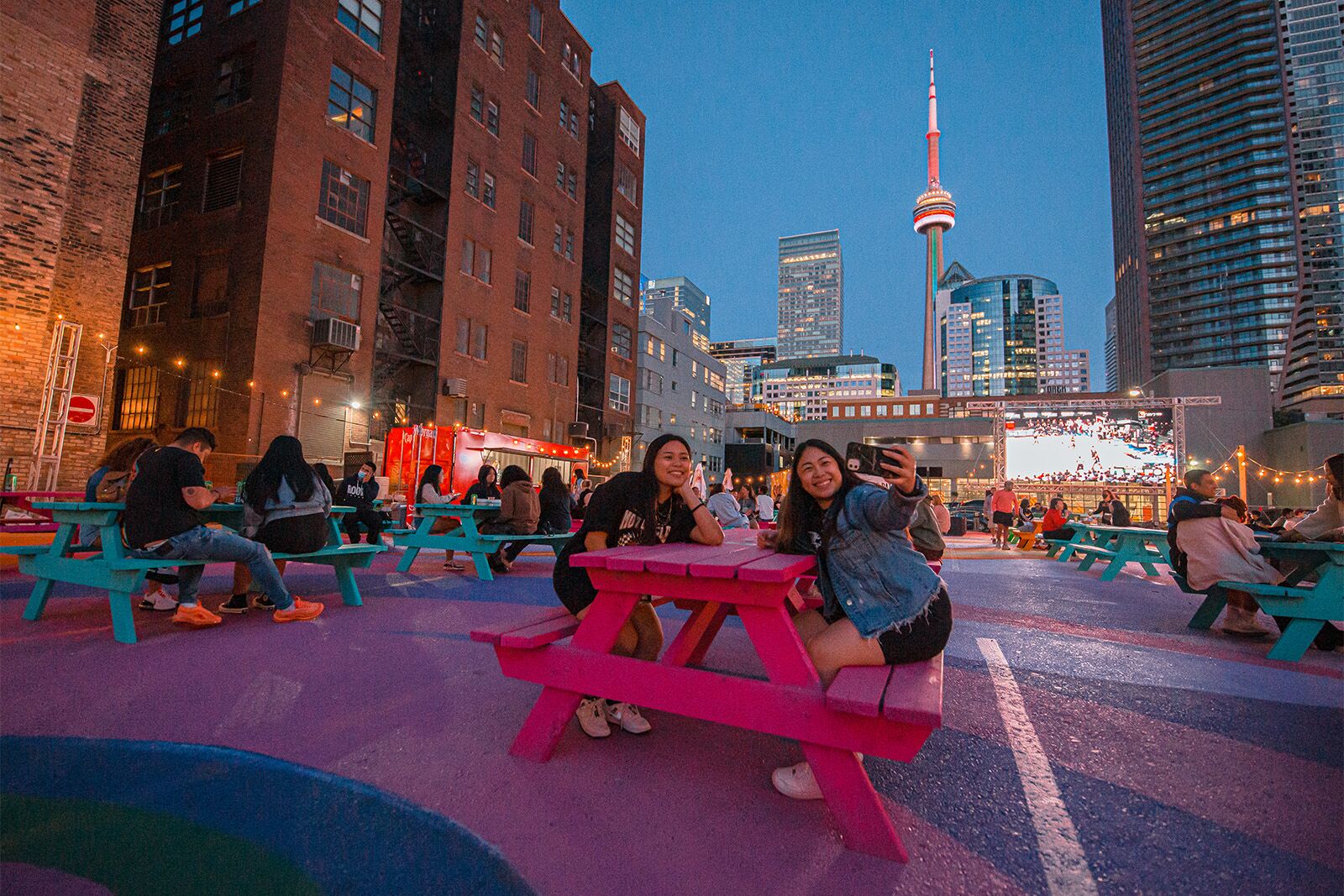
Photo: Destination Toronto
The CN Tower is a landmark beacon in Toronto’s Entertainment District, standing 1,815 feet tall. Ride up to The Top, the highest observation platform in the Western Hemisphere, for a panoramic payoff, or look down through the glass floor for a totally different view. Work up an appetite along the way, then dine at the tower’s revolving restaurant, 360, for dramatic backdrops that complement the best of Canadian cuisine.
Also at the CN Tower is EdgeWalk, the Guinness World Record holder for the world’s highest external walk on a building, 1,168 feet above the ground. Secured by a safety harness, step out onto the edge of the tower’s main pod and let adrenaline take over as you soar above the clouds from a daring vantage point that you’ll only find in Toronto.
Back at street level, the district offers a completely different perspective. Walk through Ripley’s Aquarium‘s underwater tunnel as sharks glide overhead, catch a Blue Jays game at Rogers Centre beneath its iconic retractable roof, or explore Toronto’s railway history at the nearby Toronto Railway Museum.
Bloor-Yorkville & The Annex: From heel to hilltop
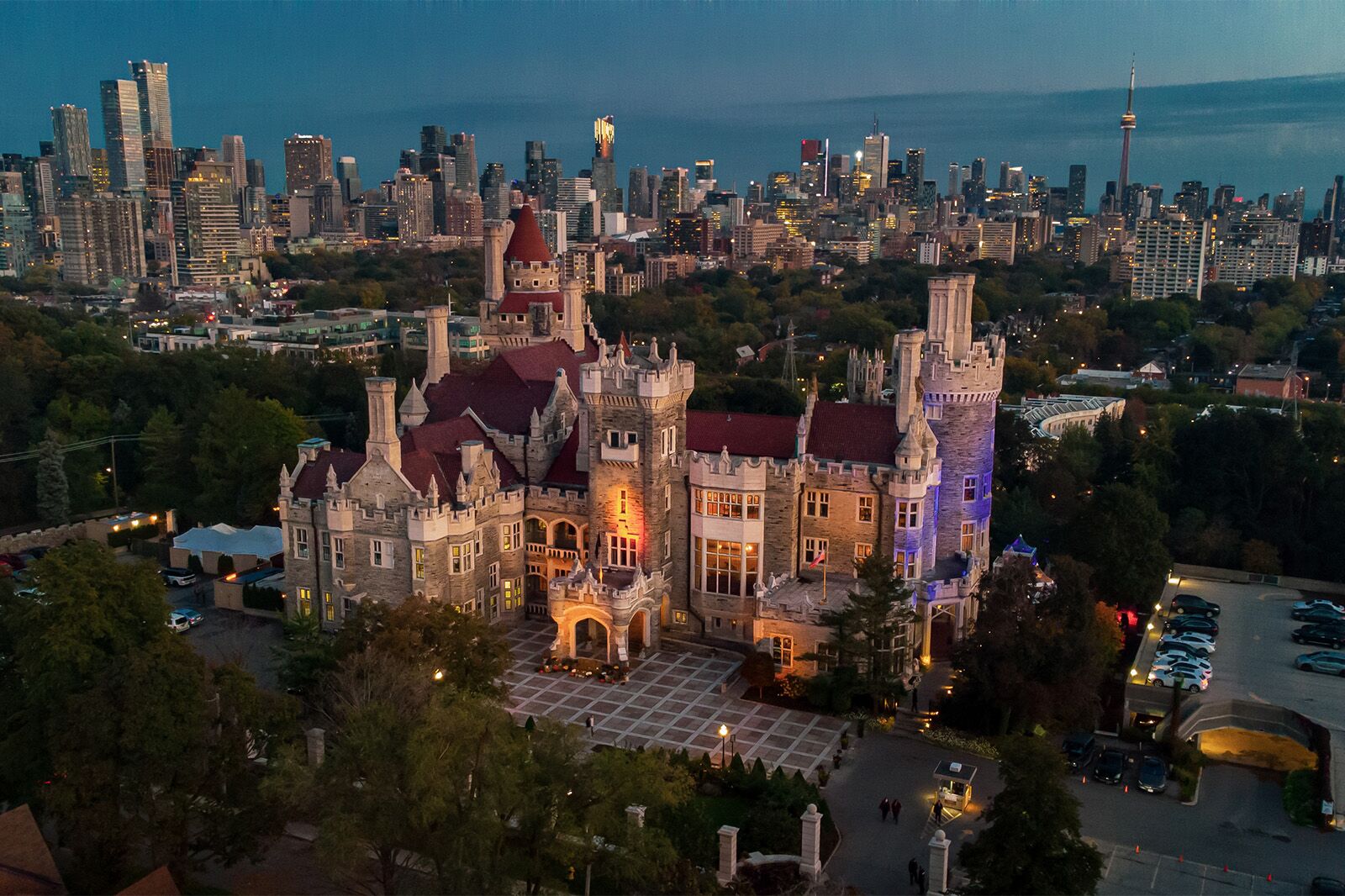
Photo: Destination Toronto
From designer heels to castle turrets, the neighborhoods surrounding Midtown Toronto deliver a surprising mix of high fashion, culture, and old-world architecture. Bloor-Yorkville is known for its luxury boutiques and the Royal Ontario Museum (ROM), where world-class collections are housed within one of the city’s most recognizable architectural landmarks. Nearby in The Annex, the Bata Shoe Museum explores the history of footwear through more than 1,000 shoes and artifacts spanning cultures and centuries, including a running shoe worn by Canadian hero Terry Fox alongside Elvis Presley’s famous blue suede loafers.
Few cities can claim a castle rising above their downtown skyline, but Toronto’s Casa Loma delivers exactly that. The estate-turned-museum looks like it was airlifted in from the Scottish countryside: Gothic Revival towers, battlements, and stone gargoyles overlooking the downtown skyline from a hilltop perch. Next door, the Spadina Museum provides another glimpse into the same era. The mansion’s lush gardens and lavish decor hold Toronto’s more understated triumphs and tribulations from 1900 to the 1930s.
High Park and beyond: A walk on the wild side
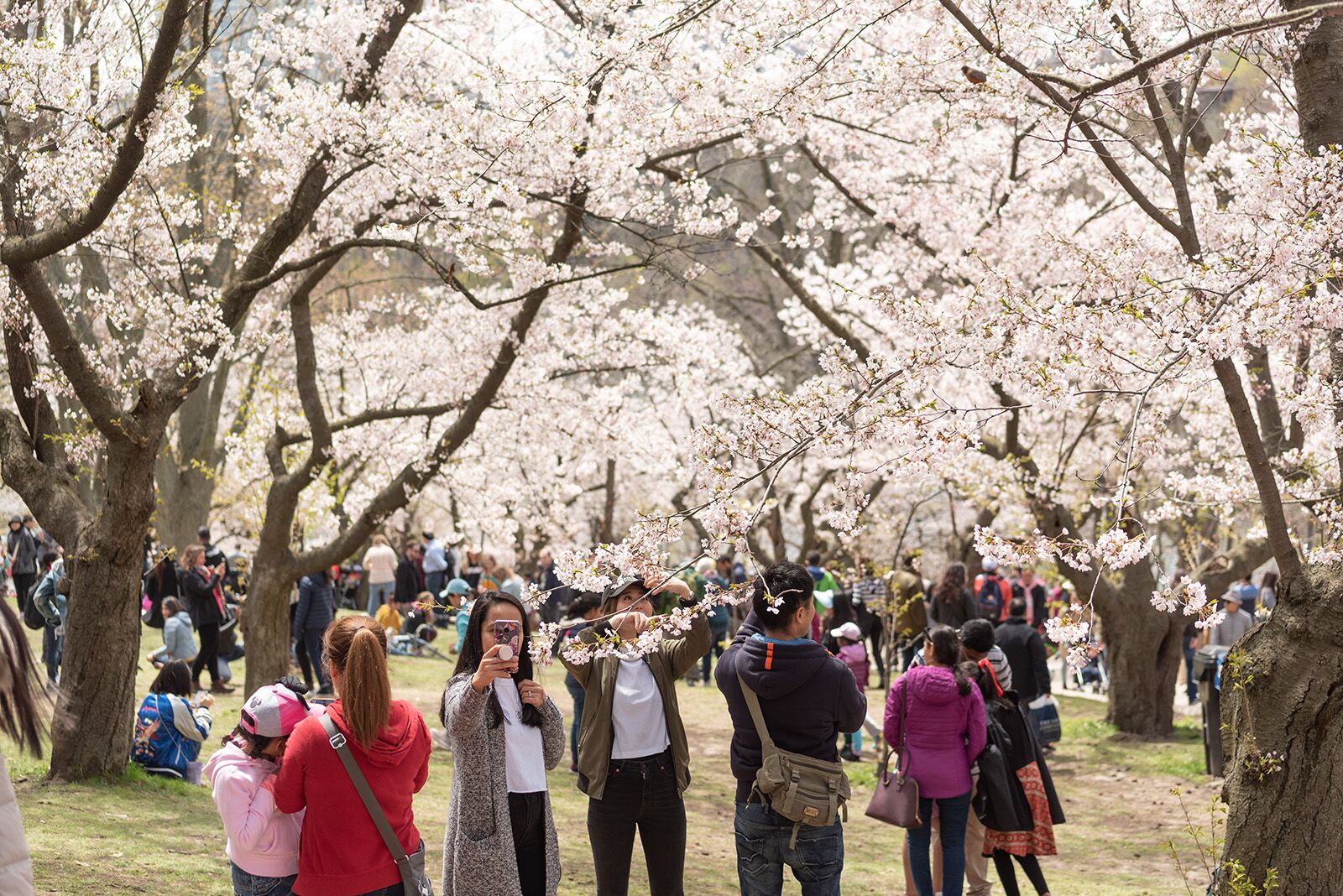
Photo: Destination Toronto
Toronto makes room for nature between its bustling neighborhoods. In the west, black oak savannah, tall grasses, and native wildflowers comprise a rare ecosystem that thrives in High Park. In the springtime, fluffy shades of white and pink fill the park while the Japanese cherry blossom trees are in full bloom. Beyond its natural beauty, the park also features a 14-hectare natural lake, the High Park Zoo, an amphitheater, and sports facilities.
Short strolls reward park-goers with Bloor West Village’s shops and restaurants, the urban village of Roncesvalles, and Lake Ontario views from Sunnyside Boardwalk. The boardwalk in turn links to the Martin Goodman Trail, Toronto’s portion of the Waterfront Trail, extending east to Scarborough Bluffs, a dramatic geological escarpment that runs along the lake.
Fashion District and Queen West: Toronto’s technicolor dream wall
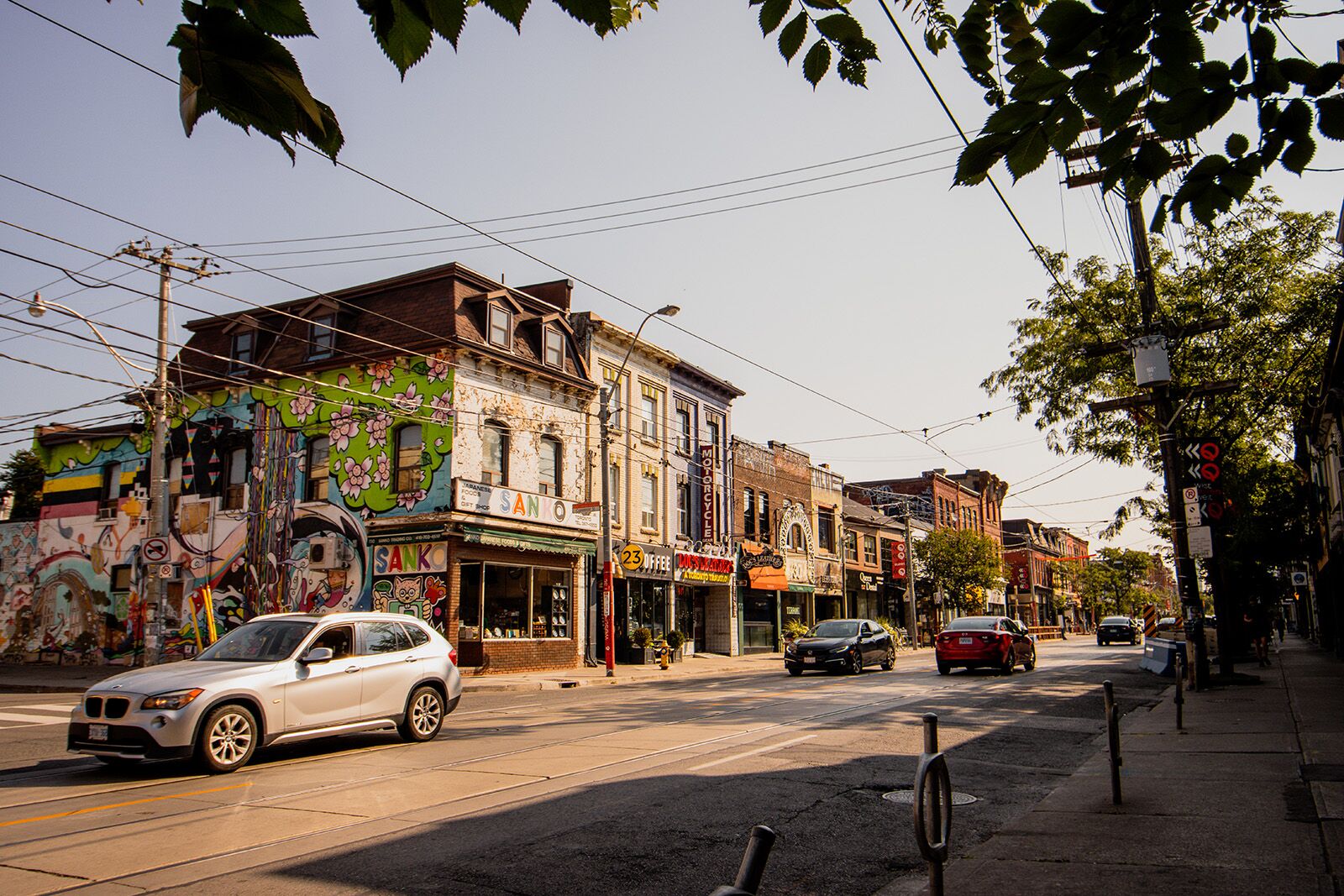
Photo: Destination Toronto
Creativity, culture, and street style collide in this pocket of Toronto. The free-moving brushstrokes of a vivid three-block alley in the Fashion District are known as Rush Lane, or more commonly, Graffiti Alley. Its most famous piece, artist Uber5000’s Toronto Tribute, is a who’s-who of local icons: the Blue Jays, Toronto’s raccoons, singer-songwriter Gord Downie, and the Sam the Record Man sign. Located in the broader Queen West area, this free open-air stretch of street art gifts photographers with exceptional photo ops. Graffiti Alley is also within easy walking distance of Nathan Phillips Square and the legendary live music venue Horseshoe Tavern, among other points of interest.
Downtown Yonge: Adventures big and small
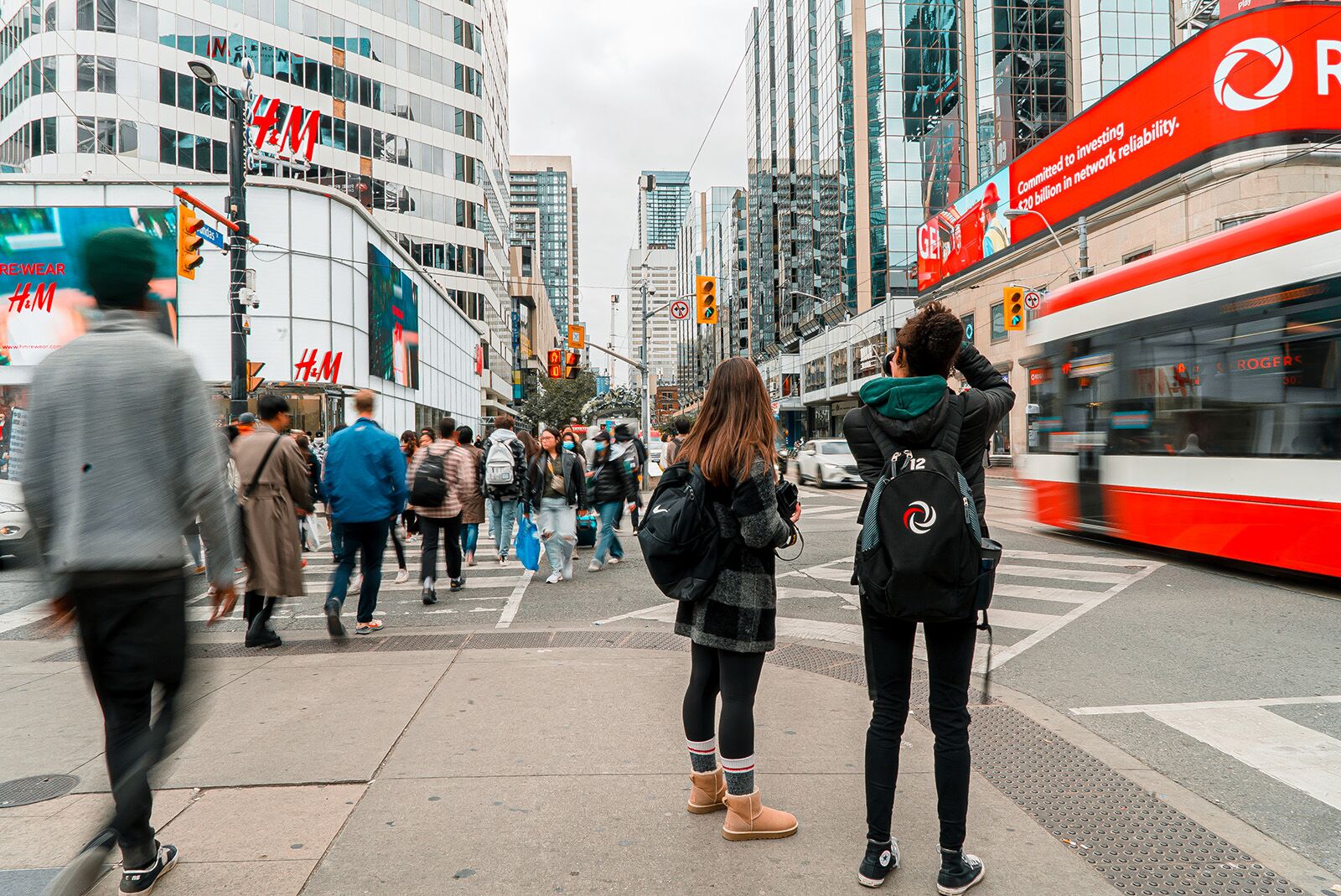
Photo: Destination Toronto
From flashing billboards and bustling streets to a miniature version of the entire country, Downtown Yonge captures Toronto’s larger-than-life energy in unexpected ways.
Pocket Planet Canada bills itself as “North America’s largest animated miniature world,” and the stories told across this coast-to-coast journey make it a unique attraction in the heart of the city. You can marvel at the intricate details of the Rogers Centre, Parliament Hill, or the gushing buckets of water in Niagara Falls. At the Littlization Station, create a 3D-printed miniature version of yourself and choose where your Little Me will call home. Just outside, the energy shifts back to the pace of downtown, with the CF Toronto Eaton Centre’s hundreds of shops and Sankofa Square (formerly Yonge-Dundas Square) bringing crowds, events, and entertainment to the heart of the city.
Not far away, Massey Hall is Toronto’s oldest performing arts center and a cherished National Historic Site. Its acoustics are the stuff of legend: in 1953, Massey Hall hosted a momentous one-night-only reunion of jazz greats Charlie Parker, Dizzy Gillespie, Bud Powell, Charles Mingus, and Max Roach. Today’s horseshoe-shaped auditorium, rich wood finishes, ornate plasterwork, and stained-glass accents remain largely unchanged from that stage. Across the street is another superlative space: the Elgin & Winter Garden Theatres, the world’s last remaining operating double-decker theater.
Few cities can shrink an entire country into a single attraction, then place it steps away from a major shopping destination and one of the city’s busiest public squares, let alone add a legendary jazz stage to the mix. It’s another example of what makes Toronto unlike anywhere else — a city where unexpected experiences are waiting around every corner. 