It seems like the way travelers have to show ID when traveling is changing all the time, from Apple’s new mobile passport ID to endless options for Clear and TSA Precheck. But one update no one can say they’re surprised by is the law that travelers using their driver’s licenses as ID at the airport need to have a REAL ID, as of May 7, 2025. The REAL ID requirement was announced more than two decades ago, though implementation kept getting pushed. But now, Uncle Sam has said “enough is enough,” and announced potential fines for travelers who still haven’t complied.
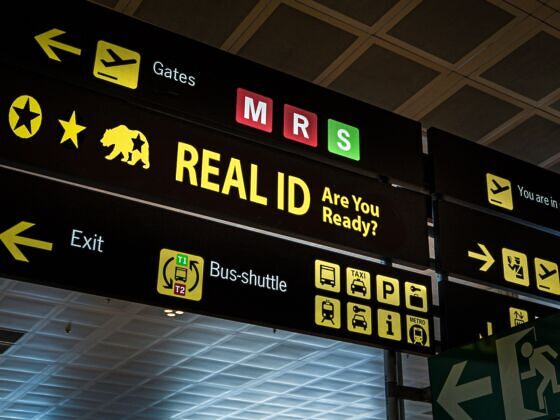
Photo: 1000Photography/Shutterstock
Don't Have a REAL ID? Get Ready to Pay a Fine at the Airport.
The REAL ID Act was announced more than 20 years ago
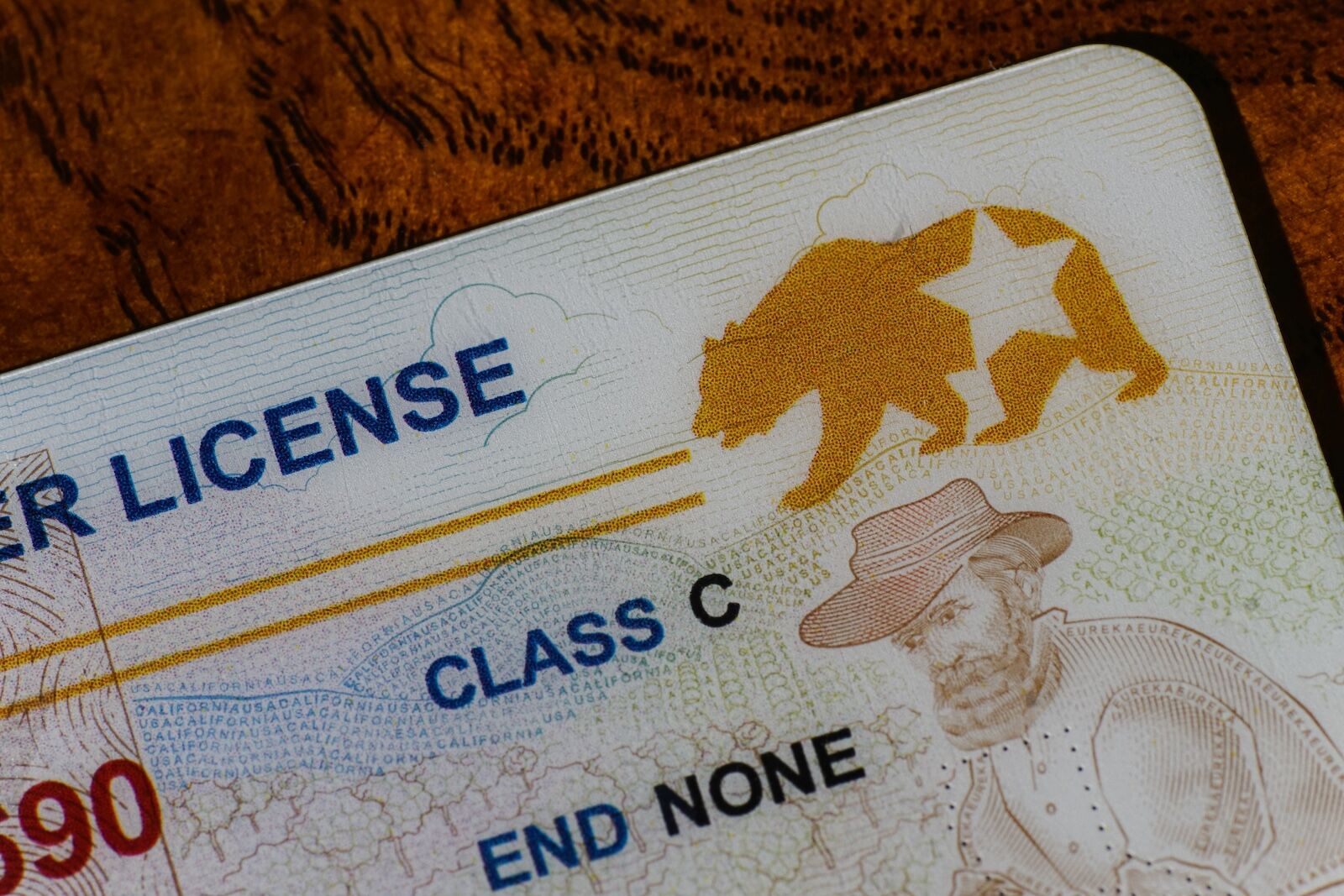
A California state REAL ID with extra security features. Photo: Rix Pix Photography/Shutterstock
The REAL ID Act has an unexpectedly long history for a policy that only recently went into effect. Congress passed the legislation requiring REAL IDs for travel way back in 2005, based on a recommendation from the ad-hoc 9/11 Commission to have stronger security standards around traveler identification. The first compliance deadline was set for May 11, 2008, but states pushed back against the mandate, claiming the cost of replacing IDs for all state residents would be astronomical. In 2008, California estimated the cost would be approximately $300 million, or roughly $450,000,000 when adjusted for 2025 inflation. Some states like Maine even passed laws refusing to implement the law, and many privacy advocates saw it as a government-mandated violation.
It dragged out in courts, with the Department of Homeland Security (DHS) ultimately saying states needed to comply by March 2020. However, the COVID-19 pandemic introduced another wrinkle, causing DHS to push the deadline again to October 1, 2021. As COVID continued, it was pushed several more times, with the final enforcement date eventually not happening until May 7, 2025. Despite this, many states still have extremely low compliance levels. New Jersey was only at 18 percent as of April 25, 2025, with states like Pennsylvania (26 percent), Washington and Maine (27 percent), and New York (43 percent) also falling behind.
What happens if travelers show up without a REAL ID
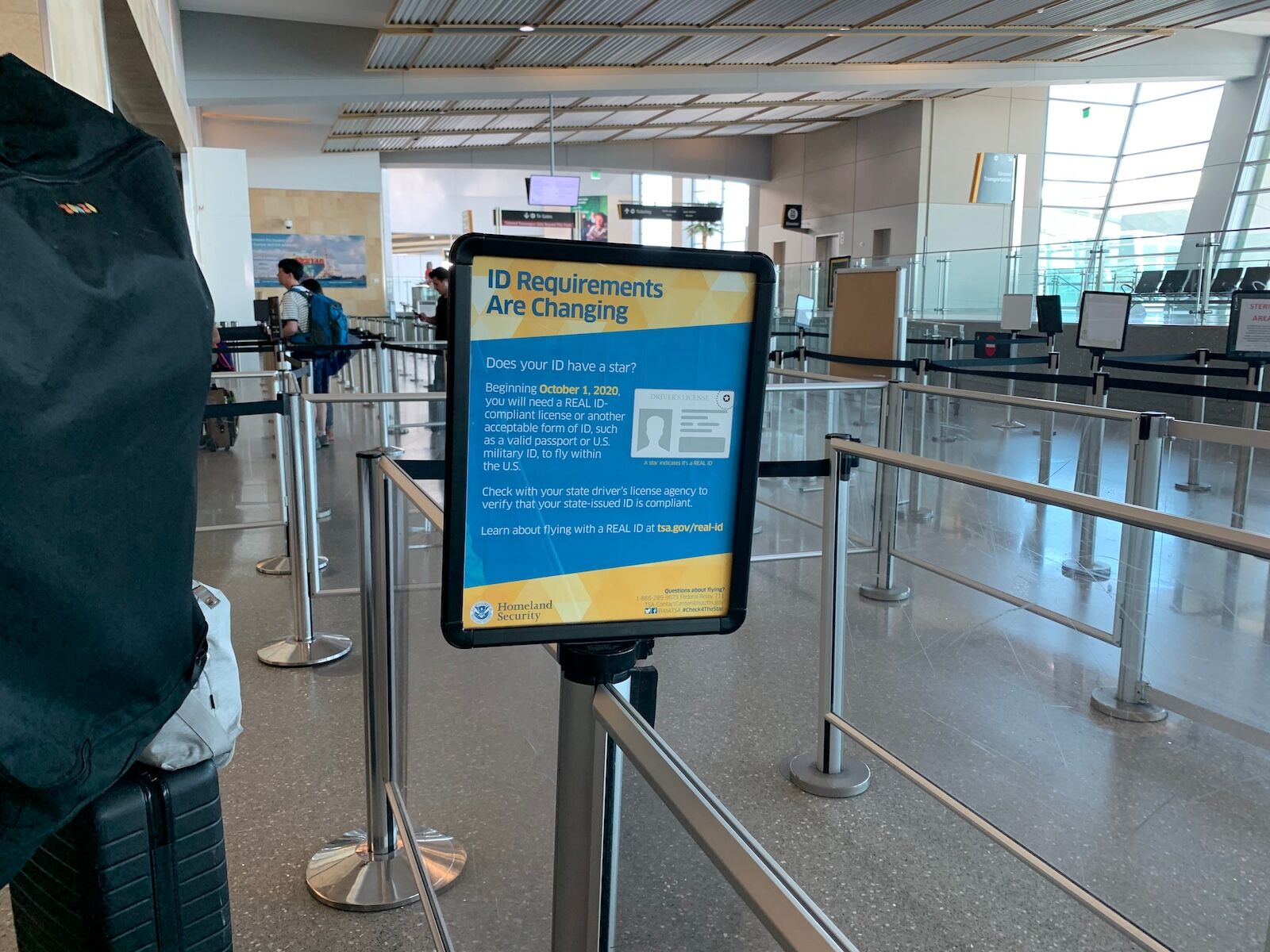
Photo: 1000Photography/Shutterstock
Legally, travelers who arrived at the airport without a REAL ID after May 7 were required to present another federal ID of some kind, such as a passport or military ID, to verify their identity. Alternatively, travelers could use their passports as their ID, and not bother with a REAL ID at all (which is still an option). However, travelers who didn’t have an alternate ID were subject to TSA’s “forgot ID” secondary process. It’s slightly subjective, allowing travelers to fly if the TSA agent can successfully verify their identity “to their satisfaction,” usually through activities like asking the traveler personal questions, using biometrics, or checking legal records. Whether the traveler passed depended on the judgment of the TSA officer.
Now, unprepared travelers may be able to pay a fine instead
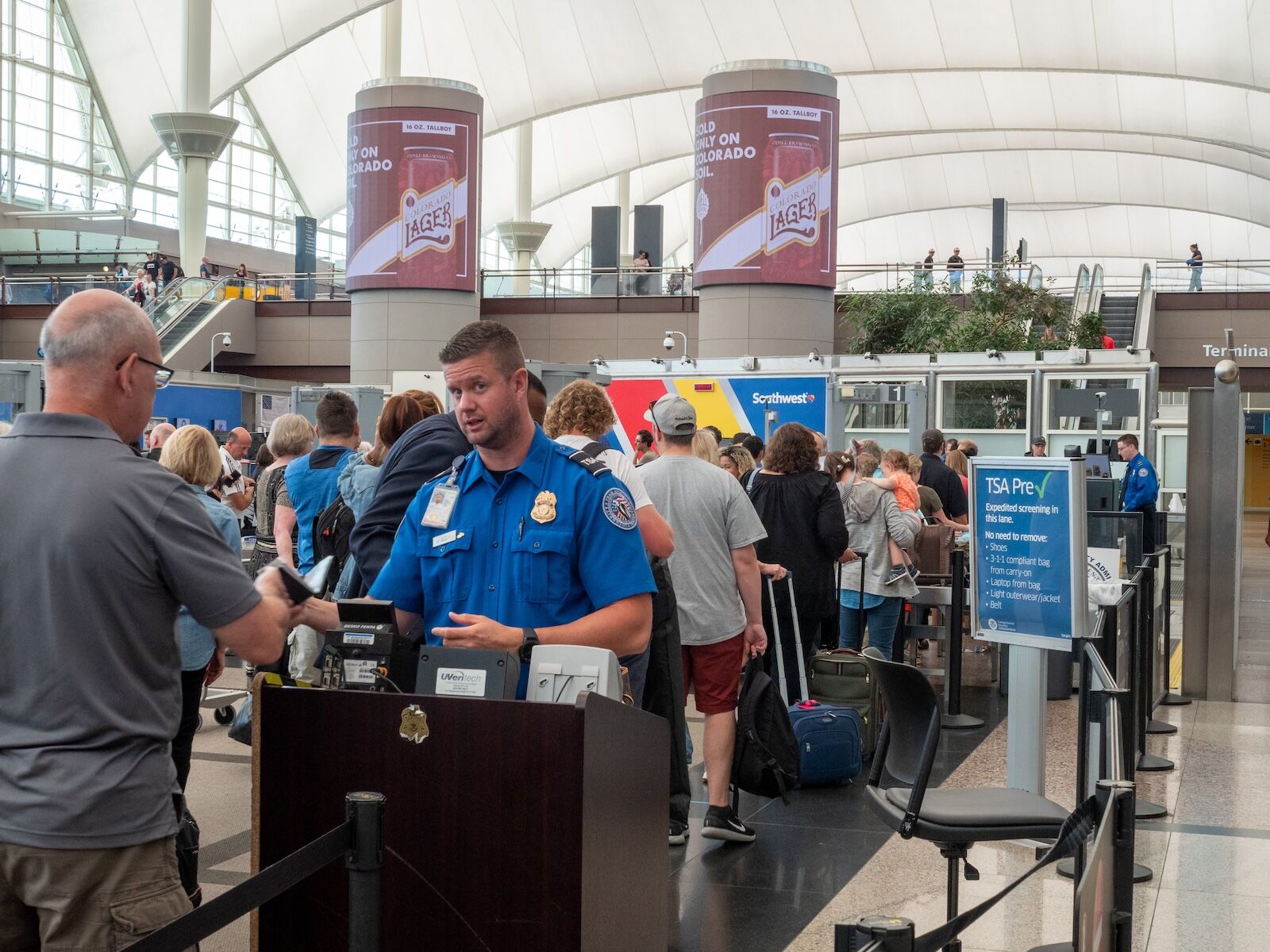
Currently, travelers without a REAL ID have to present other ID, or go through a somewhat subjective process to prove their ID to a TSA officer. Photo: David Tran Photo/Shutterstock
In mid-November 2025, TSA announced a potential new program for travelers who still don’t have a REAL ID, and don’t want to use a passport or other valid ID. The new system would allow travelers to pay a small fee ($18) to buy their way out of the program for 10 days — theoretically, long enough to cover the duration of most vacations. Travelers who choose this option would be able to use a “modernized alternative identity verification program,” as they had been able to between May 7 and the time this program was announced. TSA says the $18 fee covers the cost of this extra security step. However, since that step used to be available at no cost, it’s effectively a fine for travelers who still don’t have a REAL ID. While the cost may not be significant compared to the cost of an entire vacation, it could inconvenience some travelers, potentially convincing them to switch to a REAL ID.
The announcement explicitly notes that “participation in the modernized alternative identity verification program is optional and does not guarantee an individual will be granted access to the sterile area of an airport.”
As of now, the program is only proposed, not official. It entered the public comment phase on Thursday, November 20. Public comment windows are usually one or two months, after which TSA can decide to enact or change the rule. If it passes, it’ll still take time to formalize how the process will work and install any necessary apparatus at airports, so the date on which it goes into effect could still be months or years away. Anyone can comment on the proposal through the Federal Register website, where the proposal is officially published. The comment period should legally open when the notice is posted; as of November 20, it’s unclear why comments are still closed.
Alternatives to a REAL ID
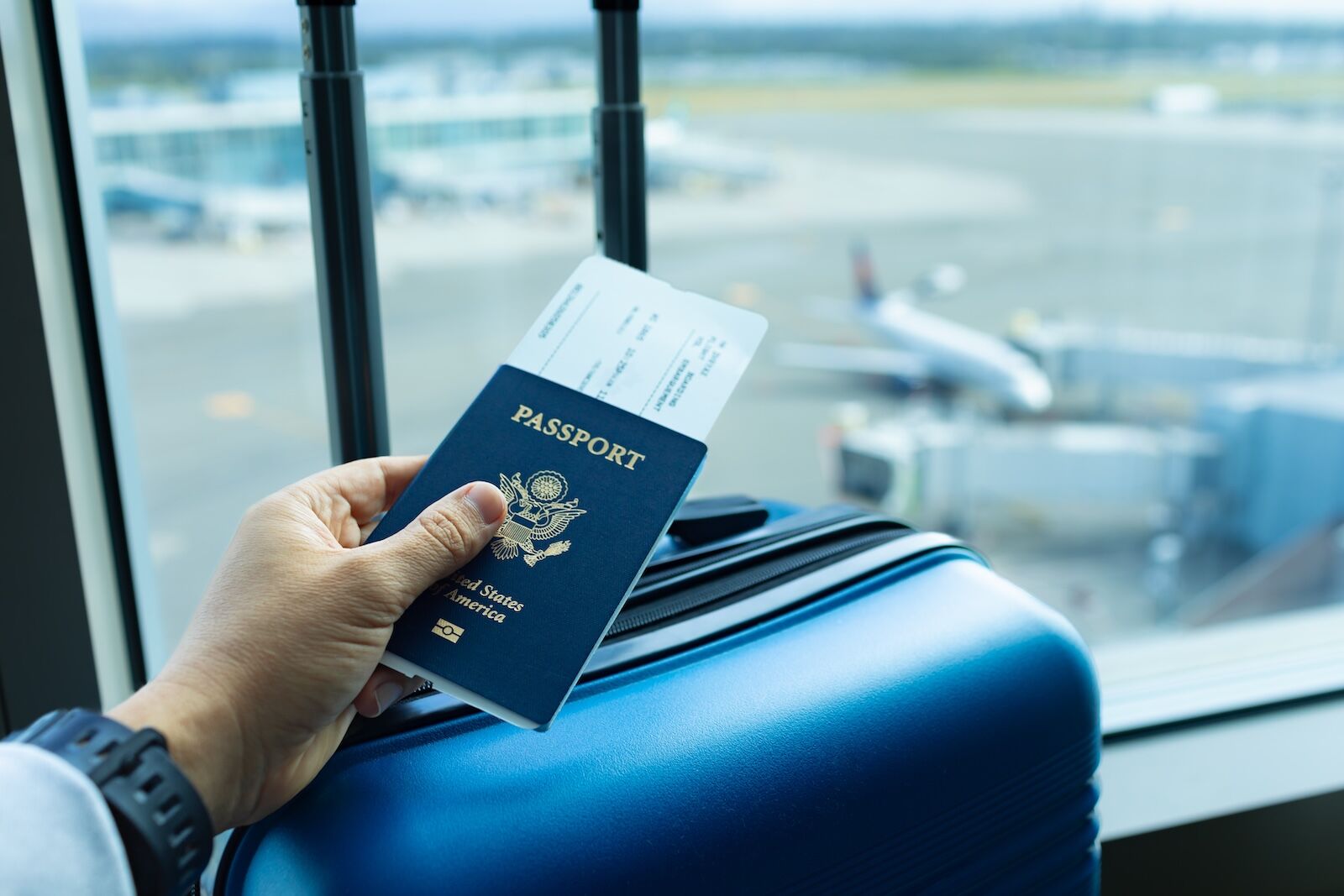
Travelers who don’t have REAL IDs can just use their passports to go through the TSA process. Photo: KieferPix/Shutterstock
Travelers who don’t have a REAL ID have several alternatives, many of which negate the need to get a REAL ID. In the US, TSA agents can accept passports, passport cards, enhanced driver’s licenses (from some states), or military IDs, among other documents, in lieu of a REAL ID. If you have one of those, you can use that when you travel and not bother with a REAL ID. 