Sustainability and music festivals don’t typically go hand in hand. That’s what makes Sacred Acre, Alaska’s largest music festival, so unique. Founder Chris Miller created the festival to unite two distinct intentions: to introduce dance music devotees to the beauty of the Alaskan landscape and to raise awareness about sustainability threats such as factory trawling and bycatch destruction across Alaska’s waters.
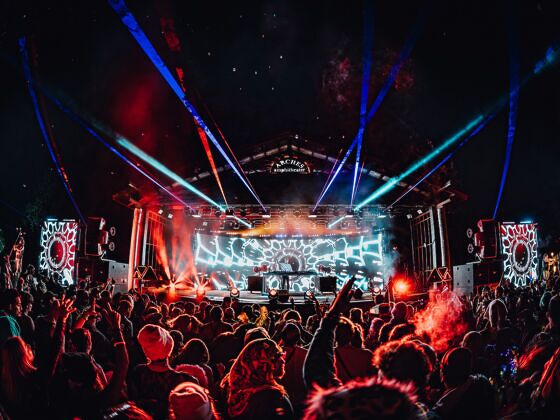
Photo: Sacred Acre
Alaska’s Largest Music Festival Marks Three Unforgettable Days of EDM, Adventure, and Sustainability
Held in Ninilchik on the Kenai Peninsula, Sacred Acre celebrated its fourth year in 2025, delivering a magical, deeply intentional experience for attendees who travel from all over the world to be part of the one-of-a-kind event. Beyond the music, Sacred Acre organizes excursions and activities only possible in a place as wild and dense as Alaska, from cruising Kachemak Bay to soaring in helicopters over Kenai National Forest.
At its core, Sacred Acre is a festival everyone can enjoy, in a place that anyone can appreciate. If you’re a lover of nature, environmentally conscious, and perhaps a bit of an adrenaline hound, this is a festival you shouldn’t miss — just make sure to pack rain gear and warm clothes.
The music: Big names, intimate vibes

Photo: Sacred Acre
Sacred Acre 2025 provided a unique opportunity to see some of EDM’s biggest stars (especially TroyBoi, who headlined Saturday night) in an intimate space rarely embraced by AAA artists of their stature. Every headliner — including TroyBoi, Jade Cicada, and Desert Dwellers — gave 100 percent to their performance, experimenting with their sound and set list by embracing a more free-flowing structure that accommodated the smaller scope of the event.
The lineup was well-rounded with several artists representing the groovier, jam-focused side of electronic and dance music, like Lazy Syrup Orchestra and McWavy, who both played live instruments throughout their performances. 5AM Trio was another highlight that dove into psychedelic improv passages with care and chemistry.
For fans that lean more toward heavy bass music, Mlotik and Meduso’s back-to-back was a big highlight filled with grimy dubstep and earth-shattering bass music. It was loud, sexy, and overflowing with energy. Similarly, Jade Cicada delivered 90 minutes of his classic wompy bass music, defined by incredible sound design and visuals. At one point, the crowd tossed around giant crab and whale inflatables, fully embracing the playful, oceanic theme.
The adventures: Wild landscapes and wilder moments
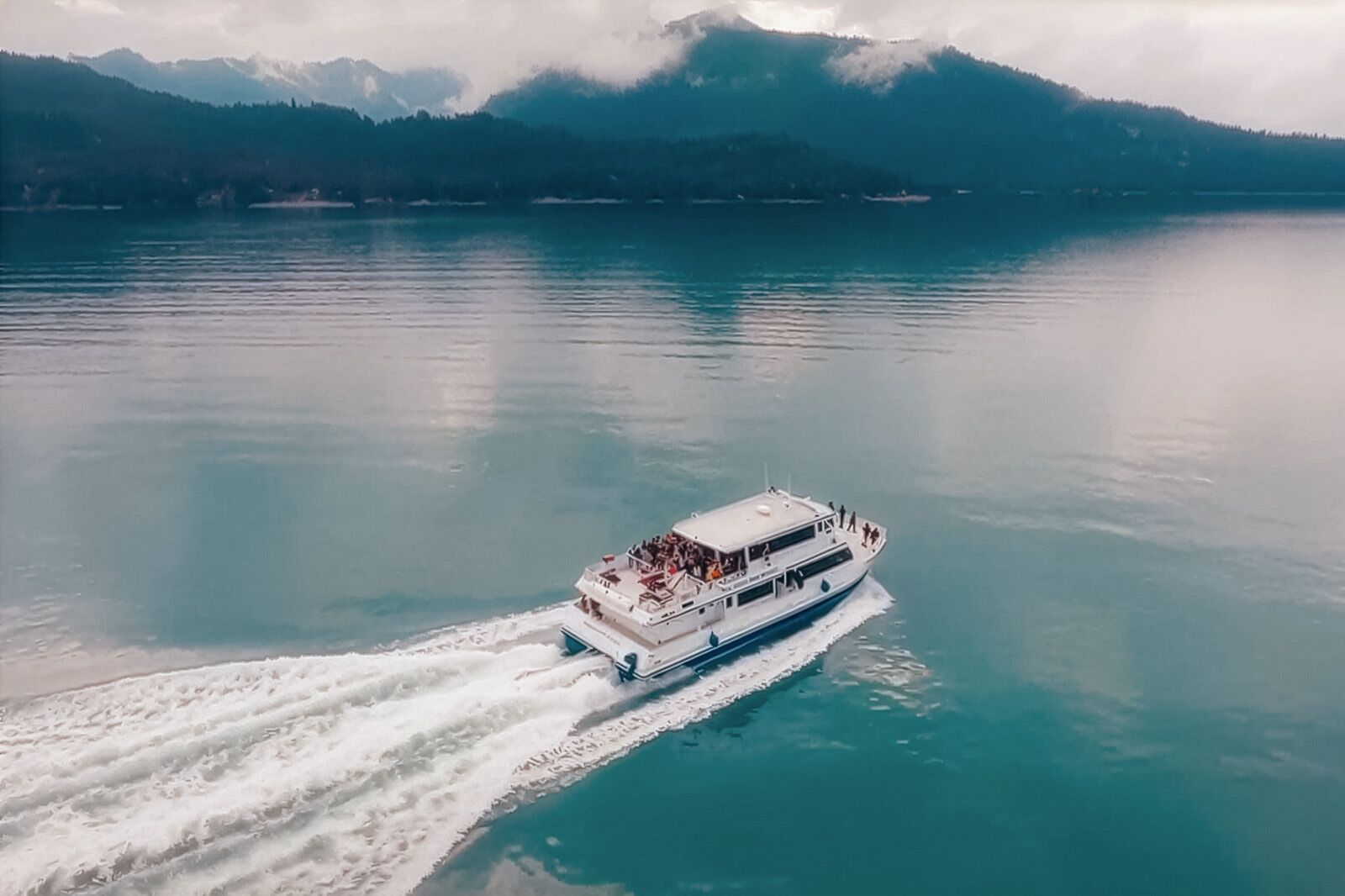
Photo: Sacred Acre
Sacred Acre’s embrace of Alaska’s landscapes extends well beyond Ninilchik. According to the founder, this is very much intentional.
“I’ve worked at Red Rocks Amphitheatre and Mile High Music Festival in Denver. I’ve thrown dance parties in the desert,” says Miller, who feels deeply rooted in the world of dance music. “It’s important to me that those communities get to experience Alaska in all its glory.
One of the festival’s most unique offerings is called Bumpin’ on the Bay — three-plus hours of floating across the stunning marine bay in Homer (about 45 minutes south of Ninilchik on the Kenai Peninsula) while DJs soundtrack the ride from the top deck. Snowcapped mountains towered in the distance as the “Bay Bumpers” drifted past bays lined with endless forests in deep green hues. Sea otters popped up to say hello, floating on their backs while the bass (and a deck of flamboyantly dressed dancing humans) caught their attention.
Attendees were given the infamous Alaskan mead, which provided some much-needed warmth against the brisk ocean breeze that bounced off teal blue waters tinted with glacier runoff. Meanwhile, DJs Pineo & Loeb, Medusa, and Mlotik kept spirits high with feel-good grooves and grimy dancefloor bangers that carried us through the Arctic chill. The excursion costs $180 (worth every penny in my opinion), and I’d recommend buying your ticket in advance, as this event sells out every year before the festival begins.
Bumpin’ on the Bay was perhaps the flashiest excursion this year, but Sacred Acre also hosted more grounded activities: underwater halibut spearfishing and plant foraging. On the more adventurous side, helicopter tours embarked every hour from behind the main stage, flying over Ninilchik and the Kenai Peninsula. Even if you don’t experience the helicopter ride firsthand, watching attendees take off from behind the mainstage every hour always provided an energy boost to the crowd, who cheered on their friends and strangers embarking on an aerial adventure of a lifetime.
The impact: Sustainability and local support

Photo: Sacred Acre
Sacred Acre’s excursions reflect one aspect of the festival’s deeper purpose: celebrating Alaska’s culture and natural beauty while giving attendees experiences they can’t find at any other music festival, thereby demonstrating a desire to transcend that very label.
Sacred Acre’s founding principles also testify to the fact that it’s more than just a music festival — it also represents a hellbentPollock commitment to sustainability with an aim to educate attendees about the devastating impacts of factory trawling and bycatch destruction across Alaska. Miller had this mission in mind when he originally launched Sacred Acre in 2022.
For 16 years, Miller worked in Whole Foods’ seafood department, where he was constantly reassured that the company’s methods were environmentally sustainable. Then, he moved to Alaska for a job opportunity where he realized Whole Foods was far from sustainable.
“For example,” says Miller, “the Marine Stewardship Council (MSC) qualifies the Alaskan pollock industry as sustainable, but this is the industry that killed 14 orcas in 2023. They devastate local ecosystems with bycatch, which kills countless species like halibut, crab, and salmon. This industry is actively robbing the ocean of sustenance local fishing communities have been relying on their entire lives, across multiple generations. When I realized I had been lied to for 16 years, I knew I had to inform people of the truth.”
At the festival, several ocean education installations allowed attendees to educate themselves on these growing environmental issues, while direct action — Sacred Acre’s zero-plastic operations policy, compostable-only vendors, and donation partnerships with marine conservation groups — directly contributed to protecting the Ninilchik land.
Equally important is the impact that Sacred Acre has on the local community, whose population doubles when the festival takes place. Seven hundred out-of-state attendees came to the festival this year, which means tons of economic potential for the small town of Ninilchik.
“We try to only partner with local businesses,” says Miller, citing examples ranging from the Achridge-based rental car and RV companies that the festival works with to the boosts that the local gas station, liquor stores, and grocery stores see. “All of these businesses see a massive jump in sales when Sacred Acre comes to town. We hope that continues to grow every year.”
That Sacred Acre takes place during the shoulder season every year is also crucial. According to Miller, “After Labor Day, business in Alaska slows down tremendously. Most of the shops in town close up for the winter. What Sacred Acre is doing is adding one more week of solid businesses before winter strikes.”
From its measurable impact on Ninilchik to its embrace of sustainability challenges, it’s inspiring for festivalgoers to experience how well-run a sustainability-focused experience can be. The operation isn’t without challenges — for example, buying a drink required an additional purchase of a reusable metal cup. But attendees welcomed these small inconveniences with open arms, confident that these small shifts create a meaningful long-term impact.
Miller agrees. “When we first started Sacred Acre four years ago, fighting the factory trawling and bycatch issues seemed like an uphill battle,” he says. “Everyone told us ‘you’re never going to win this.’ But now, with recent legislation and awareness growing, it seems like we’re moving the needle.”
Getting to Sacred Acre: A journey of its own
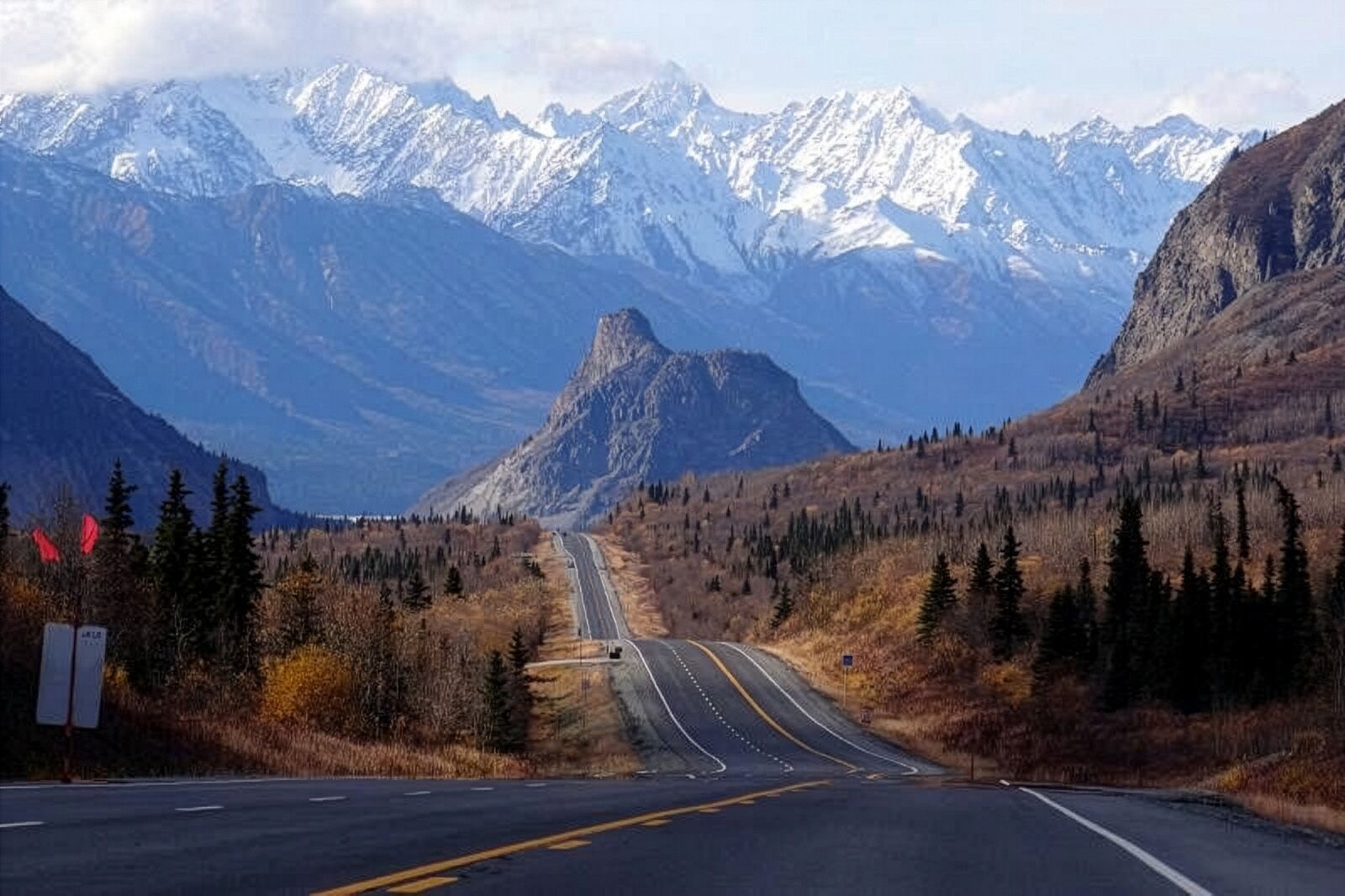
Photo: Sacred Acre
The ARCHES Amphitheater venue where Sacred Acre take place sits nearly four hours from Ted Stevens Anchorage International Airport (ANC), Alaska’s main airport and the most practical airport for attendees to fly into. Thankfully, festival shuttles make the trip easy and remarkably scenic. The drive runs along the Turnagain Arm, where 10,000-foot peaks rise above dazzling blue waters. On a clear day, you might even spot a few orcas.
For those who want a bit more luxury than a standard tent can provide, Sacred Acre partners with Clippership for RV rentals. This is a great option for those who want a warmer lodging experience.
Personally, I recommend flying in a few days early, renting an RV, and sightseeing on the way to Ninilchik. Adventure seekers will definitely want to check out the Harding Icefield trail — a 4.2-mile climb through multiple ecosystems that ends with a breathtaking view of the 700-square-mile ice cap. 