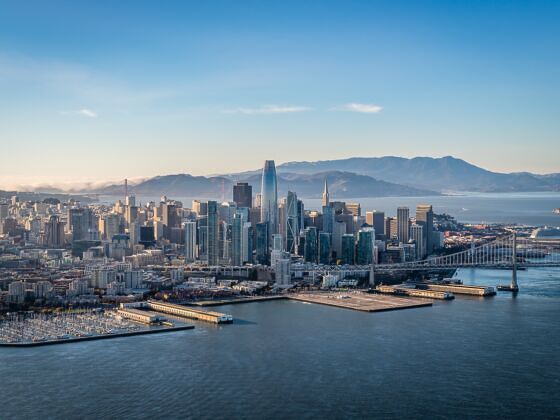
San Francisco is gearing up to host six matches throughout the 2026 FIFA World Cup. The city and surrounding Bay Area expect some half a million travelers to visit throughout the tournament running from June 11 to July 19, according to Axios San Francisco. Many of those visitors will be from outside the United States, and nearly all expect to do other things while in town beyond simply watching a soccer match. While match action will unfold farther down the Peninsula at Levi’s Stadium, many fans will base themselves in the city, using it as their launchpad for transit, nightlife, sightseeing, and fan zones centered around the tournament. Matador spoke with Anna Marie Presutti, the CEO of San Francisco Travel, to get the organization’s thoughts on where travelers should stay, what they can expect, and how they should move about the city.
Inside World Cup San Francisco With SF Travel’s CEO
Navigating San Francisco during the World Cup

Photo: Tim Wenger
Among the factors that make San Francisco an easy place for World Cup travelers to settle into, Presutti notes, is that the city is dense and generally simple to navigate without a car.
“We’re actually a much smaller city than people realize,” Presutti says. “San Francisco is unique in that you can walk places, and with BART and with rideshares, there’s no need to rent a car.”
The compact footprint means visitors can stay in one neighborhood and still have straightforward access to both the city’s most recognizable landmarks and the transportation links they need for match days. The transit agency BART, which runs buses and commuter trains throughout the metro area, along with Muni, ride shares, and traditional taxis give fans multiple options at different price points to move about the city.
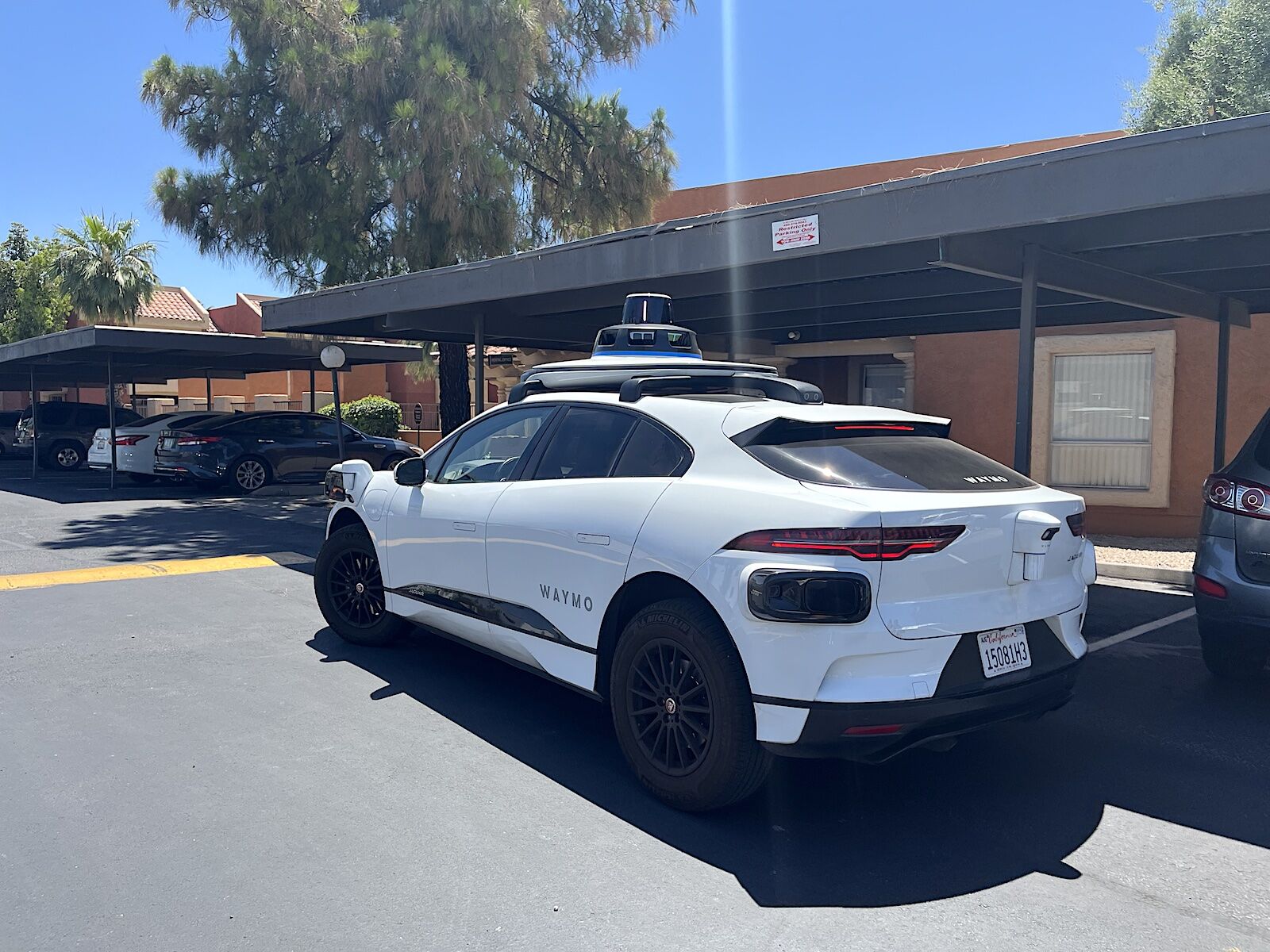
Presutti points out that tech is shaping how visitors move through the city as well. “You also have Waymo, which has become an attraction in itself,” referring to the autonomous ride hailing vehicles deployed in many parts of the Bay Area. She notes that for major events in the past, chartered buses have been used to help fans reach Levi’s Stadium, and while this hasn’t been confirmed yet for the World Cup matches in the city, it’s likely that fans will have this or a similar option as well.
San Francisco Neighborhoods to base yourself in for the World Cup

Photo: John Doe/Shutterstock
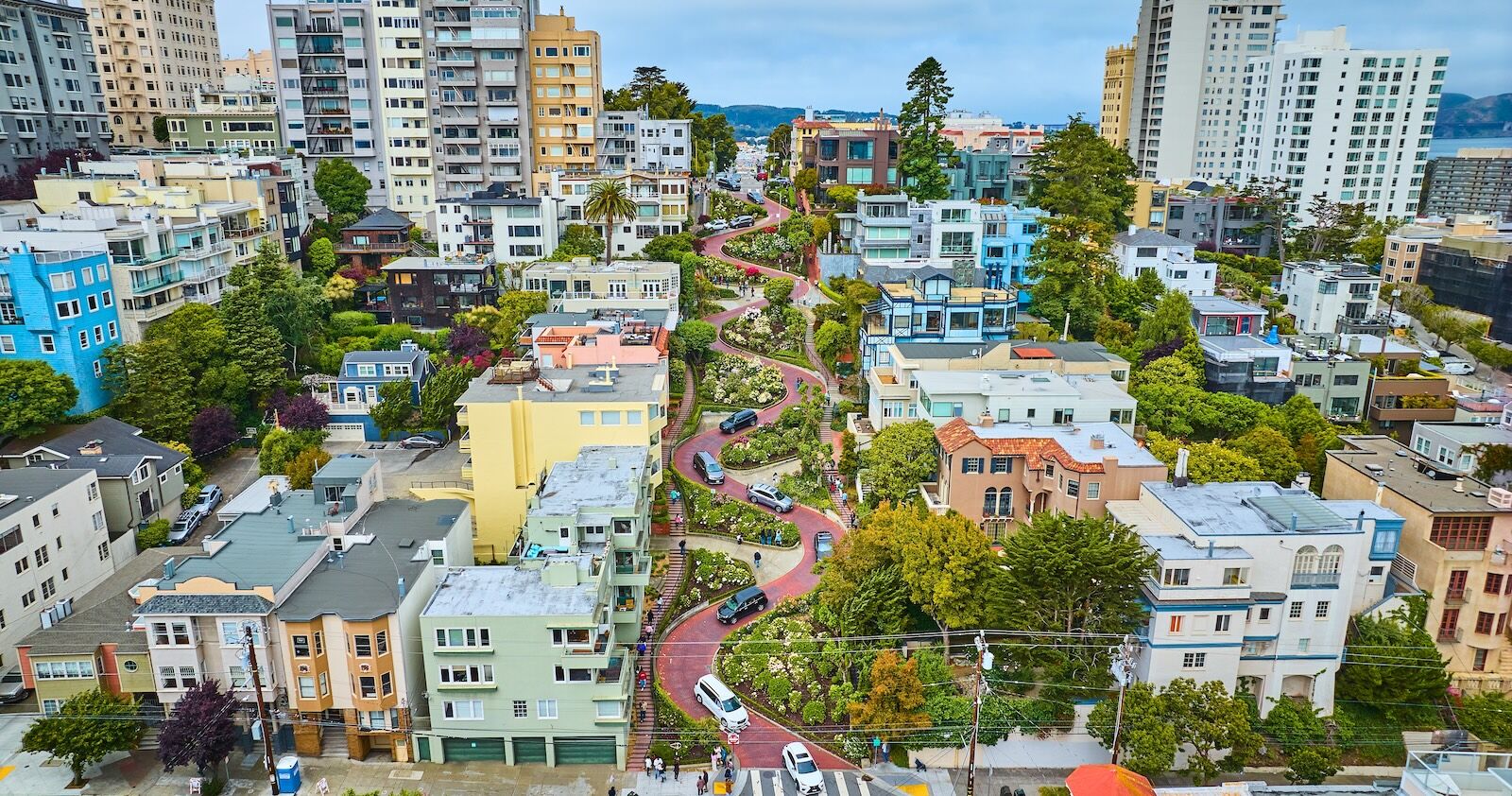
For those planning where to stay, the advice is to think central and align location with the rest of your sightseeing list. Those looking to stay in the city should take into consideration other sites they want to see. Presutti notes Union Square and Lombard Street as good areas for access to the city as well as the matches. Both areas put visitors within striking distance of major transit corridors, restaurants, and popular photo spots.
“From these areas you can hit all the hot spots – you can see the Painted Ladies, get tacos in the Mission, you can get across the Golden Gate Bridge, and you can do all the ‘touristy’ things in a shorter time without having to miss anything,” Presutti says.
With late matches and transit time between the city and the stadium, visitors should plan a mix of structured and spontaneous time in the city. Union Square makes a practical base for that, with department stores, galleries, and cable car lines close at hand, plus straightforward connections to neighborhoods like the Mission, North Beach, and the Marina, Presutti advises. Lombard Street, for its part, keeps fans closer to the waterfront, where they can walk to Fisherman’s Wharf, ferry terminals, and bay cruises.
Of course, the World Cup is why you’re here. For where to watch matches and take part in the general revelry within the city center itself, Presutti has a few favorite spots.
“Golden Gate Tap Room will be a great place to watch matches, as well as Bartlett Hall,” she says, referring to two spots in Union Square.
Both venues are known for large screens, deep beer lists, and the kind of lively crowd that tends to form around big tournaments. Beyond individual venues, the city’s dedicated fan zones are expected to serve as central hubs for those who want the stadium atmosphere without leaving downtown. The dedicated fan zones will also be good spots to hang out, and will be easy to access without having to worry about driving or parking. Big screens, food, music, and sponsor activations typically turn these spaces into all-day destinations, where fans can drop in between sightseeing or stay for back-to-back matches.
All of this adds up to a World Cup experience that extends well beyond the ninety minutes on the pitch. Whether fans score match tickets or not, the transit network, compact layout, and concentrated viewing areas mean they can still plug directly into the tournament’s energy in the middle of the city.
“Even if you don’t have tickets to the matches, you’ll be able to be part of the action and get the feel for it, and San Francisco is a great city for sports,” Presutti says