It was still morning, yet the sun was almost at its pinnacle in the sky, shining on the hill where I stood at the Melville Winery in Santa Barbara County. Beige sandy soils lay in stark contrast to the green vines arranged in rows that stretched as far as the eye could see. In front of me, second-generation winemaker Chad Melville crouched down and pointed to the eager leaf canopy and ripening grapes that would eventually turn into the estate’s prized pinot noir. Looking at the blue sky, he spoke of ocean winds, our relationship to nature, and how letting go of control is the secret to winemaking.
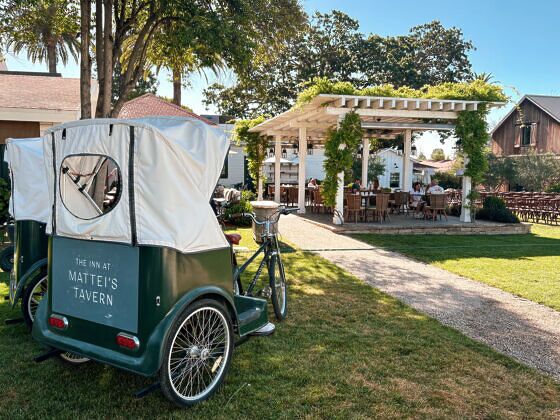
Photo: Nichole Pareti
Santa Barbara Has 7 Official Wine Regions. Here’s How to Tour Them in a Long Weekend.
In Santa Barbara Wine Country, winemakers liken themselves to artists and explorers, just as much as farmers and stewards of the land. As a sommelier and wine professional, I felt lucky to be experiencing what winemakers are affectionately calling “The Wild West” of viticulture in the US. The freedom they have to grow and experiment, along with ideal growing conditions, gives them a kind of latitude you might not find in more codified wine regions like Napa or Bordeaux.
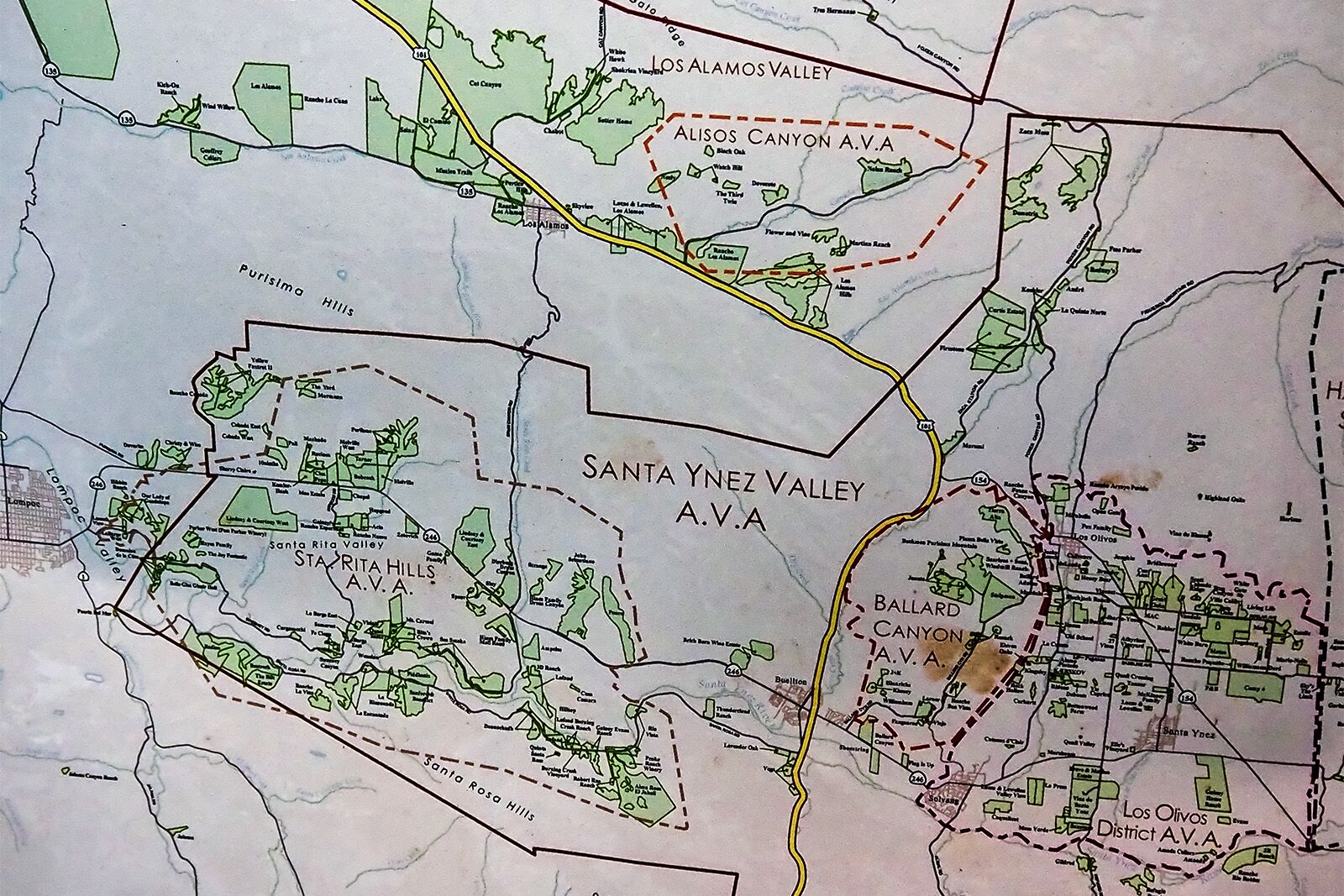
Map of Santa Ynez Valley. Photo: Nichole Pareti
Unbeknownst to many, Santa Barbara Wine Country is one of the most diverse winemaking territories in the world. Its seven official American Viticultural Areas run east to west, beginning at the Pacific Ocean and stretching inland along the coastal Santa Ynez and interior San Rafael mountain ranges: Santa Maria Valley AVA (California’s second-oldest AVA), Sta. Rita Hills AVA, Ballard Canyon AVA, Happy Canyon AVA, Los Olivos District AVA, Santa Ynez Valley AVA, and Alisos Canyon AVA. A freezing current running down the Pacific Coast from the Gulf of Alaska creates a cooling influence that affords the grapes an unusually long ripening season, resulting in beautifully developed acidity, flavor, and tannins.
Pinot noir, chardonnay, and syrah are perhaps Santa Barbara’s most prized varietals; however, my time in Santa Barbara taught me that many grapes perform well in this region, including albariño, grenache, and cabernet sauvignon.
With vineyards and tasting rooms that range from country cabins to European-style villas, there’s more to Santa Barbara Wine Country than you’ll get into in a single trip, but the region is compact enough that you can cover a lot in a long weekend.
Day 1: Santa Barbara and the Funk Zone
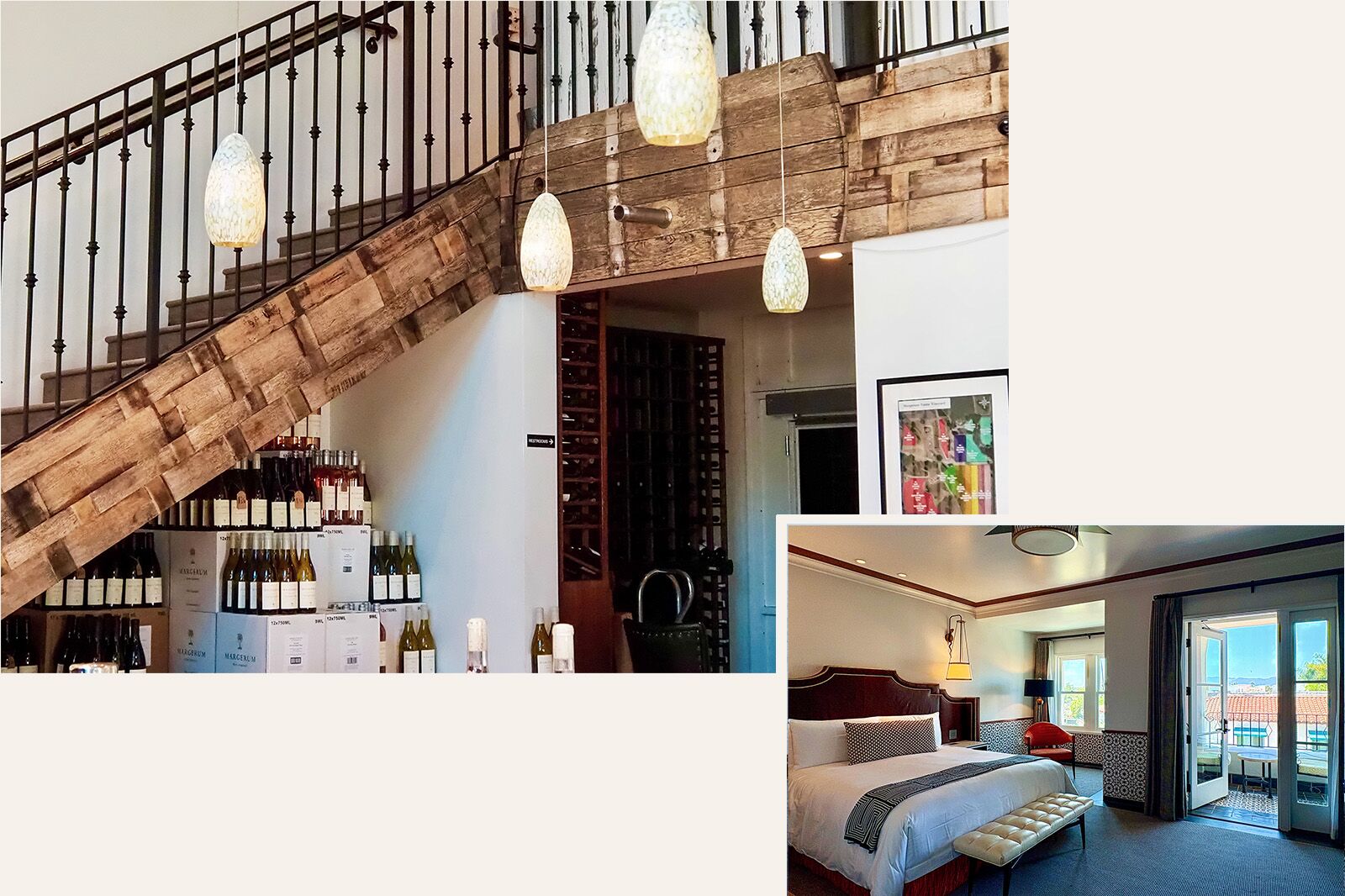
Left: Margerum Santa Barbara. Right: Hotel Californian. Photos: Nichole Pareti
Start your journey in Santa Barbara, home of the Urban Wine Trail. The wine trail is located in the former warehouse district that lies between the Pacific Ocean and Highway 101, cleverly nicknamed the Funk Zone. It’s here that you’ll find a collection of tasting rooms that provide access to Santa Barbara County wineries, as well as boutiques, standout restaurants, and iconic graffiti and street art. Be sure to visit Margerum Santa Barbara Tasting Room, a lofted wine bar with a white marble countertop and an outdoor terrace. Order the charcuterie board and a seasonal wine flight to taste classic varietals and those emerging to the Santa Barbara wine region.
Dinner options are plentiful in the Funk Zone. I ate at Blackbird, Hotel Californian’s New American restaurant with a focus on hyperlocality. Meat eaters will appreciate dishes like the bone marrow and steak tartare with shallots and pickled mustard seeds (the best I’ve had) and the Big Ass Bone-In Tomahawk steak served with razor-sharp hatchets. The beverage program specializes not only in wine but also craft cocktails by sourcing ingredients like berries and citrus from local farmers’ markets and house-infusing spirits such as fig cognac or vanilla vodka.
Spend the night at Hotel Californian, a few blocks from the ocean. It has a contemporary-meets-Moroccan aesthetic created by celebrity designer Martyn Lawrence Bullard and a rooftop pool facing the Pacific on one side and the Santa Ynez mountain range on the other. It also has a spa and multiple restaurants (brunch at Goat Tree is a must).
Day 2: Sta. Rita Hills, Buellton, and the Los Olivos District
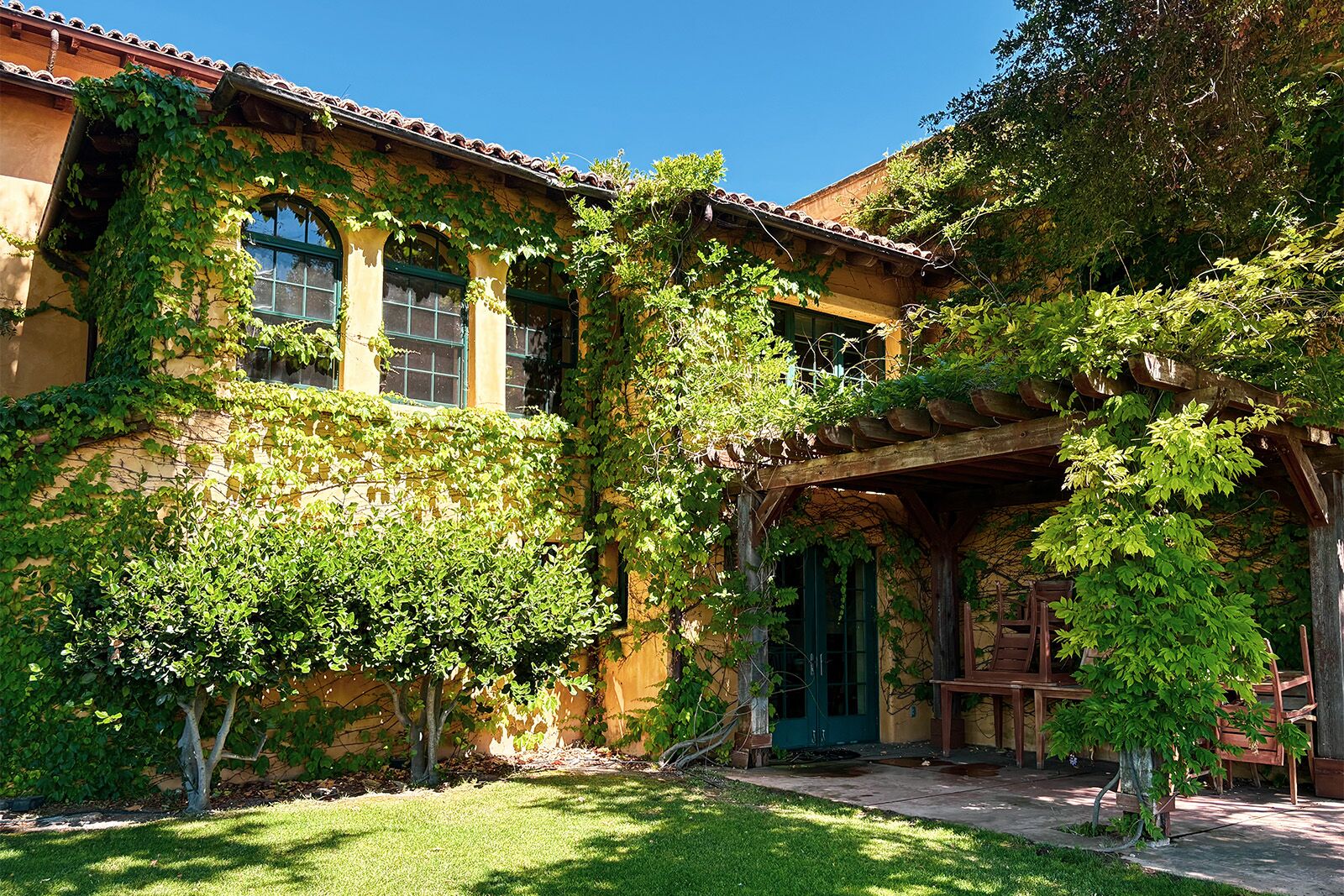
Melville Winery. Photo: Nichole Pareti
Santa Barbara Wine Country is an easy 45-minute drive northwest of Santa Barbara. There are more than 250 wineries to visit, set among expansive vineyards and mountainous backdrops. The closer to the ocean, the cooler the microclimate, with temperatures rising by one degree each mile that you head inland. For an outstanding representation of this cool-climate region, head to Sta. Rita Hills AVA with a vineyard tour and tasting at the Melville Winery.
Melville Winery is an organic and sustainable winery that’s designed like a European villa, complete with vine-laden trellises. The vineyards benefit from ocean winds and morning fog, and the year-round sunny and temperate weather allows the varietals to ripen slowly. I was surprised to learn that many wineries in Santa Barbara harvest as late as mid-October.
In the tasting room, I sat trying one exceptional wine after another. I couldn’t get over the complexity and elegance: red fruits, rose petals, sage, and white pepper from the 2024 estate pinot noir; meat and lavender from the 2022 estate syrah. To finish, my group enjoyed a surprisingly mineral-driven Chardonnay with great acidity and flavors of lemon and salt. As a harsh Chardonnay critic, I was thoroughly impressed by its clean and precise style.
For lunch, travel east to the Ballard Canyon AVA with a stop in Buellton for Santa Maria-style barbecue at The Hitching Post II. Thanks to its signature open-fire grilling, the scent of red oak hangs heavy in the air while you sit at a rustic wooden table under oak trees and blue California skies. The Santa Ynez sirloin I ordered was thick, juicy, and perfectly seasoned, and our lunch was accompanied by a range of Hitching Post Wines, including the signature pinot noir and a few surprise sparkling wines: a piquette and pet-nat.
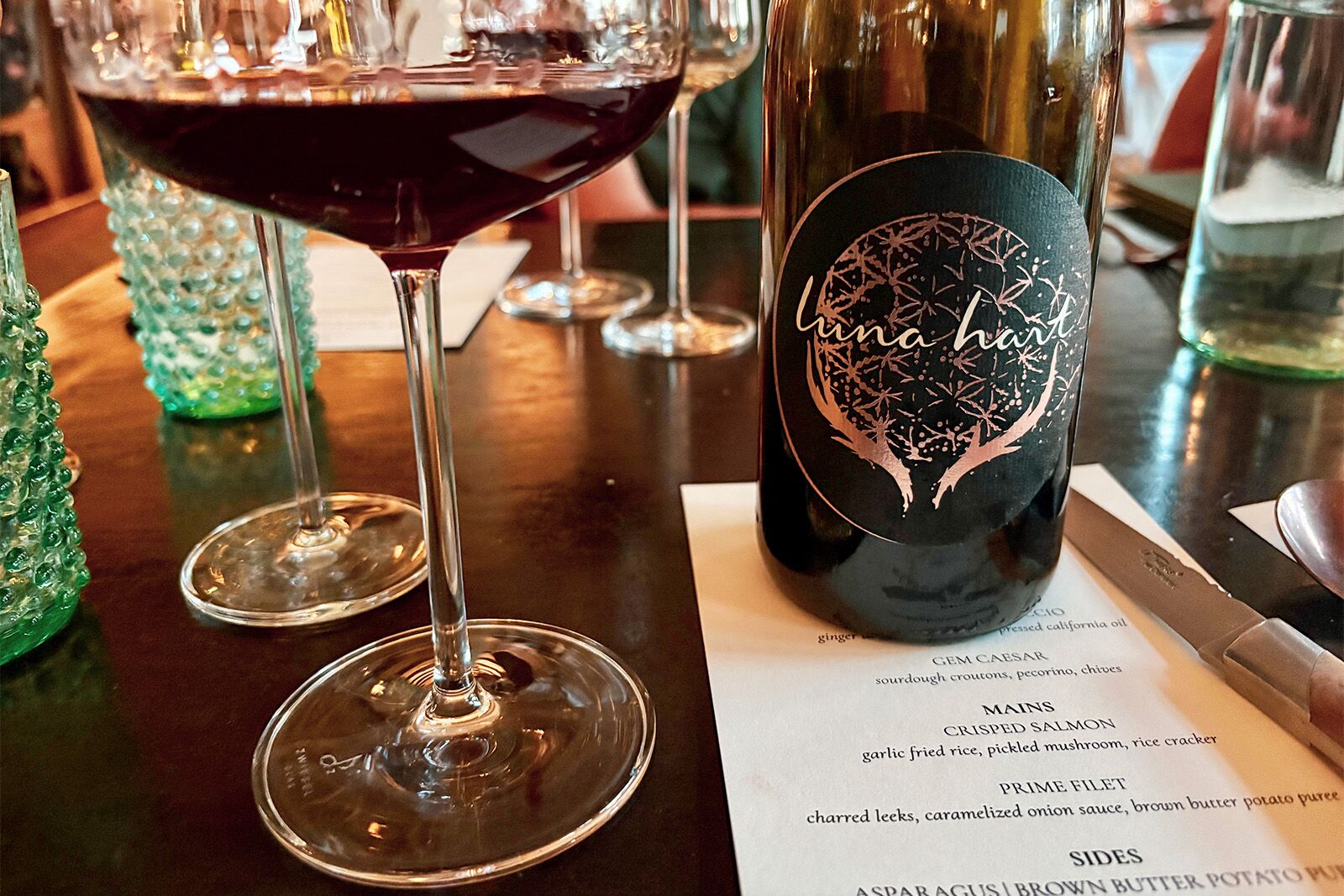
Mattei’s Tavern. Photo: Nichole Pareti
For your afternoon tasting, head further east to the Los Olivos AVA and Carhartt Family Wines. The tasting room is located in a wooden cabin with a backyard decorated in blonde wood furnishings, colorful flowers, and cozy corners designed to help you get lost in good wine and conversation. Chase Carhartt led us in a retelling of his family’s start in the wine business, from his mother’s ingenuity and perseverance to his winemaking studies, world travels, and his current explorative wine label and offerings. I was surprised to learn that this winery is 100 percent direct-to-consumer. Except for a few restaurant collaborations, its wine club, online store, and tasting room are the only ways to access its two labels and 25 cuvées.
While in the heart of Santa Barbara Wine Country, stay in a guest room or cottage at The Inn at Mattei’s Tavern, a historical property with a prime location in the Santa Ynez Valley. Mattei’s Tavern originated as a popular stagecoach stop in 1886 and was a veiled gathering spot throughout Prohibition. Today, it hosts a Wednesday Winemaker takeover in the tavern, providing an opportunity to sip and mingle with rotating members of the local winemaking community. On the evening I attended, there was a live guitarist.
Reserve a table at The Tavern for a dinner that highlights the best of Central Coast Californian cuisine. Inspired by seasonal eating, ranch life, and ingredients from the restaurant’s very own garden, the menu features salads and grilled vegetables, fresh local seafood, and entrees like prime filet with charred leeks and a caramelized onion sauce. The wine list is comprehensive with a heavy focus on Santa Barbara wines.
Day 3: Santa Maria Valley and Los Alamos
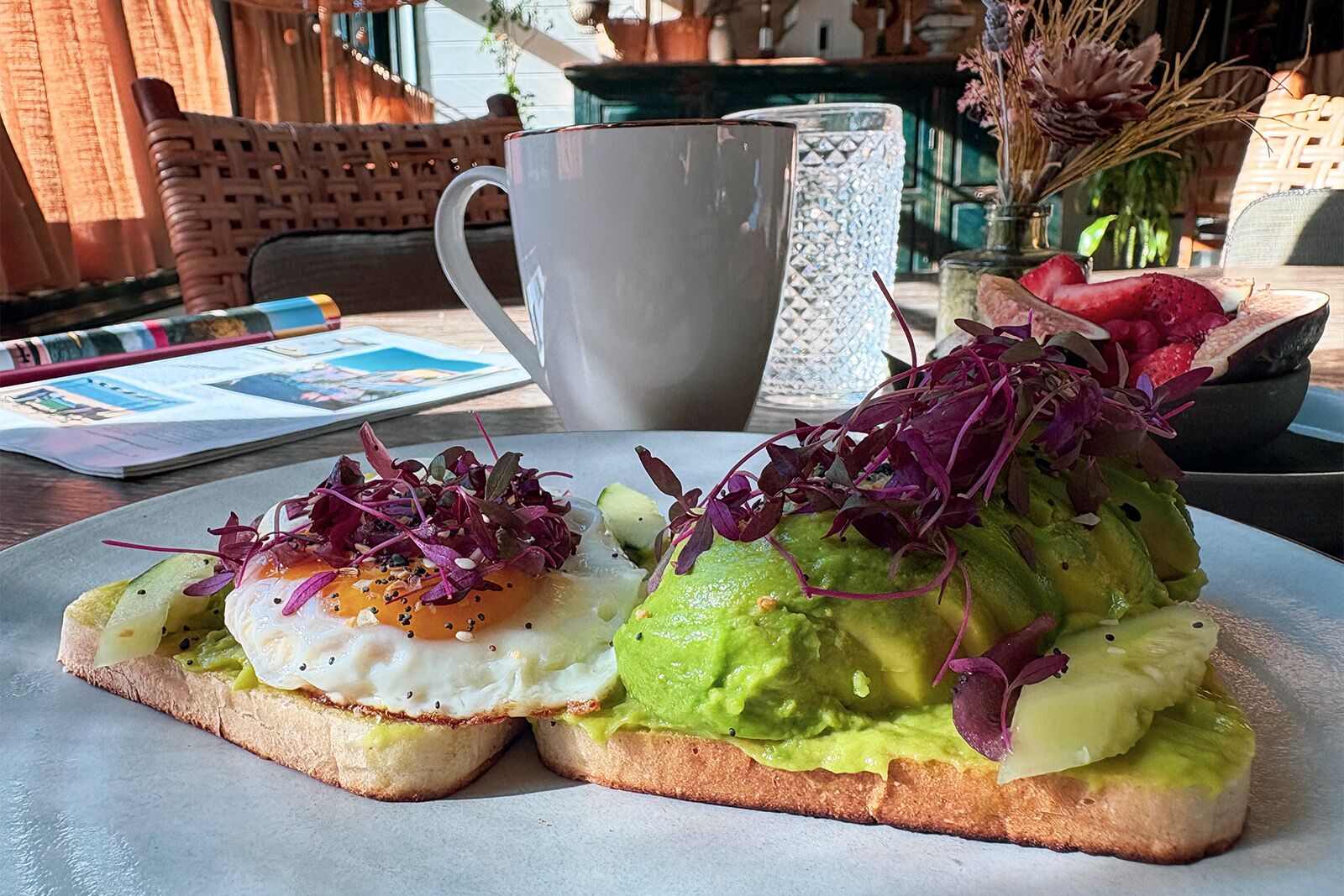
Felix Feed & Coffee. Photo: Nichole Pareti
Grab a quick breakfast in the green-hued country breakfast room of Felix Feed & Coffee, the on-site brunch cafe at Mattei’s Tavern. The chai tea latte, seasonal yogurt bowl, and fresh-baked morning glory bun were real treats and a great way to prepare for a day of wine tastings.
In the northernmost part of Santa Barbara Wine Country is the Santa Maria Valley AVA, the second-oldest AVA in California. It’s home to 7,500 acres of vineyards, and the region’s signature grapes — pinot noir, chardonnay, and syrah — are grown with much acclaim here.
James Ontiveros greeted us on a road surrounded by his vineyards at Ranchos de Ontiveros, our first winery visit of the day. His family has lived and farmed on these lands for nine generations. From the back of his pickup truck came a rack of glasses and a couple of bottles of pinot noir whose red liquid sparkled in the sun as it splashed into our glasses.
As I stood admiring the surrounding vines and sipping the flagship wine in my glass, Ontiveros spoke of his fondness for Santa Maria Valley, its alluvial soils, and the energy and freshness present in these wines. As we made our way closer to the vines, he expressed his desire to one day turn this area into a UNESCO World Heritage site, both protecting and spotlighting the land generations of his family have cared for. Ranchos de Ontiveros is happy to offer ranch tours and tastings by appointment.
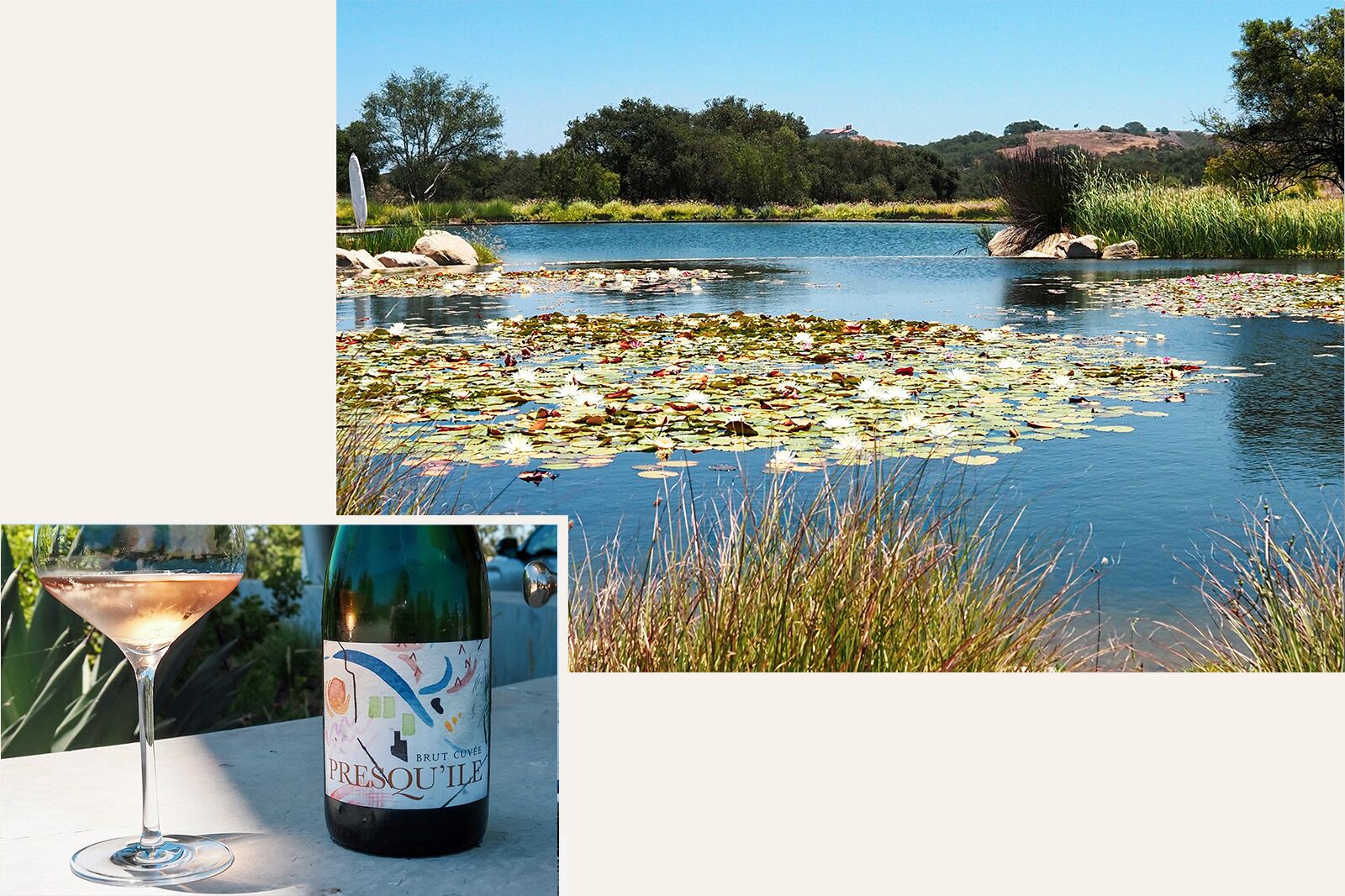
Presqu’ile Winery. Photos: Nichole Pareti
A short drive away is Presqu’ile Winery, another family-owned estate dedicated to showcasing the best of cool-climate winemaking. I loved learning about its Sustainability in Practice (SIP)-certified vineyard practices, such as nitrogen-fixing cover crops like triticale and vetch worked into the rows, no herbicides, and habitat left intact for birds that keep pests in check naturally. Viticulture, like any form of farming, needs to be protected in a world where pesticides and chemicals are used so heavily to preserve products. The Santa Barbara wine community is dedicated to organic, biodynamic, and sustainable farming.
Presqu’ile Winery has an affinity for art, as well, and is currently featuring a moving exhibition in its bunker called along the high embankments by conceptual artist Cole Sternberg, running through September 20, 2026. Stay for lunch. On a terrace overlooking the Santa Maria Valley, you can enjoy the Wine + Food Experience ($75 per person), a chef’s mezze lunch that features garden-driven dishes — fresh cheeses with seasonal jam and honey, watermelon gazpacho, overflowing leafy green salad, and flavorful purple rice — and a flight of five wines.
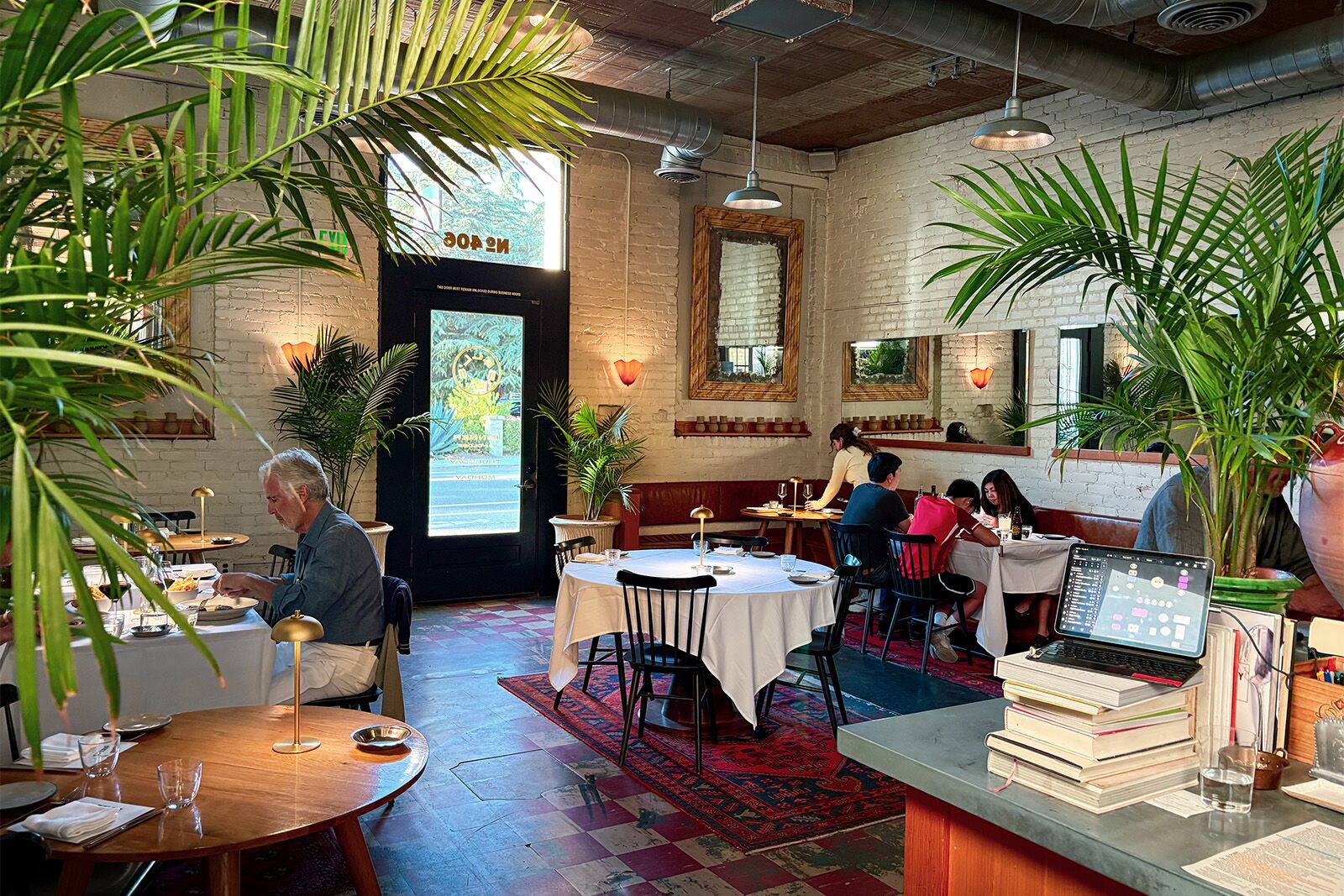
Bell’s Restaurant. Photo: Nichole Pareti
For the remainder of the day, head over to the frontier town of Los Alamos, known for its historic buildings, cottonwood trees, and food and wine scene. Clementine Carter Wines is the tasting room to visit. The single-varietal collection specializes in cool-climate Rhône varieties like grenache, syrah, and mourvèdre (GSM). Be on the lookout for The Feminist Party, one of three labels from winemaker and former journalist Sonja Magdevski, built around GSM blends.
Time permitting, have a leisurely drink or two at Bodega Los Alamos. The outdoor wine and beer garden sits right on Bell Street and features an array of natural and organic wines, craft beers, and cider. Sit under the live red oak trees and order something unexpected. It was here that I tried a crisp and refreshing Single Fin Cider from the local cidery High Seas Mead.
End your long weekend with a meal at Bell’s Restaurant, a one-Michelin-star bistro awarded five years running. Chef Daisy Ryan has created a five-course prix fixe menu that changes weekly. The cuisine is French-inspired but tethered to Central Coast ingredients and availability. The accompanying wine list shares this ideology, featuring Santa Barbara County wineries prominently, along with wines from France and other global wine regions. 
Where to sip in Santa Barbara Wine Country
Margerum: 19 E Mason St, Santa Barbara, CA 93101
Melville Winery: 5185 East Hwy 246, Lompoc, CA 93436
Carhartt Family Wines: 2939 Grand Ave, Los Olivos, CA 93441
Ranchos de Ontiveros: 6525 Dominion Road, Santa Maria, CA 93454
Presqu’ile Winery: 5391 Presquile Dr, Santa Maria, CA 93455
Clementine Carter Wines: 388 Bell St, Los Alamos, CA 93440
Bodega Los Alamos: 273 Bell St, Los Alamos, CA 93440Where to eat in Santa Barbara Wine Country
Blackbird: 36 State St, Santa Barbara, CA 93101
Goat Tree: 36 State St, Santa Barbara, CA 93101
The Hitching Post II: 406 E Hwy 246, Buellton, CA 93427
The Tavern: 2350 Railway Ave, Los Olivos, CA 93441
Felix Feed & Coffee: 2350 Railway Ave, Los Olivos, CA 93441
Presqu’ile Winery: 5391 Presquile Dr, Santa Maria, CA 93455
Bell’s Restaurant: 406 Bell St, Los Alamos, CA 93440Where to stay in Santa Barbara Wine Country
Hotel Californian: 36 State St, Santa Barbara, CA 93101
The Inn at Mattei’s Tavern: 2350 Railway Ave, Los Olivos, CA 93441