Though born on land, polar bears spend most of their lives on the ice floes of the Arctic, infrequently encountering humans in the desolate tundras of the northern hemisphere. That said, plenty of viewing opportunities exist around the world where people are able to witness a polar bear in the wild. Keep in mind that polar bears are large, unpredictable animals, and endeavoring to see them should be done with an awareness of how they behave and the risk that comes with proximity.
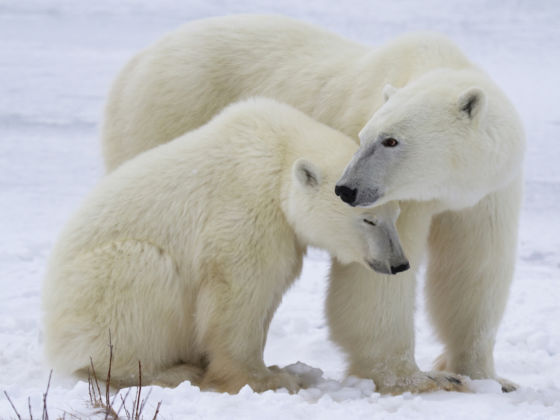
Photo: critterbiz/Shutterstock
6 Places Around the World to See Polar Bears in the Wild
1. Churchill, Manitoba, Canada
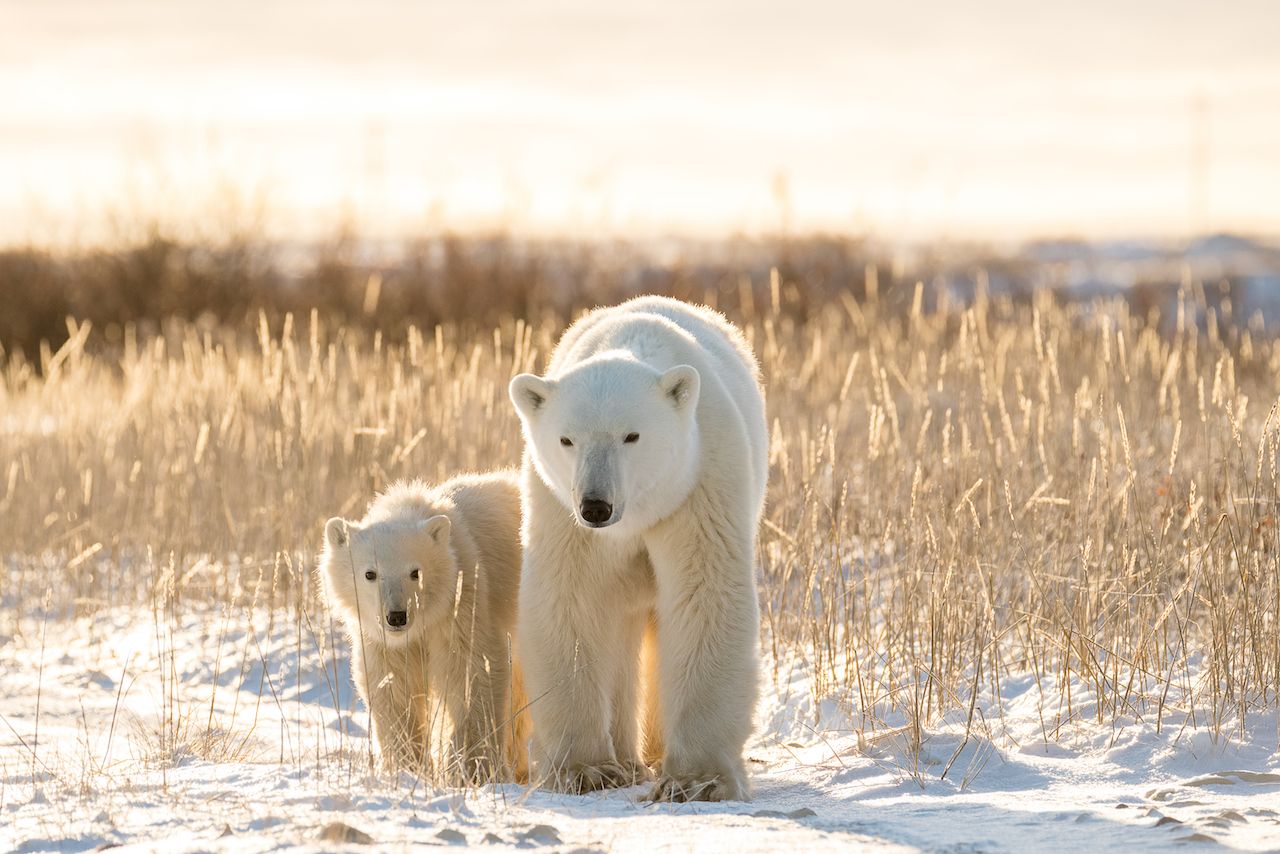
Photo: massimofusaro/Shutterstock
With a nickname like the “Polar Bear Capital of the World,” Churchill tops the list for wild-polar-bear-viewing opportunities.Peak season runs from October to mid-November, when 900 or more bears gather along the coast waiting for sea ice to form on Hudson Bay. Churchill Wild is the preeminent Arctic safari outfitter with tours ranging from photography-focused excursions and Tundra Buggy experiences to lodging in luxury while spotting the great white bears. With a strong commitment to sustainability and responsibility, the happiness and safety of both guests and animals are paramount, so you can explore the ice with full confidence in your host. This is the best spot for increasing your chances of glimpsing a polar bear in the wild.
2. Svalbard, Norway
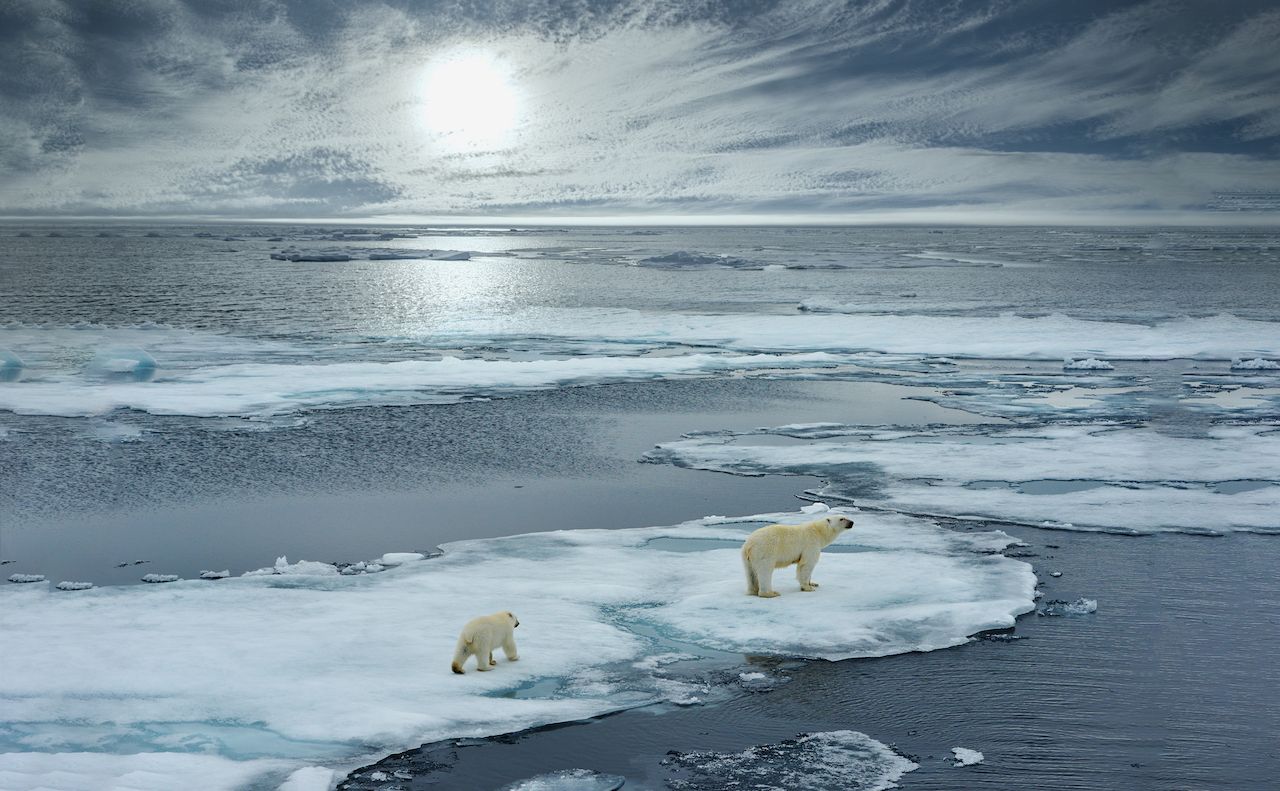
Photo: FloridaStock/Shutterstock
The Norwegian archipelago of Svalbard is extremely far north, sharing a latitude with the top of Greenland. It’s a great place to see polar bears from a ship rather than on land, and witnessing them from a distance is the best way to keep the encounter safe for both sides. Basecamp Explorer, which operates three small lodges across Spitsbergen (including Isfjord Radio, a former radio station turned remote outpost, and Nordenskiöld, one of the world’s northernmost lodges), runs multi-day expeditions by land and sea, some in collaboration with the nonprofit Polar Bears International.
The company is outspoken about not disturbing the bears, so your curiosity won’t be satisfied to the detriment of the animals’ well-being. Note that Norwegian regulations require guided groups outside Longyearbyen to carry polar bear deterrents, and rules on how closely you can approach have tightened in recent years.
3. Utqiaġvik (formerly Barrow), Alaska
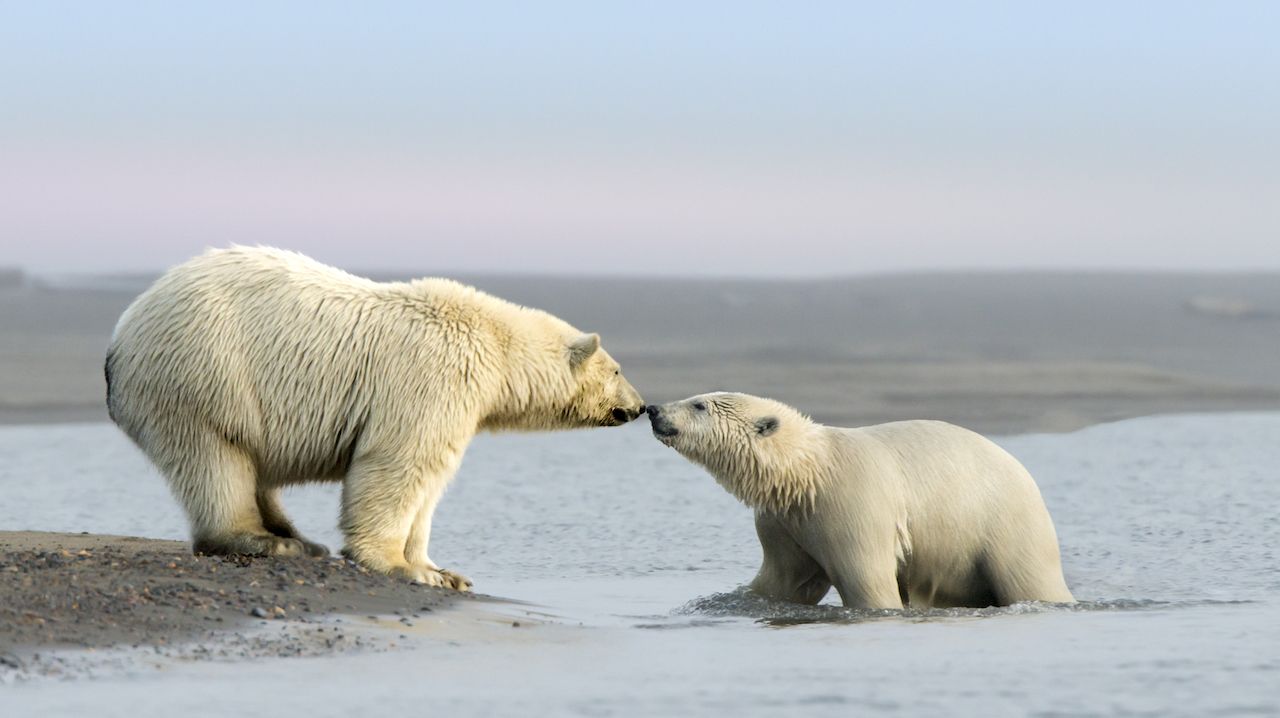
Photo: Jeff Stamer/Shutterstock
Alaska is a giant, wild place, and it’s home to a relatively large Indigenous population, making for a great opportunity to explore ethical wildlife experiences while contributing to local livelihoods and cultural appreciation. Prior to 2020, Kaktovik was the main spot for polar bear expeditions in the US, but the US Fish and Wildlife Service suspended the permits for its boat-based tours, and they haven’t resumed. The local community is still working to bring them back.
Further north sits Utqiaġvik, the northernmost town in the US. As sea ice forms in the fall, polar bears gather along the coast near town, and unlike remote Kaktovik, Utqiaġvik is reachable on scheduled Alaska Airlines flights from Anchorage or Fairbanks. The catch is that there’s no dedicated polar bear tour operation here. Most visitors come for the “top of the world” experience: Iñupiat culture at the Iñupiat Heritage Center, a walk on the Arctic Ocean shore, and Point Barrow, where bears sometimes gather. If you go, book through a local Iñupiat operator, treat a bear sighting as a lucky bonus rather than a guarantee, and check current flight schedules, which have been erratic enough lately that day trips aren’t always possible.
4. Torngat Mountains, Labrador, Canada
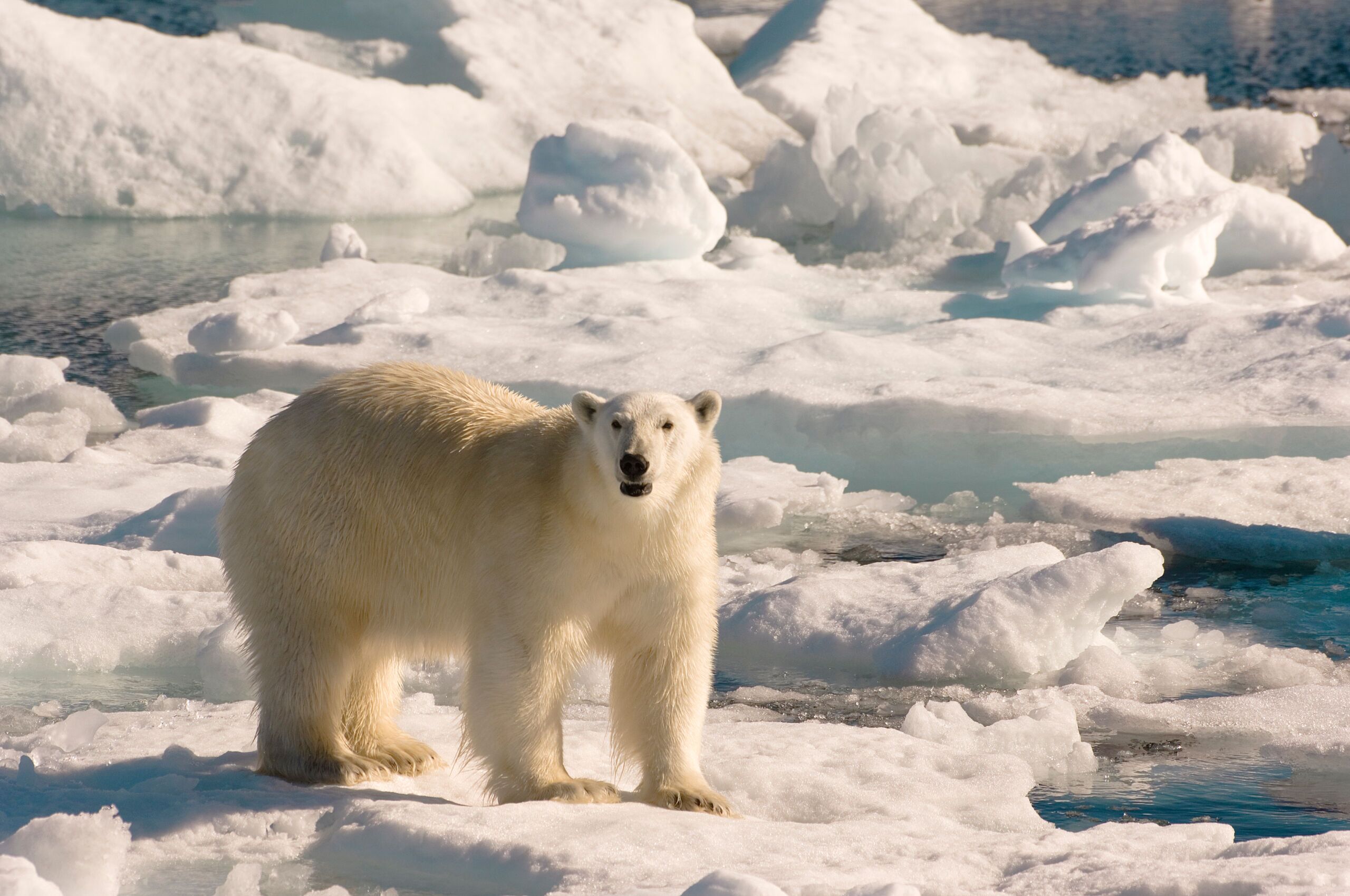
Photo: GTW/Shutterstock
The Torngat Mountains, at the northern tip of Labrador, are one of the few places on earth where polar bears and black bears share territory — and unlike the Russian Arctic, this one is genuinely bookable. The park is Inuit homeland, run in partnership with the Nunatsiavut Government, and the only way in is by charter flight from Goose Bay to a base camp on Saglek Fjord. Polar bears roam the coast and fjords, especially at spots like Bear Gut, where they fish for Arctic char in late August and early September.
There are no roads, no fences beyond the base camp’s electric perimeter, and no wandering off alone: every excursion goes out with an armed Inuit polar bear guard, which is both a safety rule and the reason the trip is worth taking — you’re learning the land from the people whose ancestors have traveled it for more than 5,000 years. Torngat Mountains Base Camp and Research Station runs a short season, roughly mid-July through late August, and starting in 2026 it’s operated by Arctic Kingdom under a new five-year agreement with Nunatsiavut. Sightings aren’t guaranteed, but the combination of bears, fjords, Inuit culture, and near-total isolation makes this one of the most rewarding Arctic trips you can actually book.
5. Greenland
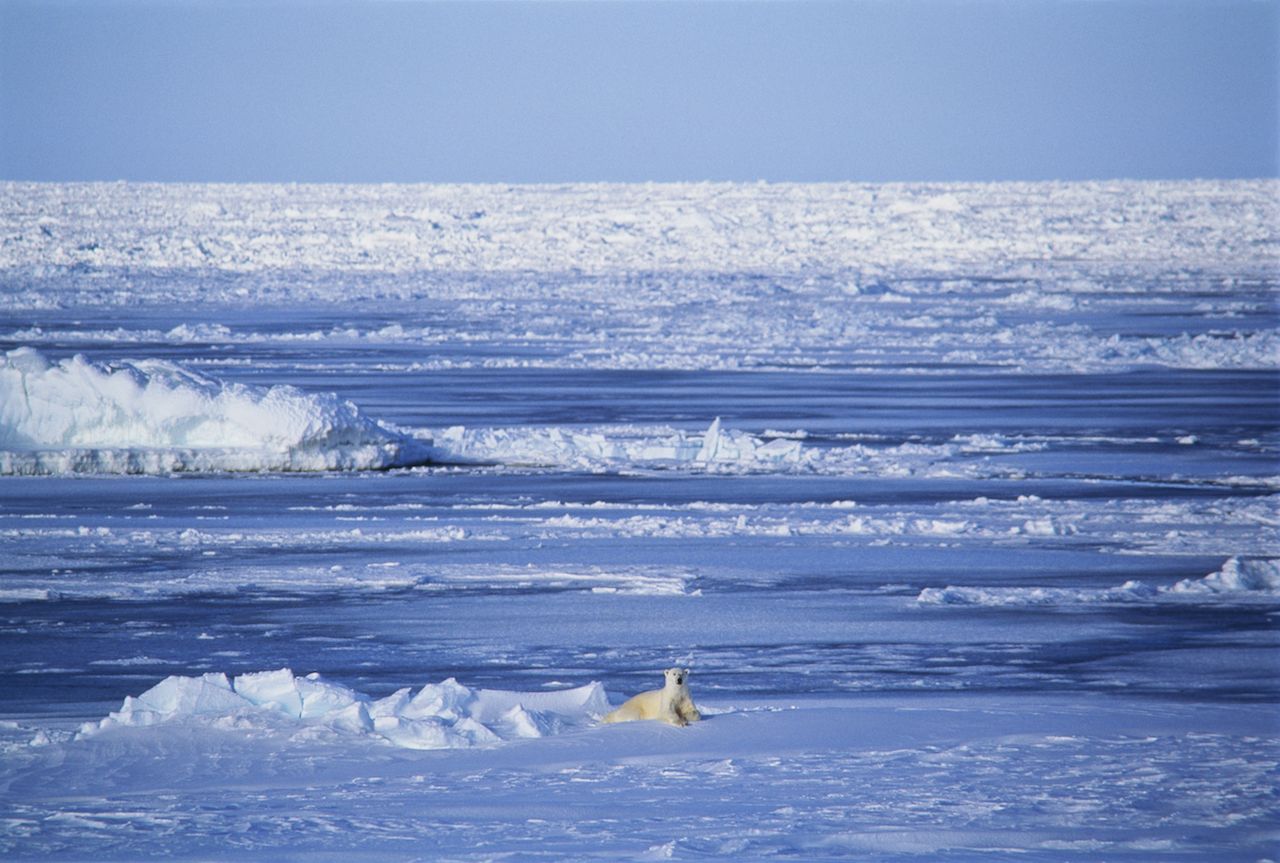
Photo: BMJ/Shutterstock
Visitors to Iceland often wonder how they miss polar bears when visiting, unaware that they are much more likely to show up on its giant neighbor, Greenland. So, if you’re deciding between trips to Iceland and Greenland, and polar bears are a priority, you know where to go. That said, expect to spend some serious cash, and don’t get your hopes up on actually seeing a bear. They live in the far north and rarely come to land, so a coastal expedition cruise is the way to go. Aurora Expeditions is an Aussie outfitter with a focus on responsible tourism that will give you a great Arctic experience with or without polar bears (but hopefully with).
6. Nunavut, Canada
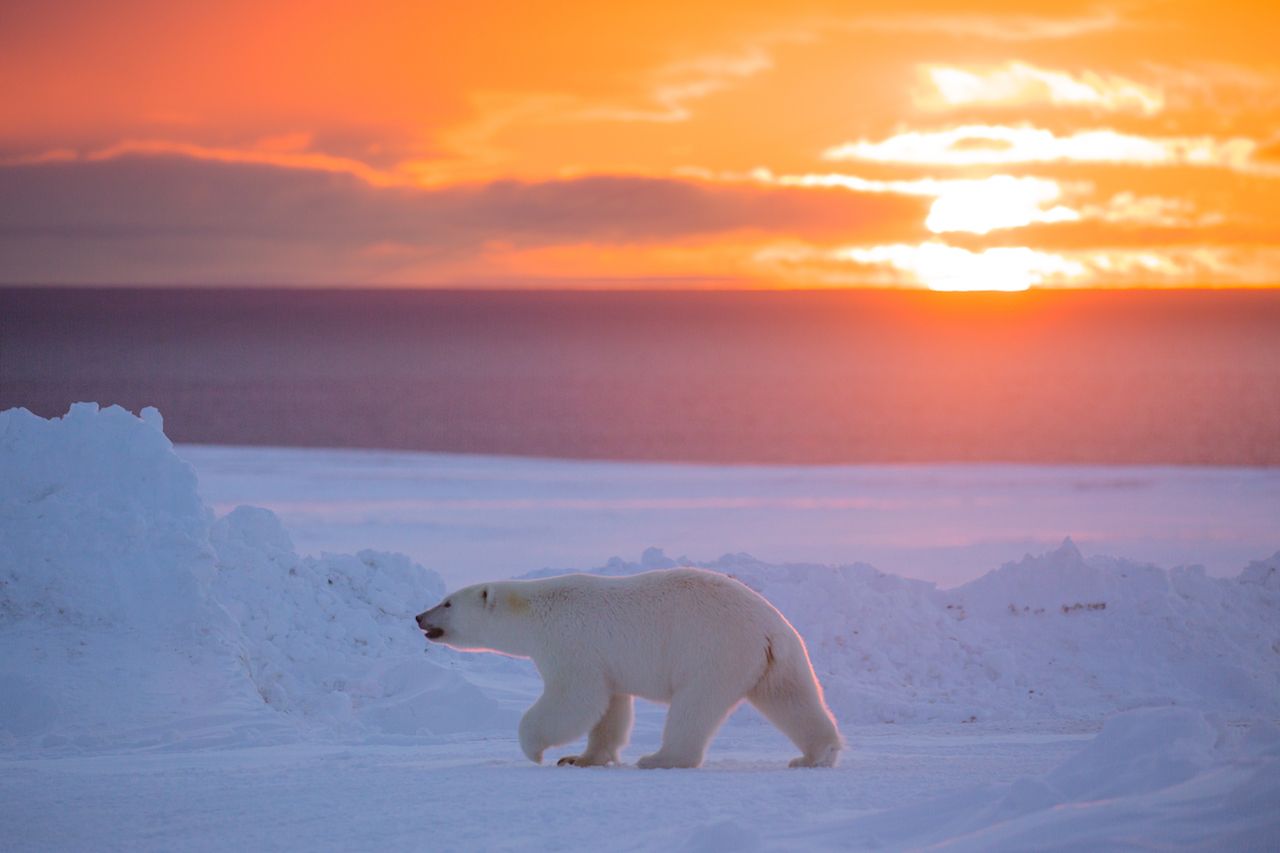
Photo: Kevin Xu Photography/Shutterstock
Nunavut is the newest Canadian Territory and one where you can spot all sorts of amazing Arctic wildlife, including polar bears, and offers more than one way to do it. The west coast of the Hudson Bay is the route of the polar bear migration when the animals are in search of sea ice, hence the nickname “Polar Bear Alley.” Traveling with Arctic Kingdom, you can do a fly-in safari near Arviat, heading out on guided day hikes with Inuit guides to approach bears on foot from a safe distance for photography. For a completely different setting, Arctic Kingdom also runs spring floe-edge trips on Baffin Island, where you camp at the edge of the sea ice and watch mothers and cubs move across it against a backdrop of mountains and icebergs. Or base yourself at the family-run Arctic Watch Wilderness Lodge on Somerset Island, 500 miles north of the Arctic Circle. It’s built around a beluga nursery, but sometimes, polar bears turn up too. 