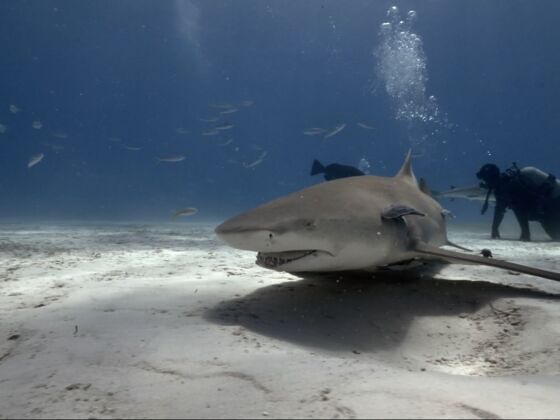
Photo: Matador Network

For Two Decades, a 15-Foot Tiger Shark Has Sought Out One Specific Human

Bahamas Documentaries Diving Activism
by Matador Creators Jun 24, 2026

Today, Matador Network announced the release of Tiger Shark King, a micro-documentary about the man who pioneered cage-free diving with tiger sharks and has spent decades turning divers into shark advocates.

The film captures something most divers would consider impossible: a wild tiger shark that seeks out a specific human for affection, returning to him year after year for more than two decades. The shark’s name is Emma, and the diver is conservationist, dive operator, and advocate Jim Abernethy.
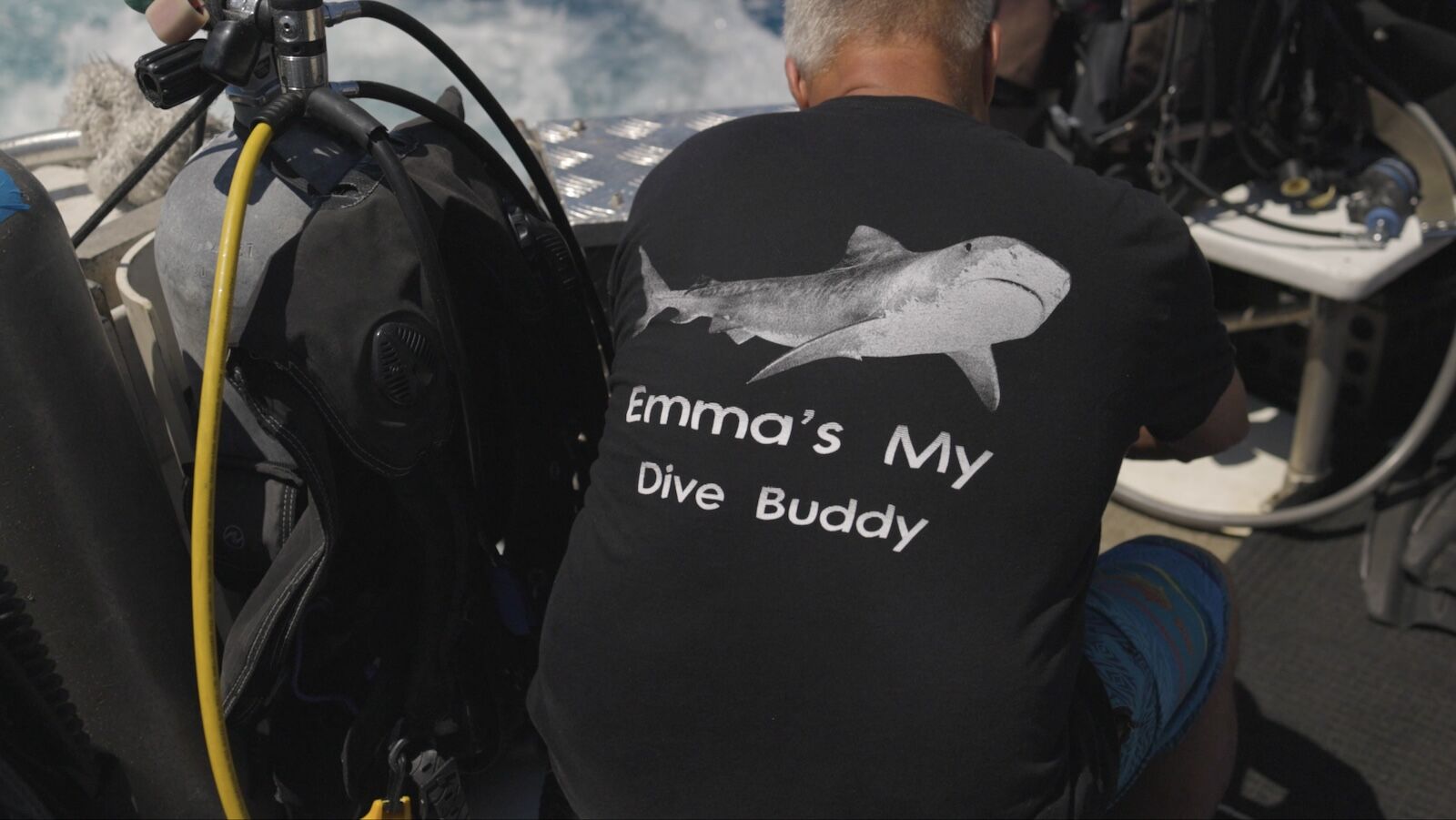
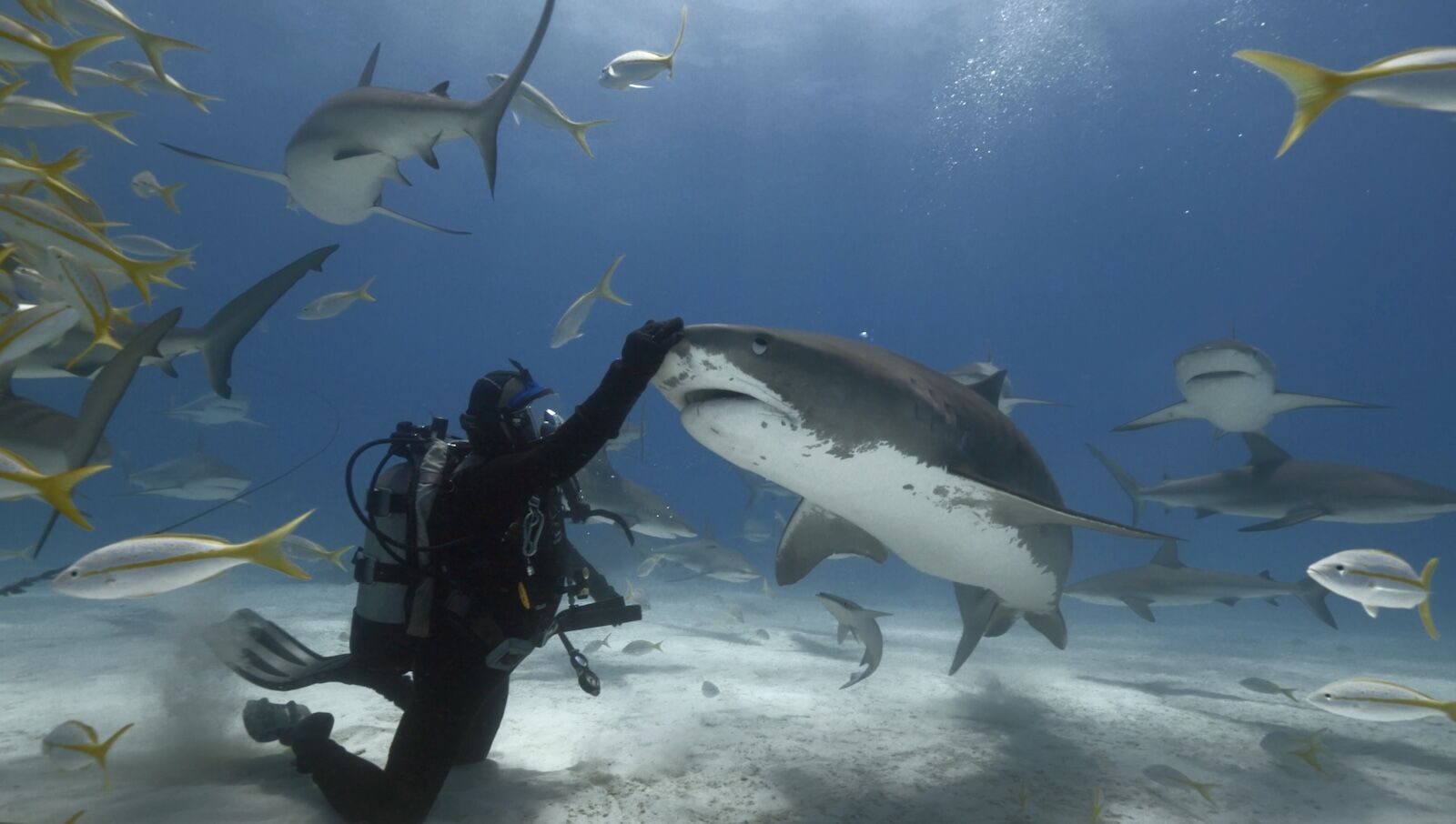
Abernethy is widely credited with pioneering tiger shark diving at the site he named Tiger Beach, a shallow, sandy expanse on the western edge of the Little Bahama Bank, roughly 19 miles west of West End, Grand Bahama. Emma, who measures 15 feet, first approached Abernethy in 2001, when he removed a fishing hook from her mouth. In the years since, she has come to recognize his boat, waiting beneath it when he arrives, and Abernethy has removed hundreds of fishing hooks from sharks in the region—including four more from Emma.

The relationship has made Emma one of the most recognized wild sharks in the world, and Abernethy one of the most visible advocates for changing how people see the species.

Despite their reputation, sharks rarely bite people. The Florida Museum of Natural History’s International Shark Attack File recorded just 47 unprovoked bites worldwide in 2024, four of them fatal—well below the long-term annual average of about 70. Researchers note the odds of an unprovoked bite remain extremely low, with rip currents and drowning posing a far greater risk to beachgoers.

Tiger sharks are among the ocean’s largest apex predators, and the Bahamas has built real economic value on keeping them alive. The country declared its waters a shark sanctuary in 2011, and a 2017 study found that sharks and rays contribute roughly $114 million a year to the Bahamian economy, the vast majority of it from tourism.

abernethy - tiger shark king

Abernethy with a tiger shark. Photo: Matador Network

That value depends on the sharks surviving, and tiger sharks face real pressure. The species is listed as Near Threatened on the IUCN Red List, with a population suspected to have declined by close to 30 percent over the past three generations, driven by poorly regulated fishing, shark control programs, and demand from the fin trade. And their decline carries consequences beyond the species itself. As apex predators, tiger sharks help keep marine food webs balanced. They even have an impact on how well oceans can absorb the impacts of global warming, as research has shown tiger sharks stop green turtles from overgrazing seagrass beds, keeping those carbon-storing seabeds large and healthy.

Though Abernethy runs well-known shark diving tours, what he’s really after is converts. Through his nonprofit, Wildlife VOICE, he mentors new conservationists and teaches others to remove hooks with affection rather than force, though he cautions that handling sharks should be left to those who know what they’re doing. With the proper training and conditions, though, Abernethy encourages divers to get in the water with the oft-feared creatures. Most shark-human incidents, he says, come down to sharks being curious or playful rather than intentionally aggressive. “A shark attack is misnamed,” he says. “It’s really a shark mistake.”

Matador Network has long covered the relationship between sharks, tourism, and diving. For Abernethy, the goal is the same one that has driven decades of his work: dismantling the fear people carry about a species he sees as misunderstood rather than dangerous. The full film is available now on Matador Originals.

Discover Matador

Save Bookmark

We use cookies for analytics tracking and advertising from our partners.

For more information read our privacy policy.