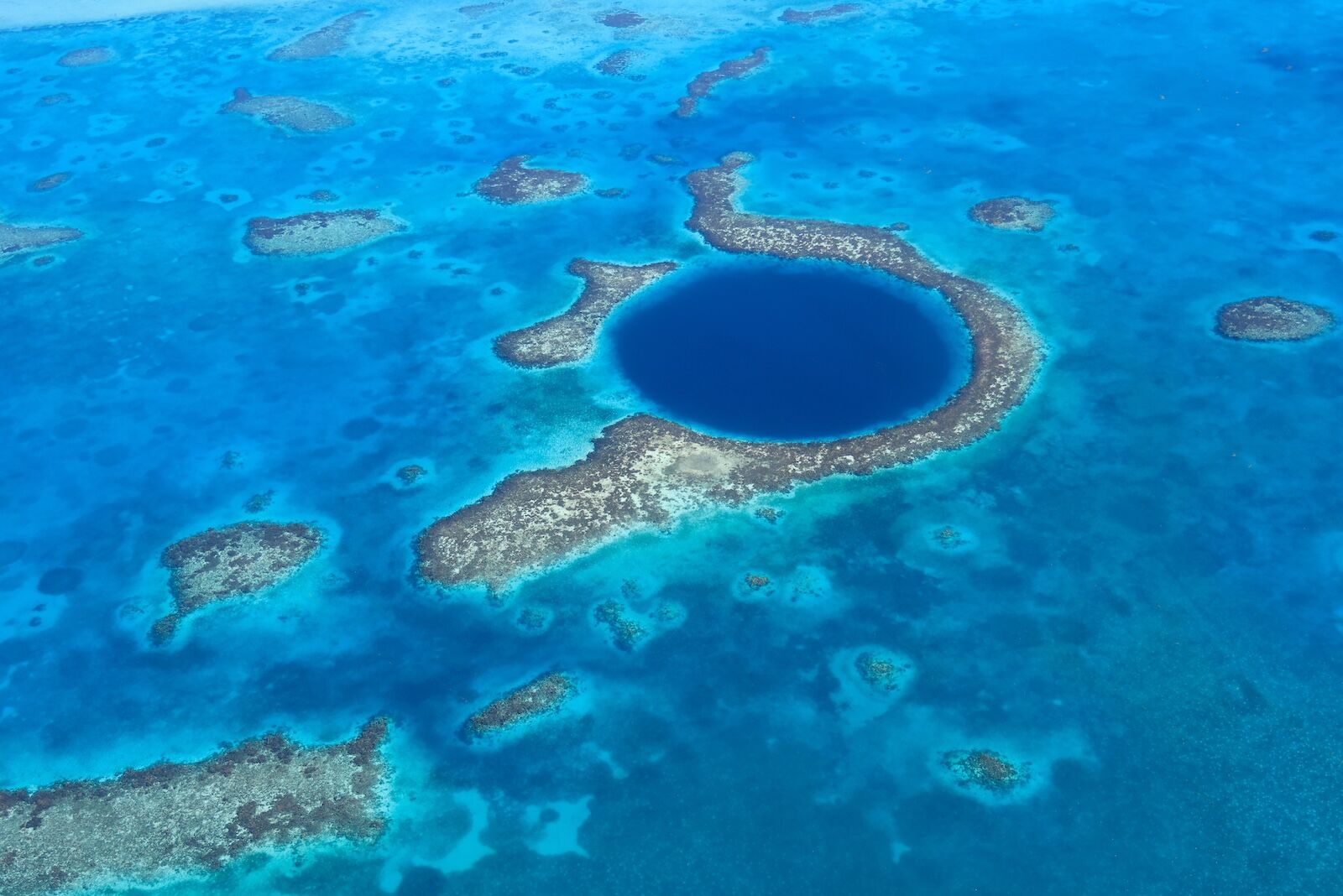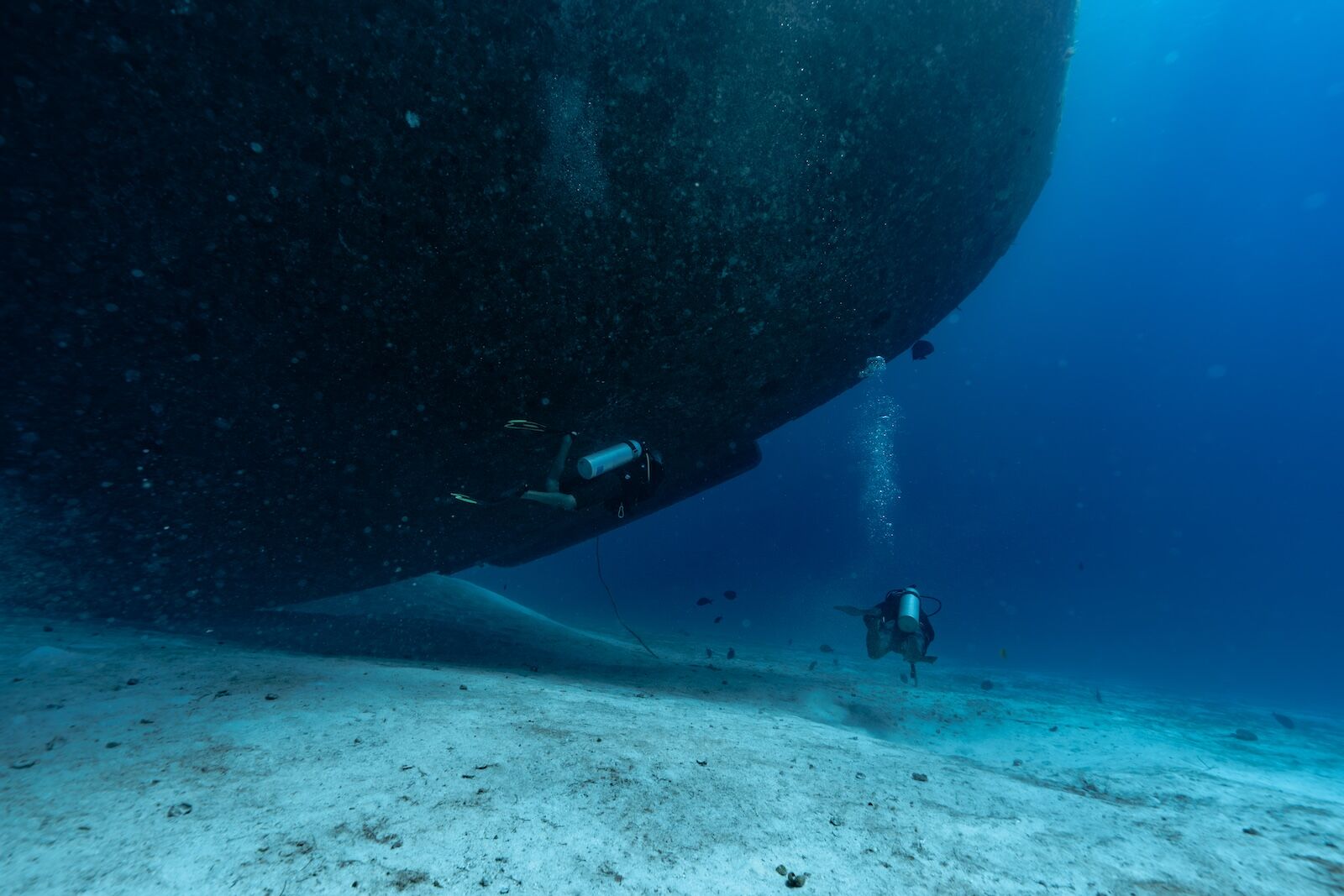
At 100 feet down inside Belize’s Great Blue Hole, I swim past massive limestone stalactites formed during the last ice age. The silhouettes of divers hovered suspended in the deep blue around me.
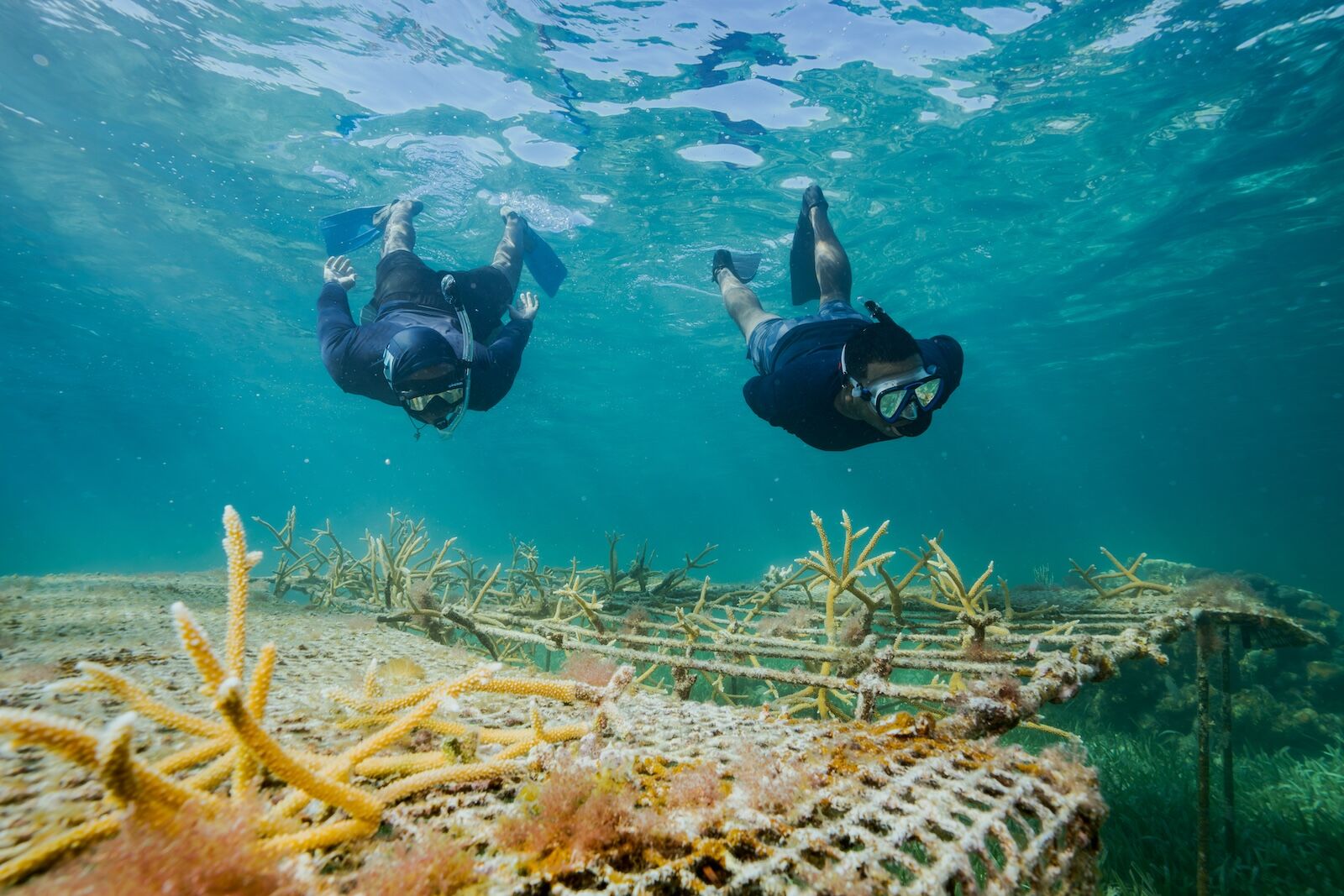
But the most memorable part of diving in Belize wasn’t this bucket-list destination itself. It was spending time on land, learning that the ecosystem of people working to protect the reef from climate change and other challenges is nearly as extensive and diverse as the reef itself.
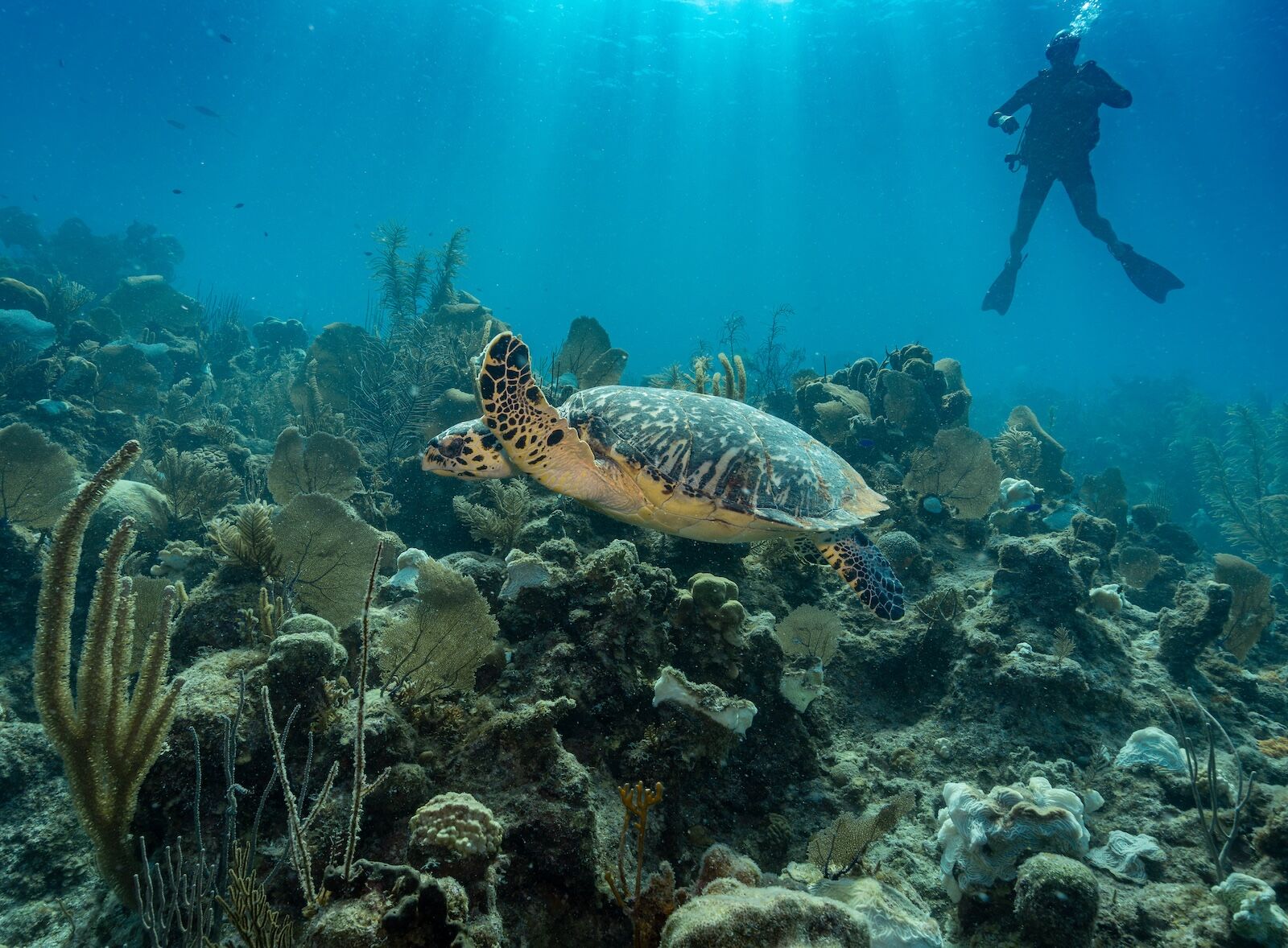
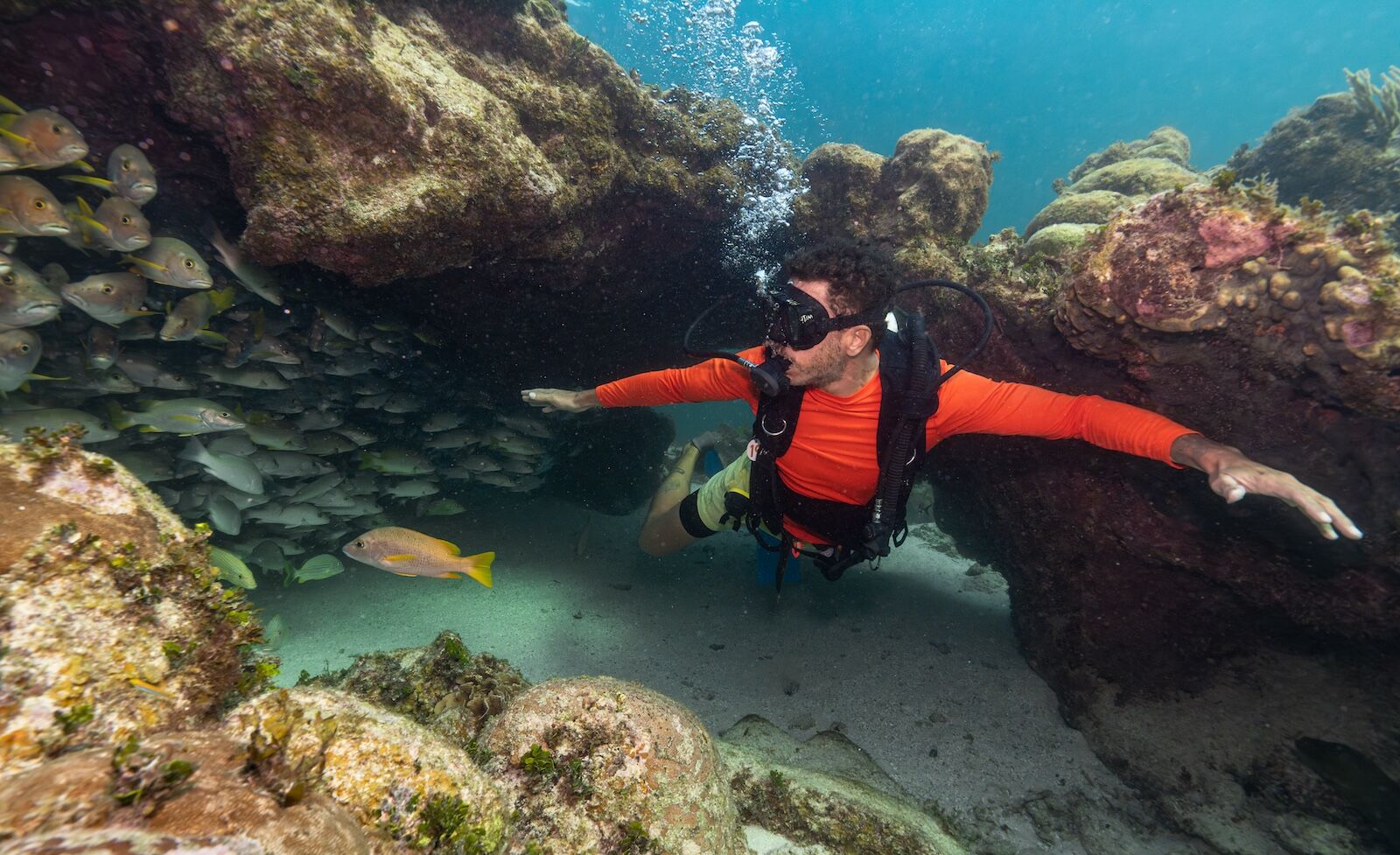
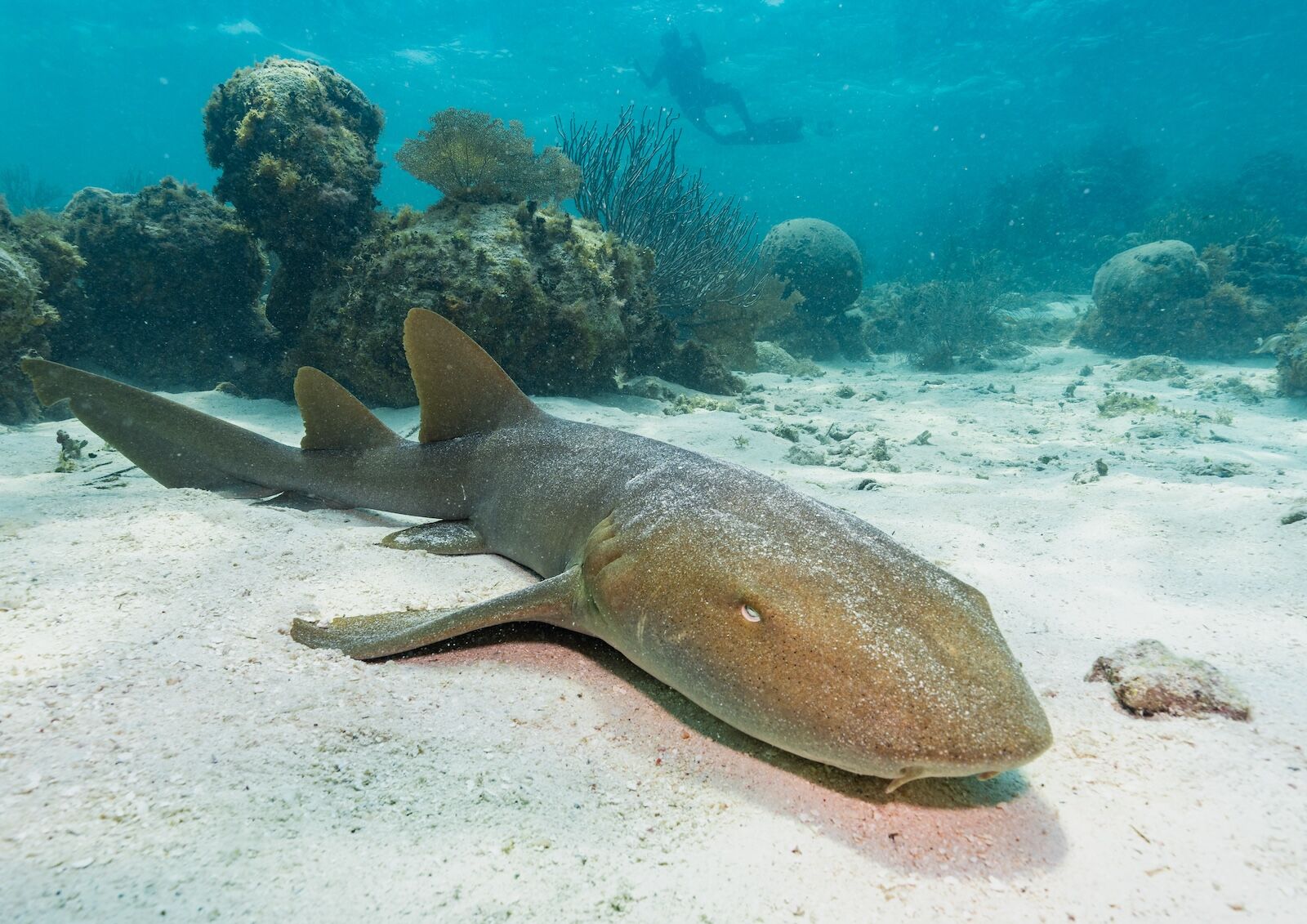
Over several days diving the Belize Barrier Reef (the second-largest in the world), I kept encountering the same idea in different forms: marine reserves funded by guide-collected entrance fees, fishermen who lobbied to turn their harvest areas into a marine reserve, a sunken WWII ship repurposed as an artificial reef. And the people trying to protect the reef and the people trying to share it are deeply intertwined.