The Customs and Border Patrol agent in Orlando asked where me where we were from, then looked at my wife, then at our two kids — a 3-year old and a 1-year-old — and decided this was the moment for a talk about Colorado. Colorado has a bad reputation in Florida, he told us. Don’t bring cannabis to an airport. TSA will arrest you (nevermind that we were not going through TSA right then and we had a tight connection to make it back home from Turks and Caicos). I laughed the nervous “please speed this up” laugh that is the only reasonable response when a federal officer is finding a way to kill some time with a lecture, and we moved on.
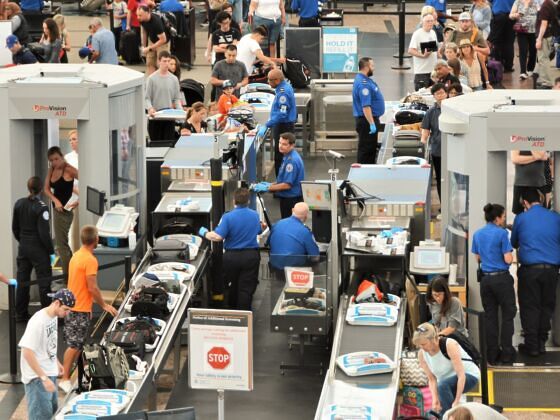
Photo: Jim Lambert/Shutterstock
The TSA Says You Can Fly With Medical Cannabis Now. It Won't Tell You How.
Meanwhile, he seemed to be unaware that the TSA had changed its mind about cannabis in late April.
The TSA’s “What Can I Bring?” page now lists “Medical Marijuana” as permitted in carry-on and checked bags, under “Special Instructions.” It’s a quiet edit last updated the day before Acting Attorney General Todd Blanche’s narrow rescheduling order took effect, but it’s the first time a federal agency at the airport has acknowledged any form of cannabis as something other than contraband since the Controlled Substances Act took effect in 1970s.
Two main things changed on the page: the paragraph that used to declare marijuana federally illegal is gone, and the boilerplate about officers not searching for “marijuana or other illegal drugs” now just says “illegal drugs.”
To be fair, the rescheduling itself hasn’t exactly been clear. The April 28 order did not reschedule cannabis wholesale, but moved two specific categories to Schedule III: FDA-approved cannabis-derived pharmaceuticals (Epidiolex, Marinol, Syndros, Cesamet) and cannabis products regulated under a qualifying state medical license. Everything else stayed in Schedule I, the same as heroin. The recreational eighth from a Denver dispensary is in the exact same legal box it was in last month. A state-licensed Florida medical product is now Schedule III, so that CBP agent may have to do some more thinking about which states have “bad reputations” and what that actually means.
What’s also lacking are any real “Special Instructions” like the TSA has for other items permitted under specific rules. Firearms can be checked only, unloaded, locked, declared. Lithium batteries even get Special Instructions: carry-on, watt-hour limits, terminals protected. Medical marijuana has the label and no page behind it explaining quantity limit or documentation required. There’s also no guidance for a patient flying from one legal state to another, or from a legal state into one that doesn’t have a medical program.
And the standing referral language is still on the page. If a TSA officer finds cannabis at screening, the officer can still call local law enforcement, and local law enforcement still operates under state law.
Nothing has really changed for people who consume cannabis for recreational reasons. As someone who falls into that category, I haven’t ever flown with cannabis and don’t have any plans to until things change. But the strict need for a lecture at the border is a little more squishy than that over zealous and over talkative Orlando CBP agent suggested. If you’re a medical patient with state-licensed product, you are technically Schedule III as of April 28.
Just don’t expect it to be a smooth process considering the agency that wrote that down hasn’t told its officers what to do about it, and the cops they call still work for the state. 