As travelers continue to gravitate toward sun-soaked locations that aren’t splattered on Instagram and filled with tourists, airlines are adjusting their flight maps. And one airline is launching several brand-new flights this year, leaning on the ongoing popularity of destinations like Italy and Spain. In April of this year, flyers will be able to travel direct from the US to Split, making it the first time travelers have ever been able to fly directly to Split from anywhere in the US.
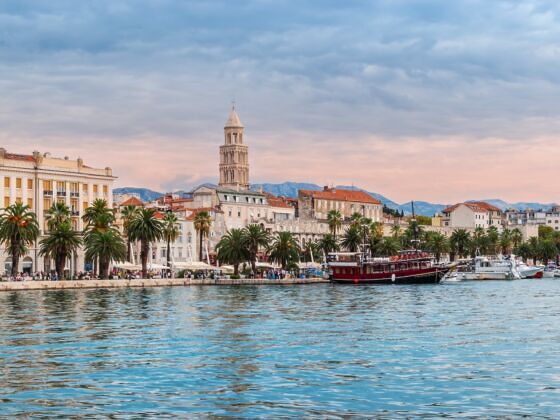
Photo: Nancy Pauwels/Shutterstock
These 4 European Cities Have Never Had Direct Flights From the US — Until Now
The route travels between Newark Liberty International Airport (EWR) to Split Airport (SPU) on Croatia’s Dalmatian Coast. The official announcement frames the move as part of a push to fly to more destinations in Europe than any other airline.
However, travelers not interested in the appeal of Split still have good news: this year, United is also launching new flights from Newark to Bari, Italy; Glasgow, Scotland; and Santiago de Compostela, Spain, plus a direct flight from DC’s Dulles Airport to Reykjavik, Iceland. While Split is perhaps the most likely to become Europe’s next big beach destination, all three are destinations never before reachable by non-stop flight from the US, indicating United thinks they all have the potential to grow in popularity.
The new flights will launch in time for the summer tourist season. Flights to Split begin April 30, 2026, and will be summer only, running three times a week. Flights to Bari begin May 1, 2026, and will run four times a week, while flights to Santiago de Compostela in Spain begin May 27, 2026, running three times a week in the summer. Flights to Glasgow and Reykjavik are both daily, launching May 8 and May 21, respectively. Glasgow is scheduled to be a summer-only seasonal route, while the DC-to-Reykjavik flight is planned to fly year-round.
Why fly from Newark to Split?
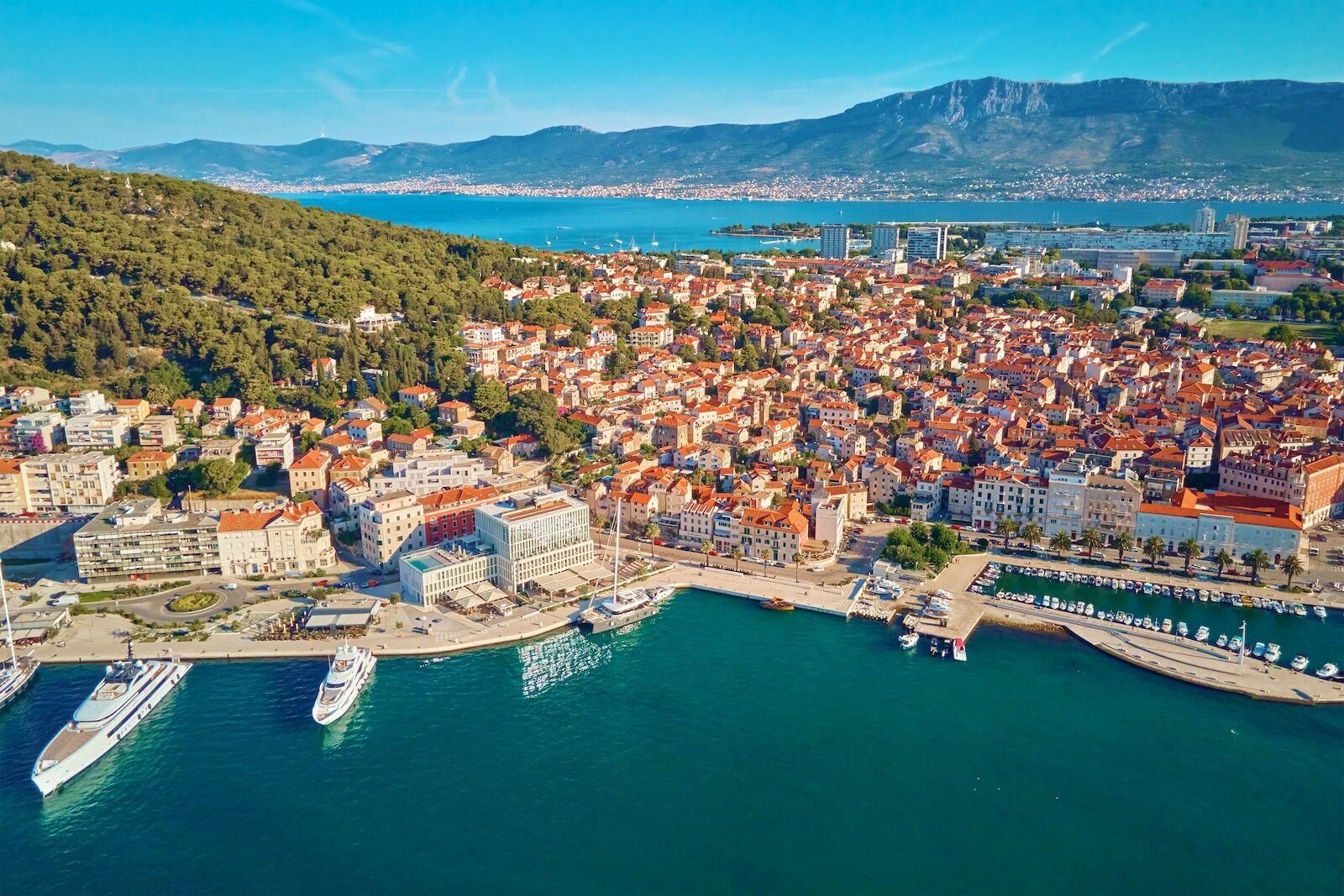
Photo: Lazy_Bear/Shutterstock
Newark is United’s major hub on the East Coast, so it makes sense to launch the new flight from there. As a destination, Split is quickly growing in popularity, with airport arrivals growing from 1.2 million in 2010 to 2.89 million in 2022. Split also fits into the current “second city” trend, which shows that travelers are skipping major cities and gravitating toward smaller nearby cities — such as with Split, and nearby Dubrovnik. While Dubrovnik is actually smaller than Split, it’s long been the primary tourist hub in Croatia, welcoming roughly a million more overnight visitors per year than Split.
For budget-minded travelers, Croatia can be a bit of a value compared with Western European beach destinations like Ibiza, the French Riviera, or Italy’s Amalfi Coast, though prices will be at their peak mid-summer. Split is a UNESCO World Heritage Site (The “Historical Complex of Split with the Palace of Diocletian”), and the remains of the Roman-era palace are woven through the town. However, Split is also connected by ferry to many other destinations. Hvar is reachable in about an hour on ferry for beaches, wineries, and its historic town center, while stunning Zlatni Rat beach in Brač is about two hours away. Inland, Krka National Park (one hour from Split) and the historic city of Trogir (30 minutes from Split) also make for excellent day trips.
Why fly to Bari, Italy?
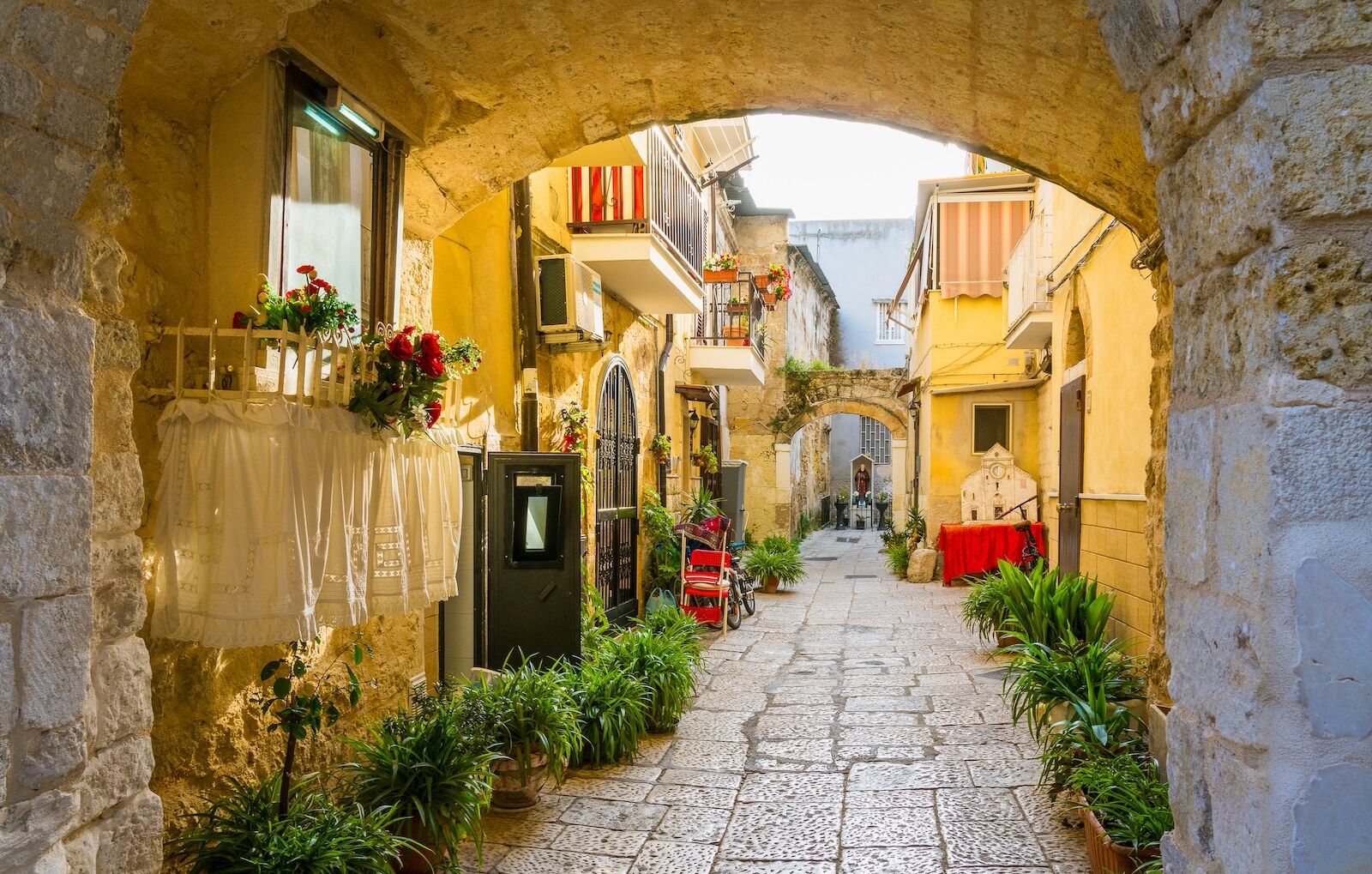
Photo: essevu/Shutterstock
Bari is in the center of Italy’s Puglia region, an area that has been steadily rising in popularity as travelers look to go beyond Italy’s overcrowded hotspots. In 2022, roughly 3 million of 6 million arrivals into Bari Karol Wojtyła Airport were international, compared to less than 100,000 in 2000. Even the New York Times reported on Bari’s popularity, noting that it had gone from a “sleep, sketchy stopover” to a “buzzy destination” in 2025. Bari usually draws travelers seeking a less-polished, more local Italian experience, especially with the narrow streets of Bari Vecchia and easy access to smaller cities like Polignano a Mare, Alberobello, and Matera.
Why fly to Santiago de Compostela, Spain?
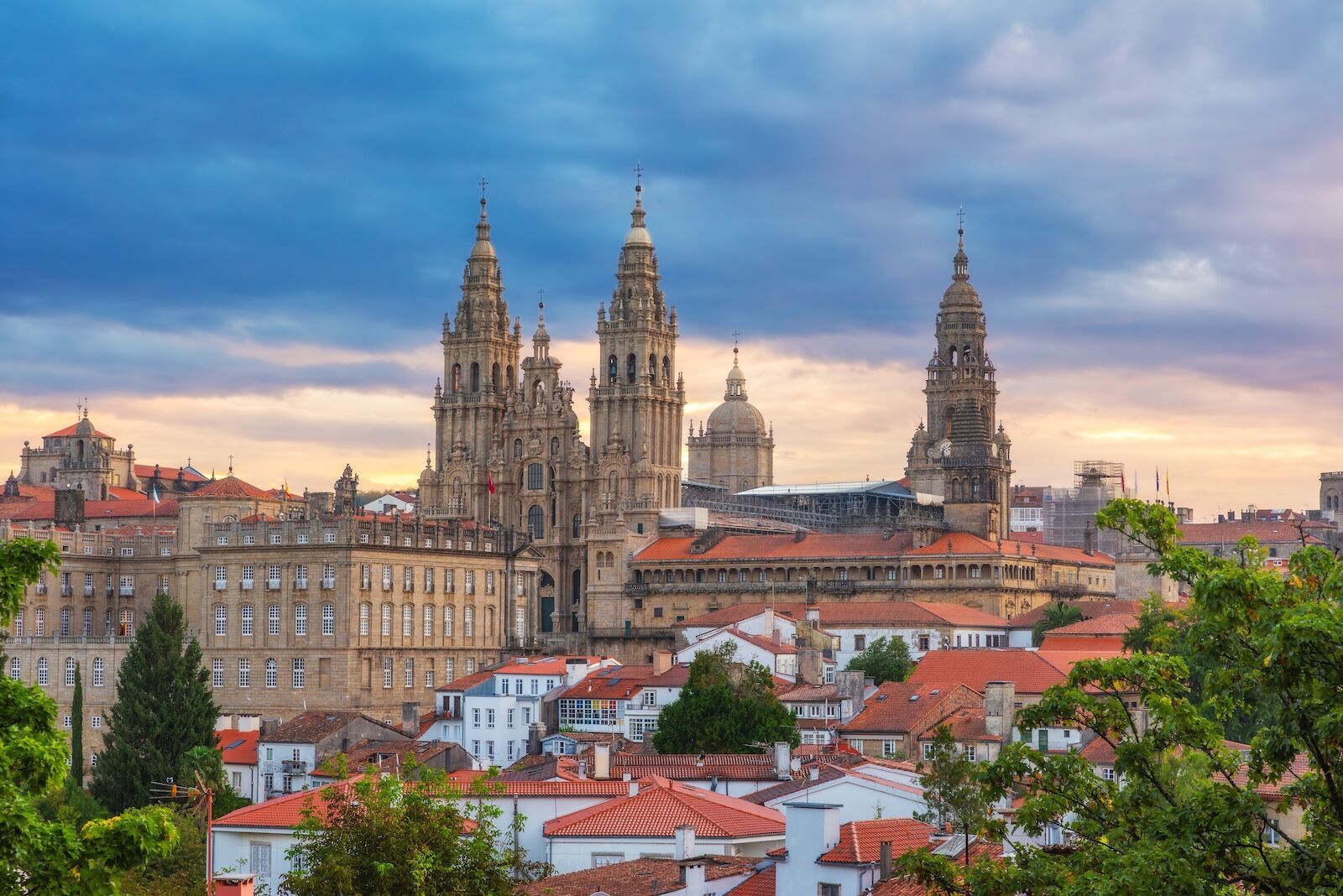
Photo: artem evdokimov/Shutterstock
Santiago de Compostela has long been popular with hikers and walkers for the famous Camino de Santiago, a historic pilgrimage trail stretching across Spain. All of Spain’s Camino routes end in Santiago de Compostela, and pilgrim numbers have climbed significantly since the early 2000s. Totals were in the low tens of thousands in the 1990s but reached nearly half a million annually in 2023 and 2024. However, the city has plenty to do for non-walkers, including a UNESCO-recognized Old Town with plazas and stunning architecture, and plenty of local restaurants serving up Galician seafood and tapas.
Why fly to Glasgow, Scotland?

Photo: KenSoftTH/Shutterstock
Glasgow is also benefiting from second-city tourism, as travelers look beyond popular (and crowded) tourist cities like Edinburgh. Glasgow Airport served more than 7.4 million passengers in 2023, and Visit Glasgow has reported significant growth in tourism year after year since COVID. The city has also appeared on numerous trend lists, including being designated as one of the top trending destinations for 2026, according to 2025 TripAdvisor data.
As a destination, Glasgow is more affordable than London or Edinburgh but home to major sights like Glasgow Green, multiple history and art museums, and various castles and historic homes. It’s also an excellent jumping-off point for some of the country’s prettiest nature-focused destinations, like Loch Lomond & The Trossachs National Park and The Isle of Arran, often called “Scotland in Miniature” for its varied landscapes like cliffs, forests, and beaches. 