Not knowing the language of a country can discourage you from visiting — it’s scary and frustrating not to be able to understand or be understood. When it comes to Japan, where the language is very difficult to learn and the writing system is entirely different from the one you know, planning a trip can be daunting, but let’s not have language stand in the way of a brilliant experience. To feel more comfortable in Japan when you don’t speak Japanese fluently, we recommend that you learn a few phrases. Some of these Japanese phrases are practical. Some of them are funny. All 10 will greatly enhance your trip to Japan.
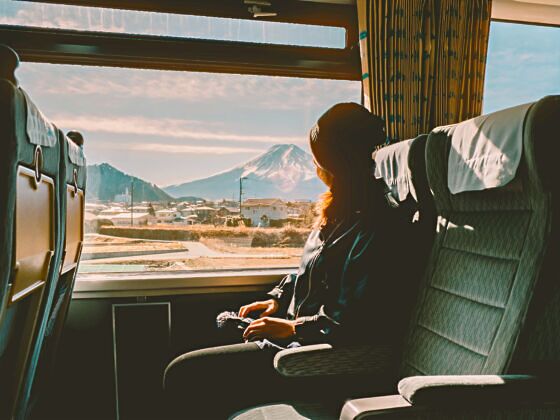
Photo: Natee Meepian/Shutterstock
10 Extraordinarily Useful Japanese Phrases for Travelers
1. “Yoroshku onehgaishimus.”
This phrase is absolute magic. Say “yoroshiku” to any Japanese person in any situation and they will help you with anything and everything you need. It’s impossible to translate literally, but means something to the effect of, “Please do your best and treat me well.”
If you memorize nothing else before going to Japan, remember “yoroshiku” and you’re totally set. “Onegaishimasu” is a common word that means something similar to “please.”
2. “Yosh. Gahnbahdimus.”
This phrase means something like, “OK, I’m going for it,” or “I’ll do my best.” A Japanese would say “Ganbarimasu” before taking a test or leaving the house for a job interview.
Japanese people will crack up if you say it before walking outside, eating noodles, or using a vending machine. Try saying it before using phrase #8.
3. “Ara! Onara suru tsumori datta kehdo, unchi ga dechatta.”
The literal translation of this useful phrase is, “Oops! I meant to fart but poop came out.”
Saying this never gets old, especially in public places, especially on a first date, and most especially if it’s clearly one of only 10 Japanese phrases that you’ve memorized.
When in Southeast Asia, I especially enjoy muttering in Japanese about crapping my pants while walking past Japanese tourists. The reactions are priceless.
4. “Mo dameh. Yohparachatta. Gomen.”
At some point during your stay, Japanese people will probably try to make you drink past your limit. That’s when this phrase comes in handy. It means something like, “No more, I’m already drunk, sorry.”
5. “Koko wa doko? Watashi wa dareh? Nani mo wahkahnai.”
“Where is this? Who am I? I don’t understand anything.” This is what you say after failing to use phrase #4 in time.
6. “Eeshow ni kahrahokeh ni eekoh ka?“
“Shall we go to karaoke together?” This is a good line to use if trying to pick someone up from the bar. Think of karaoke as a transition point between the bar and the love hotel.
Note: Please don’t pronounce “karaoke” with lots of EEE sounds. It should sound like “kah-rah-o-keh,” not “carry-oh-key.”
7. “Hontoe ni oheeshee des yo!“
Use this one when eating. It means something like, “For real, it’s delicious!”
“Hontou ni” means “for real” or “really” or “I’m not kidding.” Japanese people are always telling sweet little white lies, so dropping a “hontou ni” from time to time is very much appreciated.
8. “Ahnahtah wa haruh no eechee ban no sahkurah yoree utsukushee.“
This classic Japanese pickup line means, “You’re more beautiful than the first cherry blossom of spring.”
9. “Nihon daiskee.”
“Japan is the best. I love Japan.” When in doubt, just smile, nod, and repeat.
10. “Kohnah ni keeray na to-ko-ro wa hahjeemehteh meetah!“
Japanese people love it when you gush about their country. This phrase means, “I’ve never seen a place so beautiful before.” Bust it out at famous attractions and you’ll meet with instant approval. 