Discover Your Own Machu Picchu: Choquequirao, Peru
Photo above: Martin St-Amant, Feature photo: Rick McCharles
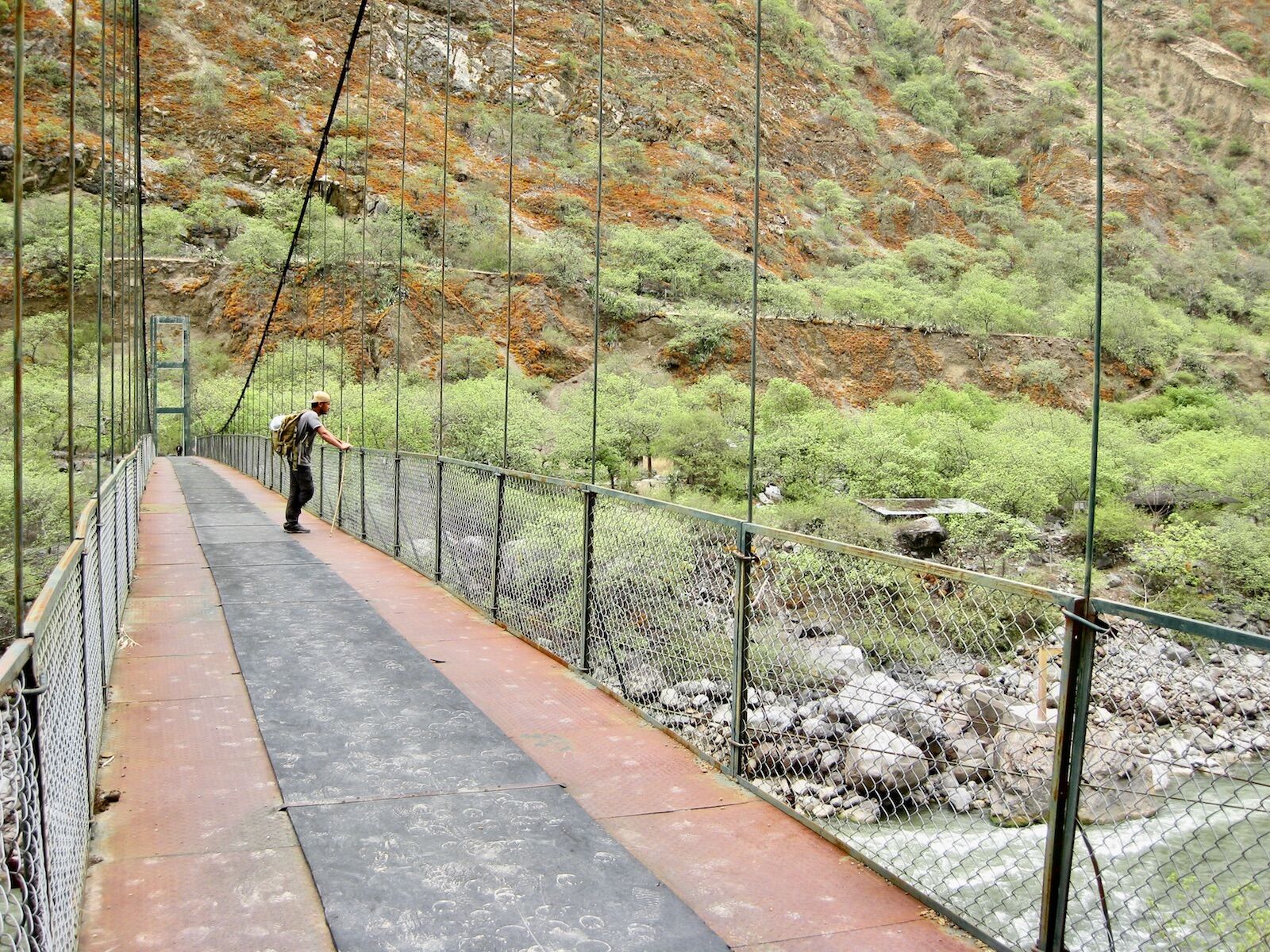
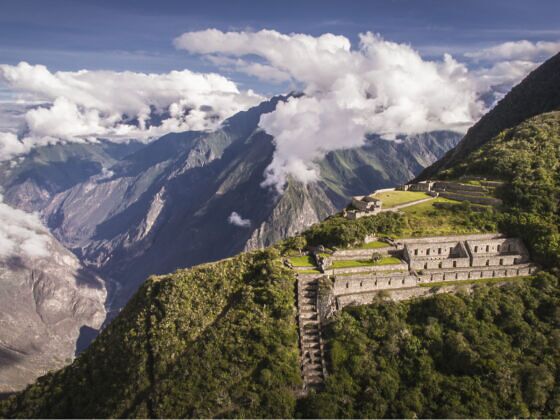
Restoration to this small Incan city only began in the ’90s. The first visitors had to cross the Apurímac River via a rope bridge to reach it.
During a typical afternoon at Machu Picchu, you’ll be one among hundreds (if not thousands). At Choquequirao, you might see six or seven other visitors, if any.
While the ruins currently sit under the radar, their recent addition to the tour rosters in Cuzco means they won’t stay there forever. There’s also talk of building a highway to the site within the next 10 years. Consider yourself warned — get there now.
Practicalities
Choquequirao lies northwest of Cuzco, on the opposite side of snowy Mt. Salkantay from Machu Picchu. Access is via the highway to Abancay.
Photo: Rick McCharles
The trek has become standard fare among tour operators in Cuzco, running around $200 per person, all-inclusive (minus tip, of course). Remember the general rule: the farther you wander from the main plaza, the less you’ll pay.
Of course, it’s possible to visit the ruins on your own. Knowing some Spanish is helpful, but the destination is popular enough now that most people will know what you’re doing and be able to help.
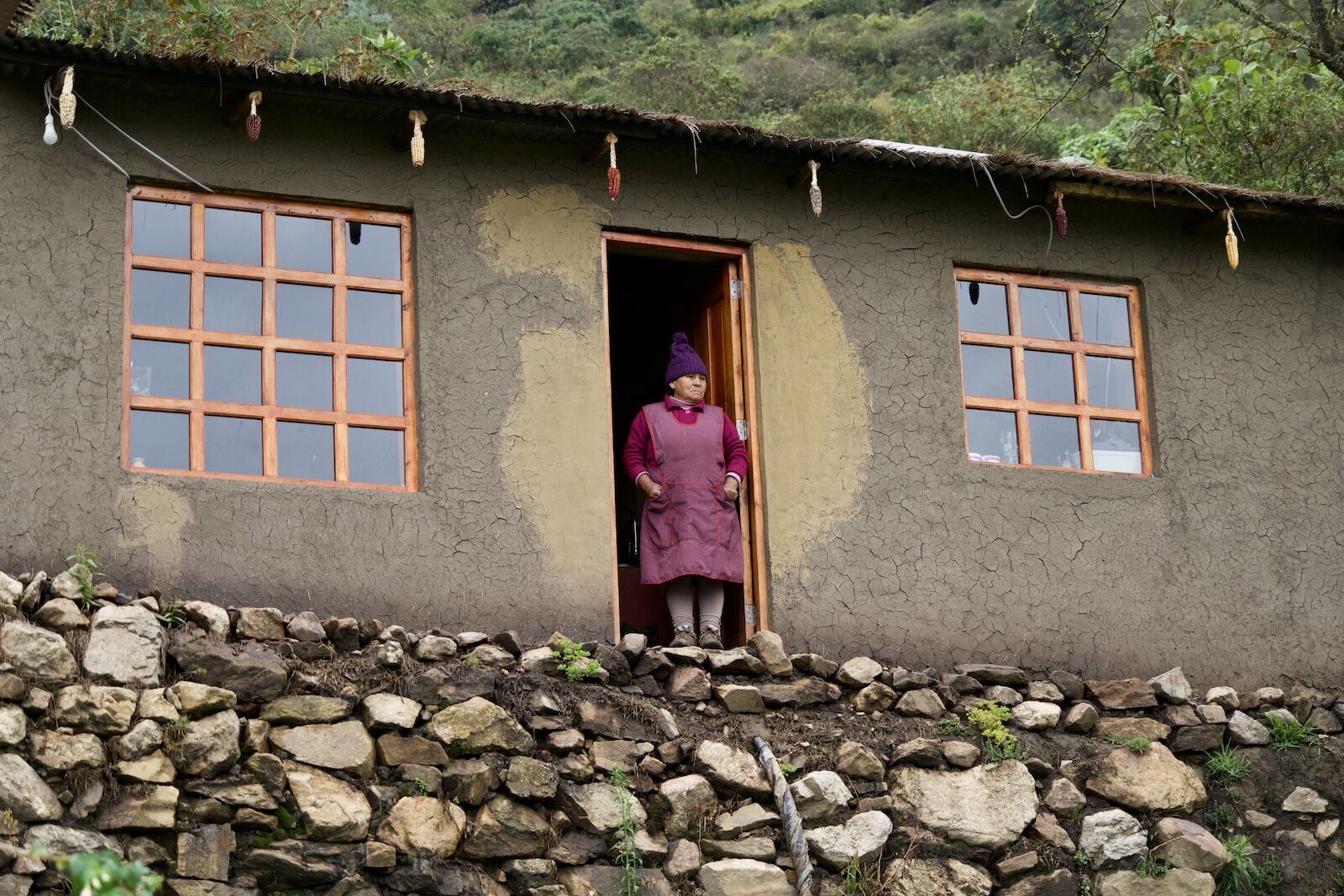
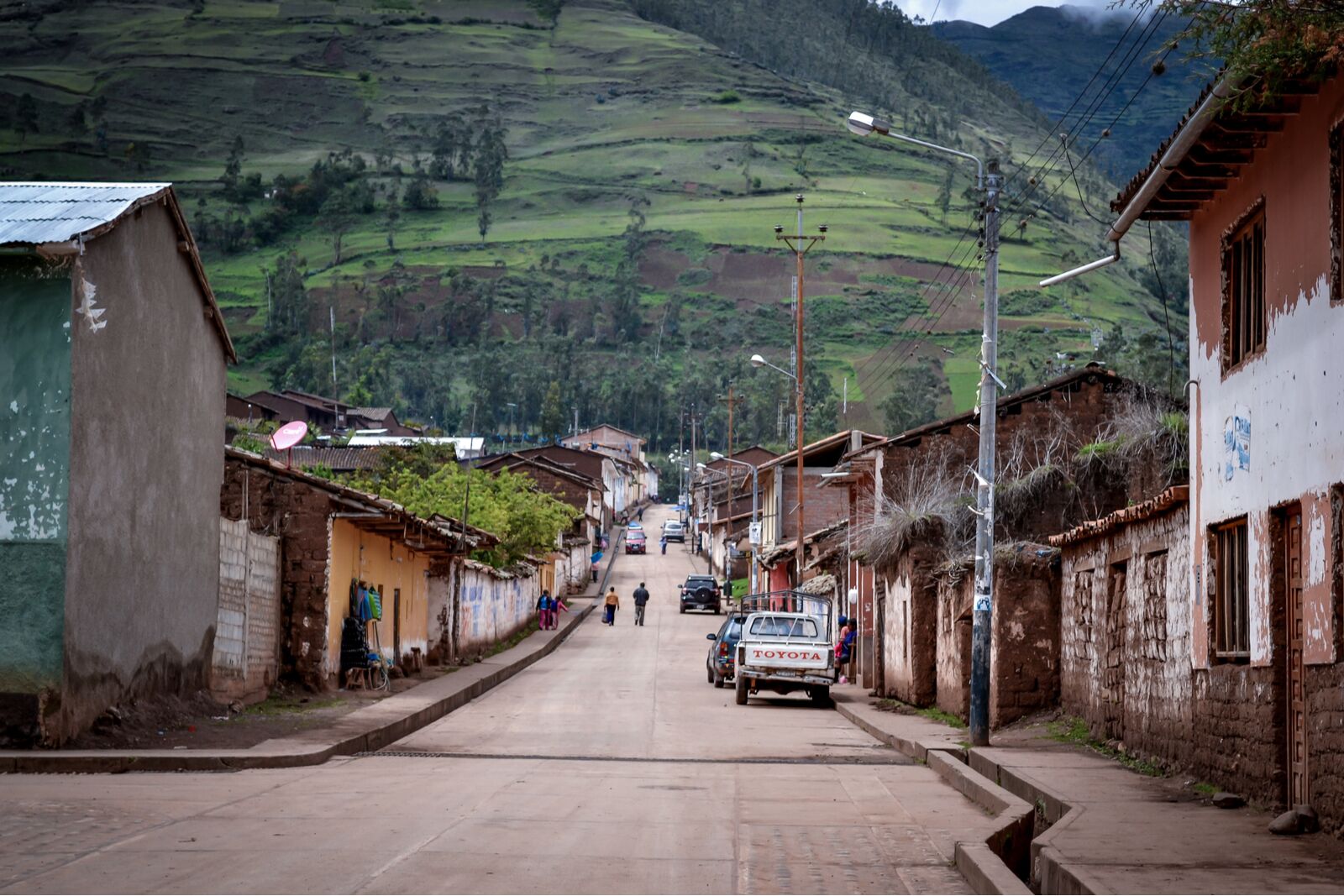
Hop an Abancay-bound bus and ask the driver to let you off at the turnoff to Cachora, just after the Saihuite archeological site. From there, flag down one of the frequent taxis that make the short journey to Cachora. There’s basic accommodation in the village if you need it.
From the plaza, follow the main road downhill, continuing after it turns to dirt. Soon, you’ll see a blue entrance sign pointing you towards the path to the ruins. Once on it, it’s nearly impossible to get lost.
Independent hikers will need to pay two different access fees along the trail, as it runs through Apurímac and Cuzco Departments. Each is around $12 per person.
Come prepared — you’ll be experiencing vastly different elevations and ecosystems, so both mosquito repellant and a warm sleeping bag are advisable.
The Trek
This is no saunter down the Inca Trail.
Photo: Nelo
From the village to the ruins and back, you’re looking at 74 km (46 miles). But it’s the elevation changes that really kill.
On the first day, the trail drops 1,800 meters (6,000 feet) to the floor of the Apurímac River valley, only to climb even higher on day 2. Then, you do the whole thing again when it’s time to leave.
Don’t let your guide — carefully trained in “exhausted-tourist encouragement” — fool you. This is tough stuff.
Most tours run 4 days/3 nights, but duration depends largely on your ability. Some people take 5 or even 6 days. I did mine in 3…barely. True speed demons (and the clinically insane) have been known to make the round trip in 2.
As with any tour in Peru, the more time you can spare, the more you’ll explore and discover. And in this case, the more your body will thank you when you’re done.
Photo: author
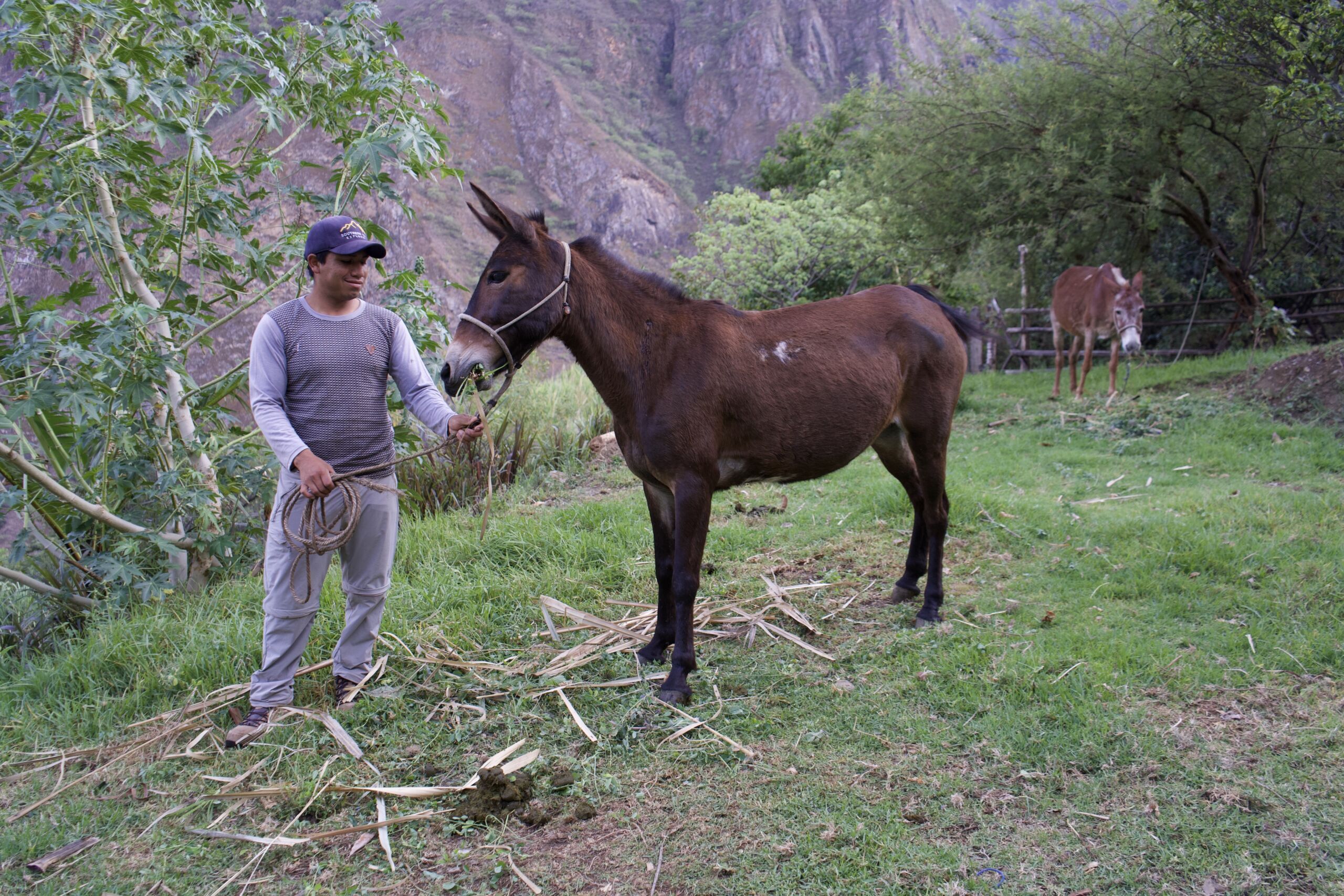
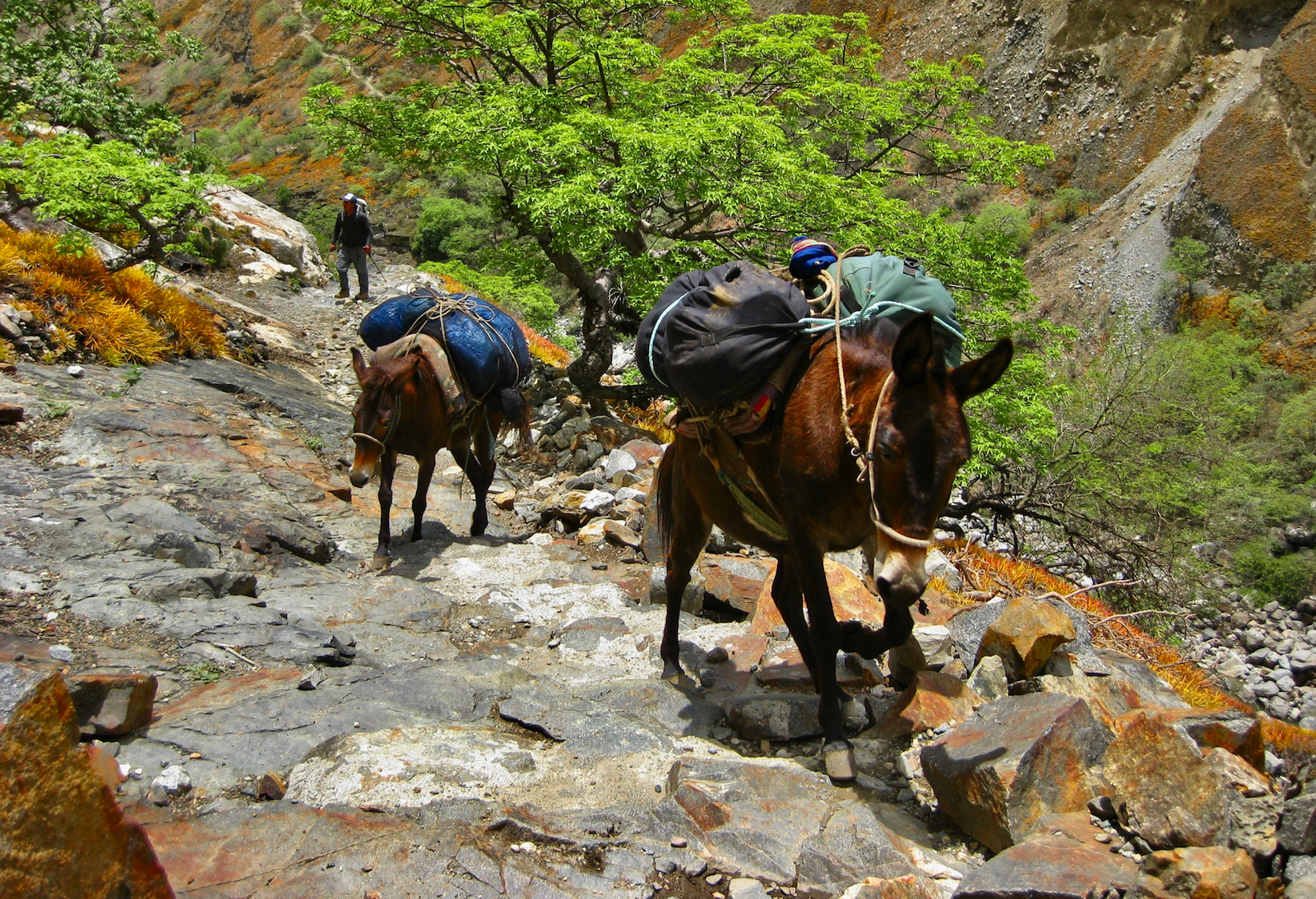
Speaking of sore bodies, a better option for independent trekkers than lugging a 30-40 lb. pack is to hire a mule in Cachora. This is how gear is hauled if you go with a guide — there are no porters.
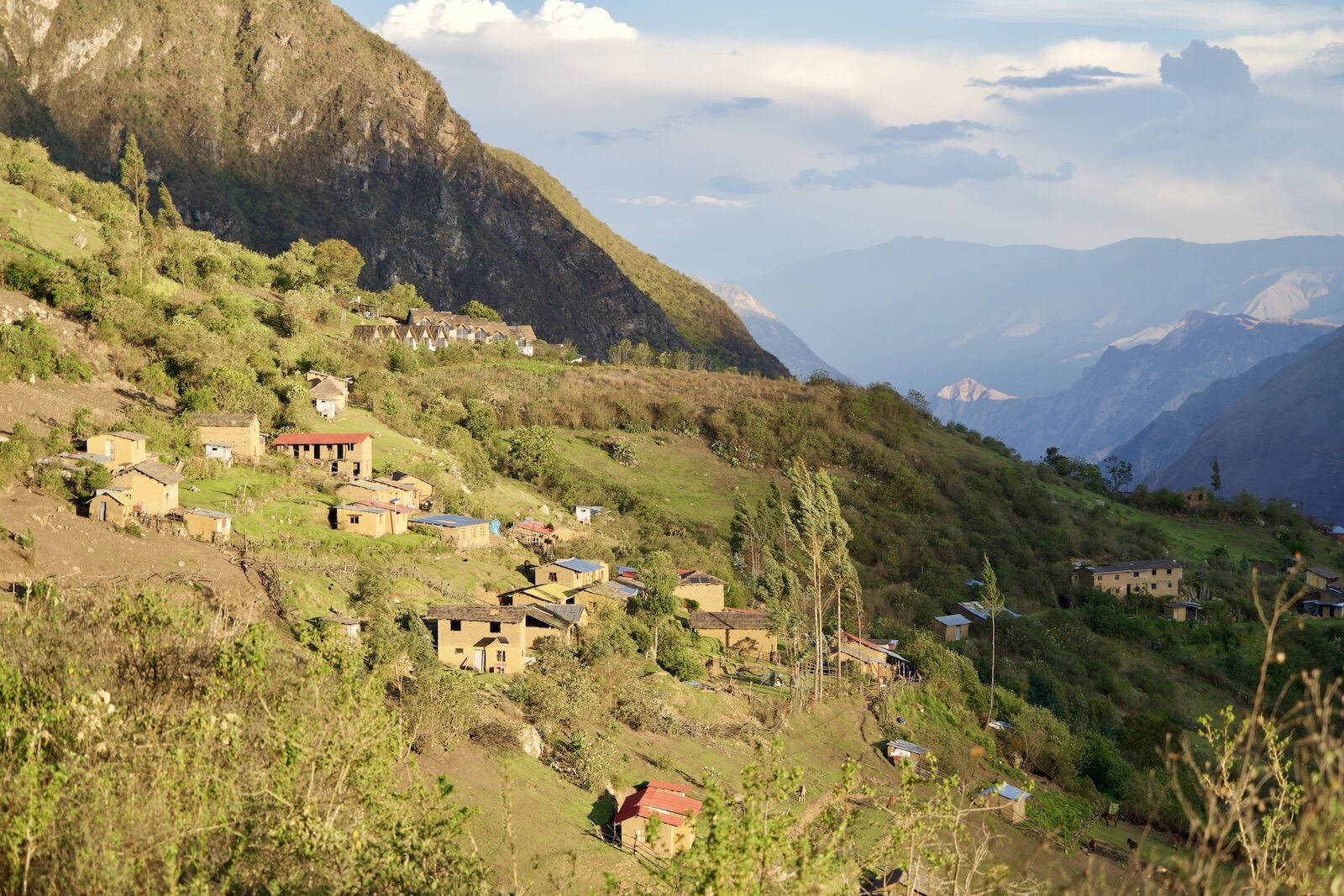
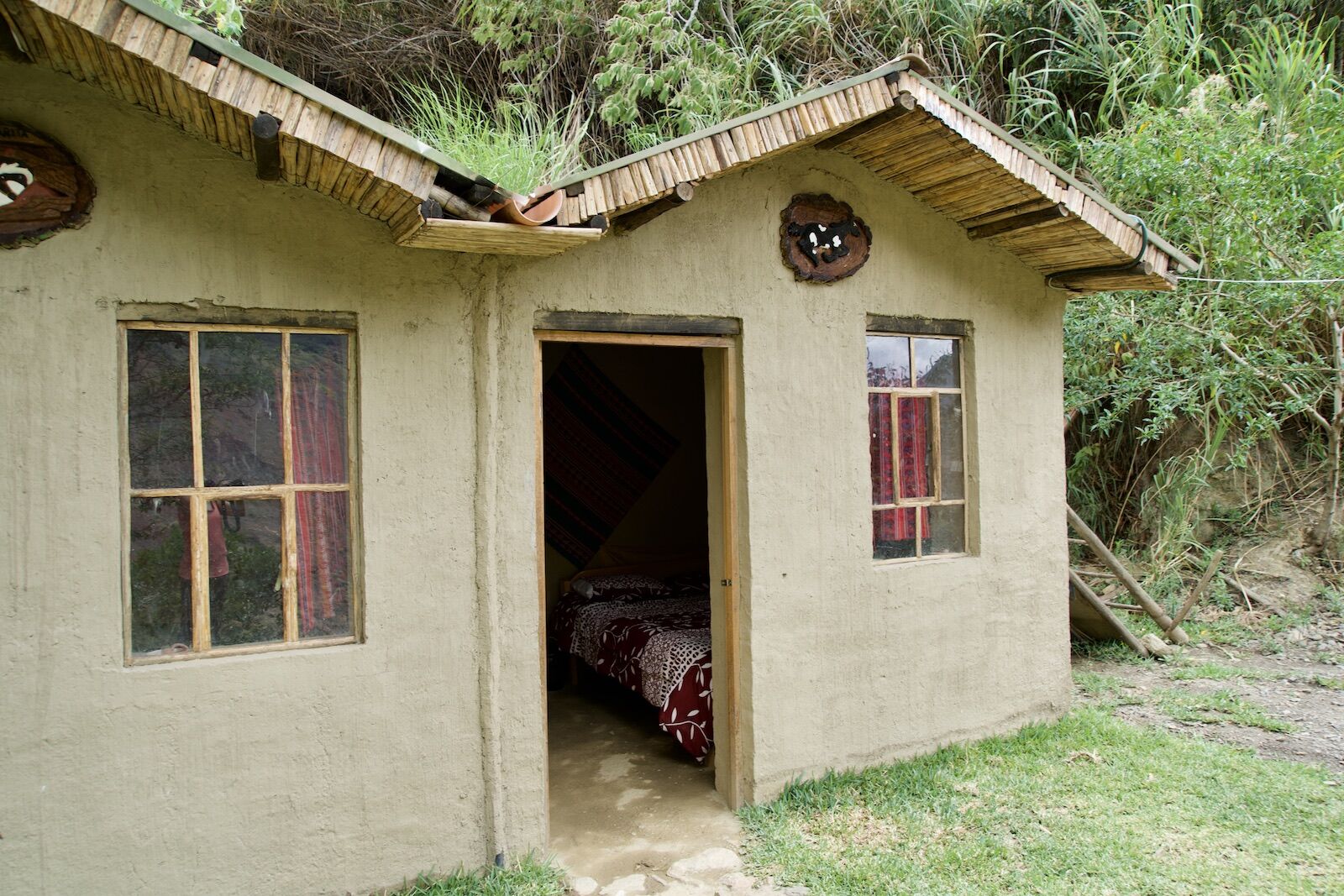
Campgrounds are plentiful, with three near the river on the Cachora side, a few at varying heights on the mountain opposite, and at least one at Choquequirao itself. They charge a dollar or two per tent, per night.
The best is at Maranpata, at the end of day 2′s long, steep climb. The open views are tremendous, though this makes it a bit chillier.
Bonus adventure
For those who truly want to immerse themselves in the land of the Inca, you can turn this into a 9-day trek that ends in Aguas Calientes (Machu Picchu town). From Choquequirao, the trail drops and climbs a few more times, passing other minor archeological sites en route.
My guide told me the Choquequirao-Machu Picchu trek is incredibly strenuous, but he also called it the best trek in Peru. Only a couple hundred people do it each year. Compare that to the 2,500 descending on Machu Picchu every day, and you’ve got yourself some serious isolation.
Photo: author
The Ruins
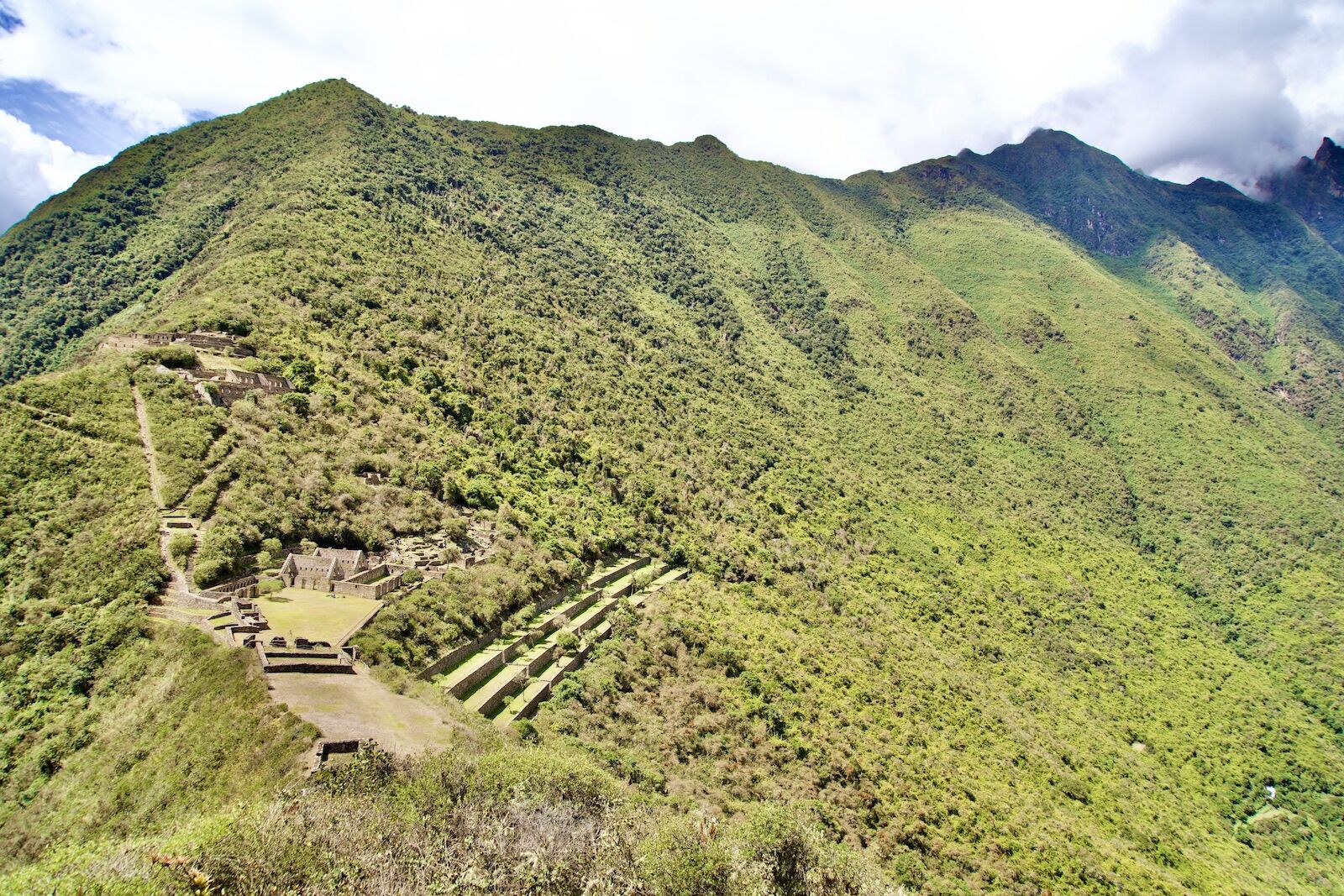
Some ads claim that Choquequirao is “bigger than Machu Picchu,” but this refers to the mountain itself, not the ruins.
Choquequirao was a small city, about 20 families strong, and has nowhere near the number of structures as its famous cousin.
However, because restoration began only recently, there’s likely much more still hidden by jungle.
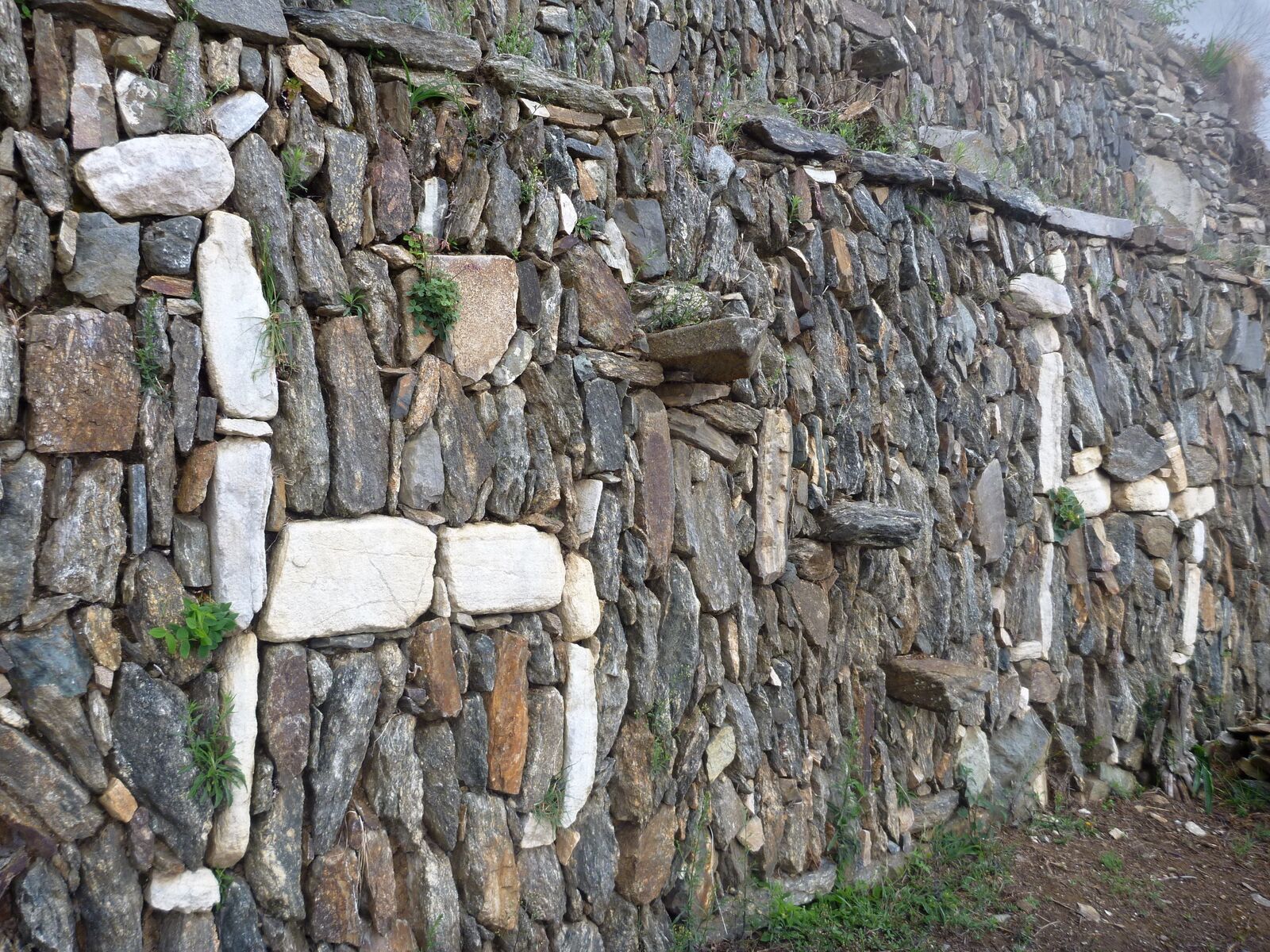
Though your legs may be resisting at this point, make sure to follow the path that drops steeply on the far side of the ruins, which will lead you to a series of terraces. These original stone walls are decorated with white rocks that create the figures of llamas.
Photo: andyinsouthamerica
You won’t find these at Machu Picchu, or anywhere else for that matter.
But the real attraction of Choquequirao is simple: there’s no one there.
Apart from a few teams of restoration workers and one or two other small tourist groups, you’ll have the quiet, magnificent ruins all to yourself — almost as if you were discovering your own Machu Picchu.
Community Connection
Regardless of how many Choquequiraos become available to tourists, the classic Inca Trail to Machu Picchu trek will remain the biggest draw. Trips has what you need for this itinerary too. Make sure to check out How to Trek the Inca Trail and Machu Picchu on the Cheap.
Related Posts
Hal Amen
Hal Amen is a managing editor for Matador. His personal travel blog is at WayWorded.
More By This Author
- Austin-based group builds community center in Cambodia
- 16 ways technology is mapping the universe (19 comments)
- DIY videos: 50 projects for home and travel (2 comments)


Pingback: Machu Picchu Reopens Today