Photo: Azulblue/Shutterstock

Airbnb’s Hotel Expansion Is a Bigger Deal Than It Sounds.

Travel Technology + Gear
by Tim Wenger Jun 12, 2026

When I was serving on the board of my town’s destination marketing organization, the most contentious item on the agenda, year after year, was short-term rentals. The town had enacted a cap on them. It wasn’t popular with everyone, but the math was simple: every home converted to an Airbnb is one fewer home available to the locals who staff our restaurants, teach our kids, and keep the town functioning year-round. Visitors don’t notice housing shortages. Residents can’t escape them.


This article first appeared on Matador Network’s behind-the-scenes Substack newsletter, where our editorial team shares the inside dirt on being professional travelers.


Subscribe to Matador Network’s
Free Insider Travel Substack


Recently, Airbnb CEO Brian Chesky publicly admitted that sometimes, a hotel is the better option and backed that up by announcing Airbnb will begin listing boutique hotels on its platform. I felt something close to vindication. Not gloating. More like: finally.

The pivot that’s been a long time coming

airbnb new features - chemsky on stage

Photo: Suzie Dundas

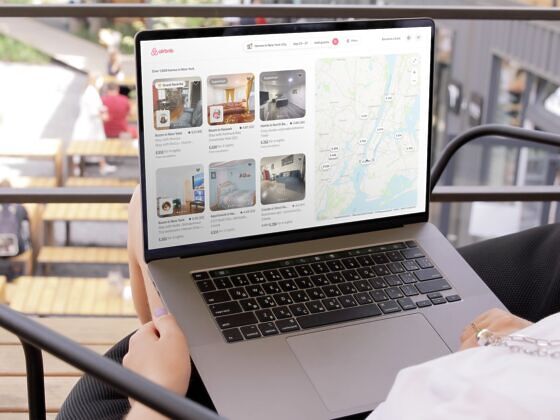
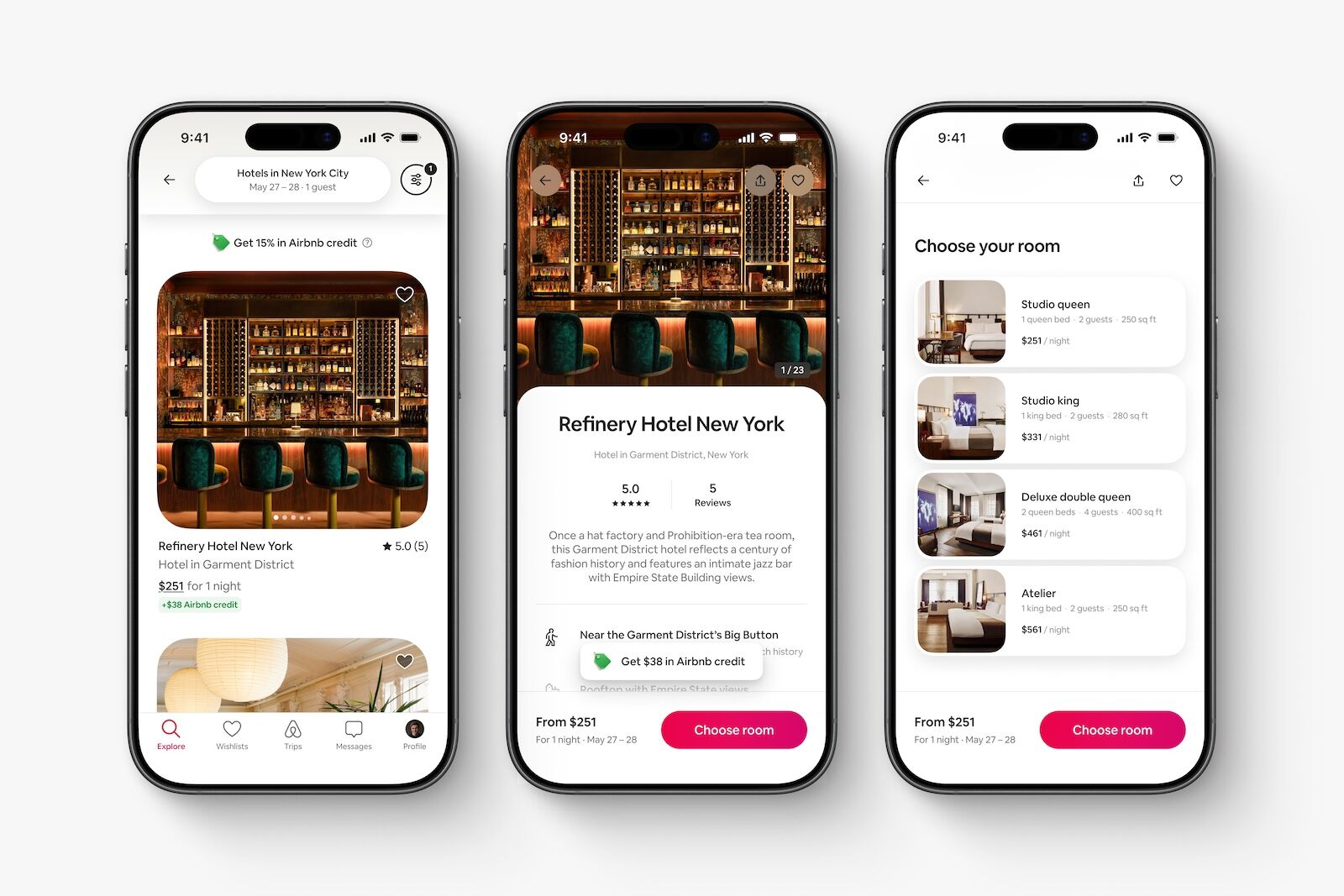
Airbnb is rolling out a suite of new features, including hotel listings, AI-assisted trip planning, and grocery-buying capabilities, as it moves toward becoming a full-spectrum travel platform. The hotel integration is the headline, and it’s a significant one. For years, Airbnb’s entire brand identity rested on the idea that staying in a home was more authentic, more local, more real than checking into a hotel. Now the company is acknowledging that this isn’t inherently true and that boutique properties can deliver exactly the kind of neighborhood-embedded experience its platform has always promised.

For overtouristed communities struggling with housing pressure, this is welcome news.

Every destination that has gone through the painful work of capping short-term rentals — Barcelona, Telluride, Sedona, Santa Fe, even my little town of Palisade, Colorado — did so because there was no other lever to pull. The housing stock was vanishing into the vacation rental market, and local workers were being priced out of the communities they sustained. A hard cap was blunt-force policy. But the alternative was watching the character of the place collapse under the weight of its own appeal.

A screenshot of Airbnb’s new boutique hotel booking capabilities. Photo: Airbnb Newsroom

If Airbnb begins directing a meaningful share of bookings toward boutique hotels, which were purpose-built for travelers and don’t compete with residential housing stock, it reduces the incentives for homeowners to convert long-term rentals into short-term ones. That’s not a silver bullet, but it’s a move in the right direction.

Capturing the ‘neighborhood’ vibe

airbnb hotel expansion - crossroads hotel

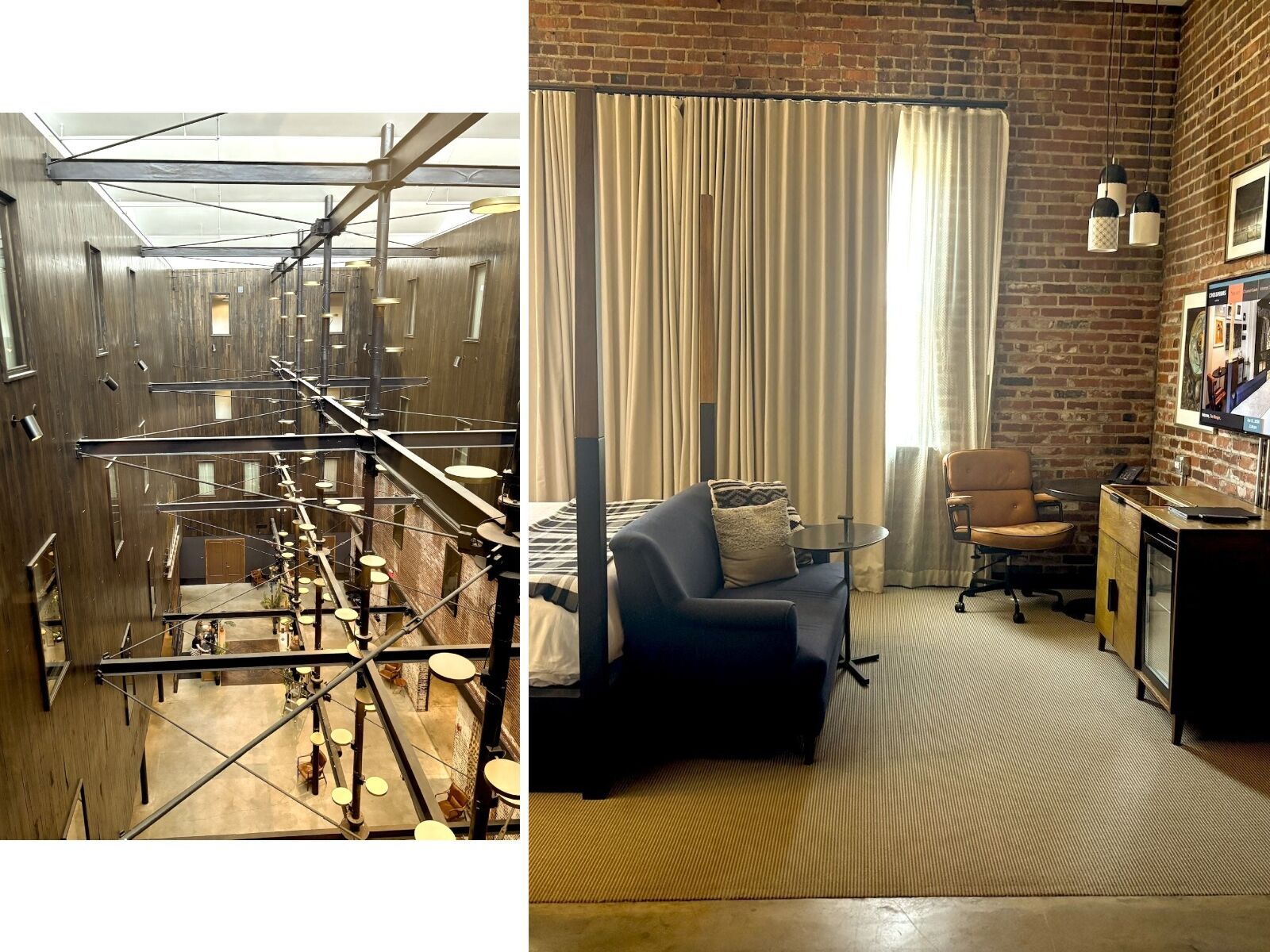
The Crossroads Hotel. Photos: Tim Wenger


Here’s the part of the story that often gets overlooked in the Airbnb-versus-hotels narrative: the best boutique operators didn’t spend the last decade complaining about disruption. They responded to it by becoming something the platforms couldn’t replicate.

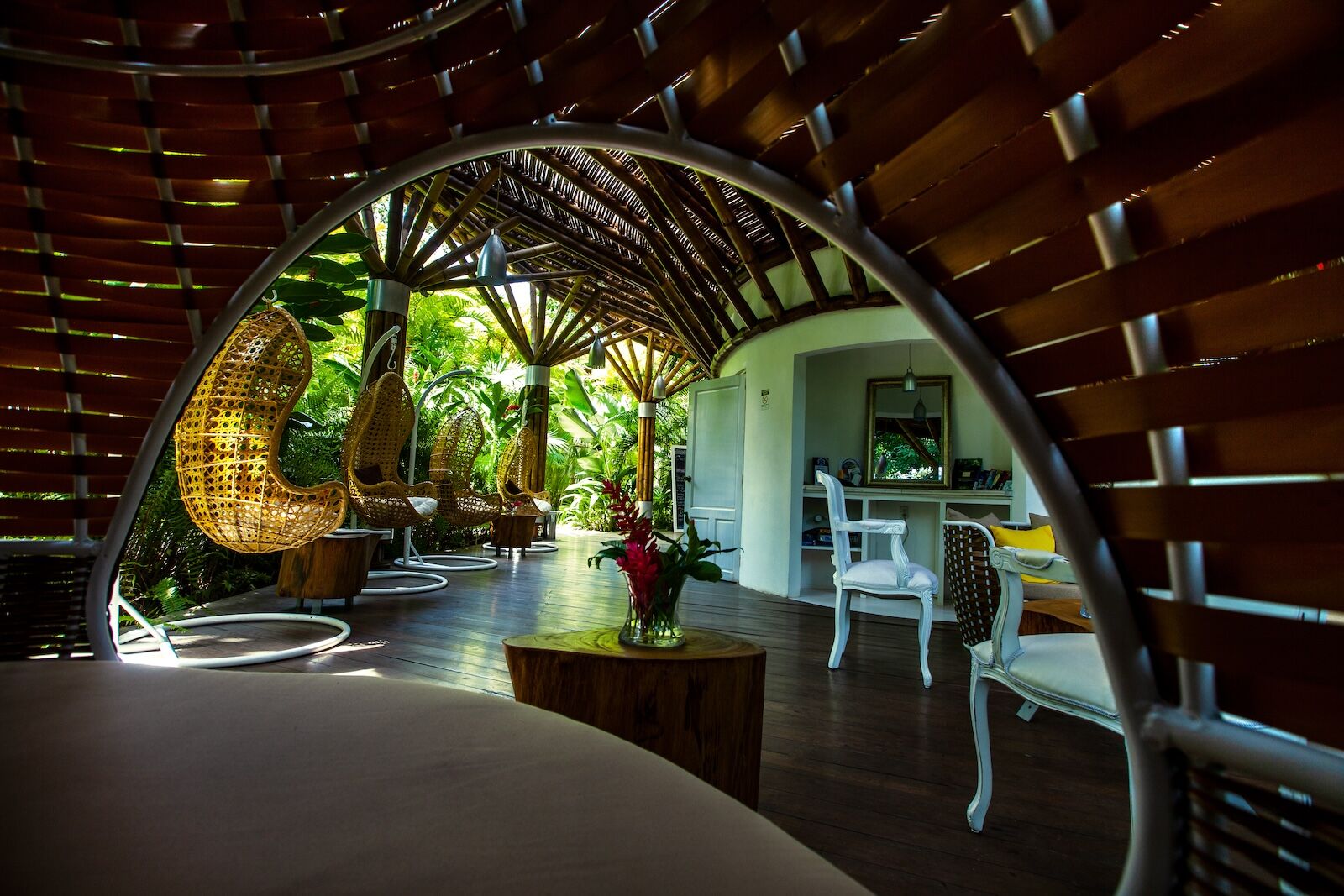
Lobbies became coworking spaces and community gathering spots. Restaurants stopped being afterthoughts and started earning their own press. Playlists, local artwork, neighborhood partnerships, staff who actually know the barista two doors down — these became competitive advantages. The boutique hotel sector essentially looked at what made Airbnb appealing — a local feel, personality, a sense of place — and decided to do it better, with room service and a functioning fire code.

Nobody has executed this more effectively than Aparium Hotel Group. I wrote about its Crossroads Hotel in Kansas City earlier this year, and it’s one of the clearest expressions of what Aparium calls “trans-local” hospitality — an approach that rejects the cookie-cutter franchise model in favor of properties that feel genuinely rooted in their neighborhoods. Crossroads sits in Kansas City’s arts district, and it doesn’t pretend to be somewhere else. The design, the food and beverage program, the events — all of it is calibrated to the specific culture of that specific block.

This is the model Airbnb has always claimed to champion. Aparium and operators like it actually built it.

A rebalancing

airbnb hotel expansion  - boutique hotel

Photo: Cris Young/Shutterstock


It would be easy to overread Airbnb’s hotel pivot as a concession of defeat. It isn’t. The home-share market isn’t going anywhere, and Airbnb will continue to dominate it. What’s changing is the platform’s relationship to its own ideological framing.

Chesky’s admission that hotels are sometimes the better option is significant precisely because it opens a door that Airbnb’s brand mythology kept tightly shut. Loyal Airbnb users who default to the platform out of habit will now encounter boutique properties in the same interface where they’d normally book a spare bedroom. Some of them will make the switch for a given trip. And in a place like the 2,600-person town I helped market, every night booked at a locally owned hotel is a night that isn’t adding pressure to the residential rental stock.

That’s a modest claim, and I want to be honest about its limits. Hotel listings on Airbnb don’t solve the structural housing shortfalls that decades of underbuilding have created. Boutique operators can’t house the workforce that a ski resort or a national park gateway community needs. Policy still has to do the heavy lifting.

But the fact that the platform that spent 15 years positioning hotels as the uncool alternative finally concedes that boutique hospitality has won the argument about what authentic travel looks like is a big f’n deal. Aparium figured this out years ago. Airbnb is now reacting.

What we needed, and what communities like ours still need, isn’t fewer travelers. It’s smarter infrastructure. Boutique hotels, built by operators who care about neighborhoods, are part of that answer. It took Airbnb a while to figure that out. Better late than never.


Subscribe to Matador Network’s
Free Insider Travel Substack

Discover Matador

Save Bookmark

We use cookies for analytics tracking and advertising from our partners.

For more information read our privacy policy.