Once the days start getting longer and blue skies start peeking out from behind gray clouds, it’s natural to start thinking about the best ways to get outside. Unfortunately (or perhaps fortunately), deciding on the best national park to visit in the spring is no easy task. Even parks you’d think would be less than ideal in March and April — say, Denali National Park and Preserve in Alaska — can be amazing if you’re someone who likes camping on snow or winter road trips.
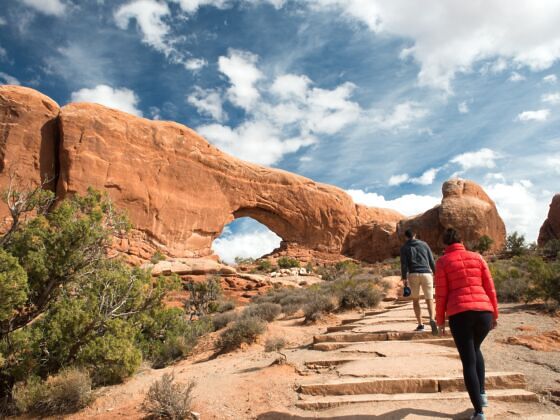
Photo: Arches National Park/Chris Wonderly/Public Domain
The 9 Best National Parks to Visit in Spring, According to National Park Professionals
So rather than relying simply on tried-and-true recommendations of the best parks to visit in the spring that you’d find on almost any spring-themed park article, Matador Network decided to go straight to the source. We reached out to professionals around the country who work in national parks and asked them for their top recommendations, based on their years of experience exploring the country’s public lands.
These are the parks you need to visit in the spring, according to the people who know them best.
Some quotes have been edited for length and clarity.
For migrating butterflies: Great Smoky Mountains National Park
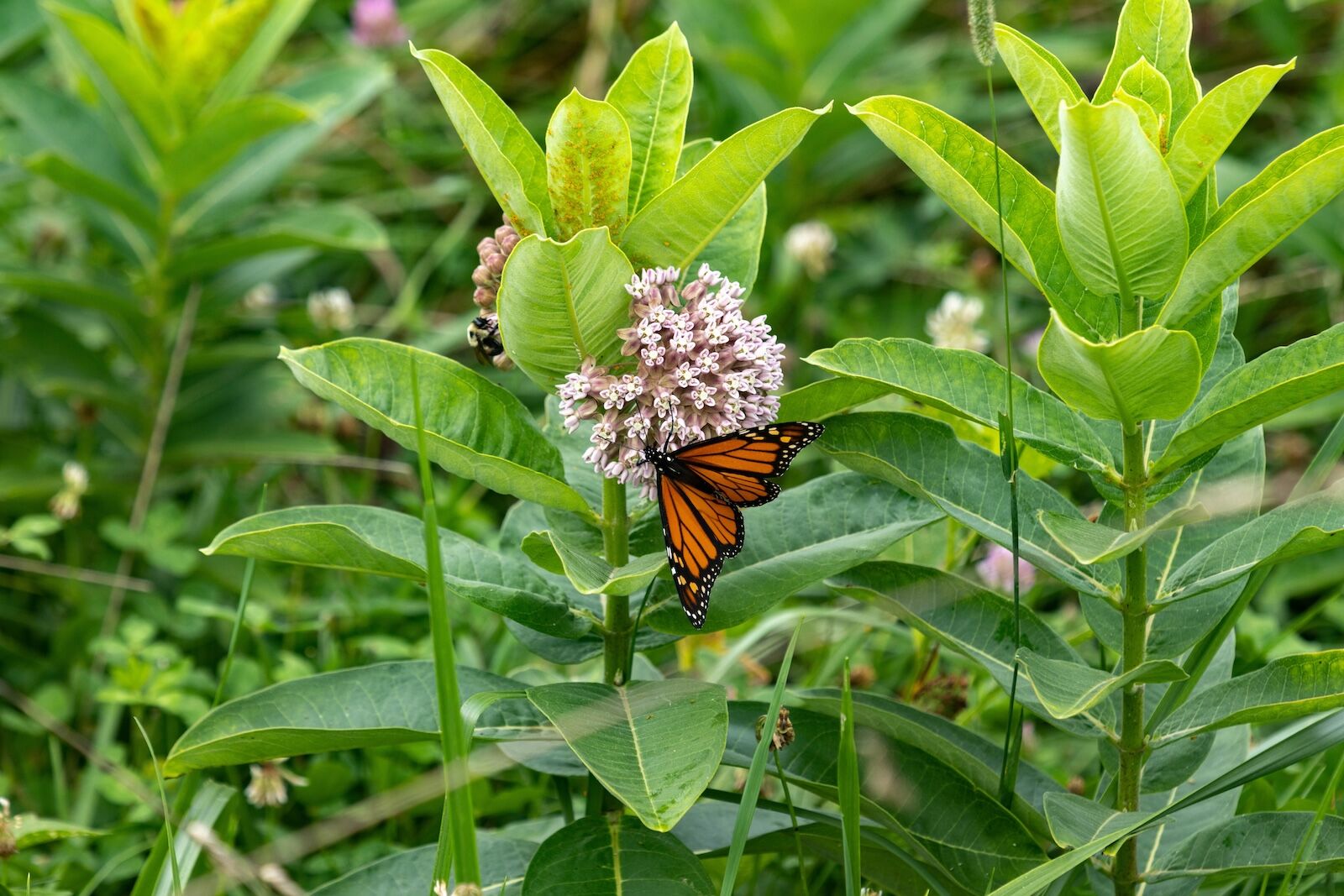
Photo: Carol Mellema/Shutterstock
Wanda DeWaard is an outdoor educator who works with the University of Tennessee Field School and runs Earth Kin, a program that teaches outdoor skills. She’s studied monarch butterflies for more than two decades.
“The park I love to visit in the spring is Great Smoky Mountains National Park. It is small as national parks go [but] is also considered one of the most biodiverse places on the planet, so the diversity of wildflowers is simply amazing. It’s also a park created primarily from private property, so it is a unique blend of people and landscapes — in other words, a unique blend of culture and natural history. And best of all, in April, I start to see monarch butterflies returning north from their sanctuaries in Mexico.”
DeWaard recommends that spring visitors start at the Sugarlands Visitor Center to get guidance from volunteers and staff on where to go in the park based on conditions. If you visit between April 23 and 25, you can join in on guided hikes as part of the Spring Wildflower Pilgrimage. Visitors can also inquire as to where to go to potentially see butterflies or wildflowers, noting that the extreme elevation change in the park means the blooming season lasts all spring. “If you miss the spring flowers in the lower elevations, you can simply travel higher and catch spring there,” she adds.
For glowing landscapes: Arches and Canyonlands National Park
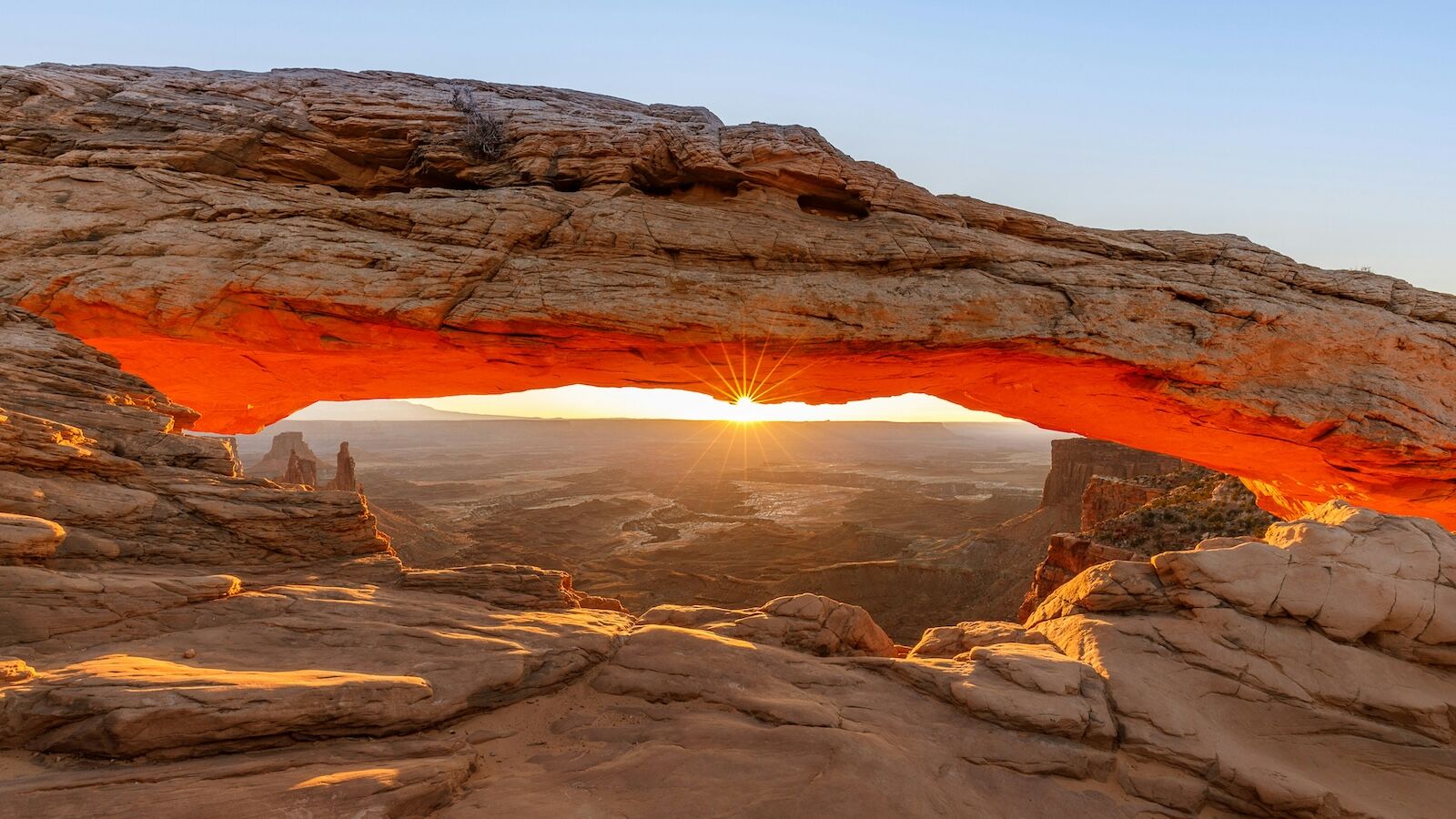
Photo: Andrey Grinkevich/Shutterstock
Erika Swanson is the General Manager at the fly-in-only Kantishna Roadhouse, a historic lodge deep within Alaska’s Denali National Park & Preserve. She recommends two of Utah’s five national parks: Canyonlands and Arches.
“I have been to Moab, which is a gateway to both parks, in April. Going here feels like stepping into a world carved by time and lit from within. The red rock warms under the sun. The air carries that clean desert brightness, and the whole landscape glows like it’s been freshly polished. It’s truly breathtaking. It’s my favorite place to go. In spring, the mornings are cool, the afternoons warm, and the light changes the color of the rock seemingly every hour. It’s a place where you can watch shadows move across the stones.
As someone who lives in a national park, Swanson recommends visitors plan for at least one early morning. “I think one should catch sunrise at least once,” she says. “It is a different world at dawn. The stones light up like they’re on fire, especially the Mesa Arch.” While you’re there, “listen to the wind in the canyons, and the silence while sitting and looking at the huge rocks that tower like monuments. Watch how the light shifts across the landscape.”
She also gives a practical tip: hydrate early and often, noting that the desert is dry even in spring, and temperatures can greatly fluctuate from early morning to mid afternoon.
For raging waterfalls: Yosemite National Park
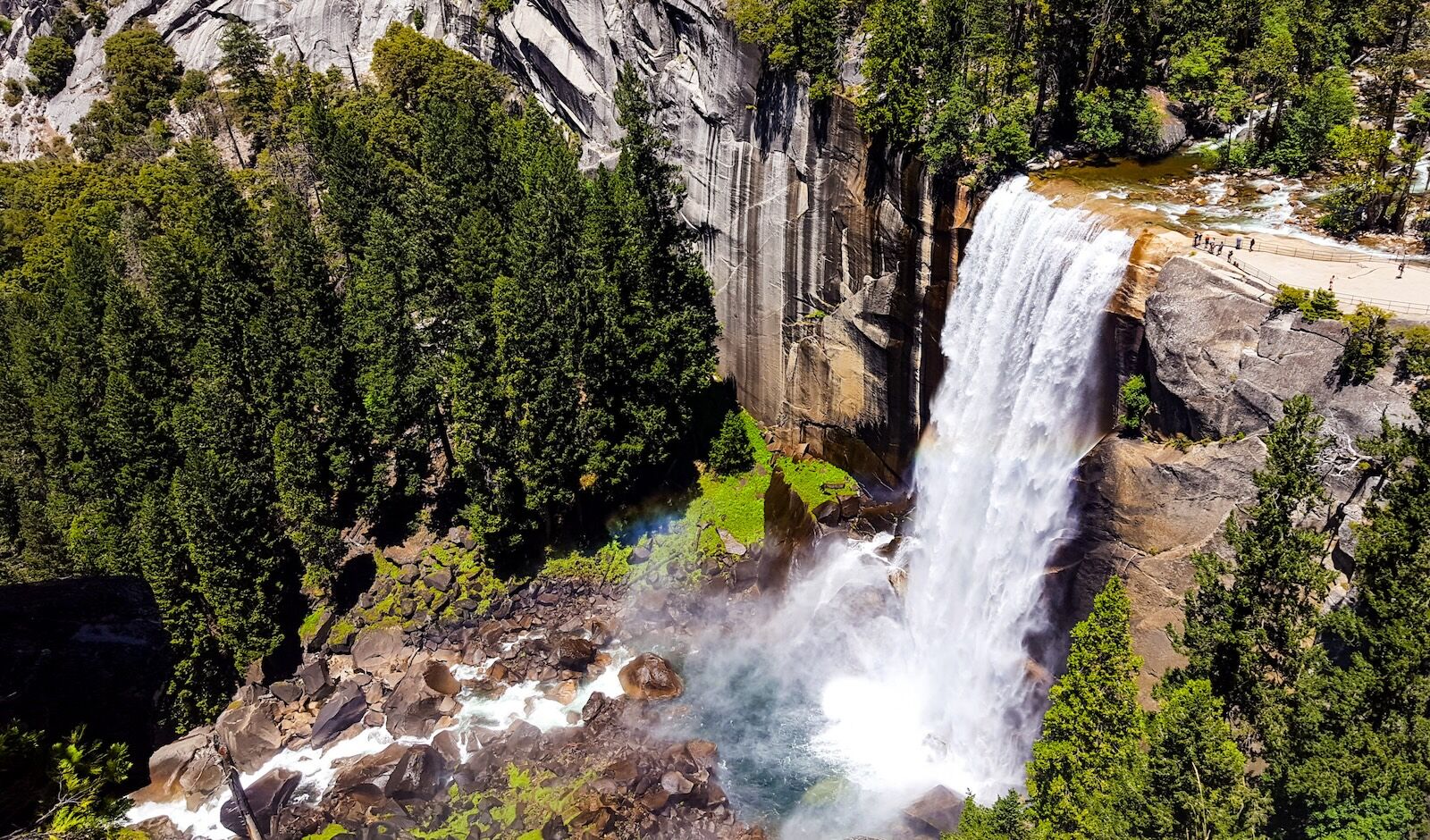
Vernal Falls, Yosemite. Photo: wanderingfete/Shutterstock
Matthew Enderle is the Lodgepole Subdistrict Interpreter at Sequoia & Kings Canyon National Parks in California.
“I am a Yosemite National Park alumnus myself who had the privilege of living and working in Yosemite Valley for three winters and springs, and I look back on those times with greater fondness than any other spring trip. Wildflowers of all colors begin to emerge in the meadows like weary eyes opening after a long winter nap. Hungry wildlife like deer, bear, and coyote emerge from their dens to feast after a long fast. These scenes alone are worth a spring trip but, of course, the spring waterfalls steal the show. ‘The snow is melting into music,’ once waxed John Muir, and this symphony plays with full gusto and spectacle in spring.
I spent many nights with my clubhouse windows open, listening to the distant roars of water from every corner of the valley sing me to sleep. There is no better time or place to be alive than Yosemite Valley in springtime.”
Enderle notes that would-be Yosemite visitors will find no shortage of travel tips online, but has one favorite way to introduce first timers to the park: enter after dark and camp in the park. “The grandeur of Yosemite Valley is completely veiled in darkness, and only the sounds of the scenery hint at what is to be revealed in the morning,” he says. “Waking up to the granite walls and waterfalls surrounding you is an unearthly sight is something that can only be experienced once, for newcomers.”
For cave exploration: Pinnacles National Park
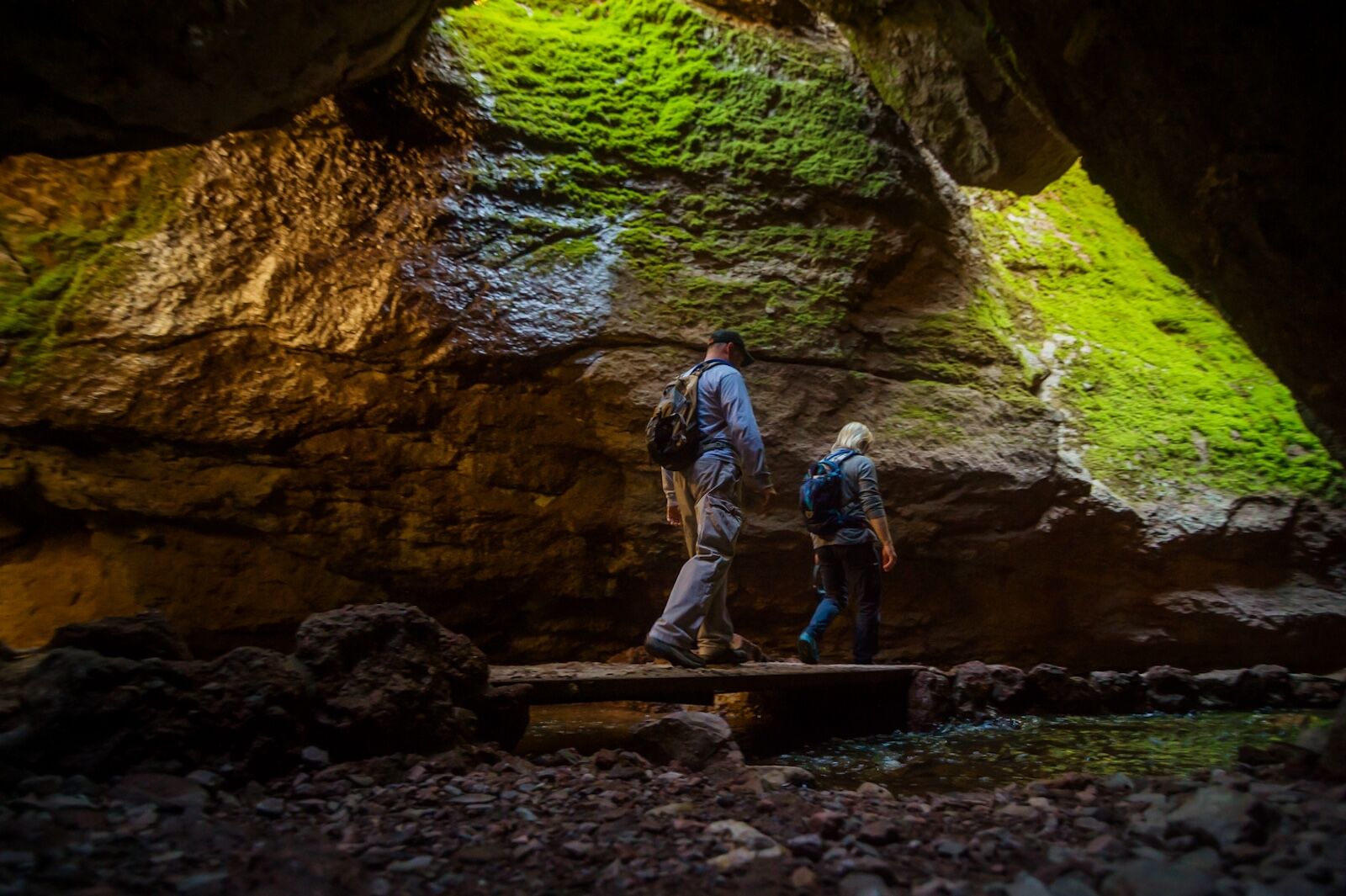
Photo: Pinnacles National Park/Kurt Moses/Public Domain
Sierra Willoughby is the Public Information Officer at Colorado’s Great Sand Dunes National Park and Preserve. She recommends Pinnacles National Park near Paicines, California.
“This smaller national park unit on wet years has beautiful green meadows and many species of wildflowers. One of the park’s lesser-known cool facts is that researchers found over 400 species of native bees in the park. It is also a great place for sighting California condors soaring overhead. In addition to towering pinnacles of volcanic breccia (chunky-looking rock formed by explosive eruptions), the park has narrow streams that have become caves from being covered by large talus blocks (rockslides). Exploring the Bear Gulch and Balconies talus caves are a highlight for any hiker venturing into the park.”
Willoughby also shares a key planning tip: there are two entrances, and they don’t connect inside the park. “So be sure to decide ahead of time which side you want to visit,” she says. The park’s one campground is by the east entrance, which is also the only entrance with 24-hour access. (The West Entrance is open 7:30 AM to 8 PM). The talus caves she recommends also have varying closures during breeding season for Townsend’s big-eared bats, with each cave’s status updated on the official park page.
For a multi-park trip: Great Smoky Mountains, Shenandoah, and the Blue Ridge Parkway
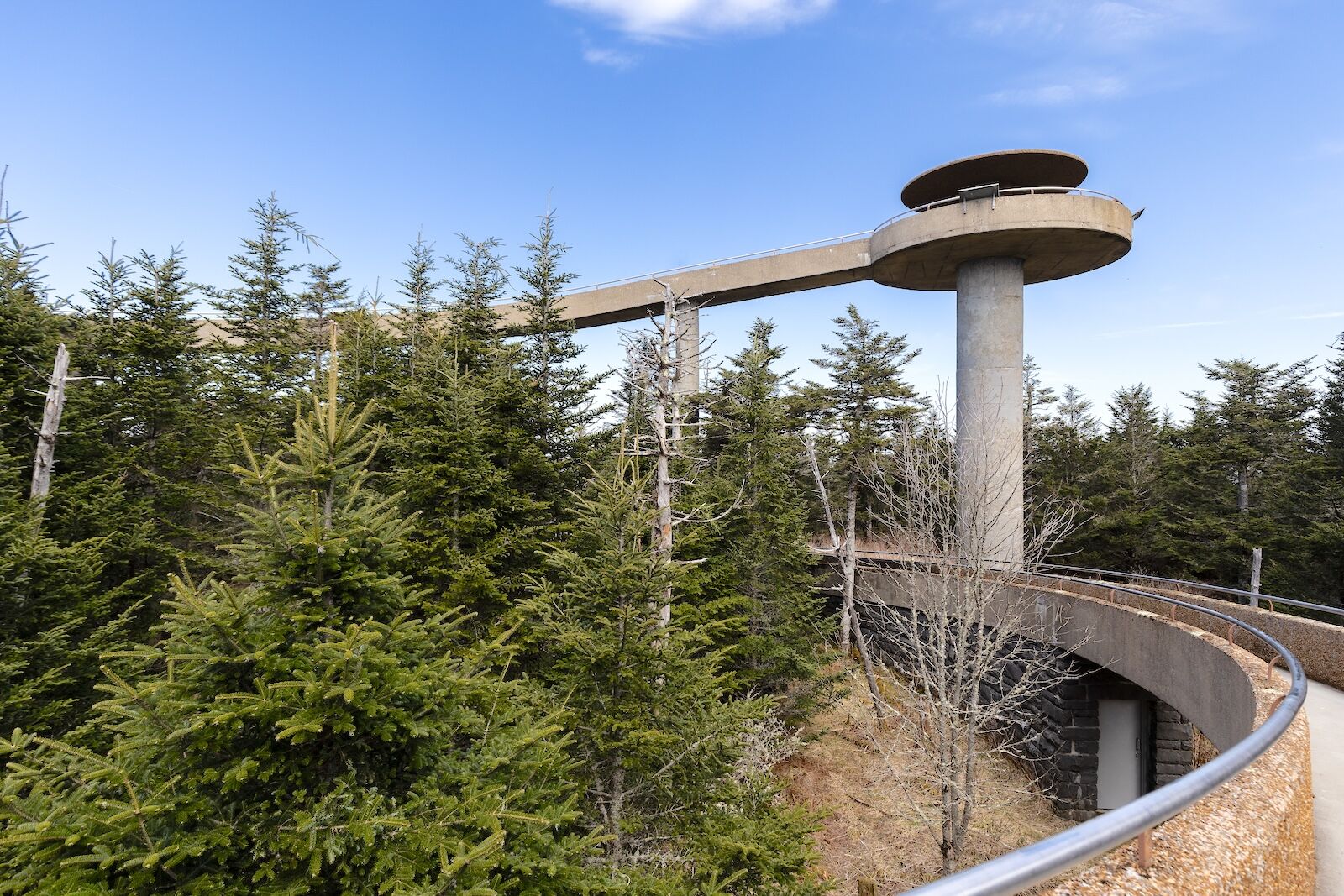
Photo: Joseph Hendrickson/Shutterstock
Bob Nodell is the general manager for Shark Valley Tram Tours in Everglades National Park in Florida. He recommends the ever-popular Great Smoky Mountains National Park for a spring trip.
“It’s a wonderful gateway to multiple activities. You can access multiple states and scenic corridors, so it’s an ideal place for multi-day exploration. The area also allows easy access to the Blue Ridge Parkway and Shenandoah National Park. It’s an incredible ecosystem contrast from [Everglades] and I love the opportunity to see and explore a place that is strikingly different. Additionally, it’s home to the other Mission 66 tower, Kuwohi Observation Tower, formerly known as Clingmans Dome Observation Tower.
Of course, springtime here in the Everglades is special, too, as there are warm days as we get to the end of the dry season, and we see lots of guests who love coming here in the spring.”
Great Smoky Mountains National Park was far and away the park recommended the most to Matador Network for a spring visit, and Nodell knows it gets busy. “Arrive first thing in the morning,” he advises, “as parking is limited.” That’s especially true for parking near some of the park’s most popular destinations, such as Kuwohi Observation Tower. It was built in 1959 as part of a project called Mission 66, which focused on enhancing and modernizing visitor facilities in national parks in honor of the National Park Service’s 50th birthday. Only a few were built, including the Shark Valley Observation Tower in Nodell’s own Everglades National Park.
For energetic landscapes: Zion National Park
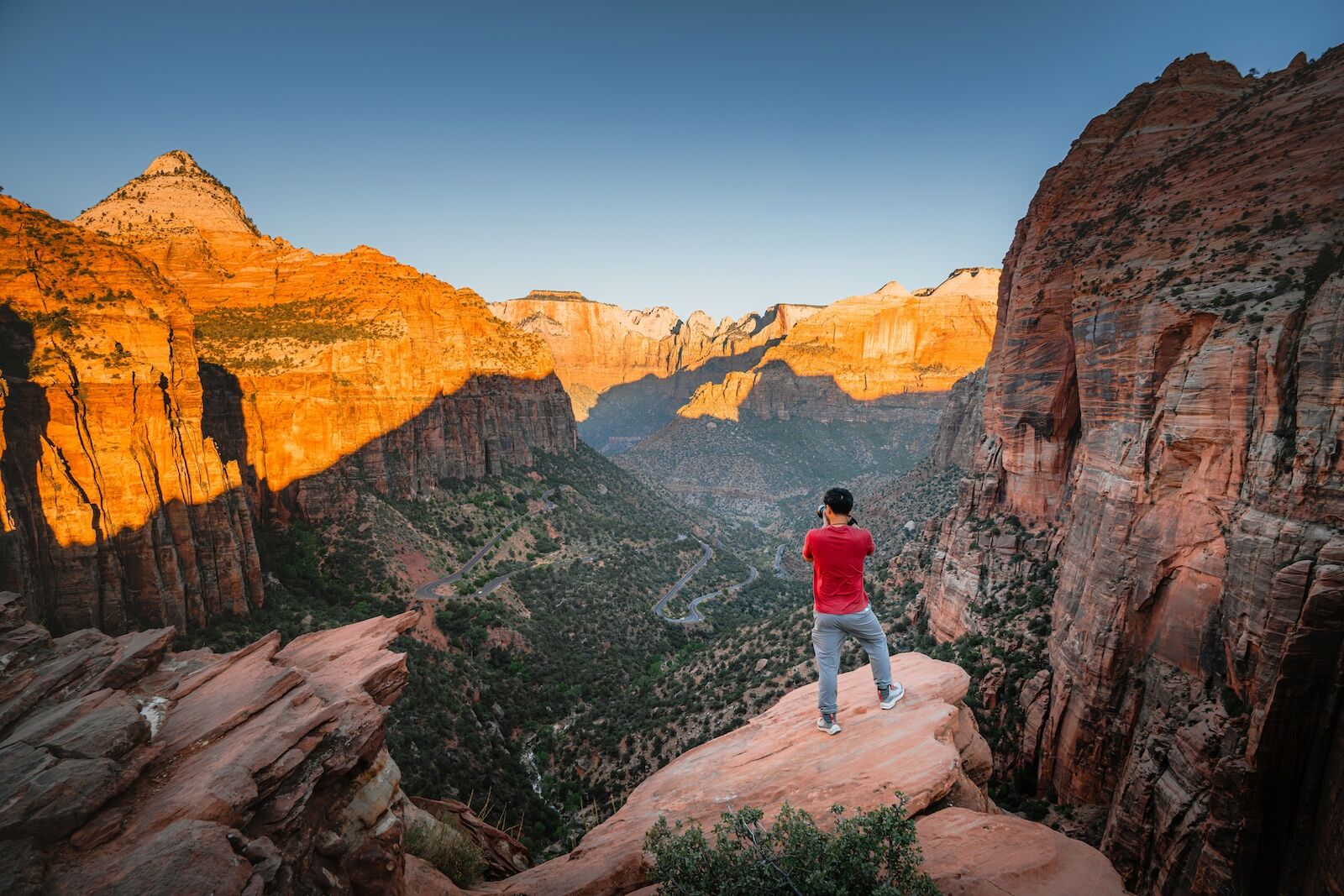
Photo: CameraOnHand/Shutterstock
Aiyana Erhart also works in Denali National Park and Preserve, as the Kantishna Roadhouse Operations Coordinator.
“One of my favorite national parks to visit in the spring is Zion National Park. Spring is such a great time to be there because the weather is comfortably warm, but not overwhelmingly hot like it can be in the summer. The desert starts to come alive with wildflowers, and the rivers are moving fast from snowmelt, which adds so much energy to the landscape. The contrast between the red rock cliffs and the fresh greenery and blue skies is stunning this time of year. It just feels like the park is waking up, and wildlife is becoming more active as well.”
Erhart recommends getting an early start to avoid crowds and take advantage of cooler temperatures. She advises visitors plan on using the helpful (and free) park shuttle to navigate Zion Canyon, with a special warning for people planning to do the popular Narrows hike: “Planning ahead and checking conditions is important, especially during spring runoff, which can affect water levels.” Spring travelers can check the water levels online via the park’s Narrows-specific hiking page.
Best for beating crowds: Grand Canyon National Park
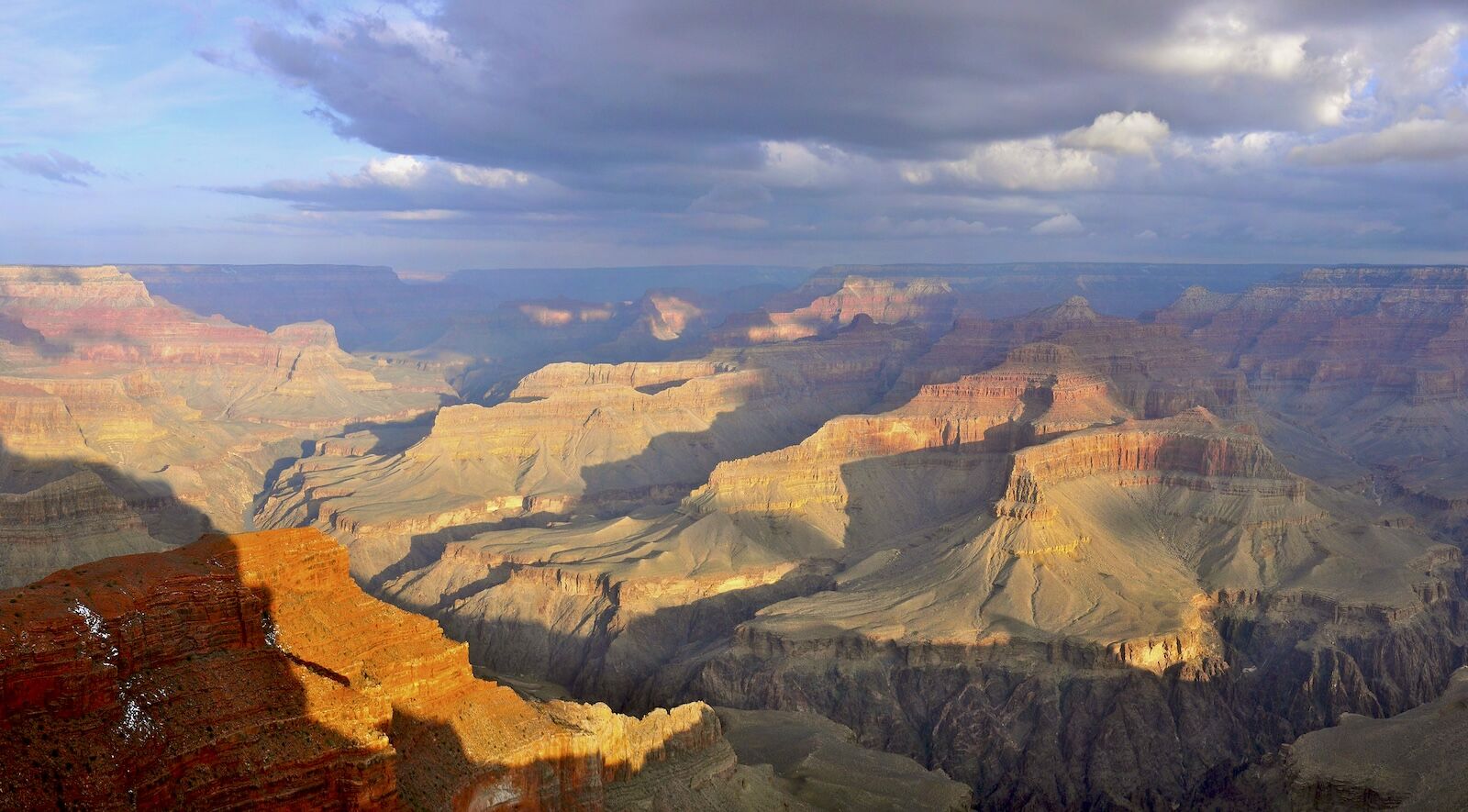
Photo: Grand Canyon National Park Flickr/Public Domain
Matt Johnson is the Interpretation Manager at Katmai National Park and Preserve in Alaska and has worked at National Park Service sites ranging from Yellowstone National Park to Ford’s Theatre National Historic Site to Tongass National Forest.
“Spring is the best time to visit Grand Canyon National Park when you can avoid the summer heat, crowds, and traffic backups at the park entrance gates, but still enjoy the benefits of all the scenic, natural, cultural, and wildlife wonders that the Grand Canyon has to offer. Hikes into the canyon are best in the spring because you likely won’t have to face the withering summer heat, or winter ice and snow, as you claw your way back to the canyon rim through ancient layers of limestone, shale, and sandstone.”
Johnson recommends visitors head to Hopi Point for spectacular views as the “colors of the canyon and the sunset melt into each other.” Everyone should take in the stillness, listening to the Colorado River flowing a mile below, he advises. If you’re a birder, “listen also for the toy tin horn songs of pygmy nuthatches and the grace notes of canyon wrens.”
If your interests are more niche than birding, you may already know the park for one of its other species. “Springtime visitors have the added bonus of being able to catch the tarantula migration,” Johnson notes. His other key tips? Be sure to use the south or eastern entrances, as the North Rim is still covered in snow, and “look out for the rock squirrels who will steal your picnic as soon as you take your first selfie.”
For extending the season: Great Smoky Mountains National Park
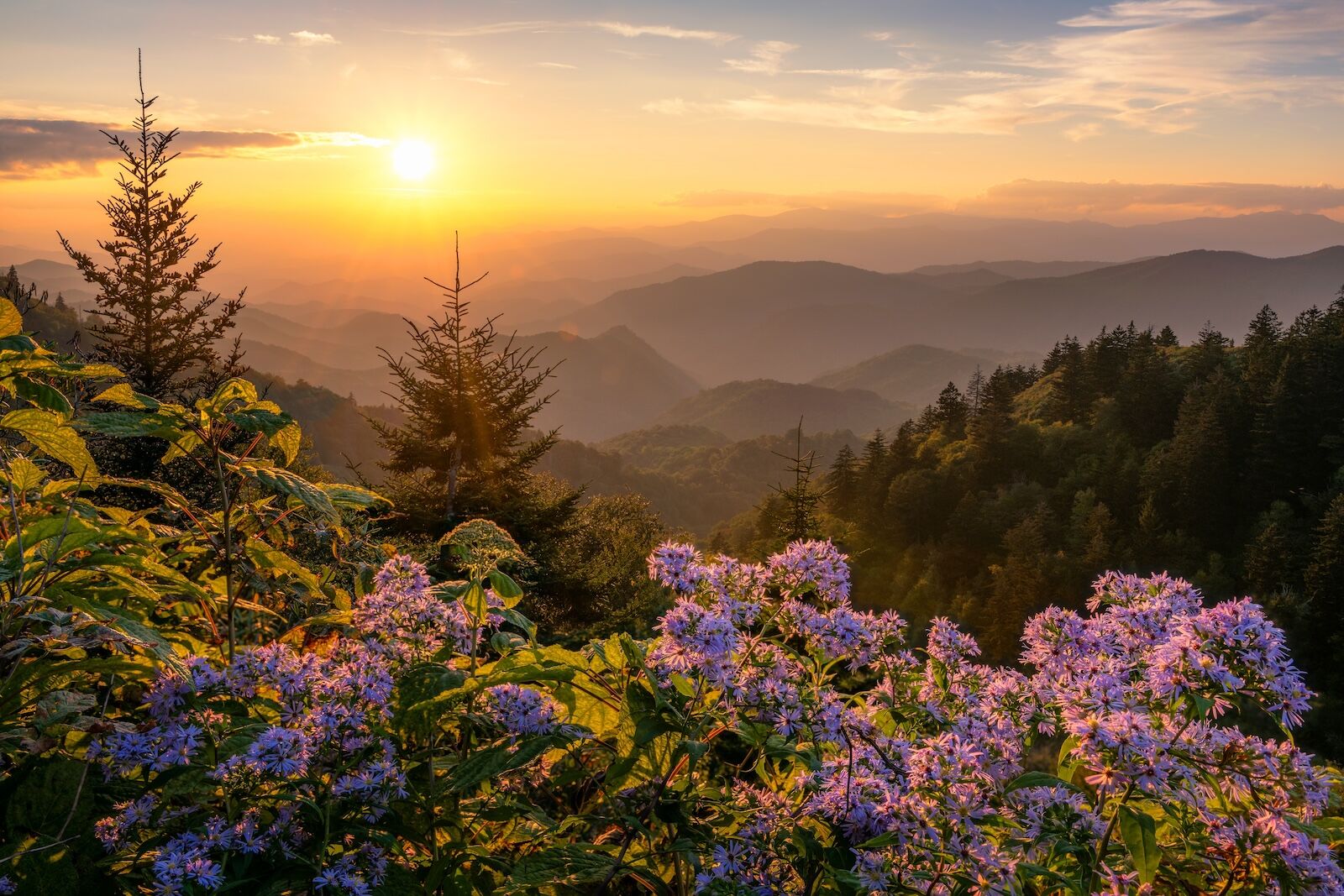
Photo: anthony heflin/Shutterstock
Liz Domingue is a naturalist guide and nature photographer with Just Get Outdoors, which offers photo classes, nature hikes, and guided backpacking trips.
“Great Smoky Mountains National Park shines brightly when it comes to showcasing the beauty, thrill and delight of spring. Throughout the Appalachian Mountains, the spring wildflower bloom in the Smokies is unmatched in both its abundance and diversity. The experience is enhanced by the many hues of spring green from a great variety of plants sprouting their new leaves and birds as they flood the forests and fields, filling the air with their vibrant songs. Because of an elevation range of more than 5,700 feet, the Smokies offers an extended spring, thus allowing for even more time to enjoy the full breadth of the season.”
Because of the park’s extreme elevation changes, visitors can find spring-like temperatures from about February to July. Head to the lower elevations earlier in the year for the warmest temperatures, or head to the park’s highest peaks on hot days in July if you’re keen to feel the breeze (and probably even need a jacket). 