Cariño, a small Mexican restaurant in Uptown Chicago led by Norman Fenton, earned its first Michelin star in 2024, a year after opening. I first learned about the restaurant while watching the Chicago episode of the Apple TV show Knife Edge. Fenton’s food looked precise and inventive, but what stuck out most was how he viewed the star less as a trophy and more as a way to make enough money to bring his wife and kids, still in Mexico, to live with him in Chicago.
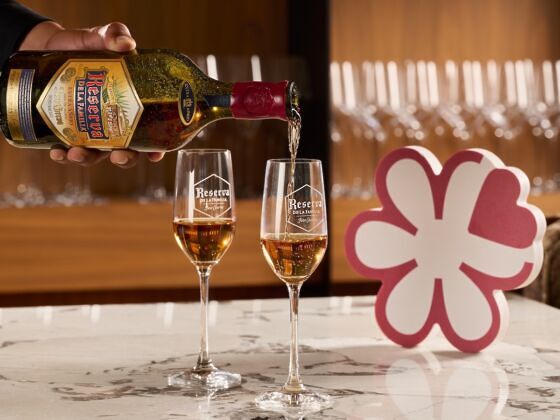
How This Michelin-Star Chicago Restaurant Makes Tequila Pairings Feel as Natural as Wine Pairings
The stakes felt high even through the screen as he traveled to Mexico to see them. In the end, he did get that star that Cariño deserves for its Latin-inspired tasting menu and taco omakase. Steady reservations turned into guest bookings far in advance. And with those high-dining dishes, Fenton pairs Mexico’s most famous spirit. Here, different expressions of tequila enhance both the courses and the drinks, just as a traditional wine pairing does at other restaurants. Recently, that pairing came from Cuervo’s Reserva de la Familia line.
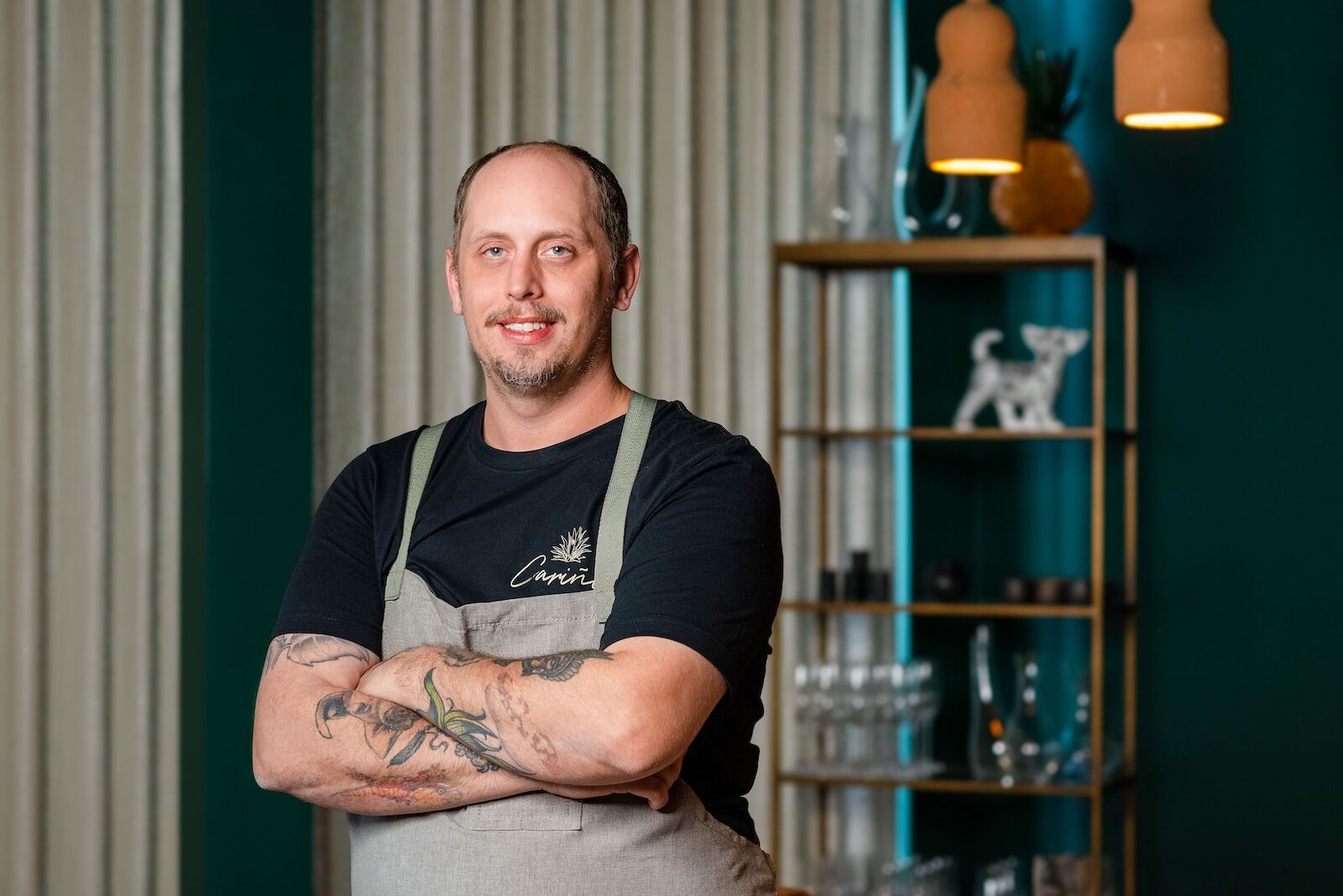
Photo: Kelly Sandos/Cariño
“They’re big pioneers in Mexican gastronomy, and really trying to put that on the forefront of not just a national map in Mexico, but on an international level,” Fenton says over the phone. “To let people know that, hey, tequila and Mexican food deserve the same seat at the table as French food and French wine.”
Before Cariño, Fenton cooked in some of Chicago’s most demanding kitchens. He then went to Tulum to run the kitchen at Wild, where he plunged into regional Mexican ingredients and the everyday ways people drink agave spirits. He’s driven from Chicago to Cancun and back, and has visited 28 of Mexico’s 31 states. Fenton’s expertise in Mexico’s cuisine surpasses his knowledge of tequila, but his appreciation for what the right tequila can add to a meal is clear. On our call, he talks about late-night staff meals and family dinners in Mexico where tequila is just part of the table: poured alongside food, woven into marinades and sauces, and passed between friends and relatives.
That’s the energy Fenton brings to Cariño’s pairings. Reserva de la Familia threads that respect for ingredients and cooking styles into the pairing in a way people expect from a Michelin-star restaurant. Cuervo’s own story is deeply familial: an 11th-generation tequila house that created the first extra añejo tequila, bottling fine spirits from barrels once reserved “for the family.” Paired with food from a restaurant named for the Spanish word for tenderness, it fits.
Fenton’s own family story came together as well. After years of waiting, his wife had her immigration interview. They crossed the border into El Paso together as a family on September 21, and late nights closing Cariño are now followed by early morning school drop-offs.
The Michelin star didn’t magically solve everything. It did open the door to more opportunities, and brought more guests. And more guests means more people who get to see first-hand not just why the highly lauded cuisine deserves to be in the same conversations about the world’s best, but also why a tequila pairing is as natural a fit as wine. What grows together, goes together, after all.
Pairing tequila with Mexico’s iconic dishes
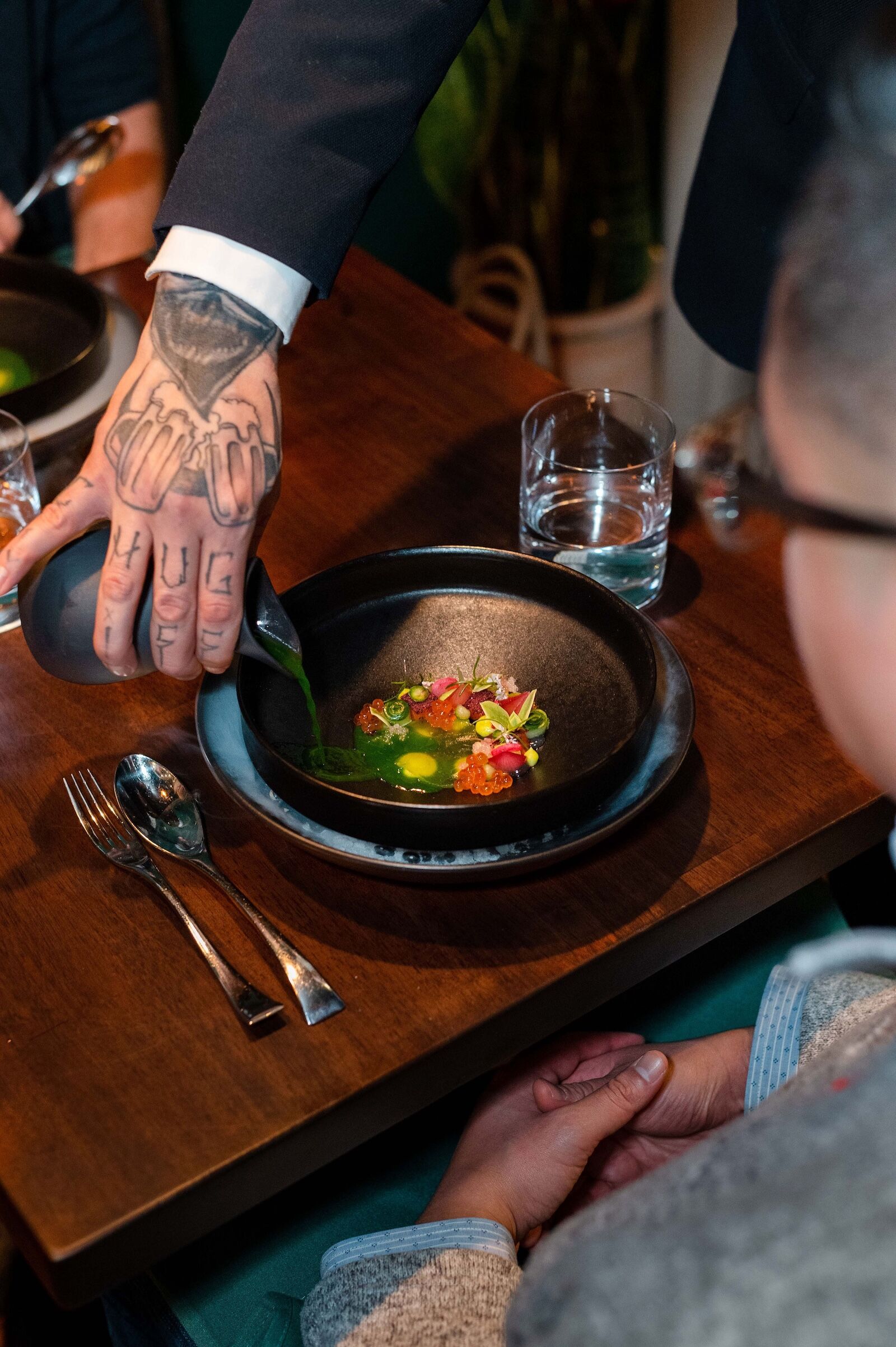
Photo: Kelly Sandos/Cariño
“It’s easy to forget just how human this spirit is,” Jaime Salas, head of Cuervo Legacy and Advocacy, tells me. “These aren’t just producers. Many come from multi-generational families that have refined their techniques over centuries. Cuervo, for example, is still an 11th-generation, family-owned company. The real magic of Jalisco is how each family’s interpretation of tradition creates unique expressions while maintaining the soul of authentic tequila.”
That lineage is what you’re really pairing with your tacos or tasting menu courses: one family’s interpretation of a very old conversation.
The easiest way to think about pairing tequila and food is by style and intensity. Blancos are the most direct line to the plant: bright, herbal, peppery, citrusy, and loaded with either fresh or cooked agave. They go well with high-acid dishes like ceviche and aguachile; grilled fish tacos with lots of lime; salads with jicama, orange, and chile. Reposados spend between two and 12 months in oak, picking up a little vanilla, caramel, and spice, which is a bridge to richer foods like carnitas, cheesy enchiladas, medium-weight moles, and roasted corn dishes like esquites or elote.
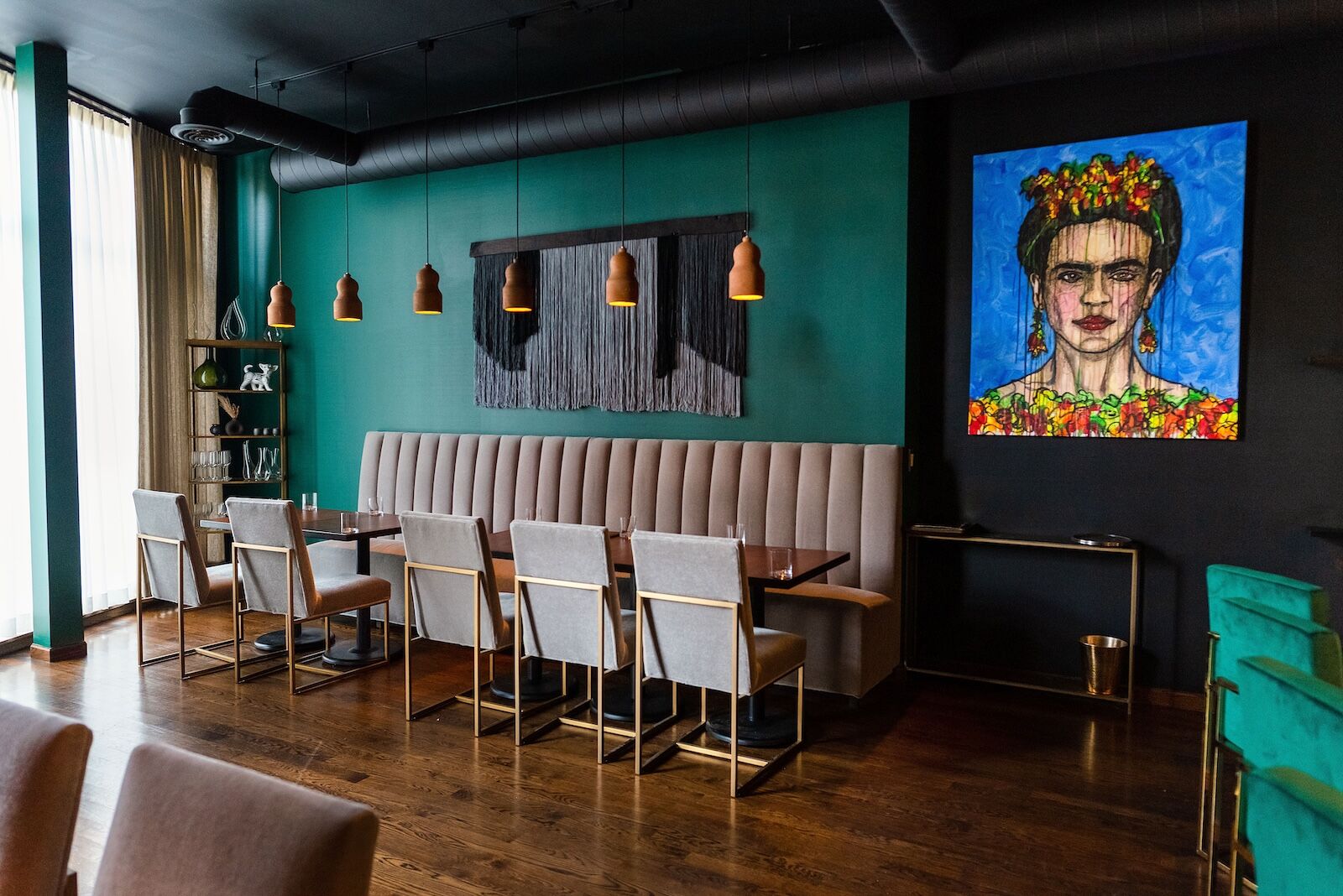
Photo: Kelly Sandos/Cariño
At Cariño, there’s a corn pasta dish that leans on corn silk, huitlacoche (a delicious fungus that grows on corn), and truffle butter sauce. The rich dish is paired with Reserva de la Familia’s reposado, “which has nice caramel notes that really complement the roasted corn notes,” Fenton says. “And because it’s tequila and not a light white wine, it cuts right through the fattiness of that butter sauce.”
Añejo and extra añejo tequilas spend more than a year in the barrel and are more influenced by the wood they age in. The baking-spice warmth and rounder sweetness make sense next to slow-cooked meats (like barbacoa) or after the main courses with dark chocolate, flan, or caramelized plantains. The basic principle is the same one Fenton uses at Cariño: match intensity with intensity. If the dish is rich, charred, or deeply sauced, you want a tequila with enough structure and depth to stand alongside it without drowning it out.
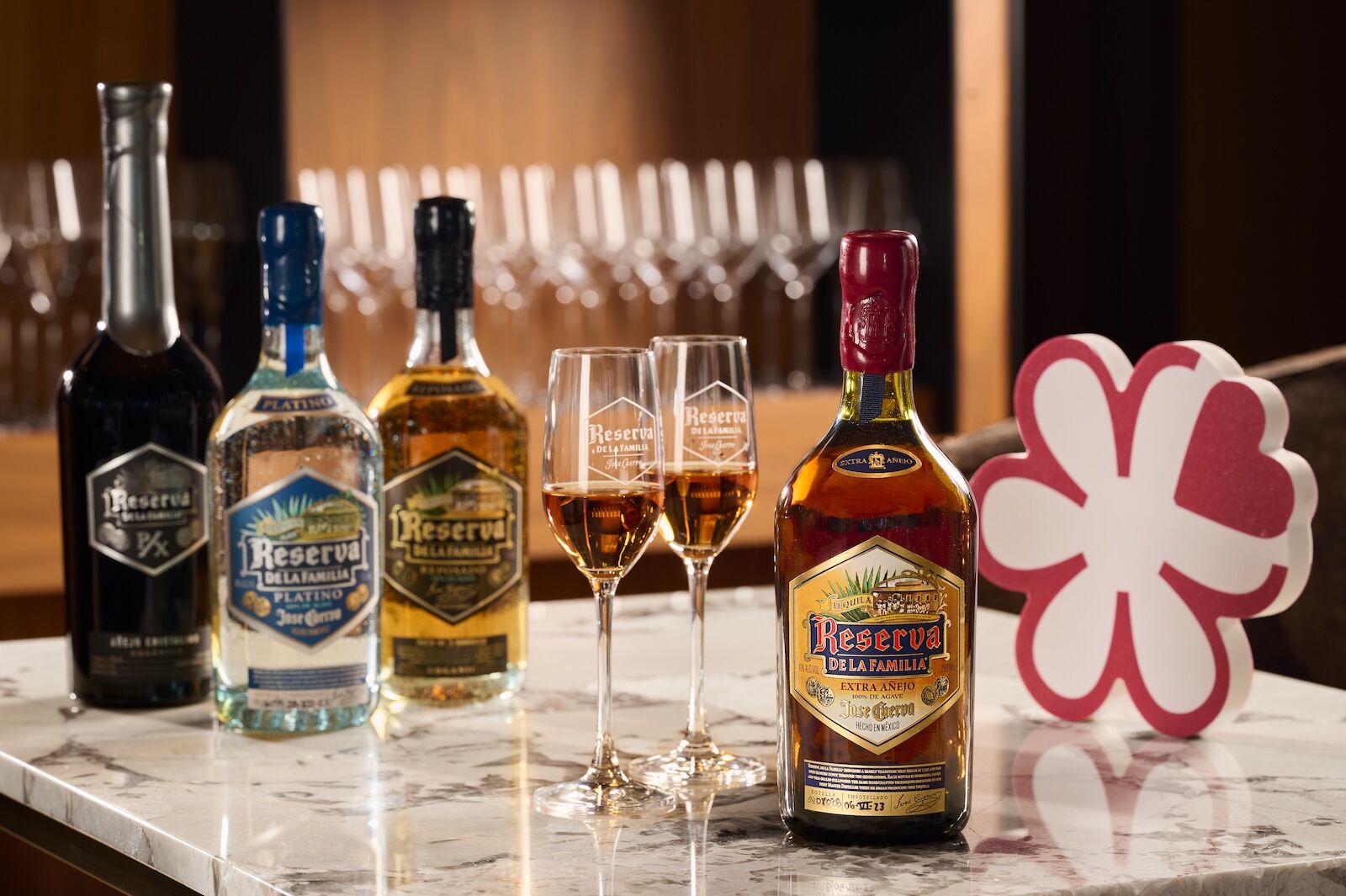
Photo: Cuervo Reserva de la Familia
Just like with the ingredients in the dishes, regionality matters to tequila, too. Tequila can legally be produced in parts of five Mexican states, chiefly Jalisco, where the town of Tequila sits not far from Guadalajara. There are differences even in Jalisco, broadly broken down into the Valley in the lowlands and Los Altos at a higher elevation — a difference in terroir that has an inherent impact on the final tequila made from the agaves grown in each region.
Salas breaks it down as a partnership between place and people. “It’s the convergence of perfect natural conditions and human expertise,” he says. The valley has well-draining volcanic soil, the highlands have cooler nights and red clay soils rich in iron. “But nature is only half the story. Jalisco is where indigenous knowledge of agave met Spanish distillation techniques centuries ago. That accumulated wisdom is irreplaceable. This is the region where centuries of trial and error have created the spirit we know and love today.”
In the glass, lowland tequilas from volcanic soils often taste earthier and more grounded, a natural fit with Jalisco dishes like birria or carne en su jugo. Highland tequilas from red clay soils tend to be brighter and more aromatic, great with citrus-and-chile-heavy seafood or Yucatán-inspired plates. At Cariño, Fenton aligns spirits and dishes by region, using the pairing to guide guests through where on the map their meal is coming from.
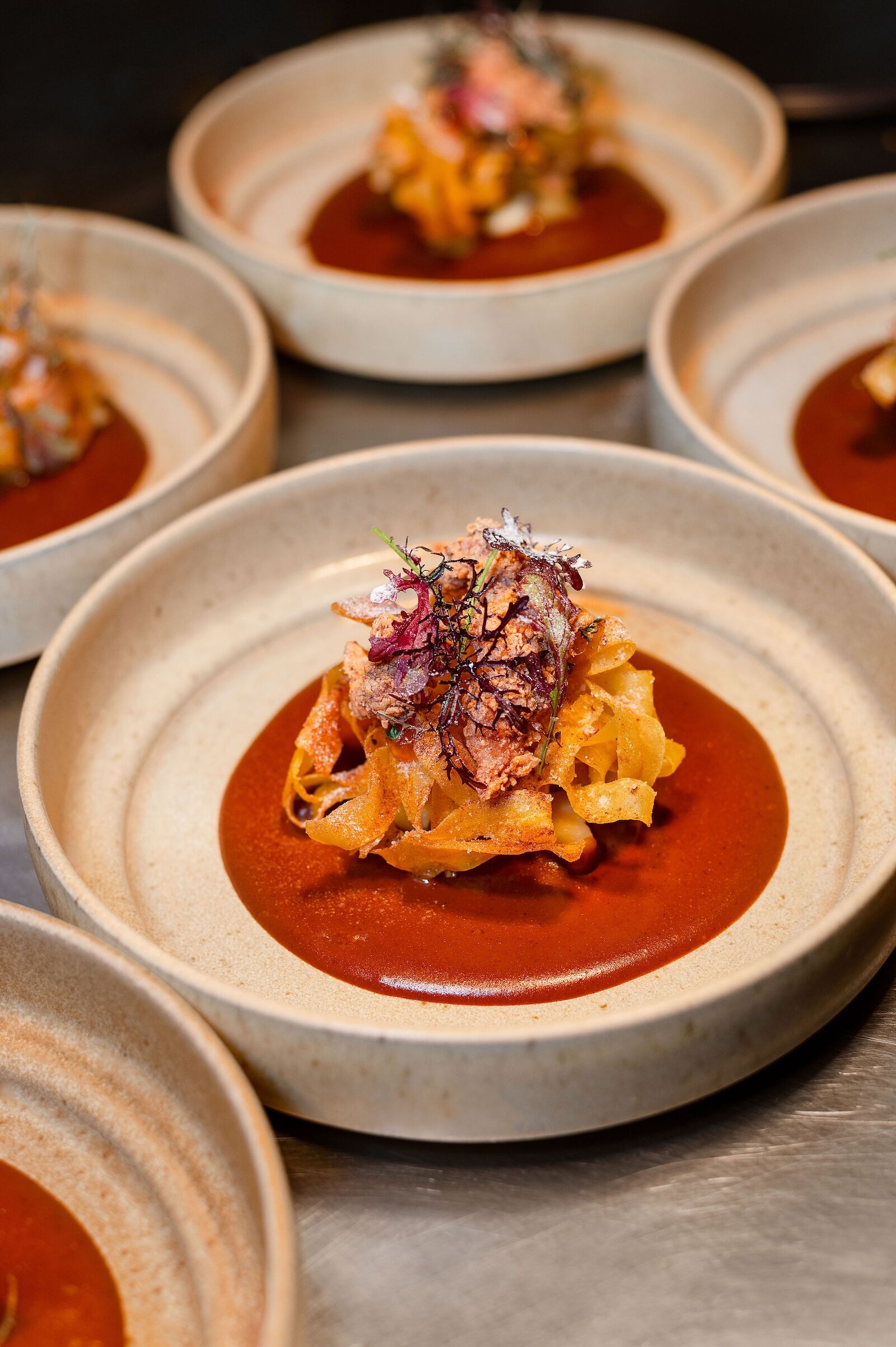
Photo: Kelly Sandos/Cariño
Tequila doesn’t have to stay in the glass, either. In Mexican kitchens, it’s as much an ingredient as a drink: splashed into citrusy marinades for seafood and carne asada, whisked into pan sauces to deglaze and add agave sweetness, stirred into reductions for grilled shrimp or chicken. Contemporary restaurants in Mexico City and along the coasts push that further, freezing tequila into granitas that melt over warm dishes and folding it into vinaigrettes.
“At the end of the day, we’re trying to tell a story beyond our food,” Fenton says. “We’re trying to tell a story of why we’re cooking the food, where it comes from, and then also completing that story with a drink or a pairing or a tequila that matches that region to help connect all the dots for guests to really get that full experience as if they were in Mexico.” 