Embarrassingly, I’ve lived in a suburb of Boston my whole life and could never answer the question, “what’s your favorite restaurant in the city?” Finding a quality restaurant in Boston is about as tough as finding a “Yankees Suck” sign in Fenway Park, but it’s tough to know where to start. I’d heard tales of the North End’s delicious Italian food, top-notch oysters, and a pizza scene that may even rival New York, but I’d also heard warnings – in hushed, serious tones – of restaurants requiring reservations months in advance, and lines stretching around city blocks.
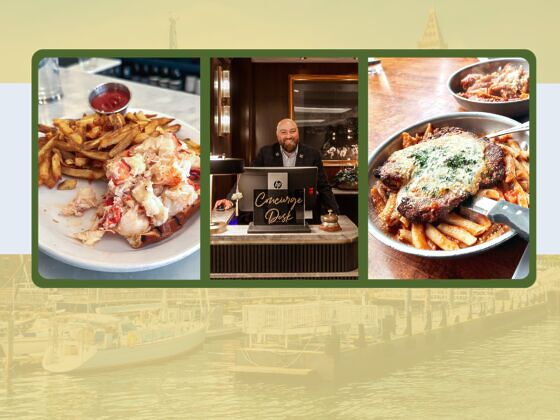
This Hotel Concierge Is the Secret to Finding the Best Restaurants in Boston
I told as much to the staff at The Dagny Hotel when I arrived for a weekend staycation.
“Don’t worry,” said the woman behind the desk. “John is our Les Clefs d’Or concierge. He’ll make sure you eat well this weekend.”
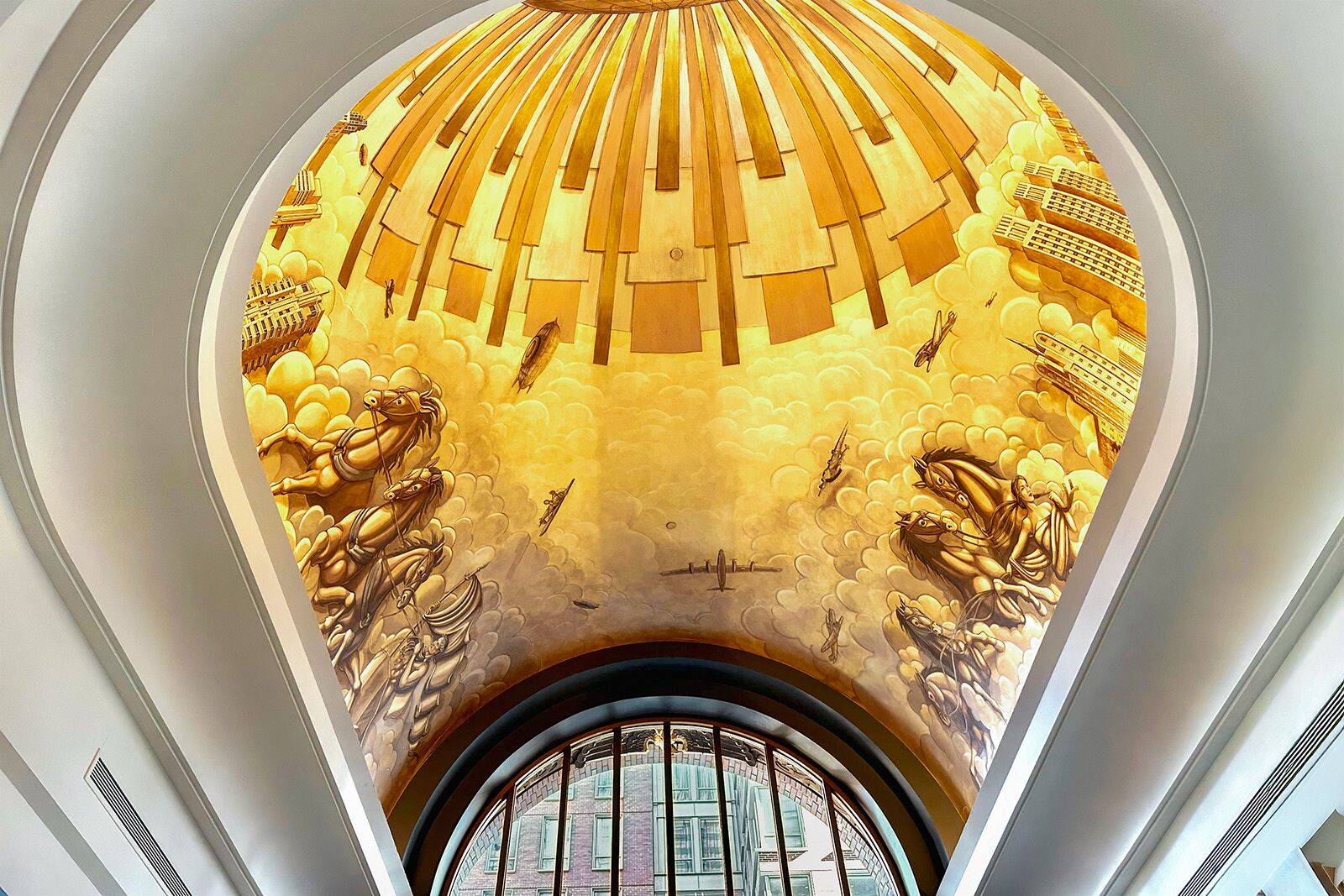
Photo: Eben Diskin
I walked through the hotel’s Art Deco lobby, where an original gold-leaf ceiling mural from 1928 shows Atlas holding the globe on his shoulders in front of the Boston skyline. My room was impressively large for a city hotel, with massive windows of the downtown skyline. It wasn’t until I sunk into the armchair to admire the view that I thought to myself: “Wait, what the hell is Les Clefs d’Or?”
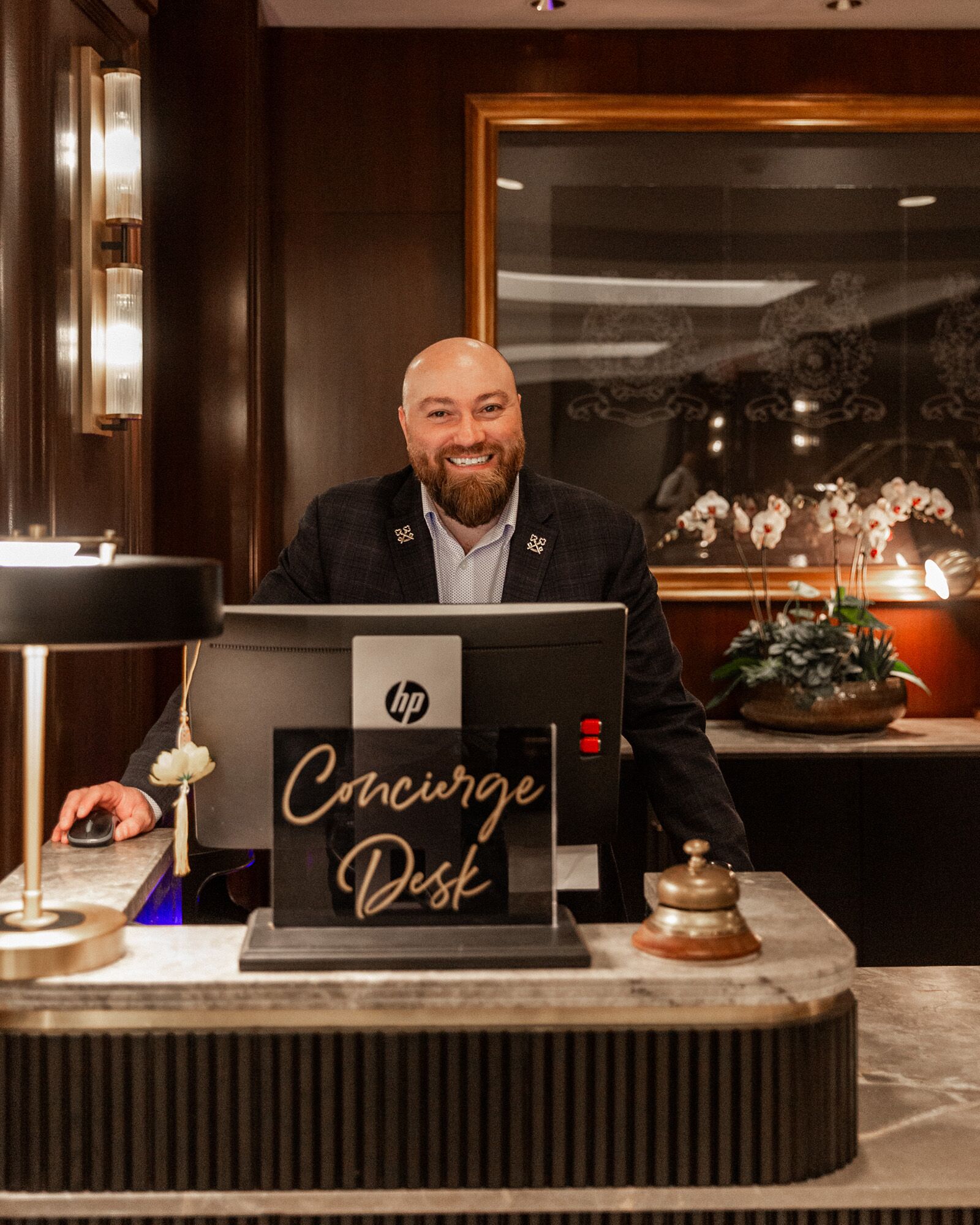
John McKinnon. Photo: The Dagny
Les Clefs d’Or (French for “keys of gold”) is the most prestigious and exclusive association for hotel concierges. Members are recognized for their intimate knowledge of their city or neighborhood, give exceptional recommendations, and have an expansive network of connections that can improve a guest’s experience.
As I learned from John McKinnon, The Dagny’s resident Les Clefs d’Or concierge, getting the Golden Keys might be even harder than getting named to an All-Star team. Applicants are expected to work at a hotel for at least five years, obtain a letter of recommendation from their General Manager, and be sponsored by two Les Clefs d’Or members. They must then pass a written exam about local tourism, history, and food and drink culture.
After the exam, the concierge is “mystery shopped.” Incognito Les Clefs d’Or members attempt to stump the concierge over the phone, asking for hard-to-come-by reservations or recommendations. If they’re skilled enough to make it this far, peers and colleagues are contacted to confirm the concierge’s reputation. It’s no wonder that of the nearly 65,000 hotels in the United States, there are fewer than 400 members of Les Clefs d’Or in the country.
A delicacy is always a short walk away
I felt a little nervous as I approached the concierge desk to start my food tour. I’m always self-conscious about “bothering the concierge,” so I rarely ask them for anything. Within five seconds of meeting McKinnon, it’s clear he loves being bothered.
“Hope you brought your appetite!” he said, nearly jumping out from behind the desk and throwing on his coat. It was funny seeing someone so excited to walk around their own neighborhood.
Located at the intersection of the Financial District and Downtown, The Dagny is a 20-minute walk to the Seaport, 15 minutes to the North End and its famous restaurant scene, and 15 minutes to TD Garden.
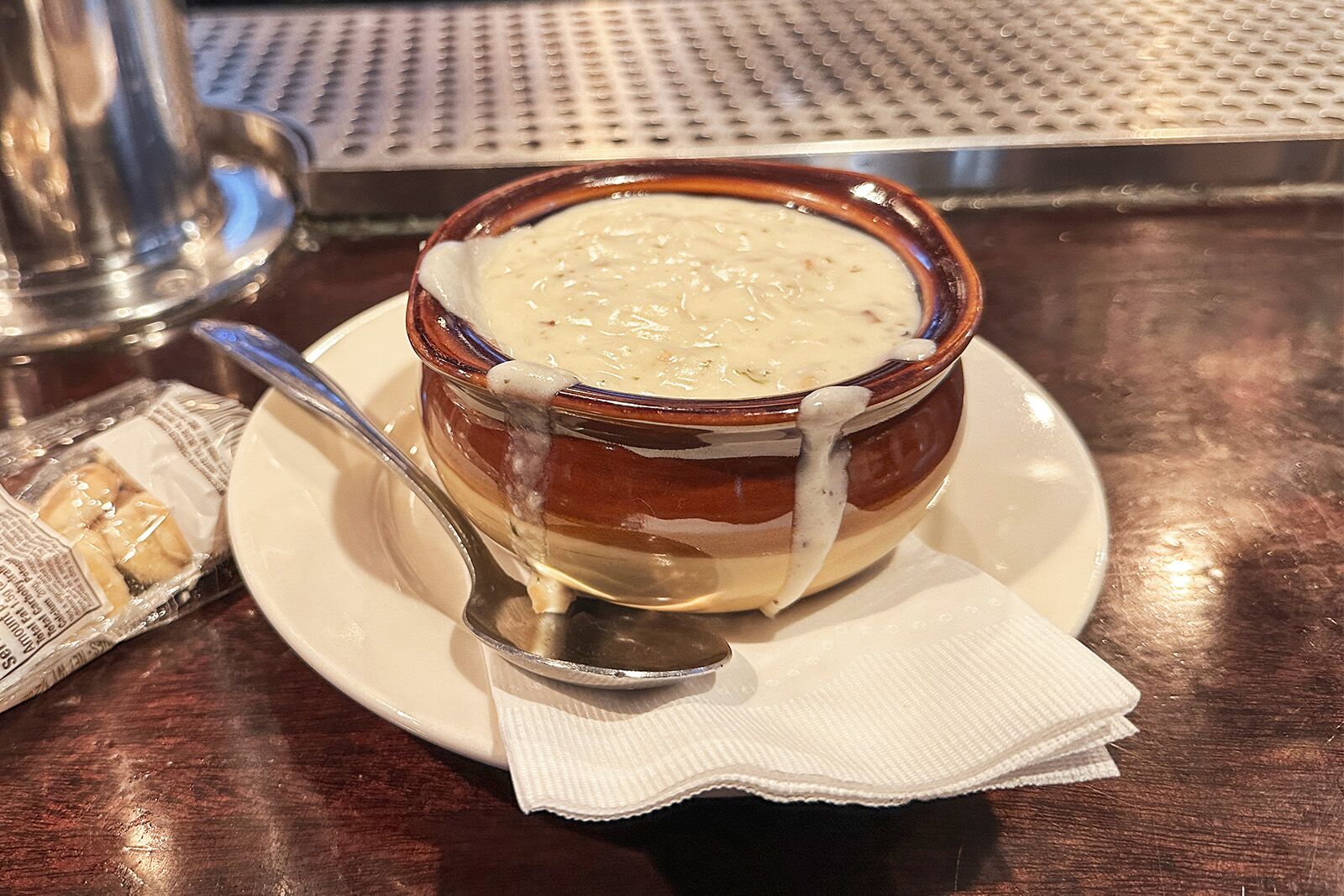
Broadside. Photo: Eben Diskin
Our first stop barely required crossing the street. Just a block from the hotel, McKinnon insisted Broadside Tavern has “Boston’s best clam chowder.” It was immediately clear McKinnon is a regular at the typical Boston Irish pub. After joking with the bartender and greeting one of the owners, McKinnon started hyping up the chowder.
“It’s not too thick, or too thin,” he said. “It’s perfect.”
He was right.
As we ate our Goldilocks chowder, McKinnon explained how much he loves his job.
“A lotta people are reluctant to ask a concierge for something,” he said. “They don’t wanna inconvenience us. But I tell them, look, this is what we’re here for. If helping people doesn’t get ya fired up, you’re in the wrong job.”
He explained how being a concierge is basically a networking job, and to do it successfully, you need to nurture relationships with restaurant workers, tourism guides, and other concierges across the city.
“If a guest picks a restaurant and tells me, ‘John, get me a seat here,’ chances are I can make it happen,” he said.
“What’s your failure rate?” I asked, a little mischievously.
“Not high,” he said. “I mean, I’m not God. But I’ve got a pretty good batting average.”
I was particularly excited for our next stop, Regina Pizzeria. Clam chowder might be quintessentially Boston, but pizza is quintessentially human. As a self-proclaimed connoisseur, I was happy to be trying Regina’s in its original location, a scenic 15-minute walk from Broadside along the water. What struck me most about the place was how little it seemed to have changed from 1926, when it first opened.
The dim interior and wooden booths make you feel like you’re in a small neighborhood joint rather than an urban center. Even if you’re not hungry, the way this place smells will instantly clear enough space in your stomach to accommodate a large pie. It’s probably for the best that we only got slices, though, because Regina was just the appetizer to a larger Italian feast.
Hanover Street in the North End is lined with Italian restaurants; if I wasn’t with McKinnon, I would’ve suffered a serious case of decision paralysis. He steered me into Carmelina’s, a small restaurant with a line down the street.
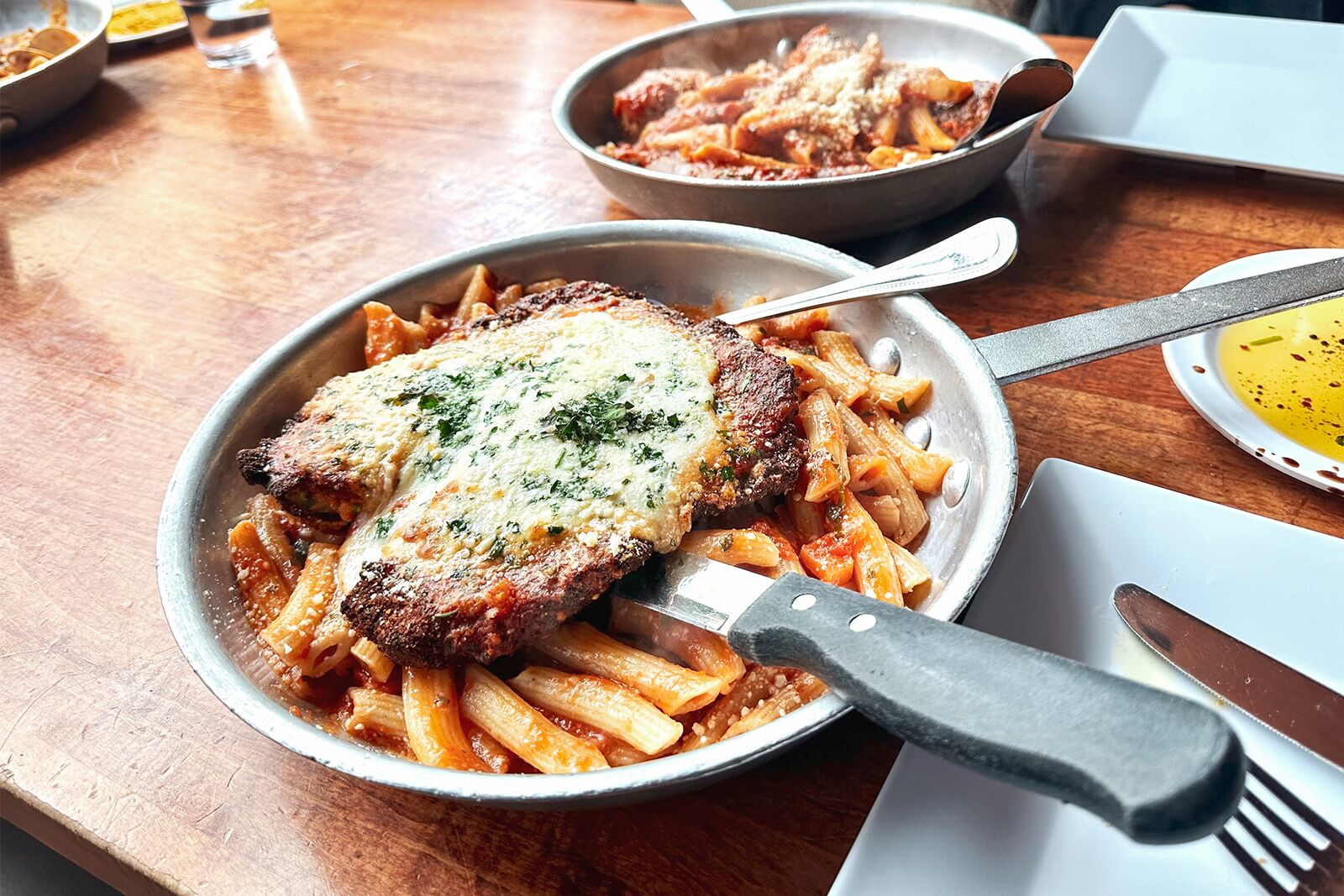
Carmelina’s. Photo: Eben Diskin
After McKinnon spoke a few words to the hostess, we were immediately seated at a table by the window. I’m not sure how exactly we made it past the line, but McKinnon’s batting average was looking pretty good so far. We shared the Bronx Tale — penne pasta with meatballs and sausage — and chicken parm, and McKinnon explained the complexities of concierging.
“It’s all about who you know,” he said, mouth full of penne. “A good concierge is always going out, always meeting people. If my restaurant contact quits, I gotta make a new contact at that restaurant. It forces you to stay sharp, stay up-to-speed with what’s going on in the city.”
I realized being a good concierge basically means being a master socialite. It takes a lot of patience and social energy, which McKinnon certainly has. That energy was particularly on display at our next stop, just a few hundred feet away.
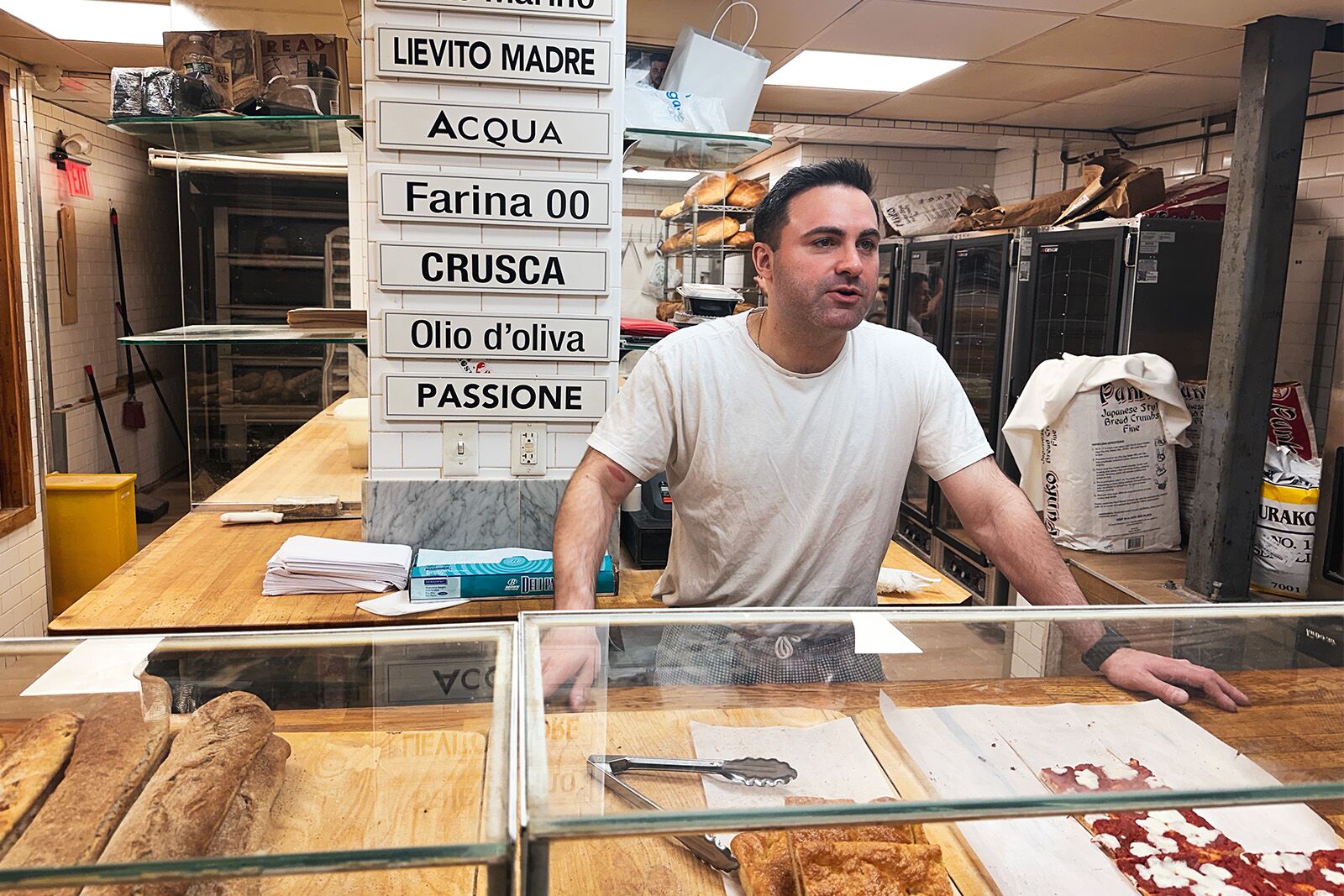
Bricco. Photo: Eben Diskin
We reached Bricco Ristorante, on Hanover Street, by following a narrow alleyway along the side of the building to a small courtyard, where people dined at outdoor tables. The entrance to Bricco Salumeria – a pasta, cheese, and Italian meat shop – was tucked in the corner, and to the left, a flight of stairs led down to Bricco Panetteria. The hidden nook was a veritable speakeasy of Italian cuisine.
“Johnny!” the guy behind the bread counter shouted when we came down the stairs. He previously worked at The Dagny, and embraced McKinnon and chatted for a while about old times. Eventually, he showed off the bakery’s selection. The ciabatta looked particularly tempting, but McKinnon urged me to save my appetite for the next stop, which he insisted would knock my socks off.
For much of the day, McKinnon had been raving about the “Connecticut-style” lobster roll at Neptune Oyster. Connecticut lobster rolls are served hot, unlike the Maine-style cold rolls commonly served across Boston.
“It’s the best kind of lobster roll, trust me,” he said as we walked to Salem Street in the North End.
“Why’s it called a Connecticut lobster roll?”
He shrugged. “I thought Connecticut was just the state you gotta drive through to get to New York. No idea how they got their own sandwich.”
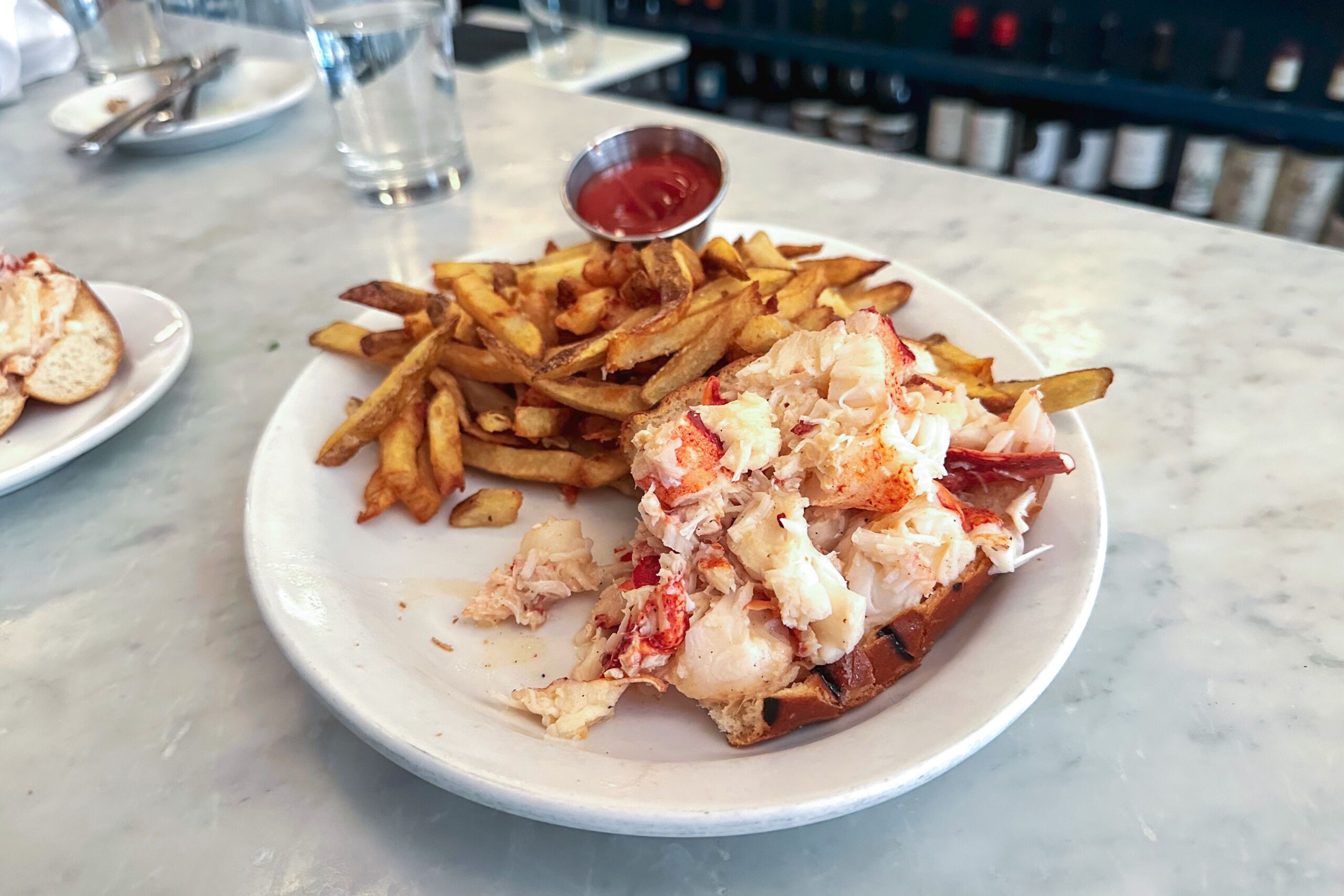
Neptune. Photo: Eben Diskin
The prospect of a hot lobster roll was a little unsettling to me (especially on a full stomach), but McKinnon had yet to steer me wrong. When we arrived at Neptune Oyster, the line was around the corner. He stationed us across the street and pulled out his phone.
“One sec,” he said, locked into a focused text exchange. “My friend works here. She’ll get us in.”
Sure enough, about 2 minutes later, a woman opened the door and waved us in. I tried to avoid ire-filled gazes as we passed the line and took our seats at the bar. As though he had eagerly anticipated this menu all day, McKinnon ordered a johnnycake, some oysters, and a hot lobster roll. As promised, the warm, buttery lobster was a welcome diversion from what I am more familiar with, and the crunch of the crispy bun made all the difference. Though the johnnycake might be my fondest food memory from Neptune. Topped with honey butter, sturgeon caviar, and smoked bluefish, the sweet and savory blend was one of the entire day’s highlights.
I stumbled back into The Dagny entirely sober, yet drunk on caloric goodness.
“Remember, you’ve got dinner reservations at Finn Point at 8,” McKinnon smirked before we parted ways in the lobby.
Where to eat at The Dagny
When I left McKinnon at 4 PM, the idea of eating more food was inconceivable. Four hours later, I was ready. Finn Point, The Dagny’s oyster bar and grill, was a refreshing change of pace from the North End fare. The fact that I could even finish the steak frites was a testament to its quality. And the fact that I inexplicably ordered banana bread and an espresso martini for dessert – the latter came highly recommended by McKinnon – was a testament to my lack of self-control.
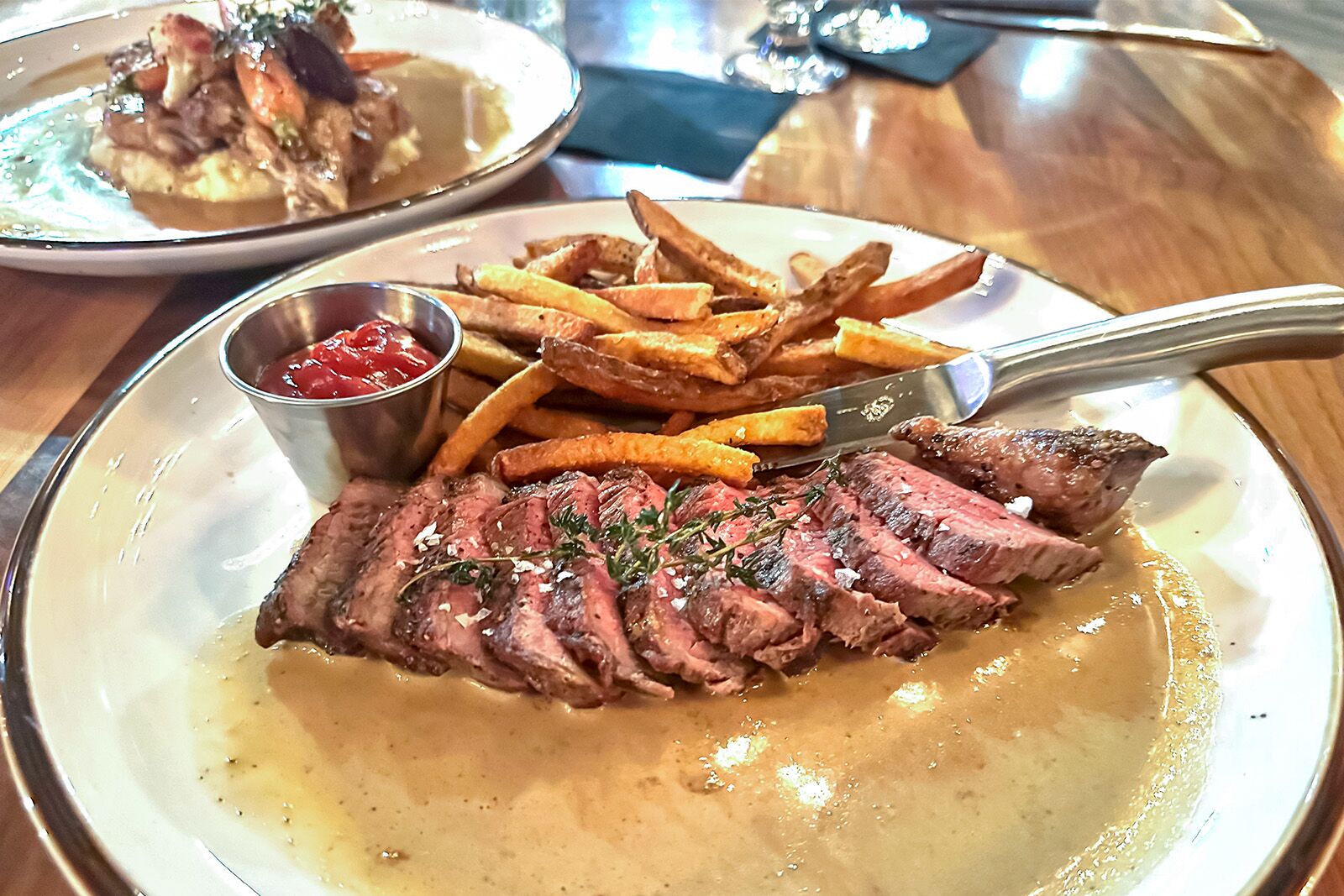
Fin Point. Photo: Eben Diskin
If you’re in the mood to settle in for an exceptional breakfast, Finn Point also offers a broad morning menu of omelets, waffles, and grain bowls. My favorite breakfast meal, however, was actually at Tradesman Coffee Shop and Lounge, right off the lobby. The Tradesman has more of a coffee shop vibe than sit-down restaurant. The avocado toast was some of the best I’ve ever had – and, surprisingly, not exorbitantly expensive.
I left The Dagny with two things: an appreciation for concierges, and a wealth of knowledge about the city’s culinary scene. McKinnon is essentially the human embodiment of Boston itself, which makes him a ChatGPT of local information (but more reliable, human, and hilarious). When people ask me, “what’s your favorite restaurant in the city?” I still won’t be able to answer. But now it’s because I have too many options to choose from. 