There’s a rule of group competition that’s supposed to hold whether you’re an Olympic athlete or running your neighborhood 5K: you’re competing against other people. At the 2025 Downieville Classic — one of the longest, hardest mountain bike races in the country — that rule didn’t hold. And because of that, I came in first and last place at the same time.
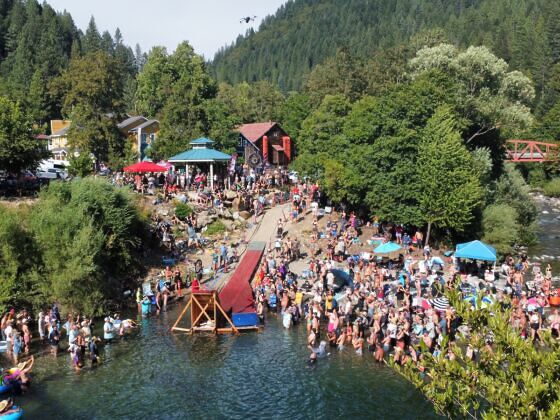
The beloved Downieville Classic River Jump. Photo: Sierra Buttes Trail Stewardship
How I Won (and Lost) One of California's Wildest Outdoor Races
It’s a good party story. It always gets a laugh. A volunteer hung the medal around my neck and I stood by myself on a podium built for three, looking out at hundreds of faces cheering — not really for me so much as for the fact that any woman showed up in my category at all. I was the only woman in the single-speed bike category, which meant the race was mine to lose. Uncontested, though, isn’t the same as easy, and this is where the story stops being a joke. I still had to climb about 4,500 feet on one gear, race 26 miles, beat every cutoff time, and survive about 18 miles of expert-level descent — with 500 other people on the course speeding past me. As the only competitor, if I finished, the win was guaranteed. But finishing? That wasn’t a guarantee.
“I could beat one other woman”
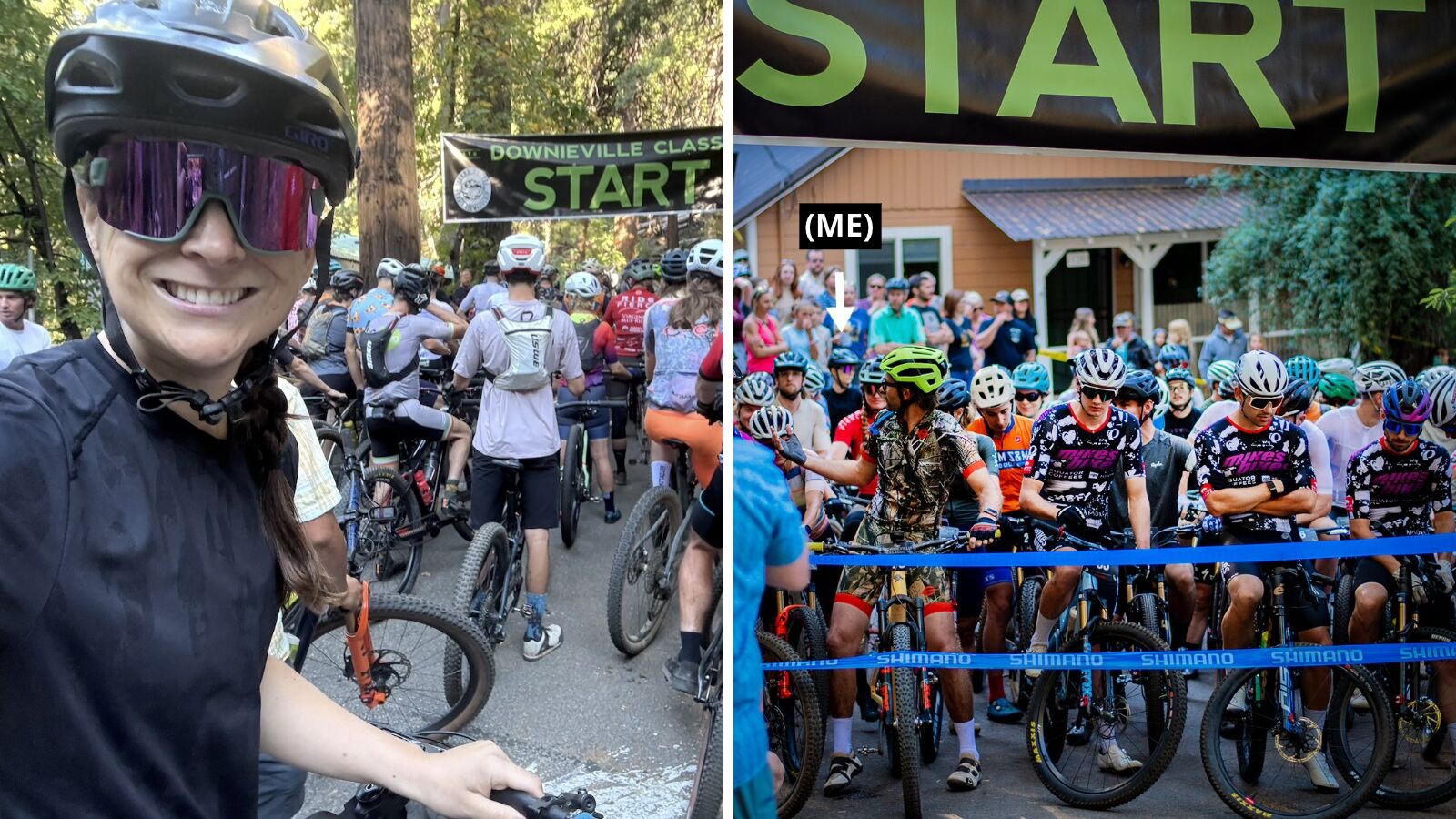
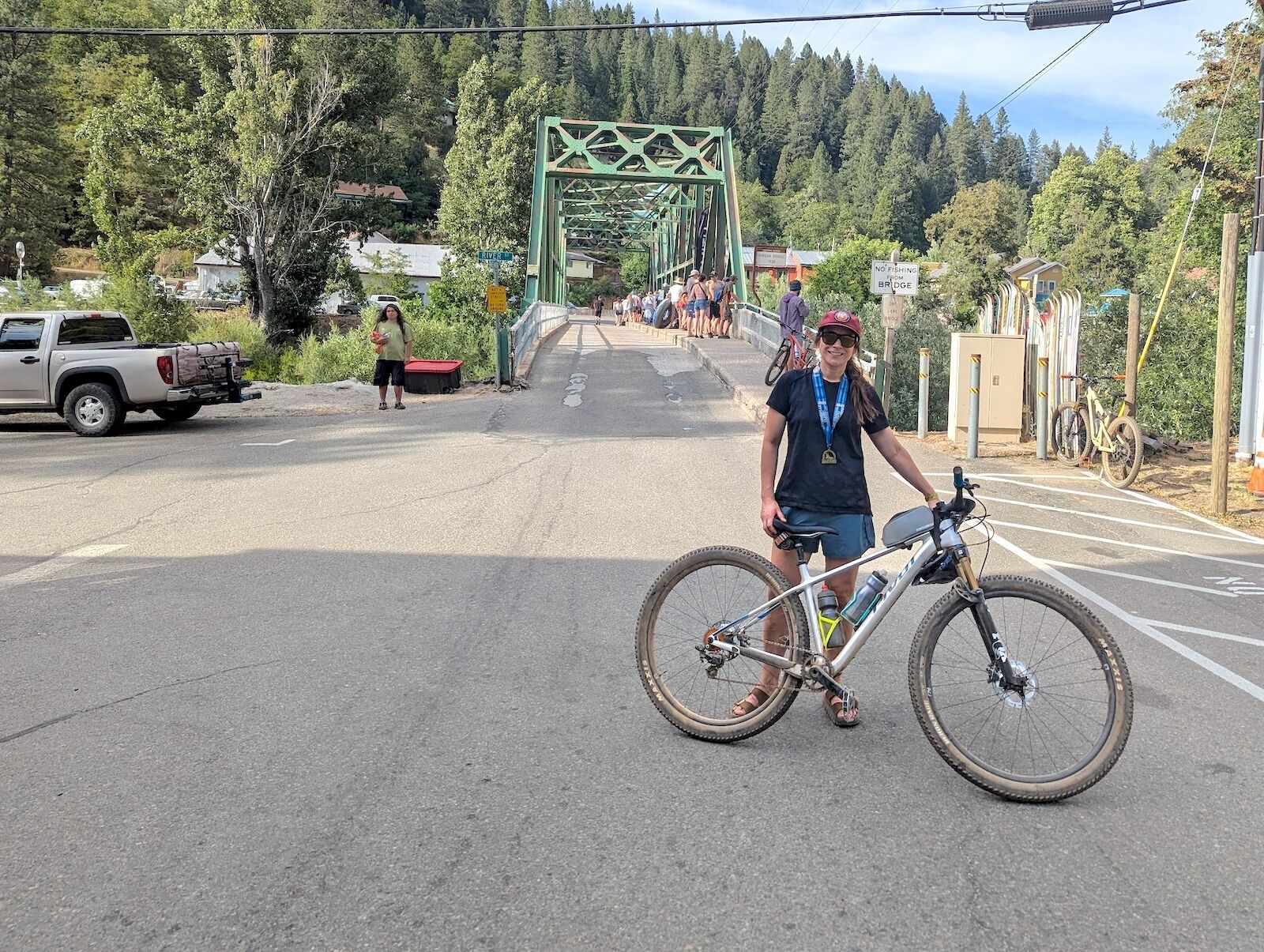
Obligatory nervous race selfie, and what it looks like from the other side. Photos: Suzie Dundas and Downieville Classic/Michael Knighten
Before I signed up, I’d never raced a bike. It was one of the many reasons friends told me I was crazy — the Downieville Classic is brutal on bikes built to handle it, let alone one with a single gear and barely any suspension. But in 2024, I was standing at the finish line when I noticed only one woman on the single-speed podium. “Hmm,” I thought. “I could probably beat one other woman.” Never mind that I’d never raced before and never ridden a single-speed bike.
That was the whole plan. It carried me all the way to January 2026, when it hit me that the race was six months out and I should probably get an actual single-speed bike if I intended to win California’s hardest race on one.
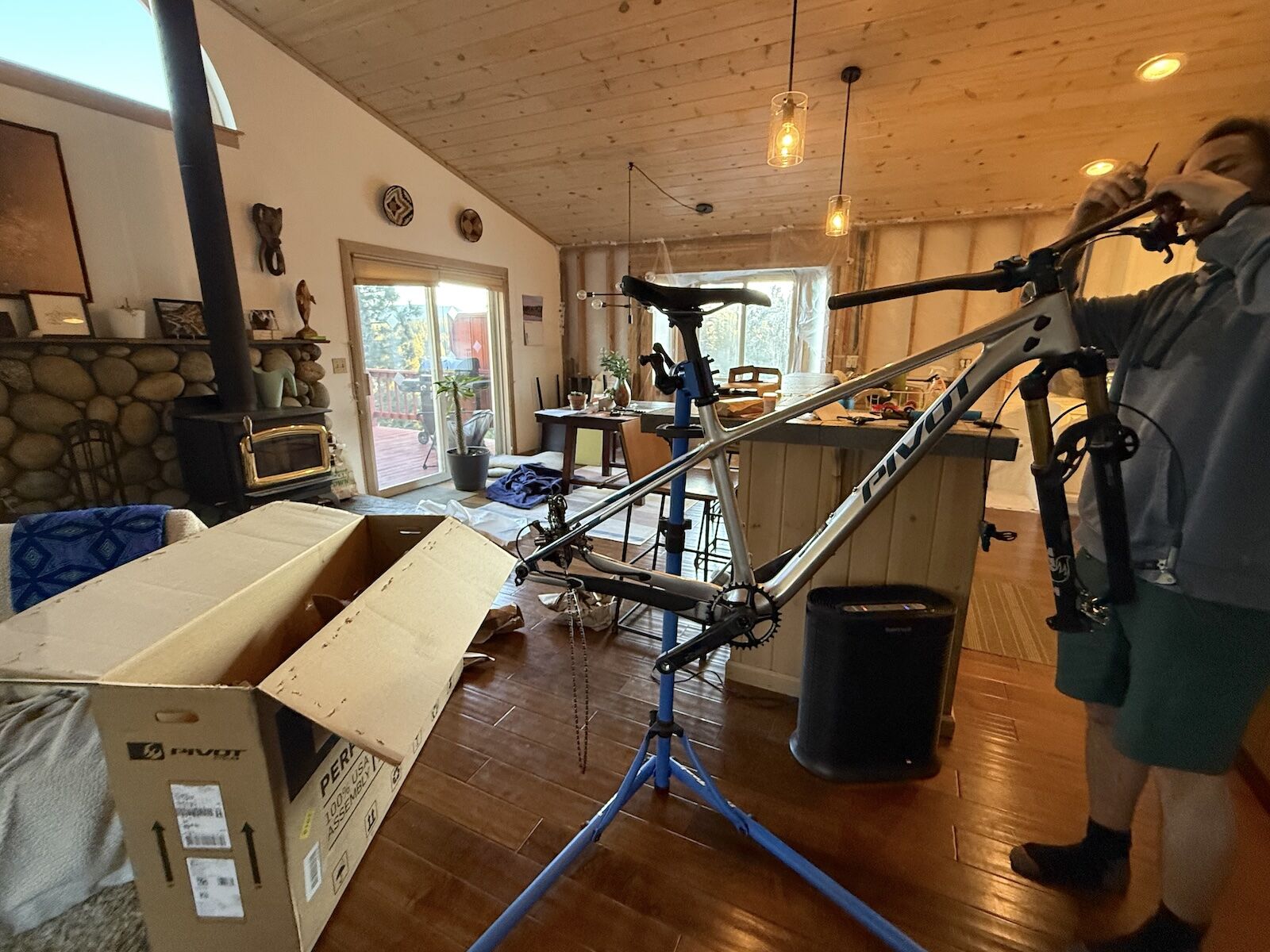
Piece by piece, I turned my Pivot LES into a hard-charging singlespeed machine. Photos: Suzie Dundas
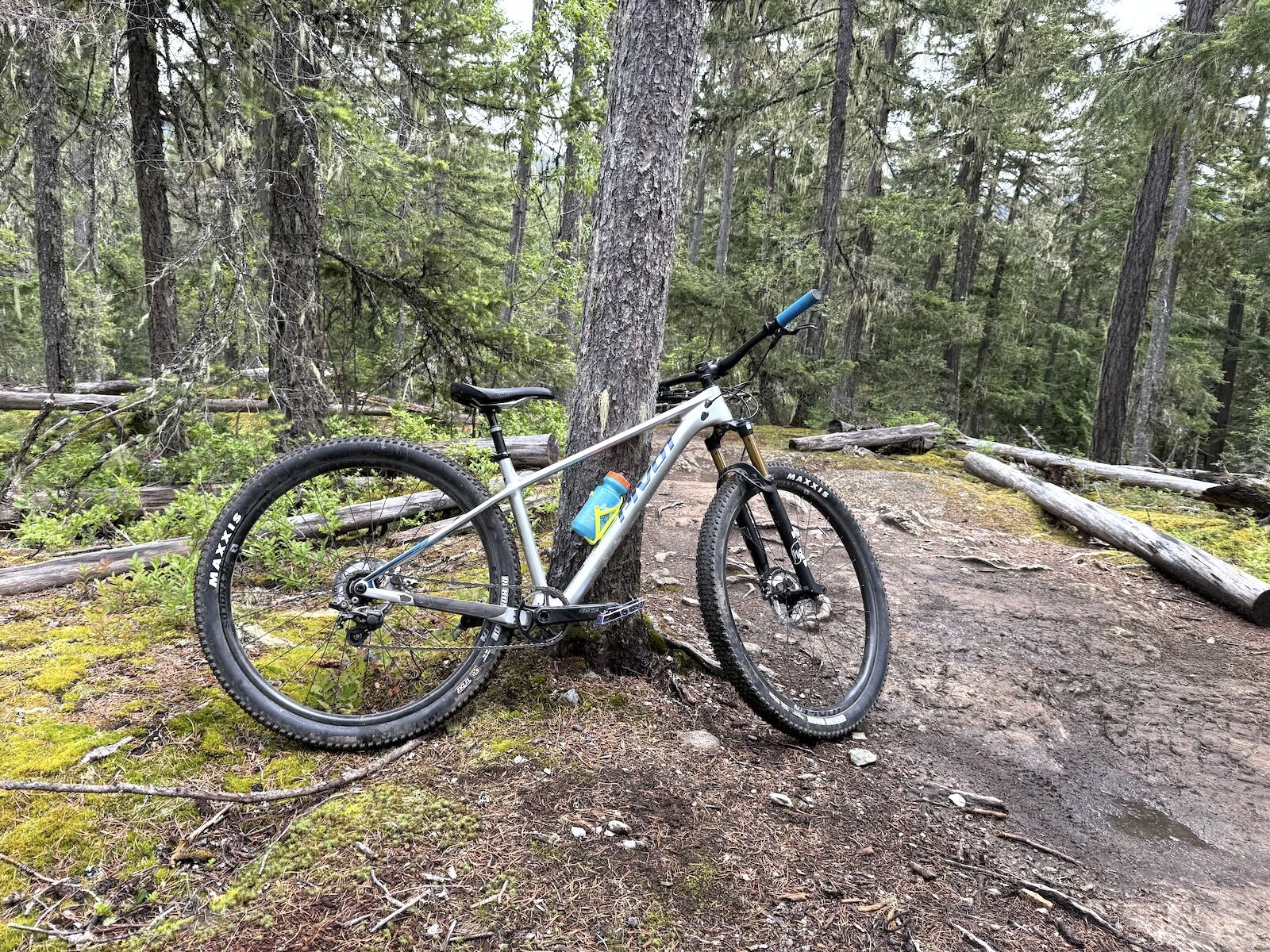
Piece by piece, I turned my Pivot LES into a hard-charging singlespeed machine. Photos: Suzie Dundas
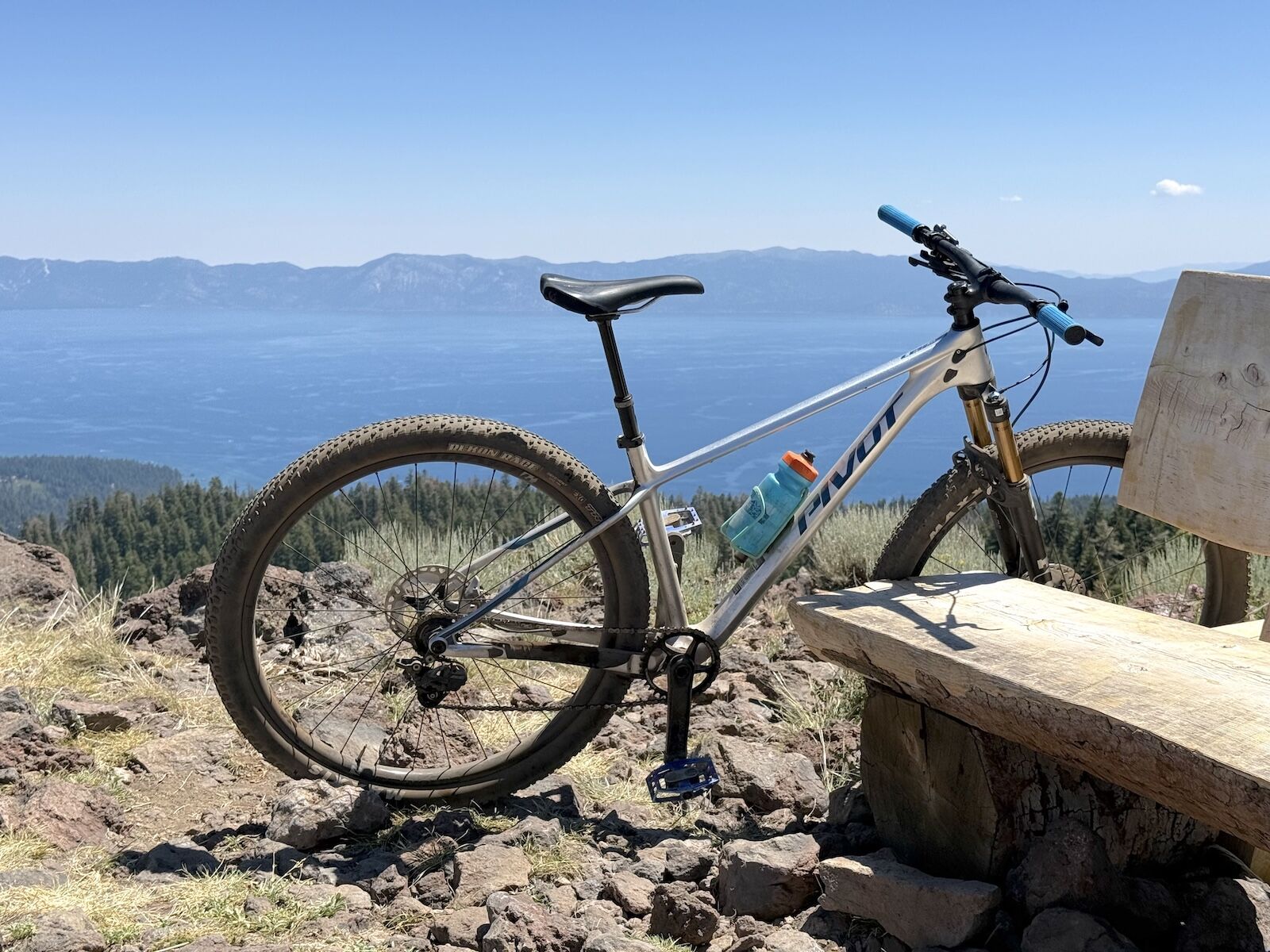
Piece by piece, I turned my Pivot LES into a hard-charging singlespeed machine. Photos: Suzie Dundas
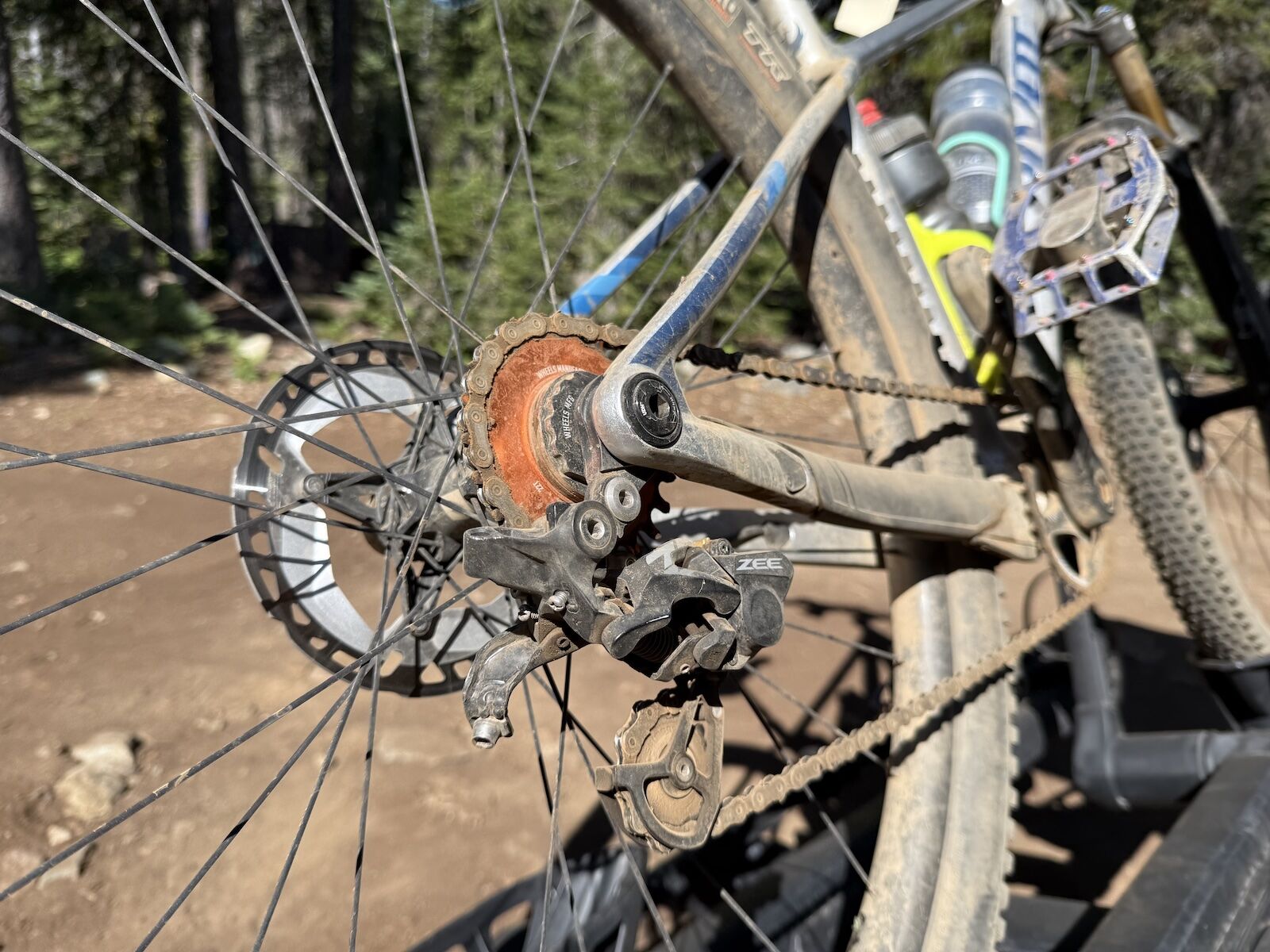
Piece by piece, I turned my Pivot LES into a hard-charging singlespeed machine. Photos: Suzie Dundas
Piece by piece, I turned my Pivot LES into a hard-charging singlespeed machine. Photos: Suzie Dundas
Pickings were slim. Single-speed isn’t popular, and the few bikes out there came only in large sizes or were built for commuting and gravel, not seriously gnarly terrain. So I decided to build my own — and when a friend of a friend introduced me to the team at Pivot, they offered to loan me the bike to do it: a Pivot LES frame fresh off their line with the ultra-light carbon specs to match. The initials stand for Lightweight Endurance Series, though after a season on it I’d argue they mean less is more. It weighs next to nothing — one of those situations where you go to pick it up and nearly launch it into the air. Its cross-country race build is meant to climb fast and still hold a line when the trail turns rough, which is basically the description of the Downieville Classic.
Over the next few months, I turned it into my race machine: through some trial and error, I added a dropper post, converted it from geared to single-speed, and switched to an oval chainring, which makes each rotation during the climbs feel a touch easier. Every ounce counts when you’re climbing for hours. It was responsive, it was light, and it felt a heck of a lot more stable and capable than I’d expect from a bike with those ultra-light specs on paper. It flew over some seriously big obstacles like it was a burly downhill bike. I don’t think I’d have finished the course at all if I had gone with a different bike.
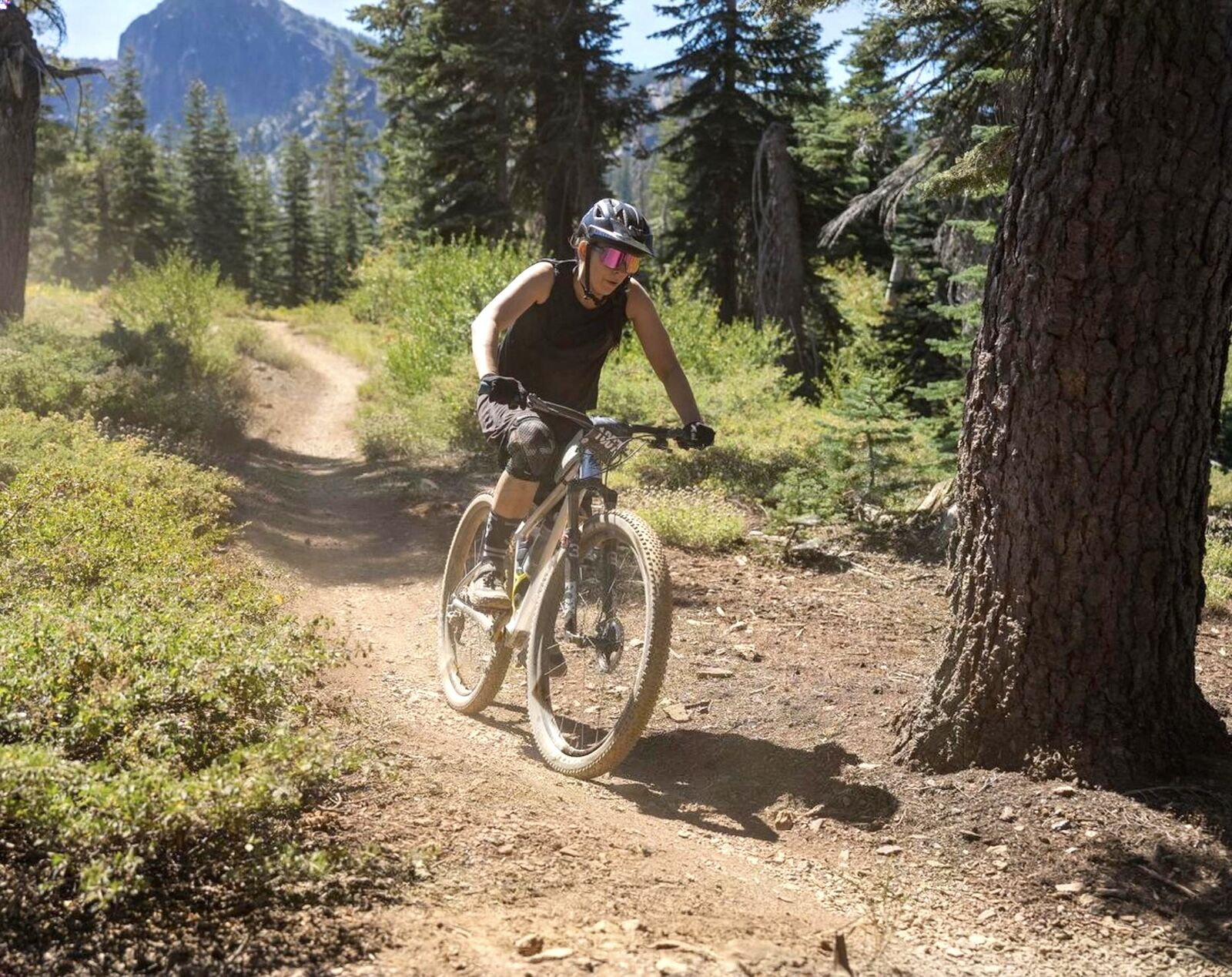
Photos: Sierra Buttes Trail Stewardship
And if that all sounds like an ad, this was no freebie: I liked the bike so much I bought it afterward, and ended up winning two other races on it last year.
Climbing, climbing, climbing
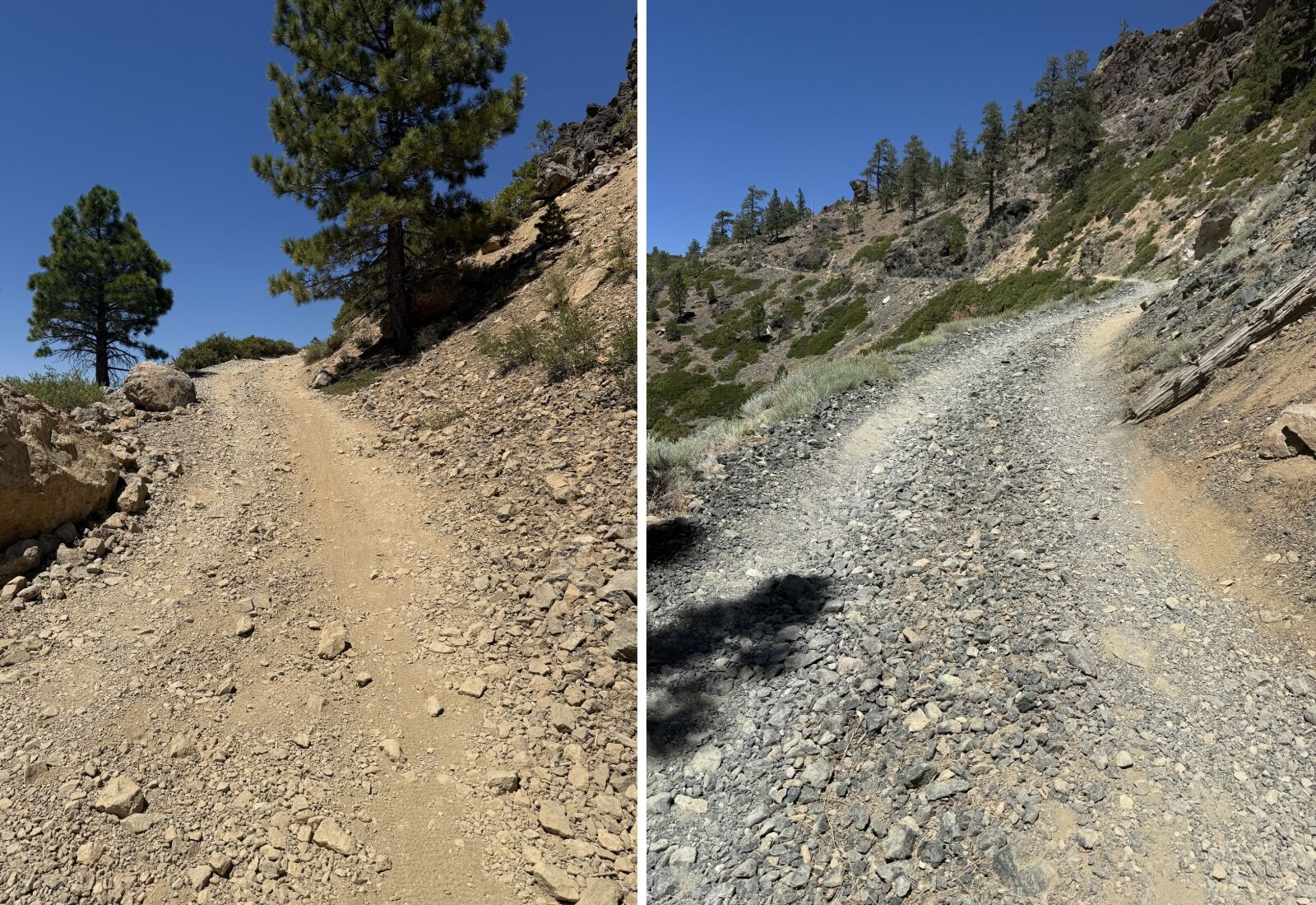
The climb is steep, loose, and exposed as you climb about 3,000 feet. Photos: Suzie Dundas
The Downieville Classic runs every August out of a former Gold Rush town in the Sierra Nevada of the same name. The description makes it easy to understand how challenging it is, even for people whose last bike came from Toys “R” Us. It’s one of the last true point-to-point mountain bike races left in the country, meaning you start in one town and finish in another. The course leaves the small town of Sierra City, California, and climbs straight up via a beat-up fire road full of potholes, washes, boulders, and rock. It’s the kind of road you’d look at and say “there’s no way you can actually ride a bike up this, right?” It’s a roughly 3,000-foot climb over five miles and is so legendarily brutal it’s nicknamed “the Trail of Tears.”
Then, just when you think you’re done climbing, there’s more. Eventually, around the eight-mile mark, the downhill starts: 18 miles of technical black-diamond downhill. Drops, roots, exposed sections where a fall sends you into a ravine, boulders, loose and uneven rock, tight trees, a trail about three feet wide, with people trying to pass you on a trail barely wider than your handlebars. The course loses about 5,500 feet of elevation over these 18 miles before it ends in Downieville, where the festival awards and celebrations are held.
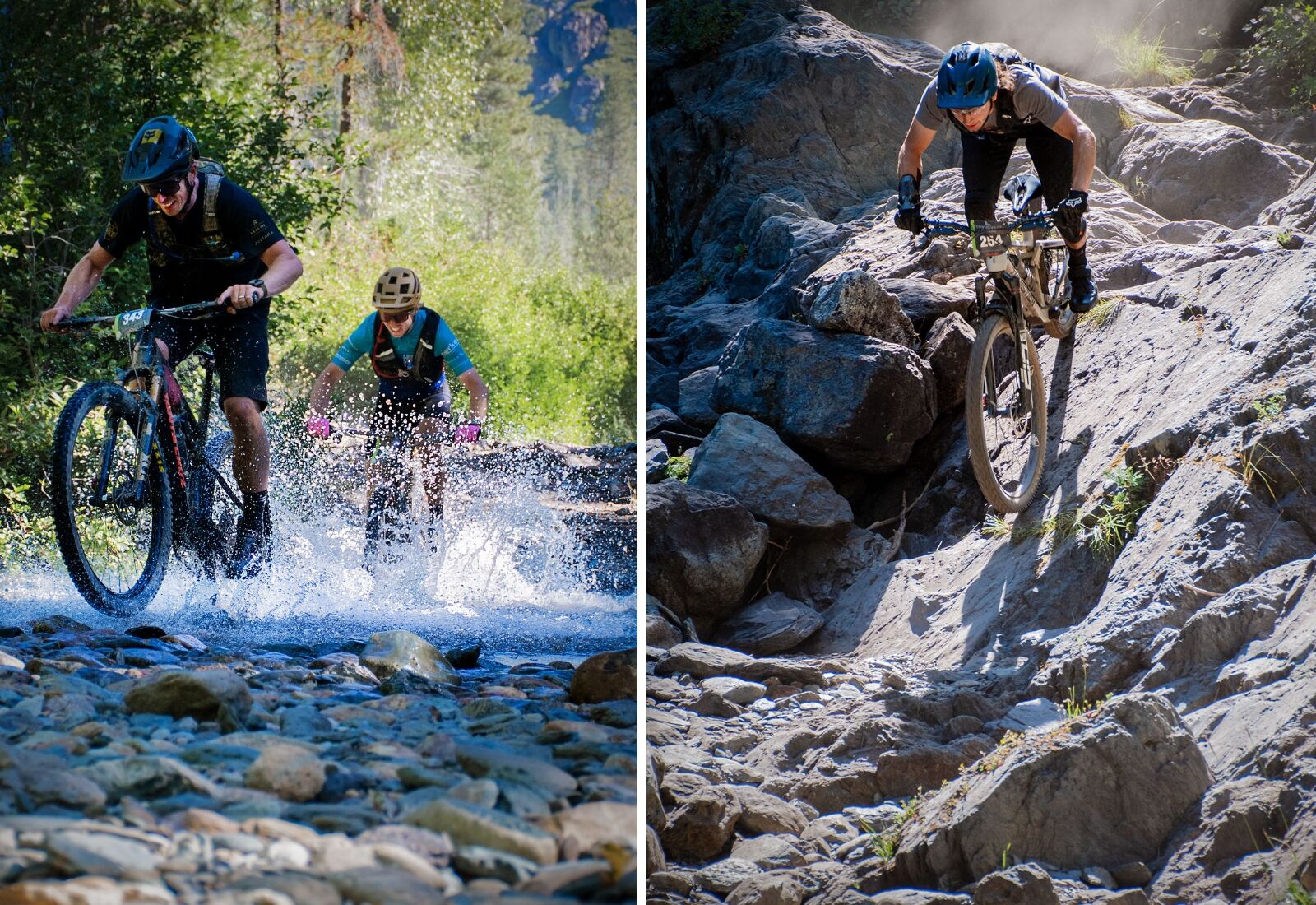
The downhill: not much easier than the uphill. Photos: Sierra Buttes Trail Stewardship
I rode all of it on one gear. No easier setting for the climb, no harder one for the descent. Almost everyone else had a dozen gears or more, because the course throws every gradient at you, including pitches over 20 percent. There were nine men in the single-speed category. In the women’s category, there was me.
One gear changes how you climb. On a geared bike, when the grade steepens, you change to a gear that makes pedaling easier. On a single-speed bike in a steep section, you stand up and pedal as hard as you physically can — or, as the joke goes, you use your other speed: walking. But walking has a cost, because this is a timed affair, and if you don’t make the checkpoints by a certain time, you get disqualified. You have about three hours to finish the Trail of Tears and hit the second checkpoint. That meant even though I was guaranteed to win my category, I could still lose entirely by being too slow. That was the math of my whole day: the only opponent I had left was the clock, but it was a serious opponent.
Winning was fun, but competing would be better
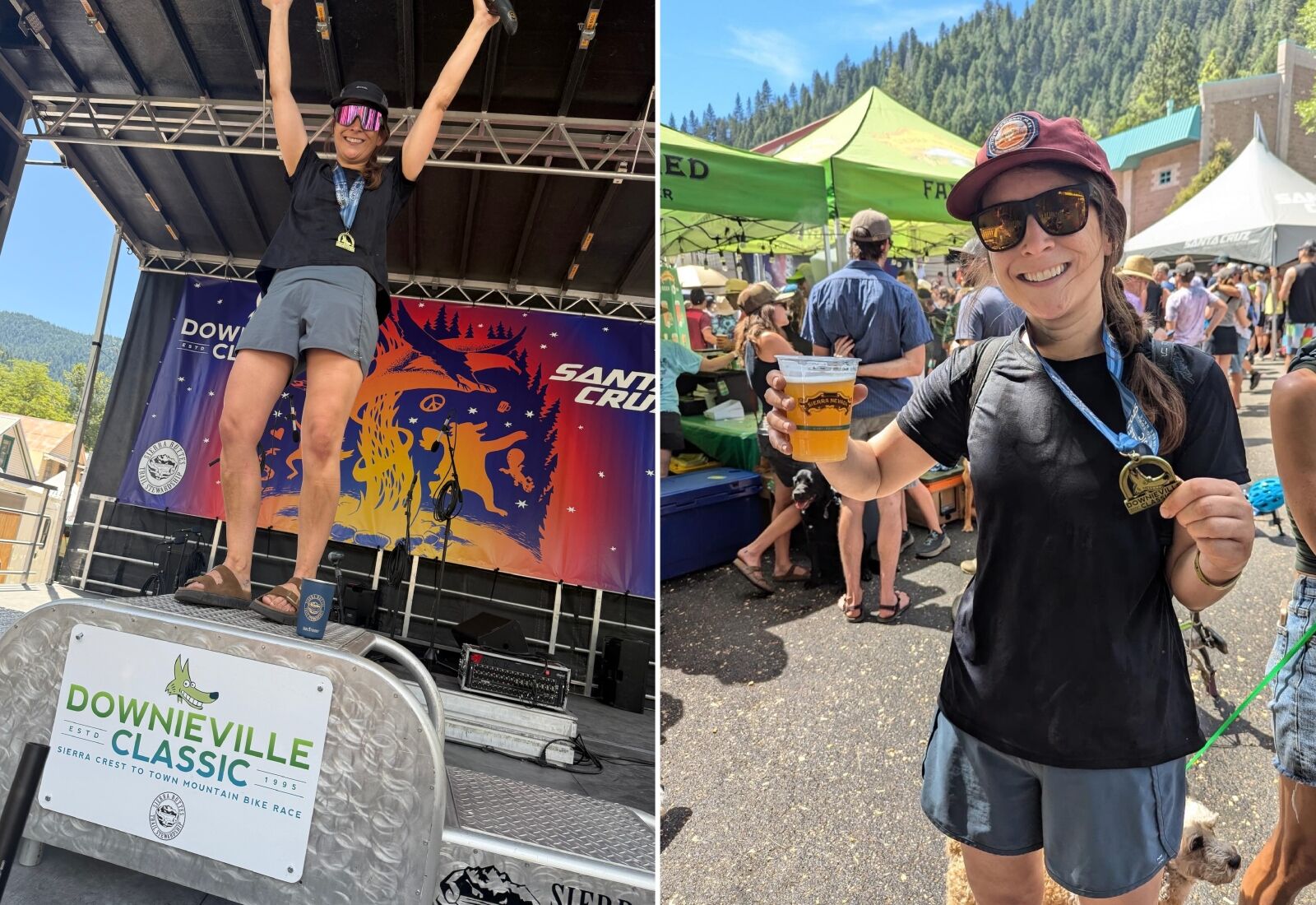
As Celine Dion would say, “Don’t wanna be….all by myself.” Photos: Suzie Dundas
The deeper you go into cycling, the fewer women you find, and racing is at the deep end. In the US, women represent about 30 percent of people on bikes — but that counts every kind of riding, like commuting, e-biking, and beach cruising. Narrow it to mountain and road biking, and it drops. USA Cycling membership sits at 14 percent women. Narrow it again to people who actually pin on a number and race, and the numbers get so thin they’re almost impossible to find.
I felt every stage of that narrowing before I ever saw a statistic. Plenty of women on the trails near home. Fewer at the bike park. Fewer training near race season. And then on race day, just me in the single-speed field. There were 87 women in the race overall across all categories, which still left us outnumbered roughly five to one, with 553 men racing. And that’s actually quite good for a race, ratio-wise.
The reasons have been studied, and they have little to do with ability. When University of Arkansas researchers surveyed 150 women (granted, small sample size) about what kept them off mountain bikes, the strongest deterrents weren’t fitness or skill. It was the sense that it’s a male-dominated sport, that the gear is too expensive, and that you have to be exceptionally athletic to belong. High on the list was a plainer one: when the women pictured a mountain biker, they pictured a man. Other research points in the same direction. A study of women riders in Stellenbosch, South Africa, found that most were introduced to the sport by a man — so if you don’t happen to know one who rides, the door never opens. And a study of the Cape Epic, one of the sport’s marquee races, argued that mountain biking sells an image of itself as the territory of white, wealthy, middle-aged men, which quietly tells everyone else it isn’t for them.
What struck me most, digging into this, is how little hard data even exists. When the Arkansas researcher went looking for participation numbers broken down by gender, she contacted the sport’s major governing bodies — USA Cycling, the mountain bike and interscholastic associations, PeopleForBikes — and was told none of them tracked it. The absence is its own answer. Under all of it runs a loop that feeds itself: few women race, so few women see women race, so few women race. My empty category wasn’t a break in that pattern. It was the pattern reaching its logical end.
On the value of the win
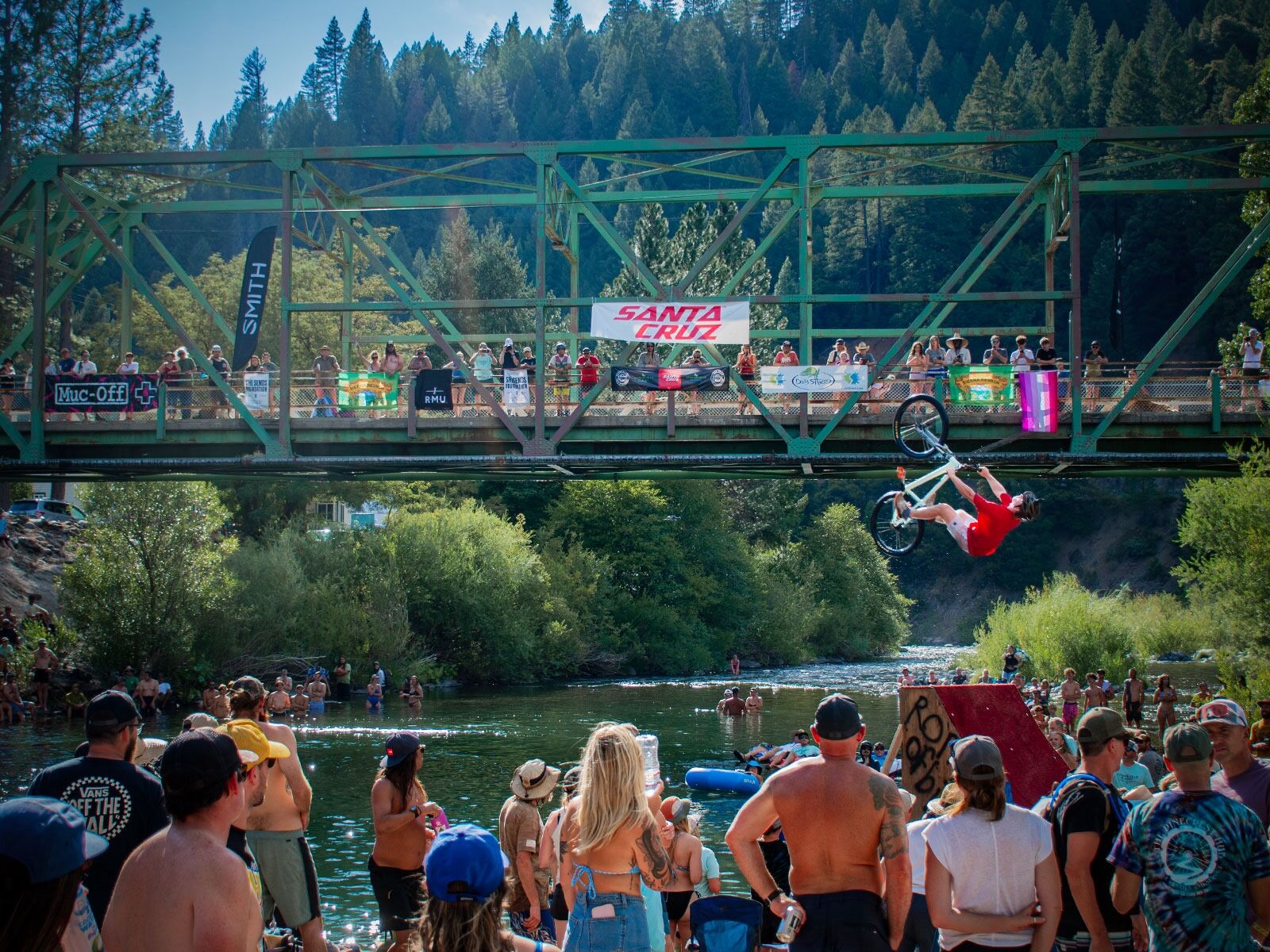
The beloved Downieville Classic River Jump. Photos: Sierra Buttes Trail Stewardship
After the race, I walked into a shop in Downieville for snacks to eat while my friends and I watched the river jump — the local tradition where riders send their bikes off a ramp and into the Yuba River, doing whatever tricks they can pull off before they hit the water. I was still wearing the medal, and the guy at the counter clocked it. “You won? First place? Amazing.” I said thanks and didn’t explain anything else. Because I did win first, and I did do something hard, whether or not anyone stood on the podium next to me.
But I know exactly what the win was: also a loss. Not just because I actually also came in last, but because it’s a loss for women as a whole that more of us aren’t getting after it. I beat the clock, but others probably could have beaten it better. The bike was my idea, the build was my call, and I climbed the whole thing on one gear and flew down the downhill without any crashes or slip-ups — that part wasn’t handed to me. But the fact that that was enough to win was kind of handed to me.
What would be the best would be if this stopped being a story so many women can relate to. Winning is cool; winning against other people is better. More women racing and participating in these niche sports probably means a loss for me in the next race, but it’s a win for the sports overall. Until it fills in, I may keep winning first and last — but I’d welcome a second-place win next year if it meant another lady on the podium next to me. 